20 Lob Hairstyles for Thin Hair
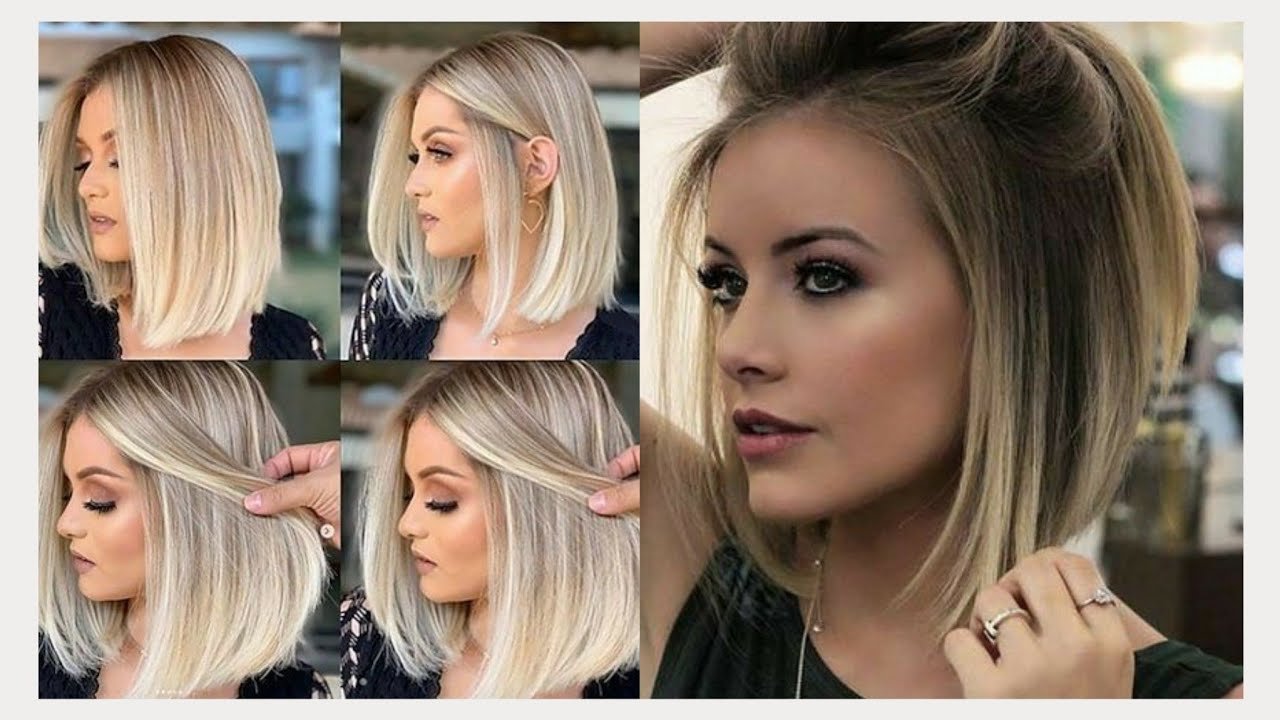
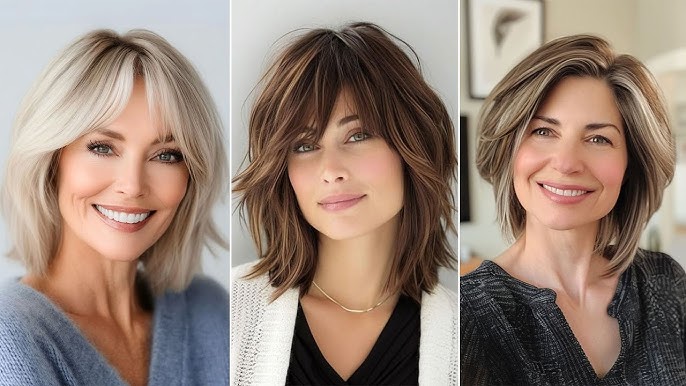
The lob is one of the most forgiving lengths for thin hair, and the reason is simple. It sits at a point where there is enough length to create a visible, convincing perimeter, but not so much that the limited density gets stretched too thin over a long length. Get the cut right at this length, and thin hair can look genuinely full and intentional every single day.
The trap most people fall into with a lob for thin hair is over-layering. A stylist who layers aggressively through the full length of a lob on thin hair strips the ends of the density they need, and the result looks thinner than before the appointment. The best lob for thin hair uses layering conservatively and strategically, only where it creates lift and movement without compromising the perimeter.
Before you pick a style, think about what your thin hair actually does through the day. Goes flat at the roots fast. Looks fine in the morning and lifeless by noon. Tends to go flat at the sides. Whatever the specific issue is, the right lob version addresses that problem directly rather than just looking good in a photo.
1. Blunt Shoulder Lob
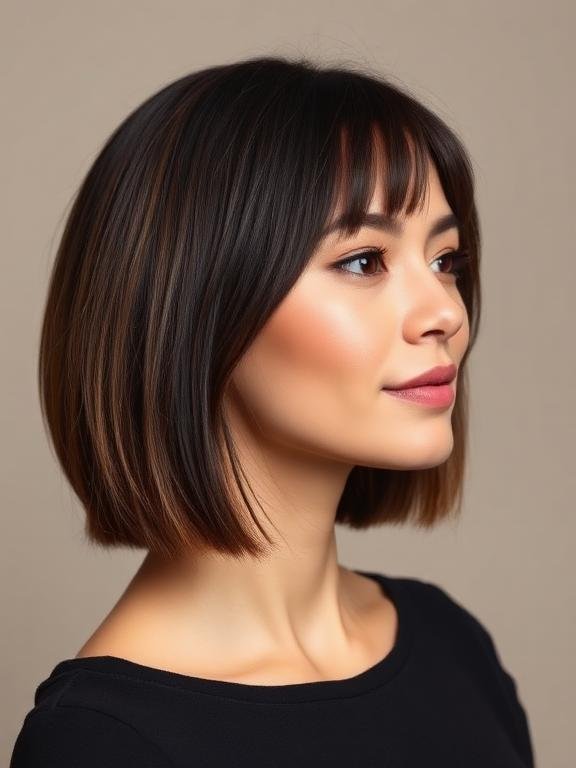
A blunt shoulder-length lob is the most reliable starting point for thin hair. The dense even perimeter makes the ends look as full as possible, and the shoulder length gives the limited density enough concentration to create a convincing, present look. It is clean, modern, and consistently flattering.
Ask for a blunt perimeter with no thinning through the ends at all. A volumizing mousse at the roots before blow drying and a round brush directed upward at the crown give the lift this style needs to look its best. Trim every six to eight weeks to keep the perimeter crisp.
2. Side-Parted Lob
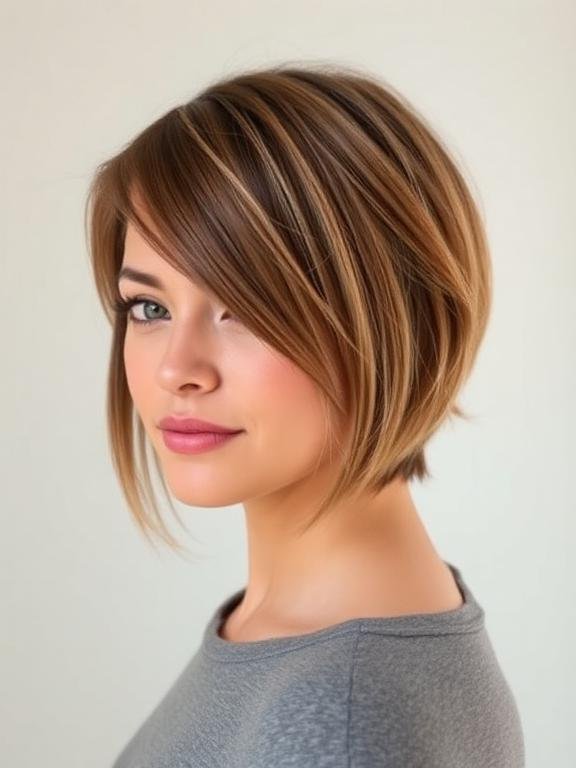
A deep side part on a lob creates immediate crown volume on the heavier side and asymmetry that makes thin hair look more dynamic and intentional. It is one of the simplest and most effective adjustments you can make to a lob for thin hair because the part alone does significant work without any structural change to the cut.
Set the part while the hair is damp and blow-dry the roots upward and over to the dominant side with a large round brush. A volumizing mousse at the roots before drying extends the volume throughout the day. Keep the perimeter blunt and full.
3. Lob with Curtain Bangs
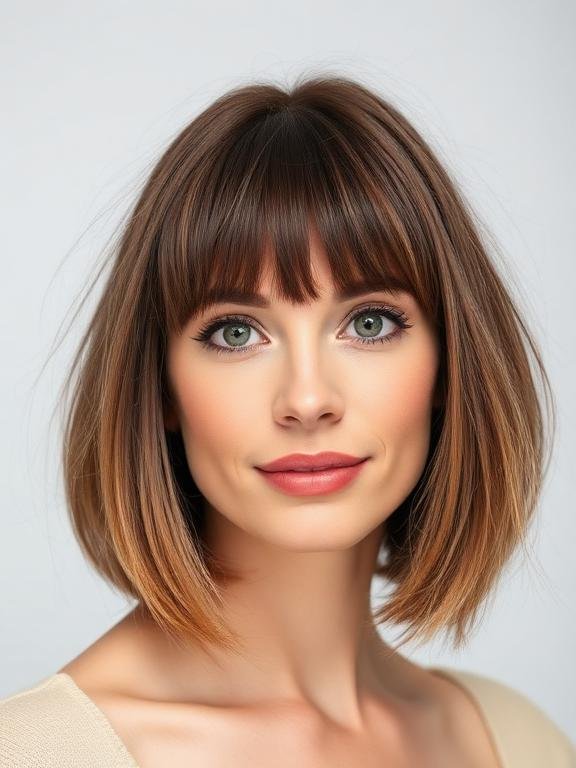
Curtain bangs on a lob create a face-framing element that adds visual interest at the forehead without demanding the density a full fringe requires. For thin hair, curtain bangs are one of the smartest fringe choices because they are naturally light and parted, which means they hold better through the day than a heavier fringe would.
Keep the curtain pieces airy and slightly separated. A small round brush, blow-dried forward, then swept outward, keeps them sitting correctly. The body of the lob should stay as full and dense as possible, with only crown layering used to create root lift.
4. Stacked Lob
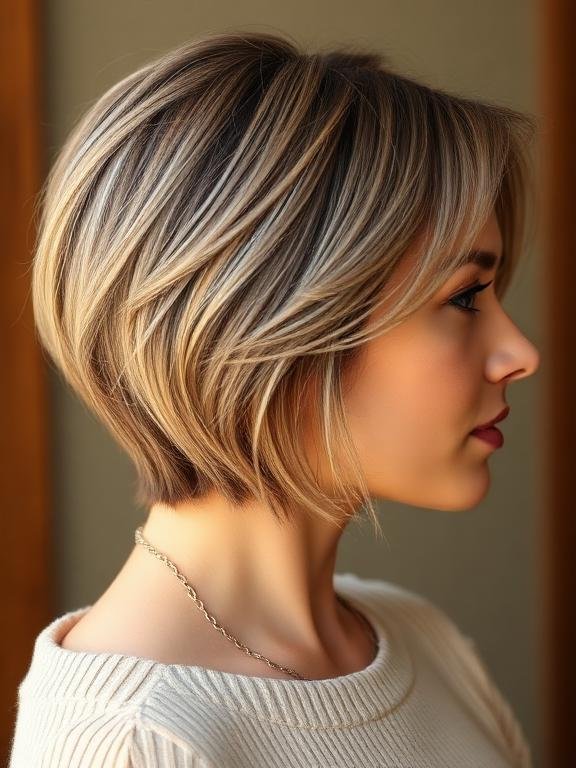
A stacked lob concentrates layering at the back of the head to create a structural crown lift through the shape of the cut rather than through the density of the hair. The front stays longer and frames the face, while the stacked back creates a rounded, lifted back profile that gives thin hair shape and volume.
Ask for close stacking at the back that creates a crown lift with longer front sections framing the face. The perimeter should stay as full as possible. Blow-dry the back roots upward first for maximum crown lift, then smooth the front sections forward.
5. Wavy Lob
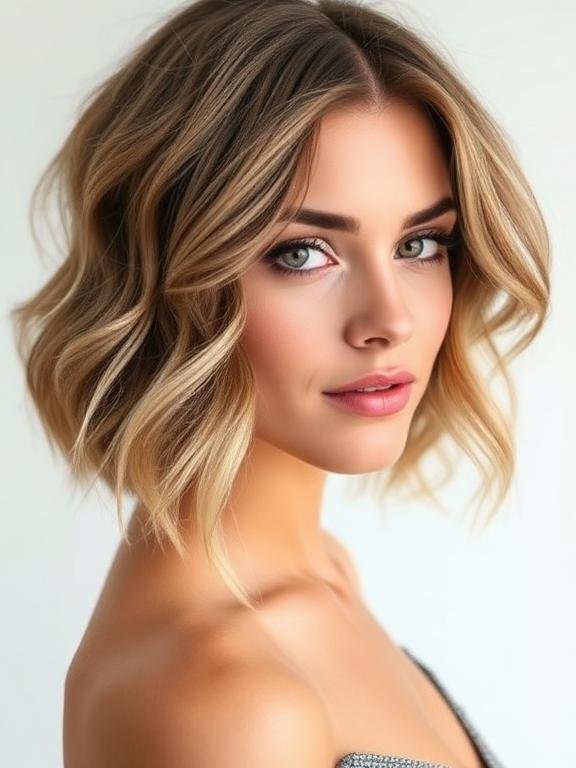
A wavy lob uses natural or styled waves to add volume and texture that straight, thin hair cannot generate on its own. The wave breaks up the visual weight of the lob length and gives the style more apparent fullness from root to tip without requiring any structural change to the cut.
Use a large barrel iron for the loosest possible wave and avoid the last inch for a relaxed, undone finish. A lightweight texture spray through the mid-lengths adds movement and definition. Scrunch rather than brush the waves to maintain the texture through the day.
6. Babylight Lob
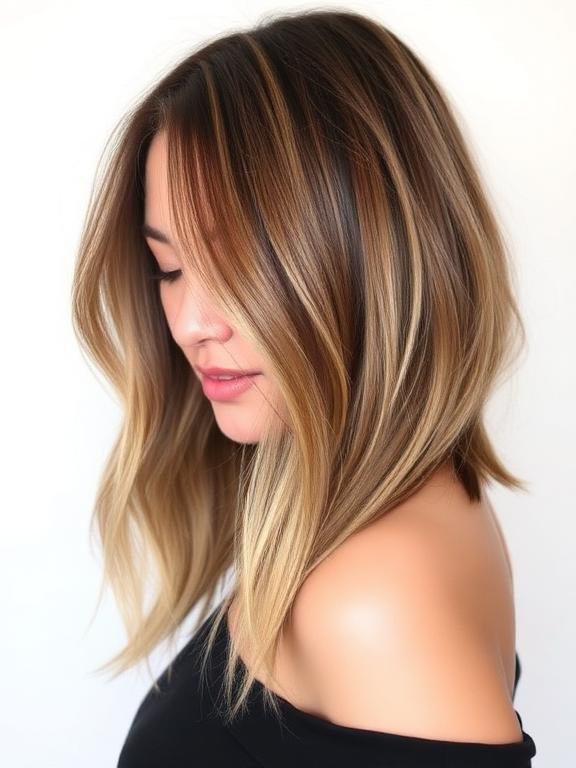
Babylights through a lob on thin hair add the visual dimension and depth that the hair type cannot create through texture alone. The very fine highlights create color variation that makes thin hair look thicker and more dimensional. On gray or silver thin hair, the babylights add brightness that makes the whole style look more alive.
Ask for babylights placed through the mid-lengths and ends to add diffused brightness and the impression of more density. Choose a tone that complements the natural base color or gray. A gloss treatment every few weeks keeps the babylights looking fresh and the thin hair looking healthy.
7. A-Line Lob
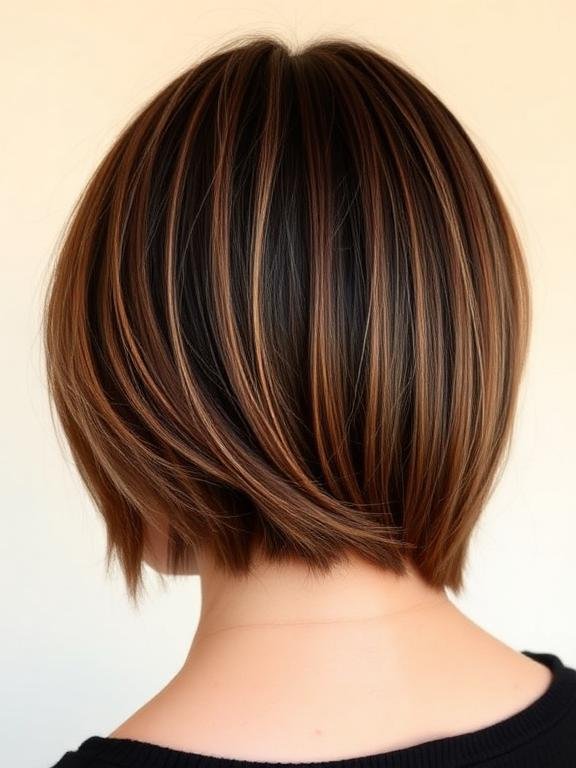
An A-line lob with a shorter back and longer front creates a structural vertical line that elongates the face without depending on the density of the hair to create shape. The angle provides the visual interest, and the thin hair fills the frame. It always looks intentional regardless of density.
Ask for an A-line angle with a noticeably shorter back and longer front sections at shoulder length. Interior layering should be kept minimal to preserve thin hair perimeter density. The angle of the cut does all the design work this style needs.
8. Lob with Root Lift Layers
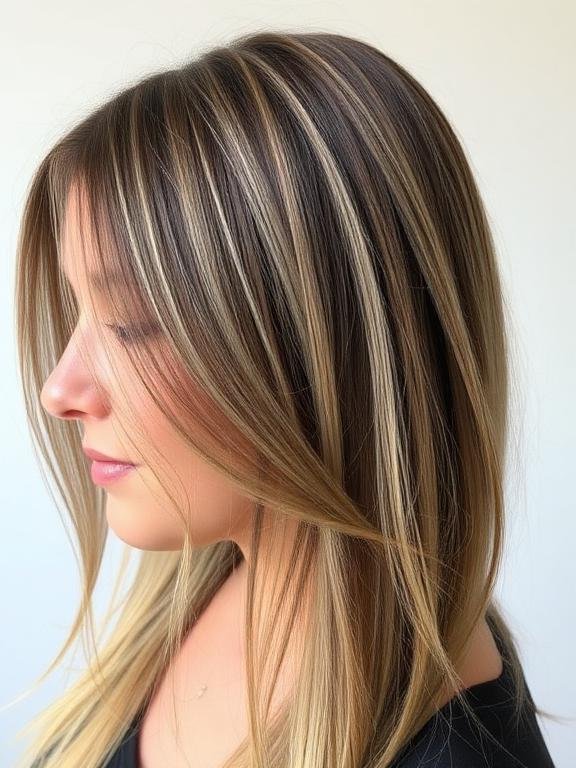
Invisible root-lift layers placed specifically through the crown and upper sections of a lob address the flatness that thin hair develops at the base. The layers are not visible as texture in the finished style, but make a significant difference to how much volume the hair holds through the day at this length.
Ask for invisible root-lift layering placed only through the crown and upper sections, leaving the lower mid-lengths and ends completely untouched to preserve the density thin hair needs at the perimeter. Blow-dry the roots upward with a round brush to activate the lift.
9. Lob with Face-Framing Highlights
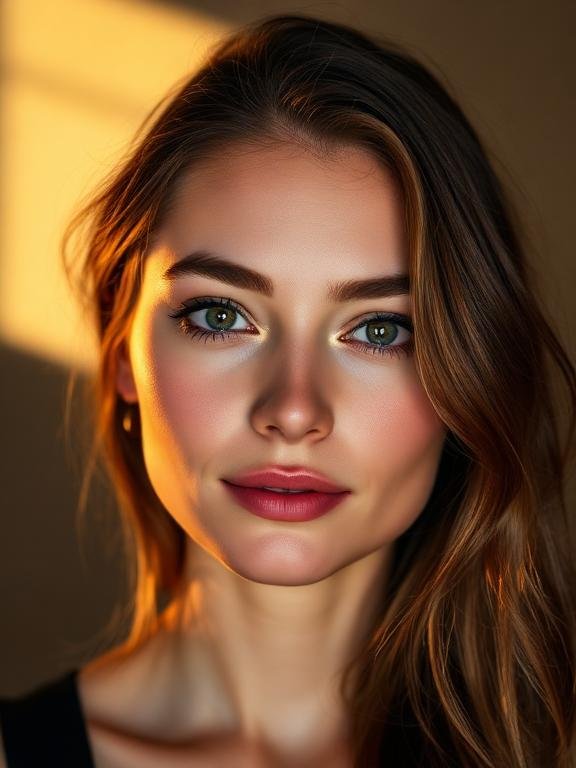
Face-framing highlights on a lob draw attention to the center of the face and add visual brightness that creates the impression of more dimension and depth than thin hair alone can produce. The highlights do the visual work of volume without requiring any structural change.
Ask for highlights placed through the face-framing sections at the cheekbone level. Choose a tone that adds brightness in a way that complements the natural base or gray rather than looking obviously highlighted. A gloss treatment every few weeks keeps the face-framing highlights looking intentional.
10. Lob with Wispy Fringe
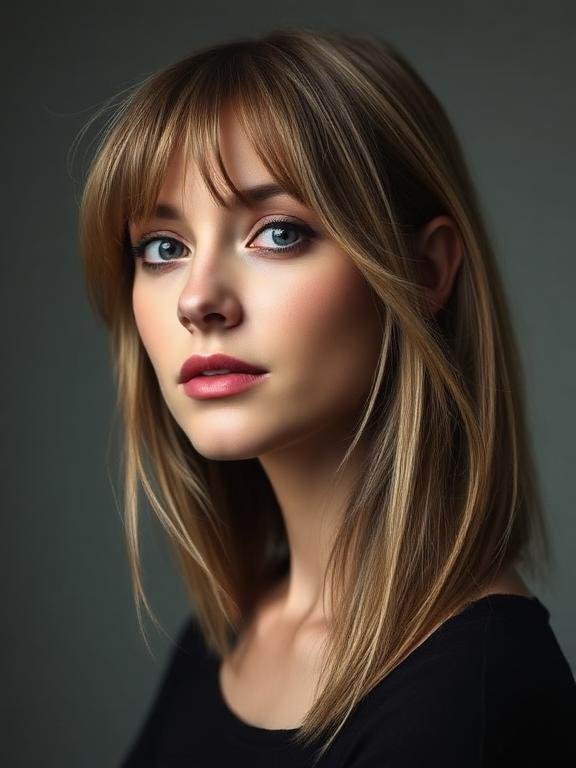
A wispy fringe on a lob gives thin hair a soft focal point at the forehead that creates intention and structure at the front of the style. The wispy quality suits thin hair specifically because it does not demand the density that the hair cannot provide, and sits lightly without going completely flat through the day.
Keep the fringe separated and airy rather than flat and blunt. Dry shampoo at the roots of the fringe between washes adds grip. The lob perimeter should stay as full and dense as possible to balance the lighter, wispy quality of the fringe at the front.
11. Lob with Voluminous Blowout
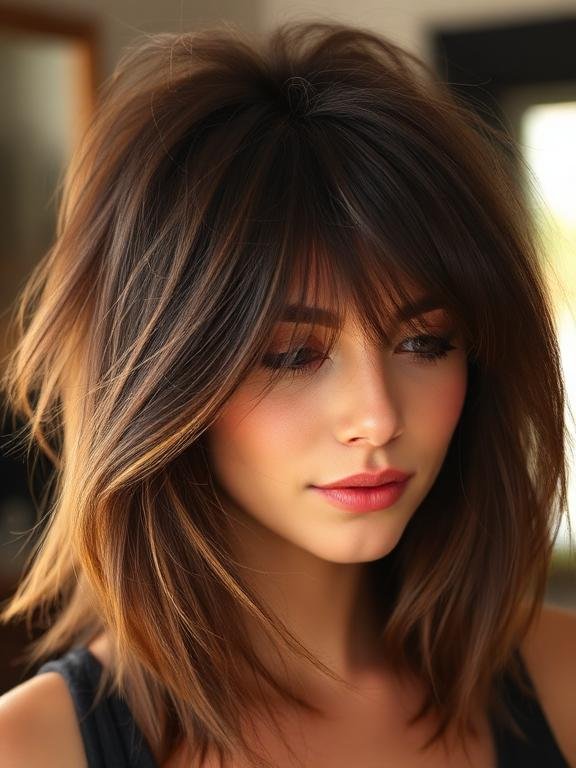
A professional blowout on a lob gives thin hair significantly more apparent volume than it has naturally. The technique directs the roots upward and outward during drying in a way that creates a body that holds through most of the day. It is one of the most impactful styling approaches for thin hair at this length.
Apply a volumizing mousse to damp roots before drying. Blow-dry the crown first using a large round brush directed upward, then work through the lengths. Finish with a light-hold spray and avoid touching the roots once set. The blowout result looks most intentional on a blunt or conservatively layered perimeter.
12. Graduated Lob
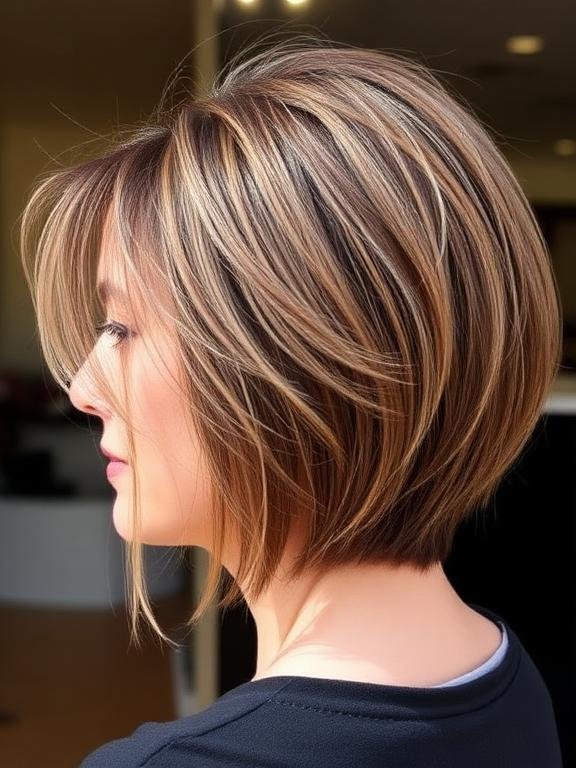
A graduated lob creates structural lift at the back through the graduation itself, with the shorter back generating natural crown volume that does not depend on hair density. The longer front sections sit at shoulder length and frame the face, while the graduation creates a built-in shape.
Ask for a graduated cut with a shorter back that creates natural crown lift and longer front sections at shoulder length. Interior layering was kept minimal, preserving thin hair perimeter density. The structural graduation creates the shape and volume this style needs.
13. Lob with Side Sweep
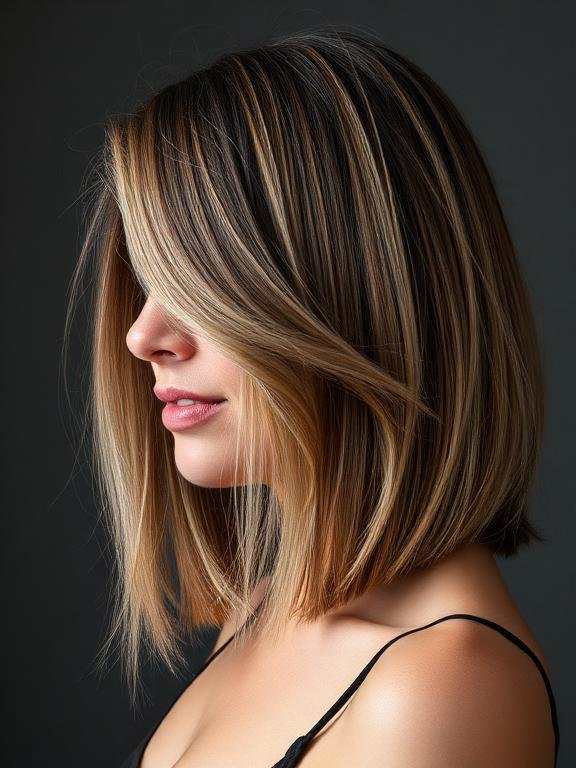
A lob with a side-swept front creates a directional, polished quality that makes thin hair look more intentional and fuller on the heavier side of the sweep. The sweep works with a deep side part to concentrate thin hair density on one side and add a flowing, dynamic quality to the front of the style.
Ask for front sections long enough to sweep naturally to one side with a deep side part. The rest of the lob should stay blunt and full. Blow-dry the front sections forward first, then sweep them to one side with a round brush. A light hold spray sets the direction.
14. Lob with Soft Inward Curl
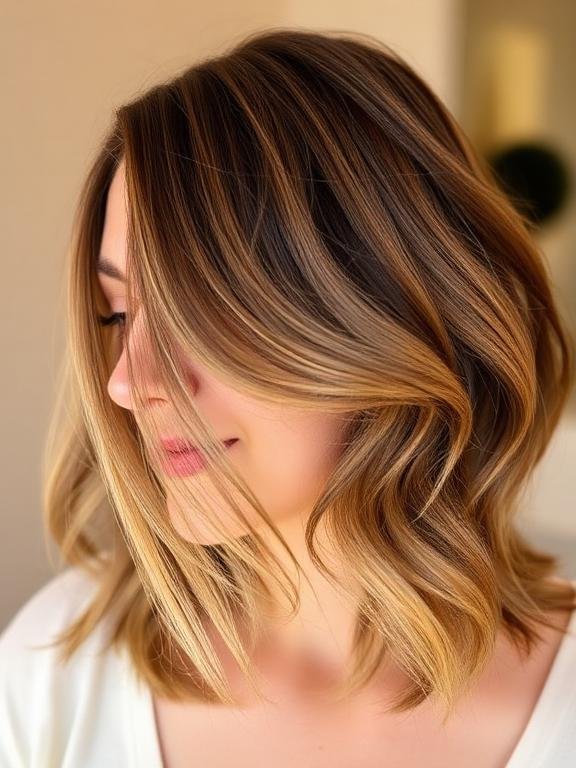
A lob styled with a soft inward curl at the ends creates a classic, rounded finish that adds visual fullness at the perimeter. The inward curl makes the ends look denser and more present than they would hanging straight, and the classic quality of the finish suits most mature face shapes particularly well.
Use a medium round brush during blow drying, and on the last rotation at the ends, turn the brush under slightly to create the inward curl. Alternatively, use a medium barrel iron with the ends turned inward. A light-hold spray keeps the curl through the day.
15. Lob with Texture Spray Finish
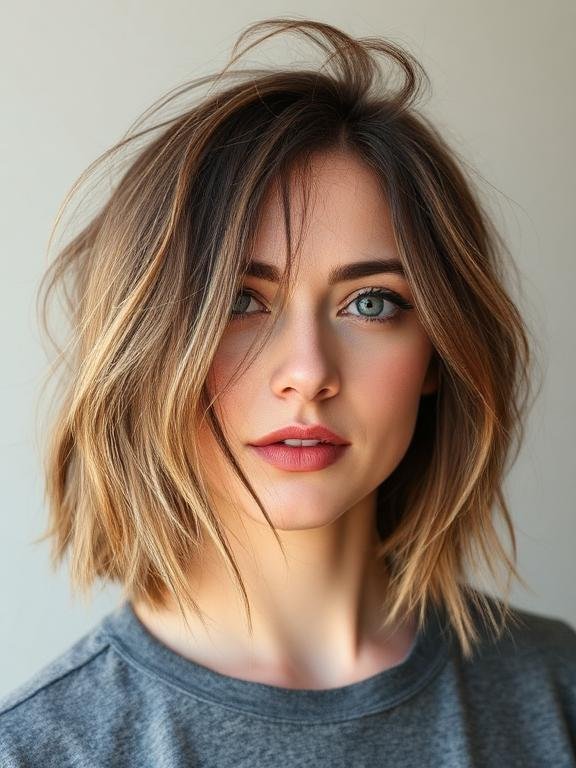
A lob finished with a lightweight texture spray after styling creates apparent dimension and grip that makes thin hair look more textured and fuller than a smooth, unfinished style. The texture spray adds a visual separation to the thin hair that creates the impression of more individual strands.
Apply a lightweight texture spray through dry hair after blow drying by scrunching lightly through the mid-lengths and ends. Avoid applying it at the roots, where it can reduce the volume rather than add to it. This finish works best on a blunt or minimally layered lob perimeter.
16. Lob with Natural Texture
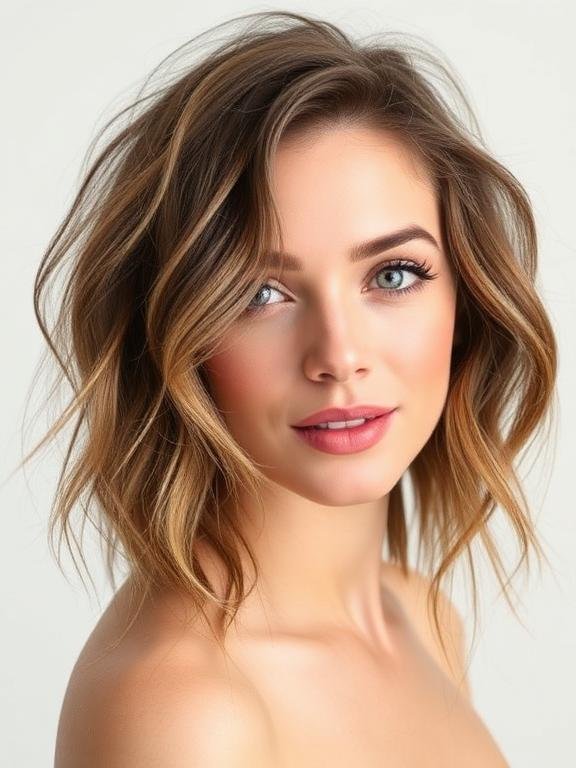
A lob shaped around the natural texture of thin hair, whether that is a subtle wave, a slight curl, or the specific direction the hair tends to fall when left to dry, creates a style that looks consistently flattering every day without daily styling effort. When the cut works with the hair’s natural behavior, the daily result is always better.
Ask for the lob shape specifically around how your thin hair behaves when it dries naturally without product or heat. A lightweight mousse scrunched into damp roots is the whole styling routine for this version. The shape comes from the cut and the natural texture, not from daily effort.
17. Lob with Half-Up Style
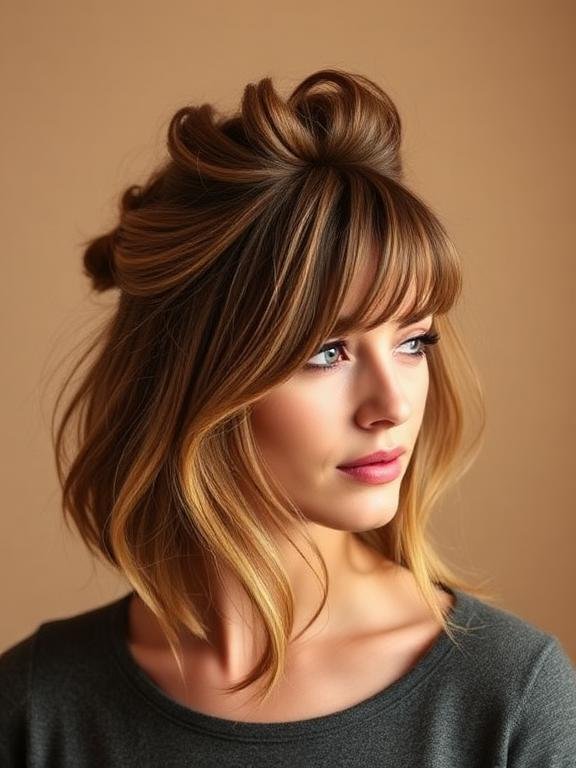
A half-up style on a lob gathers the top section to create crown volume while the lower lob sections stay down and show the length and movement of the cut. It addresses the flatness thin hair develops at the crown through arrangement rather than through density, which is a genuinely practical everyday approach.
Spray a volumizing product at the crown before gathering the top section. Secure softly with a clip or soft elastic and pull a few face-framing pieces loose at the front. The lower lob sections should have a light wave or clean blowout finish so they look intentional rather than simply hanging flat.
18. Lob with Deep Conditioning Gloss
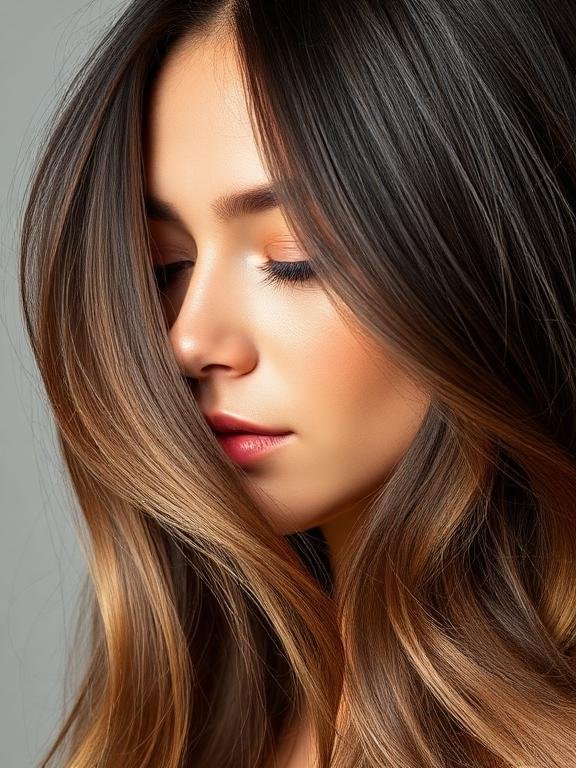
A lob elevated with a conditioning gloss treatment adds shine and dimensional color quality that makes thin hair look healthier and more substantial. The gloss adds a surface luminosity that reflects light and gives thin hair more apparent depth and richness than it has in its natural matte state.
Ask for a conditioning gloss applied at the salon in a tone that complements the natural base color or gray. The gloss adds shine without weight and fades gradually and evenly over six to eight weeks. A gloss-specific shampoo used between appointments extends the longevity of the treatment.
19. Asymmetric Lob
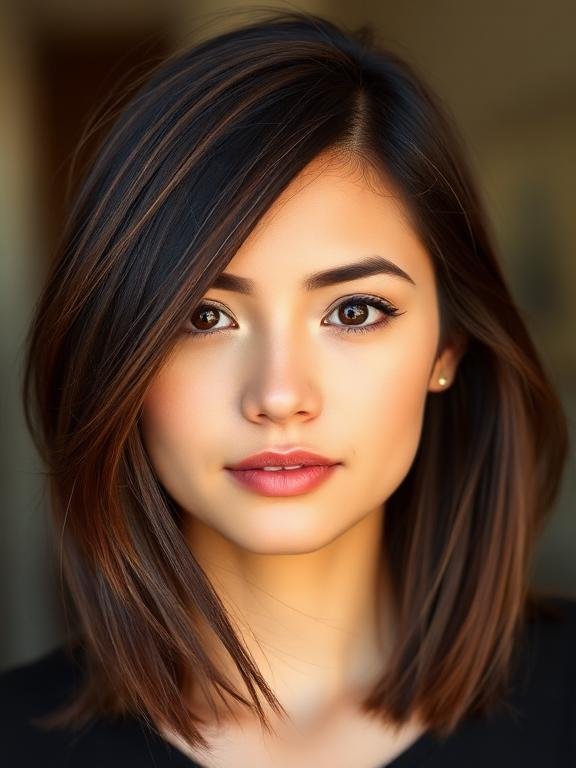
An asymmetric lob with one side sitting slightly longer than the other creates a diagonal line that adds visual interest and reduces the circular symmetry of a rounder mature face. For thin hair, the asymmetry adds a sense of intention and design that the limited density alone cannot create.
Ask for an asymmetric lob with one side sitting clearly longer than the other. Interior layering on both sides should be kept minimal to preserve the thin hair perimeter density. The diagonal asymmetry makes the thin hair look more considered and deliberate than a symmetric cut would.
20. Effortless Air-Dry Lob
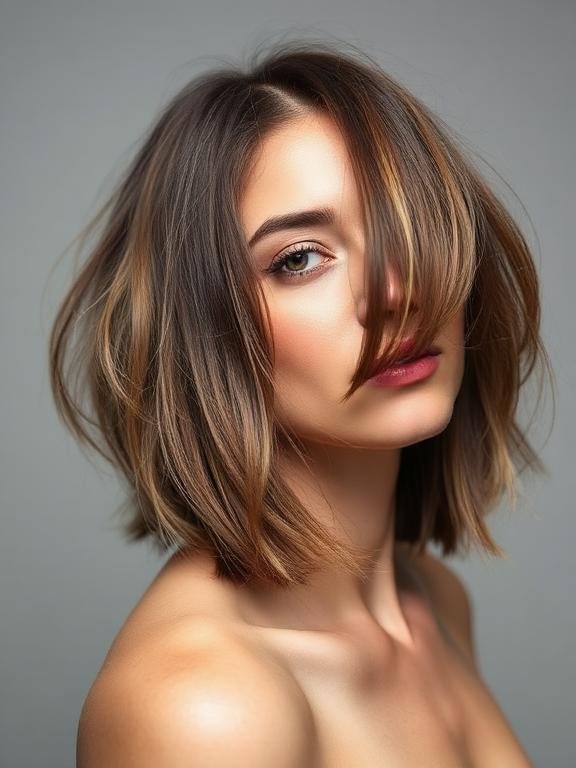
A lob designed specifically to look its best when thin hair air dries without heat tools is the most genuinely sustainable everyday option for women who do not want a daily styling routine. The cut is shaped around the natural fall and behavior of the thin hair, so the air-dried result is consistently flattering.
Ask for the lob shaped around how your thin hair behaves when it dries completely naturally. A lightweight volumizing mousse scrunched gently into damp roots before leaving the hair to air dry is the only product the routine needs. Keep the perimeter blunt and full so the air-dried result always looks intentional.
FAQs
What length lob works best for thin hair?
Shoulder length is usually the sweet spot for thin hair because the density has enough concentration at that length to create a convincing, full-looking perimeter without being stretched too thin over a longer length. Going below the collarbone starts to spread the limited density too far, and the ends begin to look sparse. Going shorter into pixie bob territory concentrates the density even more, but loses some of the versatility that lob length provides.
Should a lob for thin hair have layers?
Only very conservative layers are placed through the upper sections and crown. Layers through the ends remove the density that thin hair most needs at the perimeter. The right approach uses invisible root-lift layers at the crown to address flatness and a blunt or near-blunt perimeter to maximize end fullness. If your stylist suggests layers throughout the full length, push back and ask for them to be concentrated at the crown only.
How do I stop a lob from going flat on thin hair?
A volumizing mousse or root spray applied at the roots before blow drying and a round brush directed upward at the crown during drying creates lift that lasts significantly longer than air-dried roots. Dry shampoo at the roots midday revives the volume when it starts to fade. Avoiding heavy products that weigh thin hair down is as important as using the right root products.
Can thin hair look good in a lob without styling tools?
Yes, if the cut is designed for it. A lob shaped around the natural texture of thin hair and finished with only a lightweight mousse at the roots air dries into a flattering shape that looks intentional without heat tools. The key is finding a cut that works with what the hair naturally does rather than one that requires daily styling to achieve the intended shape.
Wrapping Up
The lob is one of the best investments thin hair can make. The length is right, the perimeter options are right, and the range of styling approaches available at this length gives you genuine flexibility for different occasions and different amounts of morning time.
Pick two or three versions from this list that match your face shape and daily routine. Tell your stylist you want fullness and a minimal approach to end layering. Those two things, combined with the right lob version, will give thin hair results that look significantly fuller and more intentional than the density of the hair would suggest is possible.