16 Dark Caramel Balayage Ideas
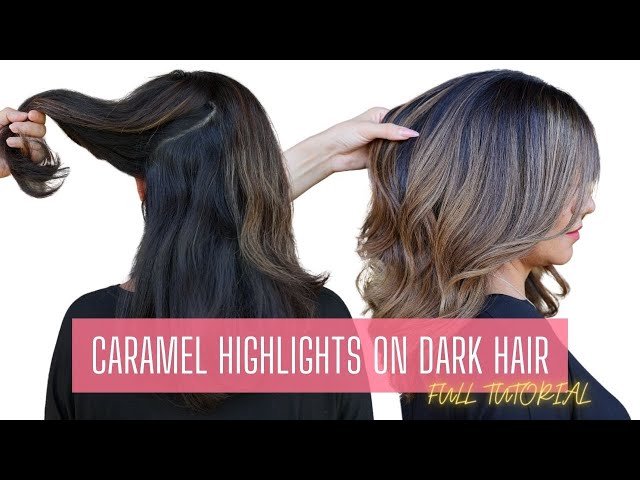
Dark caramel balayage sits in a sweet spot that most other highlight techniques cannot quite reach. It is warm enough to add genuine dimension and life to dark brown hair without the shock of a dramatic contrast. Rich enough to look luxurious in direct light. Natural enough to grow out gracefully without a hard line demanding constant upkeep. It is the kind of color that looks expensive without the high-maintenance commitment that the most expensive color requires.
The dark in dark caramel is important. This is not a bright, summery caramel. The tones sit deeper and richer, which makes them more appropriate across multiple seasons and more flattering on a wider range of skin tones and base colors. The darkness of the caramel gives it staying power and sophistication that a lighter, more golden version does not have.
Before you book, have an honest conversation with your colorist about your natural base. The darker your starting point, the more the caramel needs to be pre-lightened underneath to show up with the richness the technique is known for. Getting that step right is what separates a beautiful dark caramel balayage from a muddy, flat-looking result that does not deliver on the promise of the color.
1. Classic Dark Caramel Sweep
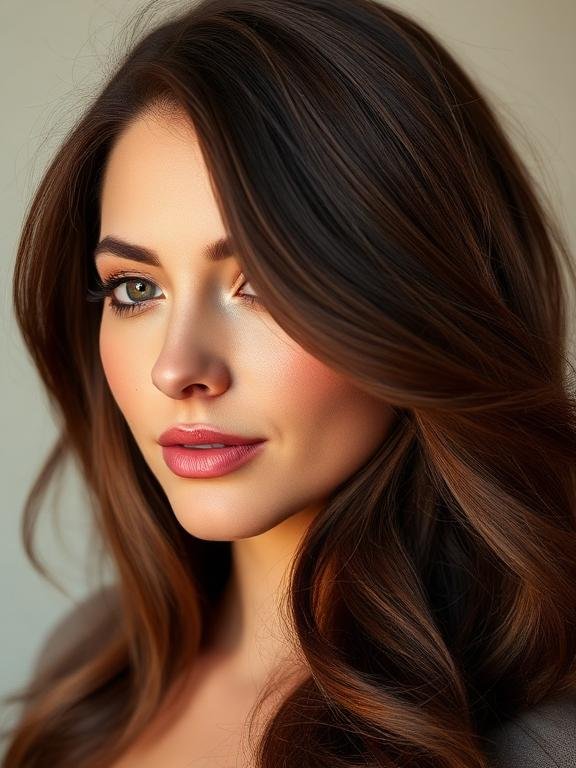
The classic dark caramel sweep places rich, warm caramel tones through the mid-lengths and ends in a seamless hand-painted technique that follows the natural movement of the hair. The roots stay deep and dark, and the caramel gradually warms the hair toward the ends.
Ask for the caramel placement to start at mid-shaft with the richest, warmest tones concentrated at the ends and through the face-framing sections. A color-protecting shampoo daily and a weekly deep conditioning mask keep the caramel tones looking warm and rich rather than fading into a dull, brassy tone.
2. Dark Caramel Face Frame
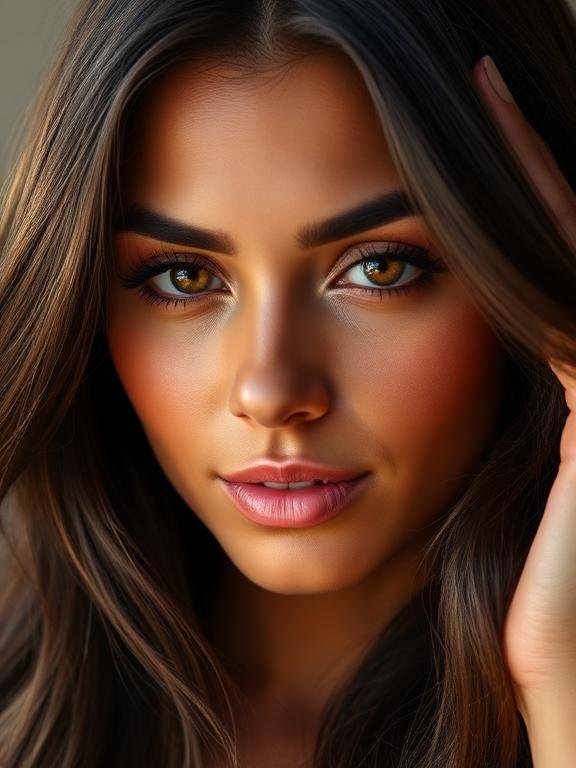
Dark caramel face-framing concentrates the warmest tones through the sections that fall closest to the face, the pieces around the cheekbones and jaw. The rest of the hair stays at a deep, rich dark base, which creates an immediate, flattering warmth right at face level without lightening the full head.
Ask for the richest caramel tones to be placed specifically through the face-framing sections with a soft, seamless blend backward into the deeper base. This placement is the most flattering for most face shapes because the warmth draws attention to the center of the face rather than dispersing it evenly.
3. Dark Caramel on Black Hair
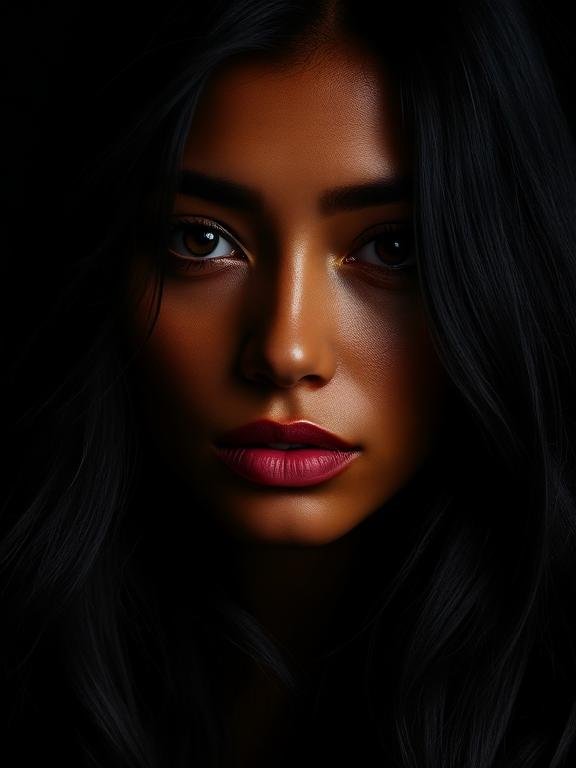
Dark caramel balayage on black hair creates a dramatic, high-contrast result where the warm caramel tones emerge from the deep dark base in a way that is striking and rich. The contrast is more apparent than on medium brown hair, and the caramel reads as genuinely warm and dimensional in direct light.
Pre-lightening through the balayage sections is necessary on black hair to get the caramel to show up at the right depth and warmth. Ask for a careful, controlled lift that gets the sections to the right level for caramel without going too light, which would create an orange result rather than a true caramel.
4. Dark Caramel on Brown Hair
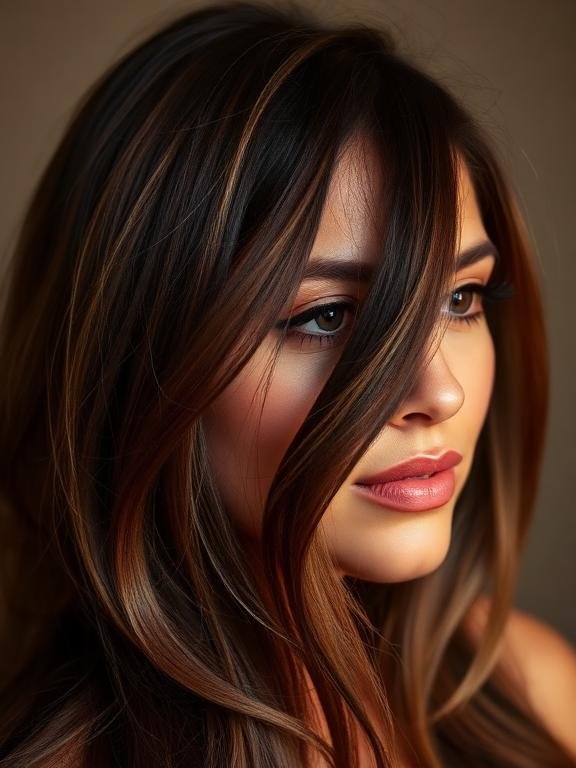
Medium-to-dark brown hair is the most forgiving and most natural-looking base for a dark caramel balayage. The warm undertones of most brown hair and the caramel tones complement each other seamlessly, and the grow-out is gradual and flattering without creating an obvious line.
This version requires the least pre-lightening and often the least maintenance because the natural brown root and the dark caramel mid-lengths blend so naturally. A color-depositing conditioner in a warm caramel or honey tone, used every few washes, refreshes the warmth between appointments.
5. Dark Caramel Babylights
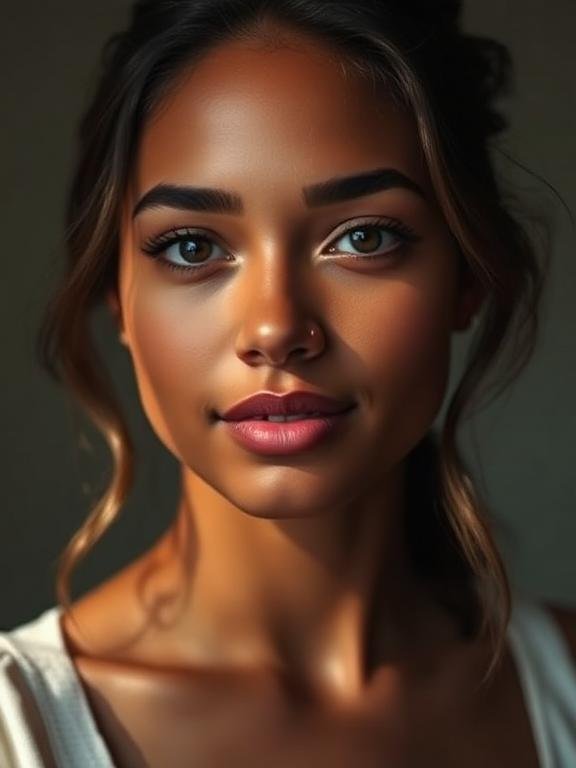
Very fine, closely placed dark caramel babylights create the most natural-looking version of this color. The result reads as a natural warmth and brightening through the hair rather than obvious highlights. It is perfect for women who want dimension and warmth without any visible technique.
Ask for babylights placed in very fine sections throughout the hair that blend completely with the natural dark base. The individual highlighted sections should be fine enough that the overall effect looks like the hair has naturally developed warm, dimensional tones rather than been highlighted. A gloss treatment every few weeks maintains the effect.
6. Dark Caramel Balayage on Curly Hair
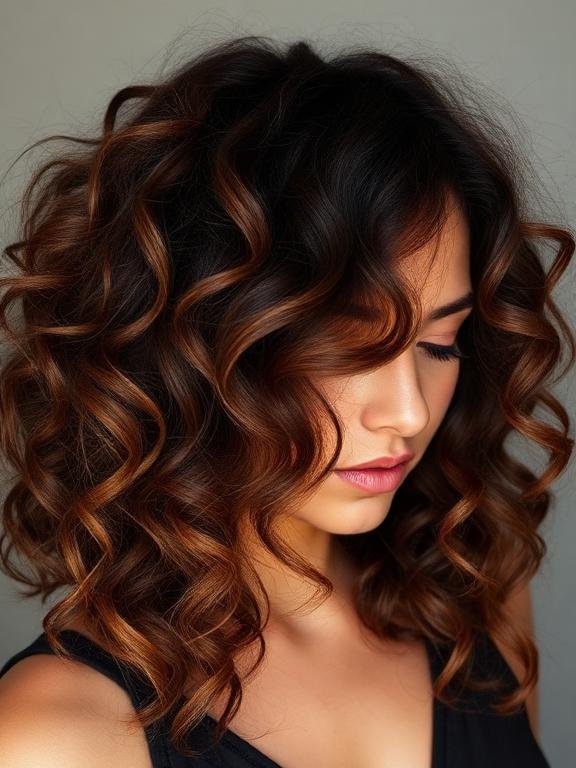
Dark caramel balayage on naturally curly hair looks completely different from the same color on straight hair because the curl pattern creates pockets of light and shadow that make the caramel tones shift dramatically with every movement. The outer sections of each curl catch the caramel most clearly, and the inner sections stay at the deeper base, creating a naturally dimensional effect.
Ask for the color placement to follow the curl pattern, with the caramel tones placed specifically on the outer sections of the curls where they will catch the most light. Use a moisturizing curl cream after washing to maximize curl definition and make the caramel tones visible through the natural curl shape.
7. Dark Caramel Ombre
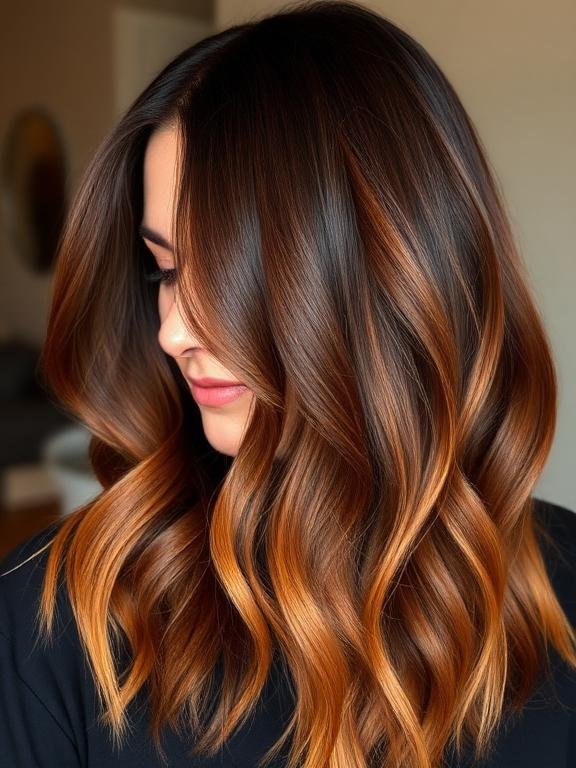
A dark caramel ombre transitions from a deep, rich root color into full dark caramel through the mid-lengths and ends. The transition is gradual and seamless, and the ends carry the most concentrated version of the caramel tone. It is bolder than a standard balayage but still warm and sophisticated rather than dramatic.
Ask for the ombre transition to start at mid-shaft for the most natural result. The roots should stay at a deep, rich dark tone, and the ends should carry the warmest, most saturated caramel. A conditioning treatment used weekly keeps the lighter ombre ends healthy and prevents them from going dry or frizzy.
8. Dark Caramel with Chocolate Base
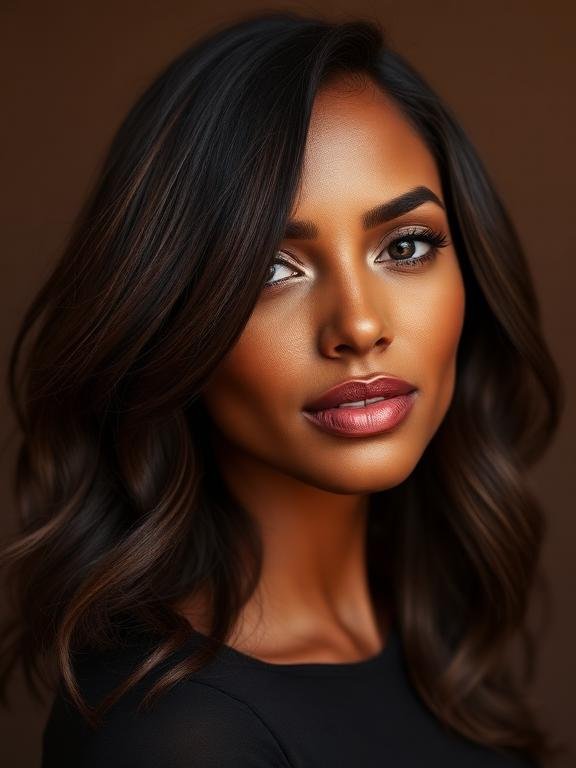
Dark caramel balayage placed through a rich chocolate brown base creates an earthy, warm color combination that is one of the most sophisticated versions of this technique. The chocolate depth and the caramel warmth sit in the same warm tone family but at different depths, creating a color that looks genuinely multidimensional.
Ask for caramel tones placed through the face-framing sections and mid-lengths over a rich chocolate brown base. The contrast between the chocolate and the caramel should feel warm and seamless rather than obviously highlighted. A gloss treatment in a warm tone refreshes both the chocolate base and the caramel balayage simultaneously.
9. Dark Caramel Money Piece
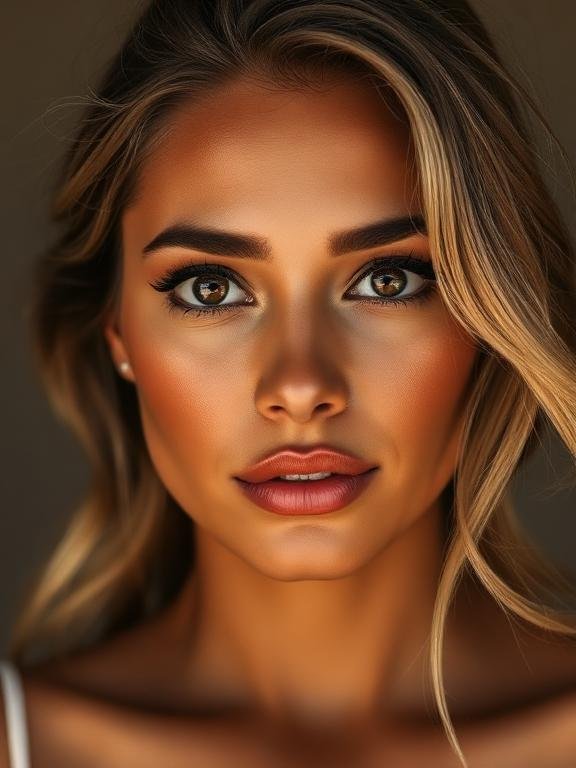
A dark caramel money piece places the richest, most concentrated caramel tones through the two front sections that frame the face. The contrast between the warm caramel money piece and the deeper base of the rest of the hair is immediate, striking, and the most face-flattering version of this technique.
Ask for the money piece sections to be pre-lightened enough that the caramel reads at its warmest and richest. The contrast between these front sections and the deeper surrounding hair should be clearly visible but still within the warm brown tone family rather than creating an obvious blonde highlight.
10. Dark Caramel Peekaboo
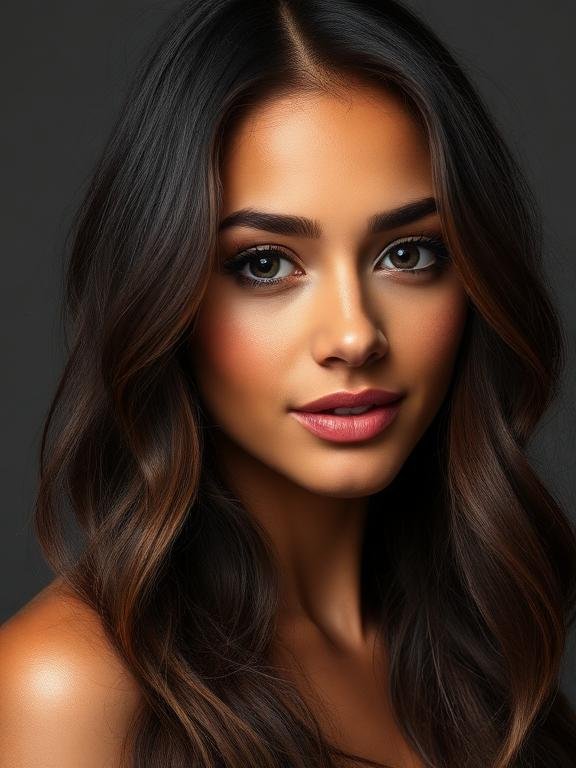
Peekaboo dark caramel highlights placed underneath the top layer of hair are hidden when the hair falls naturally and reveal themselves when the hair is gathered, lifted, or moved. For women who want color dimension without any visible commitment at the surface, this is the most subtle and versatile approach.
Ask for the caramel tones to be placed through the underlayer sections below the natural surface of the hair. The color adds dimension and warmth when the hair moves without being visible in a standard downward style. No visible maintenance is needed until the colored sections grow out enough to be trimmed away.
11. Dark Caramel on Wavy Hair
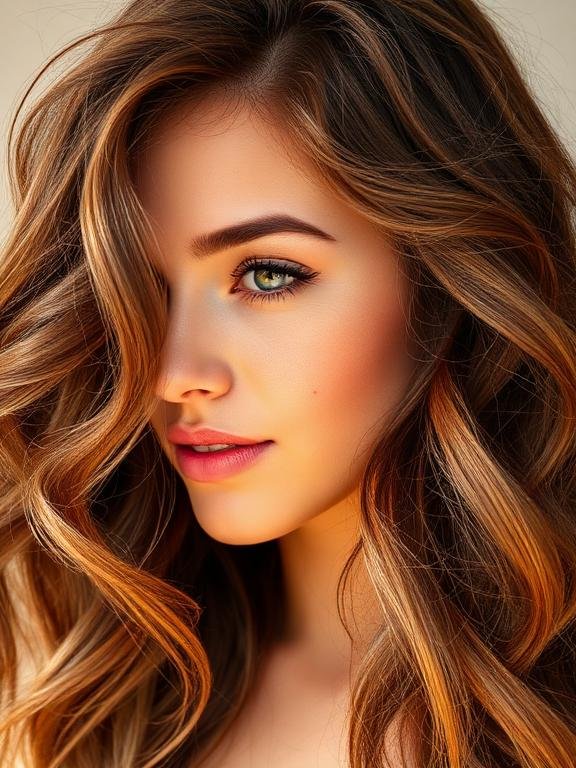
Dark caramel balayage on wavy hair creates a particularly beautiful dimensional result because the wave pattern naturally lifts and lowers different sections of the hair through the day, which means the caramel tones catch the light from different angles constantly. The color looks different in motion than it does standing still, which is part of its appeal.
Ask for the caramel placement to follow the natural wave pattern, with the warmest tones placed on the sections that sit on the crest of each wave. Style with a lightweight wave cream and air dry for the most natural result. The dimensional color and the natural wave work together without either one overpowering the other.
12. Dimensional Dark Caramel
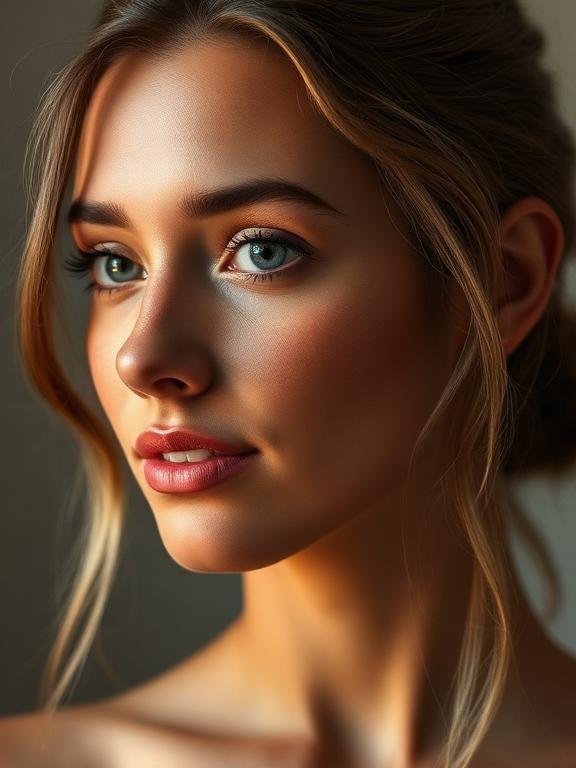
A dimensional dark caramel balayage uses multiple tones within the caramel family, from deep toffee through mid caramel to a slightly lighter warm blonde caramel, placed through different sections of the hair to create a color with more complexity than a single caramel tone alone. It shifts between the tones depending on the light and the angle.
Ask for the deepest toffee tones placed closest to the roots, the mid caramel through the body of the mid-lengths, and the lightest warm caramel through the outermost face-framing sections and ends. The variation between the tones creates a color that looks genuinely different from every angle.
13. Dark Caramel Gloss Finish
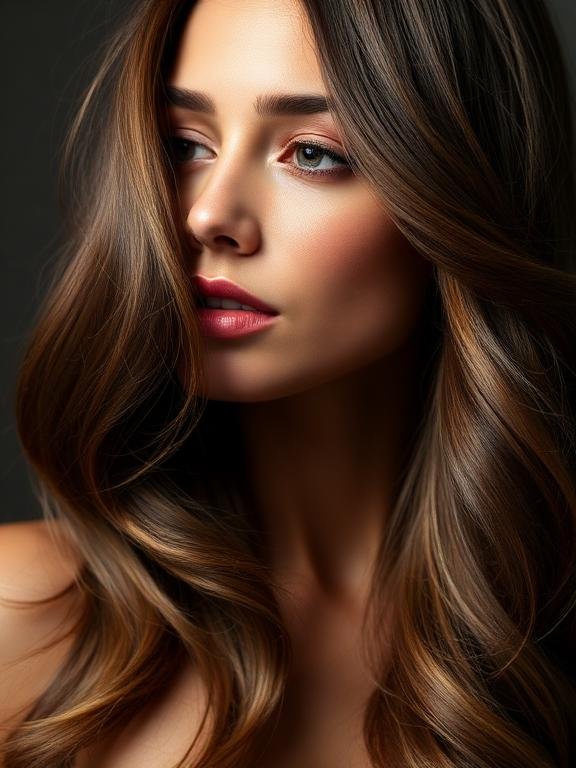
Dark caramel balayage elevated with a matching caramel gloss applied over the top creates a result where the gloss adds a layer of richness, shine, and color depth that the balayage placement alone does not achieve. The gloss melds the highlighted sections with the natural base and adds the luminosity that makes caramel tones look their most luxurious.
Ask for the caramel balayage to be placed first, and then a matching warm caramel gloss applied over the entire head. The combined result looks richer and more intentional than balayage without the gloss. Maintain the gloss finish with a color-protecting shampoo and a gloss-specific conditioner.
14. Dark Caramel on Long Hair
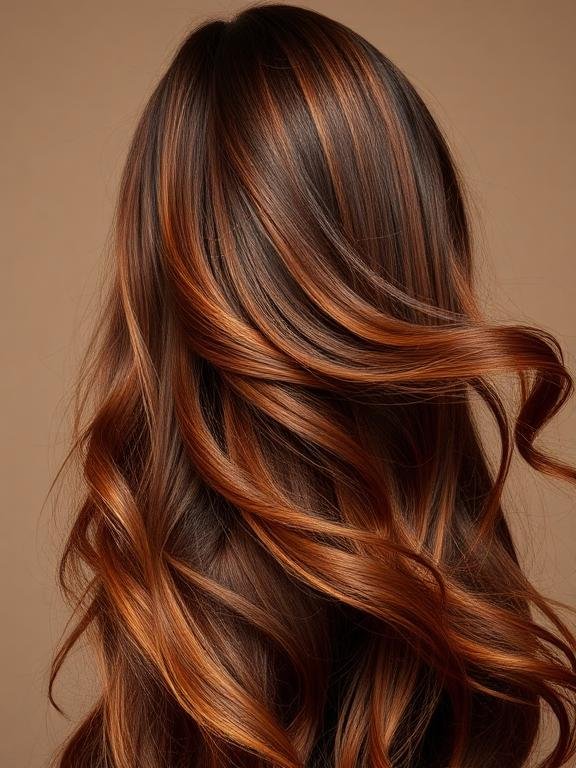
Long hair gives dark caramel balayage the most canvas to work with. The color has more length to transition through, which creates a more gradual and seamless result, and the movement of long hair shows off the dimensional quality of the caramel tones more dramatically than shorter lengths.
Ask for the color to start mid-shaft so the full length of the hair carries the caramel tones rather than just the very ends. Style with a large barrel iron for loose waves that maximize the color movement through the length. The caramel tones look their most striking when the long hair is moving rather than hanging completely still.
15. Dark Caramel Refresh
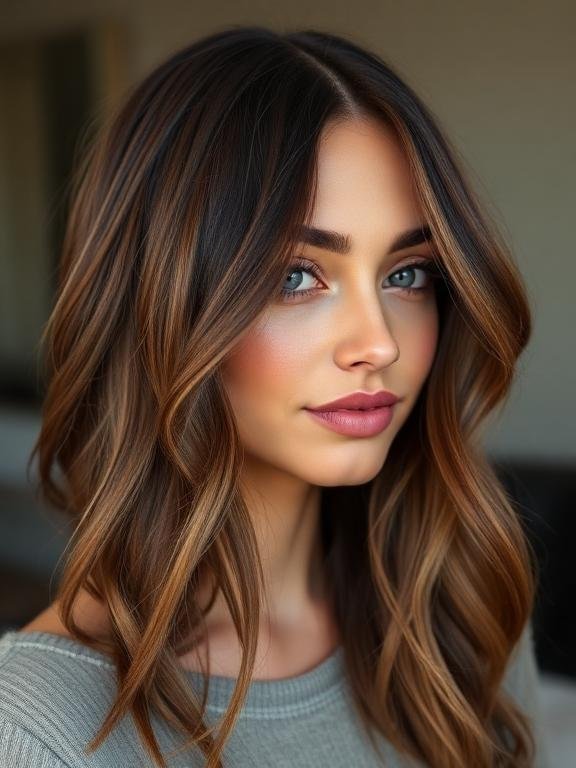
A refresh appointment for existing dark caramel balayage that has faded or grown out uses a combination of selective re-lightening, toning, and a warm gloss to bring the caramel tones back to their freshest expression. It is faster and gentler than a full appointment and keeps the color looking consistently intentional between full balayage services.
Ask for a refresh that targets only the sections that have faded most significantly, applies a fresh caramel tone through all the highlighted sections, and finishes with a warm gloss over the entire head to blend and add shine. Establish a color-protecting routine immediately after the refresh to extend the vibrancy as long as possible.
16. Dark Caramel with Warm Skin Tone Focus
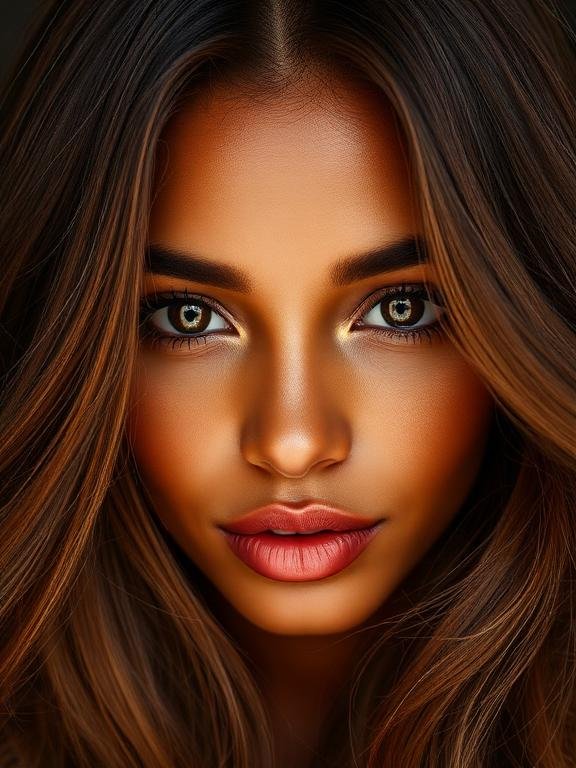
Dark caramel balayage with the color placement specifically chosen to complement warm skin tones creates the most flattering individual version of the technique. Warm skin tones carry golden and honey-toned caramel most beautifully, and the placement around the face should maximize the interaction between the warm skin tone and the warm caramel tones in the hair.
Ask for the richest, most golden caramel tones to be placed specifically through the face-framing sections, where they will interact most directly with the warm skin tone. The body of the hair can carry a slightly deeper, less golden version of the caramel. The combination of warm skin tone and warm face-framing caramel creates a genuinely glowing, luminous result.
FAQs
What is the difference between dark caramel and regular caramel balayage?
Dark caramel sits at a deeper, richer tone than standard caramel. It has less golden brightness and more warmth and depth, which makes it more appropriate for multiple seasons, more flattering on darker base colors, and more forgiving in terms of grow-out and maintenance. Regular caramel leans lighter and more golden and tends to fade into brassy territory faster than dark caramel.
How long does dark caramel balayage last?
The balayage placement is permanent, but the warmth and vibrancy of the caramel tones fade over time. With a color-protecting routine, the caramel vibrancy typically lasts eight to twelve weeks before needing a toning refresh. A full rebalancing appointment is usually needed every four to six months to refresh the placement and lift.
Can dark caramel balayage work on very dark hair?
Yes, but pre-lightening through the balayage sections is almost always necessary. Without pre-lightening, the caramel tones sit on top of very dark hair and read as an extremely subtle warmth rather than a clear, visible caramel highlight. The amount of lift needed depends on how visible you want the caramel to be against the dark base.
What products keep dark caramel balayage looking its best?
A color-protecting sulfate-free shampoo, a deep conditioning mask used weekly, and a warm-toned gloss treatment every four to six weeks are the three most important products for maintaining dark caramel balayage. Avoid clarifying shampoos that strip color and minimize heat styling, which opens the cuticle and accelerates color fading.
Wrapping Up
Dark caramel balayage is one of the most consistently flattering and seasonally versatile color techniques available. The warmth it adds is immediate, the grow-out is graceful, and the range of variations within the technique means there is a version that suits almost every base color, skin tone, and maintenance preference.
Pick the version that matches your starting point and your color goals. Go subtle with babylights or a gloss tint if you want something that adds warmth without a visible technique. Go bolder with a money piece or a full ombre if you want the caramel to make a clear statement. Either way, the right color-protecting routine after the appointment is what keeps the result looking as rich and intentional as it did when you left the salon.