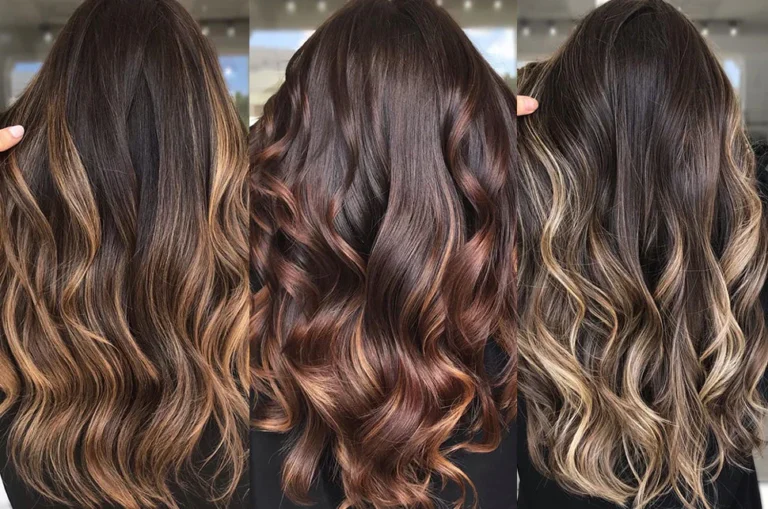
22 Winter Highlights for Brown Hair
Winter is actually one of the best times to rethink your highlights. The light changes, the wardrobe gets darker and richer, and the warm golden tones that looked perfect in summer can start to feel a little off. Winter calls for something deeper, cooler, or more dimensional. Something that works with the season rather than against it.
Brown hair has a natural advantage here. The depth of a brown base creates the perfect backdrop for winter highlight tones that range from icy cool blondes to deep caramel, rich chocolate, and even subtle burgundy. The contrast between a warm or cool brown base and a well-placed highlight creates exactly the dimensional, shifting quality that winter hair looks best with.
Before you book, think about how much of a change you want. Subtle and natural or bold and noticeable. Low maintenance or something you are happy to refresh every six to eight weeks. The right choice is always the one that fits your actual life, not just the one that looks best in a photo.
1. Icy Blonde Highlights
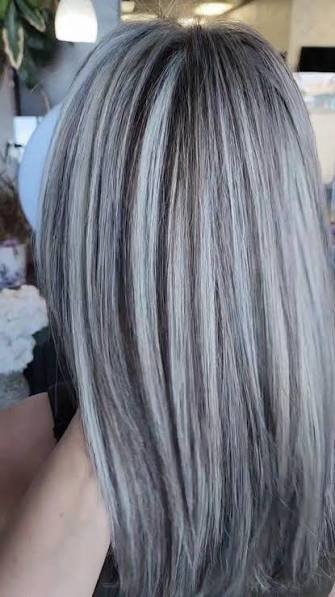
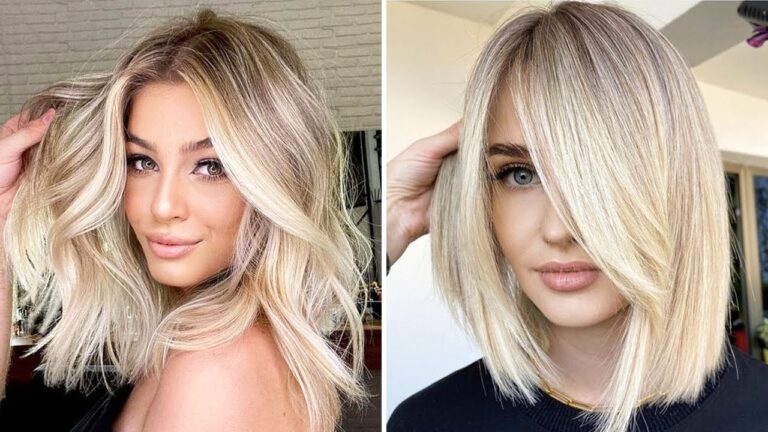
Icy blonde highlights on brown hair create a cool, striking contrast that suits winter perfectly. The cool platinum tone against the warm or neutral brown base reads sophisticated and intentional. It is a bold choice but one that photographs beautifully in winter light.
Ask for the icy highlights to be placed through the face-framing sections and mid-lengths where they will catch the most light. Pre-lightening is necessary to achieve a true icy blonde tone. A purple toning shampoo used regularly keeps the icy sections from going warm or brassy.
2. Caramel Ribbons
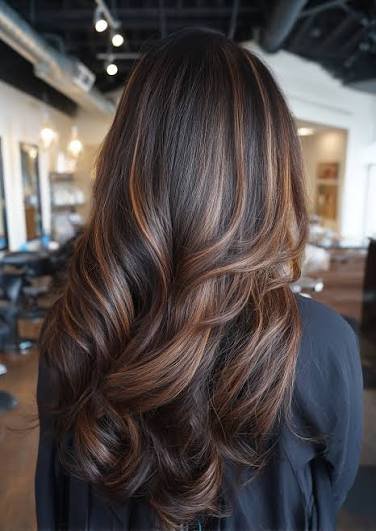
Caramel ribbons through brown hair create a warm, dimensional effect that adds richness without dramatic contrast. The caramel tones sit close enough to the brown base that the blend is seamless, but far enough that the highlights read clearly in good light.
Ask for the caramel to be placed in thin, ribbon-like sections through the mid-lengths and face-framing areas. A color-protecting shampoo and regular gloss treatment keep the caramel tones looking warm and intentional rather than faded and brassy.
3. Chocolate Dimension
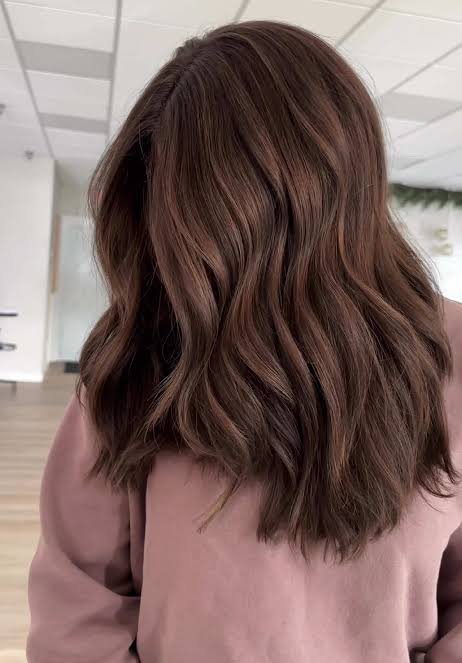
Chocolate dimension highlights use tones that are slightly lighter and warmer than the natural brown base, creating subtle movement and depth without obvious contrast. It is the most natural-looking highlight technique on this list and suits women who want a refreshed look without an obvious color change.
Ask for a mix of slightly lighter and slightly darker tones applied through the interior of the hair to create movement and dimension. The result should look like the hair has natural variation rather than clear highlights. A gloss treatment used regularly keeps the dimensional quality looking fresh.
4. Cool Ash Highlights
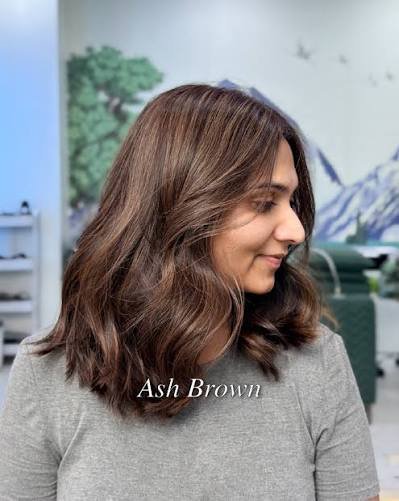
Cool ash highlights through brown hair create a muted, sophisticated color effect that suits the cooler tones of winter particularly well. The ash prevents any warmth or brassiness and creates a refined, almost Scandinavian quality that looks modern and considered.
Ask for ash-toned highlights placed through the mid-lengths and face-framing sections. A blue or purple toning shampoo maintains the cool ash quality between appointments and prevents any warm tones from developing as the highlights grow out.
5. Honey Balayage
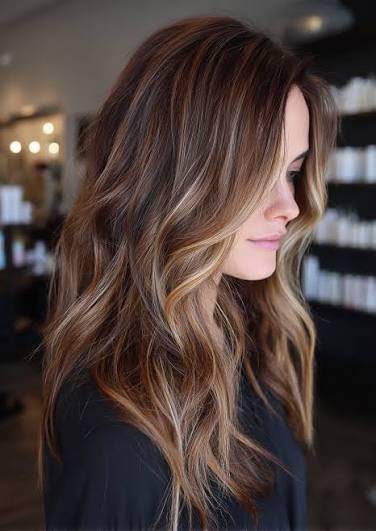
Honey balayage through brown hair sits at the warmer end of the winter highlight spectrum but still feels appropriate for the season because the depth of the honey tone reads richer and more golden than a summer-appropriate light blonde. It adds warmth and dimension without looking washed out.
Ask for honey tones concentrated through the mid-lengths and ends where they create the most movement and warmth. The roots should stay at the natural brown depth for a seamless grow-out. A conditioning gloss every few weeks keeps the honey tones luminous.
6. Subtle Babylights
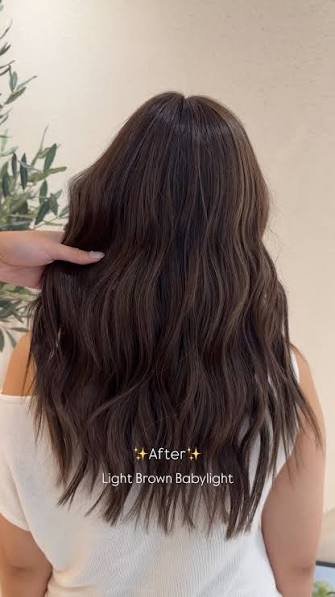
Very fine, closely placed babylights through brown hair create the most natural-looking highlight effect available. The individual highlighted sections are so fine that the overall effect reads as natural lightening rather than obvious highlights. It is perfect for women who want dimension without a visible color technique.
Ask for the babylights to be placed throughout the hair in fine sections that blend completely with the natural base. The grow-out is seamless because there is no defined lighter section to create a harsh line. A gloss treatment refreshes the babylights between appointments.
7. Rich Brunette Balayage
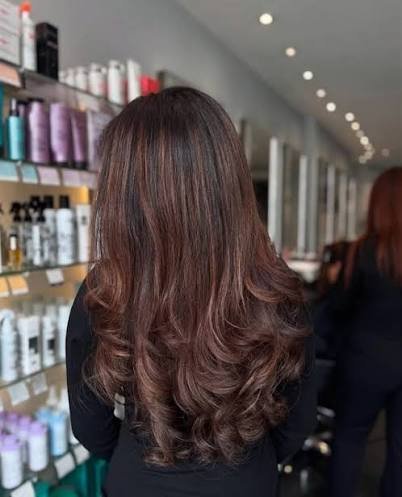
A rich brunette balayage uses tones that are only slightly lighter than the natural brown base to create subtle movement and dimension without obvious contrast. It is the most understated version of brown hair balayage and suits women who want a polished, expensive-looking result without an obvious color change.
Ask for a brunette balayage with lighter tones placed only two to three shades above the natural base. The placement should follow the natural movement of the hair so the highlighted sections read as natural dimension rather than a styling technique.
8. Winter Sun-Kissed Look
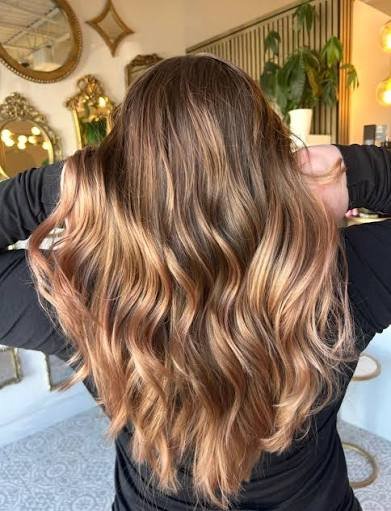
A winter sun-kissed look uses warmer, golden tones placed specifically through the face-framing sections and the ends to create the appearance of natural lightening from above. Despite the name it is a perfectly appropriate winter choice because the depth of the tones is richer and less summery than a true sun-kissed summer highlight.
Ask for the warmest, lightest tones to be placed through the face-framing sections and the very ends. The body of the hair should stay at the natural brown depth. A gloss treatment every few weeks keeps the warm tones looking intentional rather than grown-out.
9. Mushroom Brown Highlights
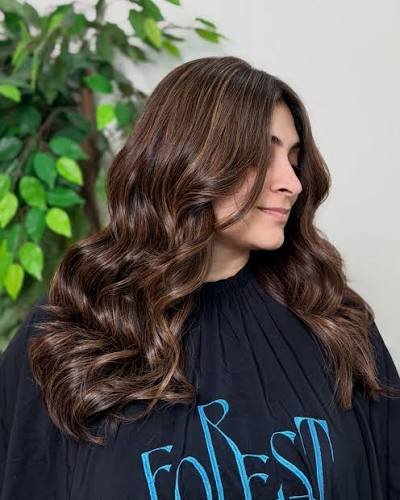
Mushroom brown highlights add cool, muted dimension to warm brown hair by placing slightly lighter, ashy tones through the mid-lengths and face-framing sections. The result is a cool-toned, sophisticated version of brown hair that suits winter particularly well.
Ask for ashy, cool-toned highlights placed in a way that reduces the overall warmth of the brown base rather than adding to it. A blue toning shampoo used occasionally maintains the cool mushroom quality and prevents any warm tones from developing between appointments.
10. Cinnamon Highlights
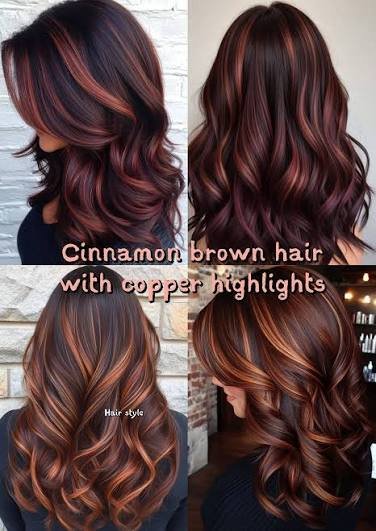
Cinnamon highlights on brown hair create a warm, spiced color effect that is rich and dimensional without being overtly red. The cinnamon tones add a warmth and depth to brown hair that feels seasonal and intentional, sitting between auburn and copper on the color spectrum.
Ask for cinnamon tones to be placed through the face-framing sections and mid-lengths. The warmth of the cinnamon should complement the brown base rather than fighting against it. A color-protecting shampoo and weekly conditioning mask keep the cinnamon tones looking warm and saturated.
11. Ombre Highlights
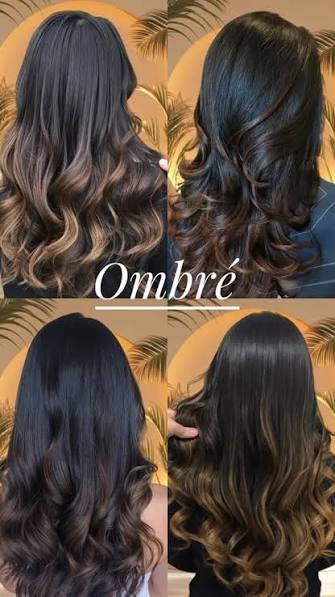
A winter ombre on brown hair transitions from the natural dark brown at the roots into a lighter tone through the mid-lengths and ends. The transition can be cool and icy, warm and caramel, or neutral and honey depending on the specific winter look you are going for.
Ask for the ombre to start mid-shaft rather than high at the roots for the most natural result. The transition should be gradual and seamless rather than creating an obvious line between the two tones. A conditioning treatment used weekly keeps the lighter ends healthy and hydrated.
12. Mocha Highlights
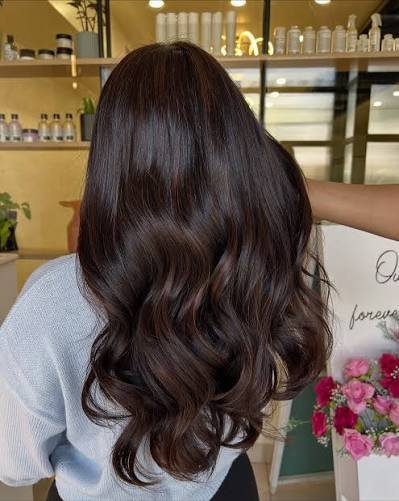
Mocha highlights add warm, coffee-toned dimension to brown hair by placing slightly lighter tones through the interior and face-framing sections. The result is a rich, multidimensional brown that reads as expensive and polished without obvious highlighting.
Ask for mocha tones placed through the mid-lengths and interior of the hair where they create movement and depth. The highlights should be warm but not golden, sitting in the rich brown coffee zone rather than pushing into honey or caramel territory.
13. Platinum Pieces
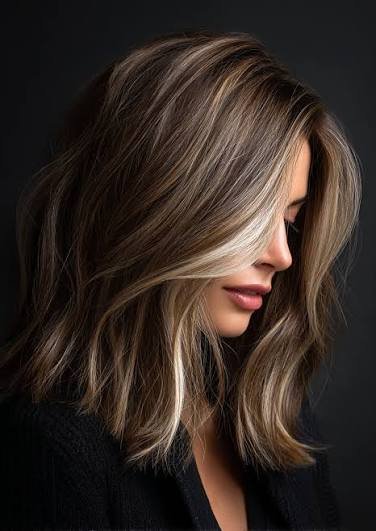
Platinum pieces placed through brown hair create a high-contrast, bold color effect that is striking and fashion-forward. The extreme contrast between the dark brown base and the platinum sections is dramatic and intentional, and the cool tone of the platinum suits winter particularly well.
Ask for the platinum pieces to be placed through specific sections where the contrast will be most visible, typically the face-framing areas and the top sections. Full pre-lightening is necessary for each platinum section. A purple toning shampoo is essential to maintain the platinum quality.
14. Toffee Balayage
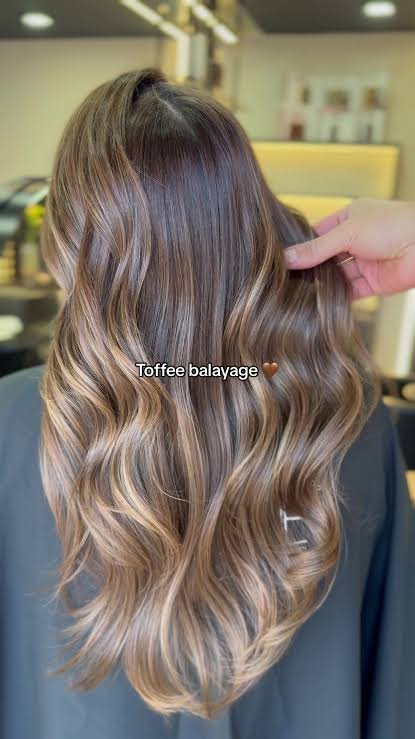
Toffee balayage places warm, rich brown-blonde tones through the mid-lengths and ends in a seamless sweep that adds warmth and dimension without going as light as honey or caramel. It is a rich, autumnal tone that transitions beautifully into winter.
Ask for toffee tones swept through the mid-lengths and ends with a soft, seamless blend into the darker brown root. The grow-out is gradual and flattering. A conditioning balayage gloss used every few weeks keeps the toffee tones looking warm and intentional.
15. Dark Chocolate Lowlights
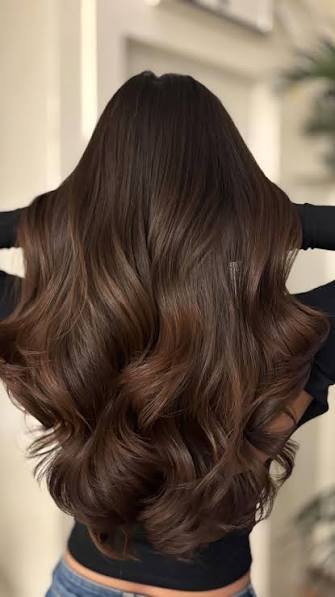
Dark chocolate lowlights add depth and dimension to brown hair by placing slightly darker tones through the interior, creating shadow and movement that makes the hair look richer and more dimensional. Lowlights rather than highlights make the hair look deeper and more luxurious for winter.
Ask for dark chocolate lowlights placed through the interior sections of the hair to create depth. The darker tones should sit slightly below the natural base color rather than significantly darker. The result is a dimensional, rich-looking brown that catches the light differently from every angle.
16. Sandy Blonde Balayage
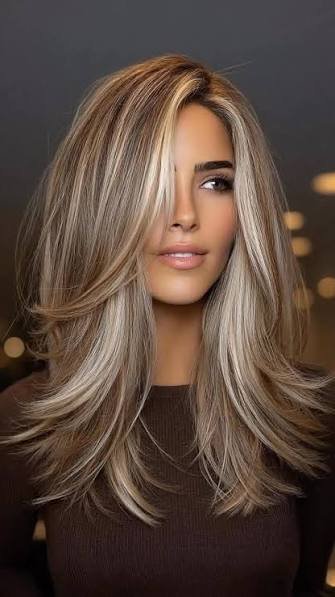
Sandy blonde balayage through brown hair creates a neutral, cool-toned highlight that avoids the brassiness of a warm golden blonde while still creating clear, visible contrast. The sandy tone sits between ash and honey and suits the muted, neutral quality of winter light.
Ask for sandy blonde tones placed through the face-framing sections and mid-lengths. The neutral quality of the sandy blonde blends well with most brown base tones and grows out gracefully. A neutral or slightly cool toning gloss maintains the sandy quality between appointments.
17. Bronde Highlights
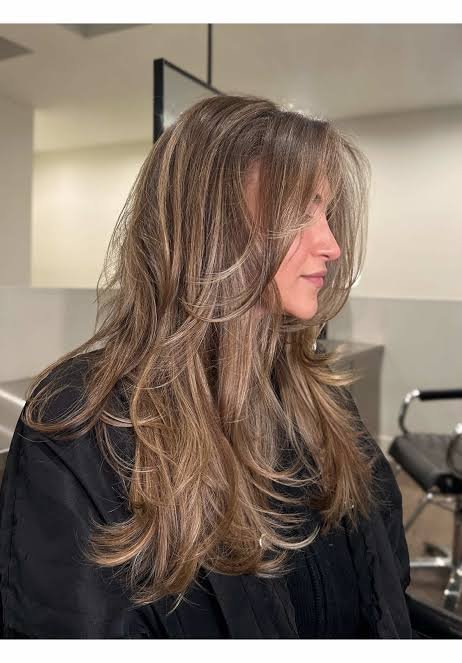
Bronde highlights sit exactly on the line between brown and blonde, creating a transition tone that adds dimension to brown hair without a clear shift in color. The result reads as a naturally lighter version of the natural brown rather than an obvious highlight technique.
Ask for bronde tones placed through the face-framing sections and mid-lengths in a way that follows the natural movement and growth pattern of the hair. The placement should look like the hair has naturally lightened rather than been highlighted. A glossing treatment keeps the bronde quality looking dimensional and intentional.
18. Burgundy Undertones
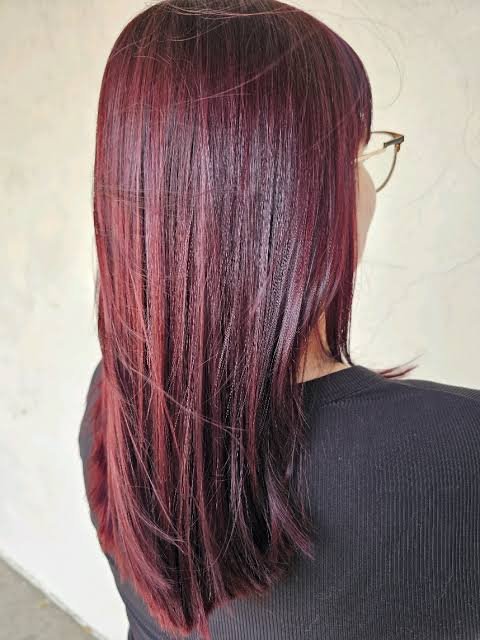
Burgundy undertones added to brown hair through a gloss or toning treatment create a rich, dimensional color quality that shifts between brown and burgundy depending on the light. In direct light the burgundy emerges warmly. In lower light the hair reads as a rich, deep brown.
Ask for a burgundy or wine-toned gloss to be applied over the brown base. The gloss adds color without lifting, which means it is one of the gentlest color techniques available. It fades gradually and evenly over several weeks. A color-depositing conditioner in a warm plum or burgundy tone refreshes the undertones between appointments.
19. Tortoiseshell Highlights
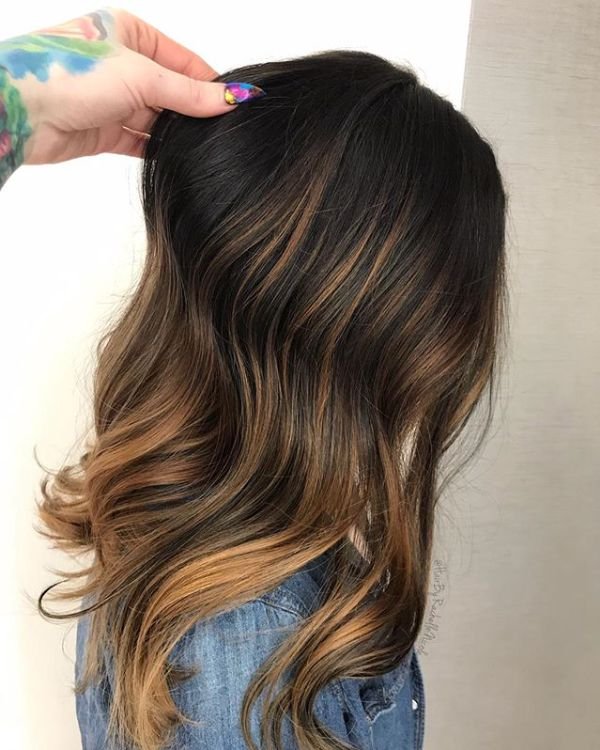
Tortoiseshell highlights combine multiple tones including warm blonde, caramel, and deeper brown in the same application to create a complex, multidimensional color effect. The result mimics the natural color variation of tortoiseshell and looks genuinely rich and expensive.
Ask for a tortoiseshell color using a mix of at least three tones, a light warm blonde, a caramel mid-tone, and a deeper brown, placed through the hair in a way that creates natural variation. A gloss treatment refreshes the overall color and adds the shine that makes tortoiseshell highlights look their most luxurious.
20. Winter Balayage with Cool Tones
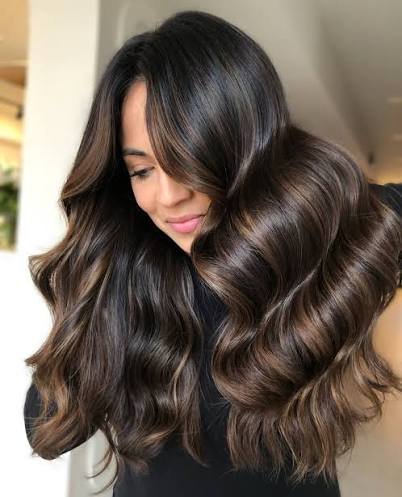
A winter balayage specifically formulated with cool rather than warm tones creates a highlight effect that suits the season better than a warm, summery balayage. The cool tones create a sophisticated, muted dimension that feels intentionally seasonal rather than simply a faded summer highlight.
Ask for cool-toned highlights applied in a balayage technique through the face-framing sections and mid-lengths. The cool quality should sit in the ash or neutral zone rather than pushing into warm or golden territory. A blue or purple toning treatment maintains the cool quality between appointments.
21. Glossy Chestnut Highlights
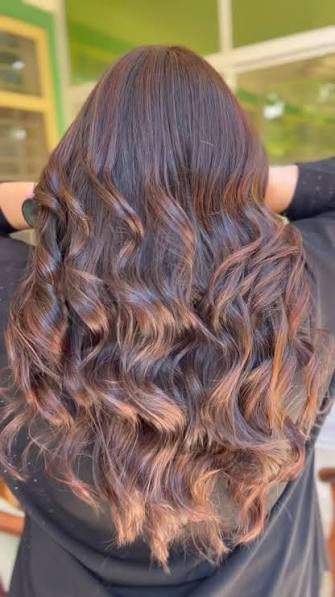
Glossy chestnut highlights add warm, reddish-brown tones to brown hair that create a rich, dimensional color effect without obvious contrast. The chestnut reads as a natural variation of the brown base rather than an obvious highlight, and the glossy finish adds the luminosity that makes the color look intentional.
Ask for chestnut-toned highlights placed through the face-framing sections and mid-lengths, then finished with an all-over gloss treatment that adds shine and melds the highlighted sections with the natural base. The gloss finish is what elevates this from a standard highlight to something that looks genuinely luxurious.
22. Dimensional Winter Gloss
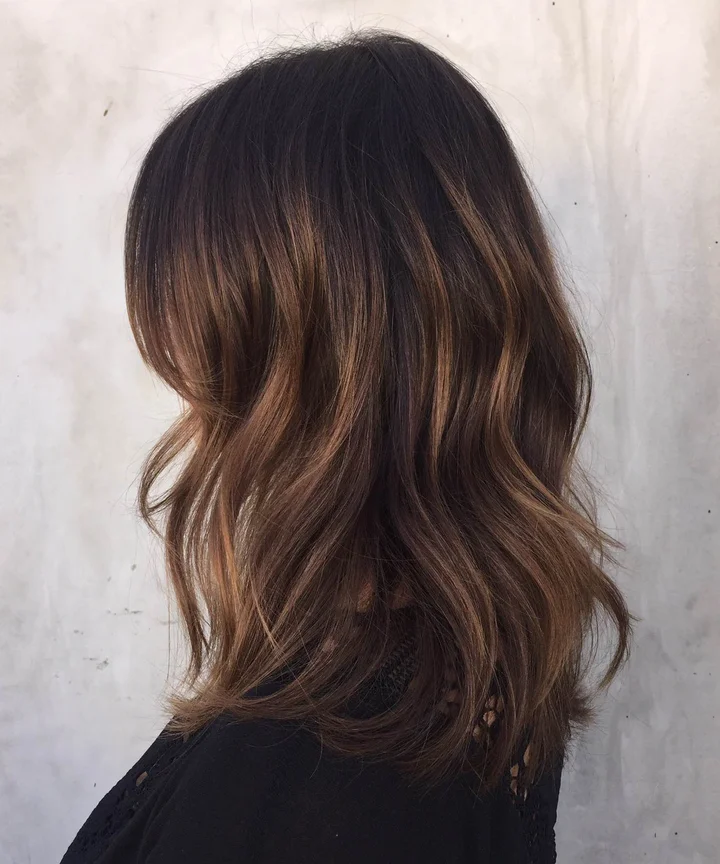
A dimensional winter gloss is applied as a treatment over existing brown hair and adds multiple cool and neutral tones simultaneously, creating a complex, shifting color quality that reads as intentional and polished. It is the lowest commitment technique on this list and requires no lightening.
Ask for a multitonal gloss treatment that adds both slightly lighter and slightly cooler tones to the natural brown base simultaneously. The result creates the appearance of dimension without the commitment of individual highlights. It fades gradually and evenly over six to eight weeks and can be reapplied as the season continues.
FAQs
What highlights look best on brown hair in winter?
Cool-toned highlights like ash, icy blonde, mushroom brown, and platinum suit winter particularly well because they complement the cooler light of the season. Deeper, richer warm tones like caramel, toffee, and chestnut also work beautifully in winter because their depth reads appropriately seasonal rather than summery and washed out.
How do I stop my brown hair highlights going brassy in winter?
A purple or blue toning shampoo used every two to three washes prevents warm, brassy tones from developing in cool or neutral highlights. A regular gloss treatment refreshes the cool quality of the highlights. Avoiding excessive heat styling also helps because heat opens the cuticle and allows color to fade faster.
Can I get highlights on brown hair without bleach?
Subtle highlights just two to three shades lighter than the natural base can sometimes be achieved without bleach using a high-lift color. Significantly lighter highlights like platinum or icy blonde require pre-lightening. A colorist can advise on whether your specific natural base can achieve the desired tone without bleaching based on your individual hair.
How often do winter highlights need refreshing?
Balayage and babylights typically need refreshing every three to four months because the seamless placement grows out gradually. Traditional highlights need touching up every six to eight weeks. A gloss treatment used every four to six weeks between appointments keeps the color looking fresh and intentional without a full color service.
Wrapping Up
Winter is the perfect time to add depth, cool tones, or rich dimension to brown hair. The season calls for something more considered than a summer blonde and the range of options available on brown hair makes it genuinely one of the most versatile base colors for winter highlights.
Pick the tone that suits your skin tone and your maintenance tolerance. Go cool and icy if you want something that feels seasonally intentional. Go rich and warm if you want something that adds depth without drama. Either way tell your colorist exactly which tones you want and where you want them to land. That conversation makes all the difference.