17 Short Layered Hairstyle Ideas
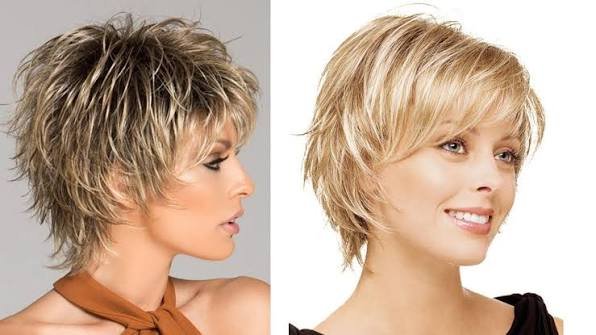
Layers are what separate a haircut that just sits there from one that actually moves. In short hair, especially, the difference between a flat, one-dimensional cut and something with life and shape often comes down entirely to how the layers are placed and how many of them there are.
The right layering does several things at once. It removes weight where the hair tends to go heavy. It builds volume where the hair tends to go flat. It creates movement that makes a short cut look intentional and alive rather than simply trimmed. And it makes styling easier because the hair already knows what to do.
This list covers 17 short layered hairstyle ideas across different lengths and textures. Some lean polished and precise. Others lean relaxed and full of movement. All of them use layering as the central element that makes the style work.
1. Layered Pixie with Feathered Crown
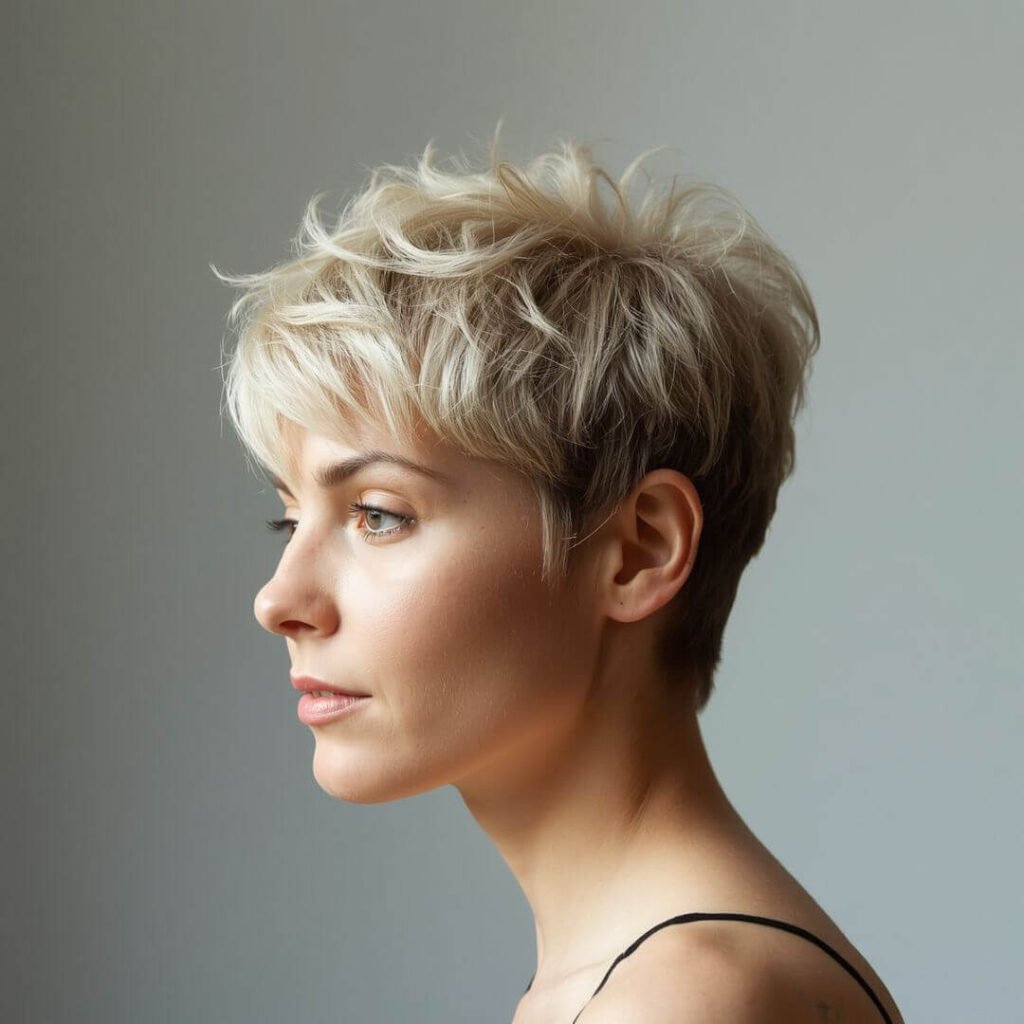
This pixie uses feathered layering through the crown to create a soft, airy texture on top that sits naturally without needing much product. The feathering gives the cut a delicate quality that contrasts nicely with the close sides and nape, making the whole shape feel light and considered.
Ask for a pixie with feathered layering through the crown and close sides and nape, cut so the top texture sits naturally when air dried without needing to be directed or styled into place.
2. Short Layered Bob with Soft Ends
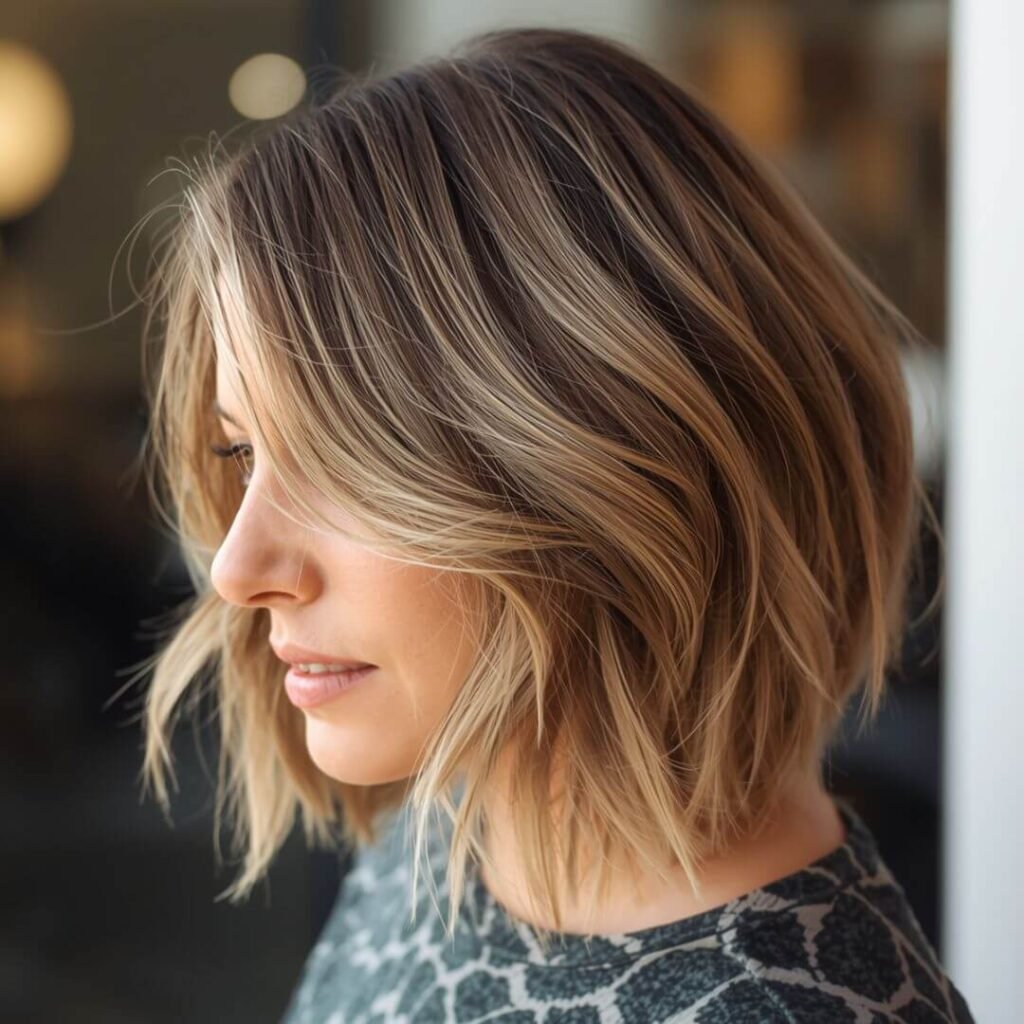
This bob sits just below the jaw with layers running through the mid-lengths and ends that soften the perimeter and give the cut gentle movement. The layers are not dramatic or heavily textured, just enough to stop the ends from sitting flat and give the shape a natural, easy finish.
Ask for a jaw-length bob with soft interior layering through the mid-lengths and ends that gives the cut movement without making the texture look choppy or heavily broken up.
3. Layered Shag with Curtain Bangs
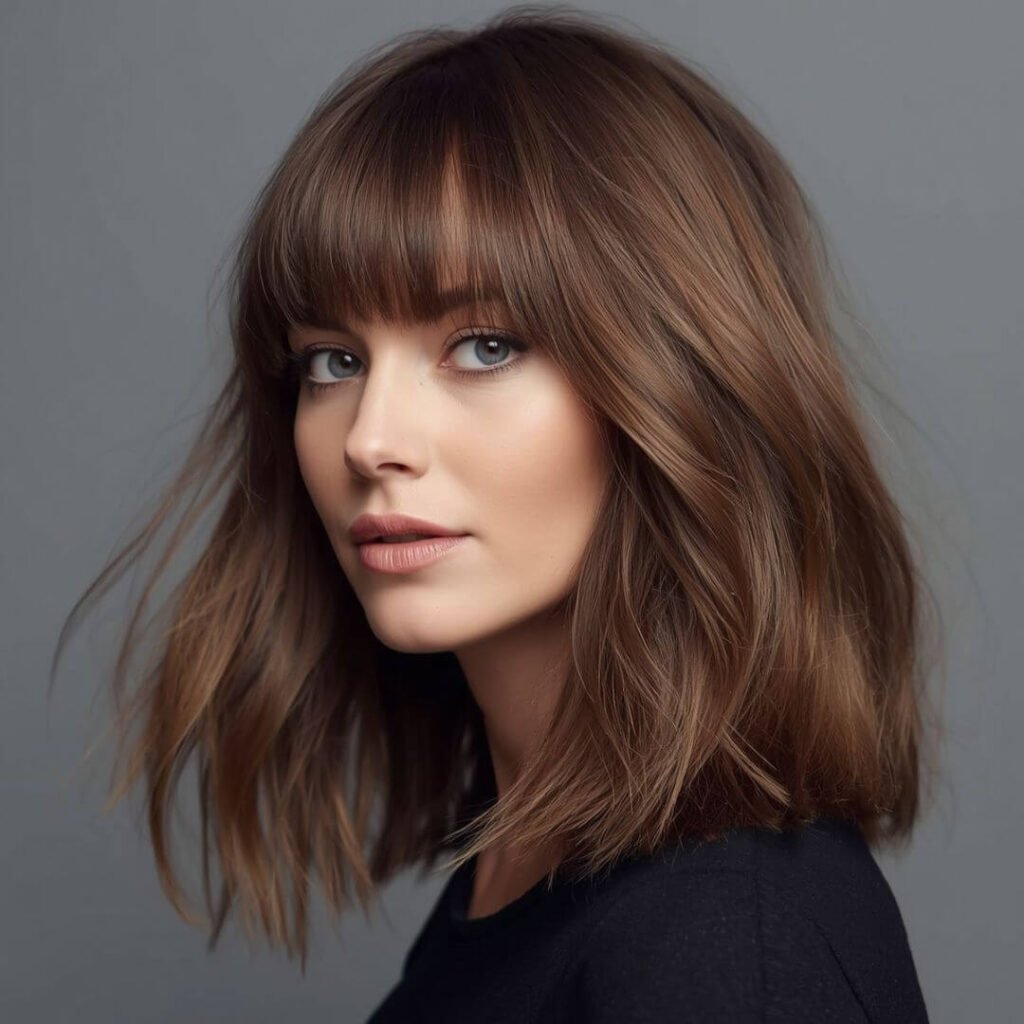
This shag uses layering through the full length of the cut, combined with curtain bangs to create a relaxed, flowing shape that feels effortless. The curtain bangs blend into the face-framing layers so the whole front of the cut reads as one continuous movement rather than separate sections.
Ask for a short shag with layering through the full cut and curtain bangs that blend into face-framing layers without a visible break between the fringe and the sides.
4. Graduated Bob with Stacked Layers at Back
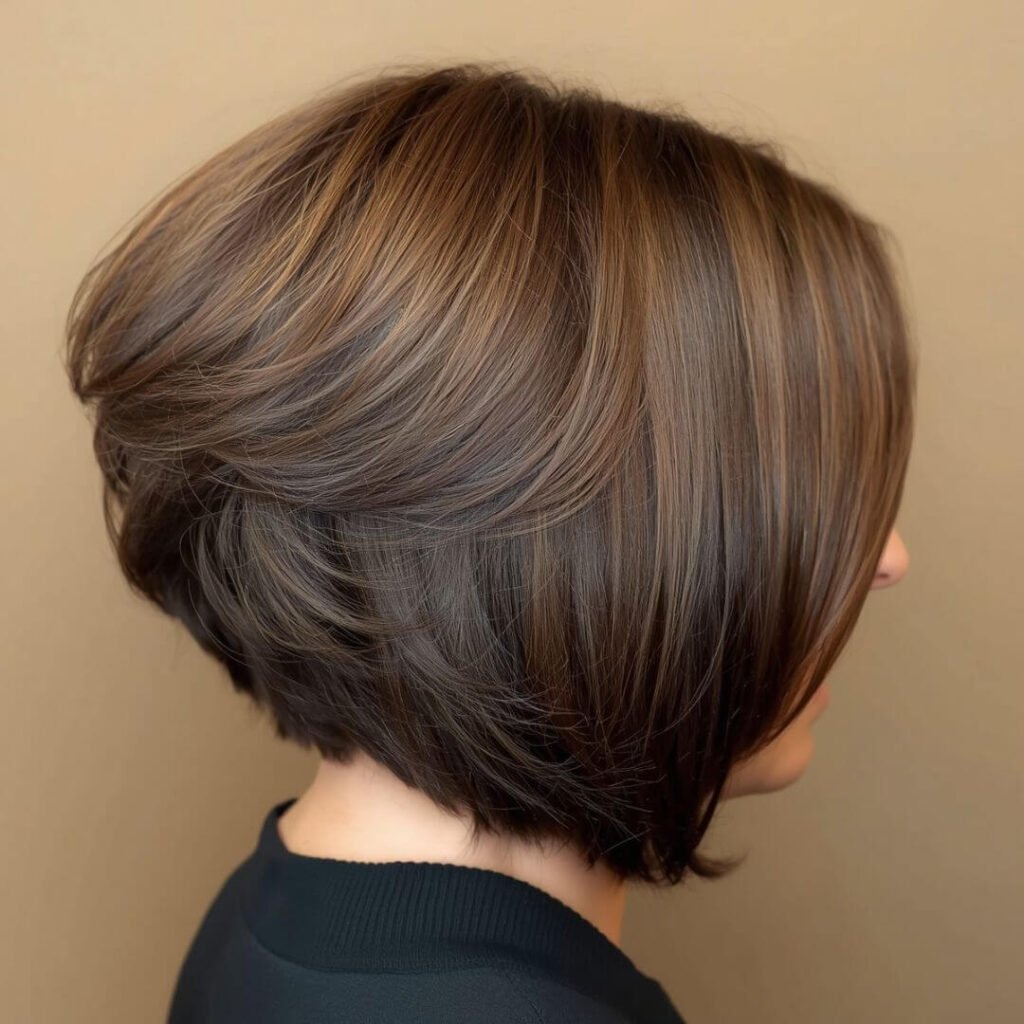
This bob uses stacked layering concentrated at the back to build volume and shape at the crown from behind. The front stays longer and softer, and the layers at the back give the profile a rounder, fuller silhouette that holds its shape without daily effort.
Ask for a graduated bob with stacked layering through the back for crown lift and volume, longer, softer front sections, and a blended transition between the two.
5. Choppy Layered Pixie Bob
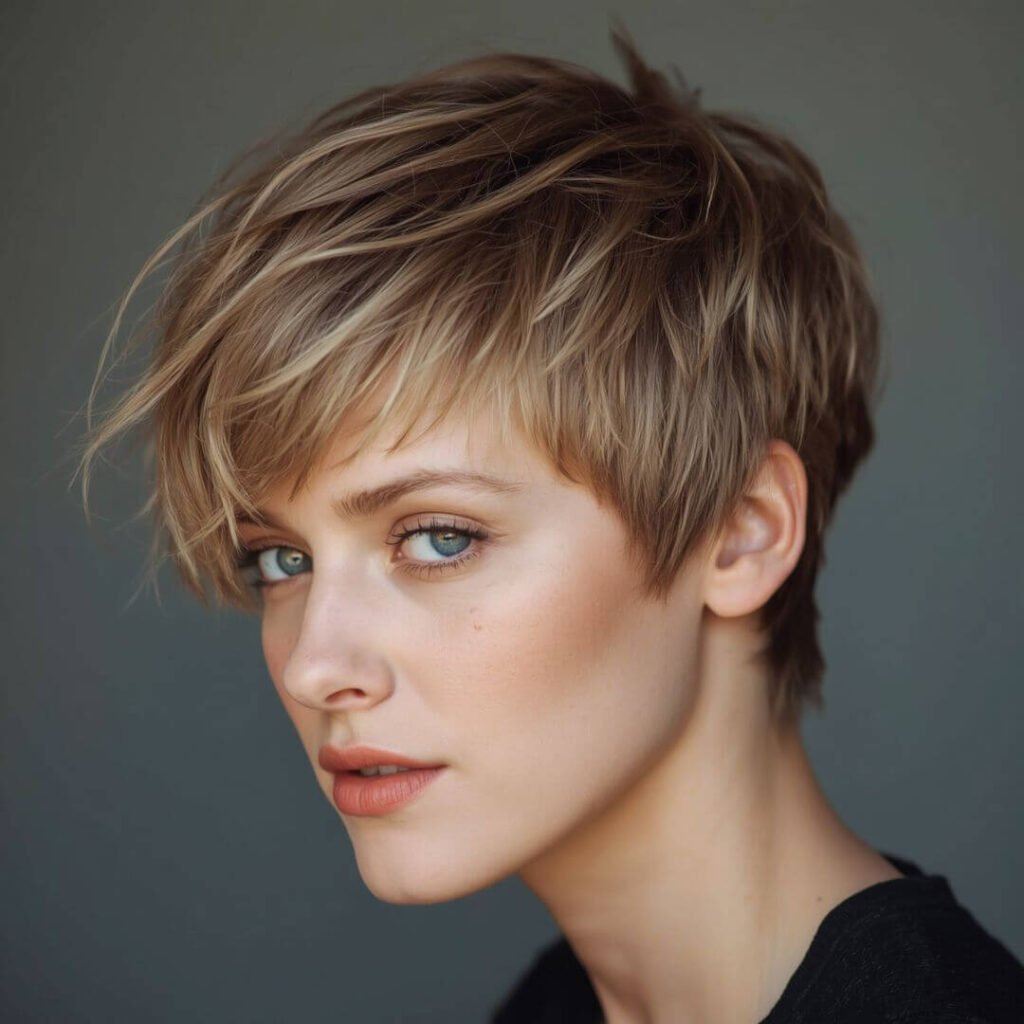
This pixie bob has choppy, visible layers through the crown and sides that give the cut a textured, slightly edgy quality. The choppiness is controlled rather than messy, creating deliberate breaks in the shape that add personality and make the cut stand out from a smoother, blended style.
Ask for a pixie bob with choppy, visible layering through the crown and sides that creates deliberate texture and separation rather than a seamlessly blended finish.
6. Soft Layered Lob with Face-Framing Sections
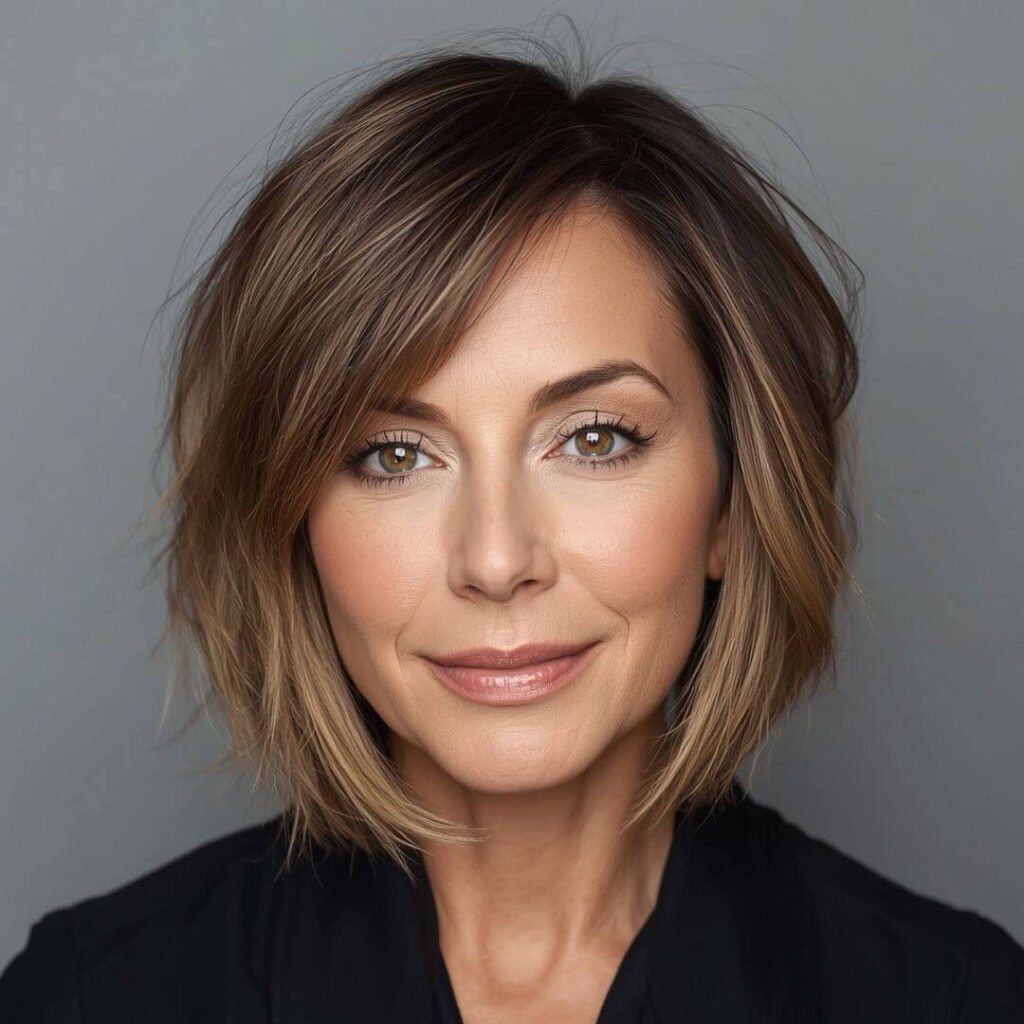
This lob sits at collarbone length with layers that run from the mid-lengths to the ends and face-framing sections that open up the area around the cheekbones and eyes. The combination of interior layering and face-framing pieces gives the cut a flattering, lifted quality without changing the overall length.
Ask for a collarbone-length lob with interior layering through the mid-lengths and defined face-framing sections that sit slightly shorter around the face than the rest of the cut.
7. Razored Layered Bob
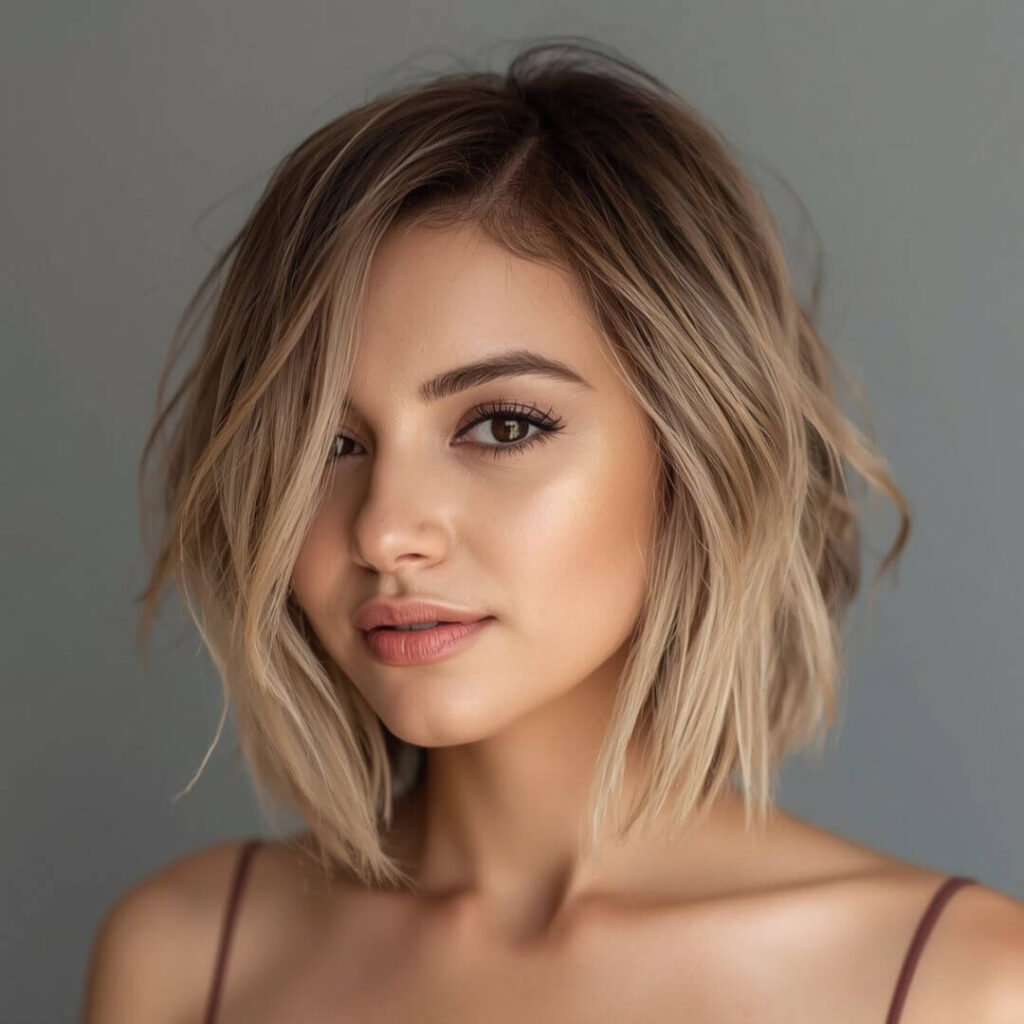
This bob uses razor cutting rather than scissors to create its layers, which gives the ends a softer, more diffused quality than a traditional cut would produce. The razor layering makes the perimeter look naturally broken rather than trimmed, which suits women who want a polished cut with a relaxed, organic finish.
Ask for a bob with razor-cut layering through the mid-lengths and ends that creates a soft, diffused perimeter rather than a blunt or sharply defined edge.
8. Layered Curly Bob
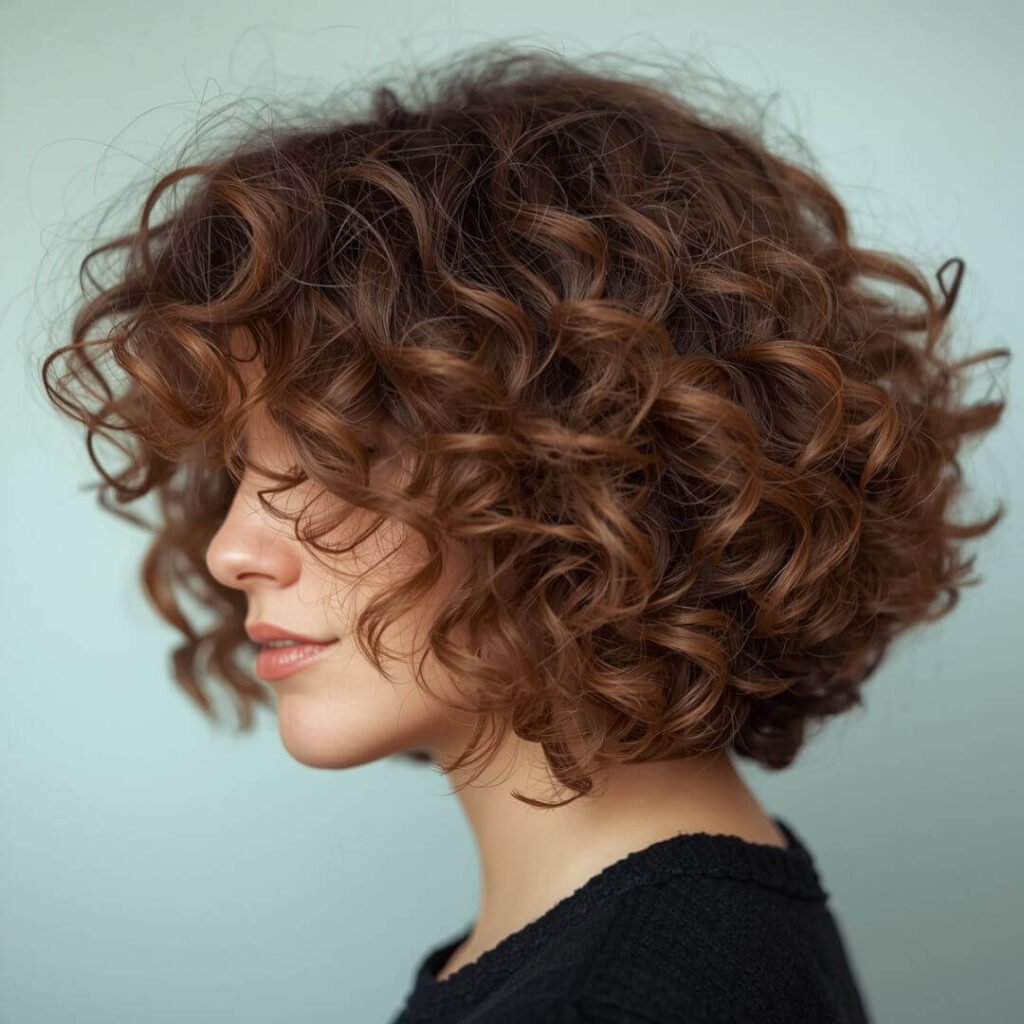
This curly bob uses layering placed specifically to support and define the natural curl pattern rather than weigh it down. Each layer is cut to sit correctly once the curl springs up, so the shape is consistent and balanced when dry rather than looking wider at the bottom or flat at the top.
Ask for a layered curly bob cut dry or curl by curl, with layers placed to support the curl pattern and create an even, balanced shape from every angle.
9. Wispy Layered Crop
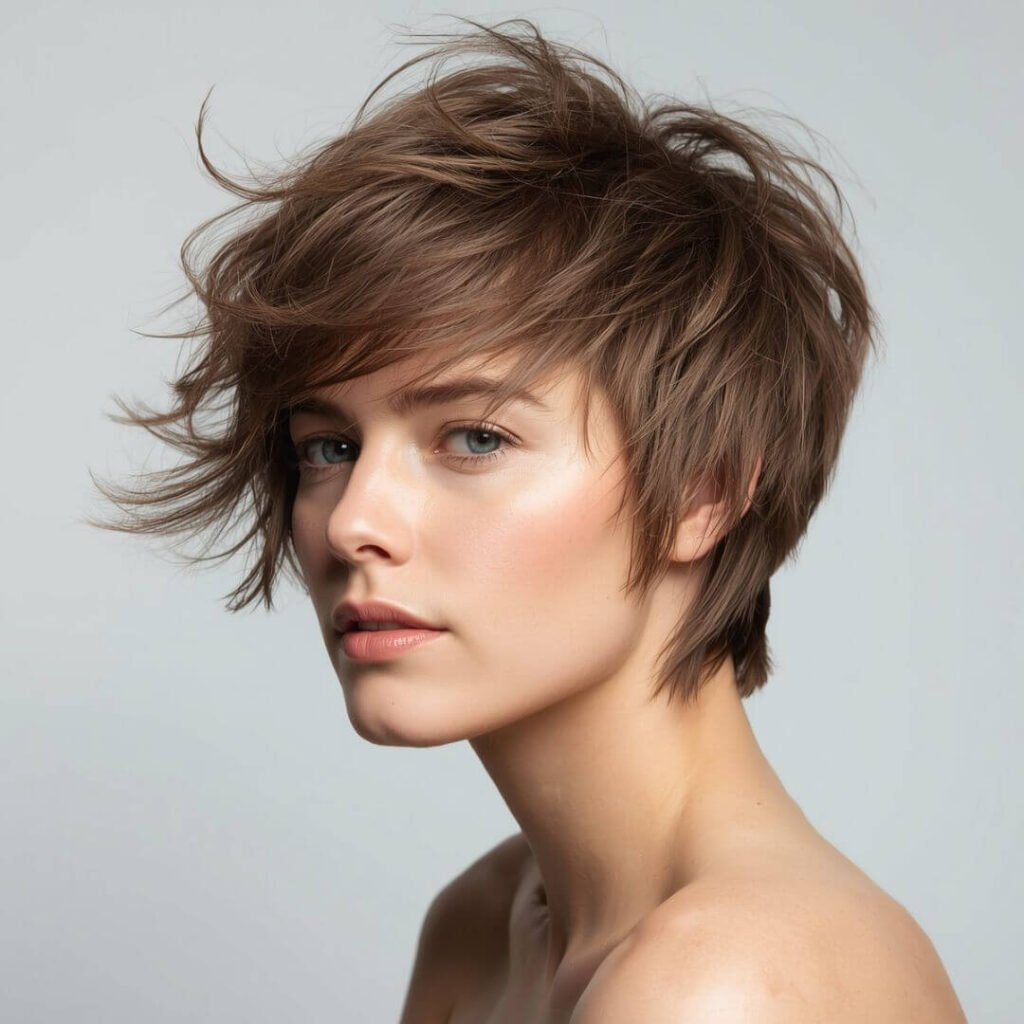
This crop uses wispy, fine layering through the crown and sides to create a texture that is light rather than heavy or chunky. The wispiness gives the cut a delicate, airy quality that works particularly well for finer hair that needs texture without the bulk that heavier layering can sometimes add.
Ask for a short crop with wispy, fine layering through the crown and sides that creates a light, airy texture rather than heavy or stacked volume.
10. Layered Bob with Side Part and Swept Layers
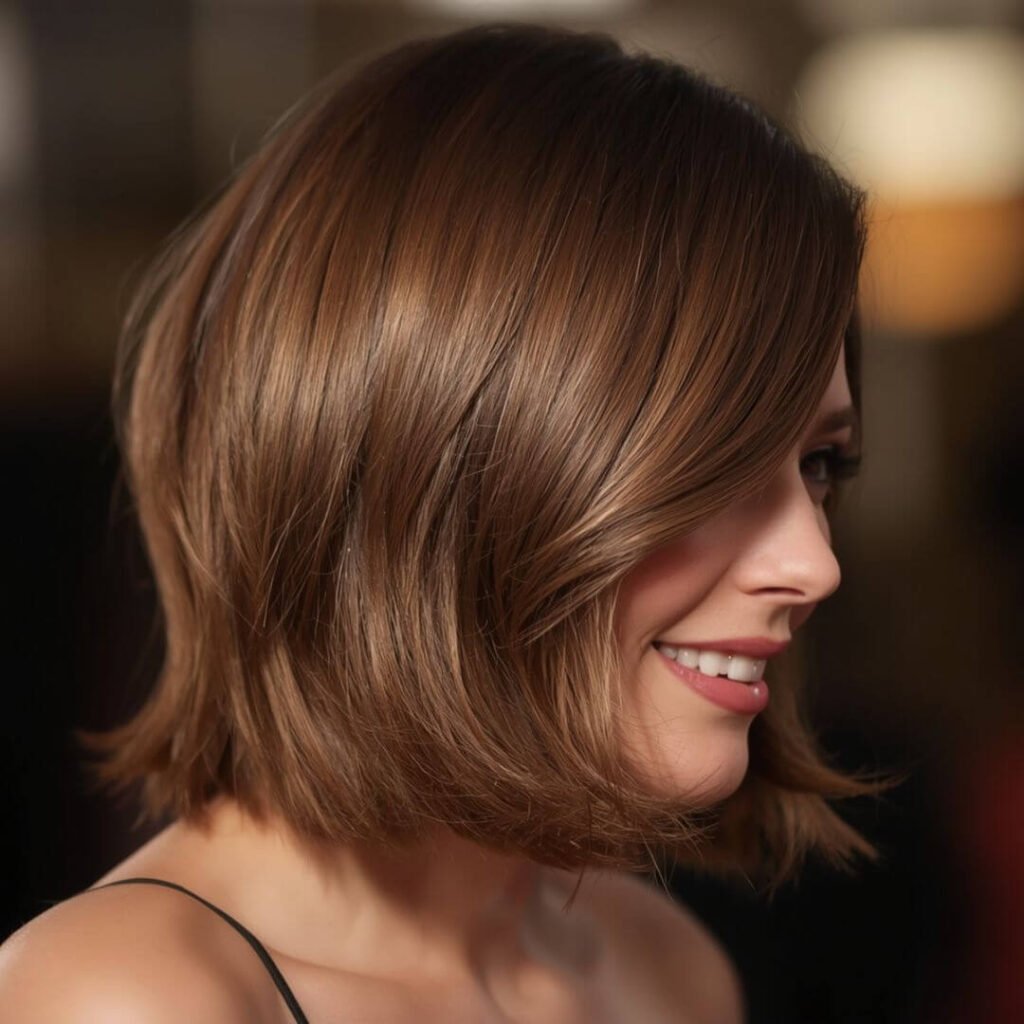
This bob uses a defined side part to direct the layers across the top and front of the cut in one continuous sweep. The layering flows from the part outward and downward, giving the style a polished, directional quality that looks intentional from every angle.
Ask for a layered bob with a defined side part and layers cut to sweep naturally from the part across the top and down through the sides without breaking into separate sections.
11. Short Layered Shag with Fringe
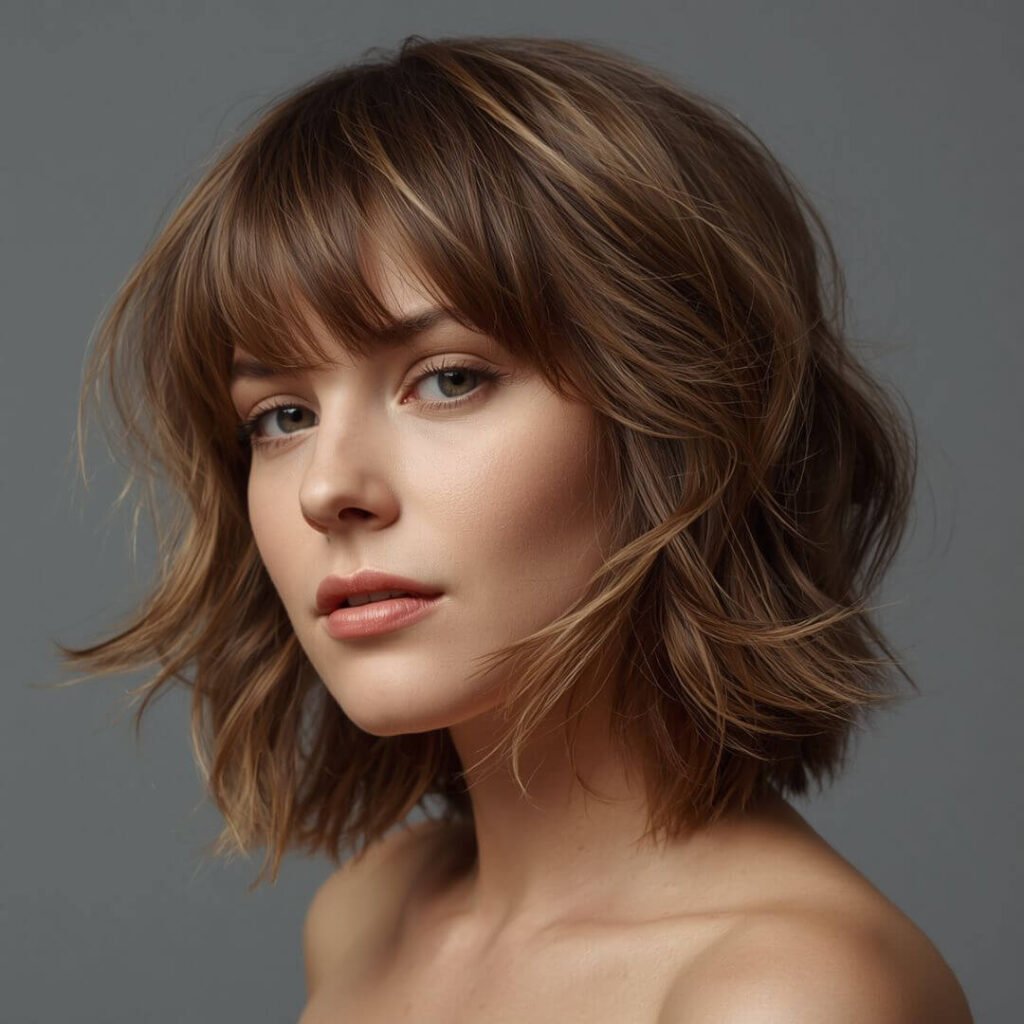
This shag uses layering all the way through the cut, combined with a fringe that sits across the forehead. The fringe and the shaggy layers work together to give the front of the cut a full, textured quality, while the layers through the back and sides keep the overall shape from going too heavy.
Ask for a short shag with a fringe and layering through the full cut that gives the style texture and movement at every level without the ends looking too thin or the shape too wide.
12. Layered Asymmetric Bob
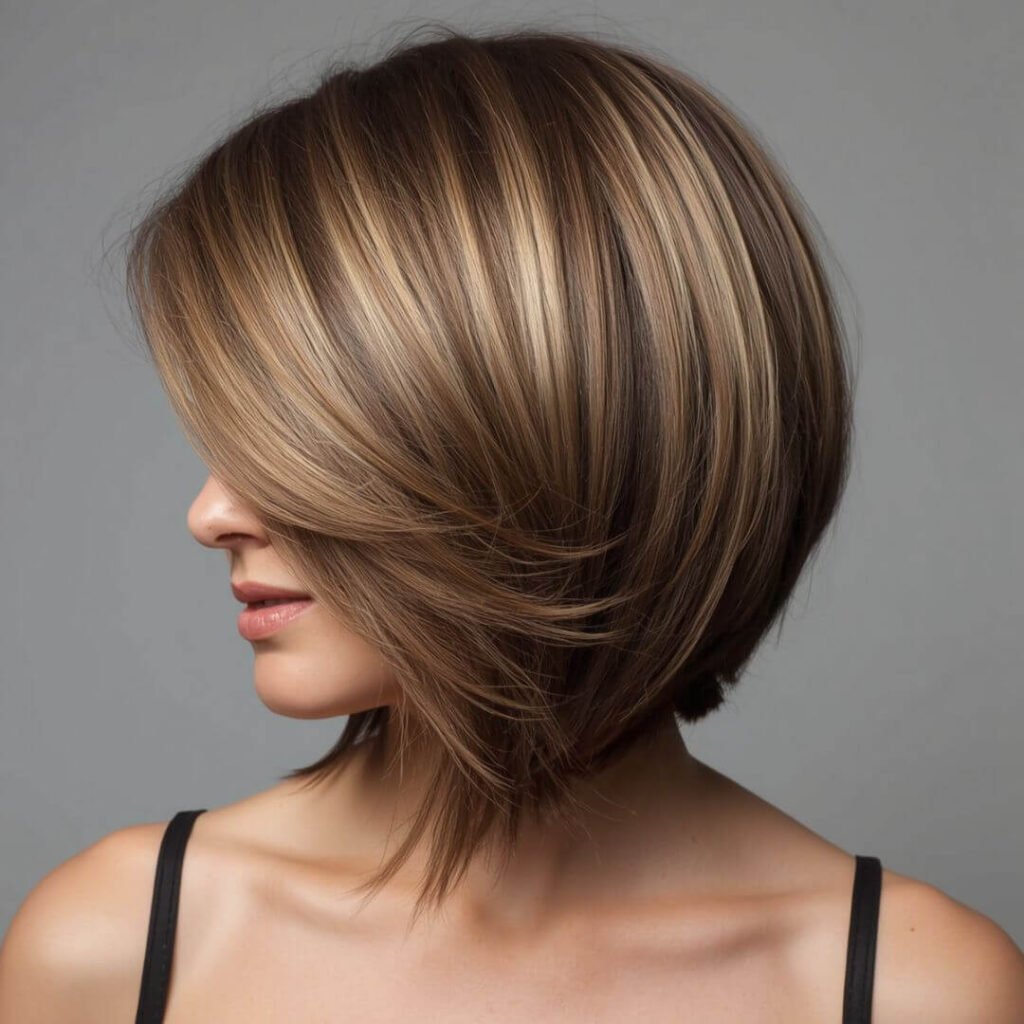
This bob uses asymmetry as its central feature, with one side sitting noticeably longer than the other. The layering runs through both sides but is placed differently on each to support the asymmetric shape and keep the longer side from going heavy at the ends.
Ask for an asymmetric bob with layering on both sides placed to support the different lengths, keeping the longer side light and the shorter side textured without making the overall shape look unbalanced.
13. Tousled Short Layered Bob
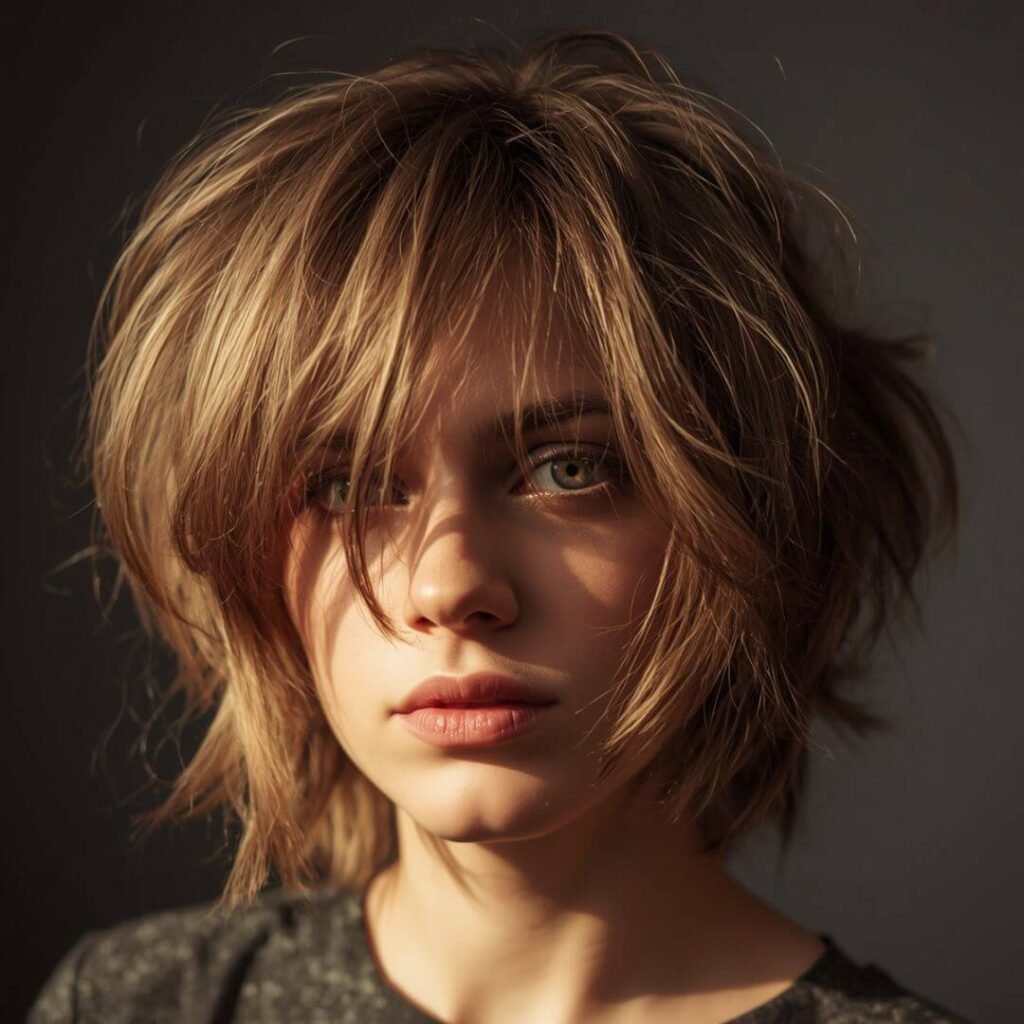
This bob leans relaxed and tousled, with layers that air dry into a natural, slightly undone shape. The tousled quality comes from the layering itself rather than from product or heat, which makes it one of the most genuinely low-effort options on this list.
Ask for a short bob with layers cut to air dry into a naturally tousled shape, with a relaxed perimeter and enough interior texture that the style looks intentional without any styling tools.
14. Layered Pixie with Long Side Fringe
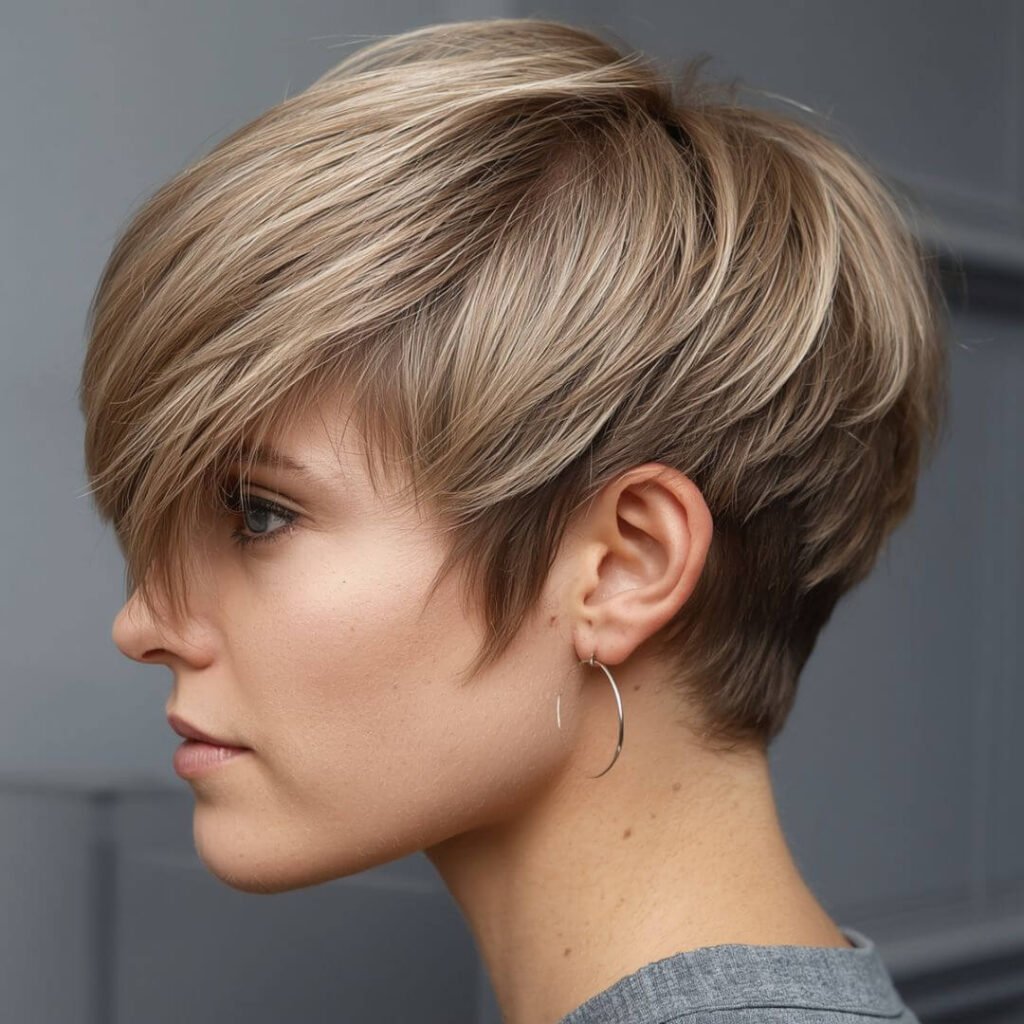
This pixie keeps a longer side fringe that sweeps across the forehead on one side, adding a soft, face-framing element that most short pixies do not have. The layers through the crown and back support the rest of the cut, while the side fringe does most of the decorative work at the front.
Ask for a layered pixie with a longer side fringe that sweeps across the forehead, close layering through the crown and back, and a clean tapered nape.
15. Short Layered Bob with Flicked Ends
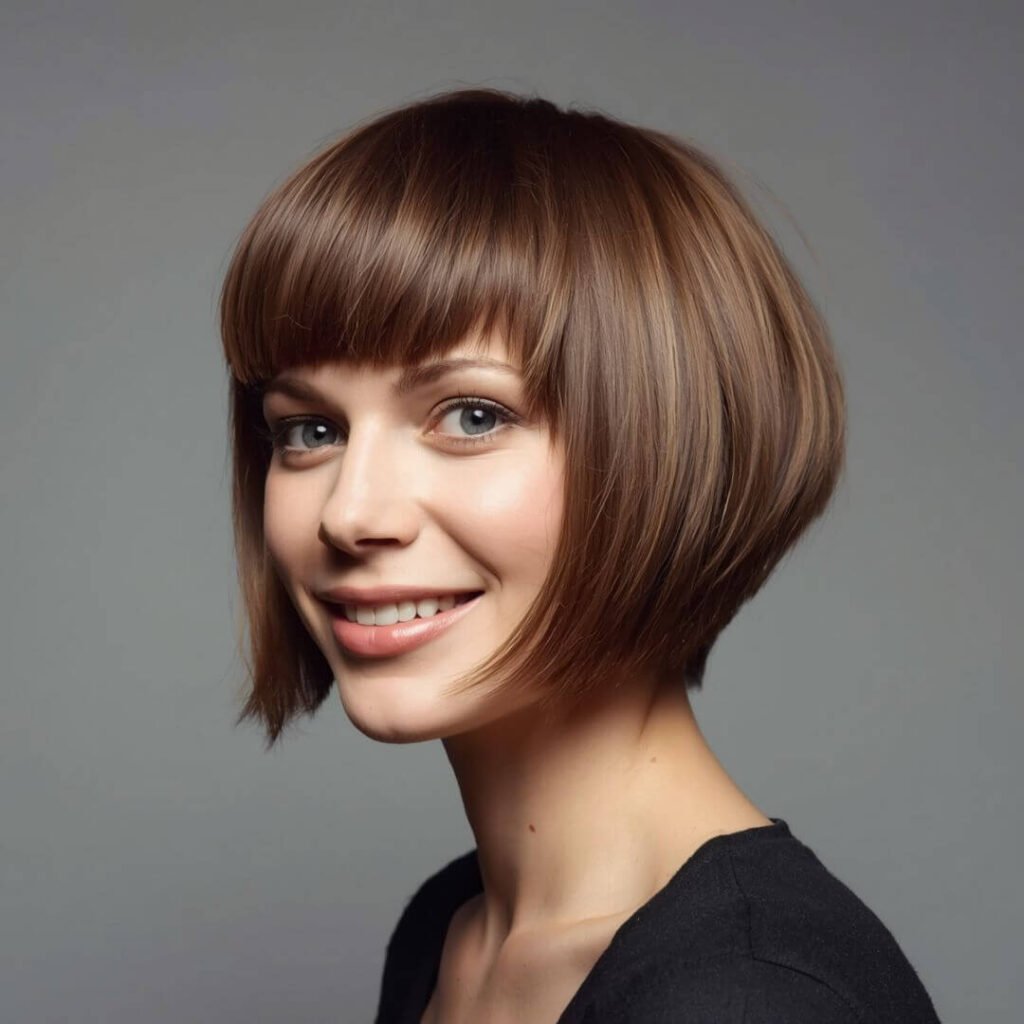
This bob uses layering that leads naturally into a slight flick at the ends rather than curling under or sitting flat. The flick gives the cut an upbeat, energetic quality and a retro-inflected finish that still feels current and easy to wear for everyday life.
Ask for a short layered bob with ends that flick out slightly at the tips rather than turning under, with interior layering that supports the flick naturally without needing to be set with heat every day.
16. Heavily Layered Pixie with Disconnected Sections
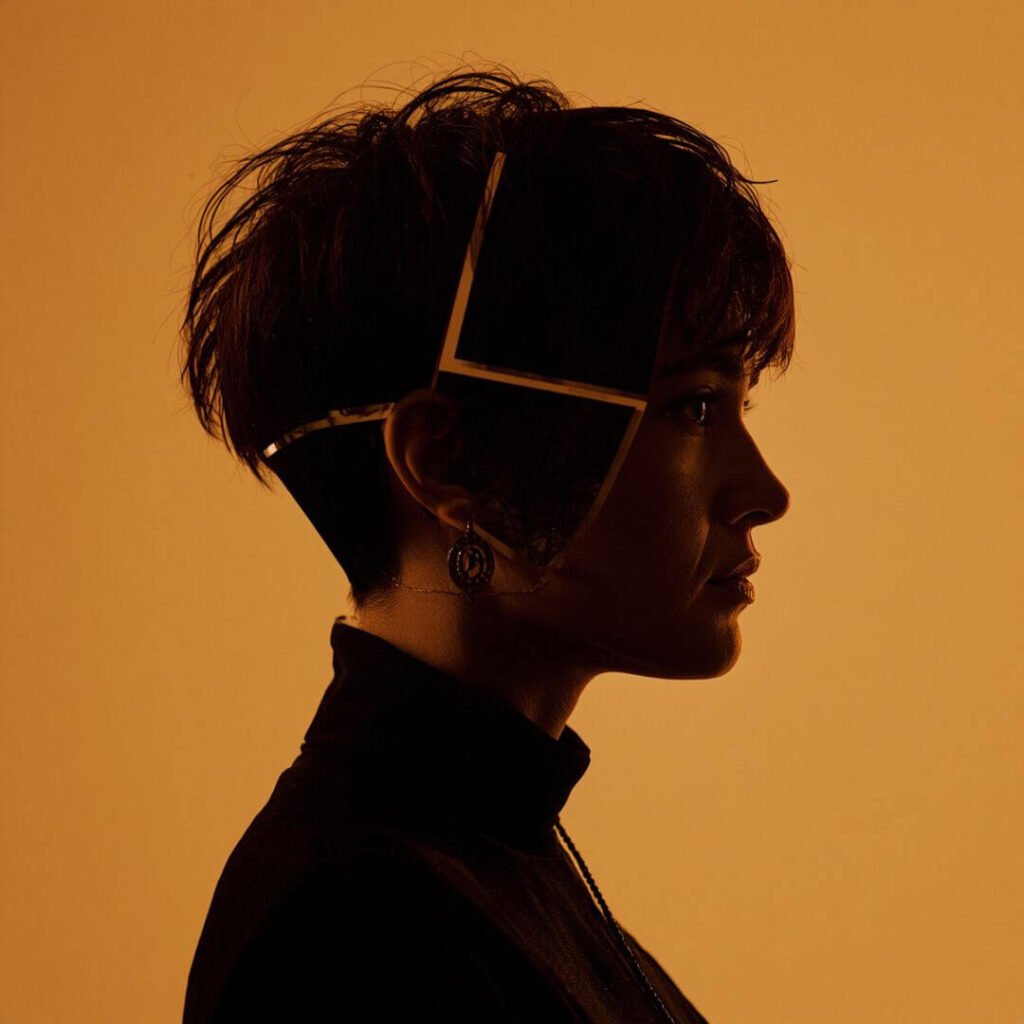
This pixie takes layering further than most, with deliberately disconnected sections that create strong visual contrast between different parts of the cut. The disconnection between the longer top layers and the shorter sides gives the style a bold, graphic quality that makes a clear statement without needing length to do it.
Ask for a pixie with heavily layered, deliberately disconnected sections between the top and sides that create visible contrast and a strong, graphic silhouette.
17. Soft Layered Bob with Inward Curl
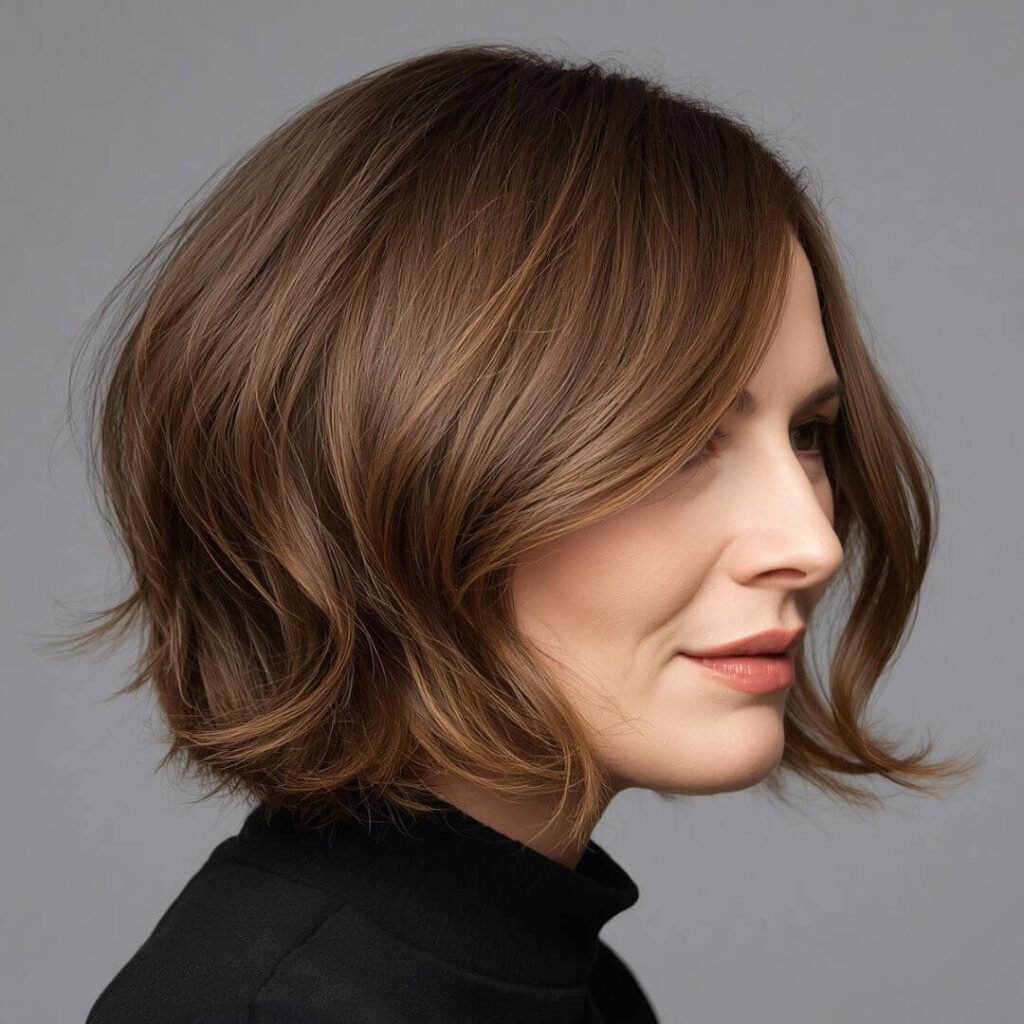
This bob uses soft layering through the mid-lengths and ends to support a gentle inward curl that gives the cut a classic, rounded finish. The inward curl is not set rigidly into the hair but encouraged by the layering, so it sits naturally and moves when the hair moves.
Ask for a layered bob with mid-length and end layering cut to encourage a natural inward curl, giving the shape a soft, rounded finish that holds without needing to be set each day.
FAQs
How do layers make short hair look better?
Layers remove weight from the areas where hair tends to go heavy and build shape where it tends to go flat. In short hair, this has a significant effect because there is less length to distribute the weight through. The result is a cut that sits better, moves more, and looks more deliberate than a one-length cut of the same basic shape.
Can short layered haircuts work for thick hair?
Yes, and they often work better than blunt cuts for thick hair. The right layering removes internal weight and bulk that makes thick hair hard to manage, while still keeping the outer shape full and present. The key is not removing too much from the ends, which can make thick hair look thin at the tips.
How is a layered bob different from a regular bob?
A regular bob has a relatively uniform length all the way around with minimal internal shaping. A layered bob has interior layers that remove weight and create movement through the mid-lengths and ends. From the outside, they can look similar, but a layered bob moves and sits very differently from a one-length cut.
What is the best short layered hairstyle for fine hair?
Wispy crops, feathered pixies, and soft layered bobs all work well for fine hair because they add texture and the appearance of volume without weighing the hair down. The goal with fine hair is to use lighter, more diffused layering rather than heavy stacking, which can make fine hair look thin at the tips.
Do short layered hairstyles need a lot of product?
Not if the cut is done well. A good short layered cut should do most of its own work after washing and air drying. A small amount of texturizing spray, light wax, or leave-in conditioner is usually enough to enhance what is already there. Heavy product tends to weigh down layers and cancel out the movement the cut is designed to create.
Wrapping Up
Short layered hairstyles work because they solve the problems that short hair without layers often creates. Flatness, heaviness, lack of movement, and a shape that looks the same at the end of the day as it does first thing in the morning. Layers address all of that at once.
The 17 styles on this list show how many different directions layering can take. From a wispy crop to a disconnected pixie to a classic, rounded bob with an inward curl, the layering is the variable that changes everything. Finding the version that fits your hair type and the look you want is the most important decision, and the most rewarding one.