23 Pixie Haircuts for Fine Hair
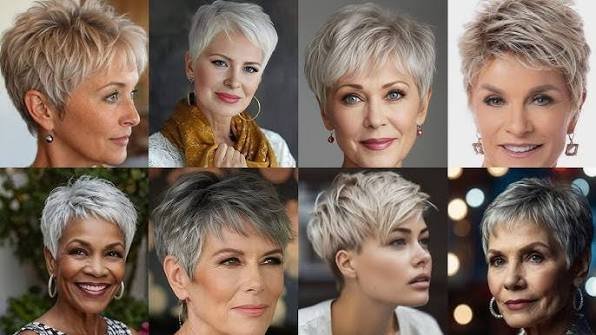
Fine hair and a pixie cut have a genuinely good relationship that many women do not discover until they finally try it. The short length concentrates the limited density of fine hair in a small enough area that it actually creates presence and shape. The same amount of hair that looks flat and limp at shoulder length can look full, textured, and intentional at pixie length.
The challenge is finding the right version. Fine-hair pixie cuts require different decisions than thick-hair pixie cuts. The layering approach is different. The perimeter finish is different. The way volume is built into the cut is different. A pixie cut designed for thick hair applied to fine hair will look flat, thin, and shapeless within an hour.
Before you pick a style, think about one thing. Where does your fine hair go flattest? If it collapses at the roots fast, you need crown lift layering built into the cut. If the ends look sparse and thin, you need a fuller, cleaner perimeter rather than textured ends. If both are an issue, the structural elements of the cut need to address both simultaneously.
1. Classic Tapered Pixie
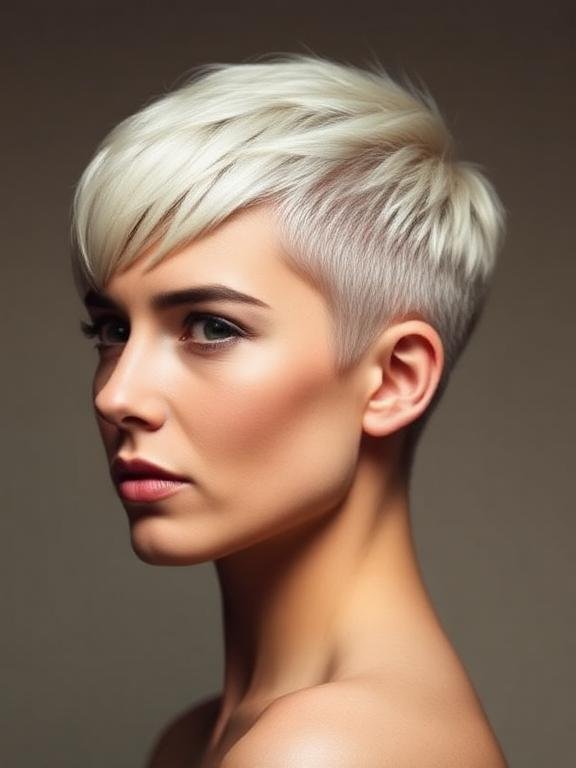
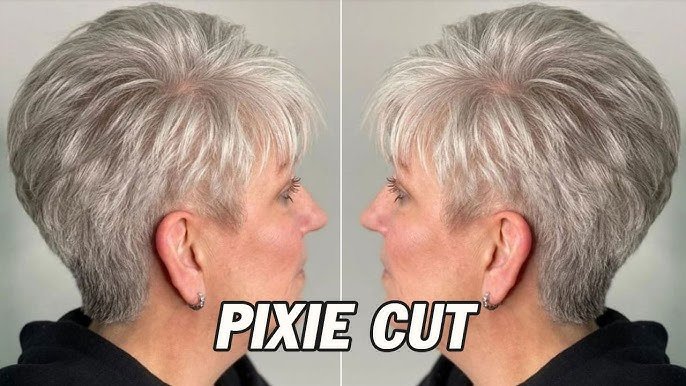
A classic tapered pixie with a neat nape, close sides, and a fuller crown is one of the most enduringly flattering options for fine hair. The taper at the sides and nape keeps things clean while the fuller crown concentrates the fine hair density where it creates the most presence and shape.
Ask for a closely tapered nape and sides with enough crown length to create a clean, rounded shape on top. A volumizing mousse at the roots before rough drying builds lift at the crown. Trim every four to five weeks to keep the taper looking sharp.
2. Textured Crown Pixie
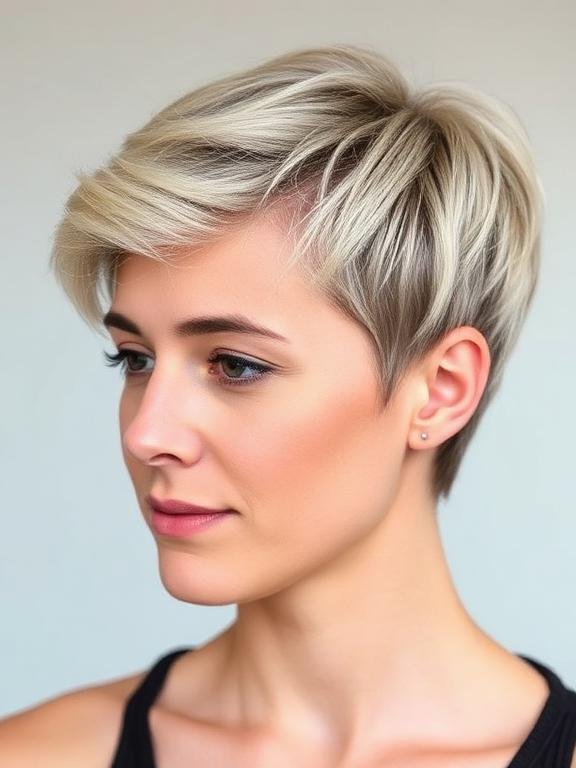
A textured crown pixie concentrates all its visible layering through the crown to create lift and movement at the top, while the sides and nape stay close and clean. For fine hair, this targeted approach adds visual interest exactly where it matters without stripping density from sections that need to stay full.
Ask for layering through the crown section only with the sides, and the nape kept close and clean. A root spray before rough drying activates the crown texture. Pinch small sections at the crown with your fingertips after rough drying to define the texture.
3. Blunt Perimeter Pixie
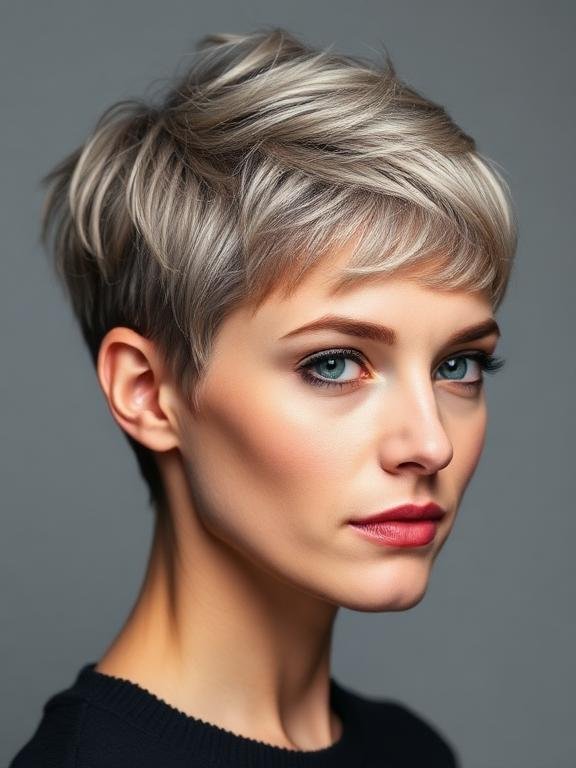
A blunt perimeter pixie keeps all the edges clean and even, which maximizes the apparent density of fine hair at every point of the cut. This is the most underrated pixie version for fine hair because it creates the impression of more hair than any textured or razored perimeter would on the same density.
Ask for a blunt, clean perimeter all the way around with no thinning or texturing through the ends. The crown can have light layering for lift, but the overall finish should be clean and precise. A round brush at the crown during blow drying builds the volume this style needs.
4. Side-Swept Pixie
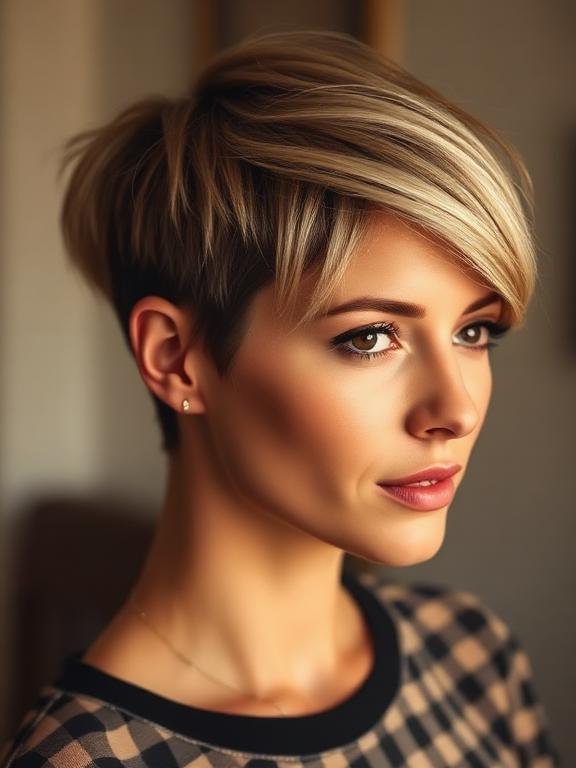
A side-swept pixie creates a directional quality that makes fine hair look more intentional and fuller on the heavier side. The sweep adds asymmetry and a sense of movement that a centered style cannot achieve, and the direction concentrates the fine hair density on one side, where it has more impact.
Blow-dry the front section forward, then sweep it to one side with a round brush. A light-hold spray sets the direction. Keep the sides close, and the nape tapered for a clean finish that lets the sweep do all the visual work at the front.
5. Pixie with Wispy Fringe
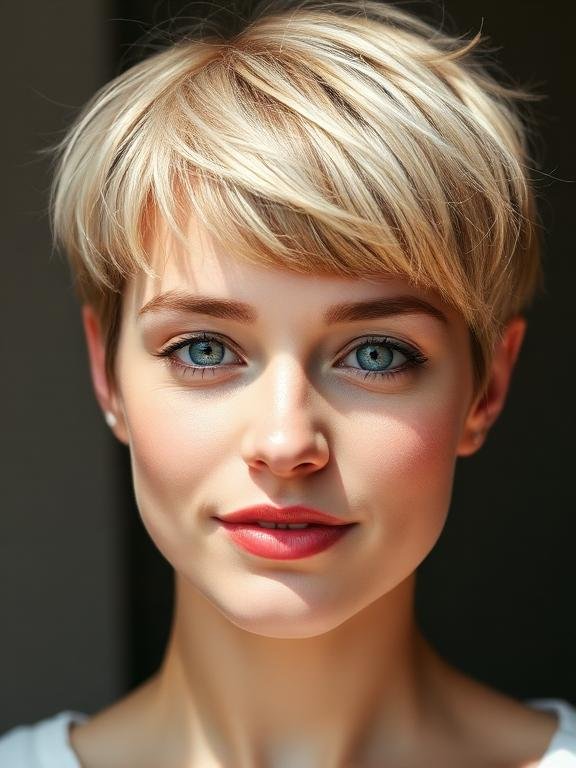
A wispy fringe on a pixie gives fine hair a face-framing focal point that creates intention and structure without demanding density that the hair cannot provide. The wispy quality is essential for fine hair because it sits lightly and does not go as flat through the day as a heavier fringe would.
Keep the fringe separated and airy rather than flat and blunt. A tiny bit of dry shampoo at the roots of the fringe adds grip between washes. The rest of the pixie perimeter should stay as full and clean as possible to balance the light, wispy quality of the fringe.
6. Voluminous Crown Pixie
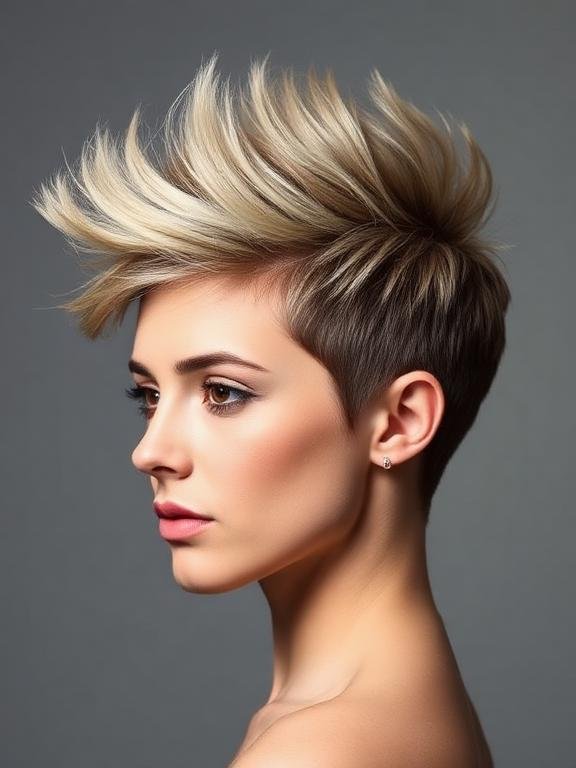
A voluminous crown pixie builds significant height and lift through the crown through targeted layering and blow-dry technique. For fine hair, the short overall length means the crown lift layers have less weight working against them and can create more visible volume than the same layers would achieve at longer lengths.
Ask for crown layering that creates maximum height and lift with close sides that keep the bold crown in proportion. A root spray and a large round brush at the crown directed upward build the volume. Keep the sides very close so the crown volume reads clearly.
7. Curly Fine Hair Pixie
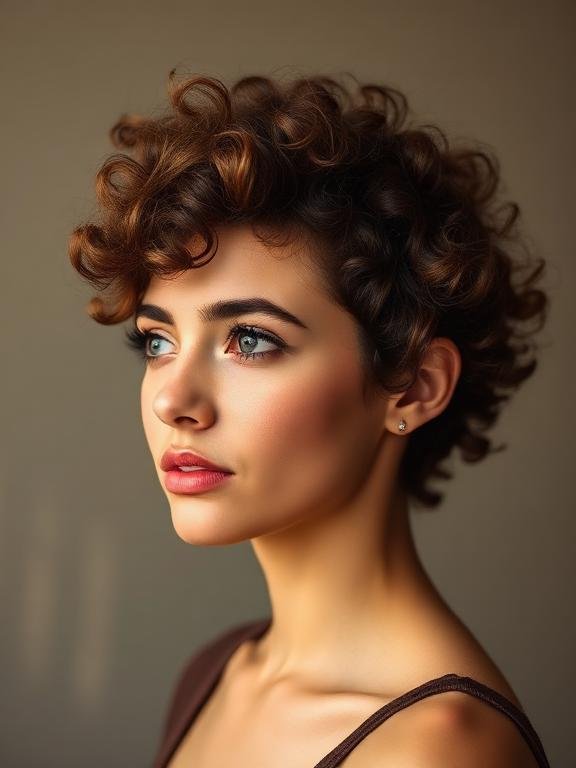
A pixie cut shaped around a natural curl or wave on fine hair creates a style where the curl does the visual work of adding volume and texture that fine straight hair has to work to create artificially. At pixie length, the curl is well-defined, and the overall silhouette looks full and intentional regardless of hair density.
Ask for the pixie shape on dry or defined curls so the stylist can see how the curl pattern sits at the desired length. A moisturizing curl cream applied to damp hair and diffused on low heat gives the most definition and the most volume.
8. Undercut Fine Hair Pixie
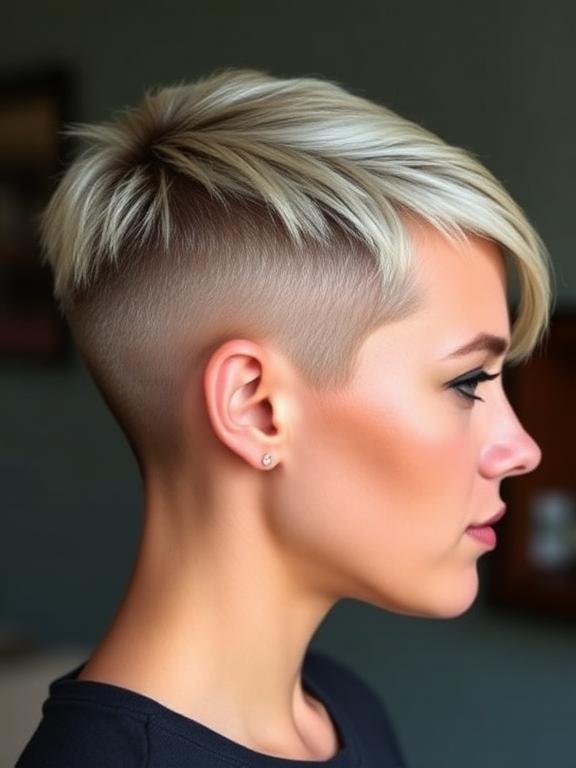
An undercut pixie clip the sides and nape very closely underneath, while the top section is left noticeably longer. For fine hair, the contrast between the close sides and the fuller top creates a shape that looks more voluminous and intentional than a uniformly short pixie would. The design element comes from the contrast, not the density.
Ask for a clearly disconnected undercut with the sides and nape taken very short and the top section left with enough length to style forward, sweep back, or leave to fall naturally. The contrast is what makes this work for fine hair, not the volume.
9. Feathered Pixie
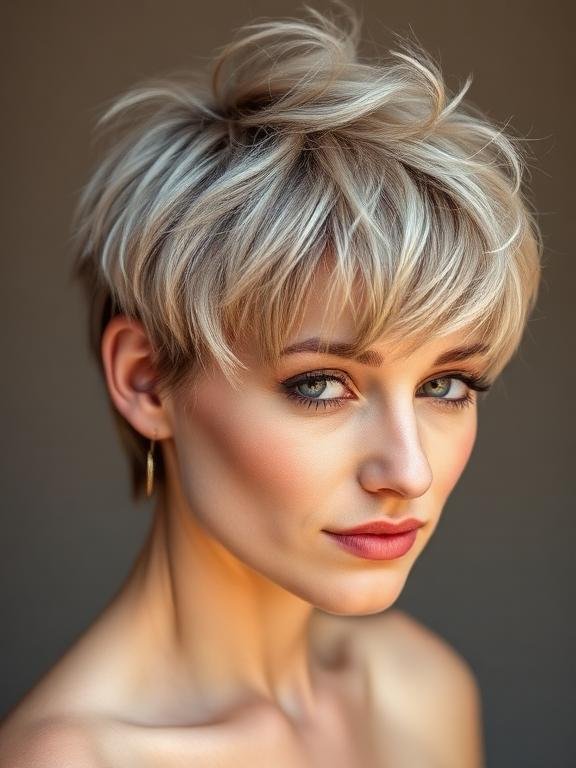
A feathered pixie uses gradually diffused layering through the outer sections to create a soft, airy texture that suits fine hair well. The feathering removes weight gently rather than sharply and gives the pixie a delicate, flattering quality that more aggressive layering would not achieve on the same fine density.
Ask for feathered layering through the outer sections of the crown and sides that creates a soft finish rather than sharp layer breaks. Keep the perimeter as full as possible and the feathering as conservative as the hair type requires. A light mousse before air drying brings out the soft texture.
10. Pixie with Side Part and Volume
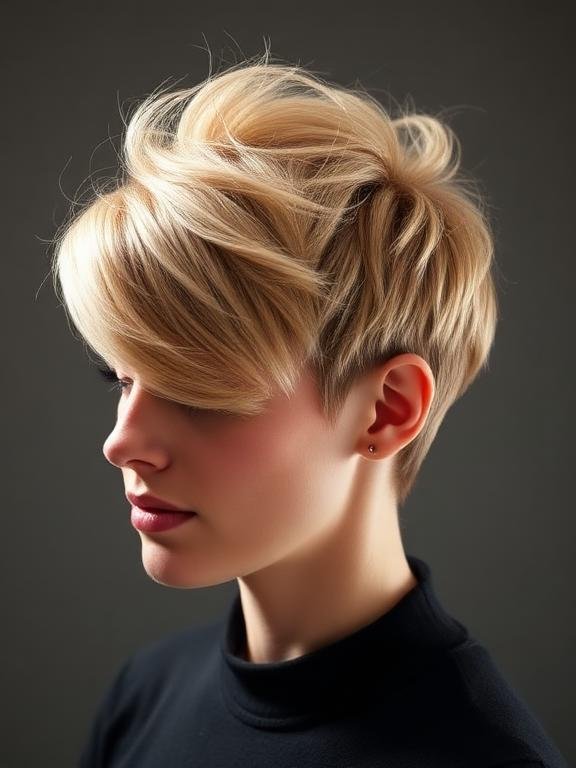
A defined side part combined with a pixie creates the maximum possible crown volume for fine hair without requiring aggressive layering. The part concentrates the fine hair on one side, and the blow-dry technique at the crown builds the lift. Together, they create significantly more volume than the hair has naturally.
Set the side part on damp hair and blow-dry the crown roots upward and over to the dominant side with a large round brush. A volumizing mousse before drying extends how long the volume holds. Keep the perimeter blunt and clean for a polished finish.
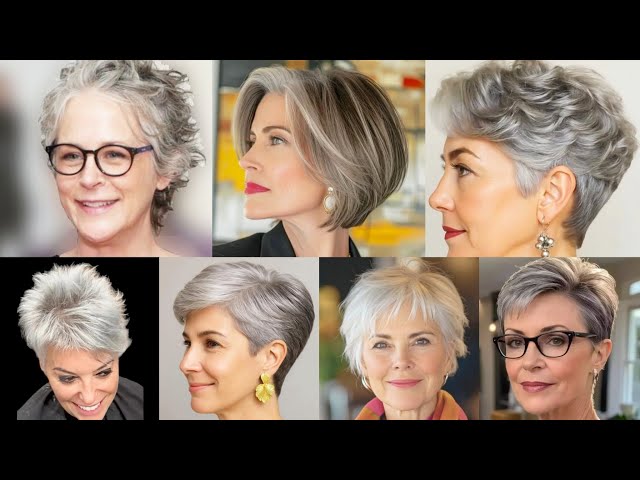
11. Silver Pixie for Fine Hair
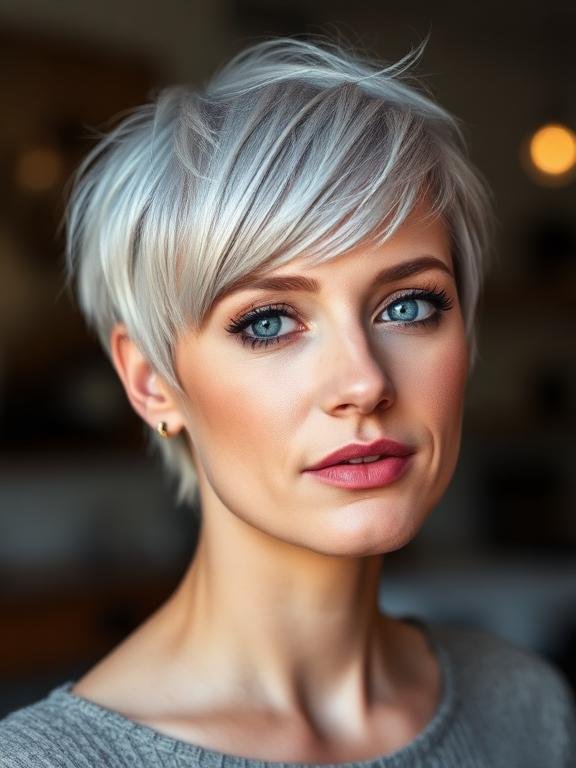
A precisely cut pixie on silver or gray fine hair is one of the most striking looks available because the luminous quality of silver hair and the clean graphic lines of a well-executed short cut create a combination with genuine visual impact. The silver color adds dimension that fine hair in a darker single tone does not have.
Ask for a pixie shaped with precision around the silver or gray hair and maintain the brightness with a purple toning shampoo used occasionally. The silver adds the visual richness that fine hair’s texture cannot generate on its own.
12. Asymmetric Fine Hair Pixie
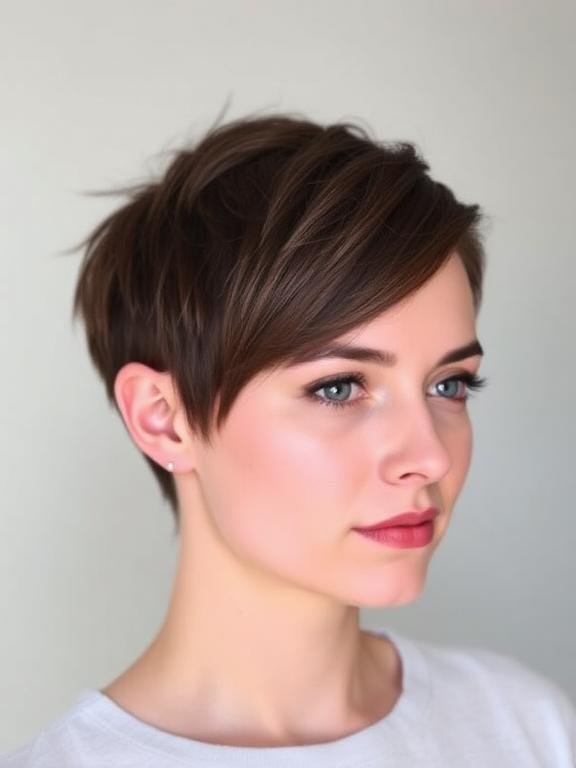
An asymmetric pixie with one side longer than the other creates diagonal lines that add visual interest and make fine hair look more considered and intentional than a symmetric cut would. The asymmetry is doing design work that the hair’s limited density cannot do alone.
Ask for one side clearly longer than the other with a clean, precise perimeter on both sides. Keep interior layering minimal to preserve fine hair density. The diagonal asymmetry gives the whole style a sense of deliberate design that suits fine hair particularly well.
13. Short Choppy Pixie
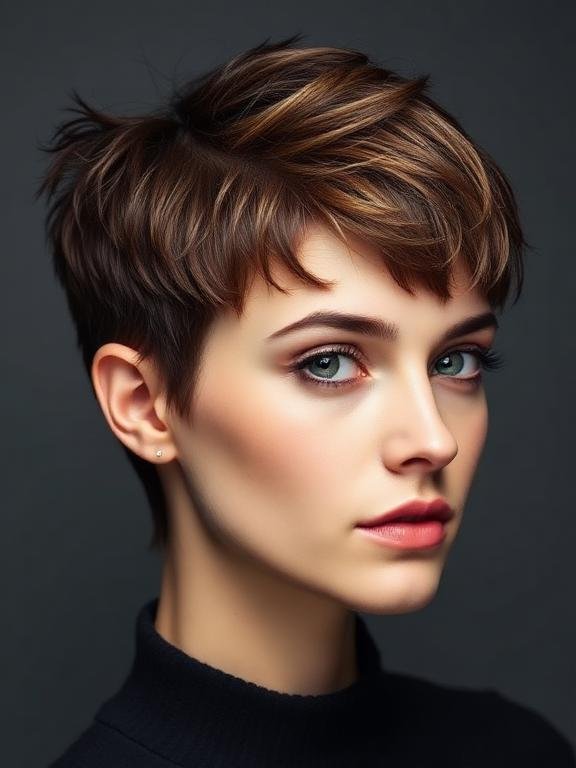
A short choppy pixie uses visible, deliberate choppy texture through the crown and top sections to create the impression of more density and movement than fine hair naturally has. The choppiness adds visual interest that distracts from the limited density and makes the cut look modern and intentional.
Ask for choppy, visible texture through the crown and top sections, with the sides kept cleaner and closer. Avoid choppy texture through the ends, where fine hair needs density most. A root spray and a quick rough dry at the crown is the whole styling routine.
14. Pixie Bob for Fine Hair
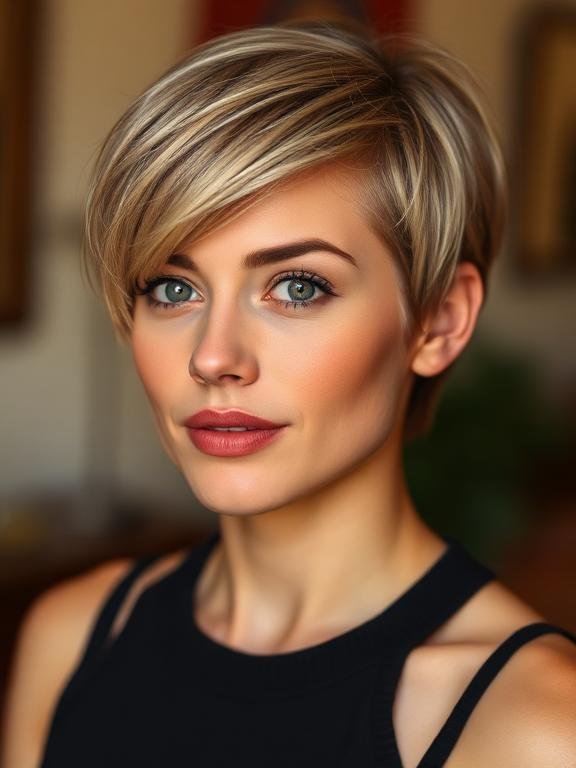
A pixie bob that sits at cheekbone length gives fine hair a longer version of the pixie concept with enough length to show face-framing quality and movement through the crown and sides. At this length, the fine hair density is still concentrated enough to create a convincing, full-looking perimeter.
Ask for a pixie bob at cheekbone length with a blunt or near-blunt perimeter and only crown layering for root lift. The cheekbone length gives the limited fine hair density enough room to create a present, full-looking perimeter without being spread too thin.
15. Pixie with Disconnected Sections
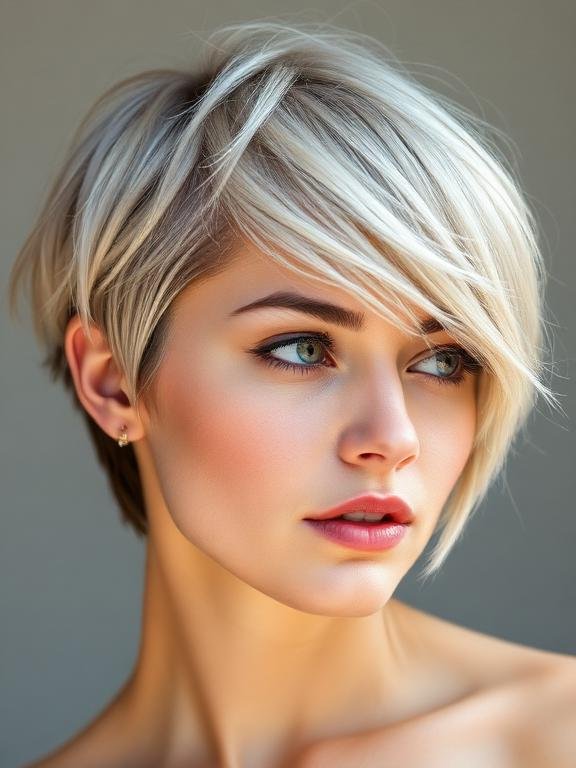
A pixie with deliberately disconnected sections creates a strong visual contrast between different parts of the cut that makes the style look more graphic and intentional than the density of the fine hair alone would suggest. The disconnection provides visual interest that does not rely on volume.
Ask for a pixie with clearly disconnected sections, typically between a longer top and shorter sides, where the contrast between the two creates a graphic, deliberate visual effect. The cleaner and more defined the disconnection, the more intentional and striking the result.
16. Soft Short Pixie
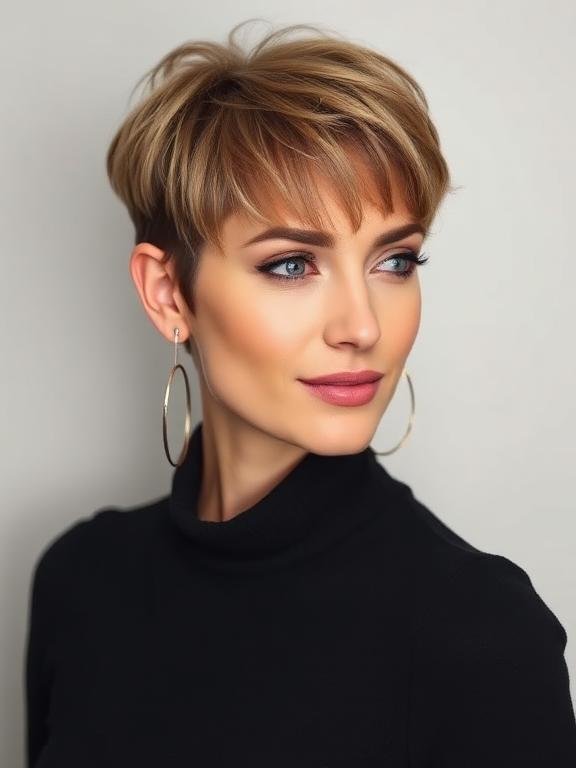
A soft short pixie uses gentle, conservative layering and soft edges rather than sharp definition or visible texture. For fine hair over 60 or women who want a polished, understated look, this is the most appropriate and consistently flattering version because the softness suits mature features and the conservatism protects fine hair density.
Ask for a short pixie with soft, blended edges rather than hard clippered lines and conservative layering that adds just enough movement to prevent the cut from looking flat without creating the impression of thinning ends.
17. Pixie with Curtain Bangs
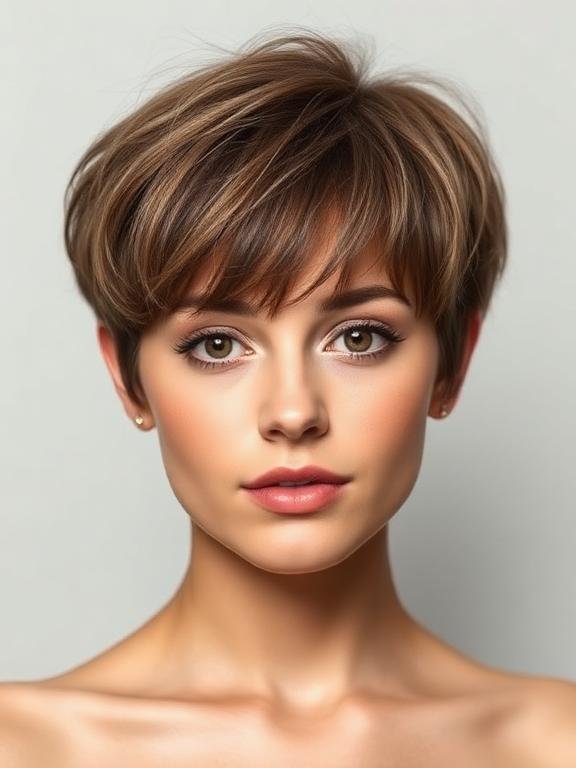
Curtain bangs on a pixie create a softer, more face-framing version of the short cut that suits women who want some coverage at the forehead without committing to a full fringe. For fine hair, curtain bangs are one of the safest fringe options at this length because they are naturally lighter than other fringe styles.
Keep the curtain pieces airy and slightly separated. A small round brush forward, then swept outward, keeps them sitting correctly. The rest of the pixie should stay as full and clean as possible, with only crown layering used for root lift.
18. Micro Pixie
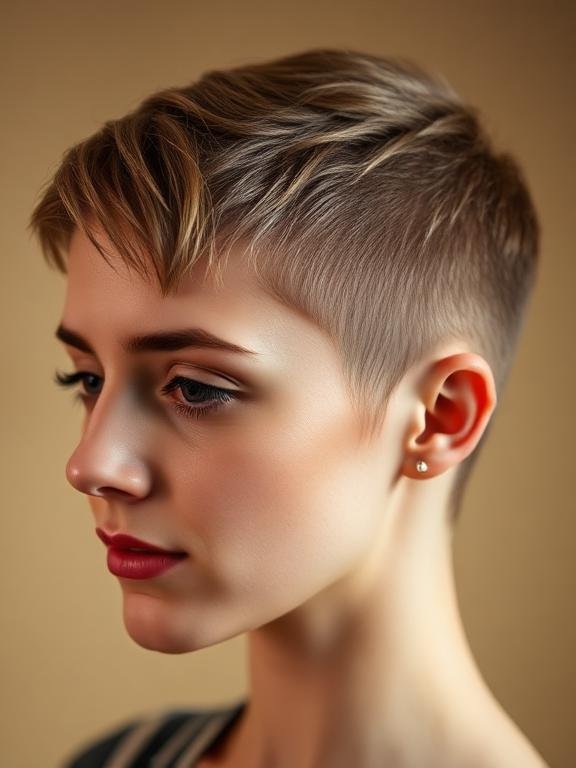
A micro pixie is cut very close all over with minimal length through the crown and a clean, precise outline at the hairline, around the ears, and at the nape. For fine hair, this is the most decisive and graphic option because the cut is so short that the shape of the head itself contributes to the silhouette.
Ask for a micro pixie cut very close all over with a clean, defined outline. The styling routine is essentially zero because there is very little hair to style. The precision of the cut and the maintenance of the outline every three to four weeks is what keeps this looking intentional.
19. Babylight Pixie
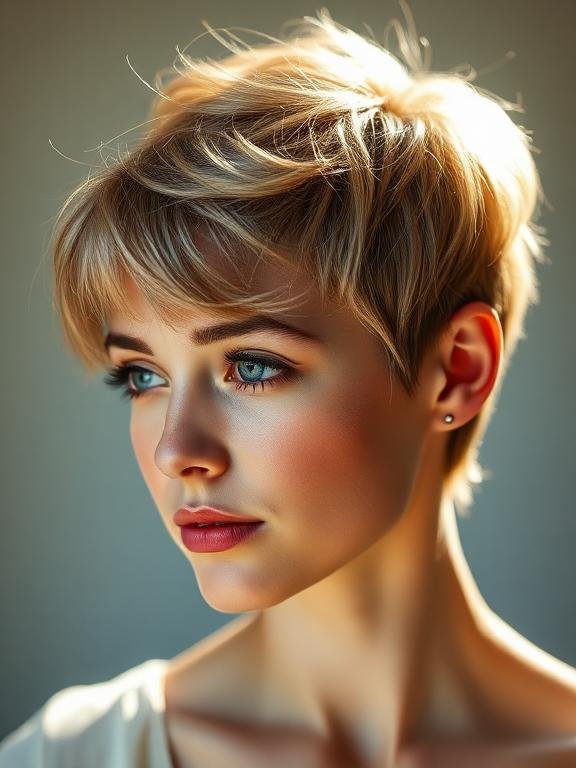
Adding babylights to a pixie on fine hair adds visual dimension and depth that the limited texture of fine hair cannot create alone. The fine highlights create color variation that gives fine hair more apparent richness and fullness. On a pixie cut where every section is immediately visible, the babylights create significant visual impact.
Ask for babylights placed through the crown and top sections where they will be most visible. Choose a tone that complements the natural base or gray. A gloss treatment every few weeks keeps the babylights looking fresh and the fine hair looking healthy and dimensional.
20. Natural Wave Pixie
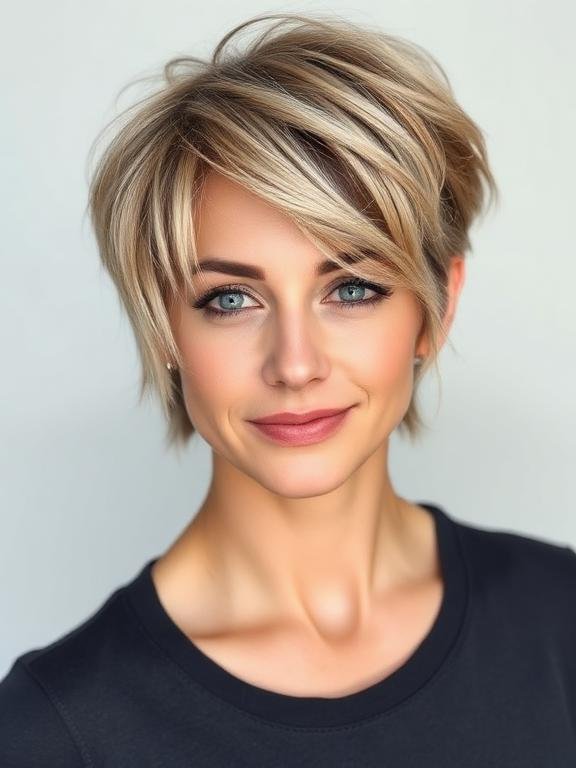
A pixie cut shaped around a natural wave on fine hair creates a style that air dries into a flattering shape with minimal effort. Even a very subtle wave on fine hair, when the cut is shaped to support it, creates more movement and apparent volume than the same amount of hair cut without the wave in mind.
Ask for the pixie cut to work with your natural wave rather than against it. A lightweight mousse scrunched into damp hair before air drying is the whole product routine. Let it dry without too much touching for the best natural movement.
21. Pixie with Root Spray Volume
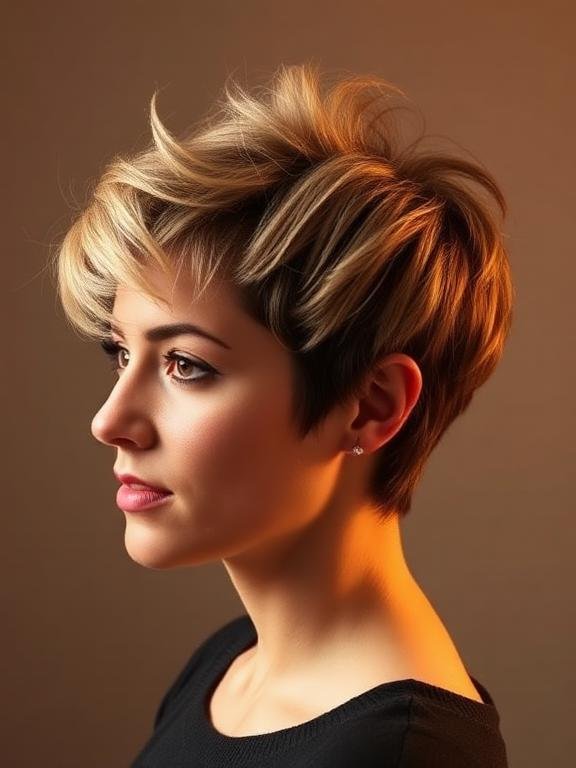
This is less a specific cut shape and more a specific approach to styling any pixie on fine hair that prioritizes root volume above everything else. The cut has invisible root-lift layers at the crown, and the styling technique uses a root spray activated by heat to create volume that lasts significantly longer than blow drying without product.
Apply a root spray specifically to the crown and root area before rough drying upward with a dryer. The heat activates the product and creates lift at the base that the fine hair cannot produce on its own. The visible result can be significantly more voluminous than the fine hair density would suggest is possible.
22. Side Part Tapered Pixie
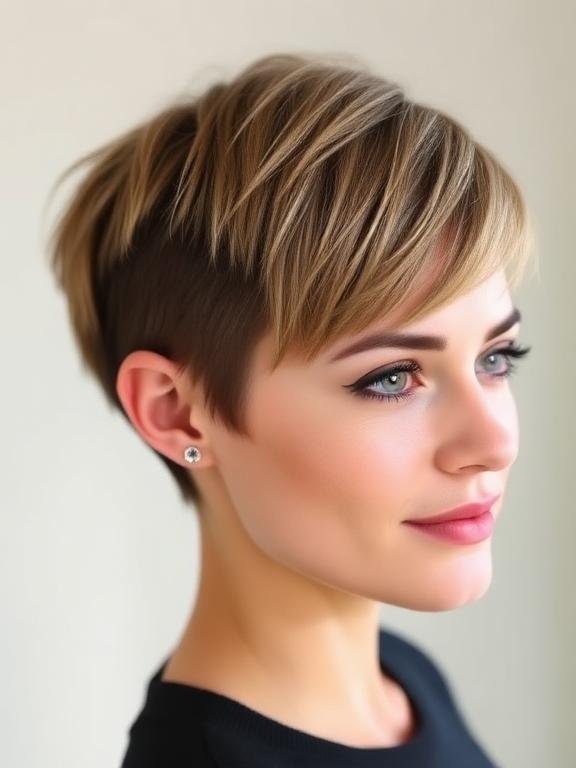
A side part combined with a tapered pixie creates a style that has the cleanliness and precision of a classic taper at the nape and sides with the volume-generating benefit of a deep side part at the crown. For fine hair, this combination addresses both the thinness at the ends and the flatness at the roots simultaneously.
Set the deep side part on damp hair and taper the nape and sides closely during the cut. Blow-dry the roots upward and over to the dominant side with a round brush. The taper keeps the bottom clean, and the side part builds the crown volume. Together they create a complete, considered result.
23. Effortless Air-Dry Pixie
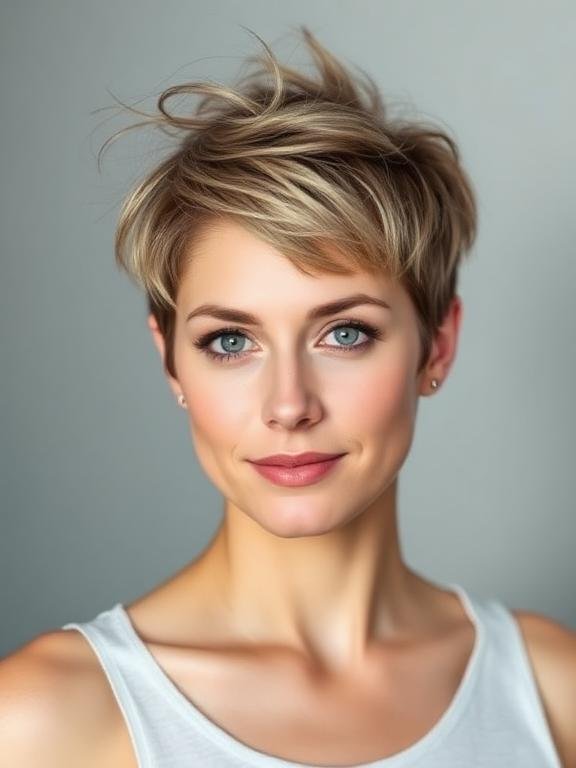
A pixie designed to look its best when fine hair air dries without heat tools is the most genuinely low-maintenance option on this list. The cut is shaped around how the fine hair naturally settles when dry, so the daily result looks flattering and intentional without any styling effort beyond washing.
Ask for the pixie shaped around how your fine hair behaves when it dries completely naturally. A lightweight volumizing mousse applied only at the roots before air drying is the only product the routine needs. The shape comes from the cut itself and the natural behavior of the fine hair, not from daily styling effort.
FAQs
Is a pixie cut good for fine hair?
Yes, often genuinely the best option. The short length concentrates the fine hair’s limited density in a small area where it creates real presence rather than spreading it over a longer length where it looks flat and sparse. The key is having the cut designed specifically for fine hair with a fuller perimeter and targeted crown layering rather than the aggressive layering used on thicker hair.
What pixie cut makes fine hair look thickest?
A blunt perimeter pixie or a classic tapered pixie with a full, rounded crown. Both approaches maximize the density at the visible perimeter of the cut rather than stripping it through thinning or texturing. The fullest-looking pixies for fine hair are the ones where the stylist resists the urge to thin, texture, or razor the ends.
How often does a fine hair pixie need trimming?
Every four to six weeks. The shorter the pixie, the more quickly it grows out of shape and the more visible that grow-out is on fine hair, where any loss of precision in the perimeter is immediately noticeable. Staying on a consistent trim schedule is the most important maintenance step for a fine hair pixie.
What products work best for fine hair pixie?
A volumizing mousse or root spray is applied to the roots before blow drying. A lightweight texturizing paste or pomade is used sparingly through the crown for texture and separation. Dry shampoo at the roots between washes for grip and volume. Avoid anything heavy that weighs the fine hair down and cancels the volume the cut is creating.
Wrapping Up
A pixie cut for fine hair is one of those decisions that looks more dramatic from the outside than it feels from the inside. Once the right version is found for the specific fine hair and face shape, most women wonder why they did not do it sooner.
Save two or three versions from this list that match your face shape and how much daily effort you want to put in. Tell your stylist you want fullness, clean perimeter, and minimal thinning through the ends. Those three instructions will get you significantly closer to a pixie that makes your fine hair look its absolute best every single day.