20 Dark Roots Blonde Balayage Bobs
Dark roots on a blonde bob used to be something people tried to avoid. Now it is the whole point. The deliberate contrast between a deep, rich root and blonde balayage through the length of a bob creates a color that looks intentional, modern, and genuinely low maintenance all at once. The root does not need constant touching up. The blonde does not need to reach the scalp. Everything about this combination is designed to grow out beautifully.
What makes it work specifically on a bob is the length. The bob concentrates the contrast between the dark root and the blonde balayage in a compact enough space that both elements are always visible simultaneously. On longer hair, the root and the blonde ends might feel separate. On a bob, they exist in the same frame at the same time, which is what gives this color its immediate impact.
The one thing to get right: the transition between the dark root and the blonde. Too hard, and it looks like two separate colors sitting on top of each other. Too soft, and the dark root disappears into the blonde, and the whole point is lost. The sweet spot is a blended but visible transition that reads as intentional design.
1. Classic Dark Root Blonde Bob
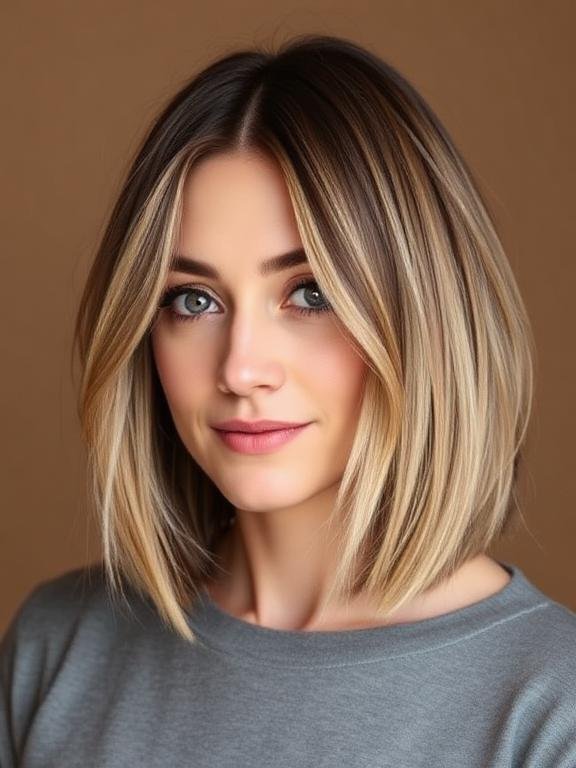
The foundation of this whole category. Natural dark brown or dark blonde root left untouched with warm blonde balayage swept through the mid-lengths and ends of a chin-length bob. The contrast is clear, the grow-out is effortless, and the result always looks considered.
Ask for the blonde to start at mid-shaft and concentrate the lightest tones at the ends and face-framing sections. A warm gloss every six weeks keeps the blonde looking vibrant and the overall color looking cohesive rather than two separate tones sitting awkwardly together.
2. Ash Blonde Bob with Dark Roots
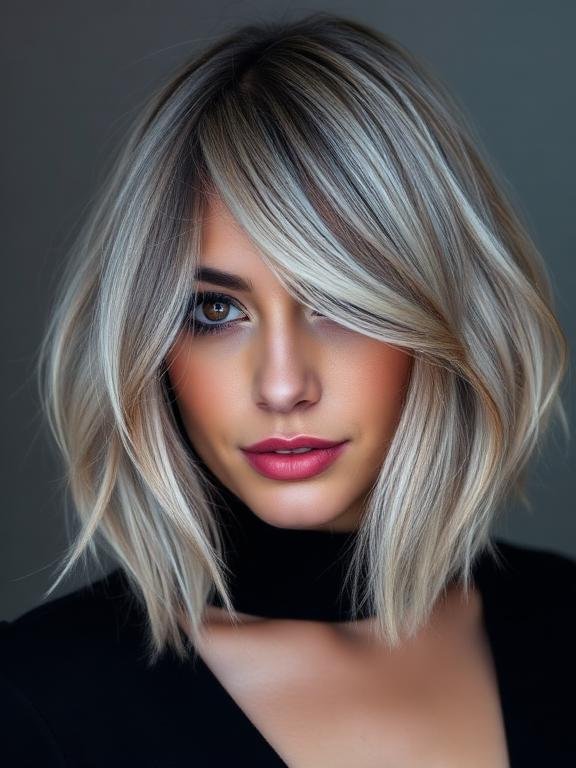
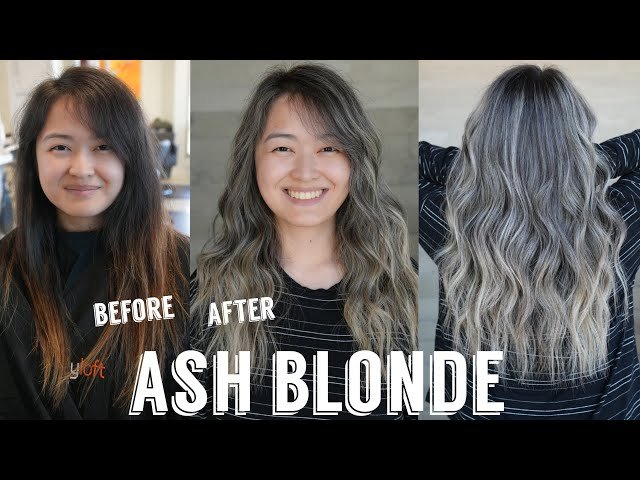
Cool ash blonde through the mid-lengths and ends of a dark-rooted bob creates a more sophisticated, editorial version of this color combination. The cool ash and the warm dark root sit at opposite ends of the temperature spectrum, which creates a contrast that is more striking than a warm-on-warm version.
Toning is essential here. A purple shampoo used every two to three washes prevents the ash sections from developing any warmth that would reduce the cool contrast the color is built on. The dark root does not need toning. Only the blonde sections do.
3. Platinum Blonde Bob with Natural Root
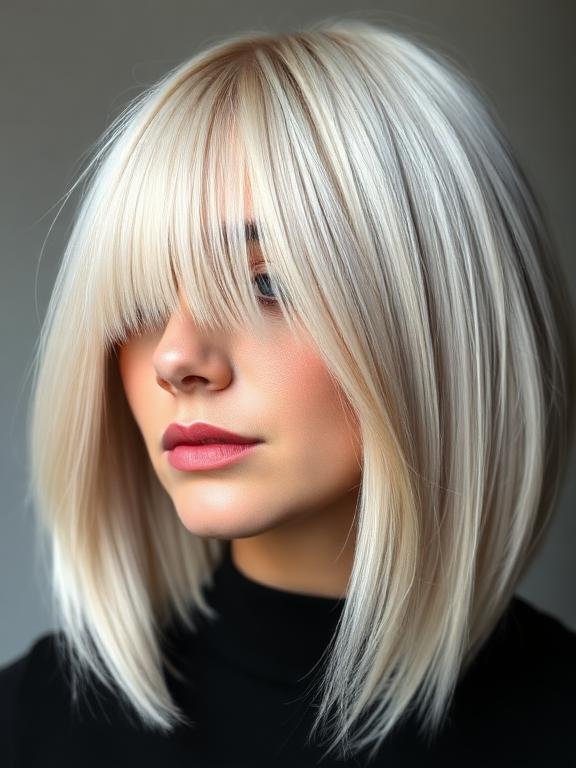
Taking the blonde sections to a near-platinum level against a very dark natural root creates the highest contrast version of this category. It is bold, graphic, and immediately striking. The platinum sections need significant pre-lightening and consistent toning to stay looking clean against the dark base.
Works best on bobs where the length sits at or below the chin, giving the platinum sections enough length to read dramatically. A weekly toning mask and a salon toner refresh every four to five weeks is the minimum commitment for maintaining this version.
4. Honey Blonde Lob with Dark Root
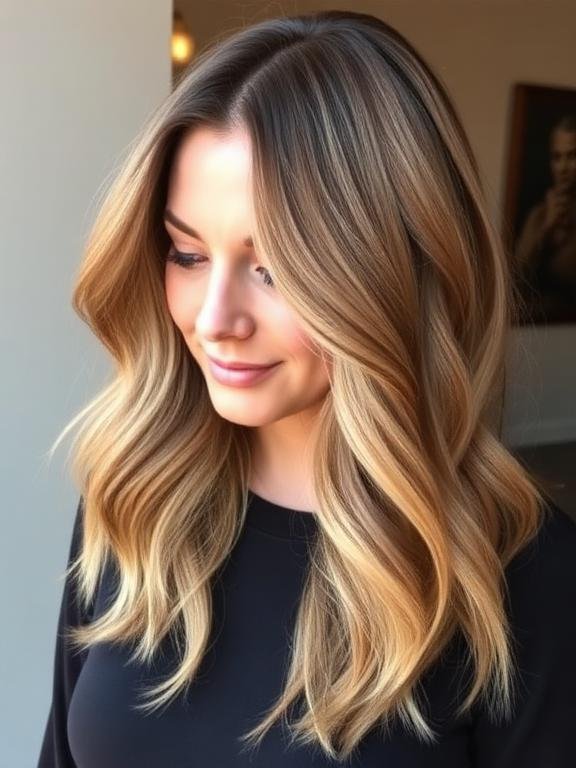
A longer bob sitting at the collarbone with warm honey blonde balayage and a natural dark root creates a version of this color that is softer and more three-dimensional than the classic version. The extra length gives the honey tones more room to develop, and the contrast feels warmer and more romantic.
Style with a large barrel iron for loose waves that maximize the dimensional quality of the honey tones against the dark root. A color-depositing honey or caramel conditioner used every few washes refreshes the warmth between appointments.
5. Bob with Shadow Root
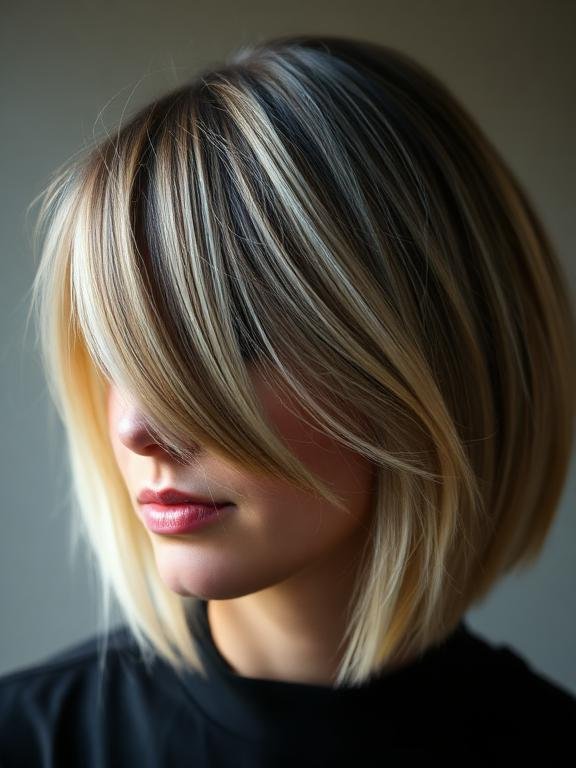
A shadow root takes the dark root and blends it more deliberately into the blonde balayage, creating a softer, more graduated transition than a standard dark root. The shadow creates depth rather than a hard contrast line, and the overall effect is more blended and lived-in.
Ask specifically for a shadow root technique rather than a standard dark root. The colorist applies a slightly darker tone through the root area in a way that feathers gradually into the blonde, creating depth without a hard line. This version grows out most gracefully of any on this list.
6. Dimensional Blonde Bob
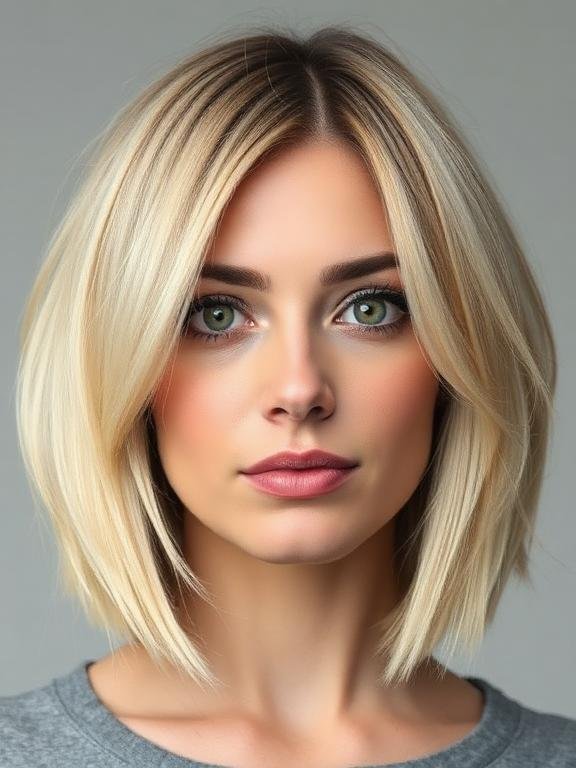
A dimensional blonde bob uses multiple tones of blonde, from a slightly darker warm blonde through a brighter golden and into a lighter honey or near-platinum, placed through different sections of the dark-rooted bob to create a color that shifts and changes with every movement. Flat single-tone blonde next to this looks immediately one-dimensional.
Ask for at least two distinct blonde tones, one deeper and one lighter, placed through different sections. The deeper tone sits in the interior and mid-sections, and the lighter tone sits on the surface and face-framing sections, where it catches the most light.
7. A-Line Bob with Dark Root Blonde
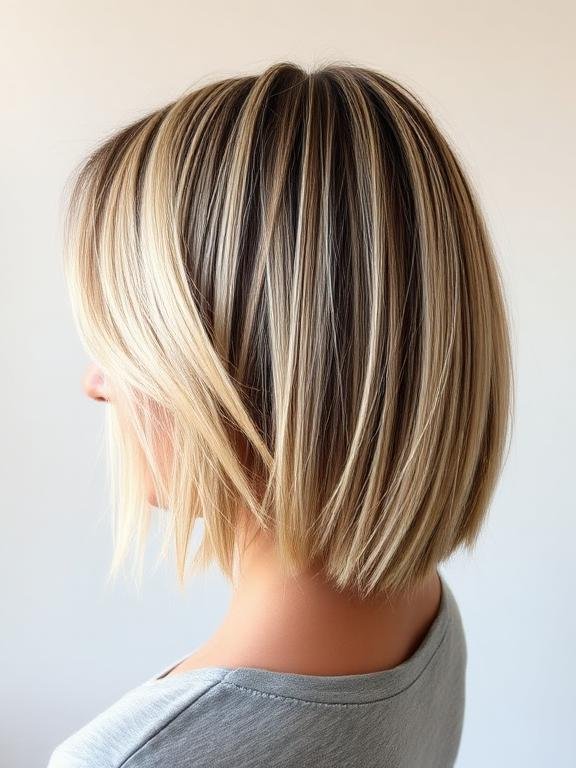
An A-line bob with a shorter back and longer front creates a structural shape that shows off the dark root and blonde balayage from multiple angles simultaneously. The angle of the cut means the contrast between the root and blonde reads differently from the front than it does from the side.
The longer front sections carry more of the blonde balayage, which creates a gradual brightening as the eye moves from the back to the front of the cut. Keep the interior layering minimal to preserve the density at the ends where the blonde concentration is highest.
8. Stacked Bob with Root Shadow
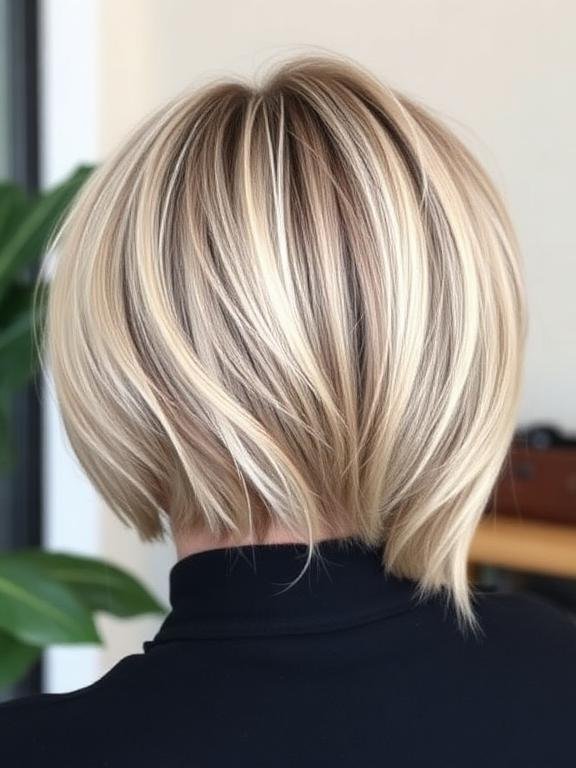
A stacked bob with a rounded, lifted back profile and a root shadow blended into blonde balayage creates a color and cut combination where both elements are working simultaneously. The stacking creates crown lift, and the root shadow creates color depth at the same location.
The rounded back of a stacked bob means the dark root is particularly visible from behind, which makes the contrast between the root and the blonde balayage at the ends more dramatically visible from the back profile than on a flat bob.
9. Wavy Bob with Beachy Root
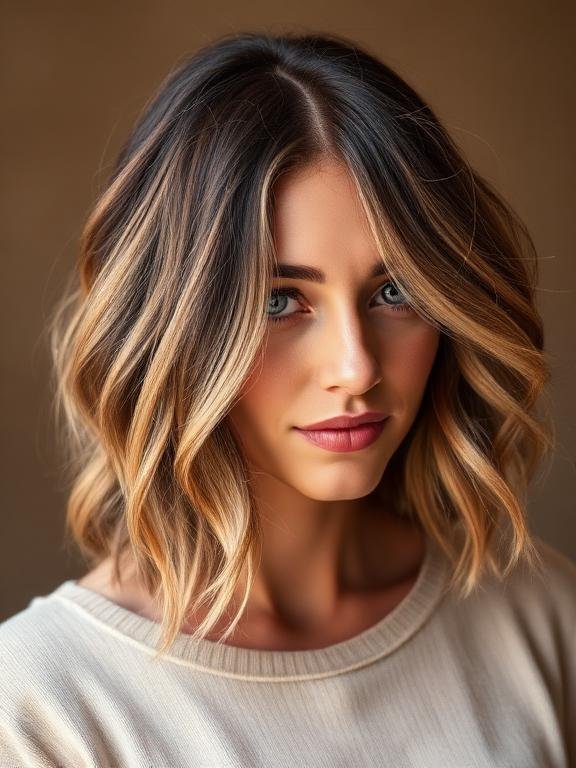
A wavy bob with a naturally growing dark root and warm blonde balayage is the most effortless expression of this category. The wave creates movement that shows off the contrast between root and ends, and the overall effect looks like genuinely lived-in, beautiful hair rather than a precisely executed color technique.
Let the dark root grow to whatever natural length suits you, and bring the warm blonde balayage to each appointment rather than re-doing the root area. The grow-out is the feature, not a problem to fix. A lightweight wave spray and an air-dry finish suit this version perfectly.
10. Curly Bob with Dark Root Blonde
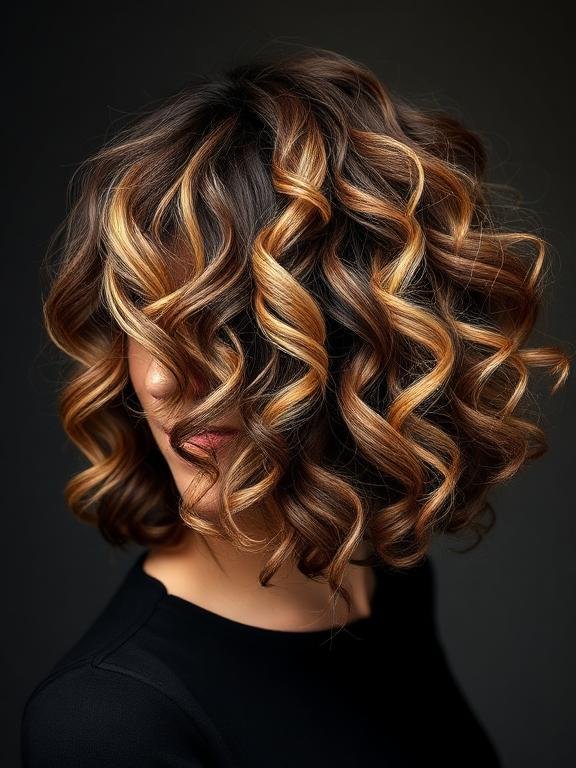
A curly bob with a dark root and blonde balayage through the curl pattern creates a color that is visible in a completely different way from straight or wavy hair. Each curl contains both the dark root and the blonde end within its single coil, which means the contrast exists at a micro level through every curl rather than simply from root to tip across the whole head.
Ask for the blonde to be placed through the mid-lengths and ends of the natural curl pattern, not just across the surface. The contrast should be present throughout the curl rather than only visible when the hair is stretched or moved.
11. Bob with Money Piece and Dark Root
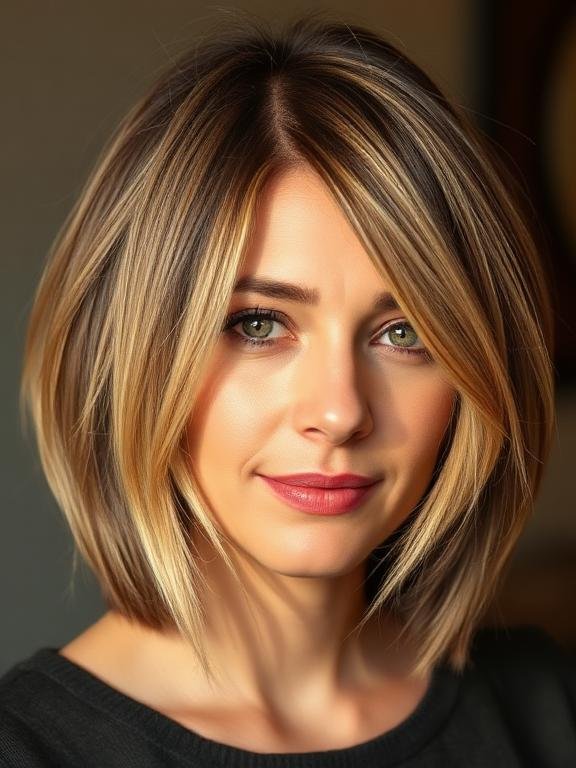
Adding a money piece to a dark-rooted blonde bob creates a version where the lightest, most concentrated blonde lands specifically at the two front face-framing sections, while the rest of the balayage through the bob stays at a slightly deeper, more natural blonde level. The money piece is the brightest point of the whole color design.
Ask for the money piece sections to be taken one to two levels lighter than the rest of the blonde balayage. The dark root continues behind the money piece and through the rest of the bob, creating depth throughout, while the money piece creates a bright focal point right at face level.
12. Chin Bob with High Contrast Root
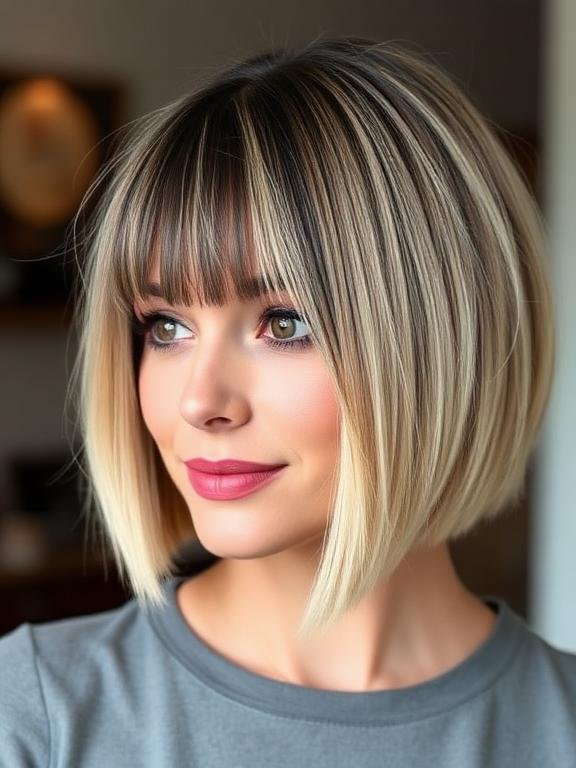
A blunt chin-length bob with a high contrast dark root and bright blonde balayage creates one of the most graphic and immediately striking versions of this category. The short length of the chin bob means the contrast between the root and blonde is visible in a very concentrated, powerful way.
The blunt perimeter of the chin bob maximizes the visual impact of the blonde at the ends. The dark root at the top creates the depth that makes the blonde ends look brighter by contrast. Keep the perimeter as full and clean as possible for the most striking result.
13. Bob with Ash Root Smudge
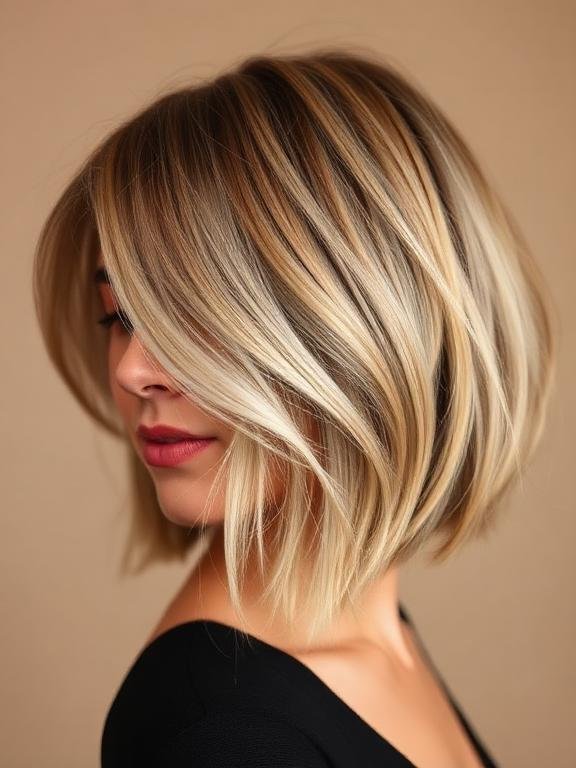
An ash root smudge takes the dark root and applies a cool, ashy tone through it before it transitions into the blonde balayage. The ash smudge at the root cools the overall temperature of the color and creates a more sophisticated, less warm result than a natural warm root against warm blonde would produce.
Ask for a cool ash or beige tone to be applied specifically through the root area in a smudging technique that blends gradually into the blonde balayage. The ash smudge needs occasional refreshing every eight to ten weeks as the natural root grows through.
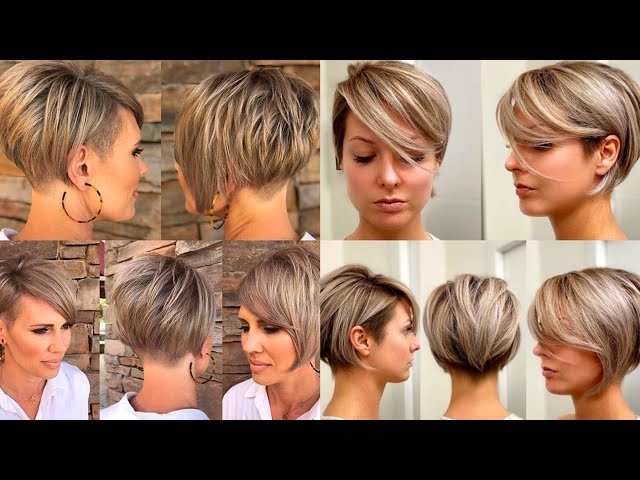
14. Pixie Bob with Dark Root
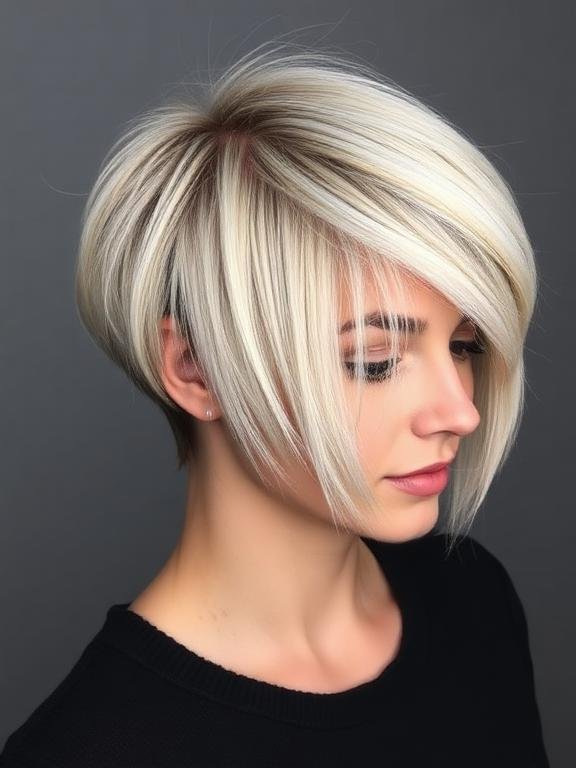
A pixie bob that sits at cheekbone length with a dark root and blonde balayage creates a compact, concentrated version of the color where the contrast between root and blonde is visible from every angle simultaneously. At this length, there is nowhere for either element to hide, which means both need to be executed precisely.
The shorter length means the blonde sections are refreshed more frequently through regular trims, which actually works in favor of the color because the ends always carry the freshest, most vibrant blonde. The dark root at this length looks very deliberate and intentional.
15. Bleached Bob with Grown-Out Root
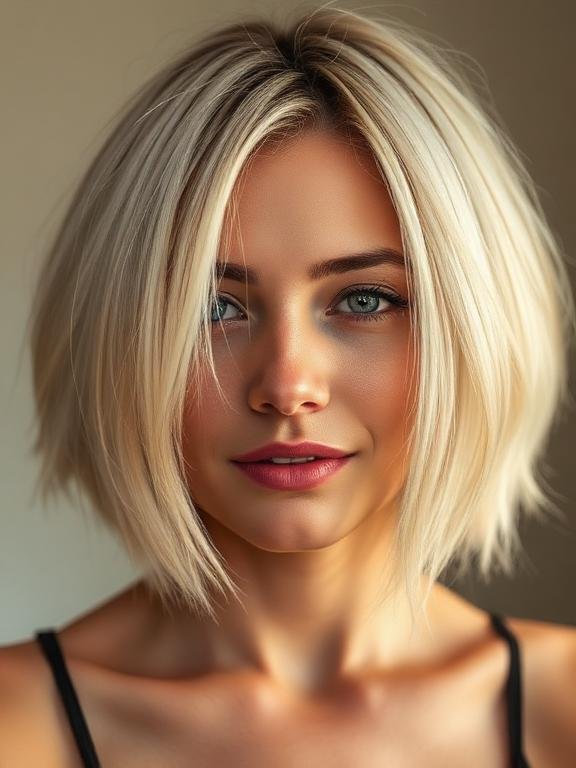
A bob where the blonde sections have been taken to a very light, almost bleached level, and the natural dark root is allowed to grow without touching creates one of the most deliberately undone yet intentional versions of this category. The contrast between bare bleached blonde and natural dark root is maximum and graphic.
This version suits women who are comfortable with a bold, high-maintenance blonde and a deliberate grow-out aesthetic simultaneously. The blonde sections need consistent toning to stay at the right level, and the root grow-out is embraced rather than managed.
16. Bob with Curtain Bangs and Dark Root Blonde
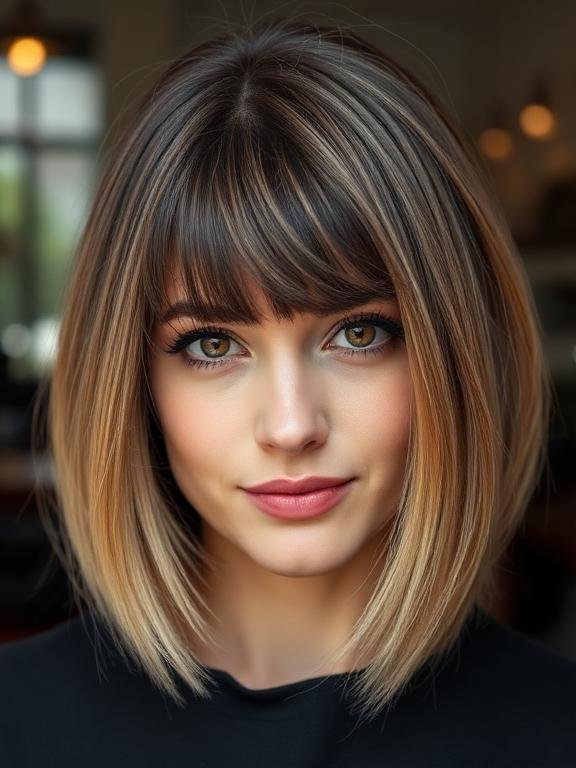
Curtain bangs added to a dark-rooted blonde bob bring the lightest blonde tones into the fringe area while the dark root continues across the top of the head. The contrast between the dark roots across the crown and the blonde curtain bangs creates a face-framing effect that is both color-based and cut-based simultaneously.
Ask for the curtain bang sections to be lightened in the same session as the balayage, so the fringe and the face-framing blonde sections feel like one continuous color design rather than separate elements.
17. Bob with Balayage and Tinted Root
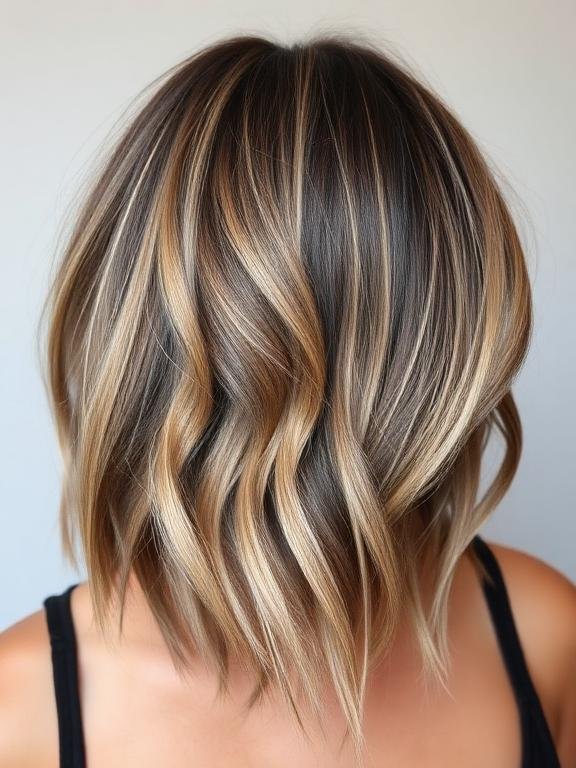
A tinted root takes the natural dark root and applies a slightly richer, more deliberate dark tone through it rather than simply leaving the natural growth. The result looks more polished than a pure natural root while maintaining the dark-root-blonde-balayage contrast that defines the category.
Ask for a demi-permanent or semi-permanent dark tone applied through the root area to enrich and deepen it slightly. This is different from a full root touch-up; the goal is to enhance and deepen the root rather than match it to a specific color.
18. Bob with Root Drag
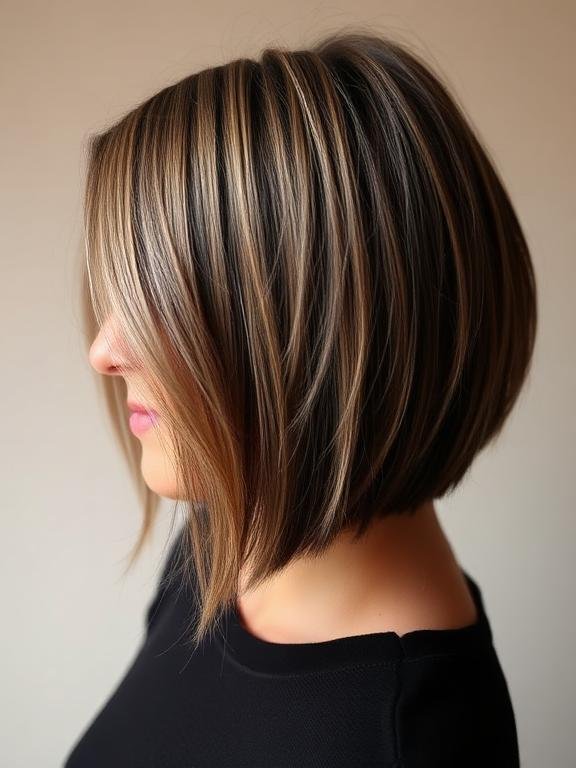
A root drag technique pulls the dark root color slightly down through the first few inches of the blonde balayage before the blonde fully takes over. It creates a longer, more gradual transition than a standard root and extends the depth of the color further into the length of the bob.
The root drag gives the dark tone more presence through the bob without fully covering the blonde. On a shorter bob, this technique makes the dark element feel more significant as a design feature rather than simply a root that has not been touched up.
19. Sandy Blonde Bob with Dark Root
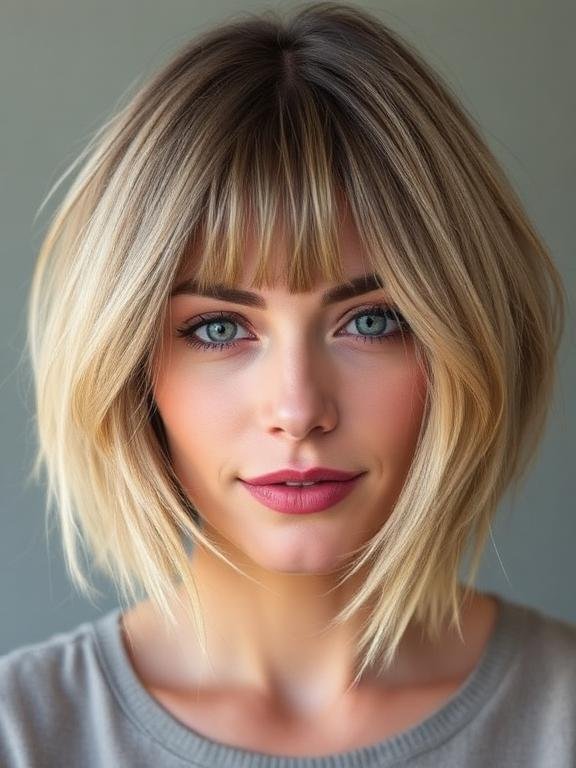
Sandy blonde, sitting in a cool neutral beige zone rather than a warm golden zone, against a dark root creates a sophisticated, muted version of this color that suits cooler skin tones particularly well. The sandy quality prevents any warmth or brassiness, and the dark root against it reads as deliberately cool and considered.
A neutral or slightly cool-toning gloss used every four to six weeks maintains the sandy quality and prevents the blonde sections from developing any warm tones that would compromise the cool sophistication of the color.
20. Grown-Out Bob Blonde with Fresh Root Color
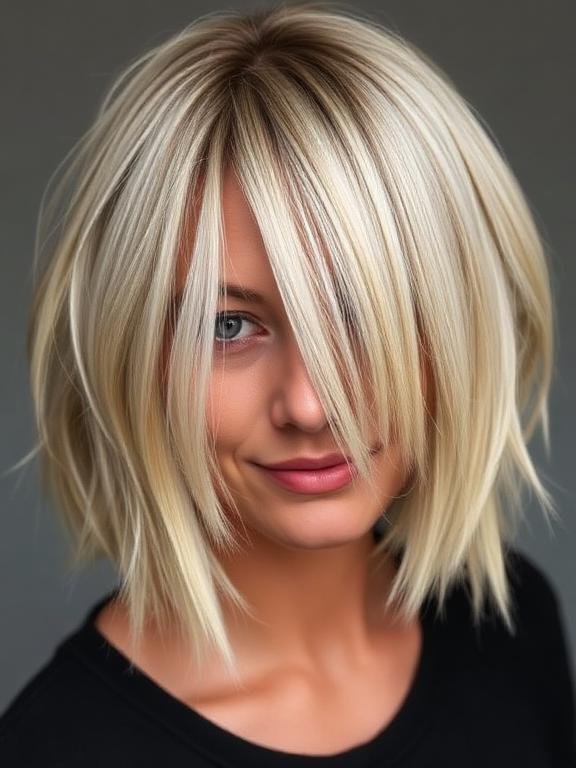
Taking a grown-out dark-rooted blonde bob and simply freshening the dark root tone rather than redoing the blonde creates a maintenance approach that keeps the color looking intentional without the time or cost of a full color service every visit. The dark root is refreshed and deepened while the blonde balayage is simply toned and glossed.
This approach works because it leans into the dark root rather than fighting it. The root is the low-maintenance element, and the blonde is the high-maintenance element. By focusing salon time on what actually needs attention, the overall maintenance of the color becomes significantly more manageable.
FAQs
How long should the dark root be before getting blonde balayage on a bob?
At least one to two inches of natural root is ideal for the dark root to read as a deliberate design feature rather than simply a grow-out that has not been addressed. On a short bob, even one inch of dark root is clearly visible and intentional. On a longer bob, two to three inches creates a more dramatic contrast.
Does dark root blonde balayage work on all bob lengths?
Yes, but it reads differently at each length. A chin bob concentrates the contrast in a very compact space for maximum impact. A collarbone lob gives the blonde more length to develop, and the contrast feels more gradual. A pixie bob creates the most graphic, concentrated version because both the root and the blonde are always visible simultaneously.
How do I keep the blonde sections from going brassy on a dark-rooted bob?
A purple toning shampoo used every two to three washes is the most important step. The dark root does not need toning; only the blonde sections do. A toning mask used once a week and a salon toner refresh every six to eight weeks extend the vibrancy of the blonde significantly. Avoid clarifying shampoos that strip toner faster than anything else.
Wrapping Up
Dark roots on a blonde bob stopped being an accident and became an aesthetic. The combination works because it is genuinely more interesting than a fully blonde bob and genuinely more low-maintenance than keeping blonde all the way to the root.
Pick the version that suits your maintenance tolerance. High contrast and platinum if you want maximum impact and are willing to commit to the upkeep. Shadow root or root drag, if you want something softer that grows out more forgivingly. Sandy blonde or ash blonde if cool tones suit your skin better than warm. Whatever version you choose, the dark root is the element that makes the whole thing work. Embrace it.