18 Hairstyles for Thin Fine Wavy Hair
Thin, fine wavy hair sits in a specific category that does not get enough dedicated attention. It is not straight enough to benefit from the blunt, dense approaches that work for fine straight hair. It is not thick enough to handle the heavy layering that works for thick, wavy hair.
And it is not curly enough to follow the rules of curly hair care. It occupies its own zone with its own set of needs that a generic approach to either fine hair or wavy hair rarely addresses properly.
What makes it particularly challenging is that the wave itself is both an asset and a complication. On a good day, the wave adds volume, movement, and texture that straight fine hair would have to work hard to create artificially.
The hairstyles that work best for thin fine wavy hair use the wave as a design element rather than trying to control or eliminate it. They place layering to support the wave pattern. They use lengths and shapes that let the wave move freely. And they create styles that look better when the wave is working than they would if the hair were completely straight.
This list covers 18 hairstyles for thin fine wavy hair that work with the wave, respect the fineness, and create results worth wearing.
1. Blunt Wavy Lob
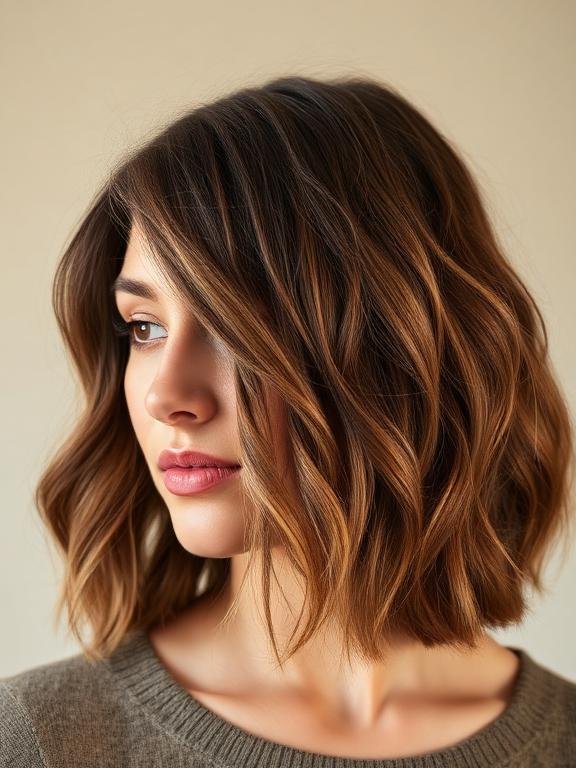
A blunt lob at shoulder length is one of the strongest starting points for thin fine wavy hair because the dense perimeter maximizes end fullness while the length gives the wave pattern enough room to form and move properly. A blunt edge on wavy fine hair looks fuller than a layered edge would because all the strands end at the same point rather than graduating to thin tips.
Ask for a blunt shoulder-length lob with a clean even perimeter and no thinning through the ends, relying on the weight of the blunt edge to give the fine wavy hair maximum fullness while the natural wave provides the movement and texture the cut needs.
2. Wavy Bob with Minimal Layers
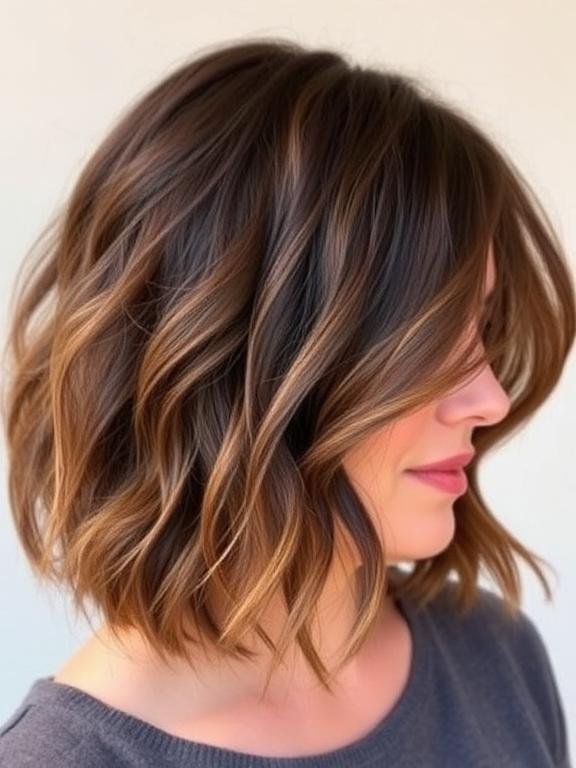
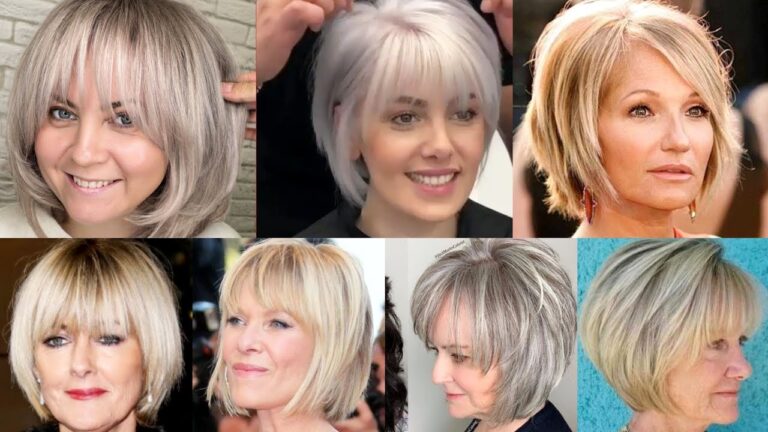
A wavy bob with very minimal interior layering gives thin fine wavy hair the shape of a bob with just enough internal shaping to let the wave move freely without the layering thinning the ends to the point where the wave pattern looks scraggly rather than full. The minimal approach to layering is the key distinction that makes this work for fine hair.
Ask for a chin to jaw length wavy bob with minimal interior layering placed only through the upper mid-lengths to allow wave movement, keeping the lower sections and ends as full and dense as possible so the wave pattern has enough hair to form properly at the perimeter.
3. Curtain Bang Wavy Lob
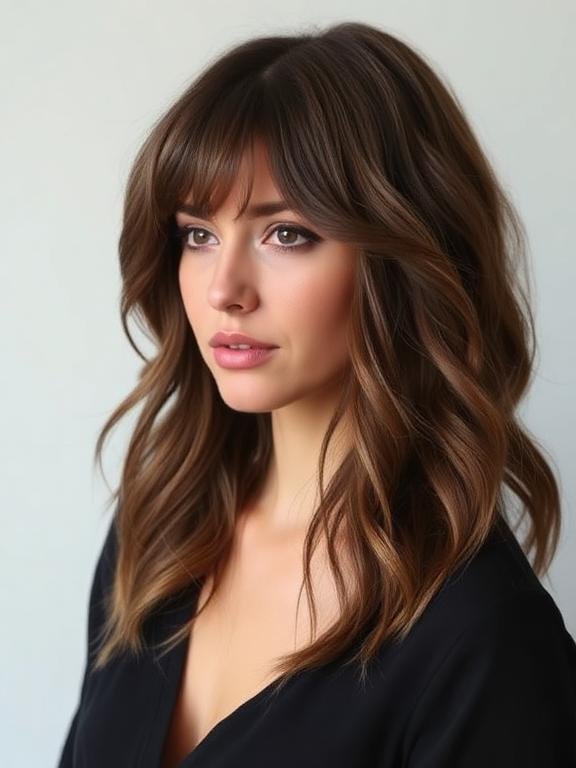
Curtain bangs interact beautifully with wavy hair because the wave pattern gives the bangs natural movement and separation that keeps them from going flat the way curtain bangs on straight fine hair sometimes do. For thin fine wavy hair curtain bangs add face-framing interest at the front while the wavy lob body adds texture and fullness through the rest of the style.
Ask for curtain bangs cut to work with the natural wave pattern so they fall with natural movement rather than needing to be styled into shape, paired with a shoulder-length lob with minimal interior layering that supports the wave through the body of the cut.
4. Wavy Shag with Conservative Layers
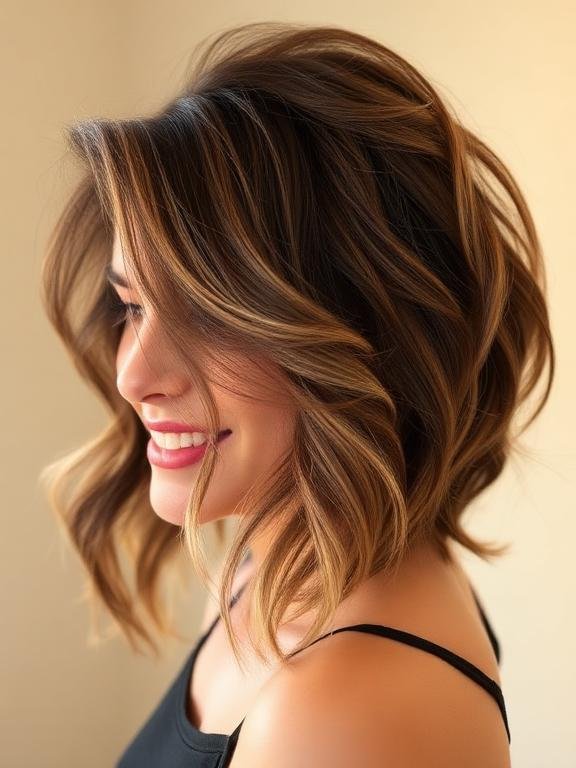
A shag cut works for thin fine wavy hair when the layering is significantly more conservative than a standard shag. The wave pattern does the work of adding texture and movement that heavier layering would normally create, which means the cut does not need to do as much through layering. Keeping the layers light preserves end density while still giving the wave room to express itself.
Ask for a wavy shag with conservative layering concentrated through the crown and upper mid-lengths rather than through the full length of the cut, keeping the lower sections and perimeter as full as possible so the fine wavy hair retains enough density to look full rather than wispy.
5. Side-Parted Wavy Bob
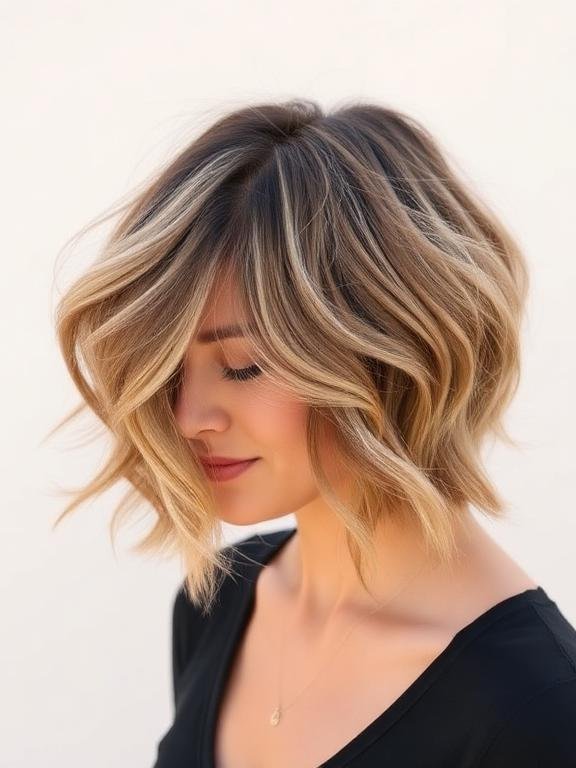
A side part gives thin fine wavy hair immediate volume on the heavier side of the part and creates asymmetry that makes the wave pattern look more dynamic and interesting than a centered part that splits the density evenly. The side part also creates a directional quality that works with the natural movement of wavy hair.
Ask for a wavy bob with a defined side part and minimal interior layering that supports the wave movement, with the perimeter kept as full as possible and the side part positioned to maximize volume on the heavier side where the wave can build the most movement and texture.
6. Wavy Pixie Bob
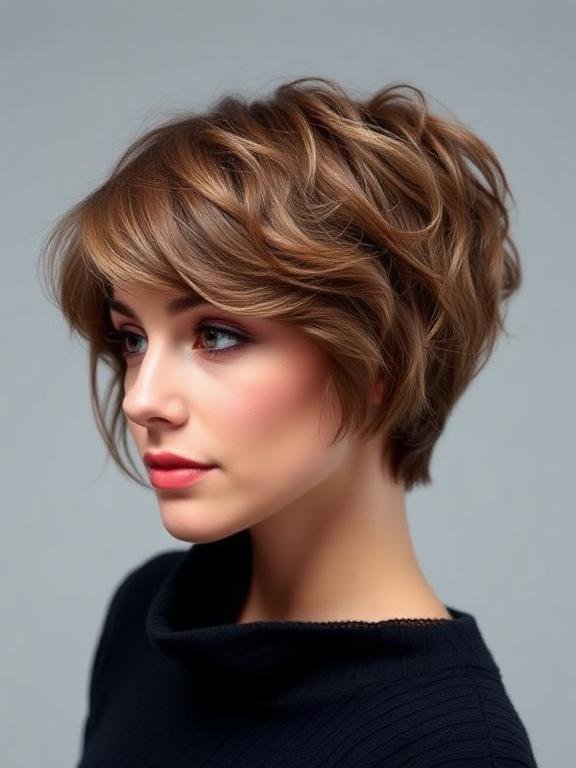
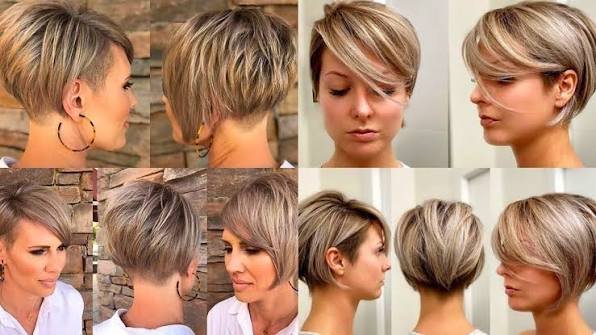
A pixie bob at cheekbone length gives thin fine wavy hair a short enough shape that the wave pattern can define the whole style rather than just part of it. At this length the wave creates movement and texture throughout the cut from root to tip, which gives the style more apparent fullness than a longer cut where the wave might only express itself through part of the length.
Ask for a wavy pixie bob at cheekbone length shaped to work with the natural wave pattern, with the cut established around how the wave behaves when dry rather than cutting it straight and hoping the wave will adjust to the shape afterward.
7. Wavy Lob with Face-Framing Pieces
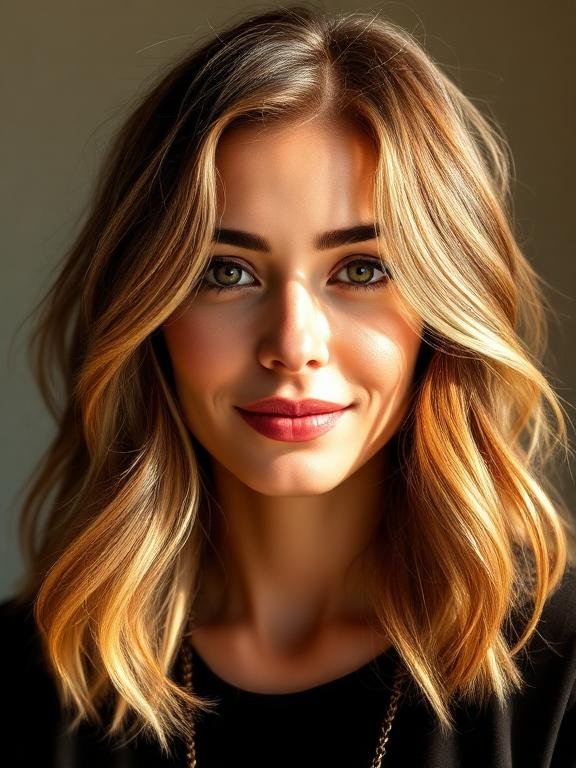
Face-framing pieces cut slightly shorter around the cheekbones give thin fine wavy hair a front section that frames the face with more movement and direction than the rest of the cut. For wavy hair the face-framing pieces often develop a slightly different wave pattern from the rest of the hair because of their shorter length, which adds interesting variation and texture around the face.
Ask for a shoulder-length wavy lob with face-framing pieces cut slightly shorter around the cheekbones that develop their own wave movement, with the body of the cut kept as full and dense as possible for thin fine wavy hair.
8. Diffused Natural Wave Cut
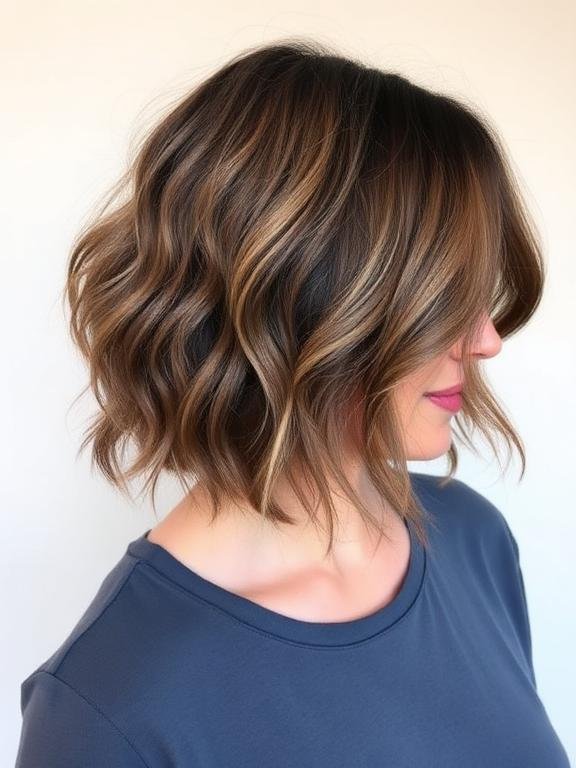
This approach prioritizes the diffusing technique as much as the cut itself. A simple blunt or minimally layered cut paired with a consistent diffusing routine creates significantly more volume and wave definition for thin fine wavy hair than a heavily layered cut that is not diffused properly. The cut creates the shape and the diffusing technique creates the volume and definition.
Ask for a blunt or minimally layered cut at any length that suits you, then establish a consistent diffusing routine using a lightweight curl-enhancing product scrunched into damp hair before diffusing on low heat, which gives thin fine wavy hair more volume and wave definition than most cutting techniques alone can achieve.
9. Wavy Bob with Wispy Fringe
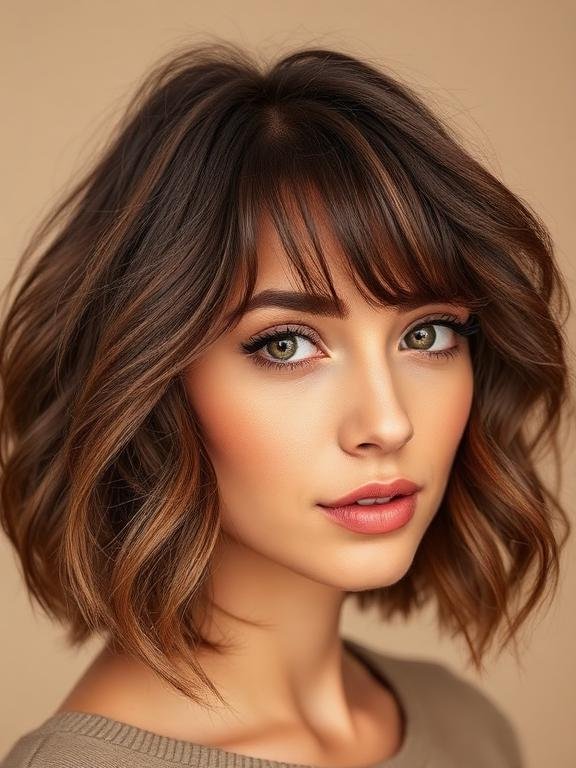
A wispy fringe on thin fine wavy hair benefits from the wave pattern because the wave gives the fringe natural movement and separation that keeps it from sitting flat against the forehead. The wispy quality of the fringe matches the natural texture of wavy fine hair, and the two elements together create a cohesive style where the fringe and the body of the cut feel like part of the same texture.
Ask for a wavy bob with a wispy fringe cut to work with the natural wave so the fringe has movement and separation rather than sitting flat, with a full perimeter on the bob that maximizes end density for thin fine wavy hair.
10. Long Wavy Bob with Root Lift
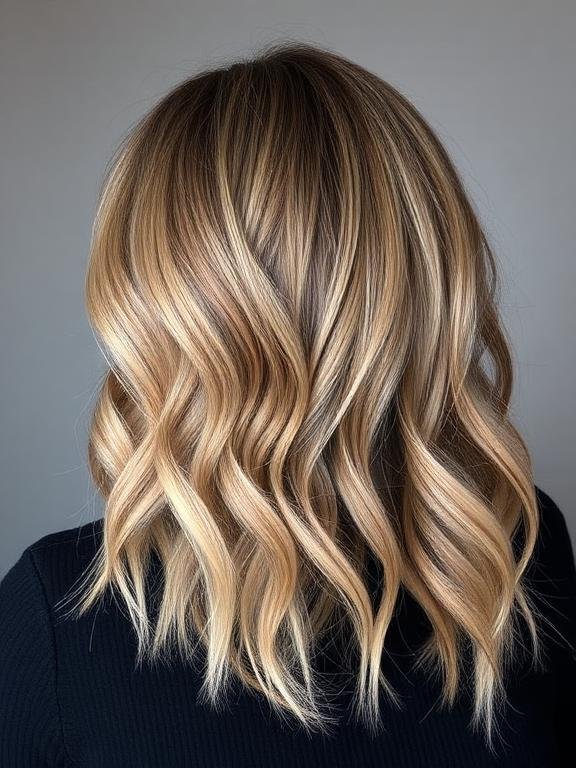
A longer wavy bob sitting past the collarbone uses the extra length to give the wave pattern more room to develop and move, which creates more apparent volume through the mid-lengths and ends than a shorter cut would. Root lift layering through the crown addresses the flatness that thin fine wavy hair develops at the base when the length is longer and pulls the roots down.
Ask for a longer wavy bob past the collarbone with root-lift layering through the crown and upper sections to counteract the weight of the longer length, with the lower sections and ends kept as full and dense as possible to give the wave pattern enough hair to form properly.
11. Wavy Graduated Bob
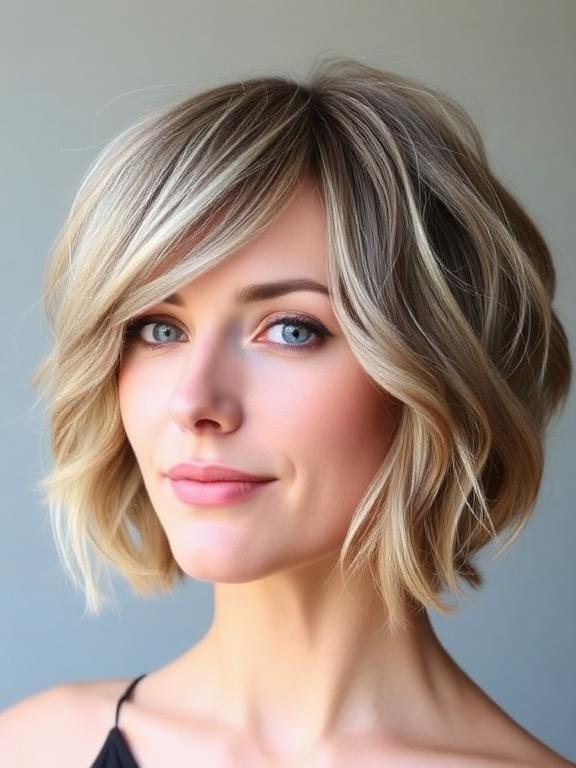
A graduated wavy bob is shorter at the back and longer at the front, which creates structural lift at the back of the head through the graduation itself. For thin fine wavy hair this structural lift means the volume and shape come from the cut rather than from the density of the hair, which makes the graduated bob a more reliable approach to creating fullness than relying on layering alone.
Ask for a graduated wavy bob with a shorter back that creates natural crown lift and a longer front that frames the face with wave movement, with minimal interior layering that preserves perimeter density for thin fine wavy hair.
12. Half-Up Wavy Style
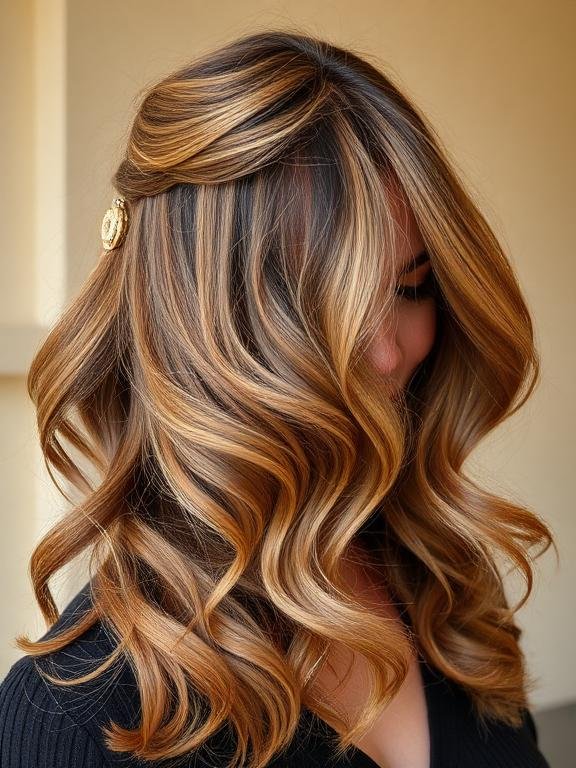
A half-up style that gathers the top section while leaving the lower wavy sections down gives thin fine wavy hair the best of both approaches. The gathered top section creates an element of structure and polish at the crown, and the loose wavy lower sections add the volume and movement that fine hair needs to look full and textured.
Style the lower sections of thin fine wavy hair with a lightweight mousse or curl enhancer scrunched in before air drying or diffusing, then gather the top section loosely and secure it with a clip or soft elastic, leaving the front pieces loose to frame the face with wave movement.
13. Wavy Lob with Side Sweep
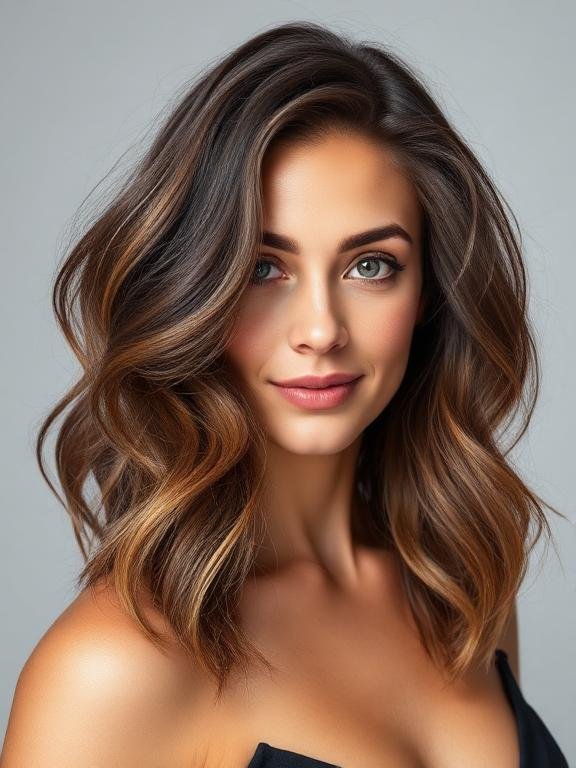
A side sweep through a wavy lob creates a directional movement that gives thin fine wavy hair a sense of volume and intention that a centered style would not have. The sweep works with the wave pattern to create a flowing, dynamic shape that makes the hair look fuller and more alive than it would hanging straight or parted centrally.
Ask for a wavy lob with a defined side part and layers placed to support a natural side sweep through the front and crown, with the lower sections kept full and the perimeter as dense as possible for thin fine wavy hair.
14. Wavy Pixie with Textured Crown
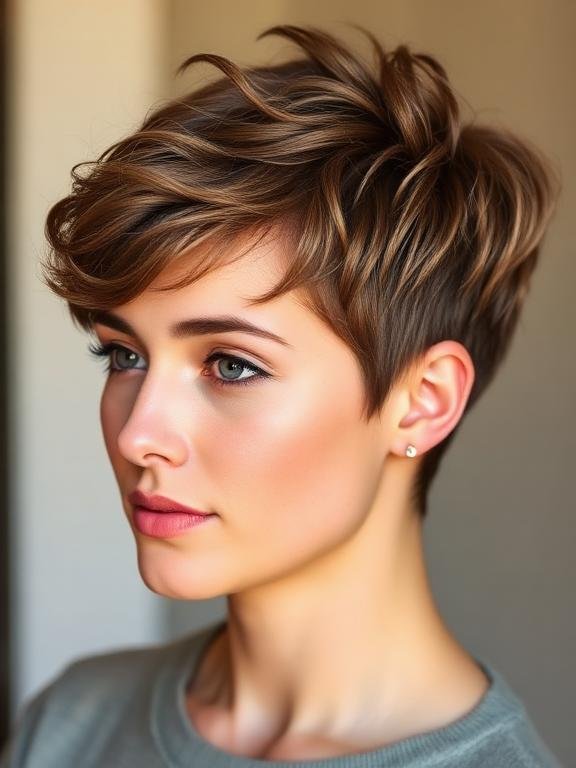
A wavy pixie that concentrates texture and movement through the crown uses the wave pattern to create a naturally lifted, interesting shape at the top of the head. For thin fine wavy hair the short length means the wave can define the whole style from root to tip, and the crown texture creates a strong silhouette that makes the most of the wave without needing density the hair does not have.
Ask for a short wavy pixie with the crown shaped to let the natural wave create texture and lift, close tapered sides, and a finish that works with the wave pattern rather than trying to smooth or override it.
15. Beachy Wave Lob
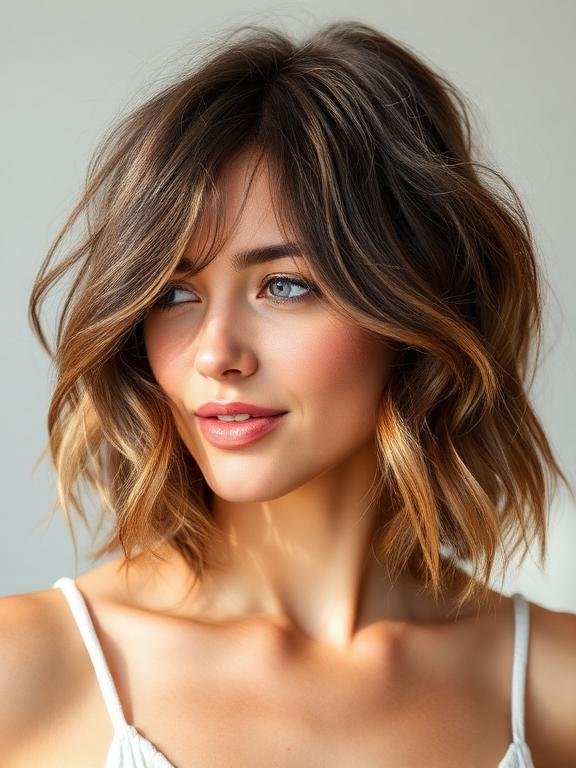
A beachy wave lob uses light salt spray or texturizing product to enhance the natural wave of thin fine wavy hair into a more defined, intentional wave pattern. For thin fine wavy hair the beachy wave approach works well because it uses the existing wave rather than trying to create something different, and the relaxed, textured finish is forgiving of the variations in wave pattern that thin fine wavy hair often has.
Ask for a shoulder-length lob with a blunt or minimally layered perimeter, then style with a light salt spray or texturizing product scrunched into damp hair before air drying or diffusing to enhance the natural wave into a beachy, textured finish that gives thin fine wavy hair maximum apparent fullness.
16. Wavy Bob with Babylights
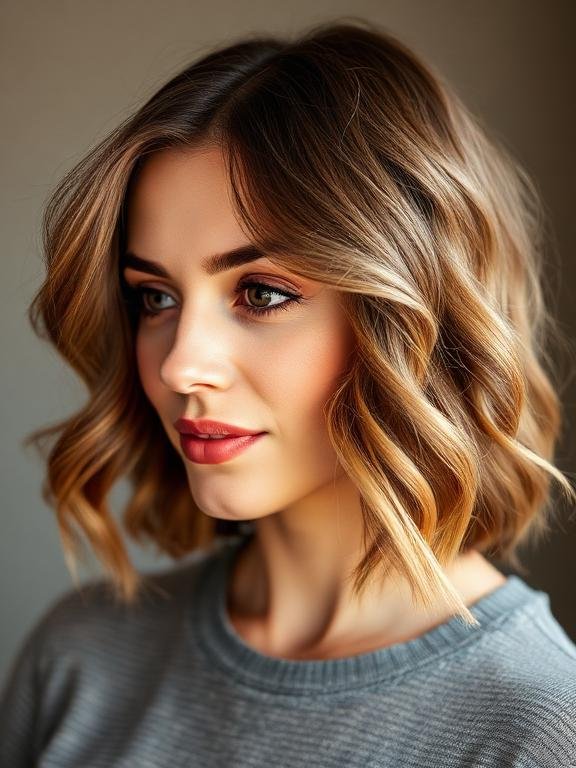
Babylights through a wavy bob add diffused dimension and visual depth that make thin fine wavy hair look thicker and more textured than it is. For wavy hair the babylights interact with the wave pattern to create a dimensional, sun-kissed effect that a single flat color on the same wavy hair would not have, giving the style a richness that suits the natural movement of the wave.
Ask for a wavy bob with babylights placed through the mid-lengths and ends to add diffused brightness and dimension that enhances the wave pattern and makes thin fine wavy hair look thicker and more textured, paired with a full blunt or minimally layered perimeter.
17. Low Manipulation Wavy Style
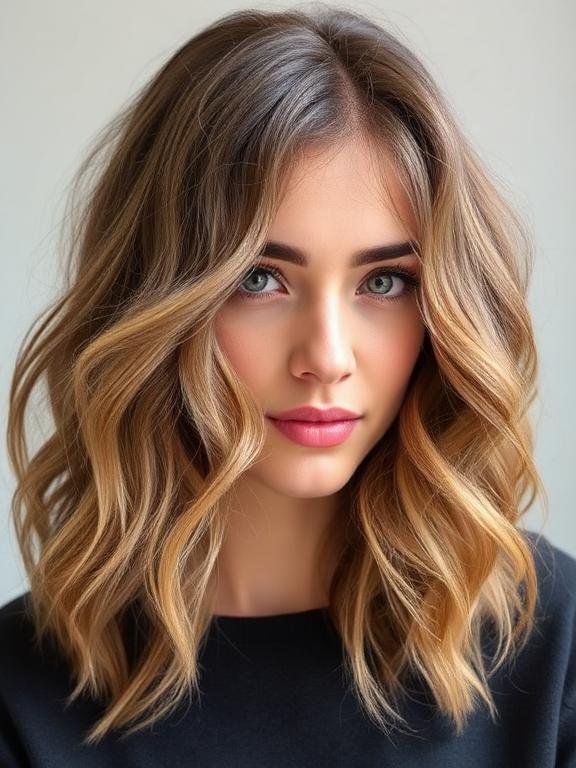
For thin fine wavy hair that is prone to frizz and breakage, a low manipulation style that requires minimal touching, brushing, or heat is often the most flattering long-term approach. A simple cut with a full perimeter, styled by scrunching product into wet hair and then leaving it completely alone to dry naturally, creates significantly better wave definition and less frizz than a heavily handled approach.
Ask for a blunt or minimally layered cut at a length that suits your face and lifestyle, then adopt a low manipulation styling routine of scrunching a lightweight curl cream or mousse into damp hair and air drying without touching the hair as it dries, which gives thin fine wavy hair the best chance of developing consistent, frizz-free wave definition.
18. Wavy Lob with Strategic Thinning
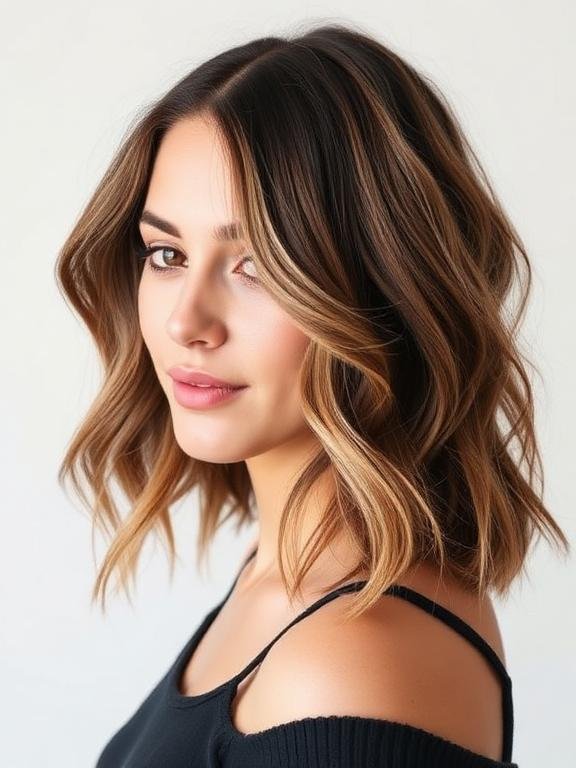
This lob uses strategic thinning applied only through the upper mid-lengths and crown to remove the weight that suppresses the wave pattern in thin fine wavy hair, allowing the wave to spring up and form more freely. The lower sections and ends are left completely untouched to preserve perimeter density. The thinning is not about creating layers but about releasing the wave.
Ask for a shoulder-length lob with strategic thinning applied specifically through the upper mid-lengths and crown to release the wave pattern and allow it to form more freely, with the lower sections and ends left completely untouched to preserve the perimeter density that thin fine wavy hair needs to look full at the tips.
FAQs
Should thin fine wavy hair be layered or kept blunt?
For most thin fine wavy hair a minimal approach to layering produces the best results. The wave pattern itself creates movement and texture that layering would normally provide, which means the hair does not need as much layering as straight fine hair might. Conservative layering through the upper mid-lengths and crown can help the wave form more freely, but aggressive layering through the ends removes density that thin fine wavy hair needs to look full.
What products work best for thin fine wavy hair?
Lightweight curl-enhancing creams, mousses, and sea salt sprays all work well for thin fine wavy hair because they enhance the wave without weighing the fine hair down. Heavy creams, oils, and serums should be avoided because they flatten the wave and reduce the volume the cut is trying to create. A light hold setting spray applied after the style has dried can help the wave hold without adding weight.
How should thin fine wavy hair be dried?
Diffusing on low heat or air drying with minimal touching gives thin fine wavy hair the best wave definition and the most volume. The key is to avoid touching or moving the hair while it is drying because disturbing the wave pattern as it sets creates frizz and breaks up the wave before it has a chance to form. Scrunching the hair upward with a microfiber towel or cotton T-shirt to remove excess water before drying removes water without disrupting the wave pattern the way rough towel drying does.
Can thin fine wavy hair wear a shag cut?
Yes, but with significant modifications to the standard shag approach. The layering needs to be much more conservative than a typical shag and concentrated higher up through the crown and upper mid-lengths rather than running through the full length. The wave pattern does the textural work that the shag layering would normally do, so the cut can stay simpler while still achieving a similar result.
How do I prevent thin fine wavy hair from looking stringy?
Keeping the perimeter as full and dense as possible by avoiding heavy end layering is the most important factor. Stringy ends on thin fine wavy hair usually result from layers cut too close to the tips that leave individual strands visible rather than a full, dense perimeter. Regular trims keep the ends healthy and the perimeter looking full. A blunt or minimally layered perimeter almost always looks fuller than a heavily layered one on thin fine wavy hair.
Wrapping Up
Thin fine wavy hair is one of the most rewarding hair types to work with when the approach is right. The wave is already doing half the work of creating texture, volume, and movement that other hair types have to work to achieve. The job of the cut and the styling routine is simply to support and enhance what is already there rather than override it with techniques designed for a different hair type.
The 18 styles on this list all start from that understanding. They use the wave as an asset rather than a problem, and they respect the fineness by keeping layering conservative and perimeters full. Finding the version that suits your specific wave pattern, your face shape, and your daily routine is the starting point for thin fine wavy hair that finally looks the way it is capable of looking.