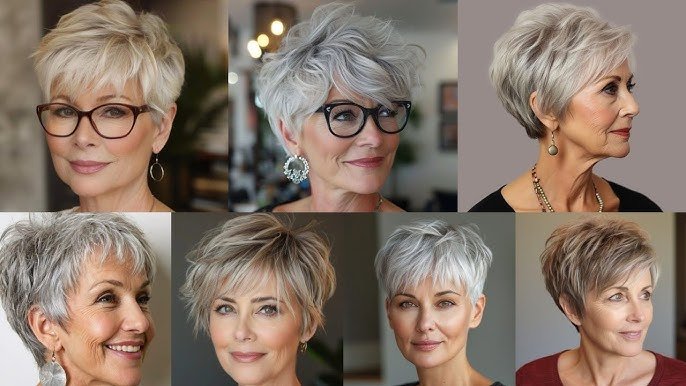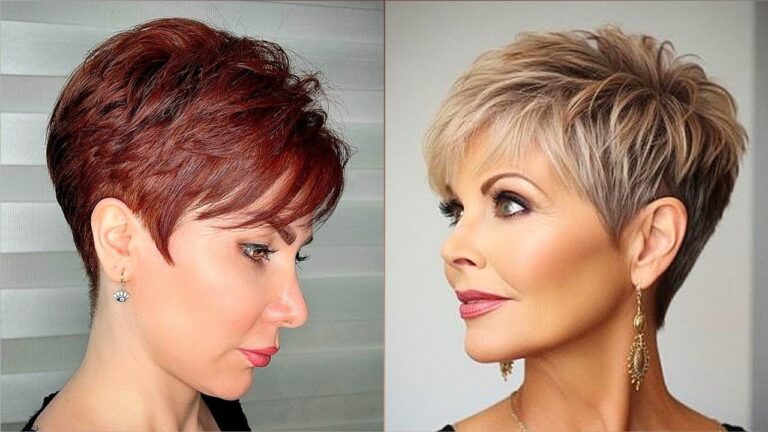
20 Pixie Bob Haircut Ideas
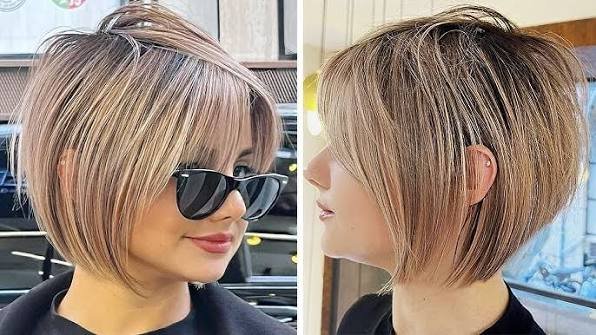
A pixie bob sits in a sweet spot that most short haircuts miss. It is longer than a pixie but shorter than a traditional bob, which means you get the best of both without committing fully to either. That in-between length is exactly what makes it so versatile.
The problem most women run into is not knowing which version suits them. Some pixie bobs are sleek and structured. Others are tousled and textured. Some have a strong fringe. Others keep the front longer and swept. The differences feel small until you are sitting in the salon chair trying to explain what you want.
This list covers 20 of the best pixie bob haircut ideas variations worth knowing about before your next appointment. Whether you want something bold and edgy or soft and wearable, there is a version here that fits.
1. Tousled Textured Pixie Bob
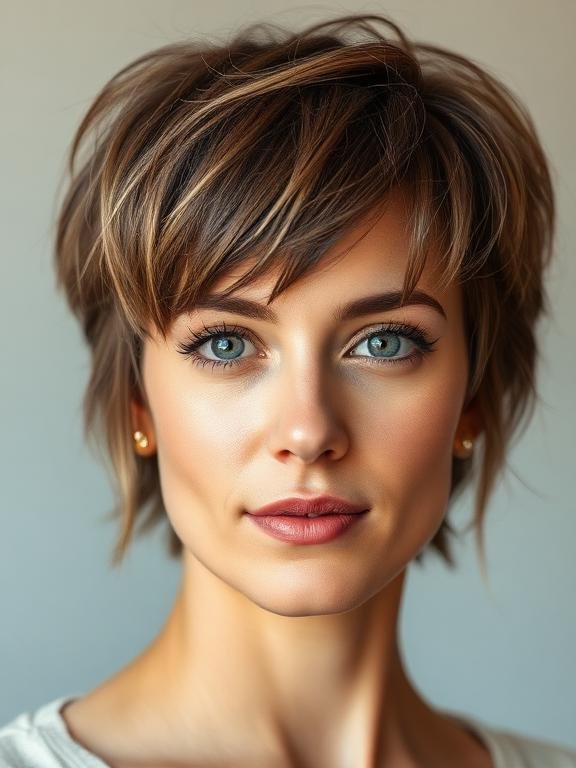
This pixie bob has a relaxed, lived-in finish that makes the whole style look effortless. The layers are cut to separate naturally, so you get movement and body without needing to style it precisely every morning.
It works especially well for women with fine or slightly wavy hair because the texture adds the appearance of fullness. Scrunch in a little styling cream and let it air dry for the best result.
2. Sleek Side Swept Pixie Bob
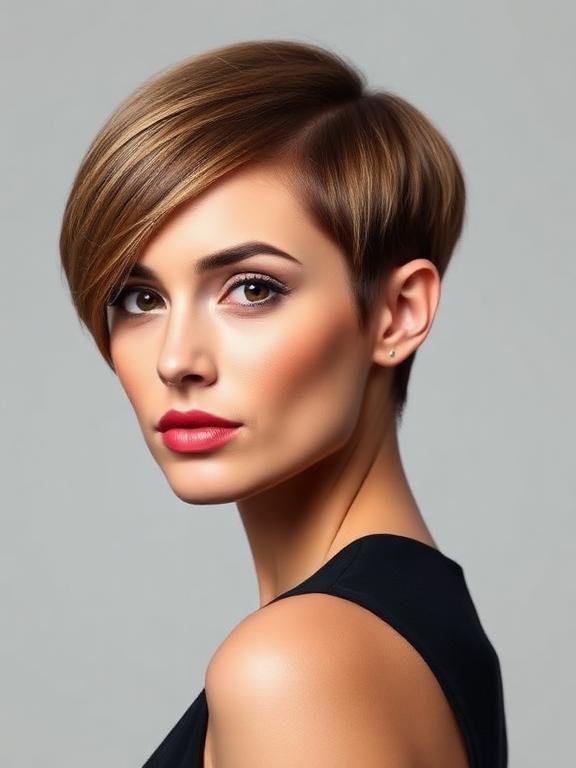
This version keeps everything smooth and directed to one side, giving the cut a polished, intentional shape. The longer front pieces sweep across the forehead cleanly, and the shorter back stays close and neat.
It feels more refined than a typical pixie without losing the short, modern energy. A small amount of smoothing cream and a quick blowout is all it takes to keep it looking sharp.
3. Choppy Pixie Bob with Fringe
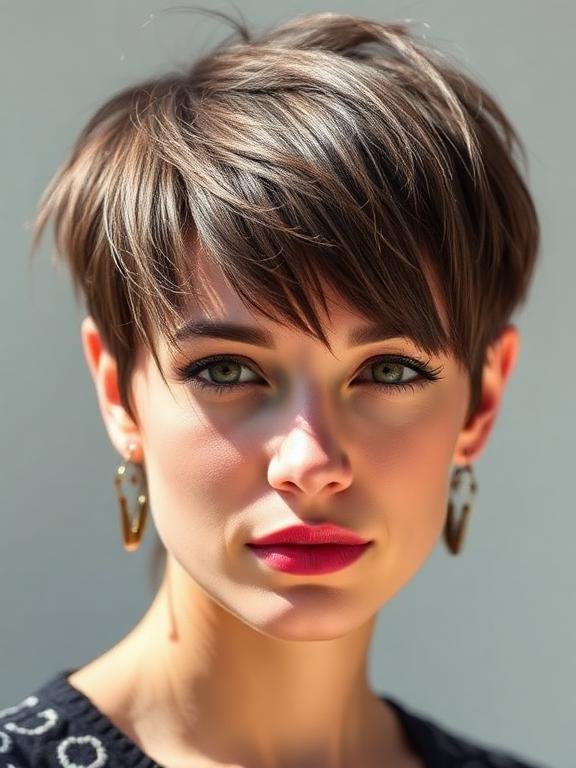
The fringe here is cut with visible texture rather than bluntly, which keeps the front from feeling too heavy or severe. Choppy layers through the crown and sides add movement and stop the cut from sitting flat.
This is a strong option if you want a pixie bob with real personality and a slightly edgy edge. It suits most face shapes and works across a wide range of hair textures.
4. Stacked Pixie Bob
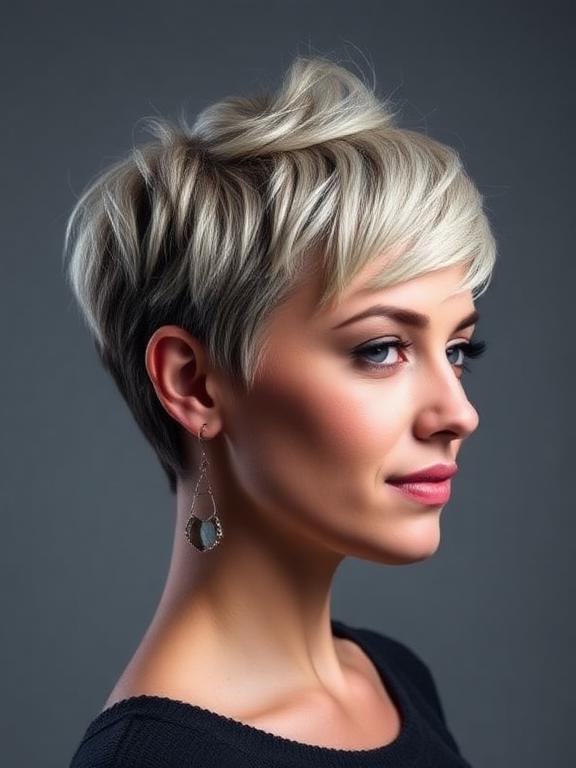
The stacked back is what makes this version stand out. Volume builds up right at the crown and back of the head, giving the profile a fuller, more lifted shape. The front stays slightly longer to keep the face framing soft.
This is one of the best options if your hair is fine and tends to fall flat, because the stacking creates the illusion of much more density.
5. Undercut Pixie Bob
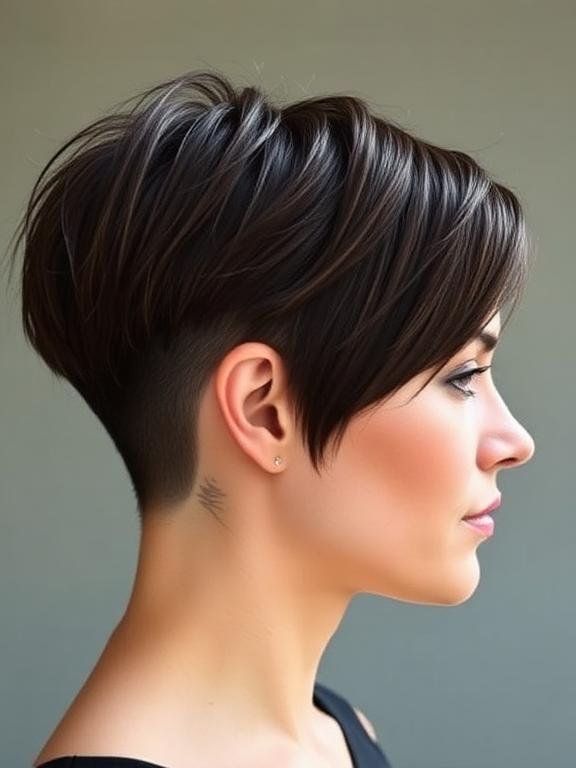
The undercut removes bulk at the nape and sides while keeping length and volume through the top. It gives the cut a strong, architectural shape that still feels wearable rather than extreme. The contrast between the close sides and the longer top is what makes it look modern and intentional.
Women with thick hair often find this version easier to manage because it removes the weight in the right places.
6. Pixie Bob with Curtain Bangs
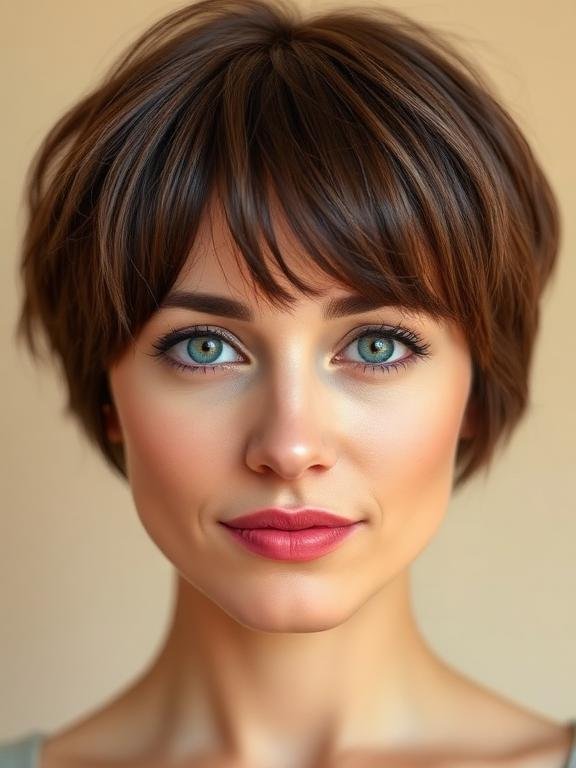
Curtain bangs parted down the middle give this pixie bob a softer, more open look around the face. They blend naturally into the sides and grow out well, so upkeep between trims is easy.
The rest of the cut can be as textured or as smooth as you prefer. This is a good starting point if you want a pixie bob that feels a little more feminine and less structured.
7. Wavy Pixie Bob
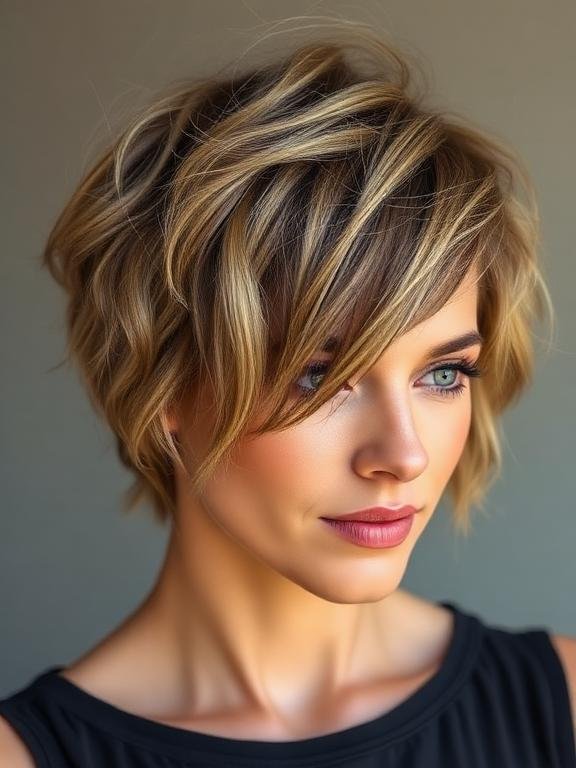
Natural waves make this cut come alive without any extra effort. The layers are cut to encourage the wave pattern rather than fight it, so the shape looks full and dimensional even on air-dry days.
It is one of the most low-maintenance versions of the pixie bob for women with naturally wavy or lightly curly hair. The result is a relaxed, beachy shape that looks intentional without being overdone.
8. Asymmetrical Pixie Bob
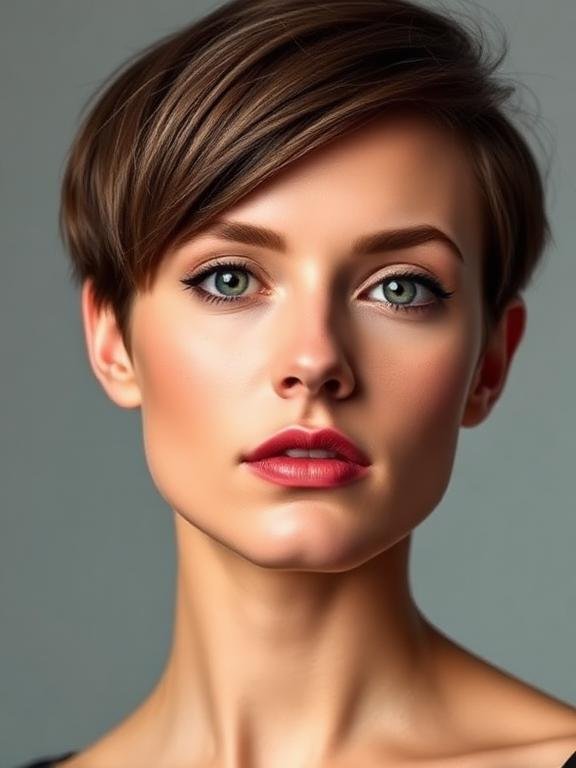
One side sits longer than the other, which creates a strong visual line that draws attention to the face and jaw. The contrast between the two sides gives the cut a bold, fashion-forward feel that still works in everyday life.
It suits women who want something more distinctive without going fully dramatic. Keeping the shorter side close and clean makes the longer front piece stand out even more.
9. Pixie Bob with Wispy Fringe
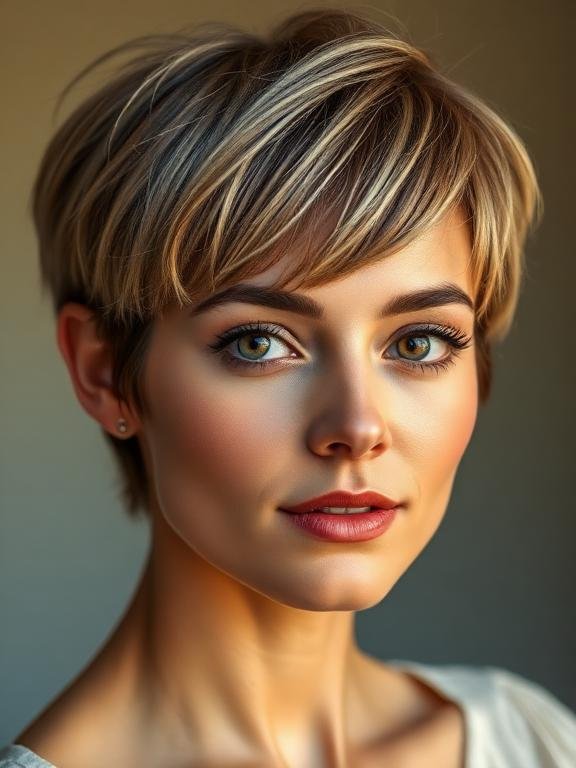
A wispy fringe is lighter and more delicate than a full, blunt bang, which makes it a softer choice for women who want coverage without commitment. It sits gently across the forehead and blends into the rest of the layers as it grows.
The rest of the pixie bob can be textured or smooth, depending on your preference. This fringe works particularly well for fine hair because it does not add visual weight to the front.
10. Blunt Pixie Bob
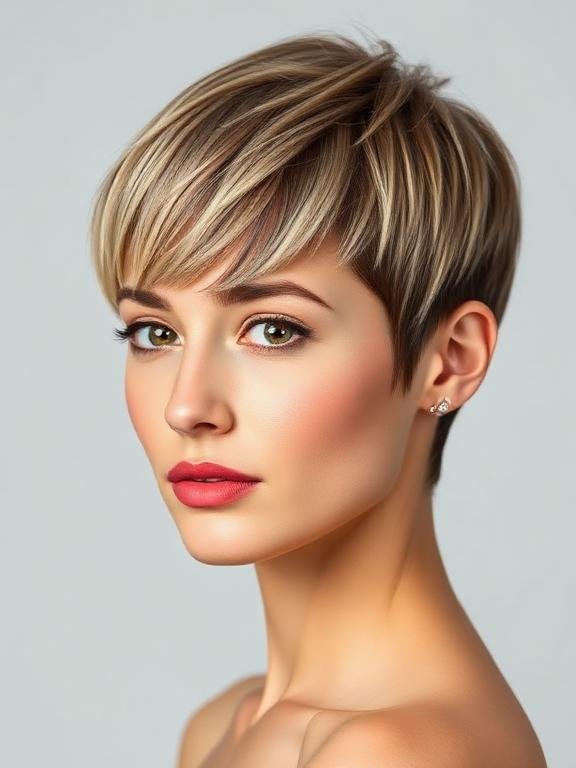
Clean, blunt lines at the perimeter give this pixie bob a sharp, no-nonsense finish. There is minimal layering inside the cut, which makes it look dense and full even on thinner hair. The shape is strong and defined, which means it makes a statement without needing a lot of texture or styling detail.
A quick blowout keeps it looking intentional and polished with very little effort.
11. Layered Pixie Bob with Volume
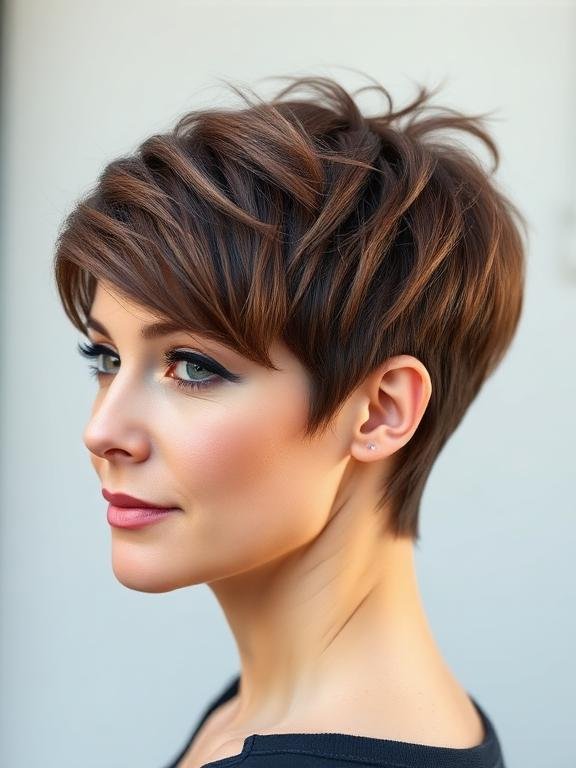
Extra layering through the crown and top creates a lifted shape that adds real height without looking puffy or overdone. The sides and back stay closer to keep the volume feeling controlled and balanced.
This is a great option if you want a pixie bob that looks full and styled even on the days you do not put much effort in. Root spray and a quick diffuse or blowout are enough to lock in the shape.
12. Shaggy Pixie Bob
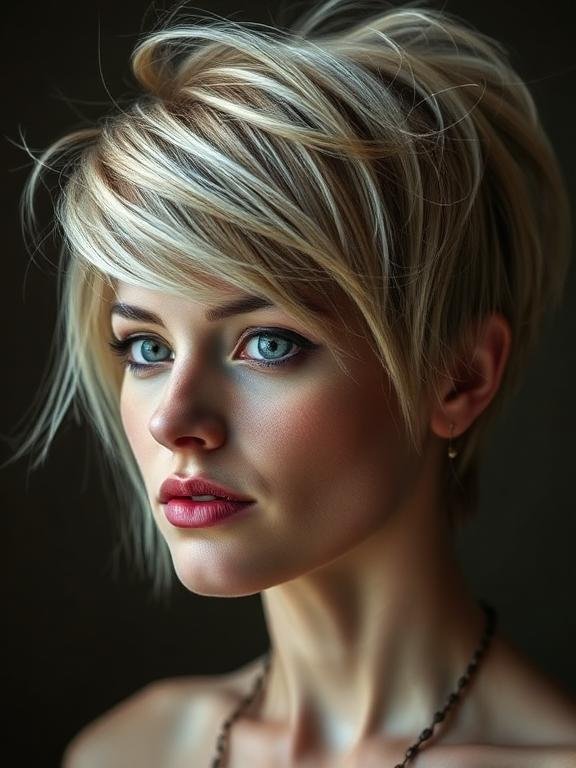
This version leans into a more relaxed, undone look with layers that move in multiple directions and ends that are cut with visible separation. It has a retro feel that works well with natural texture and wave.
The shaggy finish means it does not need precise styling to look good. In fact, imperfect air drying usually makes it look better. It is one of the most low-maintenance versions of the pixie bob overall.
13. Pixie Bob with Tapered Nape
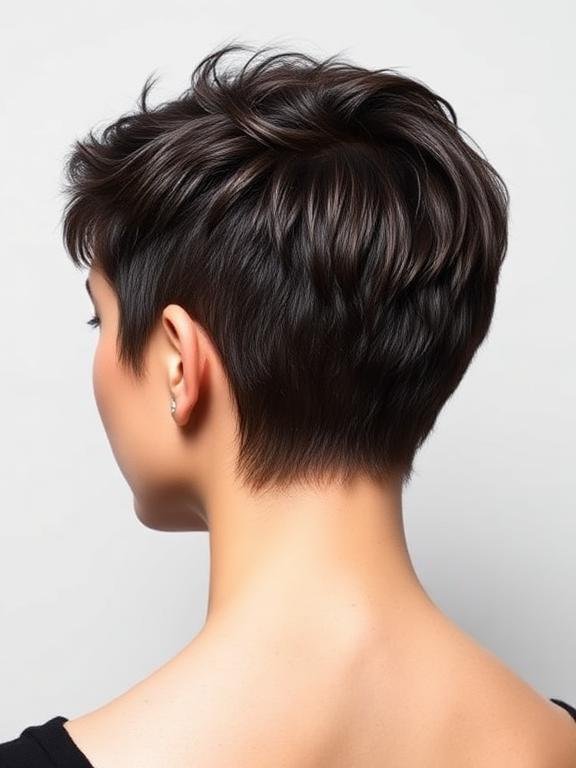
The nape is closely tapered here, which makes the back look neat and refined from every angle. The top and sides keep more length and texture to balance the close back. This combination gives the cut a tidy, well-considered shape that works in professional settings just as well as casual ones.
Women who find the back of their neck uncomfortable with longer nape hair tend to love this version.
14. Feathered Pixie Bob
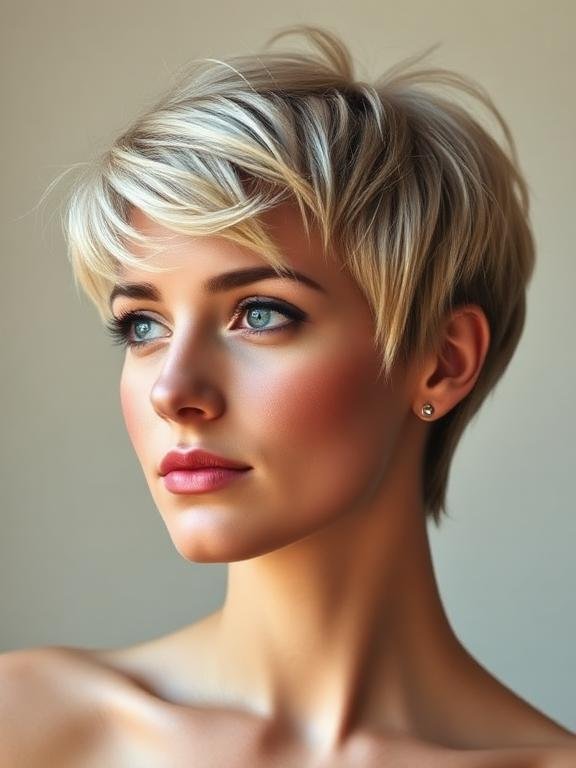
Feathering through the ends gives the cut a light, airy quality that is particularly flattering for fine or thinning hair. The layers flip and blend rather than stack, which keeps the shape from looking heavy at any point. It has a soft, slightly retro feel that suits oval, round, and heart-shaped faces well.
A light-hold mousse scrunched through damp hair is enough to bring the feathered texture to life.
15. Edgy Disconnected Pixie Bob
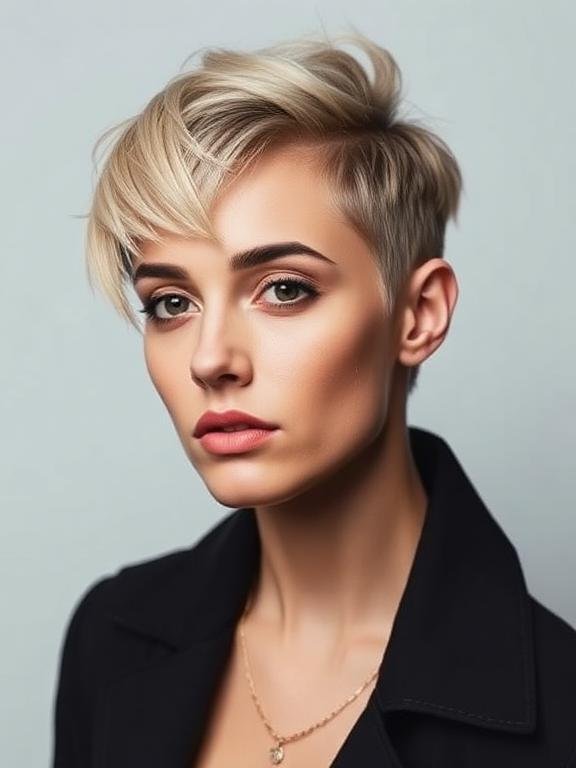
Disconnected layers create visible contrast between sections of the cut, with pieces that do not blend seamlessly into each other. That separation gives the style a deliberate, fashion-forward quality that sets it apart from softer pixie bobs.
It is a bold choice, but it does not need to look extreme. Keeping the disconnect subtle, with just a slight contrast between the top and sides, keeps it wearable for everyday life.
16. Pixie Bob with Side Part
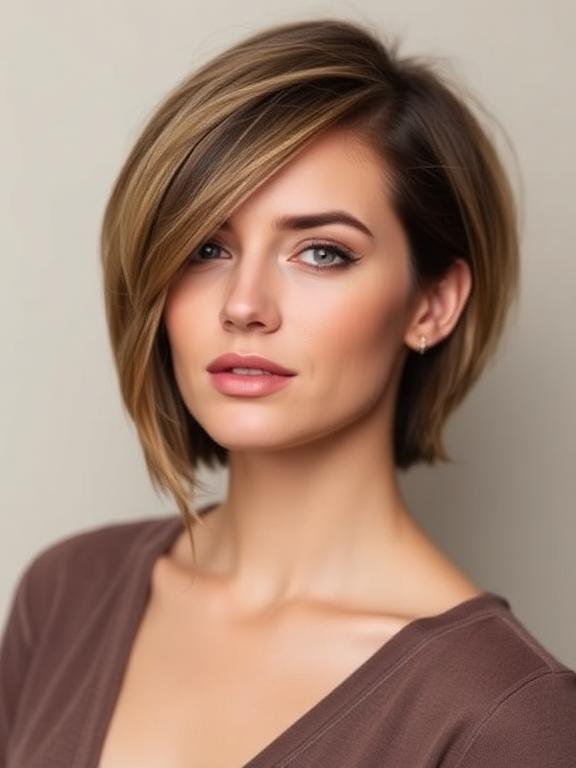
A deep side part changes the whole energy of a pixie bob. It adds volume on the heavier side and gives the cut a more classic, grown-up feel without sacrificing the short modern length.
This works especially well for women who want a pixie bob that feels polished rather than edgy. A little smoothing serum and a blow-dry with a round brush give this version a clean, refined finish.
17. Soft Rounded Pixie Bob
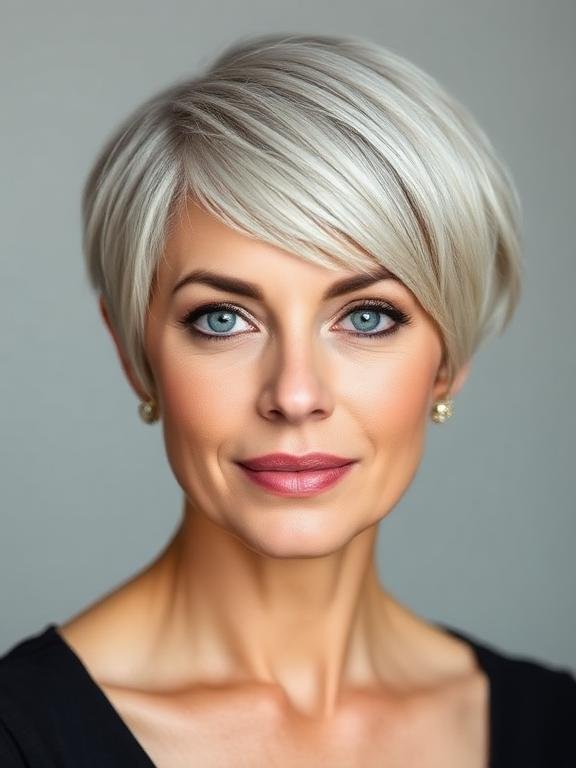
This version avoids sharp angles and choppy texture in favor of a smooth, rounded shape that sits close to the head. The layers are blended gently so the cut looks soft from every angle. It is a more conservative take on the pixie bob, but it still has a clear, intentional shape.
Women who prefer a gentler look or want something that transitions easily between casual and professional settings will find this version very wearable.
18. Pixie Bob with Long Top
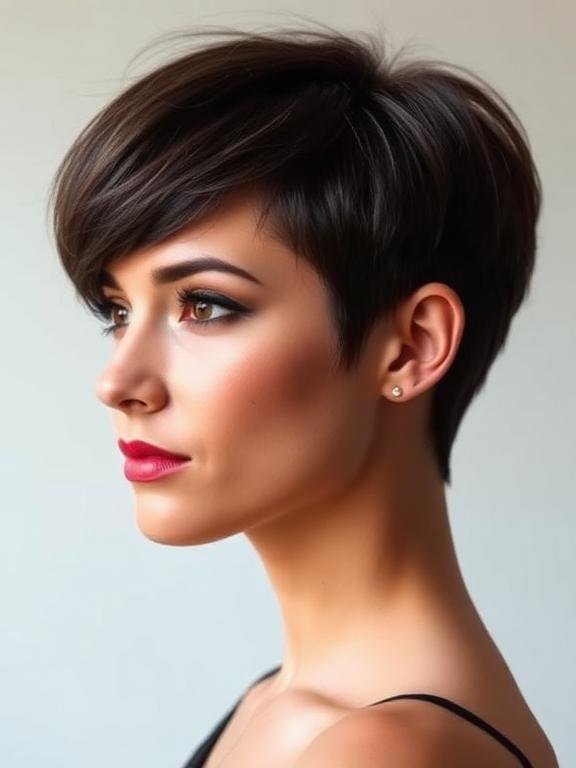
Extra length is kept through the top while the sides and back are cut short, which creates a strong contrast and gives the cut a modern, slightly androgynous feel. The longer top gives you styling options, whether you sweep it back, push it forward, or let it fall naturally.
It has more versatility than a standard pixie bob and suits women who like changing up their look without changing the cut.
19. Textured Crop Pixie Bob
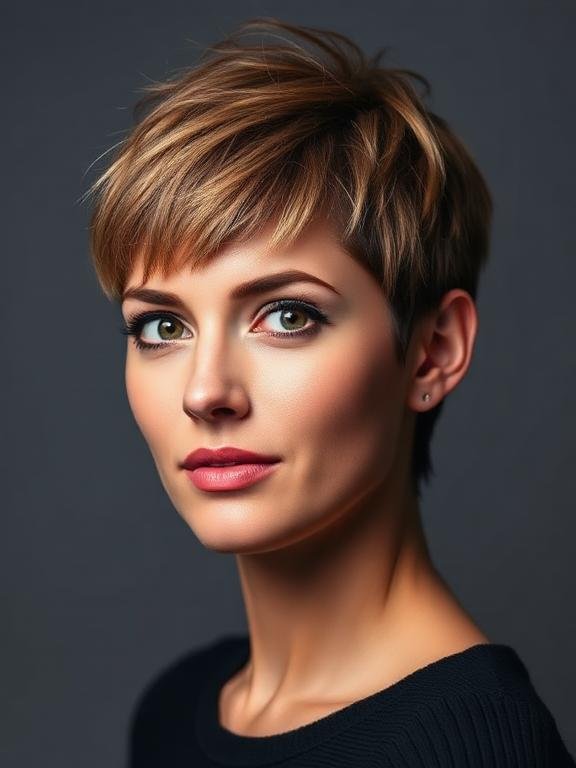
Short and close to the head with choppy textured layers worked through the top, this version sits between a crop and a pixie bob in length. The texture stops it from looking flat or plain, and the close shape means it dries fast and holds throughout the day.
It is a strong, confident look that suits women who want a cut with impact and minimal styling time. A small amount of wax or paste through the top gives it definition.
20. Pixie Bob with Natural Texture
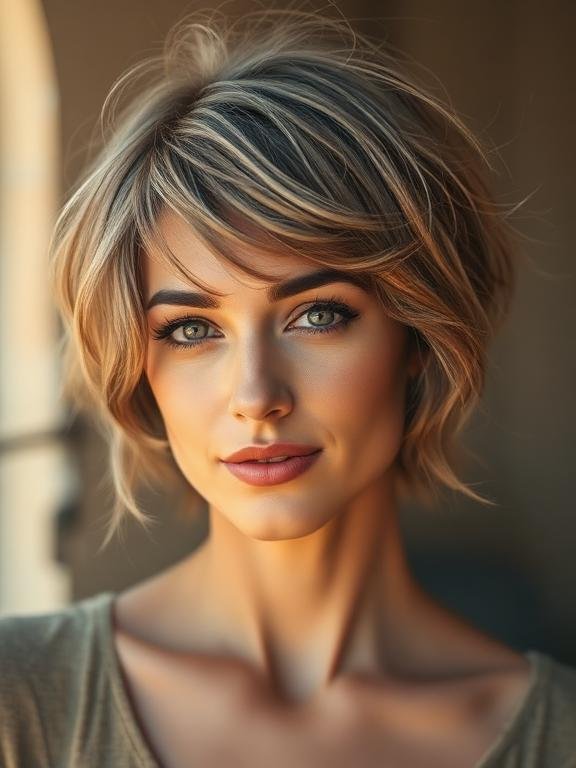
This version works with whatever natural texture you have, rather than trying to smooth it out or reshape it. The layers are cut to encourage your hair’s natural movement, whether that is a loose wave, a soft curl, or a gentle bend. It looks effortless because it is.
Minimal product, minimal styling, and the cut does the rest on its own. This is the best choice for women who want a pixie bob that genuinely fits into a low-maintenance lifestyle.
FAQs
What is the difference between a pixie and a pixie bob?
A pixie bob is longer than a traditional pixie, with more length through the back and sides that brings it closer to a short bob. It keeps the short, face-framing quality of a pixie while adding a little more weight and shape around the nape and sides.
What face shapes suit a pixie bob?
Most face shapes work well with a pixie bob because the length and fringe can be adjusted to flatter different proportions. Oval faces suit almost every version. Round faces do well with height at the crown and a side sweep. Heart-shaped faces benefit from softer fringe and more length at the front.
Is a pixie bob good for fine hair?
Yes, it is one of the best cuts for fine hair. The short length removes a lot of the weight that makes fine hair look limp, and layers through the crown can create the appearance of much more fullness and density than the hair actually has.
How often does a Pixie Bob need trimming?
Most pixie bobs need a trim every six to eight weeks to keep the shape looking intentional. Stacked and undercut versions tend to need trims sooner because the shape becomes less defined as the hair grows. Softer and shaggier versions are more forgiving between appointments.
What should I ask my stylist for?
Be specific about the three key areas: how you want the fringe or front styled, how much texture you want through the layers, and how you want the nape finished. Whether you want a tapered nape, a rounded back, or a stacked shape changes the whole result. A photo always helps the conversation.
Wrapping Up
A pixie bob is one of those cuts that rewards specificity. The more clearly you can describe what you want, the better the result. Think about your morning routine first. If you have five minutes, go for a textured or wavy version that air dries well. If you like a quick blowout, a sleek or blunt version gives you a cleaner, sharper result.
Look through this list and save the ones that feel most like you, not just the most dramatic or the most popular. The right pixie bob should feel easy to wear every single day, not just look good in a photo. Bring your favorites to your stylist and talk through the details. That conversation is where the right cut actually starts.