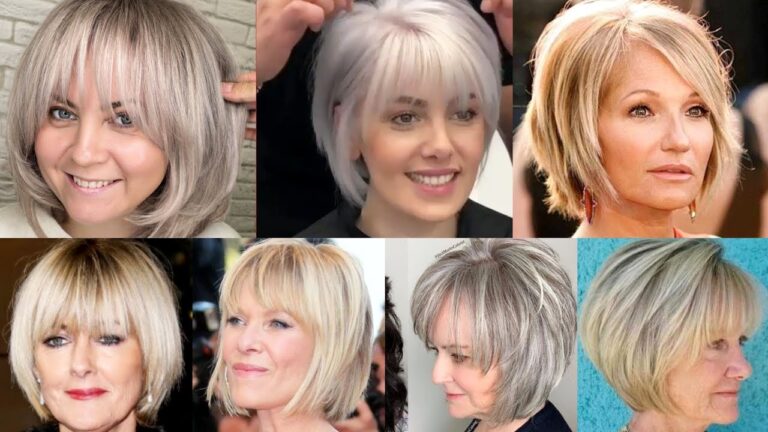
18 Shaggy Bob Hairstyle Ideas
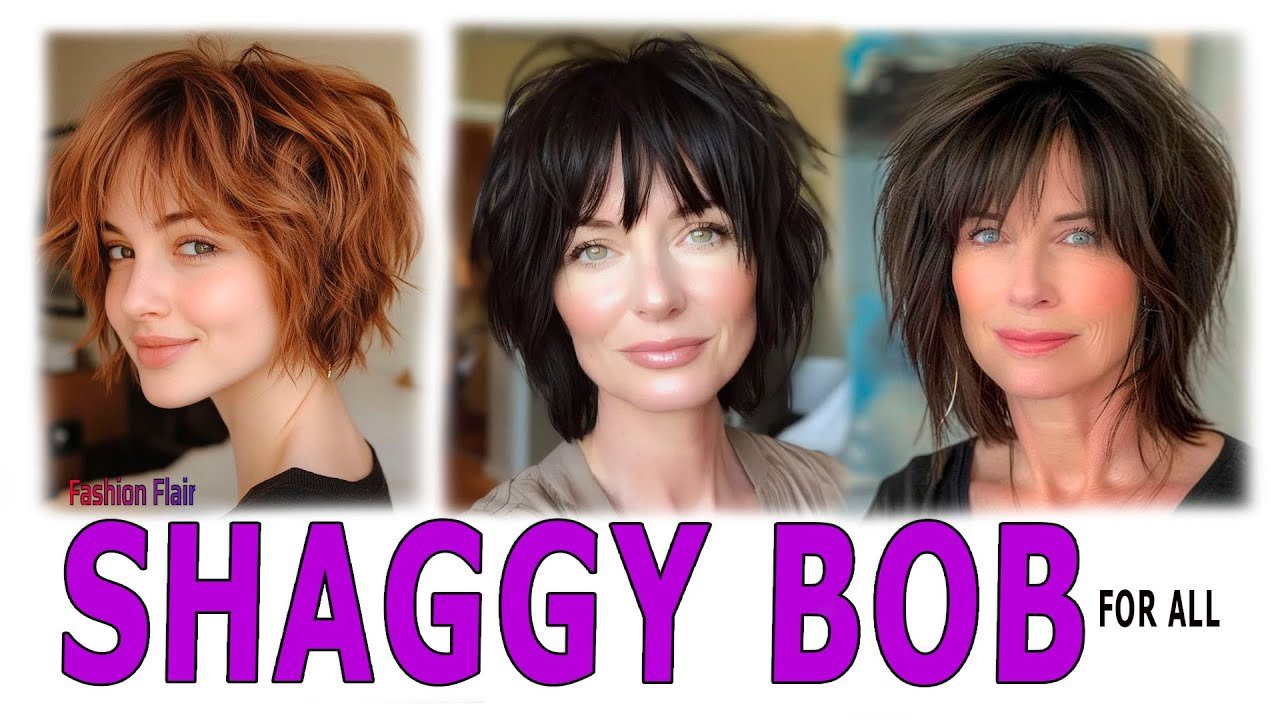
The shaggy bob sits in a specific sweet spot between structured and undone. It has the clean length of a bob but the texture and movement of something that looks like it happened naturally. When it is done right, it looks effortless. When it is done wrong, it just looks like a bob that needs a trim.
The difference is in the layering. A shaggy bob is not a bob with random thinning through it. The layers are deliberate, placed to create movement at specific points through the cut while keeping the overall shape recognizable as a bob. The texture comes from the cut itself, not from styling products trying to compensate for a flat shape.
Quick tip: ask your stylist to keep the ends fuller than a standard shag. The bob perimeter needs enough density to hold the shape. Over-thinned ends on a shaggy bob look wispy rather than textured.
1. Classic Shaggy Bob
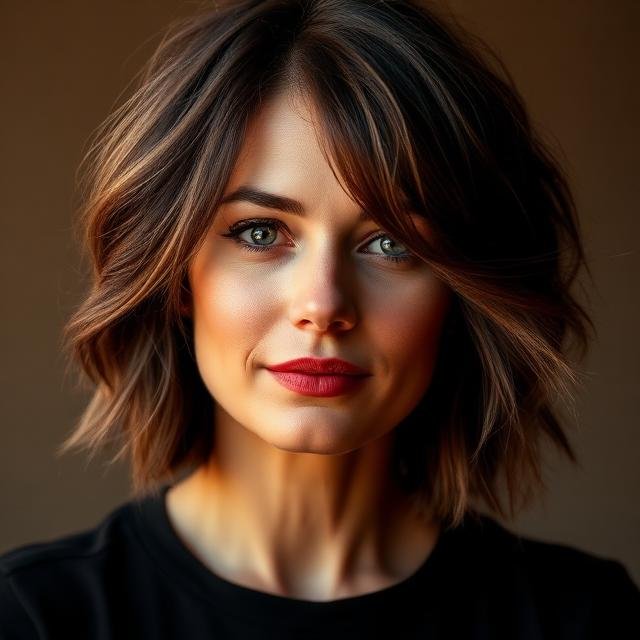
Choppy, visible layers through the mid-lengths and ends of a chin-length bob with enough texture to create movement without losing the overall bob silhouette. The layers start at the crown and run through the full length, giving the cut a relaxed, slightly undone quality that still reads as a deliberate style choice.
Style with a lightweight mousse before rough drying and scrunch the ends rather than brushing for the most natural, textured finish. A quick pass with a medium barrel iron on a few sections adds movement without making it look set.
2. Curtain Bang Shaggy Bob
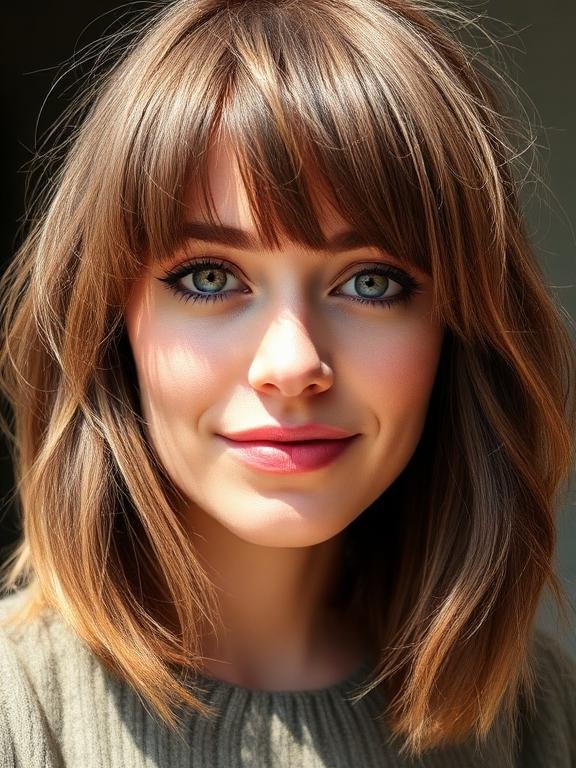
Curtain bangs added to a shaggy bob create a front section that frames the face with the same relaxed, flowing quality as the rest of the cut. The bangs blend into the face-framing layers so the whole front of the style reads as one continuous movement rather than a fringe sitting separately on top of a bob.
Ask for the curtain bangs to be cut as part of the face-framing layers rather than as a separate section. When the bangs and the layers are cut to connect, the whole front of the style looks cohesive rather than like two elements stuck together.
3. Wavy Shaggy Bob
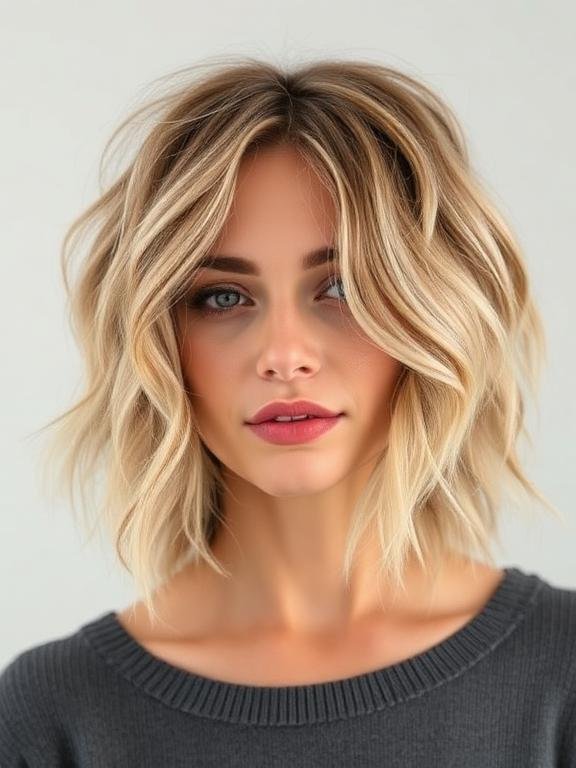
A shaggy bob on naturally wavy hair is one of the most effortless combinations available because the wave does the textural work the shag layering is designed to create. The two elements reinforce each other, and the result looks more dimensional and alive than either would achieve on its own.
Let it air dry with a lightweight wave cream scrunched through damp hair. The natural wave and the shag layers settle into each other as they dry, and the result looks genuinely effortless rather than styled into submission.
4. Razored Shaggy Bob
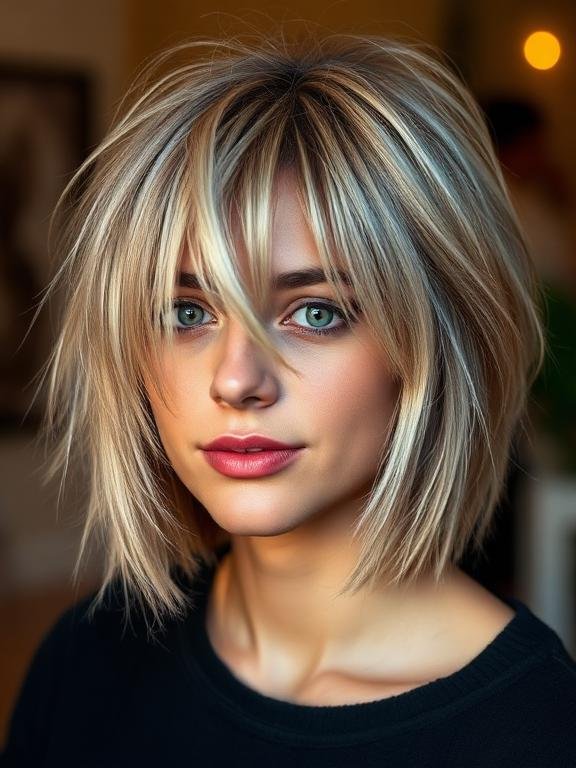
Razor cutting through the ends creates a softer, more diffused texture than scissor-cut layers would on the same length. The razor finish makes the ends look lighter and more organic, which suits the relaxed, undone quality of a shaggy bob particularly well.
Ask specifically for razor cutting through the ends rather than standard scissor layering if you want the softest, most diffused texture. Works best on hair in good condition. Very dry or fragile hair responds better to scissor layering than razor cutting.
5. Short Shaggy Bob
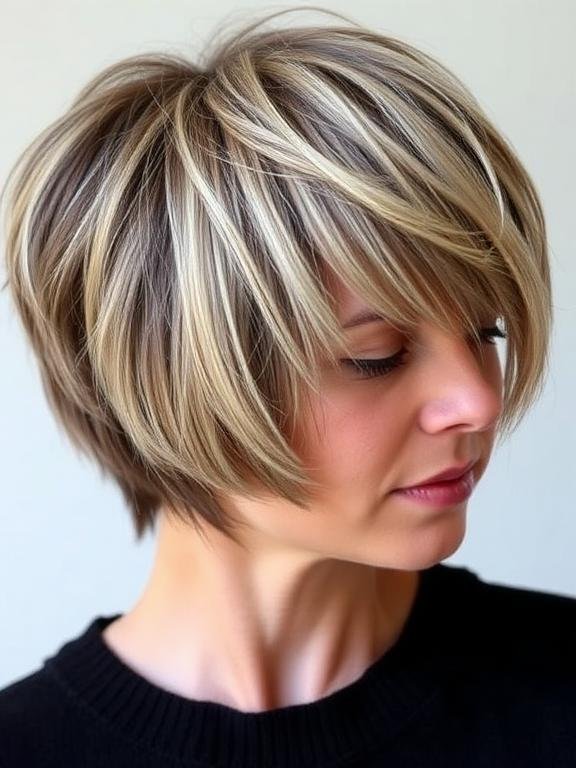
A shaggy bob cut shorter than the standard chin length, sitting above the chin or at the cheekbone level, concentrates all the textured layering in a more compact space. The result has a stronger, more graphic quality than a longer shaggy bob, and the texture reads more clearly because there is less length diluting it.
Ask for the stacking at the back to be more pronounced on a shorter shaggy bob to compensate for the reduced length. The close back creates a crown lift that the shorter length would otherwise lose.
6. Shaggy Lob
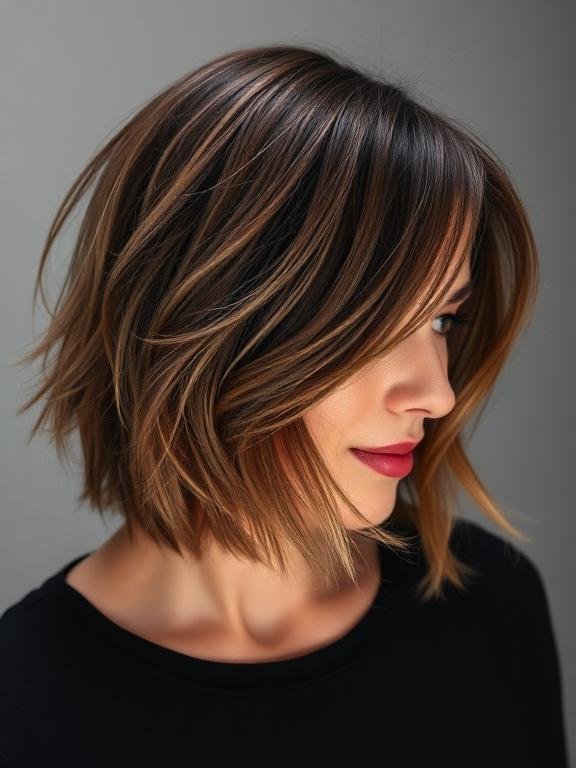
A shaggy lob takes the concept to collarbone length, giving the layers more room to develop movement and swing through the longer length. The texture is present throughout, but the extra length creates a flowing, more romantic quality than the compact bob versions.
Keep the end layering conservative on a shaggy lob to prevent the longer ends from looking too thin. The body of the cut needs enough density through the lower sections to hold the lob silhouette with the shag texture through the upper sections.
7. Blunt Perimeter Shag Bob
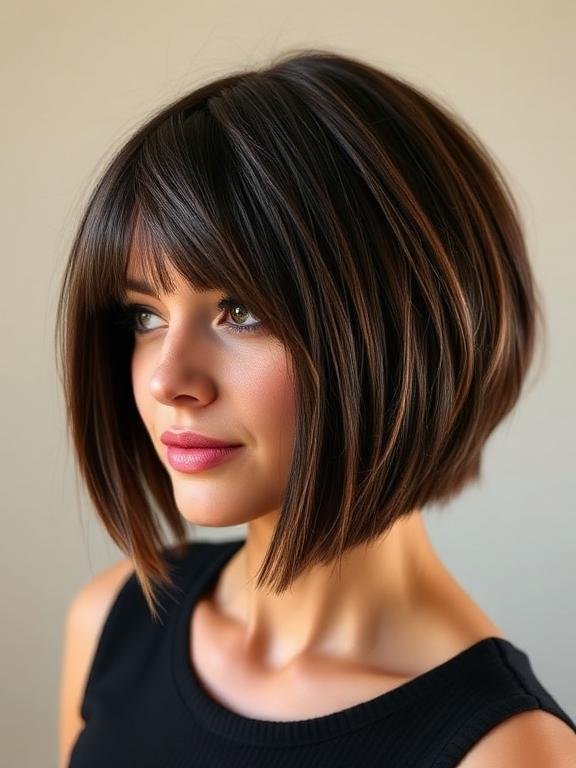
A shaggy bob with a deliberately blunt outer perimeter and the shag layering only through the interior creates a style with the textured movement of a shag and the dense, full edge of a blunt bob simultaneously. The two elements seem contradictory, but work together to create a result that is modern and full at the same time.
This is the right version for finer hair that wants shag movement without sacrificing end density. The blunt edge does the fullness work, and the interior layers do the texture work. Neither element is asked to do what the other handles better.
8. Shaggy Bob with Side Part
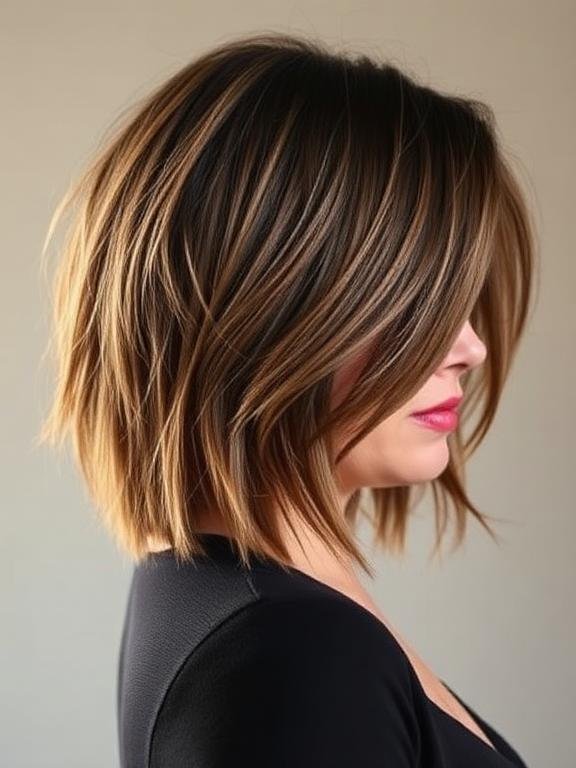
A deep side part on a shaggy bob adds immediate asymmetry and directional movement that a centered part does not have. The layers fall differently on either side of the deep part, which creates a more dynamic, interesting silhouette than the same cut with a centered part.
Set the part on damp hair before drying, so the root direction is established from the beginning. The shag layers will fall naturally from the part and create more volume on the heavier side than a centered style would allow.
9. Textured Crown Shag Bob
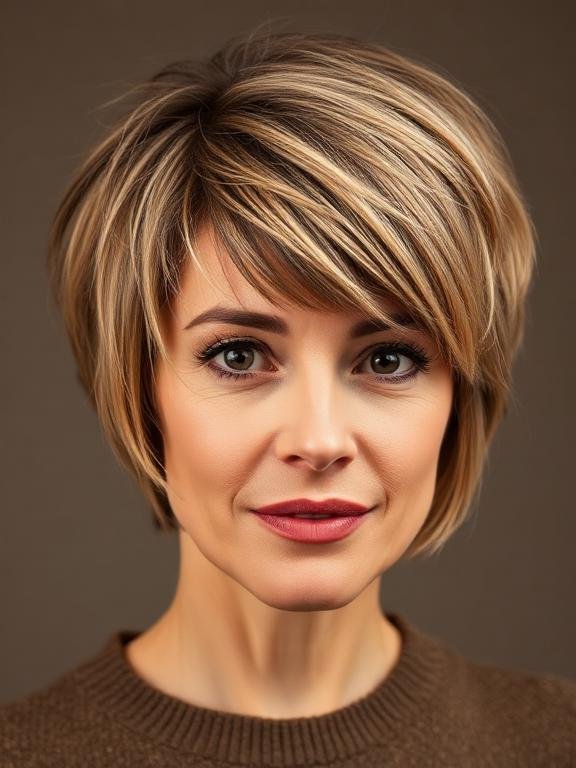
A shaggy bob that concentrates the most visible, choppy layering specifically through the crown, while the lower sections stay fuller and cleaner. The crown texture creates lift and visual interest at the top, and the fuller lower sections keep the bob perimeter looking dense and intentional.
Ask for shorter, choppier layers at the crown that graduate into longer, fuller layers through the lower sections. A root spray at the crown before rough drying activates the texture. The ends stay full and need minimal product.
10. Shaggy Bob on Curly Hair
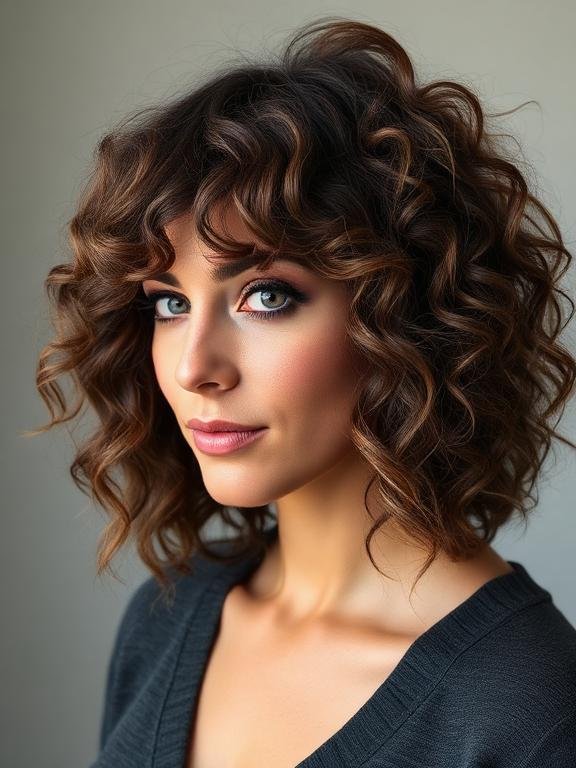
A shaggy bob on naturally curly hair creates a style where the curl pattern and the shag layering create texture at every level simultaneously. The curl adds dimension within each section, and the shag layers create movement between sections. The result is a bob with genuine three-dimensional character that flat or straight hair cannot replicate.
Ask for the shag layers to be cut dry or on defined curls so the stylist can see how the curl pattern sits at each layer length. Cutting curly shag bobs on wet hair creates unpredictable results when the curl springs up.
11. Shaggy Bob with Wispy Fringe
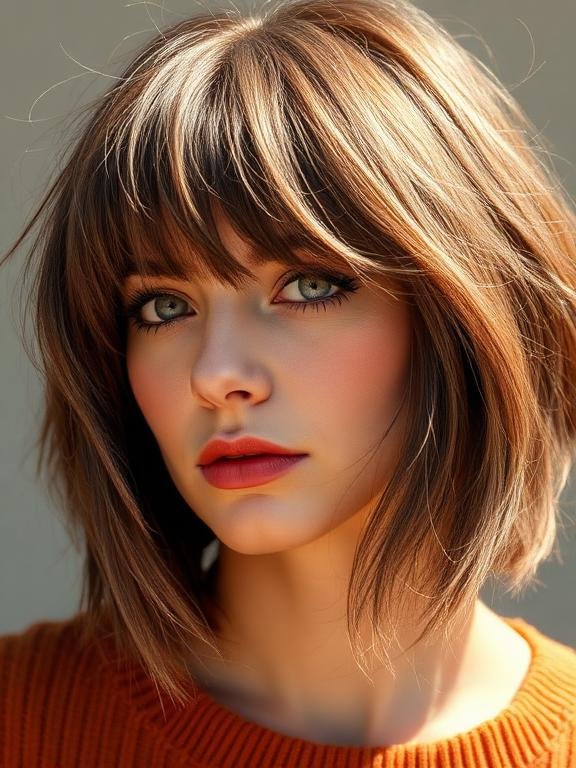
A wispy fringe on a shaggy bob creates a soft face-framing focal point at the forehead that suits the relaxed, airy quality of the rest of the cut. The wispiness of the fringe matches the textured quality of the shag layers, so the whole style feels like it belongs to the same aesthetic language.
Keep the fringe light and separated rather than flat and blunt. The wispy quality needs to be designed into the cut rather than simply being a thin fringe. A deliberately wispy fringe looks intentional. A thin fringe on fine hair just looks like a failed full fringe.
12. Asymmetric Shaggy Bob
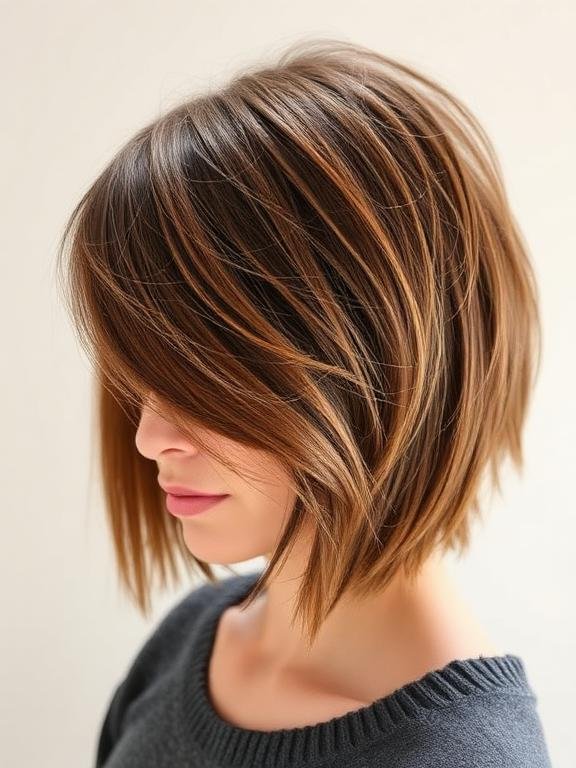
One side of the shaggy bob sits noticeably longer than the other, adding a directional, graphic element to the relaxed texture of the shag. The asymmetry creates visual interest through structure, while the shag layering provides the texture. Two design elements are working at different registers simultaneously.
Ask for a clear, visible length difference between the two sides rather than a subtle variation. The asymmetry needs to be obvious enough to read as intentional design rather than an uneven haircut. The shag texture runs through both sides equally.
13. Shaggy Bob with Babylights
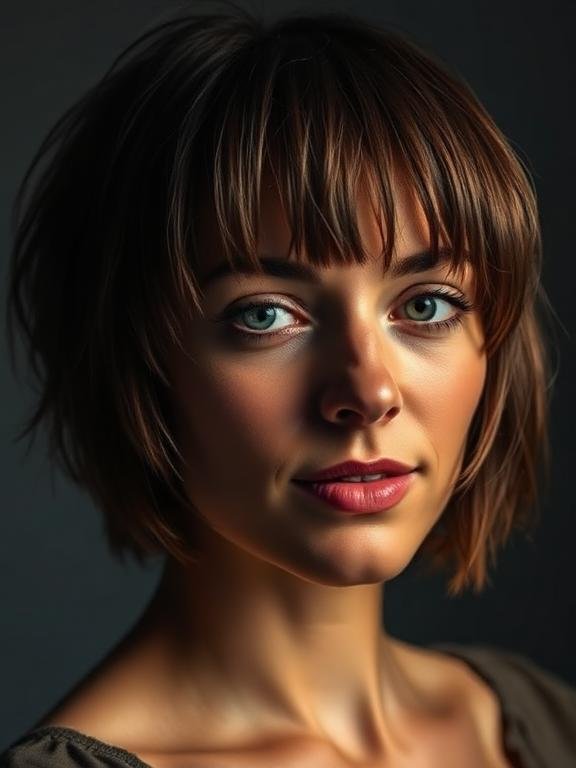
Babylights added to a shaggy bob create a color dimension that makes the textured layers look richer and more multidimensional than a single flat color on the same cut. The fine highlights catch differently through each layer and give the shag texture a visual depth that color alone provides.
Ask for babylights placed through the top layer and face-framing sections where they interact most directly with the shag layers. A warm gloss over the top ties the babylights into the base color and adds the shine that makes the textured layers look their most luminous.
14. 70s Inspired Shaggy Bob
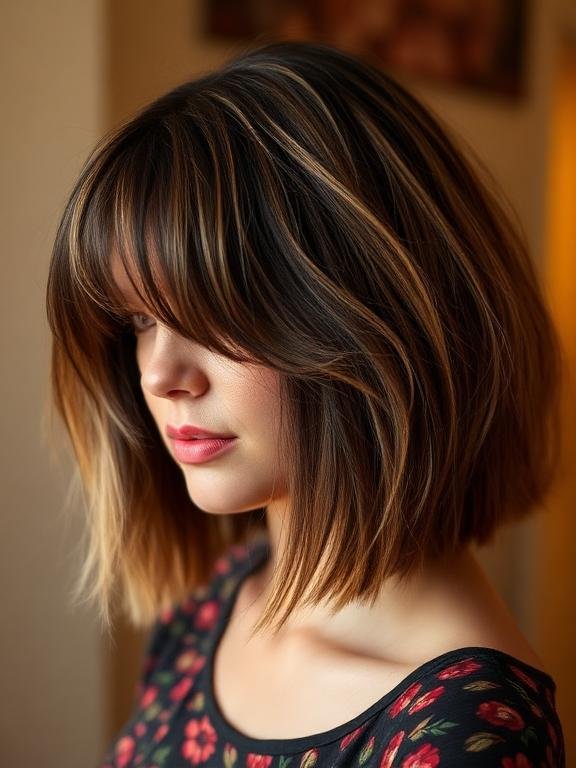
A shaggy bob with a heavier fringe, stronger feathered layers, and a deliberate retro quality that references the layered, textured cuts of the 1970s. The feathering through the sides and ends creates a soft, flicked-out quality that feels nostalgic without looking costume-like when executed with a modern finish.
Ask for feathered layering through the sides and a fringe that sits across the forehead with a soft, slightly textured edge rather than a blunt line. A round brush during blow drying creates the subtle flick at the ends that completes the 70s reference without overdoing it.
15. Shaggy Bob for Fine Hair
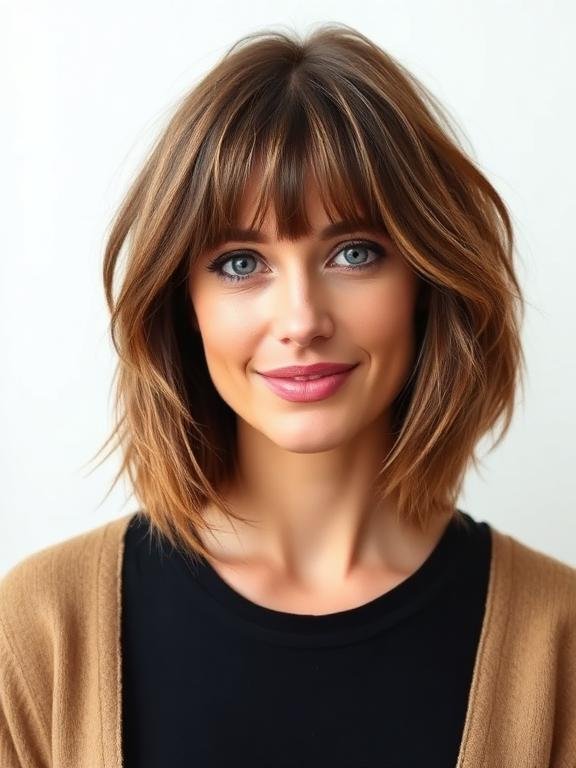
A shaggy bob specifically designed for fine hair uses conservative layering concentrated through the crown and upper sections, while the lower sections stay fuller and closer to a blunt perimeter. The shag character comes from the crown texture and the curtain bangs or face-framing layers, not from aggressive end thinning.
Tell your stylist about your fine hair upfront. A standard shag approach applied to fine hair strips the ends of the density they need. The result should look textured through the crown and full through the ends, not textured everywhere with thin, wispy tips.
16. Shaggy Bob with Undercut
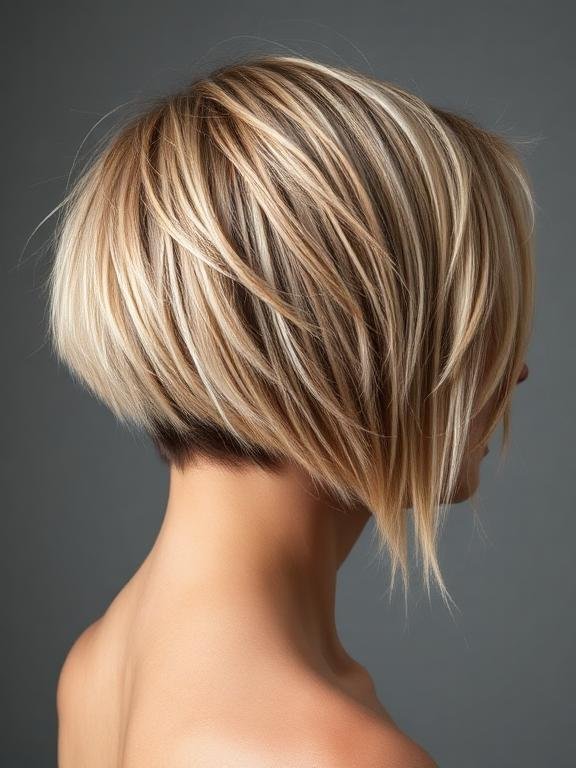
A soft undercut at the nape added to a shaggy bob removes hidden weight from underneath the surface layers without changing anything visible about the style. For thicker hair, this makes the shaggy bob significantly lighter and more manageable. The surface texture stays the same. The weight underneath disappears.
Ask for the undercut to be clipped closely at the nape underneath the surface layers, invisible when the hair falls naturally. This is particularly useful for thick hair that wants shag movement but tends to go heavy and flat at the base through the day.
17. Soft Shaggy Bob
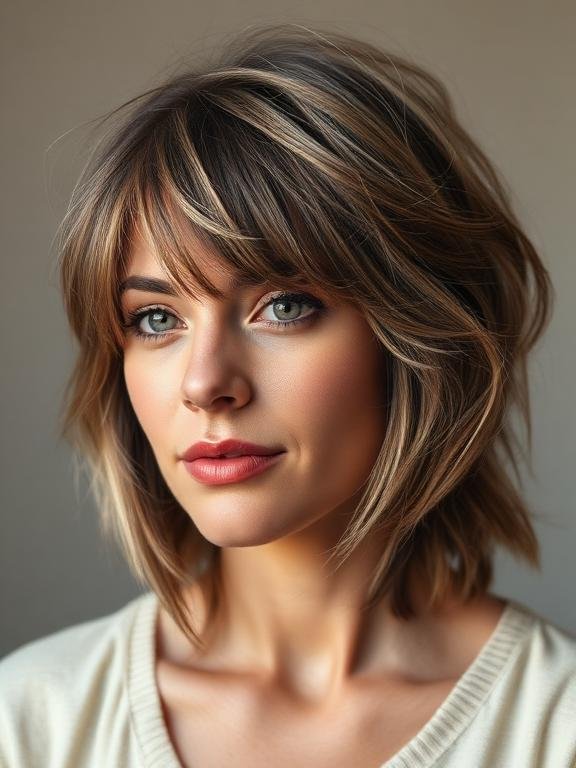
A softer version where the layering is less aggressively choppy and more gradually diffused, creating a shag quality that reads as relaxed and flowing rather than deliberately textured and edgy. The movement is real, but the impression is gentle rather than bold.
Good for women who like the idea of a shaggy bob but find the choppier versions too strong for their personal aesthetic. Ask for feathered, graduated layering rather than choppy, disconnected layers. The result has movement and dimension without the strong visual texture of the classic shag.
18. Air-Dry Shaggy Bob
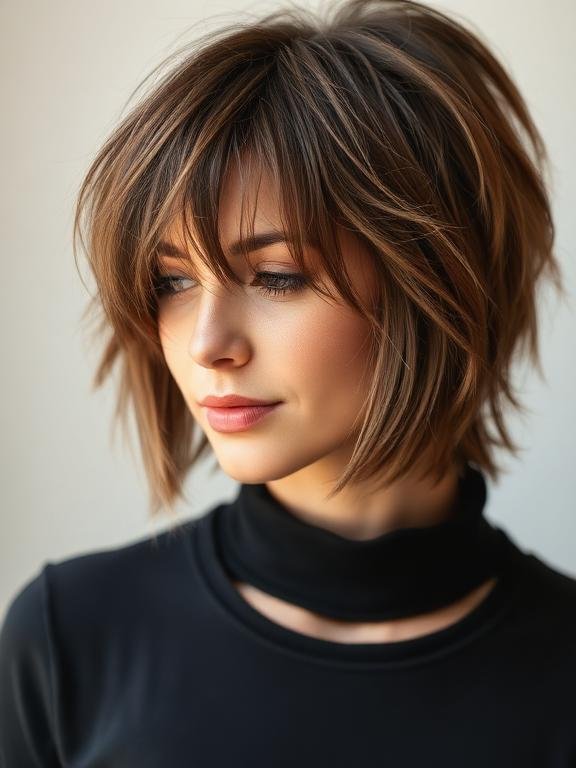
A shaggy bob designed specifically to look its best when air-dried without heat tools. The layers are shaped around the natural behavior of the hair when it dries, which means the daily result looks finished and intentional without any styling routine beyond washing and leaving it alone.
Ask for the cut shaped around how the hair naturally dries rather than a heat-styled version of the style. A lightweight mousse or texturizing spray scrunched into damp hair is the whole routine. The cut does the work. The hair just needs to dry.
FAQs
How is a shaggy bob different from a regular layered bob?
A regular layered bob has interior layers that add movement while keeping the perimeter clean. A shaggy bob breaks up the perimeter as well, so the ends are visibly textured and the overall silhouette is softer and less defined. The shaggy bob feels more relaxed. The layered bob feels more structured.
Does a shaggy bob work for fine hair?
Yes, with modifications. The layering needs to stay conservative through the ends and concentrated through the crown. Fine hair cannot afford the aggressive end thinning that a standard shag uses. The right version for fine hair has shag character through the upper sections and a fuller, more blunt quality through the lower sections and perimeter.
How often does a shaggy bob need trimming?
Every six to eight weeks. The shag layers grow out, and the textured quality that defines the style starts to look shapeless rather than intentionally relaxed as the length increases. Regular trims keep the movement looking deliberate.
Wrapping Up
A shaggy bob works because it gives a bob length genuine personality without requiring an elaborate styling routine. The texture is in the cut. The movement is in the layers. Most mornings, it just needs to dry, and it looks exactly right.
Pick the version that suits your hair density and your personal aesthetic. Go classic or curtain bang if you want the most versatile everyday result. Go razored or air-dry if you want the most effortless finish. Go blunt perimeter if fine hair is a concern. Whatever version you choose, keep the ends fuller than you think you need to. That single instruction makes every shaggy bob look better.