21 Mexican Braid Hairstyle Ideas
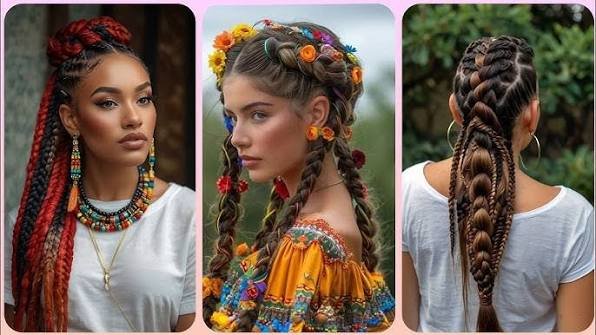
There is something about Mexican braid hairstyles that feels alive in a way most other styles do not. The colors, the flowers, the intricate patterns, and the way accessories are woven directly into the hair, rather than sitting on top of it. These are not just hairstyles. They are a form of expression that has been refined over centuries and continues to evolve in the most beautiful ways.
The challenge most people face is not finding inspiration. It is figuring out which style actually translates to their hair type, their skill level, and their lifestyle. Some of these looks belong at a festival or celebration. Others are relaxed enough for everyday wear. And a surprising number are more achievable at home than they appear.
This list covers 21 Mexican braid hairstyle ideas that span the full range, from deeply traditional looks rooted in indigenous culture to modern interpretations that blend contemporary techniques with classic elements. Whether you are looking for a wedding hairstyle, a Cinco de Mayo look, or just a beautiful everyday braid, there is something here worth saving.
1. Flower Crown Braid
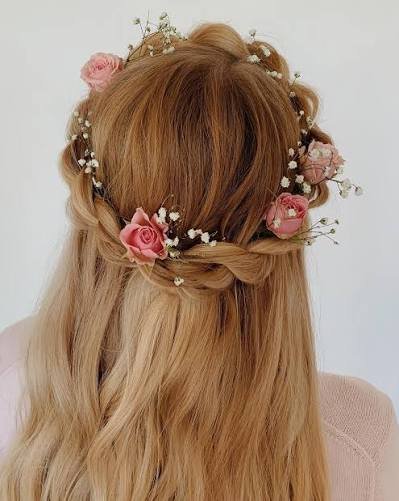
The flower crown braid is one of the most iconic images in Mexican hair culture, and for good reason. A thick braided crown wraps around the entire head with fresh or fabric flowers woven directly into the braid at intervals, creating a look that feels both rooted in tradition and genuinely breathtaking. The flowers are not an afterthought here. They are part of the style’s structure.
This look is most associated with celebrations, weddings, and cultural festivals, but has been adopted globally as a special occasion hairstyle. Ask your stylist to braid the crown with enough tension to support the flowers without the braid looking stiff, and choose flowers that match your outfit or the occasion for the most cohesive result.
2. Trenza de la Novia Braid
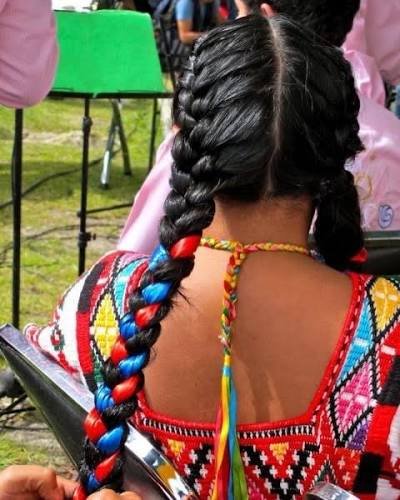
The trenza de la novia, which translates to bridal braid, is a traditional Mexican wedding hairstyle that weaves ribbon, flowers, and sometimes small charms or coins directly into a single thick braid that hangs down the back. The result is ornate, ceremonial, and deeply meaningful to the women who wear it.
Every element woven into the braid carries symbolism, from the ribbon’s colors to the chosen flower. If you are wearing this style for a wedding or formal celebration, work with a stylist who understands the tradition so the details are executed with the care they deserve. It is a style that rewards patience and precision.
3. Double Dutch Braid Updo
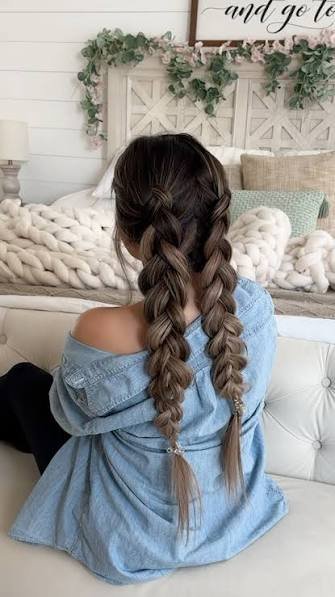
Two Dutch braids starting at the front hairline and working toward the back of the head before being pinned up into a gathered style at the nape is a staple look that appears throughout Mexican hair traditions in various forms. The Dutch technique creates a braid that sits raised above the surface of the hair, giving it a three-dimensional, sculptural quality.
The updo finish at the nape can be as simple as crossing the two braids and tucking them under each other or as elaborate as wrapping them into a bun with flowers pinned around it. Either way, this style holds incredibly well throughout the day without needing much product to keep it in place.
4. Ribbon Woven Fishtail Braid
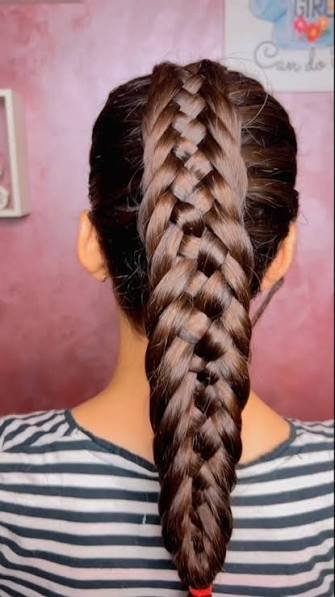
A fishtail braid woven through with colorful ribbon is a look that appears frequently in Mexican folk and regional dress traditions, where bright colors are used deliberately and joyfully rather than sparingly. The ribbon becomes part of the braid itself rather than a separate accessory, so it sits inside the weave and peeks out between the sections as the braid progresses.
Choose ribbon colors that complement or contrast with your hair color for the most striking result. Bright reds, yellows, greens, and pinks all work beautifully against dark brown or black hair. Ask your stylist to start the ribbon at the top of the braid and weave it through each exchange of sections so it appears consistently all the way to the end.
5. Oaxacan Braided Updo
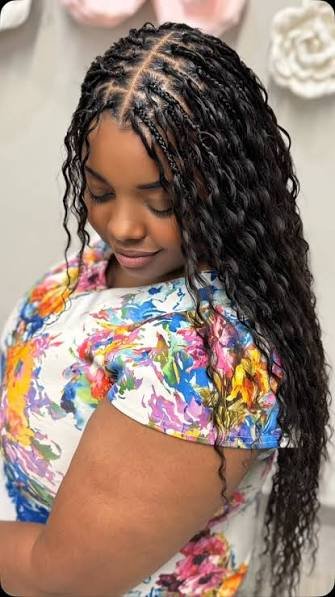
The Oaxacan updo is one of the most elaborate and visually stunning hairstyles in the Mexican tradition, featuring thick braids that are wrapped and stacked high on the head and decorated with wool, ribbon, and flowers. The wool is a traditional element specific to the Oaxacan style and gives the updo a dramatically full, sculptural silhouette.
This is a ceremonial and celebratory style that takes significant time and skill to execute properly. If you want an authentic version for a cultural event, seek out a stylist with specific experience in traditional Mexican and Oaxacan hair art. For an inspired modern interpretation, the key elements are the height, the braiding, and the colorful decorative additions.
6. Side Braid with Marigolds
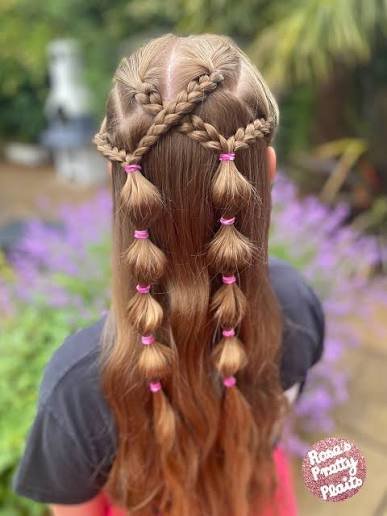
A loose side braid pulled over one shoulder with fresh marigolds tucked into the sections at intervals is a style that references the cultural significance of the marigold in Mexican tradition, where the flower is closely associated with Dia de los Muertos and celebratory occasions. The orange and yellow of the marigolds create a striking contrast against dark hair.
This look works beautifully for festivals, cultural celebrations, and outdoor events where fresh flowers hold up well. For a longer-lasting version, silk or fabric marigolds give you the same visual impact without wilting. Tuck the flowers into the braid rather than pinning them on top, so they stay secure as you move through the day.
7. Three Strand Wrapped Braid
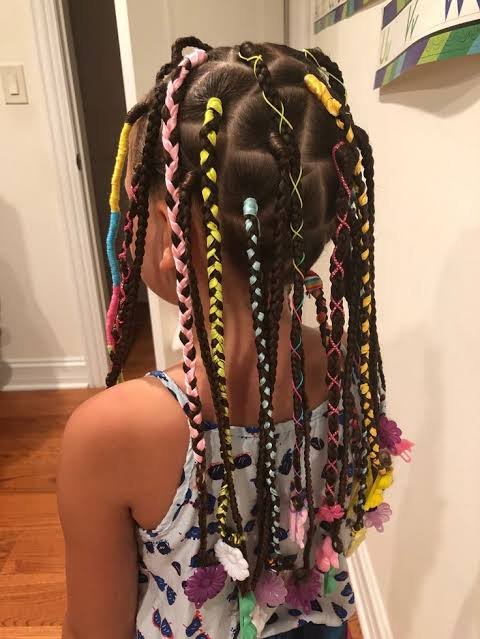
A classic three-strand braid taken from root to tip and wrapped with colorful thread or ribbon along sections of the length is one of the simplest styles on this list and one of the most versatile. The wrapping adds color and texture without requiring advanced braiding technique, making it one of the most achievable styles here for home styling.
The thread wrap technique is popular across many Mexican regional styles and can be as elaborate or as simple as you choose. Wrap just the ends for a subtle detail or wrap sections all the way through for a more dramatic result. Mix multiple thread colors for a more vibrant, traditional feel that photographs beautifully in natural light.
8. Boxer Braids with Floral Pins
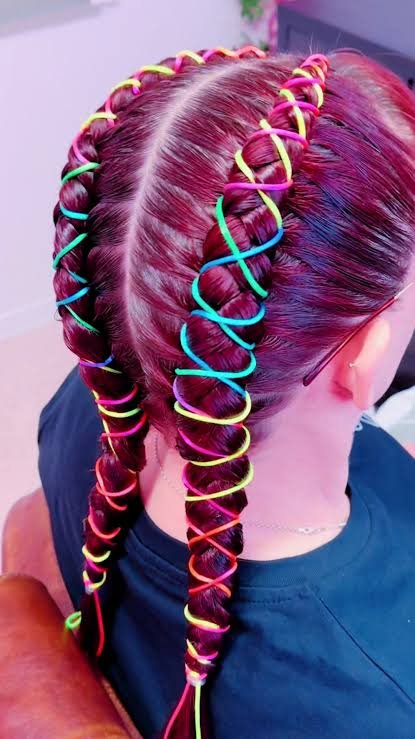
Two tight Dutch braids running parallel from the front hairline to the nape, finished with colorful floral pins and small fabric flowers pinned along the length of each braid, create a look that balances athletic practicality with decorative beauty. The braids stay secure and close to the head while the flowers give the style an unmistakably festive, Mexican-inspired character.
This style works on almost every hair type and length from the chin down. The floral pins can be as dense or as sparse as you prefer, and you can match them to an outfit or choose a traditional mix of bright contrasting colors for a more folkloric feel. It is secure enough for dancing and detailed enough for a celebration.
9. Traditional Tehuana Braid
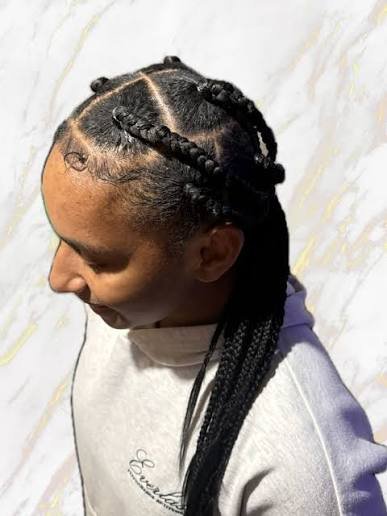
The Tehuana braid is rooted in the Tehuantepec region of Oaxaca and was famously worn by Frida Kahlo, who made this style internationally recognized as a symbol of Mexican feminine identity and indigenous pride. The style involves thick braids wrapped around the head and decorated with flowers, ribbon, and sometimes traditional huipil fabric flowers at the crown.
Kahlo wore this style not just as an aesthetic choice but as a deliberate cultural and political statement. Today, it is worn both as a celebration of Mexican heritage and as an artistic reference. Ask your stylist for thick crown braids that wrap high and incorporate fresh or fabric flowers in bright, contrasting colors for the most authentic interpretation.
10. Cascade Waterfall Braid
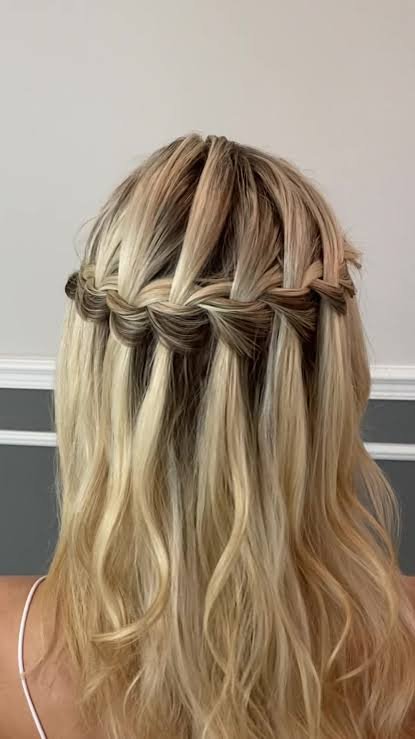
A waterfall braid worked across the top section of the hair, with the dropped sections creating a cascading effect through the loose hair underneath, is a modern technique that sits beautifully within the Mexican braiding tradition when decorated with ribbon and floral accessories. The loose hair flowing beneath the braid adds movement and softness to an otherwise structured technique.
This is one of the more technically demanding braids on this list, but the result is genuinely spectacular and worth the learning curve. The key is keeping the dropped sections evenly spaced so the waterfall effect looks deliberate and controlled. Add small flower pins along the braid after completing it for a more festive, celebratory finish.
11. Low Braided Bun with Flowers
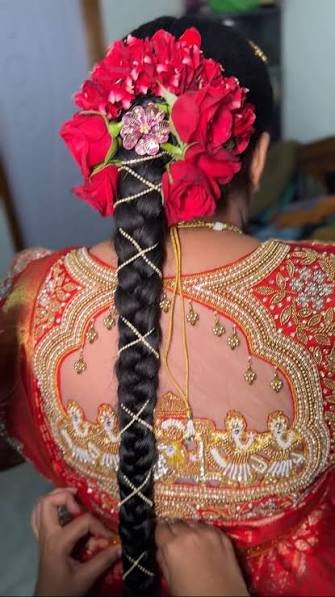
A thick braid gathered at the nape of the neck and wrapped into a low bun, with flowers pinned directly into the bun and around its base, is one of the most elegant and wearable styles on this entire list. It suits formal occasions, weddings, and cultural events, but is also simple enough to wear to a dinner or a day out if you choose smaller, more understated flowers.
The braid before the bun adds texture and interest to what would otherwise be a plain chignon. The flowers at the base frame the bun and draw the eye to the back of the head beautifully. Ask your stylist to braid loosely before wrapping so the bun has more volume and the flower arrangement has space to sit naturally.
12. Milkmaid Braid with Embroidery
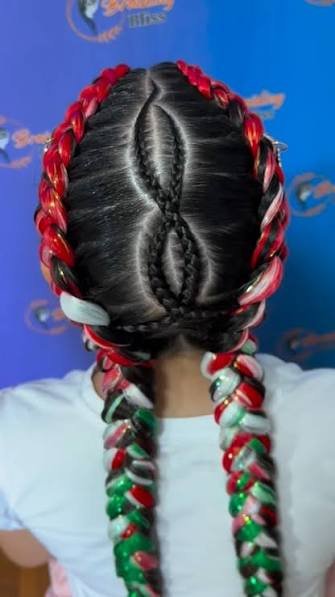
A milkmaid braid, where two braids are brought up and pinned across the top of the head to meet each other, is elevated here with the addition of colorful embroidery thread woven through each braid before pinning. The embroidery thread references the colorful textile traditions of Mexican craft culture and gives the braid a handmade, artisanal quality.
This is a style that photographs beautifully from every angle because the braids frame the face at the front and create a clean, decorative crown across the top. Choose thread colors that feel bold and celebratory rather than understated. Red, green, yellow, and pink worked together in the same braid is a classic combination that references Mexican folk art tradition.
13. Braided Half Up with Ribbon
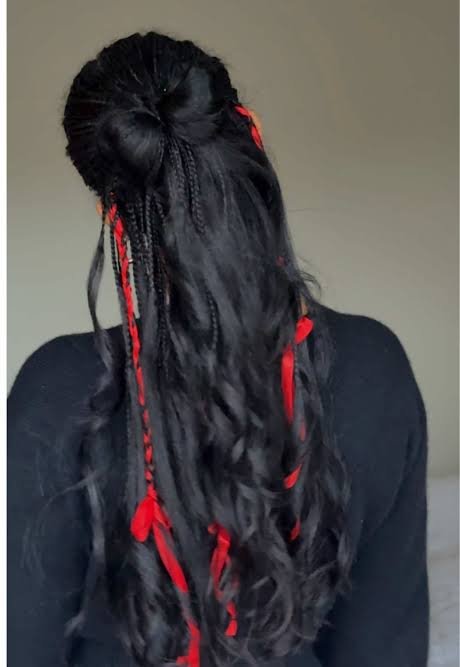
Taking two sections from either side of the front hairline, braiding them back, and joining them at the center back with a bright ribbon bow while the rest of the hair falls loose creates an effortless, everyday style that still carries the spirit of traditional Mexican hair decoration. The ribbon is the defining element here and should be wide, colorful, and tied with intention.
This is genuinely achievable on most hair types at home and works equally well on straight, wavy, and curly hair. It is a great option for everyday wear, school events, and casual celebrations where you want something festive without the time investment of a full updo. The ribbon color does a lot of the work, so choose it carefully.
14. Twisted Crown Braid
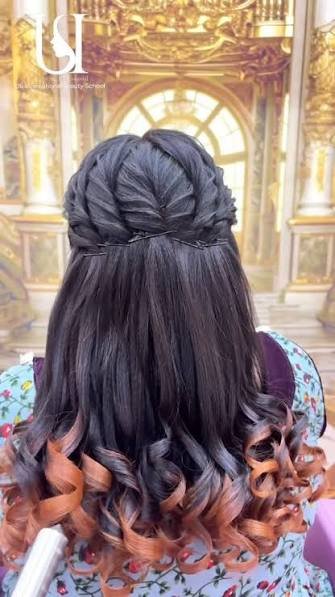
Two sections of hair twisted from either side of the head and pinned across the crown to meet in the middle, creating a twisted crown effect rather than a braided one, is a slightly simpler alternative to a milkmaid braid that still gives a very similar visual result. Flowers and pins tucked along the twist add the decorative finish.
The twist technique holds best with a little texturizing spray applied before twisting, which gives the sections grip and prevents them from unraveling as the day goes on. This style works particularly well on wavy or lightly textured hair,r where the natural movement of the hair adds to the casual, relaxed quality of the twisted crown.
15. Four Strand Braid
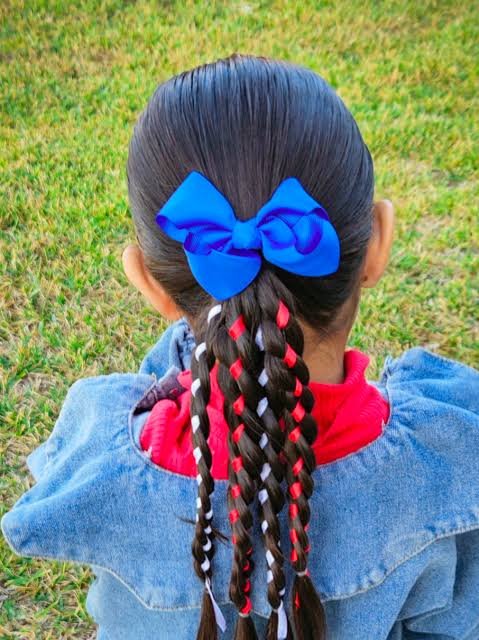
A four-strand braid creates a more complex, interwoven pattern than a standard three-strand braid, with an almost lattice-like appearance that shows up beautifully when worked with ribbon or thread integrated into one of the strands. The technique takes practice but produces a braid that genuinely looks like it took twice as long as it did.
This is a style worth learning if you braid hair regularly, because the four-strand technique opens up a range of decorative possibilities beyond just adding accessories after the fact. The ribbon or thread woven in as a fourth strand appears and disappears through the braid in a pattern that looks intentional and intricate. The result is always worth the effort.
16. Side Swept Braid with Beads
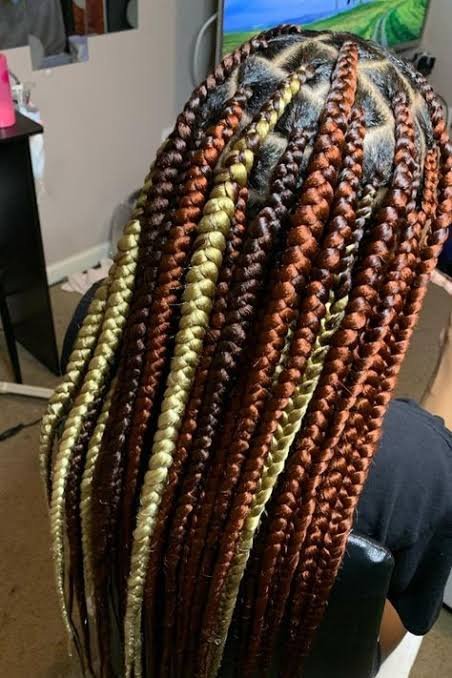
A loose braid swept over one shoulder and decorated with small, colorful beads and charms threaded through the sections at intervals is a style that references indigenous Mexican bead craft traditions in a wearable, everyday format. The beads add color, sound, and movement to the braid, which makes it feel celebratory without being formal.
Wooden beads, ceramic beads, and glass seed beads all work well in hair. Choose colors that complement your outfit or go with traditional combinations of red, green, blue, and yellow for a more folkloric feel. Ask your stylist to thread the beads through the braid sections as they work rather than after finishing, as the beads sit more securely when integrated into the weave from the start.
17. Braided Ponytail with Floral Wrap
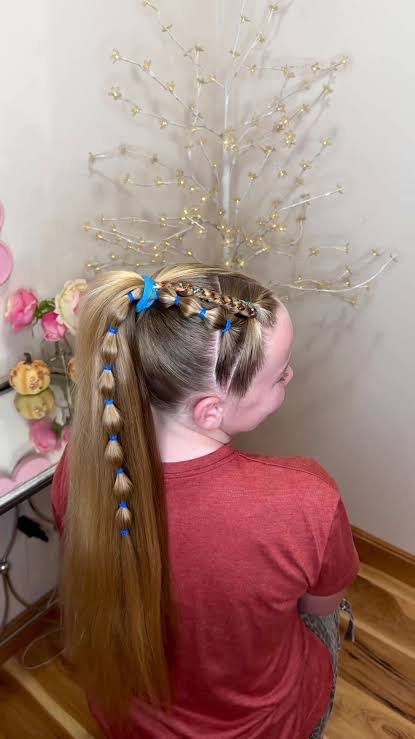
A high or mid ponytail where the base is wrapped with a thick braid of hair and flowers are pinned around the wrap creates a style that elevates a simple ponytail into something genuinely beautiful. The braid wrap at the base hides the elastic and gives the ponytail a more polished, intentional look that still feels youthful and fun.
Add small flowers at the base in colors that match or contrast with your hair for the most impactful result. This style holds well throughout the day and is comfortable enough for dancing and active movement, which makes it a practical choice for festivals and cultural events where you want to look beautiful without worrying about your hair.
18. Intricate Back Braid Pattern
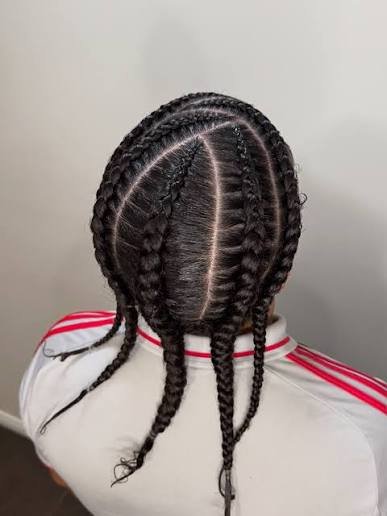
Multiple small braids starting at the crown and worked downward in a deliberate pattern before joining into a single thick braid at the nape is a style that references the intricate hair patterns worn in many indigenous Mexican communities as markers of identity and regional belonging. The pattern itself is what makes this style remarkable.
The design possibilities within this technique are almost unlimited. Braids can be worked in diagonal lines, herringbone patterns, or radiating sections, depending on the look you want. This is not a home styling technique for most people, but a skilled braider can produce genuinely breathtaking results. Document reference photos carefully before your appointment.
19. Loose Boho Braid with Wildflowers
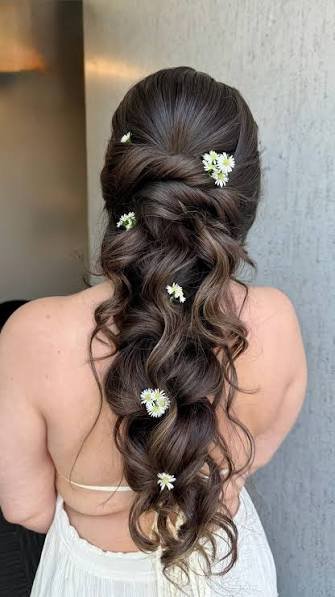
A loosely worked three-strand braid with sections pulled out to create a full, relaxed shape, with small wildflowers tucked in randomly through the length rather than placed precisely, creates an effortless, romantic style that feels completely at home at an outdoor festival, a casual wedding, or a cultural celebration. The looseness is intentional and is what makes this style work.
The key to achieving this look is braiding more loosely than you think you need to and then gently pulling each section outward to create a fuller, more relaxed shape after finishing. Wildflowers with sturdy stems tuck into the braid most easily, so choose flowers with enough structure to stay put rather than delicate petals that fall apart when handled.
20. Braided Updo with Colored Wool
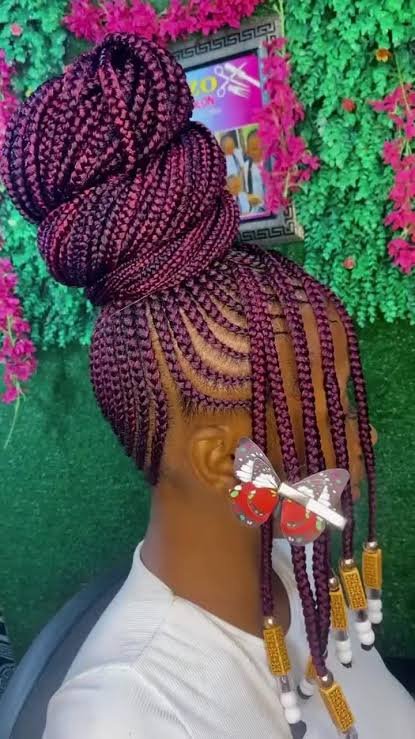
Using colored wool or thick yarn woven through an updo style is a technique specific to several Mexican regional traditions, particularly in Oaxaca and Chiapas, where the wool adds both volume and color to ceremonial hairstyles. The wool is braided or wrapped alongside the natural hair, creating a dramatically full updo that goes beyond what hair alone can achieve.
This is one of the most visually distinctive styles on the list and one of the most culturally specific. If you are wearing it as a direct reference to the tradition it comes from, do the research into its regional origins so the style is worn with the respect and understanding it deserves. For cultural events and celebrations, the effect is absolutely stunning.
21. Modern Aztec-Inspired Braid
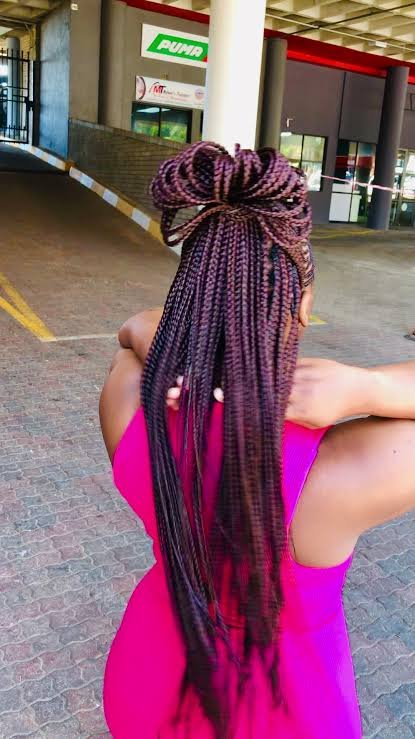
A contemporary braided style that references Aztec geometric patterns through the way sections are divided and braided across the crown before being gathered or left loose at the back. The geometric quality of the sectioning creates a bold, graphic effect at the crown that reads as modern and intentional rather than rooted in a specific traditional style.
This is a style that works beautifully on natural and thick hair, where the individual braid sections show up clearly. Metallic thread or gold accessories integrated into the sections reinforce the geometric, decorative quality of the look. Ask your stylist to divide the crown sections cleanly and evenly so the pattern reads clearly before the braids are worked down toward the back.
FAQs
What are traditional Mexican braid hairstyles?
Traditional Mexican braid hairstyles vary significantly by region and indigenous community, but they share common elements including thick braiding, vibrant ribbon and thread decoration, fresh or fabric flowers, and the use of color as a deliberate and meaningful choice. Styles like the Tehuana braid, the Oaxacan updo, and the trenza de la novia each have specific regional origins and cultural significance that go beyond their visual beauty.
Can I wear Mexican braid hairstyles if I am not Mexican?
Many of these styles are widely worn and appreciated globally, particularly those that have been shared and celebrated through popular culture, fashion, and festivals. Where a style has deep cultural or indigenous significance, wearing it with awareness and respect for its origins is important. Styles like the Tehuana braid and the Oaxacan updo carry specific meaning that is worth understanding before you choose to wear them.
What hair type works best for Mexican braid styles?
Most of these styles are designed for and look most traditional on thick, dark, straight to wavy hair, which is the most common hair type among Mexican and indigenous communities. However, many of the techniques adapt well to other hair types with minor adjustments. Curly and natural hair work beautifully with braid styles that embrace texture rather than trying to smooth it.
What accessories are used in Mexican braid hairstyles?
The most common accessories include fresh flowers like marigolds and roses, fabric and silk flowers, colored ribbon, embroidery thread, colored wool or yarn, wooden and ceramic beads, small charms, and decorative pins. The accessories are almost always colorful and vibrant rather than subtle or understated, reflecting the broader Mexican aesthetic tradition of celebrating color boldly.
How long do Mexican braid hairstyles take to style?
Simple styles like a ribbon-woven braid or a side braid with flowers can be done in twenty to thirty minutes. More elaborate styles like the Oaxacan updo, the trenza de la novia, or the intricate back braid pattern can take one to two hours or more when done properly. For complex ceremonial styles, working with a stylist who has specific experience is always worth the investment.
Wrapping Up
What makes Mexican braid hairstyles genuinely special is that they treat hair as something worth celebrating rather than just managing. The colors, the flowers, the ribbon, the wool. All of it says that hair is a canvas for joy and identity rather than something to be contained.
Start with the styles that match your skill level and the occasion you are dressing for. A loose boho braid with wildflowers is a beautiful entry point if you are new to this aesthetic. The Tehuana braid or the Oaxacan updo are worth exploring when you have an occasion that deserves something extraordinary. Save the styles that speak to you most, gather the accessories before your appointment, and give your stylist as much visual reference as possible. The more specific you are about what you love, the closer the result will be to what you imagined.