19 Honey Brown Balayage Ideas
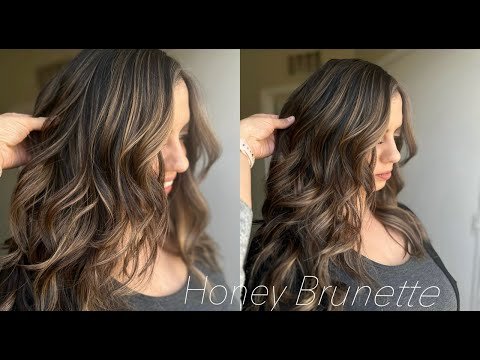
Honey brown balayage sits in a zone that feels genuinely warm without tipping into golden or caramel territory. It is richer than a standard honey blonde and warmer than a neutral brown. That specific combination is what makes it so consistently flattering across a wide range of skin tones and base colors. It adds warmth and dimension without creating an obvious color change.
What separates honey brown from other balayage tones is the depth. The brown component keeps the color grounded and rich rather than bright and summery. In lower light, it reads as a beautifully dimensional warm brunette. In direct light, the honey quality emerges, and the warmth is immediately visible. That shifting quality is exactly what good balayage is supposed to do.
Before booking: think about your base color and how much contrast you want. Honey brown on a dark base creates a visible, warm contrast. On a medium brown base, it reads as a natural enhancement of the existing color. On a lighter base it adds depth and richness. The same technique produces three genuinely different results depending on the starting point.
1. Classic Honey Brown Sweep
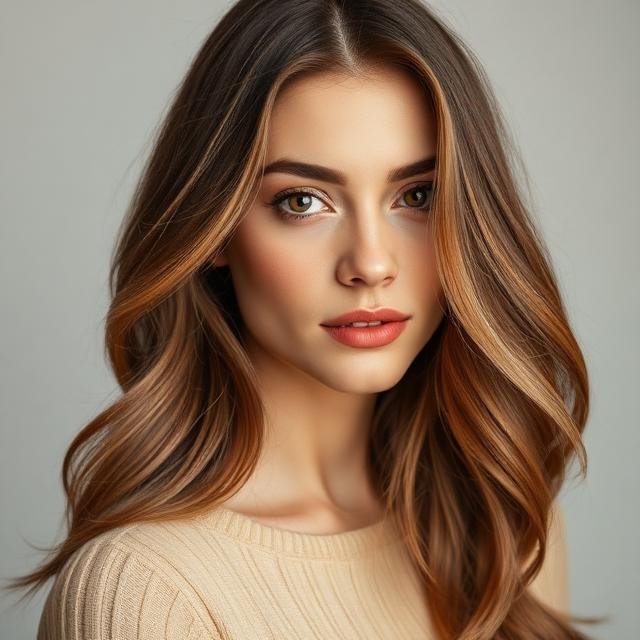
The standard version. Warm honey brown tones hand-painted through the mid-lengths and ends in a seamless technique that starts mid-shaft and concentrates the richest tones at the ends and face-framing sections. The most versatile and universally flattering starting point for anyone new to this color.
Ask for a mid-shaft start with the warmest honey tones concentrated at the ends. A color-depositing warm brown conditioner used every few washes extends the richness between appointments.
2. Honey Brown Face Frame
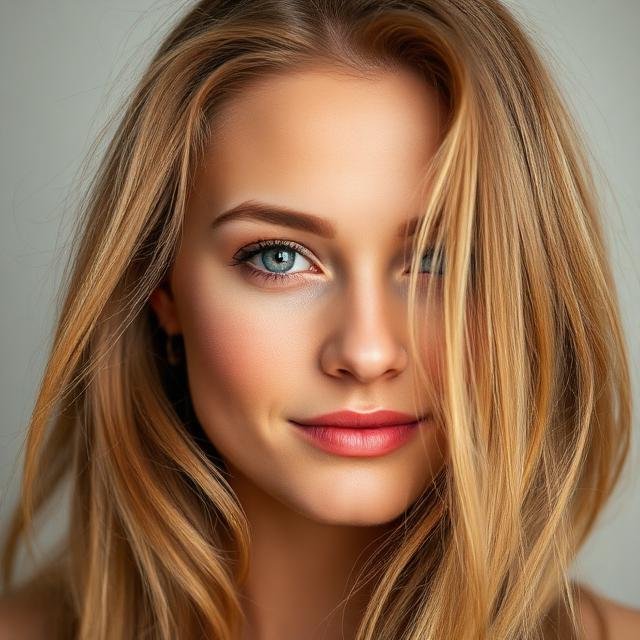
Honey brown is placed specifically through the face-framing sections, while the rest of the hair stays at the natural base color. The warmth lands directly at face level, where it creates the most flattering interaction with the skin. Minimal color application. Maximum face-level impact.
This version requires the least maintenance of any on this list because the grow-out is essentially invisible. The face-framing pieces blend naturally into the surrounding darker hair as the color grows. A warm gloss every eight weeks refreshes the honey quality.
3. Honey Brown on Dark Hair
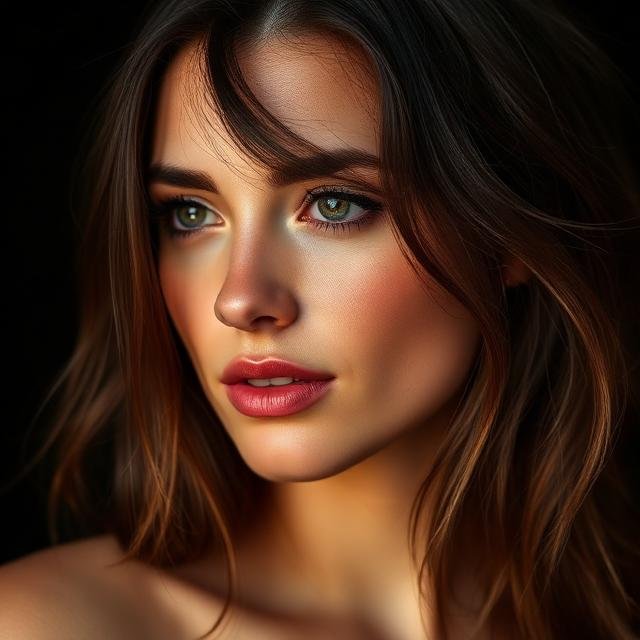
Honey brown on dark brown or near-black hair creates a rich, warm contrast where the honey tones emerge from the deep base like amber light through dark water. The contrast is more visible than on medium brown hair, and the honey reads as genuinely warm and luminous in direct light.
Pre-lightening through the highlighted sections is necessary for honey brown to sit correctly on very dark hair. Without sufficient lift, the honey tone reads as a muddy warm brown rather than a true honey. Ask your colorist specifically about the lift level needed for the desired result on your specific base.
4. Honey Brown Babylights
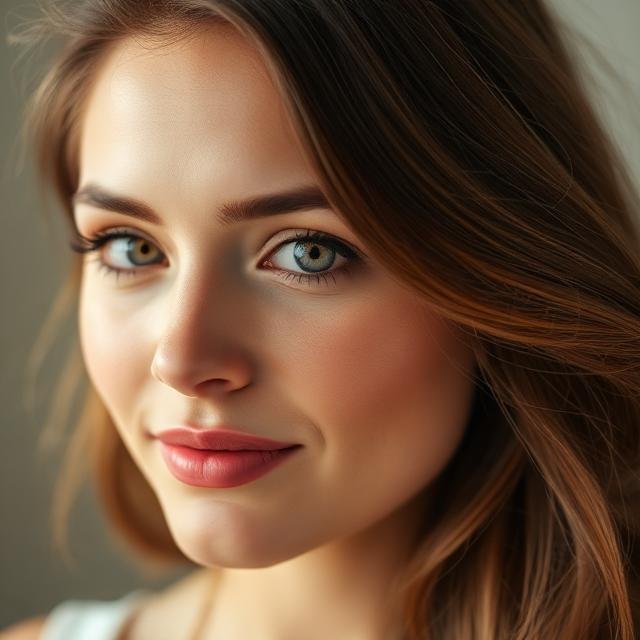
Very fine, closely placed honey brown babylights create the most natural-looking expression of this color. The individual sections are fine enough that the overall effect reads as a naturally warmer, more dimensional version of the base color rather than obvious highlighting. The color feels like it grew that way.
Ask for slightly denser placement through the top layer and face frame, where the babylights will catch the most light. A warm honey brown gloss applied over the top blends everything seamlessly and prevents any individual section from reading too obviously lighter than the surrounding hair.
5. Honey Brown Money Piece
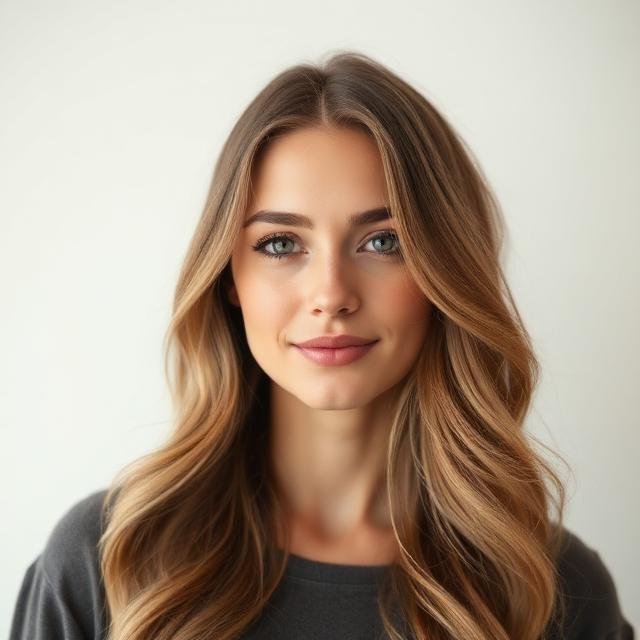
The brightest, warmest honey brown tones are placed through the two front face-framing sections on either side of the center part. Against a darker base, the contrast is immediate and striking. It is the most impactful honey brown placement available with the least overall color application.
Ask for the money piece sections to be taken one to two levels lighter than the rest of the balayage through the body of the hair. The contrast between the warm honey front sections and the deeper surrounding hair creates an immediate focal point right at face level.
6. Honey Brown on Blonde Hair
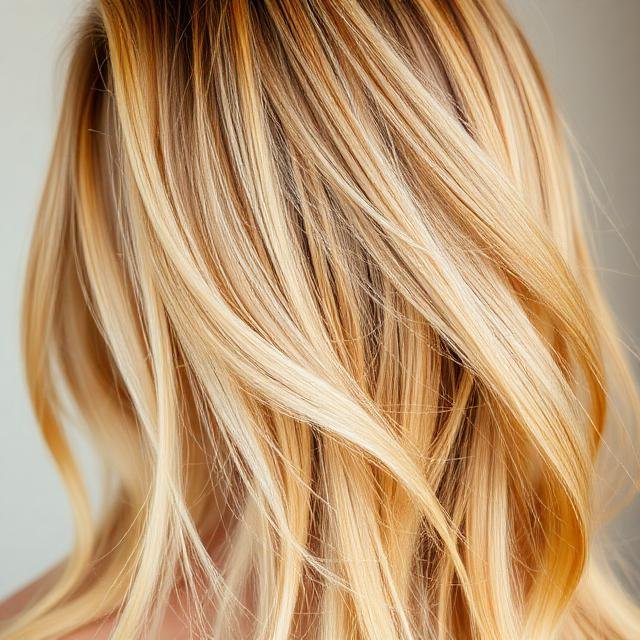
Honey brown through an existing blonde base adds depth, richness, and dimension to a color that can read flat or one-dimensional when it is a single uniform tone. The honey brown sections sit slightly darker and richer than the blonde, creating shadow and movement through the blonde length.
Ask for the honey brown to be placed through the interior and mid-sections rather than the surface sections. The blonde stays bright on the surface, and the honey brown creates the depth underneath. A warm gloss over the entire head ties both tones together into a cohesive result.
7. Honey Brown Ombre
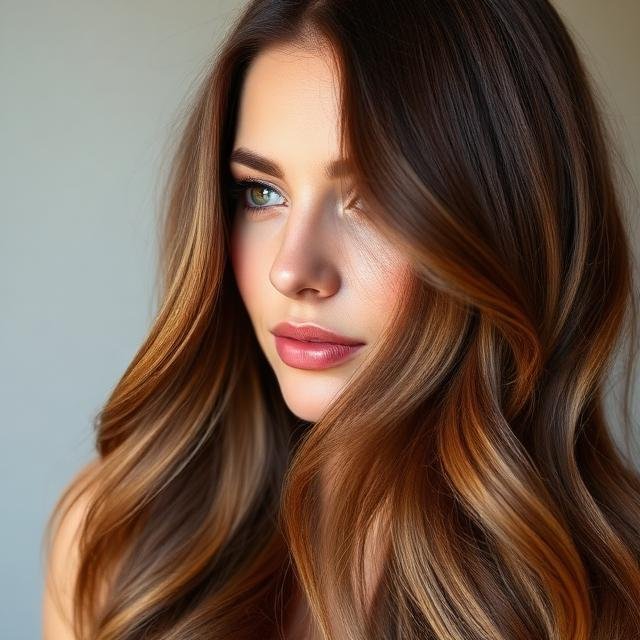
A honey brown ombre transitions from the natural dark root into full warm honey brown through the mid-lengths and ends. The transition is gradual, and the ends carry the warmest, most saturated expression of the honey brown tone. Bolder than a standard balayage, but the warmth of the honey brown keeps it from reading as harsh or dramatically contrasted.
Ask for the ombre to start at mid-shaft with a gradual, seamless blend. A weekly conditioning mask keeps the lighter honey brown ends healthy and hydrated. Dry or neglected ends make the ombre look faded rather than intentionally warm.
8. Honey Brown on Wavy Hair
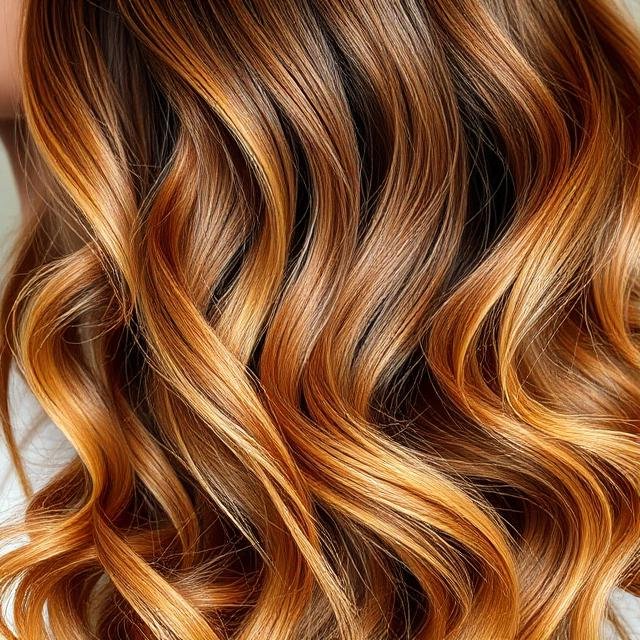
Honey brown balayage on naturally wavy hair is one of the most beautiful expressions of this color because the wave pattern places the warm honey tones and the deeper base in different sections of each wave simultaneously. The honey sits on the crest, and the deeper base stays in the lower wave sections. The color shifts with every movement.
Ask for the placement to follow the natural wave pattern rather than applying it across sections without considering the texture. Style with a lightweight wave cream and air dry for the most natural, dimensional result.
9. Deep Honey Brown
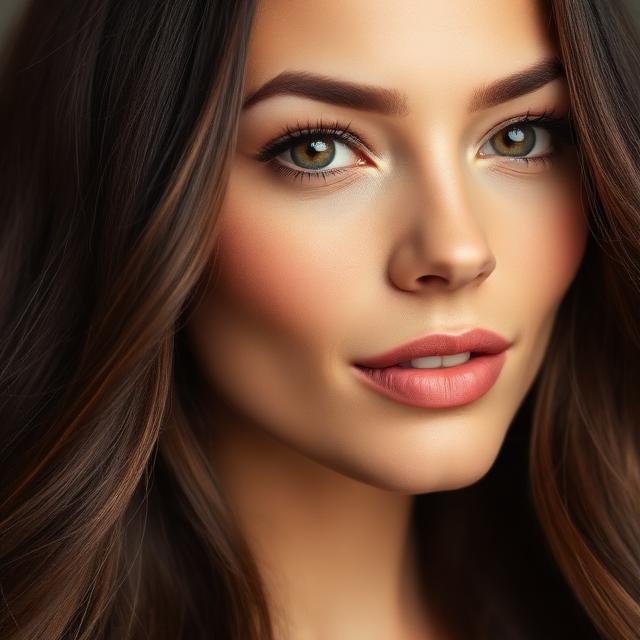
Deep honey brown sits richer and darker than standard honey brown, closer to a warm toffee or deep amber than to a bright honey. Against a dark base, it creates a subtle, sophisticated dimension that reads as a naturally warm variation of the brunette rather than an obvious highlight.
Ask for tones only two to three shades above the natural base. The depth is what makes this version look genuinely natural. A warm conditioning gloss every six weeks maintains the depth and prevents the tones from fading into a flat, unremarkable brown.
10. Honey Brown with Chocolate Base
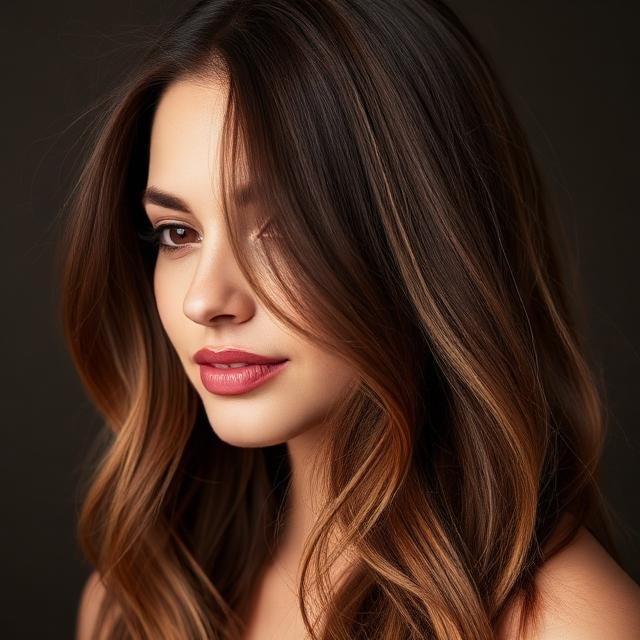
Honey brown balayage over a rich chocolate brown base is one of the most consistently beautiful color combinations in this category. The chocolate provides deep grounding richness, and the honey brown provides the warmth and luminosity on top. Both tones belong to the same warm family but at different levels of brightness.
A warm chocolate gloss applied over the entire head after the balayage ties both tones together and adds the shine that makes this combination look most luxurious. This is one of the most forgiving versions in terms of grow-out because the two tones are so naturally compatible.
11. Honey Brown on Curly Hair
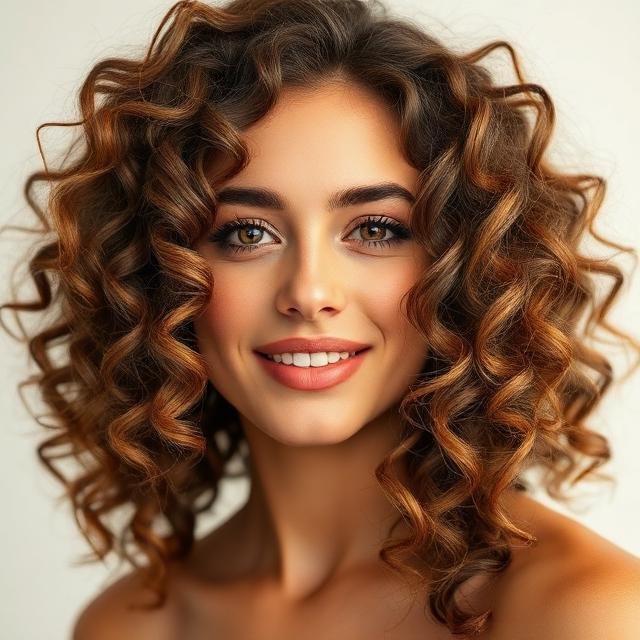
Honey brown balayage on naturally curly hair creates a color experience that is completely specific to that texture. The outer sections of each curl carry the warm honey tones, and the inner sections stay at the deeper base, creating a naturally shifting, three-dimensional color effect. Every curl is its own micro version of the balayage.
Ask for the placement to follow the curl pattern, specifically with the honey tones placed on the outer sections of the curls, where they will catch the most direct light. A moisturizing curl cream after washing keeps both the color and the curl healthy and defined.
12. Honey Brown Peekaboo
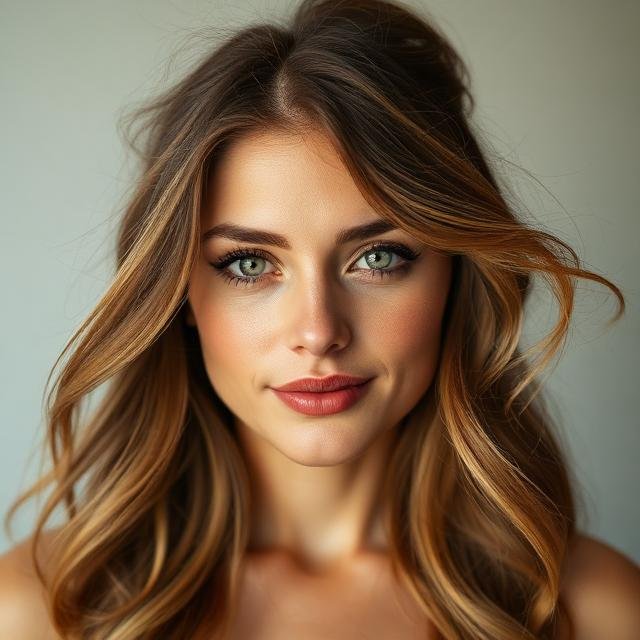
Honey brown highlights placed underneath the top layer of hair are completely hidden when the hair falls naturally and reveal themselves when the hair is lifted or moves. A warm, personal detail that adds dimension without any visible change at the surface. Perfect for conservative professional environments where visible highlights might not suit the setting.
No visible maintenance is needed until the sections grow out enough to be trimmed. The color adds a surprising warmth when the hair moves without announcing itself as a color technique at the surface.
13. Dimensional Honey Brown
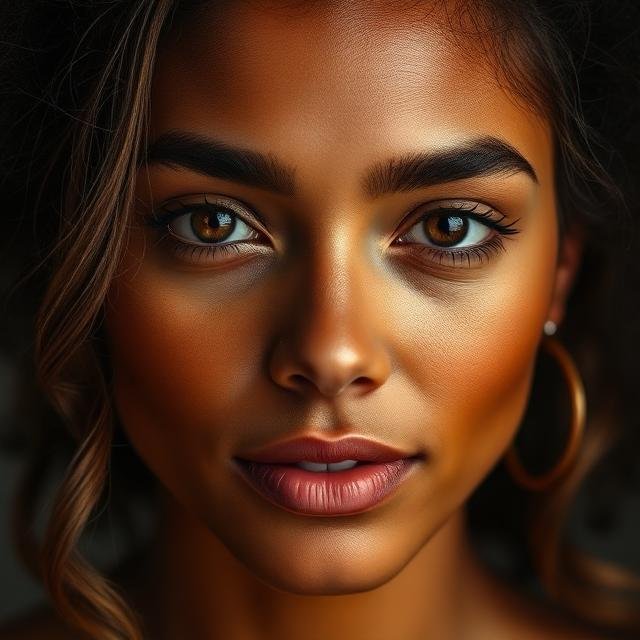
A dimensional application uses multiple tones within the honey brown family from deep warm brown through mid honey brown to a lighter warm honey, placed through different sections simultaneously. The variation between the tones creates a color that looks genuinely complex and shifts differently depending on the angle and light.
Ask for at least two distinct tones within the honey brown family. The deepest sits in the interior sections and is closest to the root transition. The lightest sits on the outermost face-framing sections and the surface of the top layer, where it catches the most direct light.
14. Honey Brown for Warm Skin Tones
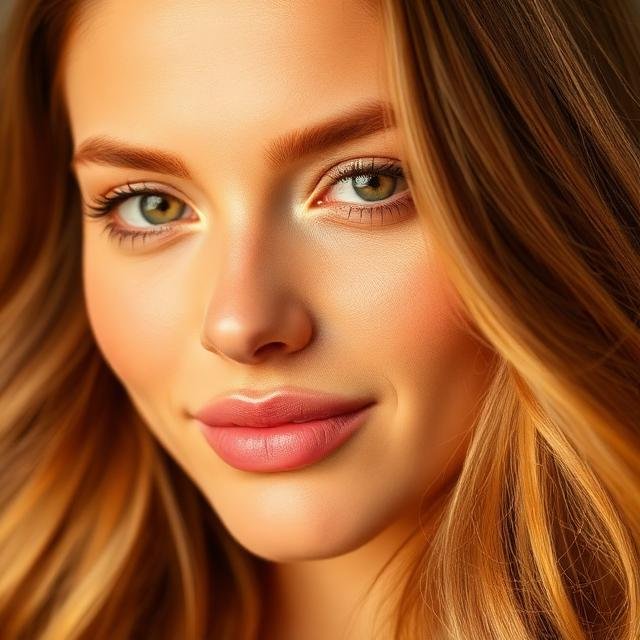
Honey brown, specifically placed to complement warm skin tones, concentrates the brightest, most golden honey tones through the face-framing sections where the warmth of the hair and the warmth of the skin interact most directly. The result is a genuinely glowing, luminous combination that cooler-toned highlights on the same skin would not achieve.
Ask for the most golden, warmest honey brown tones specifically through the face-framing sections and the top layer. The body of the hair carries a slightly deeper, less golden version. The difference in placement creates a flattering gradient from rich depth through the interior to warm luminosity at the face frame.
15. Honey Brown with Gloss Finish
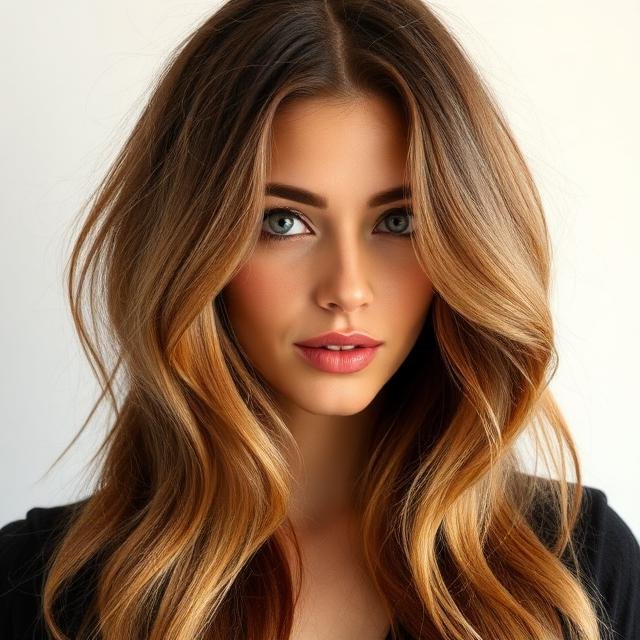
Honey brown balayage elevated with a warm honey or amber gloss applied over the entire head after the color placement. The gloss adds richness to the base sections and warmth to the highlighted sections simultaneously, creating a result that is more cohesive and luminous than the balayage alone.
Ask for the gloss to be included as part of the appointment rather than as an optional add-on. The difference between honey brown balayage with and without a gloss finish is immediately visible. The gloss is what makes it look expensive.
16. Honey Brown on Short Hair
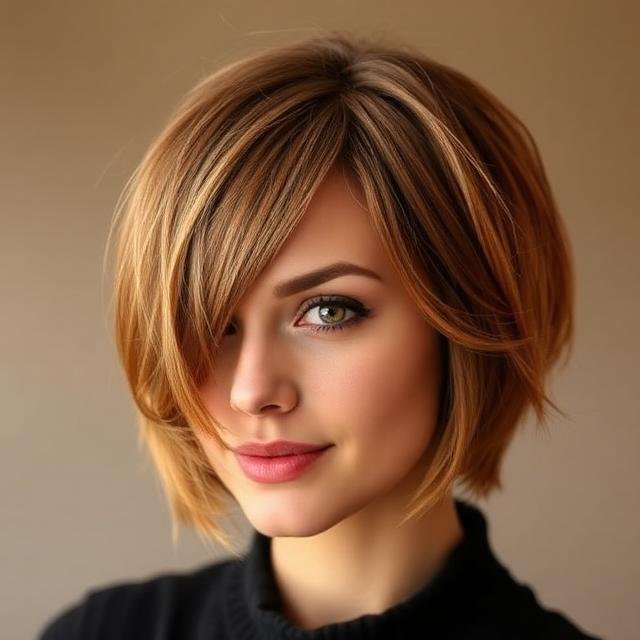
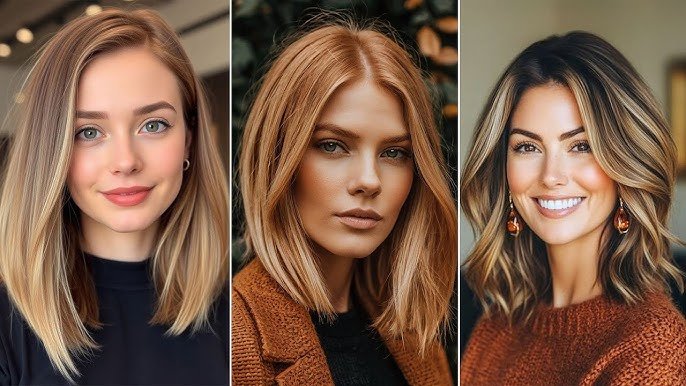
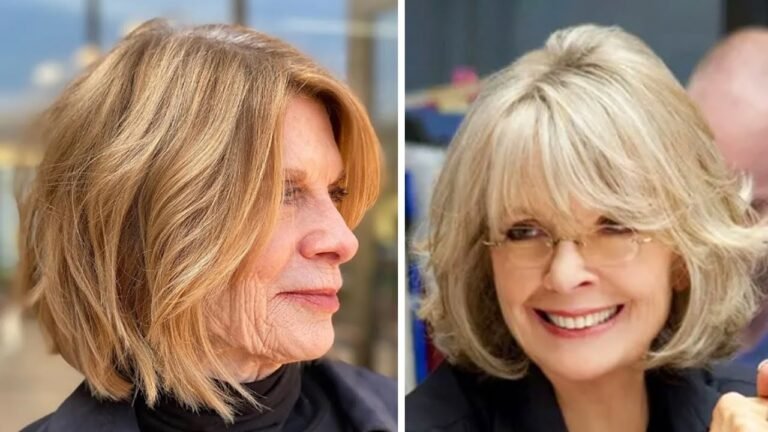
Honey brown balayage on a bob or lob creates a concentrated, high-impact version of the color, where the shorter length means all the warm tones are visible at once rather than distributed through a longer length. The richness of the color is immediately apparent, and the shorter grow-out cycle keeps the color looking fresh.
Ask for face-framing honey brown sections and mid-length placement through the body of the bob. The shorter length means regular trims naturally refresh the ends where the warmest tones are concentrated, which keeps the color looking vibrant without additional color services.
17. Lived-In Honey Brown
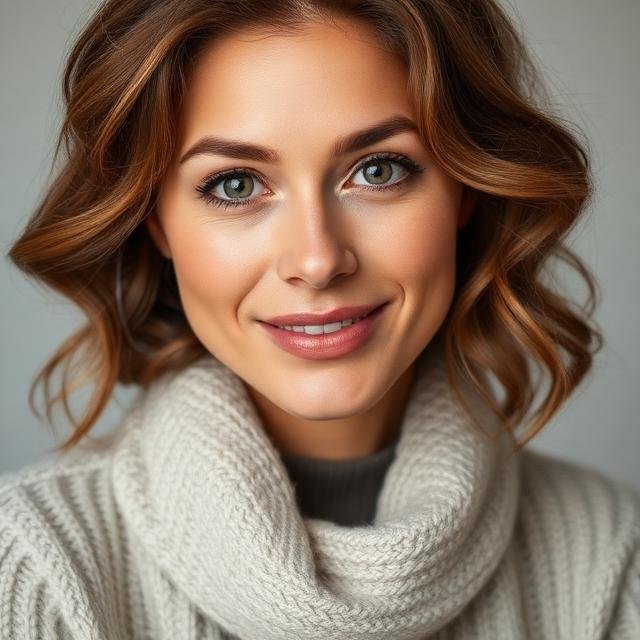
A lived-in version uses a softer blending technique and slightly more grown-out placement to create a color that looks like it has been beautifully maintained on the hair for several months rather than freshly applied. The transitions are organic, and the tones feel like a natural extension of the base color.
Ask for a soft, seamless blending technique with the honey brown tones placed in a way that mimics natural sun-warming of the hair rather than a precise color service. This version grows out the most gracefully and requires the least frequent appointments to stay looking intentional.
18. Honey Brown Curtain Bang Color
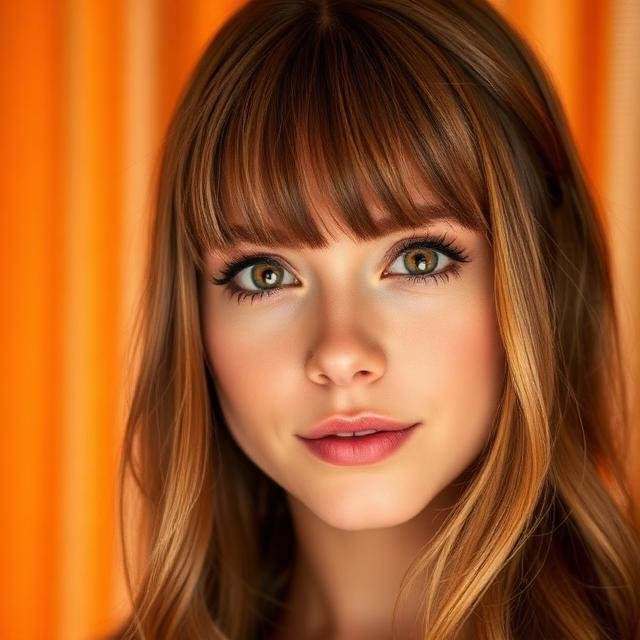
Bringing the honey brown tones specifically through the curtain bang sections creates a color design where the warmest tones frame the face from the forehead level. The curtain bangs carry the honey warmth and the balayage through the rest of the hair carries it through the length. The color and the cut work together as one complete design.
Ask for the curtain bang sections to be lightened and toned in the same session as the rest of the balayage. The fringe and the body of the color need to feel like one continuous design rather than two separate elements applied at different times.
19. Honey Brown Refresh
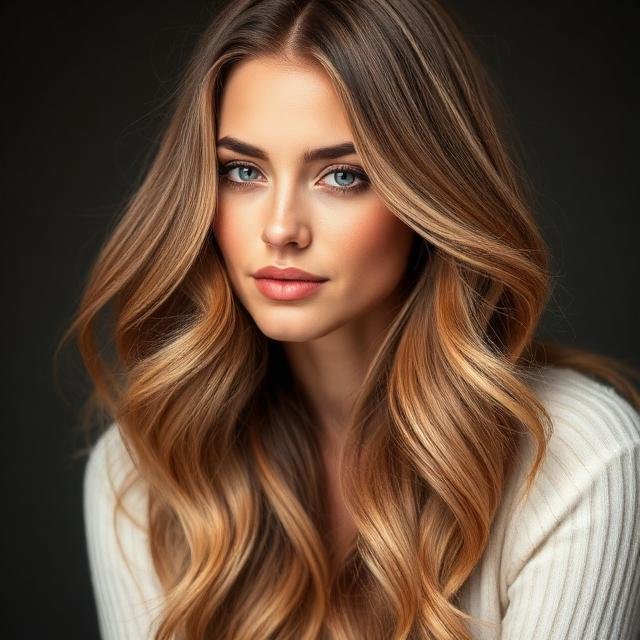
A refresh appointment for existing honey brown balayage that has faded targets only the sections that need attention. Selective re-lightening through the most faded sections and a fresh, warm honey brown toner applied over all the highlighted sections, followed by a warm gloss, brings everything back to its richest, most vibrant expression.
Ask specifically for a refresh service rather than a full balayage appointment. Faster, less expensive, and gentler on the hair. Establish a color-protecting routine immediately after the refresh, specifically a warm color-depositing conditioner used every few washes, to extend the vibrancy as long as possible.
FAQs
What is the difference between honey brown and caramel balayage?
Honey brown has more brown depth and less golden brightness than caramel. Caramel leans warmer and more golden. Honey brown is richer and more grounded, which makes it more versatile across seasons and more flattering on a wider range of skin tones. Caramel reads more obviously warm. Honey brown reads as a beautiful, dimensional brunette.
How often does honey brown balayage need refreshing?
The placement is permanent, but the warmth fades over time. With a good routine, the honey quality stays rich for eight to twelve weeks before needing a toning refresh. A full rebalancing is typically needed every four to six months.
Does honey brown work on very dark hair?
Yes, but pre-lightening through the highlighted sections is necessary for the honey tones to read clearly against a very dark base. The amount of lift depends on how visible you want the honey brown to be. More contrast requires more lift. A colorist can advise on the right level for the specific result you want.
Wrap-Up
Honey brown balayage works because it flatters without demanding attention. It adds warmth and dimension in a way that looks natural rather than colored and grows out in a way that looks intentional rather than neglected.
Start subtle if you want something that simply makes your brunette look more alive. Go bolder with a money piece or ombre if you want the honey warmth to make a clear statement. Book the gloss either way. It is the step that makes every version of honey brown balayage look its absolute best.