19 Coily Pixie Cut Ideas
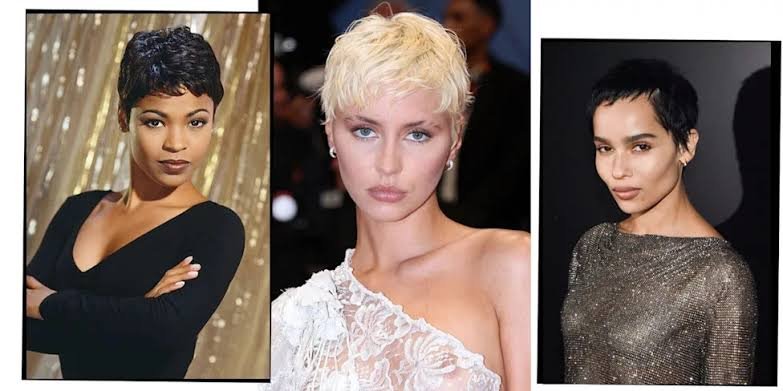
There is a version of the pixie cut that was made specifically for coily hair, and it looks nothing like the smooth, sleek pixie cuts that dominate most inspiration boards. It is fuller, bolder, and has a silhouette that straight hair simply cannot replicate. The coil pattern does things with a shortcut that no flat iron or blowout ever could.
The challenge most women with coily hair face when considering a pixie is not finding the courage to go short. It is finding enough examples that actually show what a pixie looks like on their specific texture. Most search results still skew heavily toward looser textures, which makes it genuinely difficult to visualize how a cut will land on tight coils or 4C hair.
This list exists to close that gap. These 19 coily pixie cut ideas are specifically chosen for tight coil patterns, from 3C through 4C, and cover everything from the most dramatic and bold to the softest and most wearable. If you have been sitting on the fence about cutting your coily hair short, this is the list that will help you decide.
1. Tapered Coily Pixie
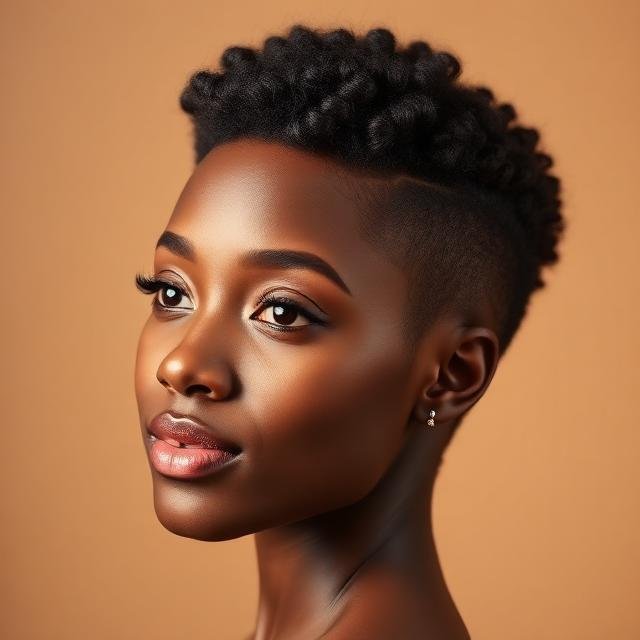
The tapered coily pixie is the entry point that most natural hair stylists recommend for women cutting their coily hair short for the first time. The sides and back taper down gradually while the top keeps its full coil pattern, which creates a shape that is neat and defined without sacrificing the texture that makes coily hair so beautiful.
What makes this cut particularly smart is how it grows out. The taper stays clean between appointments while the top continues to build height and volume, which means the style looks intentional at every stage of the grow-out rather than just in the first week after the cut. Ask your stylist for a low to mid taper, depending on how much contrast you want between the sides and the top.
2. TWA Pixie Shape
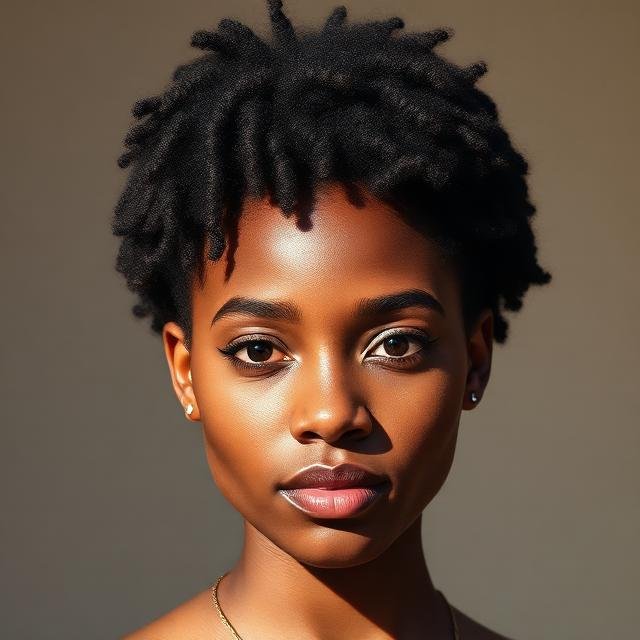
The teeny weeny afro, known as the TWA, is the most natural expression of a coily pixie cut. The hair is cut close all over and then left to do exactly what coily hair does naturally, which is spring up into a full, rounded shape that frames the face with an almost perfect silhouette. It is the most low-maintenance cut on this list and one of the most striking.
The TWA rewards good moisture more than almost any other short style. When coils are well-hydrated and defined, even a very close TWA has texture and dimension that looks intentional. Ask your stylist to cut with your natural shrinkage in mind so the length after the coils spring up is the length you actually want, not the length you measured before cutting.
3. High Top Coily Pixie
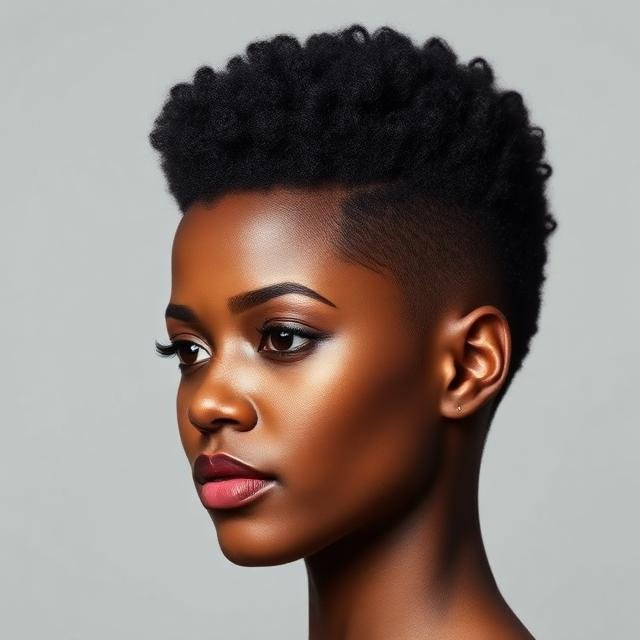
The high top pixie takes the volume and height that coily hair naturally wants to produce and leans into it completely. The sides are cut close or tapered, while the top is left long enough to build significant height, creating a silhouette that is tall, dramatic, and completely impossible to ignore. It references the high top fade of the late eighties and early nineties but feels entirely current.
The key to making this work is maintaining the height without it collapsing throughout the day. A light hold gel or custard applied to damp hair and then left to dry without touching keeps the coils defined and upright. Ask your stylist specifically for a high top shape with clean lines where the taper meets the volume at the top.
4. Defined Curl Pixie
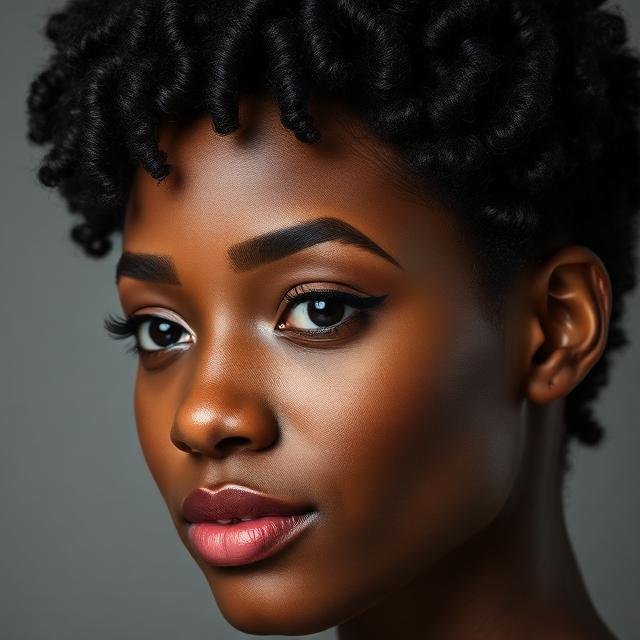
This version prioritizes definition above everything else. The cut is shaped to sit close at the sides and back, while the top has enough length to show the full definition of each coil. The result is a pixie that looks polished and intentional rather than simply short, because every coil is clearly visible and contributing to the overall shape.
The definition at this length comes entirely from moisture and product. A curl-defining cream applied section by section to damp hair before air drying or diffusing gives each coil the clarity it needs to show up at short lengths. Ask your stylist to texturize the top lightly so the coils have room to separate and spring without sitting in a flat, compressed mass.
5. Asymmetrical Coily Pixie
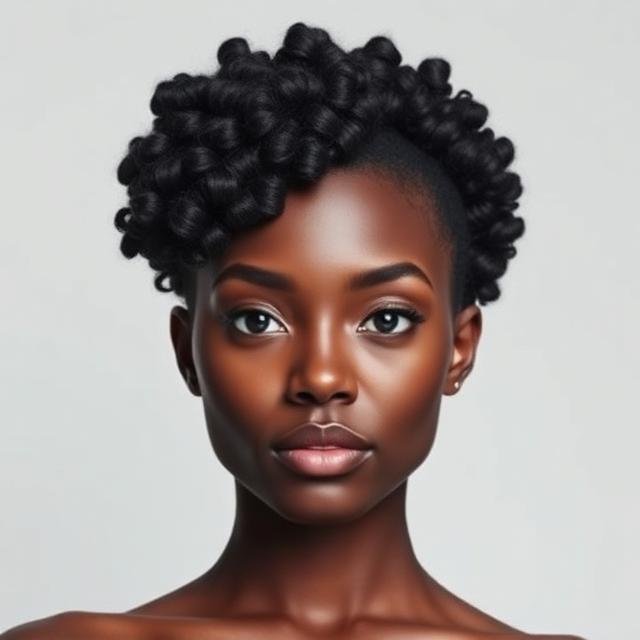
One side is cut shorter than the other, which creates a strong diagonal line that moves across the head and draws attention to the face in the most flattering way. On coily hair, the asymmetry reads even more dramatically than on straight hair because the volume difference between the two sides is amplified by the natural expansion of the coil pattern.
This is a bold style that suits women who want their hair to make a clear statement. The shorter side can be almost completely tapered, while the longer side keeps its full coil volume, or the difference can be more subtle depending on how much contrast you want. Ask your stylist to check the asymmetry from the front as they cut, not just the sides, to ensure the diagonal line reads the way you want it to.
6. Coily Pixie with Line Up
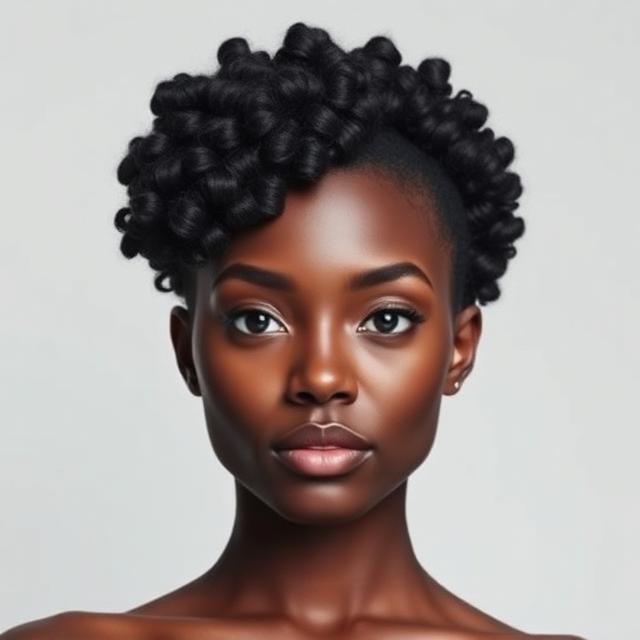
Adding a crisp, clean line-up at the hairline transforms a coily pixie from a natural shape into a precision style. The line-up traces the hairline across the forehead, around the temples, and behind the ears with sharp geometric edges that give the cut a finished, intentional quality that makes the coily texture at the top look even more deliberate by contrast.
The line-up is what separates a grown-out TWA from a styled pixie cut in terms of how polished the overall result looks. It needs to be maintained every two to three weeks to keep it sharp. Ask your barber to square off the hairline rather than following its natural curve if you want a more graphic, contemporary look.
7. Coily Mohawk Pixie
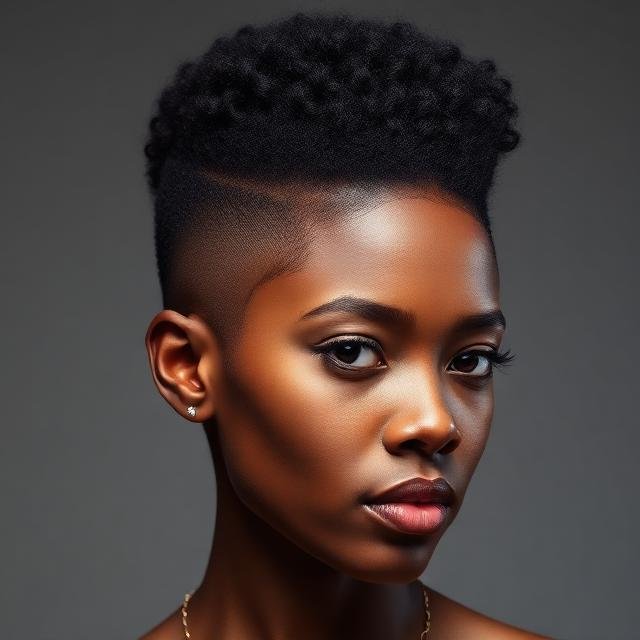
The sides are cut very close or completely faded, while a strip of longer coily hair runs from the front hairline to the nape in a mohawk formation. On coily hair, that central strip of texture creates a naturally full, raised shape that looks dramatically different from a straight hair mohawk. The coils build height on their own without needing product to force them upright.
This is one of the most striking silhouettes in natural hair styling and works particularly well at short lengths where the contrast between the faded sides and the full coily mohawk strip is most dramatic. Ask your barber for a skin fade or very low taper on the sides so the mohawk strip has maximum visual contrast against the close cut.
8. Wash and Go Pixie
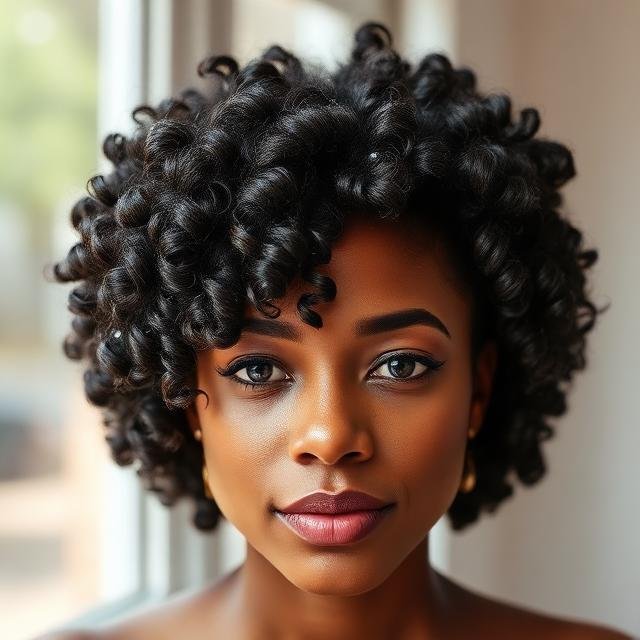
The wash-and-go pixie is the most genuinely low-maintenance style on this list. The cut is shaped to work with however your coils naturally fall after being washed, conditioned, and left to dry without manipulation. There is no twisting, no stretching, no diffusing required if you do not want it. The shape comes entirely from the cut and the natural coil pattern.
Getting this right requires a stylist who understands how your specific coil pattern behaves when wet versus when dry. The cut needs to be done on dry, shrunken hair or with a very clear understanding of your shrinkage factor, so the shape after washing is the intended shape rather than an accident. This is a cut that is worth investing in a specialist for.
9. Coily Pixie with Temple Fade
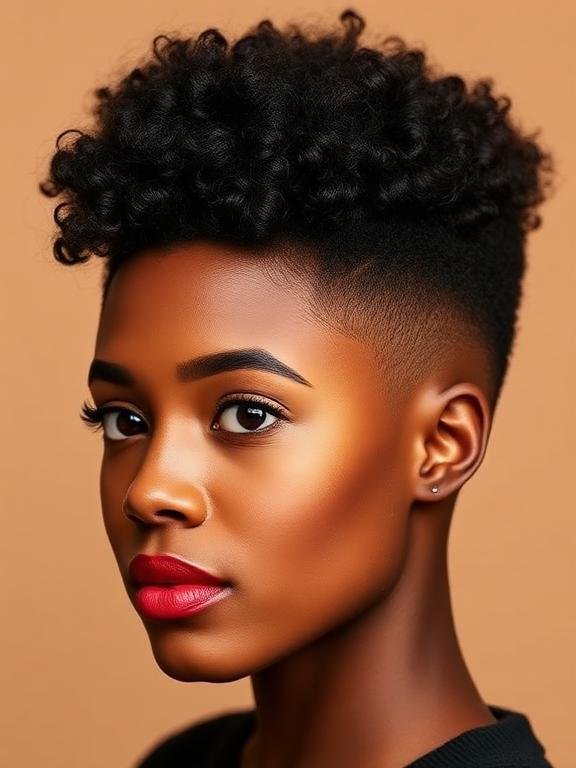
A temple fade cuts the hair close at the temples and blends gradually upward into the fuller coily texture above, creating a smooth transition that gives the pixie a clean, groomed appearance without the sharp contrast of a hard line-up. The fade at the temples opens up the face and makes the eyes appear more prominent.
The temple fade works well as a softer alternative to a full taper for women who want some cleanup around the sides without committing to a close cut all the way around. It is also a great option for oval and heart-shaped faces, where keeping some fullness at the sides is flattering. Ask your barber for a mid or high fade at the temples, blending into full coil texture above.
10. Coily Pixie with Color
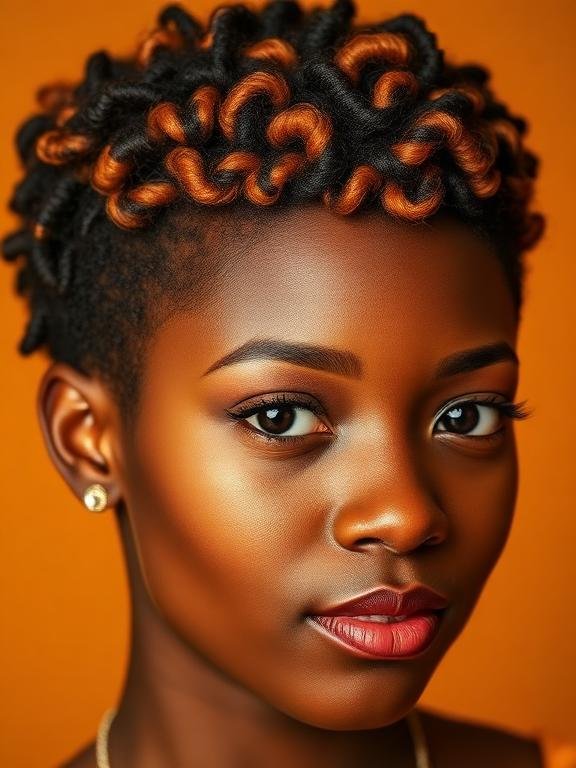
Adding color to a coily pixie changes the entire energy of the cut. At short lengths, color shows up with maximum intensity because there is less hair to diffuse it across. A vivid color like copper, burgundy, honey blonde, or even a bold fashion color like teal or burgundy applied to a close-cut coily pixie creates a look that is genuinely head-turning.
The shorter the cut, the more important the color becomes as a design element. Consider how the color will interact with your skin tone and choose a shade that enhances your complexion rather than competing with it. Ask your colorist to treat with a bond-protecting product before any chemical color application on natural coily hair to keep the integrity of the curl pattern intact.
11. Elongated Coily Pixie
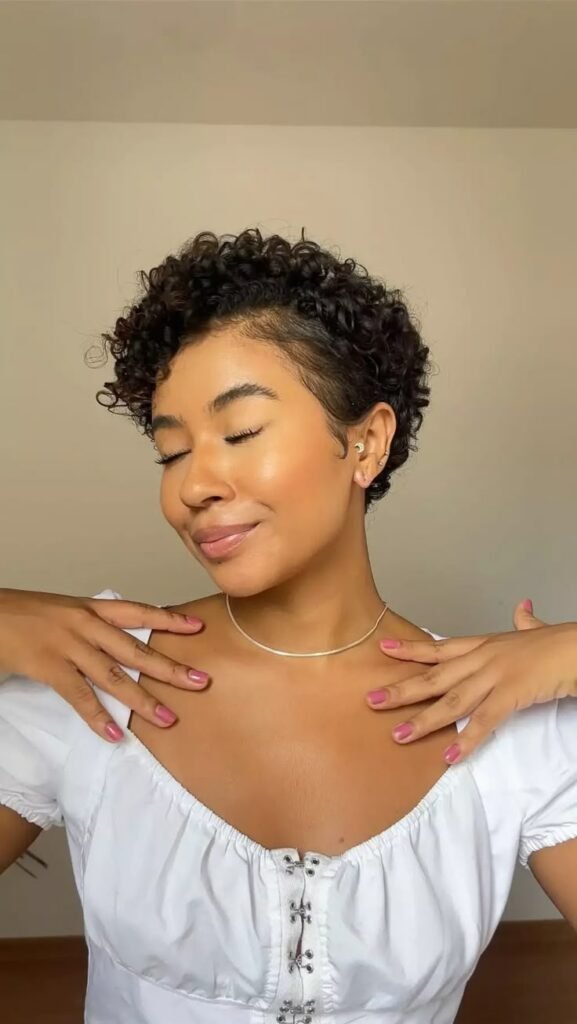
The elongated coily pixie keeps more length through the top than a traditional pixie, giving the coils enough room to fully express their length before shrinkage pulls them back up. The result sits somewhere between a pixie and a short natural style, with a silhouette that is full, rounded, and beautifully voluminous.
This is a great option for women who want the low-maintenance quality of a short cut without going as close as a TWA or tapered pixie. The extra length gives more styling versatility, allowing you to define individual coils, create a twist out at this length, or simply wash and go depending on the day. Ask your stylist to shape the perimeter carefully so the elongated top does not lose its intentional silhouette.
12. Side Part Coily Pixie
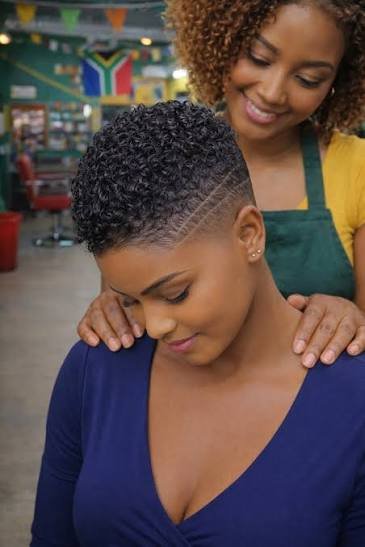
A defined side part cut or combed into a coily pixie changes the balance of the style completely, pushing volume to one side and creating a directional shape that feels more structured and deliberate than a centered, symmetrical pixie. The side with more volume becomes the focal point of the cut, while the shorter side sits close and neat.
The side part works best when it is cut into the hair rather than simply combed, as coily hair does not always hold a combed part through the day without product. Ask your barber to cut a clean line at the part so it stays defined even as the hair moves and shrinks. A small amount of edge control along the part keeps it looking sharp between appointments.
13. Coily Pixie with Finger Coils
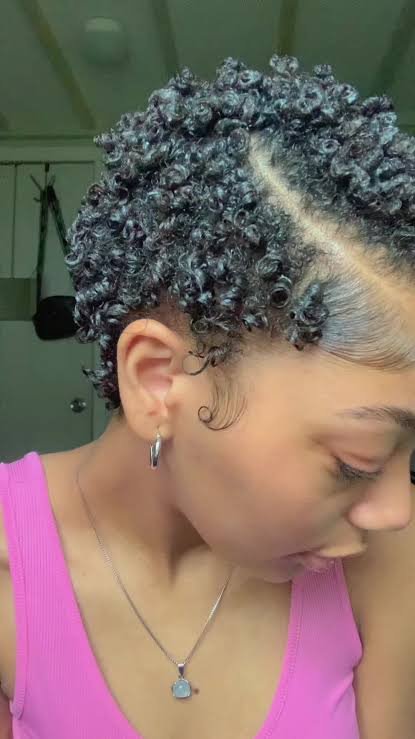
Finger coils created individually at this short length give the pixie a highly defined, sculptural texture that looks like it required hours to achieve, but settles into a manageable routine once you know the technique. Each coil is formed by wrapping a small section of wet, product-saturated hair around a finger and letting it dry in place.
The result is a head full of perfectly uniform coils that catch the light and create beautiful depth and dimension at short lengths. This is more of a styling technique than a cut variation, but it transforms any short coily pixie into something that looks extraordinary. Use a strong-hold gel or custard for the best coil definition and let the hair dry completely before touching it.
14. Coily Pixie Fade
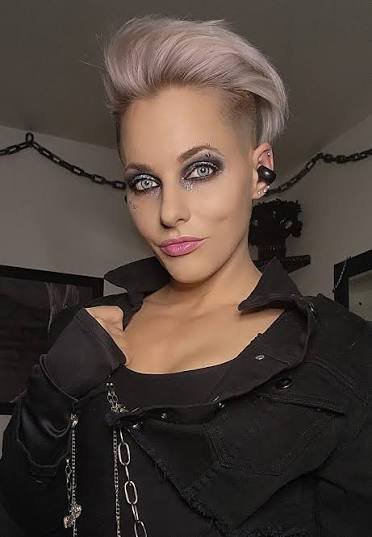
A full fade that starts at skin level at the nape and sides and graduates upward into full coily texture at the top creates the most dramatic version of the coily pixie on this list. The contrast between the bare skin at the bottom of the fade and the full, springy coils at the top is stark and striking in the best possible way.
This is a barbershop technique that requires real skill to execute cleanly on coily hair, where the different textures at different lengths need to be blended seamlessly. The fade needs maintenance every two to three weeks to stay sharp. Ask your barber specifically for a skin fade with a high blend point so the coily texture at the top has maximum room to build volume above the fade line.
15. Frohawk Pixie
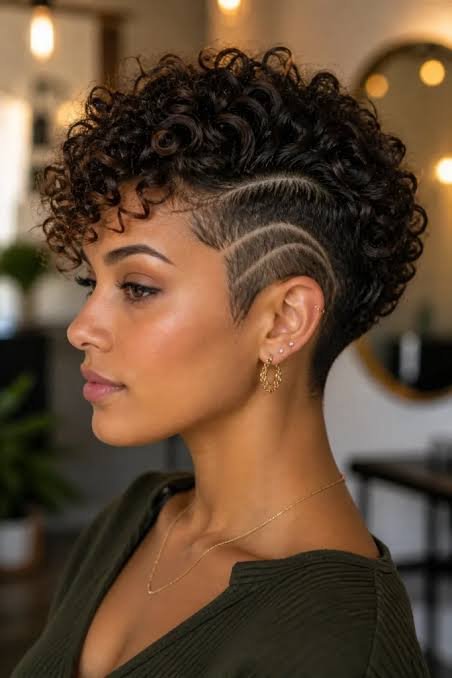
The frohawk sits between the mohawk pixie and the high top in terms of silhouette, with the sides compressed or pinned rather than cut close, and the top hair shaped into a raised central strip that mimics the mohawk shape without a permanent cut. On coily hair,r this creates a full, dramatic central shape that can be worn up for a special occasion and then released back into a full natural style.
The beauty of the frohawk as a styling option rather than a cut is its versatility. You can achieve the silhouette without committing to closely cut sides, which means the same hair can wear multiple shapes depending on how it is styled. A strong hold gel or pomade on the sides is all you need to compress and smooth them into the frohawk shape.
16. Tapered Coily Pixie with Design
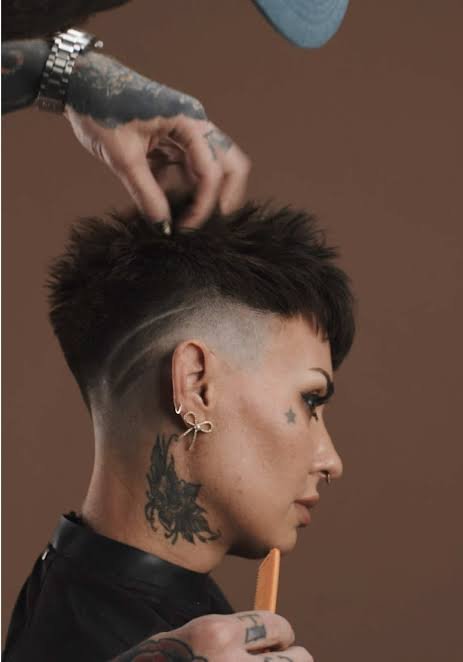
A tapered coily pixie with a shaved or clipper-cut design worked into the taper at the sides, or nape, takes the clean lines of the taper and adds an artistic element that makes the style unique. The design can be as simple as a single curved line or as intricate as a geometric pattern, depending on your preference and your barber’s skill.
Designs in the taper last two to three weeks before the growing hair softens the edges, which makes them a commitment that needs factoring into your maintenance schedule. The most popular placements are at the temple, behind the ear, or at the nape, where the design is most visible, and the contrast against the close-cut hair is sharpest. Bring a reference photo of the exact design you want.
17. Natural Afro Pixie
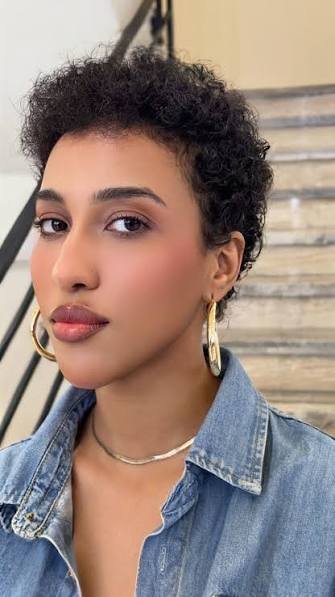
The natural afro pixie is the least structured cut on this list and the one that leans most heavily into the natural behavior of coily hair without trying to shape or direct it. The hair is cut to a uniform short length all over and then simply allowed to expand into its natural, rounded afro shape. The shape comes from the hair itself rather than from the cut.
This is a style for women who want to spend the least possible time on their hair while still looking intentional and beautiful. The secret to making it look polished is keeping the perimeter trimmed regularly so the afro shape stays round and even, rather than growing out unevenly. Ask your stylist to check the shape from the front, sides, and back to ensure the silhouette is balanced all the way around.
18. Coily Pixie with Undercut
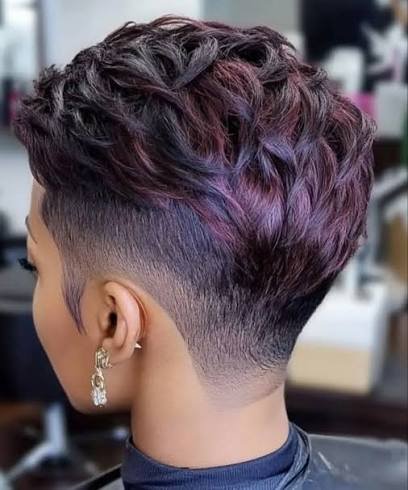
The undercut removes the hair at the nape and lower sides while the upper sections keep their full coily volume, creating a dramatic contrast between the bare undercut and the springy texture above. The undercut is hidden when the top hair falls over it naturally, but becomes visible when the hair is pushed or pinned to the side.
This is a style that reveals itself in different ways depending on how you wear the top hair, which gives it a versatility that most pixie cuts do not have. For a more graphic effect, the undercut can incorporate a design or pattern in the shaved section. Ask your barber to cut the undercut with a sharp, clean line at the top edge so the contrast between the shaved section and the coily top is clearly defined.
19. Bold Statement Coily Pixie
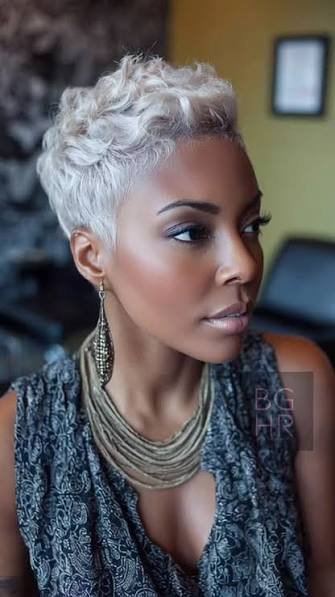
This is the version of the coily pixie that commits fully to maximizing everything. The coils are worn at their fullest and most defined, the shape is as bold and architectural as the natural texture allows, and there is no attempt to minimize or soften the visual impact of the style. It is a cut that says something clearly and without apology.
The bold statement pixie is less about a specific technique and more about an attitude toward the hair. Full moisture, maximum definition, and a cut that is shaped to emphasize the natural volume rather than contain it are the three things that make it work. Ask your stylist to shape the silhouette outward rather than inward so the coils are encouraged to expand to their fullest rather than being directed downward or inward.
FAQs
Is a pixie cut good for coily hair?
A pixie cut is one of the best cuts for coily hair when it is done by a stylist who understands natural texture. Coily hair has a natural spring and volume that gives a pixie cut a silhouette that straight hair simply cannot achieve. The key is finding a stylist who cuts dry or who understands your shrinkage factor and cuts with that in mind.
How do I find a stylist who can cut coily hair?
Look specifically for stylists who list natural hair or textured hair as a specialty. Ask to see photos of their work on coily textures specifically, not just wavy or loosely curly hair. Portfolios on Instagram are often the most honest representation of a stylist’s actual work. A consultation before the cut is always worth requesting so you can assess whether the stylist understands your specific texture.
How often does a coily pixie need to be trimmed?
A tapered or faded coily pixie needs maintenance every two to four weeks to keep the taper or fade sharp. Less structured styles like the TWA or the natural afro pixie can go six to eight weeks between trims before the shape starts to lose its intentionality. The more precise the cut, the more frequently it needs attention.
What products work best for a coily pixie?
A leave-in conditioner as a moisture base, a curl-defining cream or custard for definition, and a light-hold gel for edges and overall shape are the three products most coily pixie wearers find they need. Heavy butters and oils can weigh down very short coily hair and make it look flat rather than defined. Keep the product application light and layer from the thinnest to the thickest consistency.
Will a pixie cut damage my coily hair?
The cut itself does not damage coily hair. The coloring or chemical processing that sometimes accompanies a cut can. If you are adding color to your coily pixie, always use a bond-protecting treatment during the process and follow with a consistent deep conditioning routine. Mechanical damage from excessive manipulation is also reduced significantly when hair is short, which is one of the reasons many women find their hair health improves after cutting to a pixie cut.
Wrap-Up
A coily pixie cut is not a compromise. It is not a style you settle for because longer natural styles feel too demanding. It is a deliberate, beautiful choice that happens to be one of the most flattering things coily hair can do at short lengths.
The right version of this cut depends entirely on your face shape, your lifestyle, your maintenance preferences, and how much volume and drama you want to bring to your everyday look. Start by identifying which silhouette appeals to you most, then find a stylist with a proven portfolio on coily textures, and be specific about what you want when you sit in the chair.