18 Platinum Blonde Hair Ideas
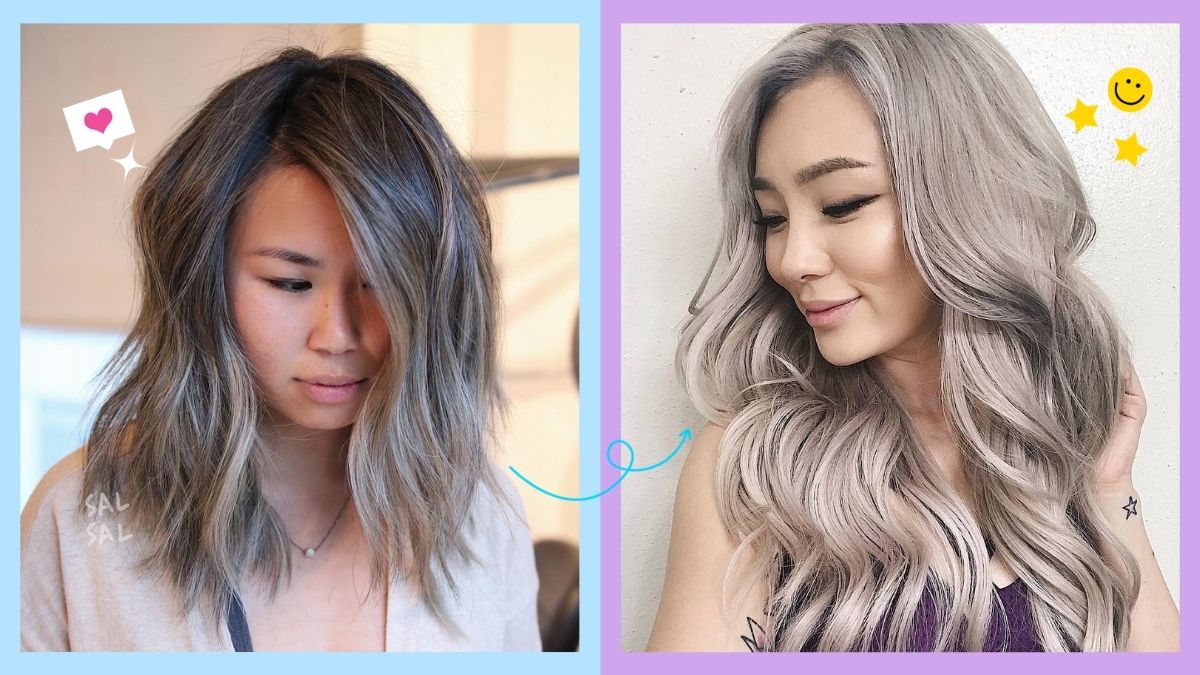
Platinum blonde is not a colour you ease into. It’s a commitment, a process, and when done right, one of the most striking hair transformations available. There’s a reason it has its own category separate from every other blonde. Nothing else catches light the same way, nothing else transforms a look as completely, and nothing else requires as much respect for what it takes to get there and stay there.
Go in knowing this: platinum is a journey, not an appointment. On most natural bases, getting to a true platinum takes more than one session, and the condition of your hair throughout that process depends entirely on how patient you’re willing to be.
1. Classic Ice Platinum
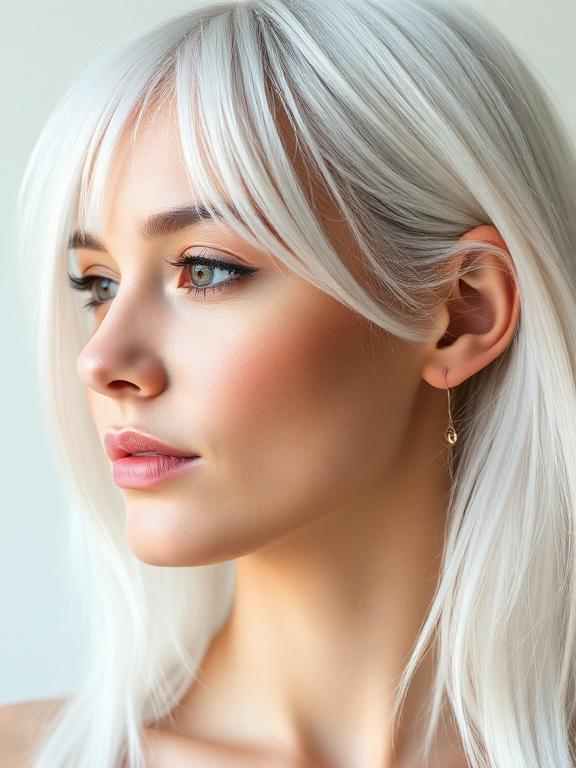
Classic ice platinum is the purest, coolest expression of the shade. Near-white with a slight blue or violet undertone that keeps it from looking yellow or warm, it’s the version of platinum most people picture when they imagine the colour at its most striking. On longer hair it creates a dramatic, almost otherworldly effect. On shorter cuts it’s sharp and architectural.
The toner is what separates ice platinum from simply bleached hair. Ask your colorist for a violet-based toner applied after lifting to neutralise any remaining yellow and push the colour toward that true icy white. The toner needs refreshing every three to four weeks to maintain the ice quality as it fades back toward warmth.
2. Warm Platinum Blonde
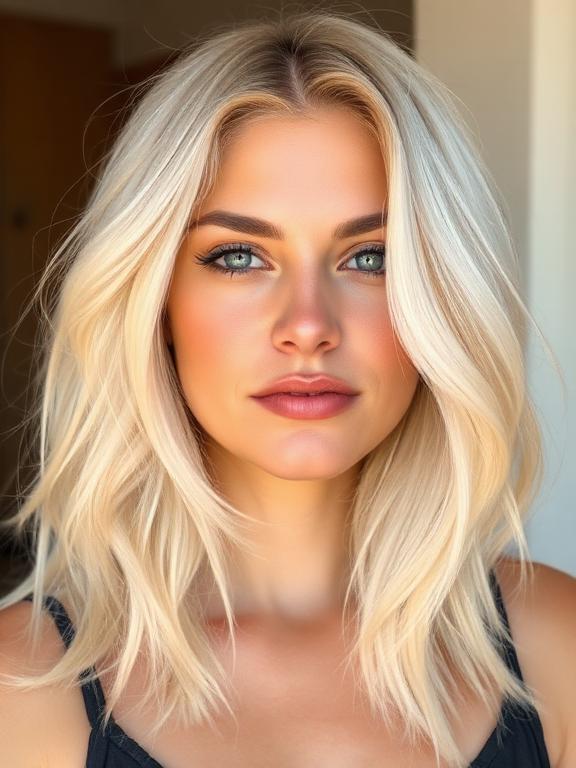
Warm platinum sits a shade or two away from classic ice platinum, with just enough golden or creamy undertone to soften the coolness without crossing into blonde territory. It’s a more wearable, more universally flattering version of platinum that suits warm and olive skin tones significantly better than the icy blue-white version. The warmth takes the edge off without diluting the impact.
Ask your colorist for a neutral to slightly warm toner rather than a violet or blue-based one. The difference in the final result can be significant. A pale golden beige toner applied after lifting creates that creamy, soft platinum quality without any of the harshness that a fully cool toner can produce on warmer complexions.
3. Platinum Balayage
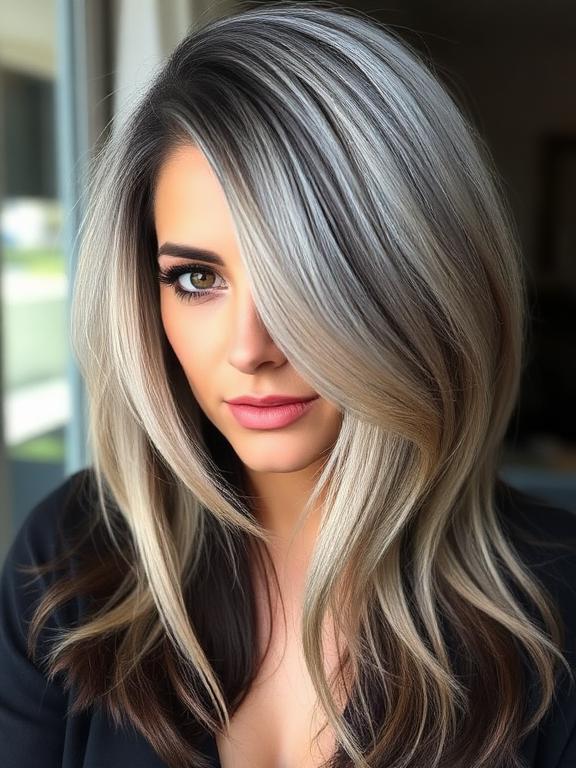
Platinum balayage keeps a natural or brunette base at the root and transitions into platinum through the mid-lengths and ends using a freehand painting technique. The result is high-impact platinum without the full commitment of an all-over colour, and the natural root shadow makes the grow-out significantly more manageable than a full platinum application. It’s the most low-maintenance way to wear platinum.
The contrast between the dark root and the platinum ends is significant, so the blending through the mid-lengths is critical. Ask your colorist to spend time on the transitional zone between the natural colour and the platinum pieces. A rushed or blunt transition looks like an unfinished grow-out rather than a deliberate balayage. The gradient is what makes this look expensive.
4. Platinum Bob
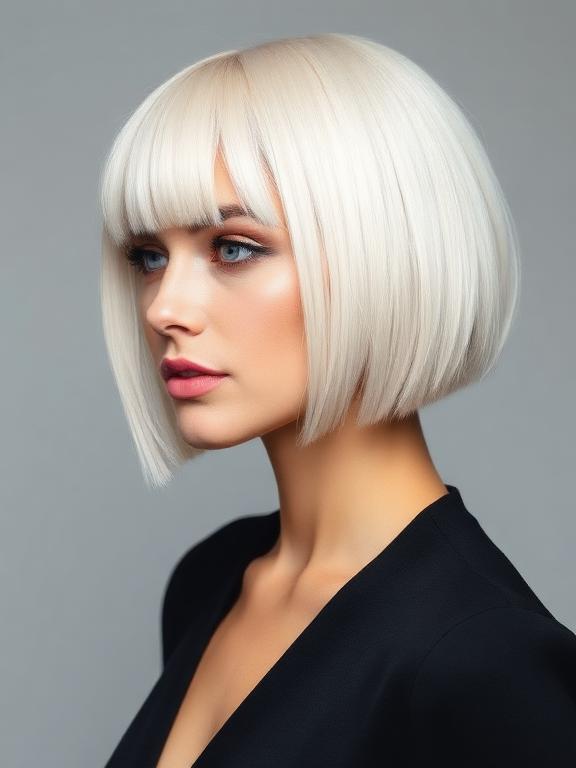
A platinum blonde bob is one of the most iconic hair combinations in existence. The clean, precise lines of a well-cut bob combined with the brightness of platinum create a look that is simultaneously classic and completely modern. The short length means less hair to maintain at this colour level and less weight to manage through the bleaching and toning process.
The cut needs to be impeccable when you’re wearing platinum on a bob. Any unevenness in the line or shape shows up immediately against the bright colour. Schedule a trim every five to six weeks rather than every eight to keep the bob looking sharp. Platinum that grows out on a bob loses its shape faster than any other combination on this list.
5. Platinum Pixie Cut
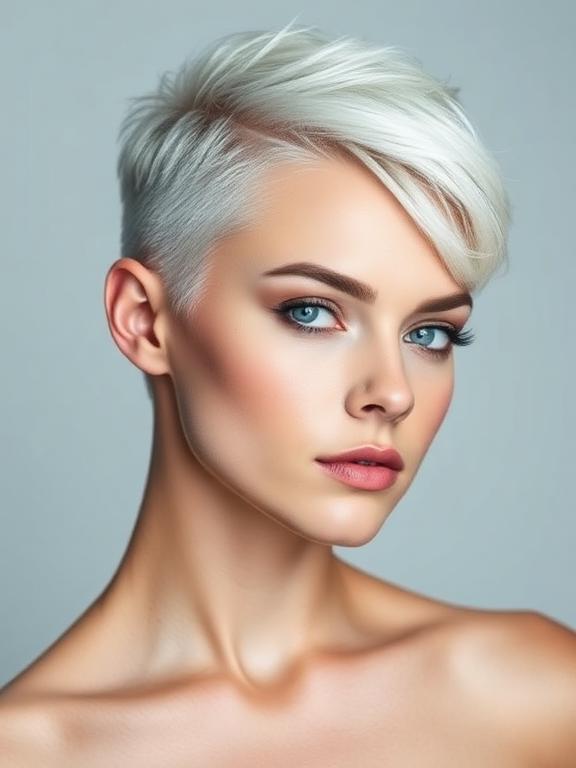
Platinum on a pixie is bold, androgynous, and genuinely unforgettable. The contrast between the close-cut shape and the bright, near-white colour creates a striking graphic effect that very few other colour and cut combinations can match. It’s the most committed version of platinum on this list because the short length means the colour covers almost every visible strand.
One practical advantage of platinum on a pixie: less hair means less bleach, less processing time, and lower cost per appointment. The trade-off is that the colour shows every shade shift and every tonal change more visibly than longer styles. Root touch-ups every three to four weeks are necessary to maintain the seamless platinum effect on a pixie.
6. Platinum With Shadow Root
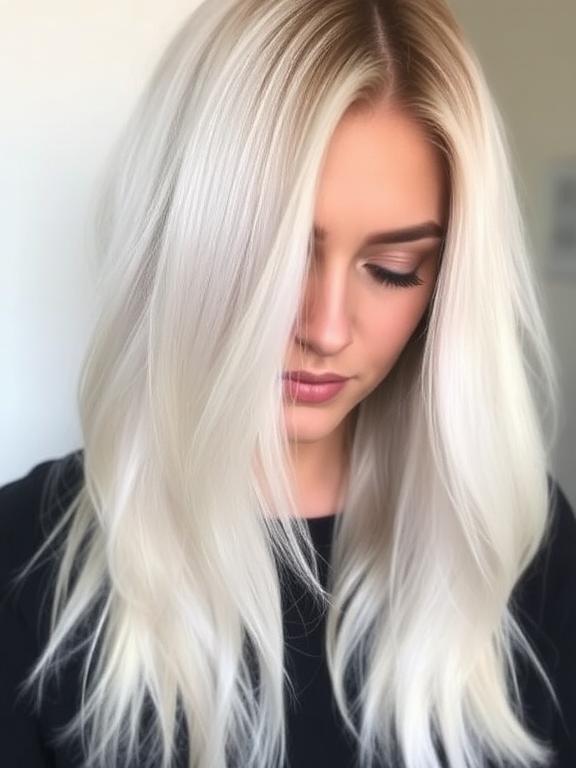
A shadow root on platinum hair keeps a slightly darker, natural-toned section at the scalp that melts softly into the platinum through the lengths. It removes the pressure of constant root maintenance and gives the overall look a dimensional quality that all-over platinum sometimes lacks. The shadow root also frames the face more softly than a stark platinum-to-scalp application.
Tell your stylist you want the shadow root to be warm rather than cool. A cool or grey shadow root against platinum lengths can look ashy and flat. A warm brunette or golden shadow root against platinum creates a contrast that is rich and intentional rather than simply unfinished.
7. Platinum Highlights On Blonde
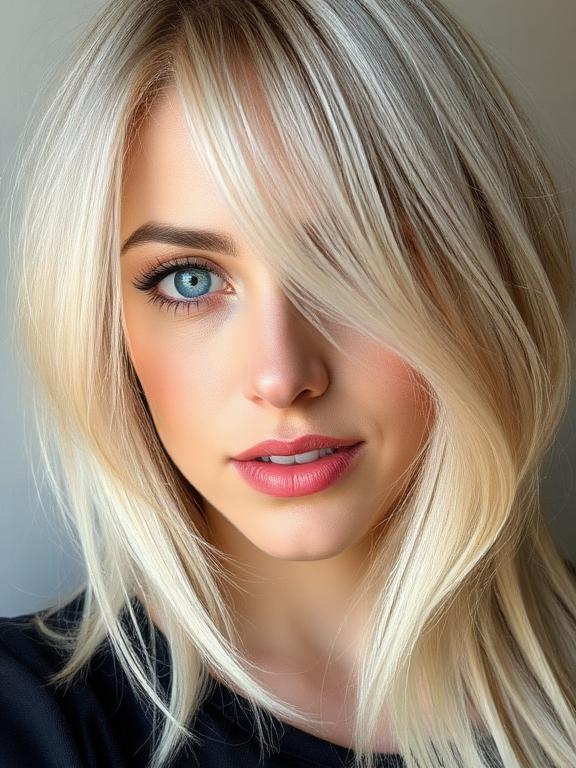
Adding platinum highlight sections to an already blonde base creates a multidimensional, bright, and dimensional blonde result that sits a step above standard highlights. The platinum pieces are significantly lighter than the blonde base, which gives the overall colour a brightness and complexity that is much harder to achieve with highlights all at the same tone.
Ask for platinum pieces concentrated through the top sections and face frame where they’ll catch the most light. Platinum highlights buried through the back or under-layers have minimal visible impact in most lighting. The placement of the lightest pieces is what creates the overall brightness and dimension of the finished colour.
8. Platinum On Dark Skin Tones
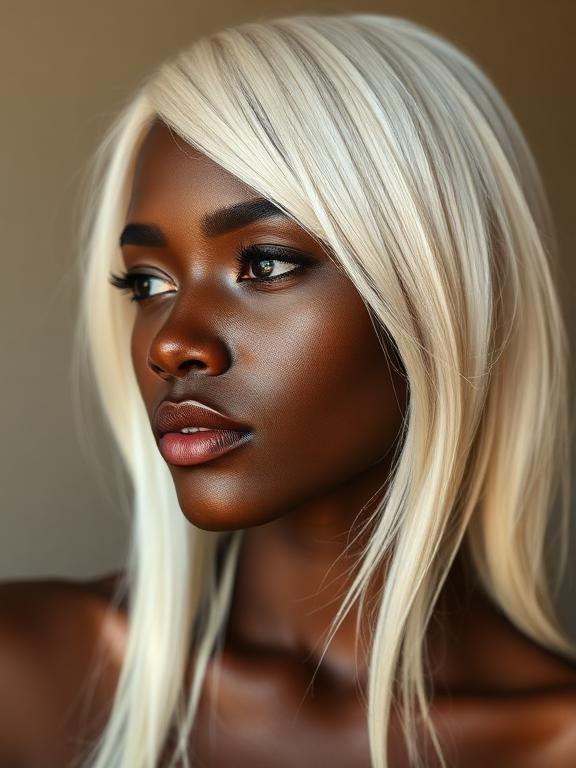
Platinum blonde on deeper skin tones is a combination that more people should try. The contrast between the near-white hair and a rich, deep complexion is genuinely stunning and more flattering than cooler, paler blondes are sometimes assumed to be on deeper skin. The key is choosing the right tone of platinum to complement rather than clash with warm or cool undertones in the skin.
Warmer skin tones typically suit a creamy or warm platinum better than an icy blue-white version. Cooler or neutral deeper skin tones can carry the full ice platinum with striking effect. Ask your colorist to assess your skin’s undertone before choosing the final toner, since that single decision affects how flattering the platinum reads against your complexion more than any other choice in the process.
9. Platinum Ombre
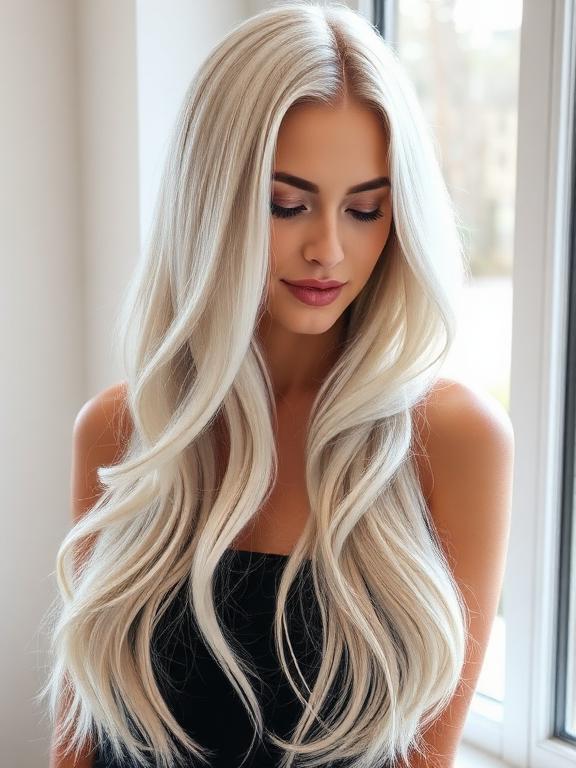
A platinum ombre creates a clear, graduated transition from a darker root to platinum ends, with the shift happening gradually rather than through freehand balayage placement. It’s a more structured, more dramatic gradient than balayage and works particularly well on medium to long hair where there’s enough length for the full gradient to develop and show properly.
The transition point is the most important decision in a platinum ombre. Too high and it starts looking like all-over platinum with dark roots. Too low and there isn’t enough platinum to create a real ombre effect. The transition starting at or just below the collarbone typically creates the most flattering and clearly defined gradient on medium to long hair.
10. Platinum With Pastel Toner
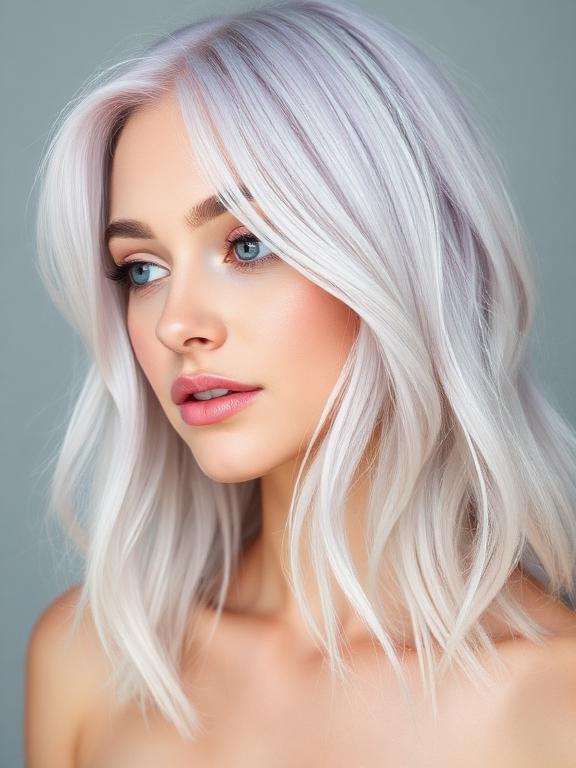
Applying a pastel toner over a platinum base adds a delicate wash of colour that transforms the near-white hair into something entirely unique. Lavender, baby pink, pale peach, and soft blue are the most popular pastel toner choices over platinum, and each one creates a completely different mood while maintaining the brightness and luminosity of the platinum base underneath.
Pastel toners over platinum are entirely temporary and fade beautifully. The colour washes out gradually over several weeks back to the platinum base, which makes them a low-commitment way to experiment with colour on an already lightened base. A colour-safe shampoo and cool water rinse extends the life of the pastel toner but even deliberate fading is gradual and flattering.
11. Platinum Waves
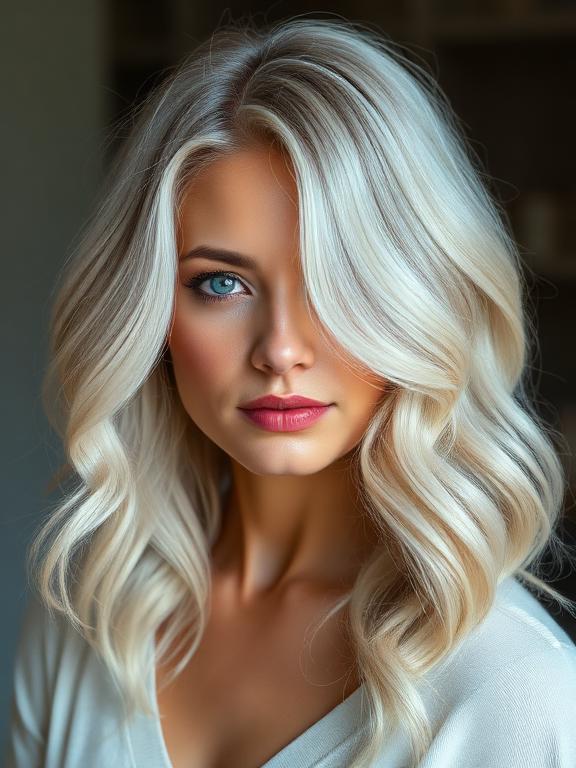
Loose, soft waves on platinum hair create a visual texture and movement that straight platinum doesn’t achieve. The waves catch light differently across each bend, which makes the colour look multidimensional and alive rather than flat and uniform. On longer platinum hair specifically, waves are what separate a colour that looks stunning from one that just looks bleached.
Always use a heat protectant before any hot tool styling on platinum hair. Platinum is the most processed of all blonde shades and the most vulnerable to heat damage. A lightweight heat protectant spray rather than a heavy cream is the better choice for platinum since heavy products can dull the brightness and add visual weight to already light, fine strands.
12. Platinum On Natural Curls
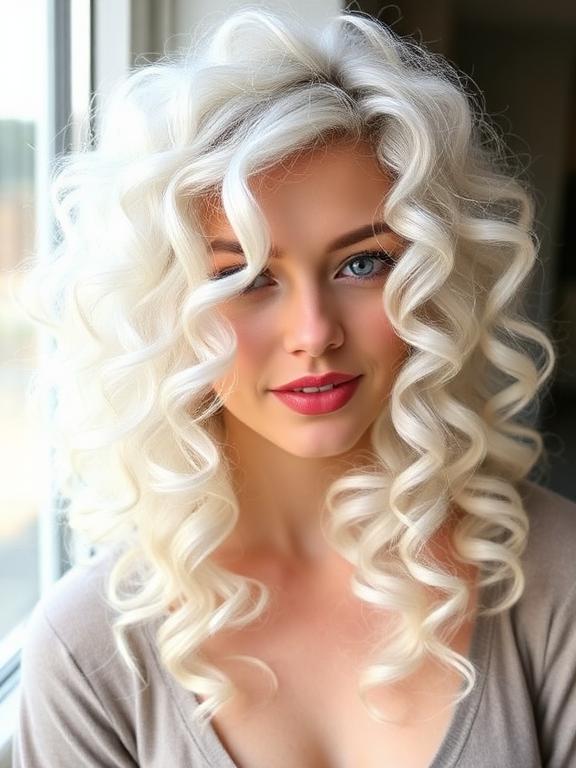
Platinum on natural curls is a genuinely breathtaking combination. The colour wraps around each curl differently, catching light from multiple angles in a way that creates a near-luminous effect. On tighter curl patterns especially, platinum creates a visual drama and brightness that is unlike anything the same colour achieves on straight hair. It’s a transformative combination.
Curly hair requires extra moisture support at platinum level because the bleaching process removes significant natural moisture from already naturally drier curl textures. A weekly deep conditioning treatment and a daily leave-in conditioner are essential rather than optional. Without consistent moisture, platinum curls become dry, brittle, and lose their definition quickly.
13. Platinum With Dark Roots
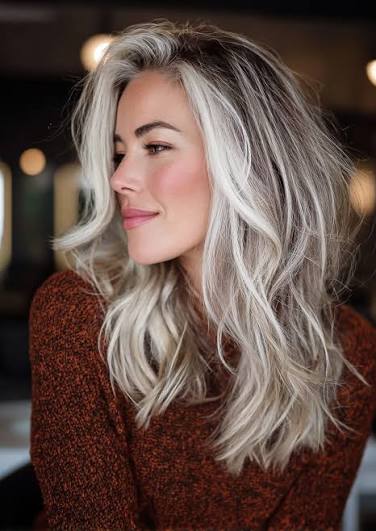
Deliberately kept dark roots against platinum lengths is one of the most popular and most flattering ways to maintain platinum colour without constant root appointments. The contrast is intentional rather than neglected-looking when the root shadow is clean and defined, and it gives the overall colour a dimension and depth that all-over platinum lacks by definition.
The key word here is deliberate. The root needs to look like a choice, not a grow-out. Ask your colorist to create a clean, softly defined shadow at the root rather than leaving it to grow naturally and unevenly. A root shadow touched up every six to eight weeks keeps it looking intentional while the platinum lengths are maintained and toned more frequently.
14. Short Platinum Lob
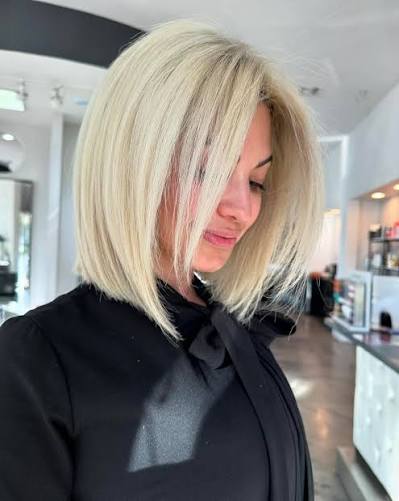
A platinum lob sits at that collarbone-to-shoulder length that works beautifully with this colour level. Long enough to style in multiple ways, short enough that the bleaching and maintenance process covers less hair and costs less per visit than longer platinum styles. On fine hair particularly, the lob length suits platinum well because less length means less weight and less gravity pulling the processed strands down.
Platinum at lob length benefits significantly from volumising styling techniques since bleaching often leaves hair finer and lighter in texture than before. A root lifting spray applied before blow drying and a large round brush used through the lengths creates the body and fullness that platinum lob hair can lose without deliberate volumising.
15. Platinum With Lowlights
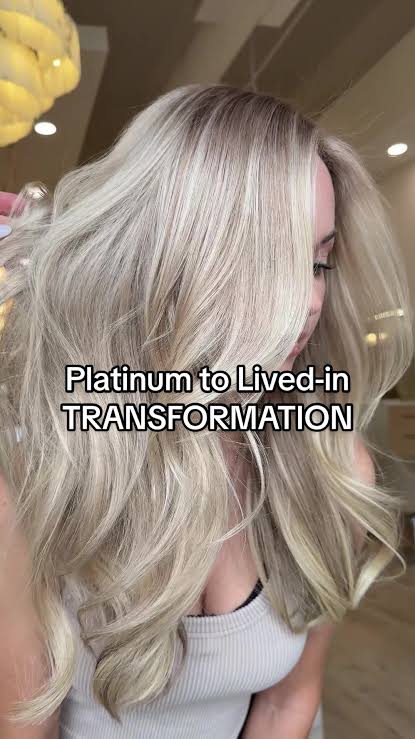
Adding a few carefully placed lowlights back into platinum hair prevents the colour from looking flat and one-dimensional. Even a small amount of slightly darker platinum or a pale silver tone woven through the lighter sections creates enough shadow and variation to make the overall colour look complex and considered rather than simply bleached throughout.
Keep the lowlights only one to two shades deeper than your platinum, using a pale silver or very light ashy blonde rather than anything that reads as brown or golden. Anything too dark or too warm immediately reads as an obvious added element rather than a natural part of the colour. The goal is the eye seeing overall dimension, not noticing specific sections.
16. Vintage Silver Platinum
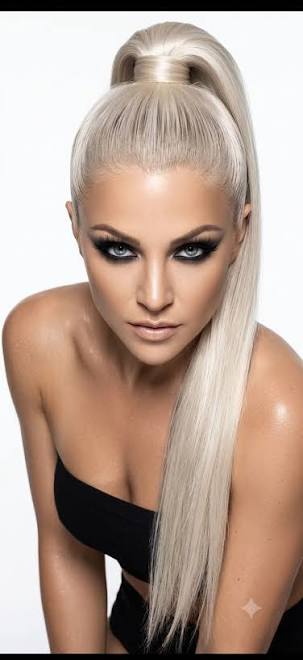
Vintage silver platinum leans more silver than white, with a cool, slightly metallic quality that references old Hollywood glamour more than modern icy blonde. It’s a sophisticated, considered version of platinum that suits a wide age range and reads as deliberate and elegant rather than trendy. In the right light it has an almost liquid, reflective quality.
A cool silver toner with a slight violet base creates the metallic quality rather than a standard platinum toner. The silver tone sits slightly deeper than ice platinum, which gives it more warmth paradoxically while still reading firmly cool. Glossing every three to four weeks keeps the metallic quality alive since silver toners fade faster than most toward a dull, muted warmth.
17. Platinum Blonde Money Piece
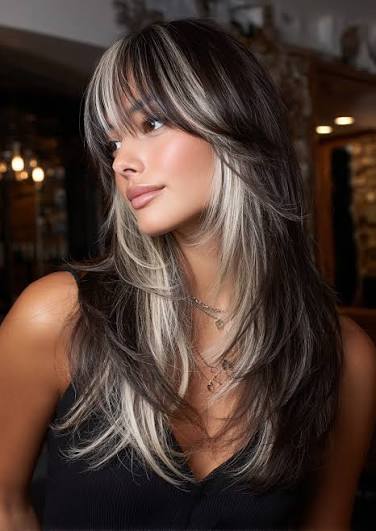
A bold platinum money piece against a darker base is one of the fastest and most impactful ways to introduce platinum into a colour without committing to a full application. The two bright sections framing the face create an immediate brightening effect on the complexion and a striking contrast against any base colour from light brunette to near-black.
The platinum money piece needs to be genuinely pale and true platinum rather than a lighter version of your natural colour to achieve the impact this style is built on. Anything less than a true platinum lift next to a dark base reads as simply a contrast highlight rather than the bold, face-framing statement that a money piece is supposed to deliver.
18. Platinum Grown Out To Blonde
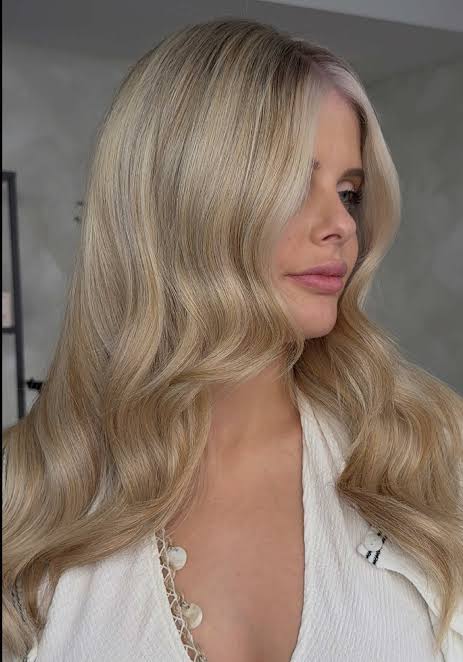
Allowing platinum to grow out and fade deliberately into a warmer blonde rather than maintaining the platinum level creates a beautiful, low-maintenance colour evolution that many platinum clients discover by accident and then choose intentionally. The warmth that emerges as platinum fades and grows is often more flattering and more manageable than the platinum itself.
This is the most maintenance-free option on the list because it requires no salon intervention through the grow-out phase. At home, swap the purple shampoo for a golden or honey-toned colour-depositing shampoo that enhances the warmth of the fade rather than neutralising it. The result is a naturally sun-kissed, grown-out blonde that looks entirely intentional.
FAQs
How many sessions does it take to achieve platinum blonde?
It depends entirely on your starting base. Light brown or naturally blonde hair can sometimes reach platinum in a single session. Medium to dark brown hair typically requires two to three sessions spaced four to six weeks apart. Black or very dark hair may need three or more sessions. Trying to reach platinum in one session on a dark base almost always results in damage, breakage, or an uneven orange result that is difficult to correct.
How do I maintain platinum blonde at home?
A purple or blue toning shampoo used two to three times a week is the foundation of platinum maintenance. Supplement with a deep conditioning mask every week, a daily leave-in conditioner, and a heat protectant before any styling tool use. Avoid hot showers since heat opens the cuticle and causes toner to fade faster. Cool or lukewarm water for every wash makes a measurable difference in how long the tone lasts.
Is platinum blonde damaging to hair?
It is the most damaging of all blonde processes because of how high the lift needs to be to reach a true platinum. Bond-building treatments like Olaplex or K18 used during every bleaching session significantly reduce the damage. The condition of your hair going into the process matters enormously. Hair that is already damaged, over-processed, or compromised from previous colour is not a good candidate for platinum without a period of recovery first.
What skin tones suit platinum blonde best?
Platinum suits a wider range of skin tones than most people assume. Fair and cool skin tones typically suit classic ice platinum best. Warm and olive skin tones suit warm or creamy platinum better than the icy version. Deeper skin tones can carry both, with the tone of the platinum adjusted to complement the undertone of the complexion. The key is always toner selection rather than assuming platinum only works on fair skin.
Wrapping Up
Platinum is one of those colours where the preparation, the process, and the aftercare matter as much as the colour itself. Every idea on this list is achievable, but the condition of your hair when you get there determines how long you can enjoy it and how good it looks while you do.
Find a colorist who specialises in platinum work specifically, not just blonde, and book a consultation before any appointment. The right professional makes the difference between platinum that looks extraordinary and platinum that looks like a cautionary tale.