18 Dark Hair Color Ideas
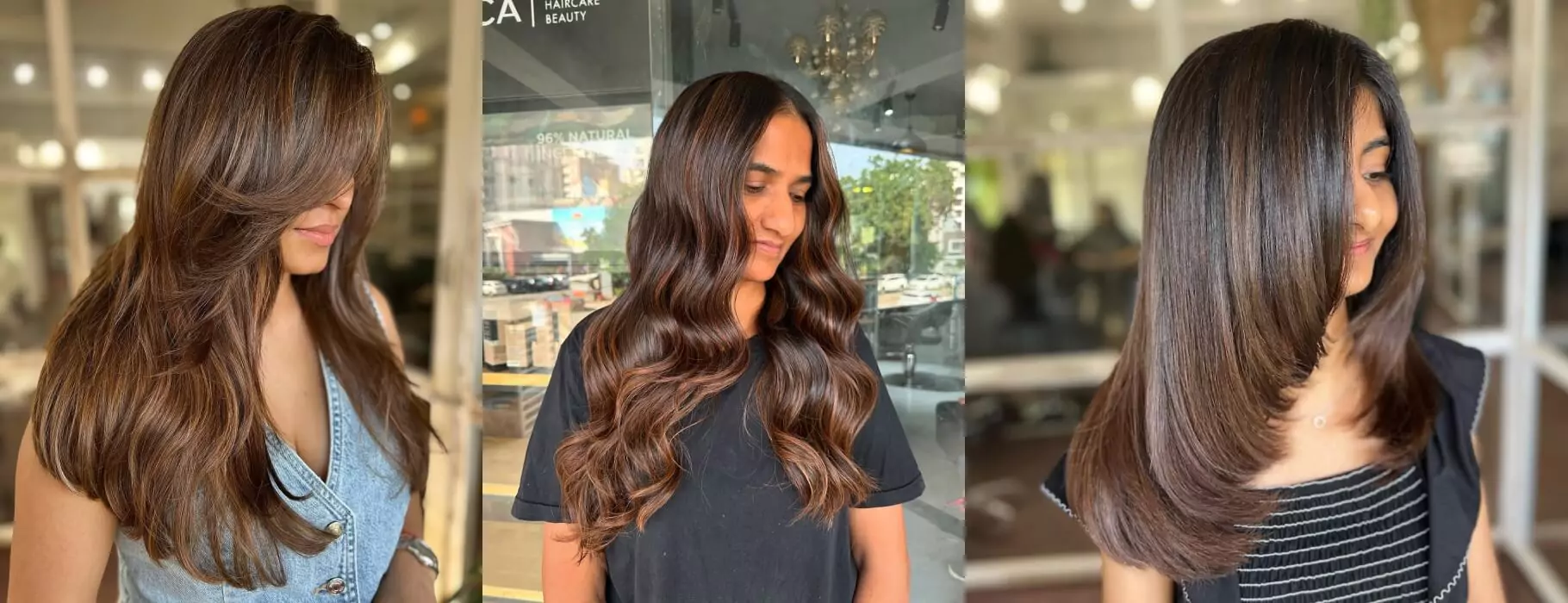
Dark hair has a richness and depth that lighter colours often try to imitate. The way a deep brunette or rich black catches light, the dimension that naturally lives inside dark hair when it’s healthy and well-coloured, the sheer versatility of working with a dark base. None of that needs to be traded away for something lighter.
The single most impactful thing you can do for dark hair colour is invest in a gloss treatment at every appointment. Dark colour without a gloss finish looks flat compared to dark colour with one. The gloss is what gives deep shades that mirror-like shine that makes them look genuinely expensive.
1. Blue Black Hair
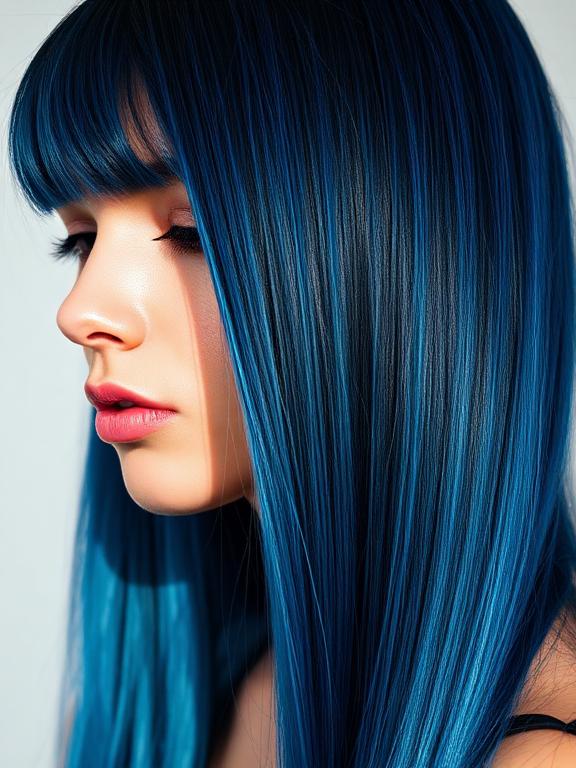
Blue black is exactly what it sounds like: a near-black base with a deep blue undertone that reveals itself in direct light. In low light, it reads as a rich, pure black. In sunlight or bright artificial light, the blue dimension becomes visible, giving the colour a cool, almost otherworldly depth that flat black simply doesn’t have. It’s one of the most striking dark colour options available.
Ask your colorist for a blue-based demi-permanent or permanent colour applied over your natural or existing dark base. On already dark hair, this doesn’t require any lifting, which makes it one of the least damaging dark colour options on this list. Use a colour-safe sulfate-free shampoo and rinse with cool water to maintain the blue dimension between appointments.
2. Espresso Brown
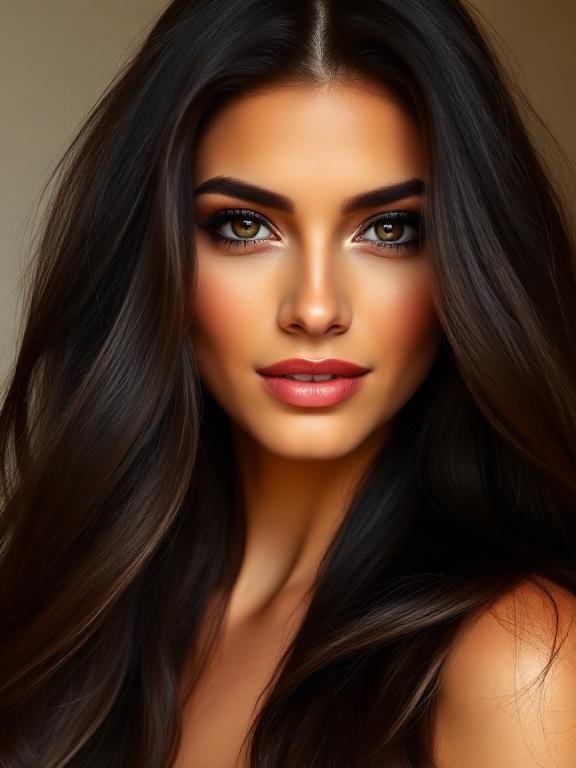
Espresso brown is a deep, near-black brown with warm undertones that stop it from reading as flat or cool. It’s the richest, deepest version of brunette available and works beautifully on warm and olive skin tones where the warm undertones in the colour interact with the warmth in the complexion. In natural light, it has a depth and luminosity that cooler dark shades don’t achieve.
A warm-toned gloss in a deep mahogany or chestnut base applied over espresso brown keeps the warmth alive between colour appointments. Without regular glossing, deep warm browns tend to fade to a flatter, cooler version of themselves over time. The gloss is less about changing the colour and more about maintaining the richness you paid for.
3. Chocolate Brown
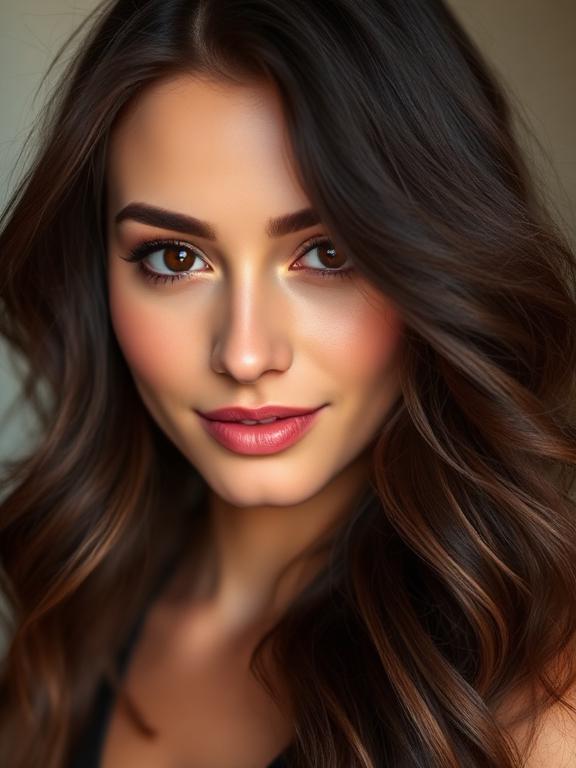
Chocolate brown sits lighter than espresso but still firmly in the deep brunette category. It has a warmth and richness that suits a wide range of skin tones and works as both an all-over colour and as a base for highlights or balayage. It’s one of the most versatile and consistently flattering dark colours available and one of the most natural-looking on medium to dark complexions.
Ask for a multi-tonal chocolate application rather than a single flat formula if you want the most dimensional result. Even within a single chocolate brown shade, asking your colorist to use two slightly different formulas through the roots versus the ends creates a variation that looks natural and expensive rather than uniformly dyed.
4. Midnight Blue
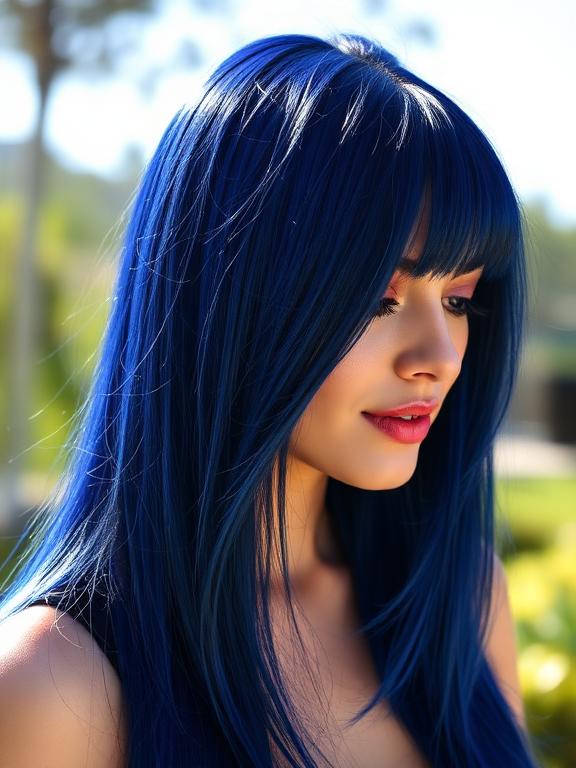
Midnight blue is darker and deeper than a standard blue black, sitting so close to black that in most lighting it reads as a very rich, very dark colour with only a hint of blue visible. The blue emerges most dramatically in direct sunlight or flash photography, creating a moment of unexpected colour in what otherwise appears to be a near-black shade. It’s a subtle but genuinely beautiful colour choice.
Maintain midnight blue with a blue colour-depositing shampoo used once a week to top up the blue pigment as it naturally fades. Without a depositing shampoo, the blue dimension disappears quickly and leaves behind a standard dark colour with none of the depth that made midnight blue worth choosing in the first place.
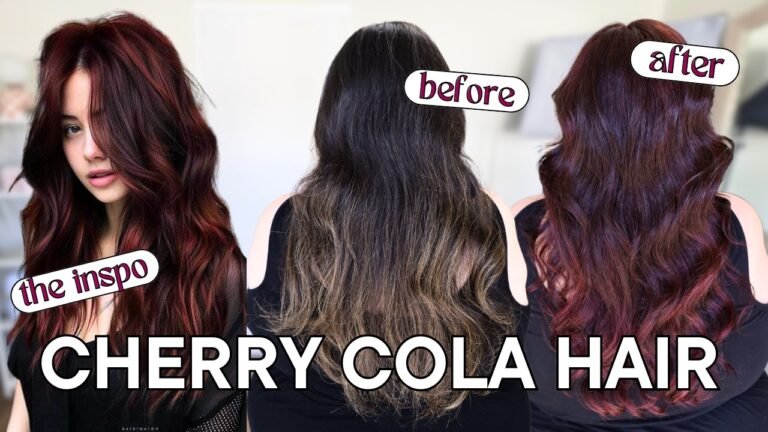
5. Dark Cherry Red
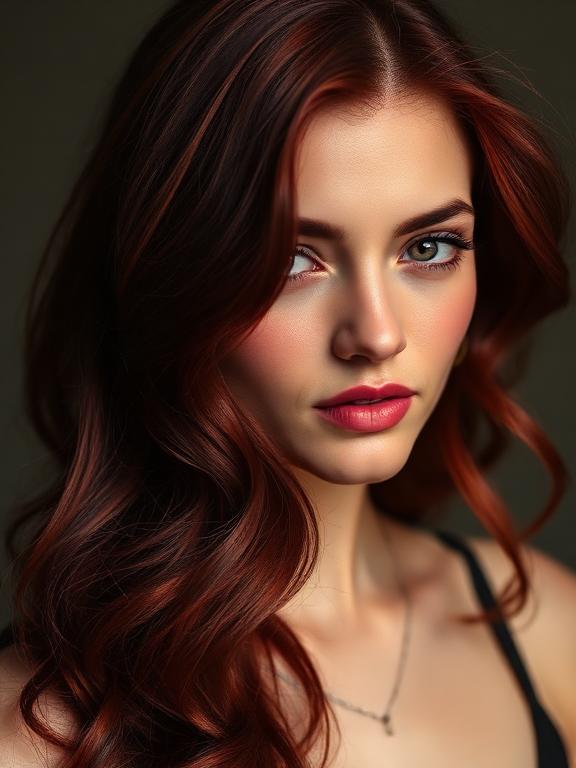
Dark cherry red is a deep, wine-adjacent red that reads as dark in most lighting while revealing its true colour in sunlight. It has a richness and warmth that brighter, more vivid reds don’t possess, and it suits a significantly wider range of skin tones than orange-adjacent reds. On dark brunette bases it adds a warmth and depth that changes the overall feeling of the colour without dramatically changing the darkness level.
Red pigment is the fastest fading of all colour families regardless of the depth of the shade. Wash with cool water only, limit washing to two to three times per week, use a red colour-depositing conditioner every ten days, and avoid prolonged sun exposure without a UV protectant. Those four steps together extend the vibrancy significantly more than any single product alone.
6. Soft Black With Brown Undertones
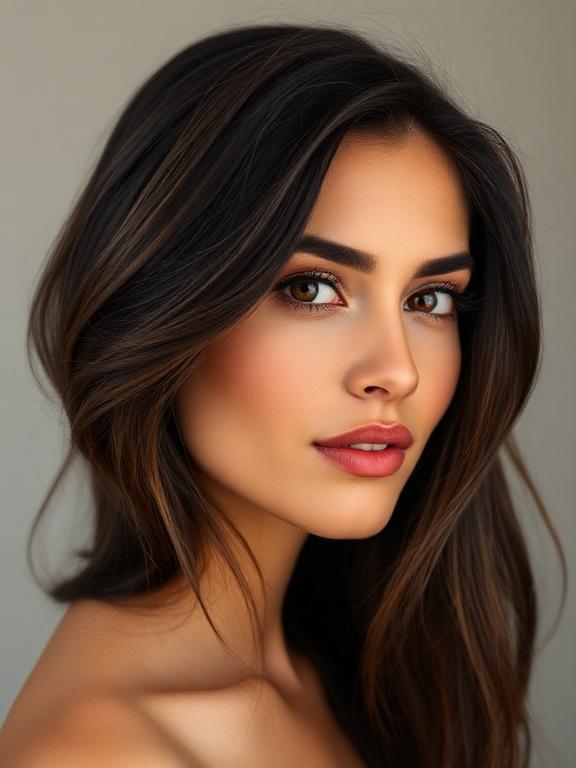
A soft black with warm brown undertones is the most flattering and most universally wearable version of black hair colour. It avoids the harshness of a pure blue or cool black against skin tones that have any warmth in them while still reading as genuinely dark and dramatic. It’s sometimes called a natural black because it mimics the warmth present in most naturally black hair.
This is an especially good choice if you’ve tried pure black before and found it too harsh or draining against your complexion. Ask your colorist specifically for a warm-based black formula rather than a neutral or cool one. The difference in formula is small, but the difference in how it reads against your skin tone can be significant.
7. Mushroom Brown
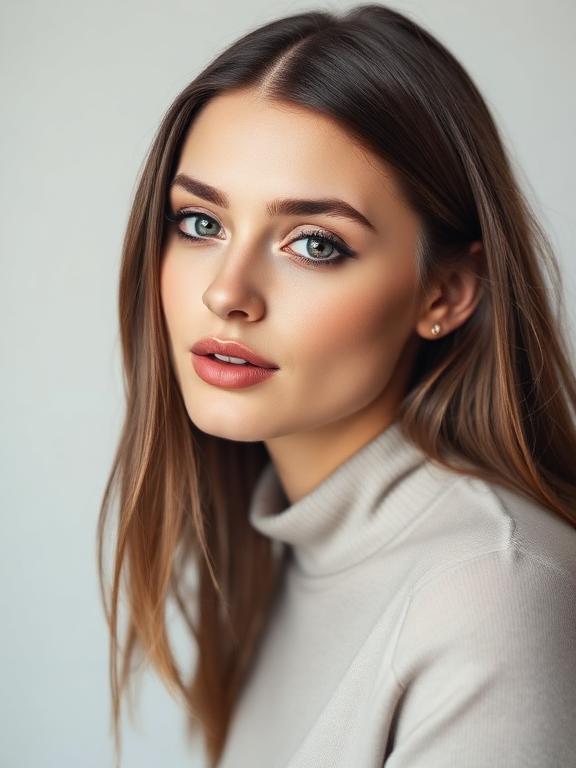
Mushroom brown is a cool, slightly ashy, muted brown that sits in an interesting tonal space between warm brunette and grey-adjacent cool tones. It has a sophisticated, understated quality that warmer browns don’t offer and photographs with a particularly beautiful, almost editorial quality. It suits cool and neutral skin tones most naturally.
The toner is the defining step for mushroom brown. A cool, slightly grey-beige toner applied over a medium brown base is what creates the mushroom quality rather than a standard cool brown. Ask your colorist specifically for a muted, ashy beige tone at the final step. The same lift with a warm toner produces an entirely different result.
8. Burgundy Hair
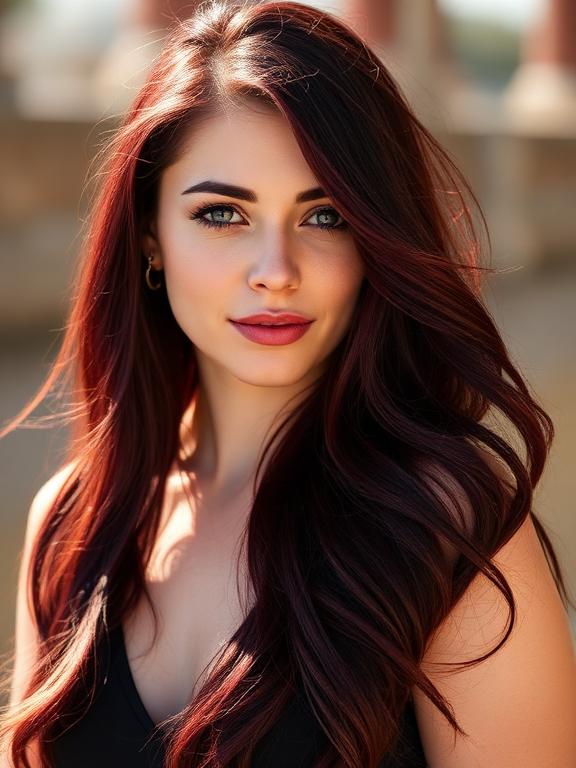
Burgundy sits where dark red meets deep purple, creating a wine-toned colour that is simultaneously bold and sophisticated. It’s deep enough to read as a dark colour in low light while revealing its warm, reddish-purple quality in brighter conditions. On dark brunette bases, it can be achieved with less lifting than lighter fashion colours, which makes it one of the more achievable bold colours on this list for darker starting points.
A burgundy or violet colour-depositing shampoo alternated with a regular colour-safe shampoo is the most effective way to maintain depth and vibrancy between salon visits. Use the depositing shampoo every third wash rather than every wash to avoid over-depositing and pushing the tone too purple or too saturated over time.
9. Dark Mocha Brown
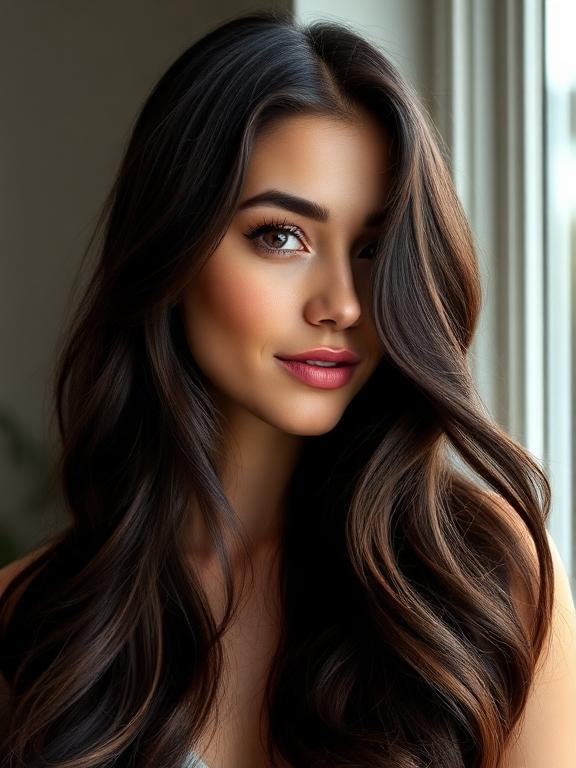
Mocha brown is a medium-dark brown with both warm and cool elements that give it a balanced, complex quality. It reads as neither warm nor cold but sits in a genuinely flattering neutral zone that works across a broader range of skin tones than either a purely warm or purely cool brown. It’s the most universally flattering shade in the dark brunette family.
Ask for a mocha toner applied as a gloss over your natural or existing dark brown base rather than a full colour application if your hair is already in the dark brown range. A gloss application takes significantly less time, causes less damage, and achieves the mocha quality beautifully on hair that is already in the right depth range. A full colour isn’t always necessary to shift the tone.
10. Raven Black
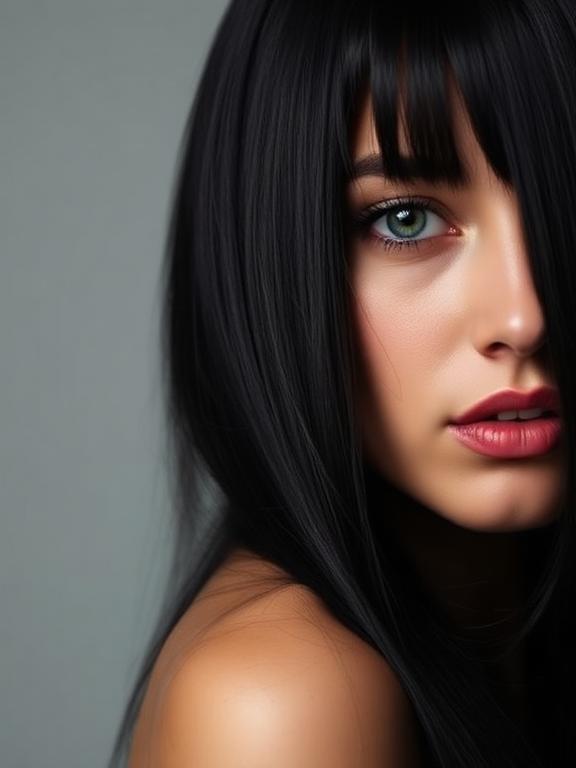
Raven black is the purest, most intense version of black hair colour available. No undertone, no dimension, no variation. Just a deep, absolute black that creates the most dramatic possible contrast against the skin. It’s a bold, uncompromising colour choice that suits people who want their hair to make an immediate, undeniable statement.
Pure black is also the most difficult to change your mind about. Because it uses the deepest, most saturated pigments, lifting raven black to any lighter colour requires significant processing. Before committing to a true raven black, be confident you want to stay dark for the foreseeable future or be prepared for a lengthy and multi-session correction process.
11. Dark Auburn
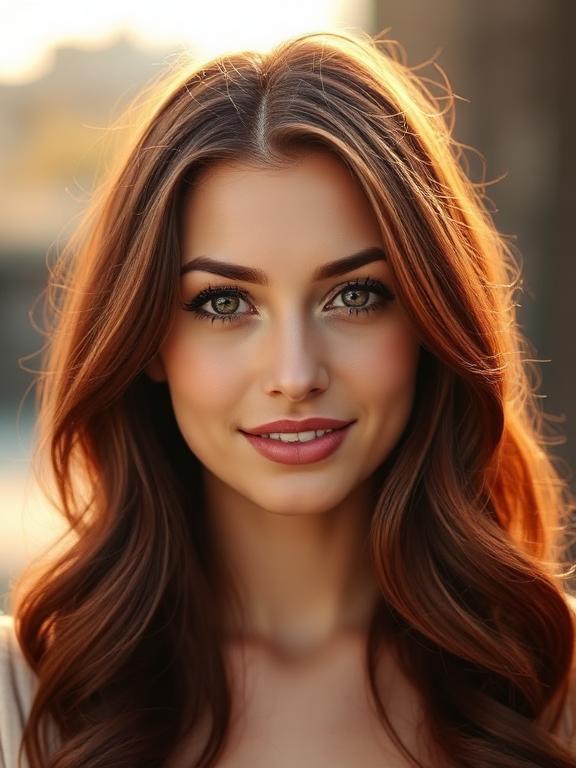
Dark auburn is a deep, rich red-brown that sits firmly in brunette territory while carrying enough red warmth to distinguish it clearly from a standard dark brown. It’s a colour that looks entirely natural on those with warm complexions and natural red undertones, and is significantly more interesting than a flat dark brown on almost everyone else. In golden or warm light it glows beautifully.
A colour-protecting red shampoo used every other wash is the most important maintenance step for dark auburn. The red pigment in auburn fades faster than the brown, which means unmanaged dark auburn gradually shifts toward a flat, unremarkable cool brown rather than the warm, rich shade you started with. Protecting the red is what keeps the auburn in dark auburn.
12. Plum Hair
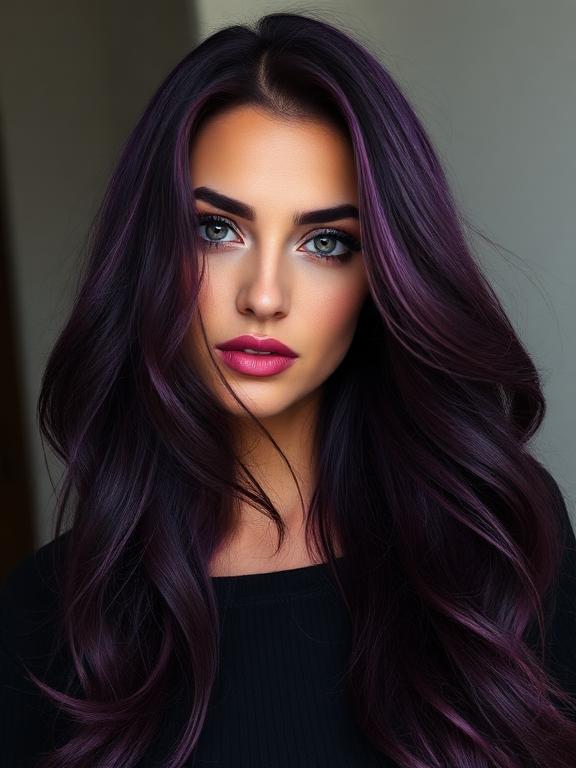
Plum hair sits deeper and more purple-adjacent than burgundy, with a cool, violet-toned richness that is striking and unexpected on dark bases. In low light, it reads as a very dark, slightly cool colour. In natural light, the purple dimension becomes visible and gives the colour a distinctly fashion-forward quality. It’s a bolder choice than burgundy but still dark enough to wear professionally in most environments.
Plum requires pre-lightening to at least a light brown to show its true colour accurately on dark natural hair. On unlifted dark hair, plum tones often deposit as a barely-visible sheen rather than a clear purple. Ask your colorist what lift level is needed for the plum to read correctly on your specific natural base before committing to the appointment.
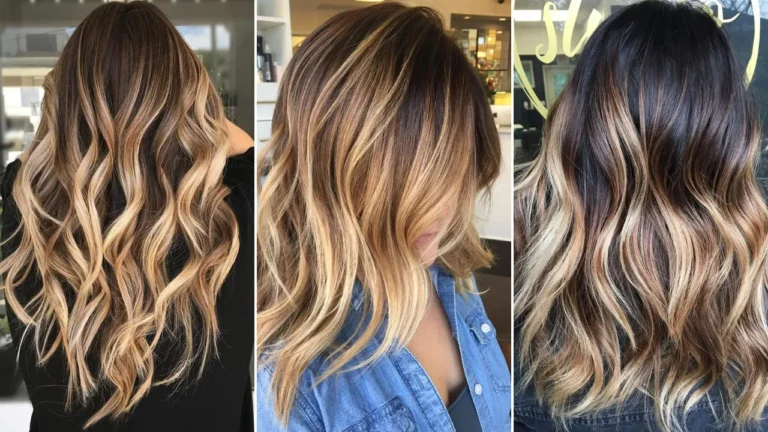
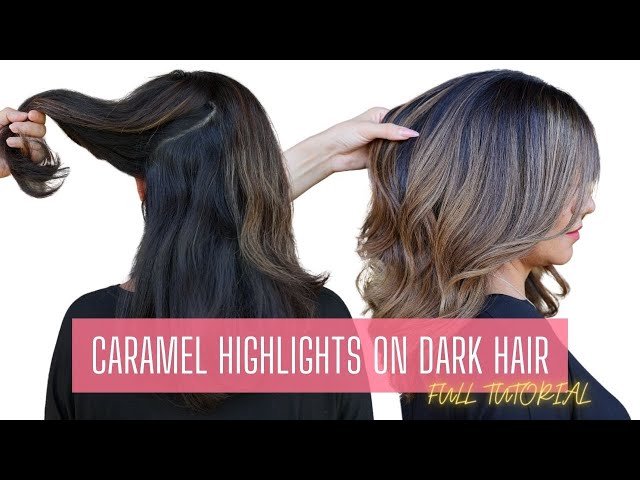
13. Dark Brunette With Caramel Balayage
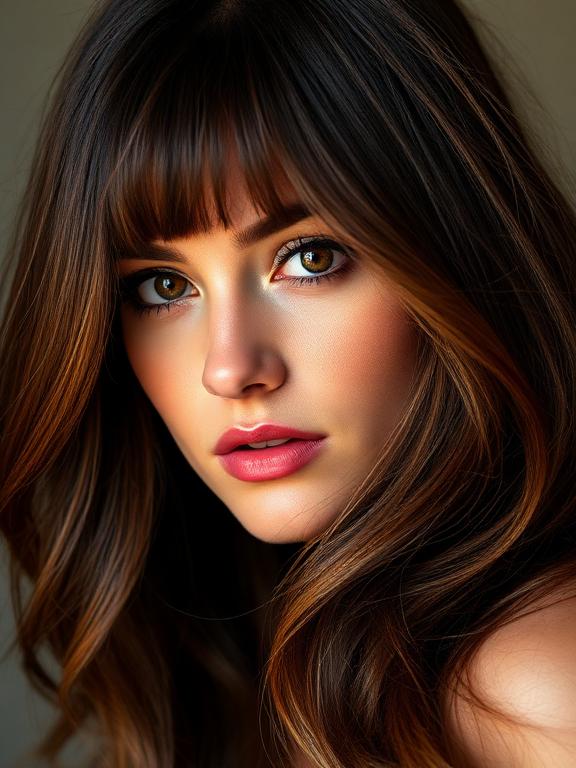
A rich, dark brunette base with warm caramel balayage pieces woven through is one of the most popular and most consistently flattering dark colour combinations available. The caramel pieces add warmth, dimension, and brightness to the dark base without lifting the overall darkness of the colour. In most lighting, the hair reads as dark. In direct light, the caramel pieces catch and glow beautifully.
Ask for caramel pieces concentrated through the face frame and the top sections where they’ll receive the most light exposure. Caramel buried deep in the layers at the back has minimal visible impact on the finished look. A caramel-toned gloss applied over the balayage at each appointment maintains the warmth and brightness of the pieces between full colour sessions.
14. Jet Black With Blue Balayage
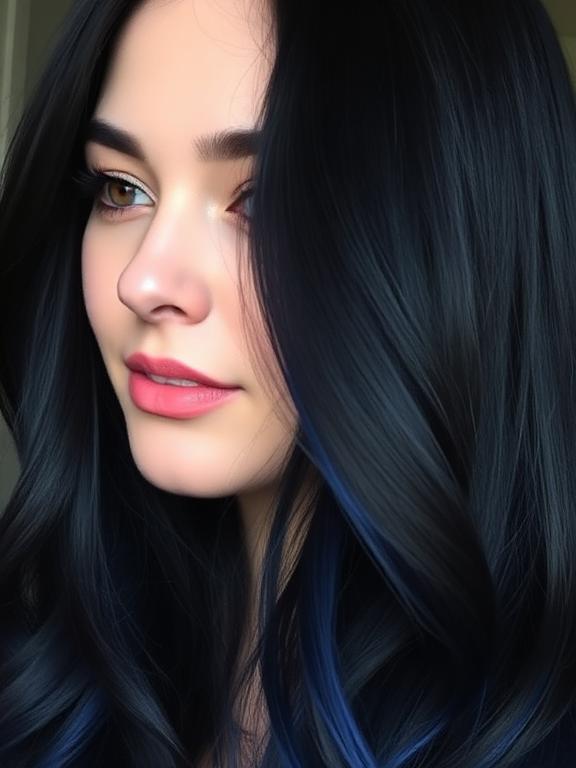
Jet black hair with deep blue balayage pieces woven through the lengths creates a colour that reads as richly dark with an unexpected cool dimension that only becomes visible as the hair moves and catches light. The blue pieces don’t lighten the overall darkness of the look but add a layer of complexity and cool depth that makes jet black hair look significantly more interesting than an all-over application alone.
The blue balayage pieces need to be applied to pre-lightened sections for the blue to deposit clearly. On unlifted jet black hair, even vivid blue toner has minimal visible impact. Ask your colorist about lifting the balayage sections to a light brown before applying the blue so the colour reads accurately once the hair is dark and dry.
15. Chestnut Brown
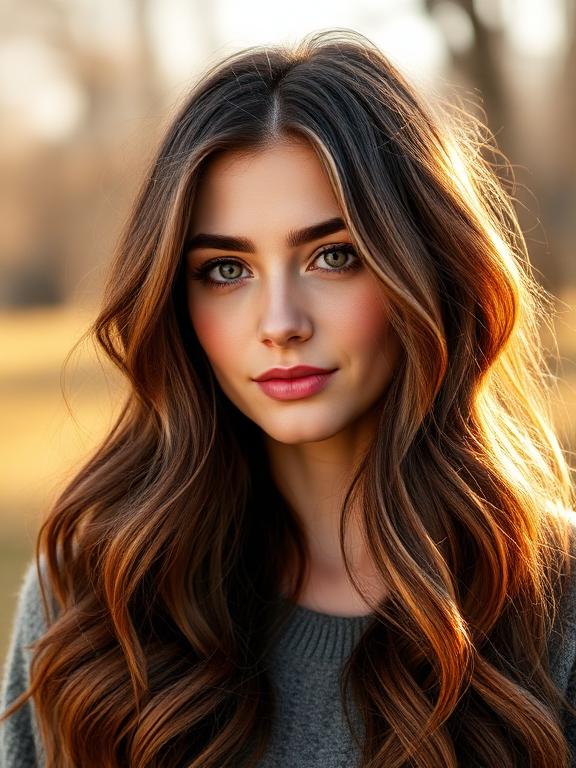
Chestnut brown is a warm, medium-dark brown with reddish undertones that give it a richness and warmth significantly different from a flat, cool brown. It’s one of the most natural-looking dark colour options because the warm red-brown combination closely mimics the tonal variation present in natural brunette hair. It suits warm and olive skin tones beautifully and looks particularly stunning in autumn light.
The reddish undertone in chestnut brown means it benefits from the same maintenance approach as auburn: a colour-protecting shampoo designed for warm or red-based brunette shades used every other wash. Without it, the red undertone fades first, leaving behind a flatter, cooler brown that lacks the warmth and richness that makes chestnut so flattering.
16. Dark Hair With Hidden Highlights
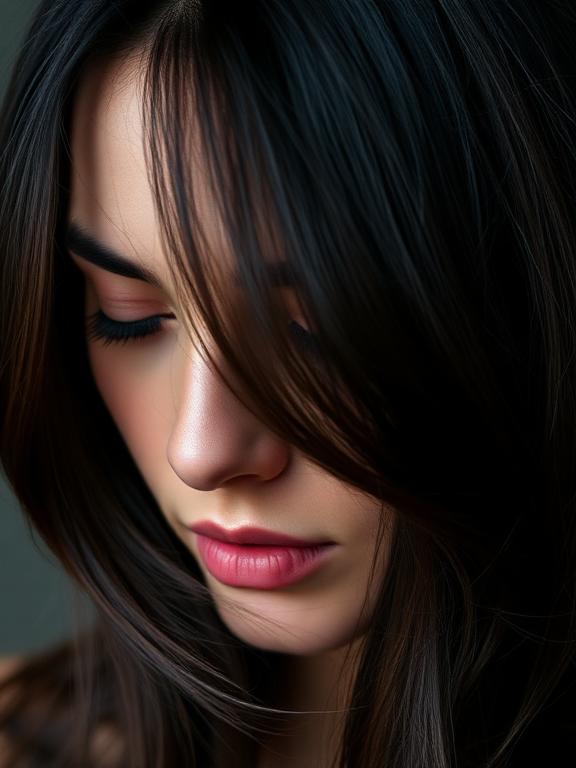
Hidden highlights placed underneath the top layer of dark hair create a colour detail that is invisible in everyday styling and only reveals itself when the hair moves, is worn up, or is parted in a particular way. It’s a subtle, personal colour detail that adds dimension and a touch of unexpectedness to dark hair without changing its overall appearance in the slightest. The colour is a secret that belongs to you.
Hidden highlights on dark hair can be any colour from a warm caramel to a vivid fashion tone. The underneath placement protects them from UV exposure and daily heat styling, which means they fade significantly more slowly than highlights worn on the surface. A deep conditioning treatment monthly keeps the lightened underneath sections in good condition through the hidden placement.
17. Dark Brunette With Red Gloss
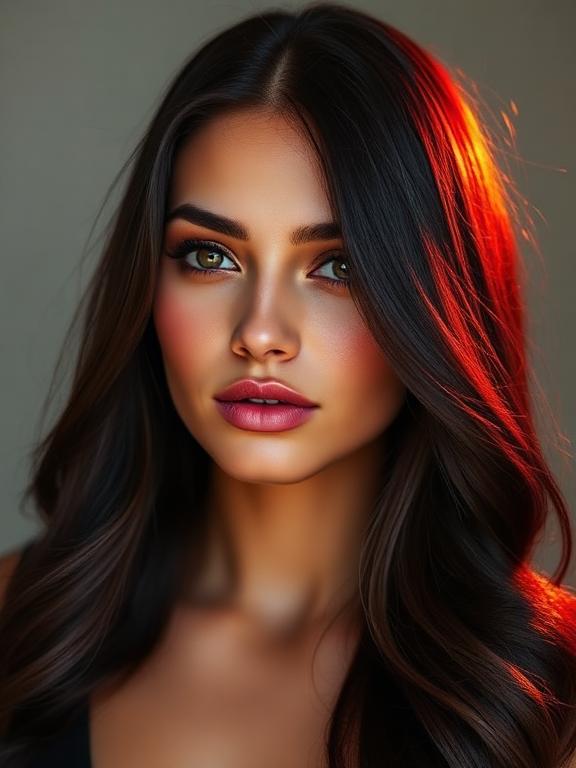
Applying a red-toned gloss over an existing dark brunette base is one of the most transformative and least damaging dark colour techniques available. The gloss doesn’t lift or change the depth of the colour. It simply adds a warm, red-adjacent tone to the surface that reveals itself as a warm glow in direct light and enriches the overall colour in a way that a standard neutral brunette gloss cannot match.
This is an ideal option for anyone who loves their dark brunette base but wants something warmer or more interesting without committing to a full red colour service. The gloss fades gradually over four to six weeks, and the hair simply returns to its natural brunette base as it does, with no demarcation line or grow-out to manage.
18. Smoky Brown
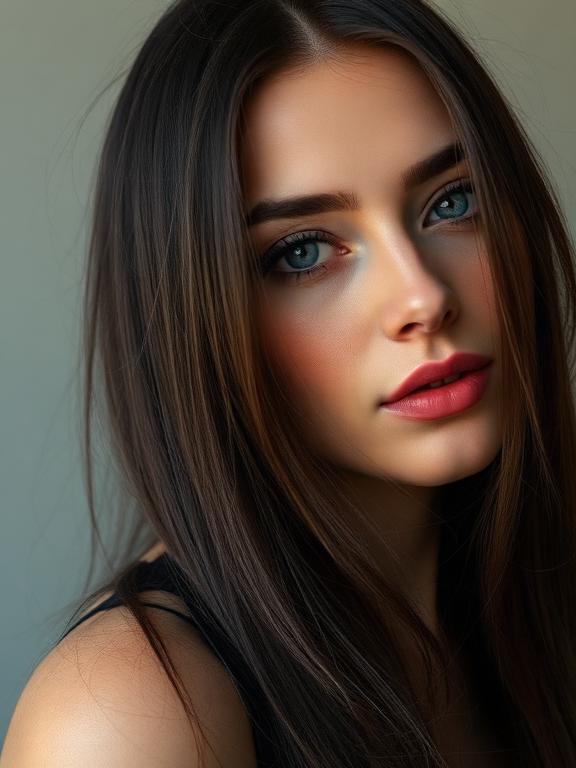
Smoky brown is a cool, slightly muted dark brown with an almost grey or charcoal quality to it that gives it an edgy, sophisticated, and genuinely unusual character. It sits in a similar tonal family to mushroom brown but is darker and with a slightly more dramatic coolness. It photographs with an almost cinematic quality in natural light and suits cool-toned and fair skin beautifully.
A cool grey-brown or charcoal-based toner applied over a dark base is what creates the smoky quality. Without the toner, the lifted or natural base will pull warm rather than smoky. Ask your colorist for a cool, slightly desaturated toner at the final step and follow up at home with a blue or violet toning shampoo once a week to maintain the cool, smoky dimension.
FAQs
Does dark hair colour fade the same way as lighter colours?
Dark colour fades differently rather than faster. It doesn’t show regrowth as obviously as lighter colours, but it does lose its depth and richness over time, shifting from a vibrant, dimensional dark to a flatter, duller version of itself. Regular gloss treatments and colour-safe products are what maintain the depth and prevent that flat, faded quality from developing.
How do I add dimension to dark hair without going lighter?
A multi-tonal colour application using two slightly different formulas, a warm or cool gloss over the top, or hidden highlights underneath are all ways to add dimension to dark hair without lifting the overall depth. Colour doesn’t have to go lighter to become more interesting. Tonal variation within the same depth range is often more flattering and more natural-looking than adding contrasting lighter pieces.
What is the best way to maintain dark hair colour vibrancy?
Wash in cool water, use a sulfate-free colour-safe shampoo, apply a gloss or toning treatment every four to six weeks, and use a UV protectant spray before sun exposure. Those four steps combined are more effective than any single expensive product. Heat styling without a protectant also accelerates colour fading on dark hair more than most people realise.
Can I go dark if I have previously lightened or bleached hair?
Yes, but the process requires care. Going dark over previously lightened hair can result in an uneven, patchy deposit if the hair’s porosity isn’t managed correctly first. A filler treatment applied before the dark colour helps the lightened sections absorb the new colour evenly. Ask your colorist specifically about a filler if your hair has been significantly lightened before applying a dark shade.
Wrapping Up
Dark hair done with intention is genuinely some of the most beautiful hair there is. Whether you’re deepening what you already have, adding a tonal shift with a gloss, or going as dark as possible with a raven black, the key is always in the finish. Gloss, condition, protect.
Take two or three of these to your next appointment and let your colorist guide you toward the one that suits your natural base and your skin tone most accurately. The right dark shade on the right person is a combination that needs absolutely nothing else.