17 African Braided Hairstyle Ideas
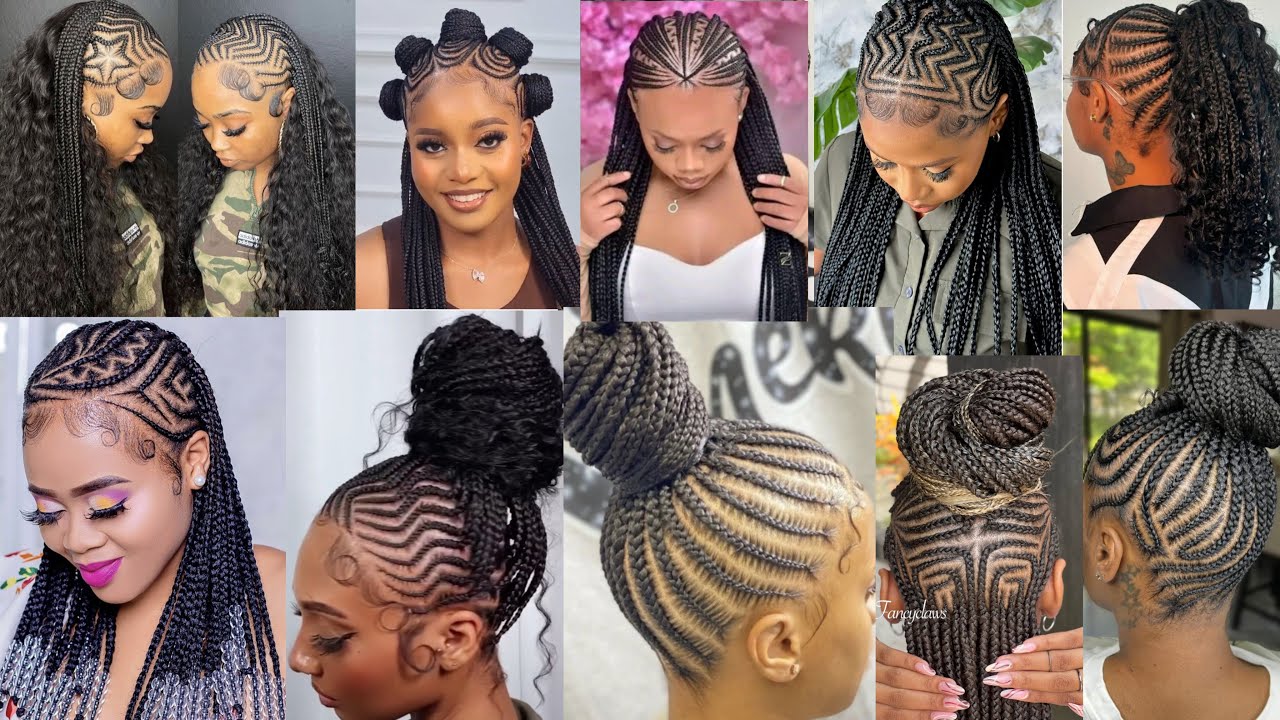
African braiding traditions carry centuries of cultural history, artistry, and identity in every single pattern and technique. These styles are not trends. They are a living, evolving expression of heritage that has influenced hair culture across the entire world and continues to do so with every new generation of braiders and wearers.
Before anything else: find a braider who respects both the cultural roots of these styles and the health of your natural hair. The two are not separate considerations. A skilled braider who understands tension, scalp health, and technique honours both the tradition and the person sitting in the chair.
1. Ghana Braids
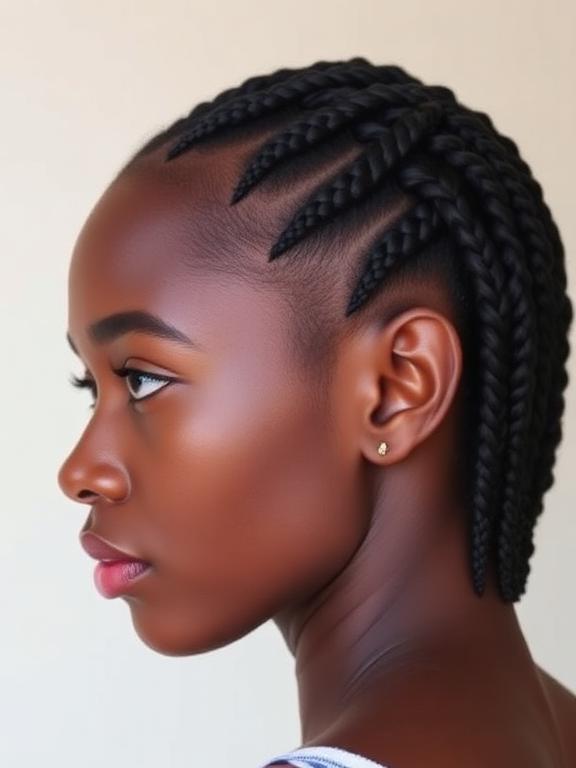
Ghana braids, also called invisible cornrows or banana braids, are feed-in cornrows that begin flat and small at the hairline and gradually increase in size as the braid travels toward the back of the head. The gradual size change creates a clean, sculpted appearance that has a graphic, almost architectural quality. The feed-in technique keeps the start of each braid flat and natural-looking without any visible knot or bulk at the hairline.
The feed-in technique is what separates Ghana braids from standard cornrows and what makes them so consistently beautiful at the hairline. Ask your braider specifically for feed-in rather than knotted starts. Keeping the initial tension at the hairline light and gradual rather than tight from the first stitch protects the edges through the wear period.
2. Senegalese Rope Twists
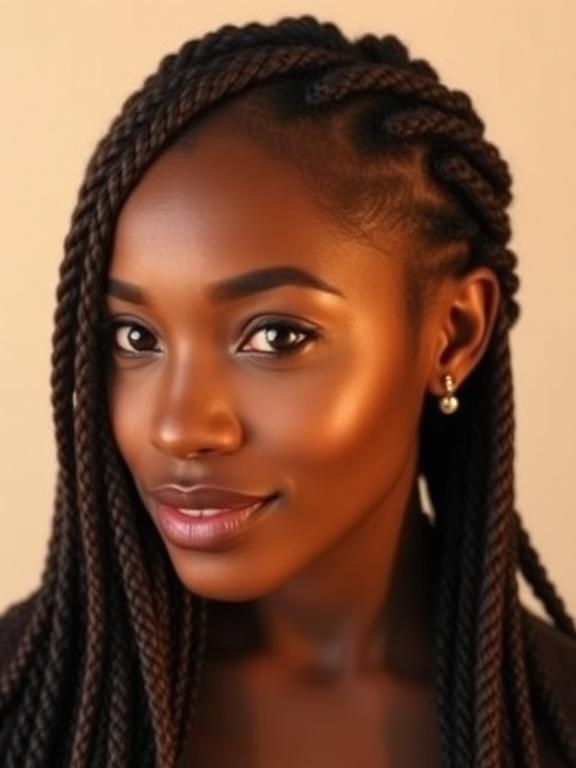
Senegalese twists use a two-strand rope twist technique with smooth, silky Kanekalon extension hair to create sleek, defined twists that have a polished, refined quality entirely different from textured twist styles. The smooth surface of the extension hair reflects light in a way that adds a natural-looking sheen to the finished style and gives it a versatility that suits both casual and formal settings equally well.
Install at a medium to large size for the most comfortable and flattering result. Very thin Senegalese twists, while beautiful, take significantly longer to install, add more individual tension points to the scalp, and require more maintenance to keep looking neat. Dipping the ends in hot water rather than using open flame seals them cleanly without risking damage to the extension fibre.
3. Fulani Braids
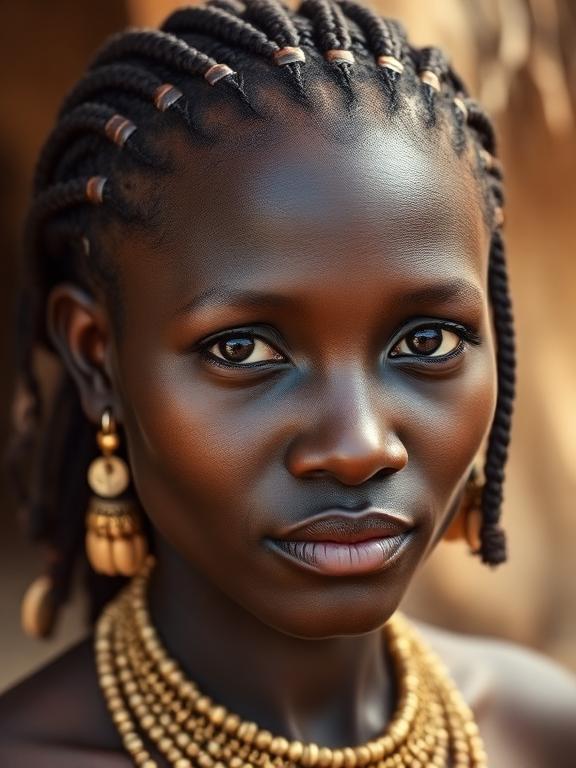
Fulani braids originate from the Fula people of West Africa and combine a centre or side cornrow along the top of the head with individual box braids or twists falling from the sides and back. Beads, cowrie shells, and thin metal rings are traditional adornments incorporated into the style that carry cultural meaning beyond decoration. The combination of flat cornrows and hanging braids creates a layered, dimensional style that is immediately recognisable.
The adornments are not optional embellishments but part of the cultural identity of the style. If you choose to wear Fulani braids, research the cultural context and approach the style with genuine respect for its origins. Ask your braider about the traditional elements and incorporate them meaningfully rather than decoratively.
4. Tribal Braids
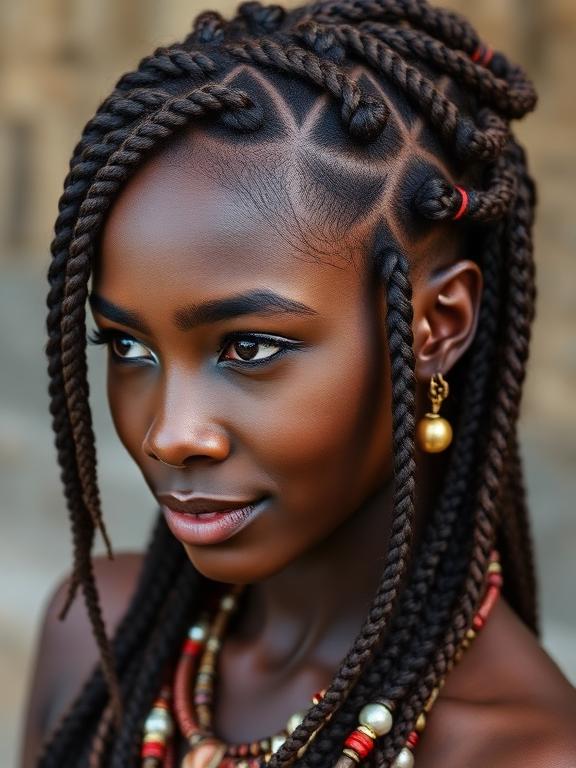
Tribal braids combine multiple braiding techniques in a single style, typically mixing cornrows, individual braids, and various adornments in a pattern that reflects specific cultural or regional traditions. The combination of techniques creates a complex, multidimensional style that is more intricate than any single technique alone. Each variation of tribal braids tells a different story depending on its specific pattern and origin.
Because tribal braids pull from specific cultural traditions, understanding the origin of the specific pattern you’re choosing matters. A skilled braider with deep knowledge of braiding traditions is the right person to guide that conversation. The pattern, the adornments, and the technique together carry meaning that goes beyond aesthetics.
5. Cornrow Updo
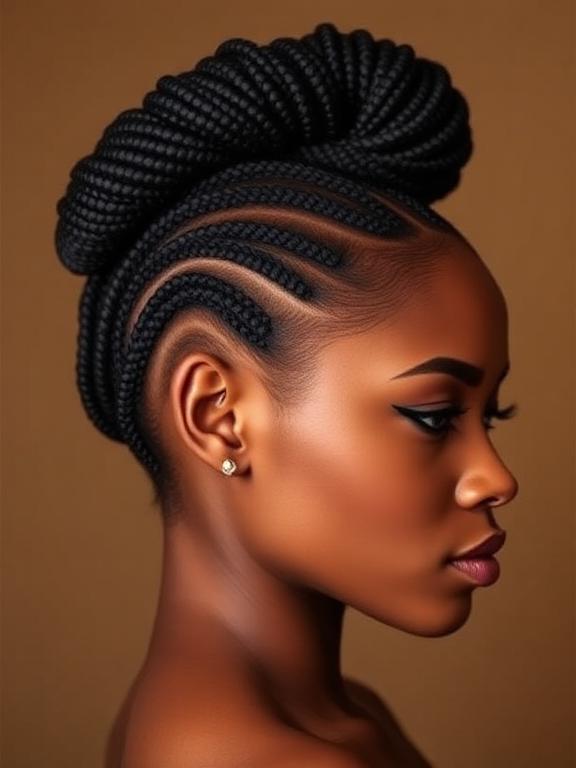
A cornrow updo takes flat, scalp-hugging cornrow braids and sweeps them upward into a structured updo at the crown or back. The result is an elegant, fully protective style that keeps all of the hair off the neck and face for extended periods with no daily restyling required. The pattern of the cornrows themselves can be as simple as straight-back rows or as intricate as curved, geometric, or swirling designs.
The design of the cornrow pattern is where a skilled braider’s artistry really shows. Curved or geometric cornrow patterns that follow the shape of the head create a significantly more beautiful and intentional result than simple straight-back rows. Discuss the pattern with your braider before they begin and look at examples of their previous cornrow updo work.
6. Goddess Braids
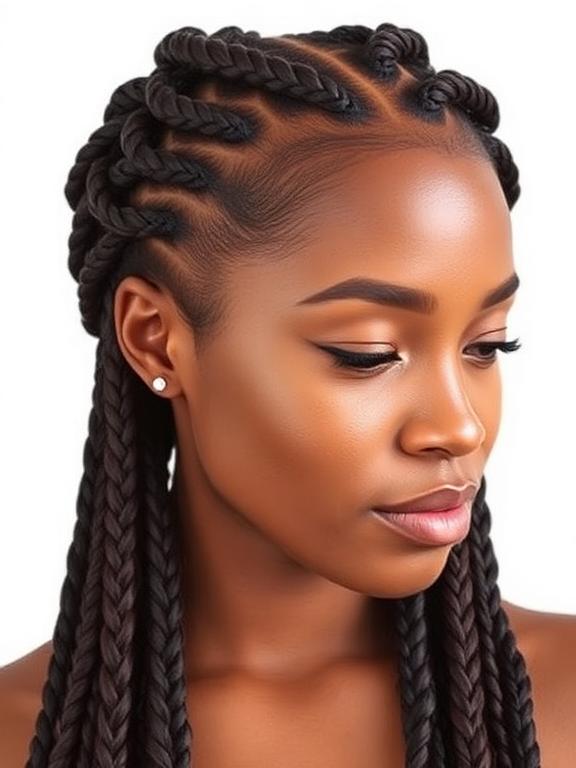
Goddess braids are large, chunky braids that lie flat against the scalp in a cornrow-style pattern but with a much fuller, rounder appearance than standard cornrows. The size of the braids gives them a bold, sculptural quality that commands attention without needing adornments. Wavy or curly extension hair incorporated at intervals through the goddess braid creates the bohemian, flowing quality that gives this style its name.
Ask your braider to keep the partings clean and precise even as the braids themselves are large and bold. Messy or uneven partings on goddess braids undermine the sculptural quality that makes the style so striking. The contrast between the clean parting and the bold braid is part of what makes a great goddess braid style stand apart.
7. Knotless Feed-In Box Braids
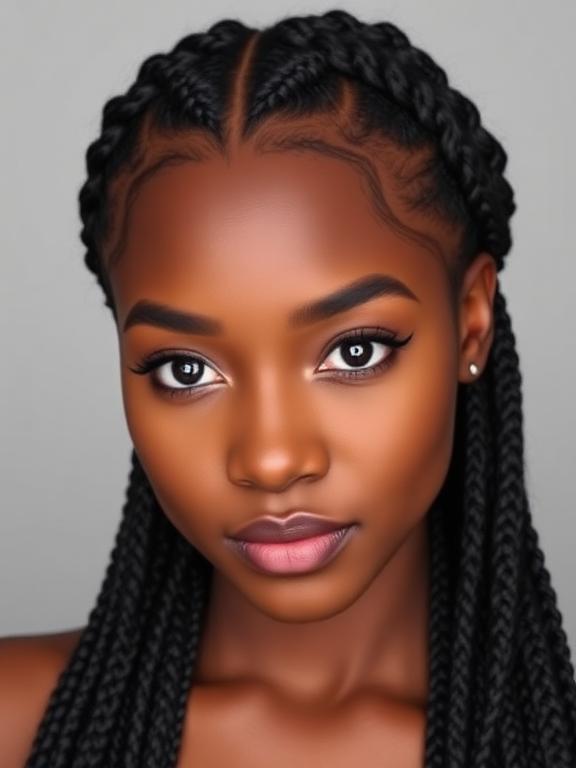
Knotless box braids use a feed-in technique at the root where the natural hair is braided first before extension hair is gradually added further down, eliminating the starting knot that sits at the scalp in traditional box braids. The result is dramatically reduced tension at the root from the moment of installation. For anyone with a sensitive scalp, thinning edges, or a history of traction alopecia, knotless feed-in is the most scalp-friendly box braid option available.
The gradual addition of extension hair is what creates the knotless effect, and this technique requires a braider who has genuine experience doing it correctly. A braider who rushes the feed-in process or adds too much hair too quickly at the root defeats the entire purpose of the knotless technique. Take time to find someone whose knotless work you can see in their portfolio before booking.
8. Bantu Knots
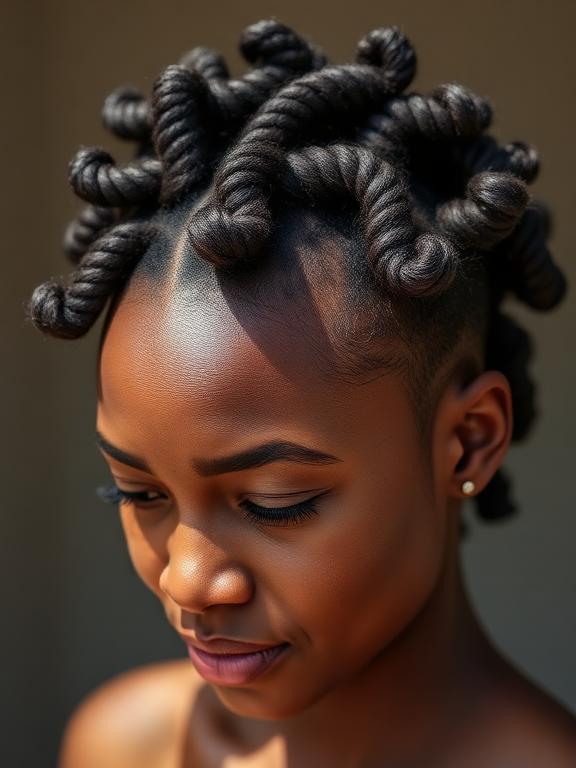
Bantu knots are small, coiled knots created by twisting sections of natural hair around themselves until they form tight, rounded shapes against the scalp. Originating from multiple southern and central African communities, Bantu knots are a deeply culturally significant style that also functions as a setting technique. Hair dried in Bantu knots and then released produces defined, spiral curls known as a Bantu knot-out.
The size of the sections determines the size of the knots and the tightness of the resulting curl pattern. Smaller sections produce tighter, more defined knots and a curlier knot-out. Larger sections produce bigger, looser knots and a softer wave when released. Apply a defining cream or twist butter to each section before coiling for maximum definition and hold in both the knot and the subsequent knot-out.
9. Lemonade Braids
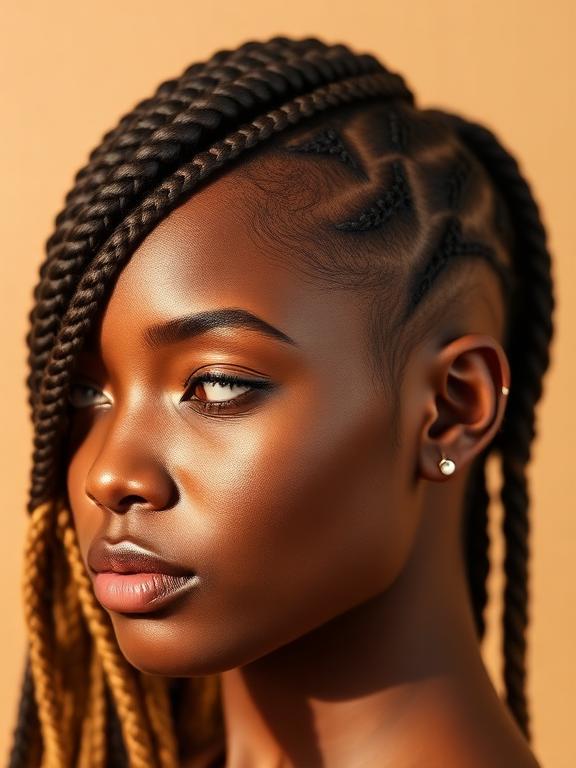
Lemonade braids are cornrows braided in a consistent, sweeping direction to one side, following the natural curve of the head as they travel laterally from one side to the other. The side-swept, directional quality gives this style a bold, modern energy that standard straight-back cornrows don’t achieve. The clean, sweeping lines create a graphic effect that is immediately striking and works on a wide range of head shapes and face structures.
The quality of a lemonade braid style lives and dies on the consistency of the partings. Each cornrow section should be even in width and follow a consistent curve as it sweeps across the head. Ask your braider to take their time with the parting sections before beginning any braiding. Rushed or uneven partings show clearly on a style this dependent on clean lines.
10. Crochet Braids
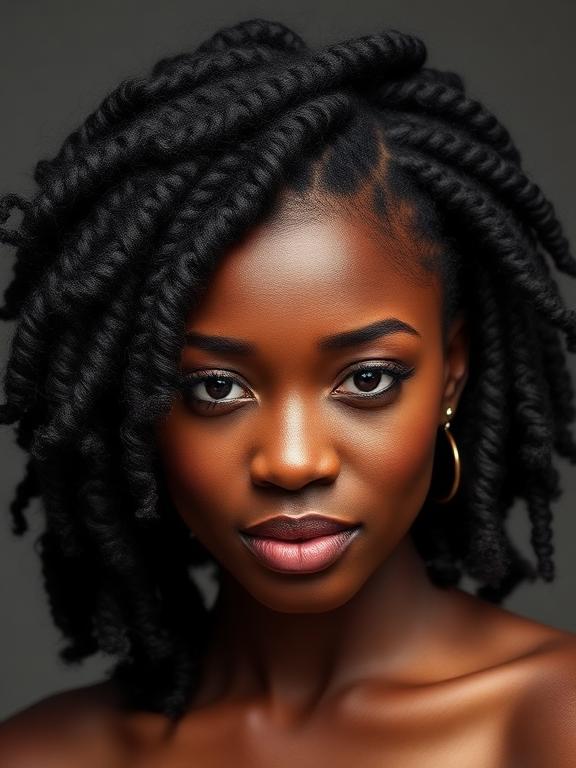
Crochet braids are a technique rather than a specific style, where a crochet needle is used to loop extension hair through cornrow foundations laid against the scalp. The technique dramatically reduces installation time compared to individual braiding and allows an enormous range of textures and styles to be achieved on the cornrow foundation. Box braids, twists, locs, and natural-looking curl textures can all be installed using the crochet method.
The cornrow foundation is the most important element of a crochet braid installation. Even, consistent cornrows laid in the right direction for the intended style ensure that the crochet extensions sit naturally and cover the foundation completely. A poorly laid cornrow base shows through the crochet hair and undermines the entire finished style regardless of how beautiful the extension hair is.
11. Jumbo Twist Braids
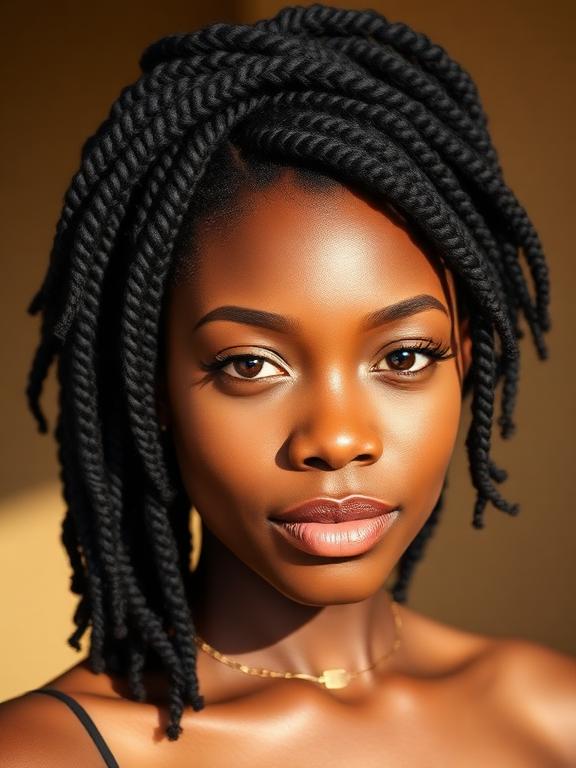
Jumbo twists use large sections of extension hair in a two-strand twist technique to create thick, full, visually impactful twists that install faster than smaller sizes and sit more lightly on the scalp relative to their visual presence. The large size gives the style a bold, confident quality that works particularly well on women who want a protective style with serious visual impact and a straightforward daily maintenance routine.
Keep the number of twists between ten and sixteen for a true jumbo effect. Fewer sections mean each individual twist is larger and bolder. More than sixteen starts crossing into a standard large-twist territory. A moisturising braid spray applied daily keeps both the extension hair and the natural hair underneath hydrated through the wear period.
12. Feed-In Ponytail Braids
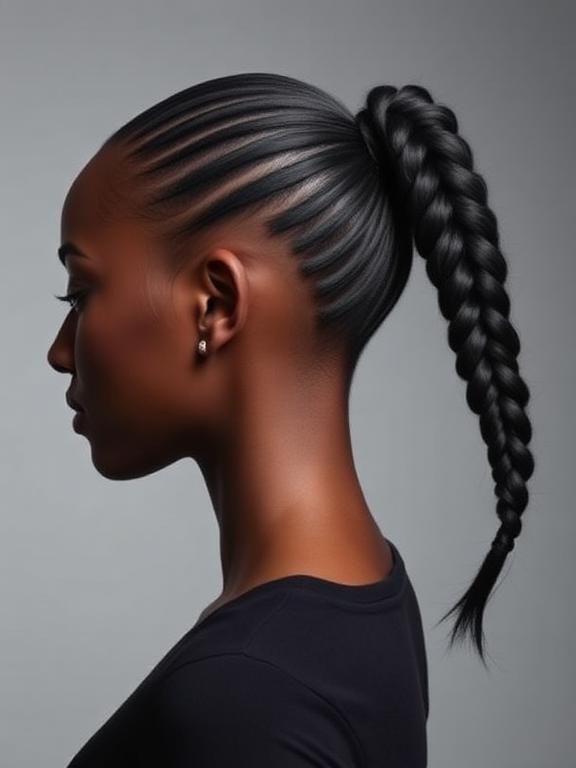
A feed-in ponytail uses cornrows braided toward the crown of the head, with extension hair gradually fed in as the braids progress, building a full, sleek ponytail at the crown that can be as long and as voluminous as desired. The feed-in technique creates a natural-looking transition from scalp to ponytail that looks seamless rather than obviously added. It’s one of the most elegant and versatile protective styles for special occasions and everyday wear alike.
The height and direction of the cornrow feed determines the final position of the ponytail. Cornrows angled toward the very top of the head create a high ponytail. Angled toward the back of the crown they create a mid or low ponytail. Confirm the ponytail position with your braider before they begin laying the cornrows since changing direction halfway through significantly disrupts the clean feed-in effect.
13. Stitch Braids
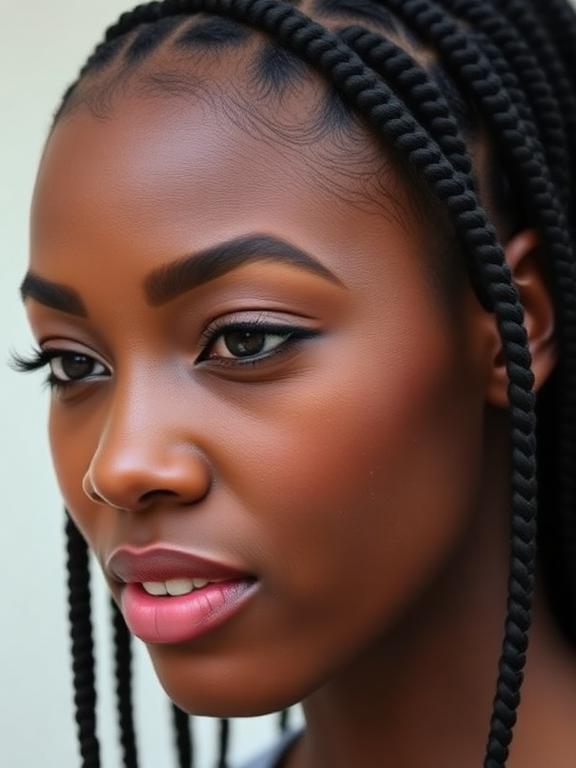
Stitch braids are a variation of cornrows where the braider uses a comb to create clean, evenly spaced horizontal lines through each cornrow section as they braid, creating a graphic, stitched appearance along the length of each row. The lines are created by the precise placement of each stitch during the braiding process and give stitch braids a precision and detail that standard cornrows don’t have. They’re one of the most technically demanding and visually refined cornrow styles available.
Stitch braids require a braider with very precise and consistent technique since any variation in the spacing of the stitches shows immediately in the finished style. The horizontal lines through each braid are only as beautiful as the consistency of the hands creating them. Look specifically for examples of stitch braid work in your braider’s portfolio before booking this style.
14. Micro Braids
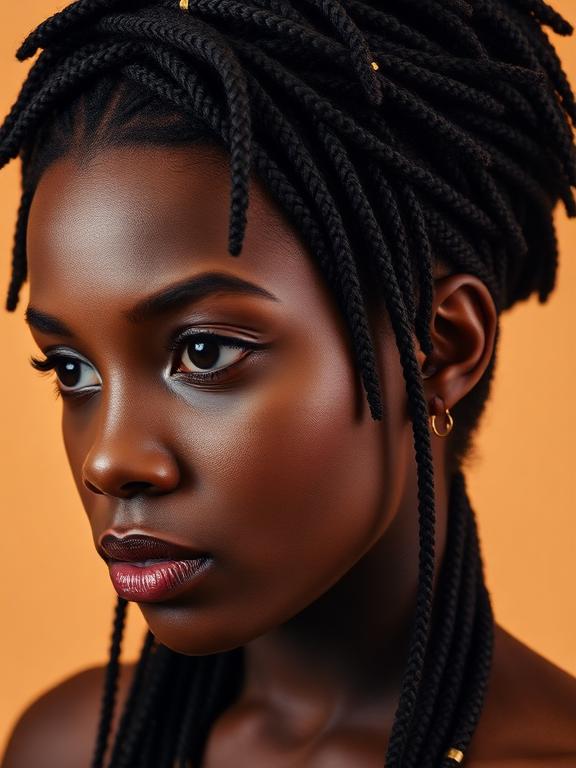
Micro braids are individual box braids done in sections so small and thin that each finished braid is barely the diameter of a pencil tip. The result is an incredibly detailed, intricate style that creates a full head of movement and texture from an enormous number of individual braids. Up close the detail is impressive. From a distance micro braids create a full, flowing effect that resembles natural hair movement more than any other braid size.
The installation time for a full head of micro braids is significant, often eight to twelve hours or more depending on density. This is not a style to rush or to book with a braider who quotes an unrealistically short installation time. The tension on each individual micro braid must be kept very gentle since the small size means each one is pulling from a very small section of natural hair.
15. Passion Twists
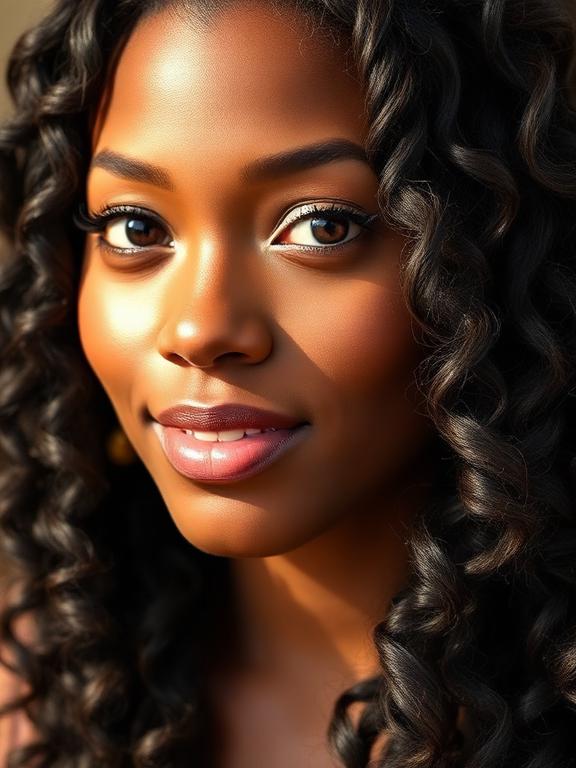
Passion twists combine a two-strand twist base with loose, springy Freetress Water Wave extension hair that gives the ends of each twist a romantic, bohemian, loosely curled quality. The curly ends add volume and movement that sealed twist styles don’t have, creating a soft, flowing finish that is entirely different from the sleek, polished look of Senegalese twists. It’s one of the most feminine and flattering protective styles available.
The curly ends need consistent moisture to maintain their spring and avoid drying out into a frizzy, undefined texture. Spritz with a water and leave-in conditioner mix every two to three days and scrunch the ends gently to reactivate the curl. A satin pillowcase or bonnet nightly reduces friction on the curly ends significantly and extends the fresh quality of the style by several weeks.
16. Butterfly Locs
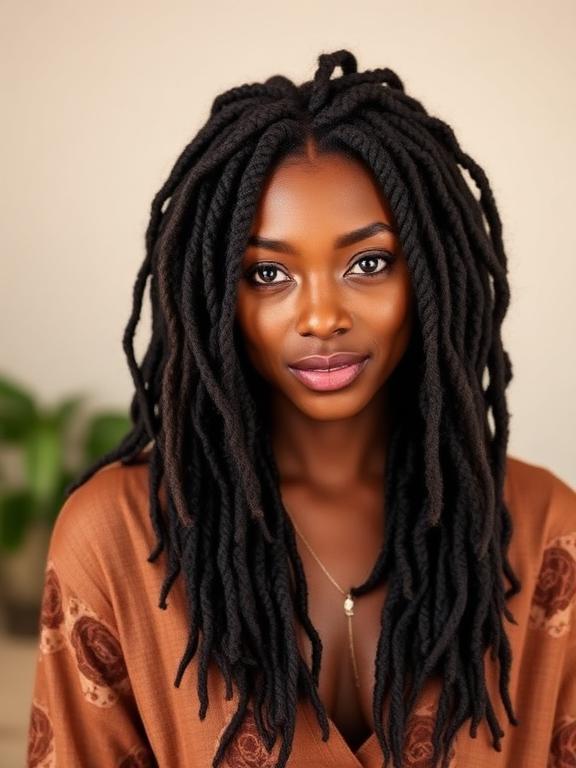
Butterfly locs are a distressed, bohemian loc style created by wrapping extension hair around a two-strand twist base in a loose, irregular pattern that creates an organic, textured, slightly undone appearance. The result looks like natural, mature locs in their most beautiful, effortless state without the years of growth required to achieve that quality naturally. They have a rich, dimensional texture that is visually complex and genuinely stunning.
The looseness of the wrapping is what creates the butterfly quality and distinguishes this style from more tightly wrapped loc styles. A braider who wraps too tightly creates a result that looks more like a standard loc style than a butterfly loc. Ask your braider to show you examples of their butterfly loc work specifically to confirm their wrapping technique matches the aesthetic you’re looking for.
17. Invisible Locs
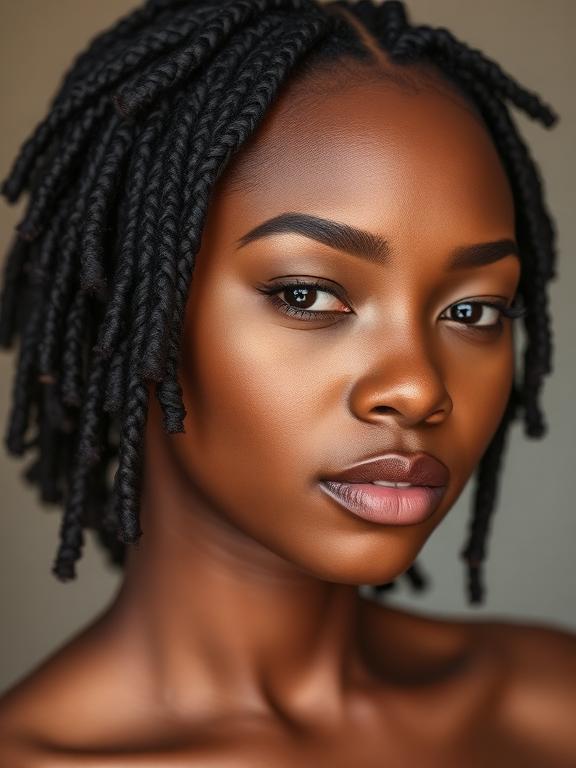
Invisible locs are a refined variation of the faux loc style where the wrapping technique at the root of each loc is done so cleanly and so close to the scalp that the foundation of the style is nearly invisible. The result looks remarkably close to naturally grown and maintained locs, with a clean scalp appearance and a loc texture that reads as organic rather than installed. It’s the most realistic and polished faux loc option available.
The root technique is everything with invisible locs. A braider who has truly mastered invisible locs will spend a significant amount of time on the root wrapping of each individual loc to ensure the foundation disappears against the scalp. This takes considerably longer than standard faux loc installation. If a braider quotes a very fast installation time for invisible locs, that is a sign the root work will not be as clean or as invisible as the name implies.
FAQs
How long do African braided styles typically last?
Most braided styles last between four and eight weeks with proper maintenance. Cornrow styles and flat styles tend to last toward the shorter end as the natural hair grows and the roots become visible. Individual braid styles like box braids and twists can last closer to six to eight weeks with consistent scalp moisturising and nightly protection. Keeping any style beyond eight weeks risks significant matting at the root and edge thinning.
How do I care for my scalp while wearing braids?
Apply a lightweight scalp oil or diluted leave-in spray directly through the parts every three to four days. Thick products sit on the surface of the braids rather than reaching the scalp. A mix of water and jojoba or sweet almond oil in a spray bottle is one of the most effective and simple scalp maintenance tools for braided styles. Keep the scalp clean without full washing by using a dry shampoo spray at the roots between wash sessions.
Is braiding tension a serious concern?
Yes, and it should be taken seriously from the very first stitch. Traction alopecia, permanent hair loss caused by repeated or sustained tension on the hairline and edges, is a real and increasingly common result of consistently tight braiding. Any style that causes pain, bumps, or soreness at the hairline within the first day of installation is too tight and should be loosened or removed. Pain is never a sign of a style being done correctly.
Can I swim or exercise in braids?
Yes, with protection. Apply a water-resistant leave-in or hair oil before swimming and wear a swim cap where possible to reduce chlorine and saltwater absorption into the braids. After exercise, dry the scalp thoroughly using a hooded dryer or diffuser on low heat to prevent mildew and odour from developing at the root where sweat and moisture tend to collect most.
Wrapping Up
African braided styles are some of the most beautiful, most culturally rich, and most technically skilled hair traditions in the world. The seventeen styles on this list represent only a fraction of the breadth and depth of that tradition, and every one of them deserves to be worn with an understanding of where it comes from and what it represents.
Take time to find the right braider, have a real conversation about your scalp health and your hair goals, and wear whatever style you choose with the care and respect it deserves.