19 Hair Color Shades Over 50
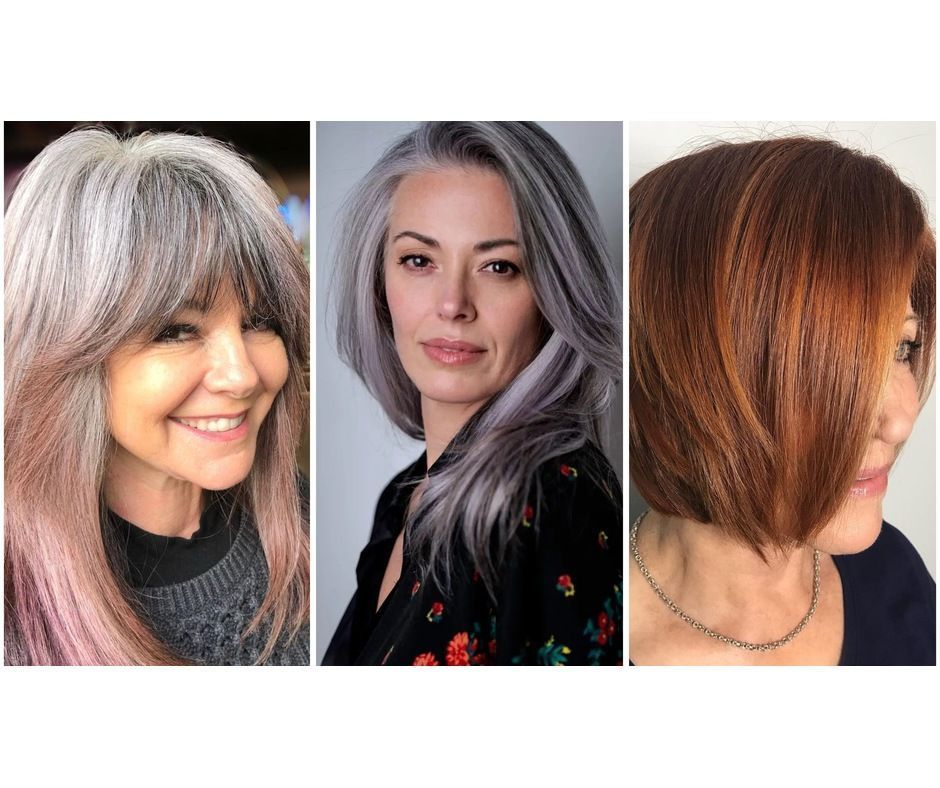
Hair colour over 50 is not about covering up or chasing youth. The most striking colour results at this stage come from working with what the hair is actually doing, the natural silver coming through, the changing texture, the shift in skin tone, and choosing shades that complement all of those things rather than fighting them.
The conversation that changes everything before any colour appointment: ask your colorist to assess your skin’s current undertone, not the one you had at thirty. Skin tone shifts with age and the colour that suited you perfectly at thirty-five may be actively draining you now. That single assessment before any formula is mixed makes a significant difference in the final result.
1. Natural Silver Embrace
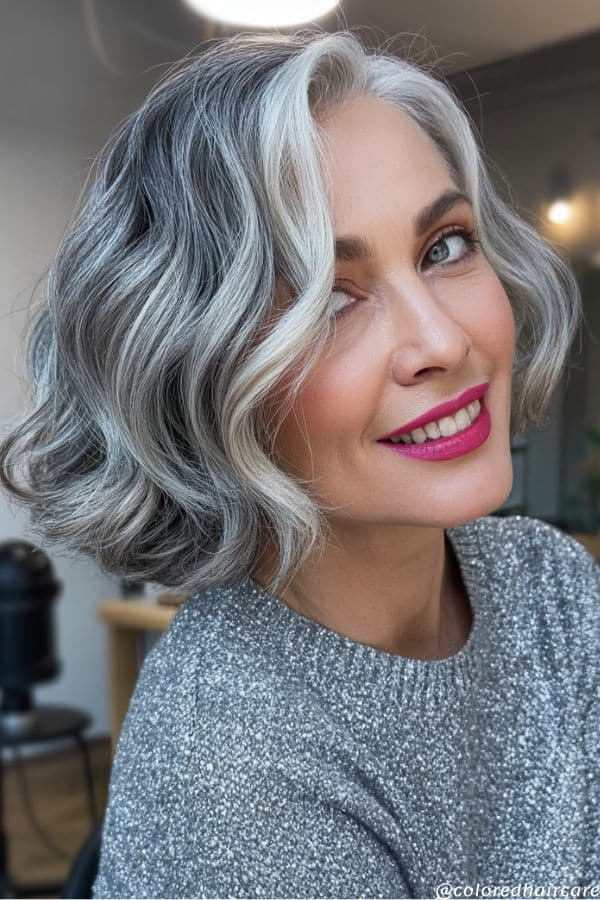
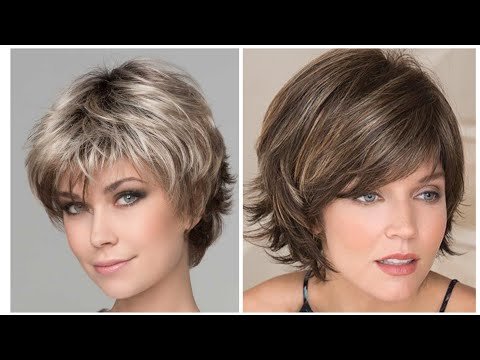
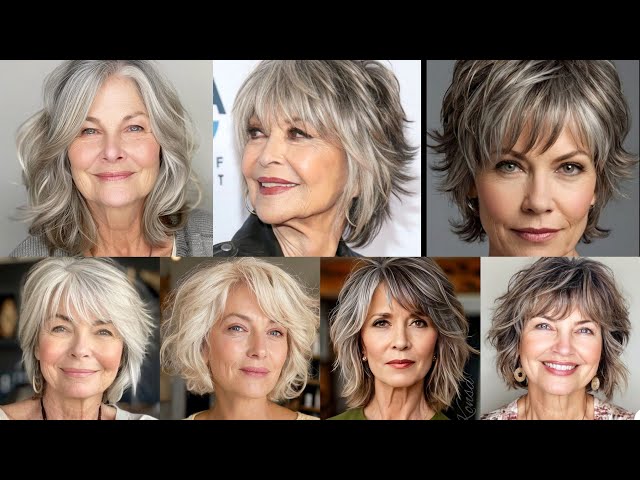
Fully committing to natural silver is one of the most striking colour decisions a woman over 50 can make. Properly toned and maintained, natural silver has a luminosity and individuality that no dyed colour replicates. The variation within the silver itself, from bright white at the temples to deeper grey through the lengths, creates a natural dimension that is genuinely beautiful.
A professional silver or pearl gloss applied at each appointment removes the dull, yellowish cast that makes grey look aged rather than luminous. At home, a weekly violet toning shampoo maintains the brightness between visits.
2. Warm Brunette Gloss
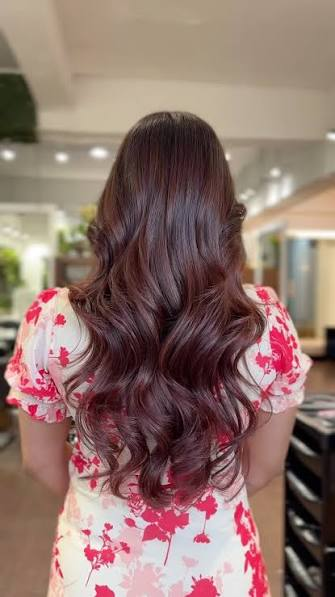
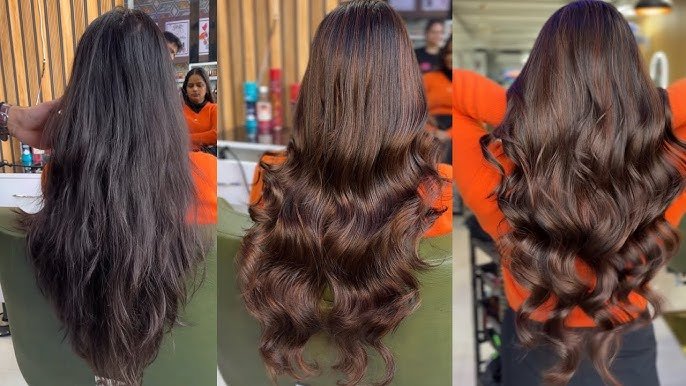
A warm brunette gloss applied over existing dark hair adds richness, shine, and a warm dimension that makes the colour look significantly more alive without dramatically changing the depth. It’s one of the least damaging and most immediately impactful colour services available for brunettes over 50 who want more without wanting different.
Ask for a mahogany or chestnut-toned gloss rather than a flat neutral brown. The warm undertone in the gloss is what creates the dimension and the luminosity. A neutral gloss simply darkens without enriching.
3. Soft Honey Blonde
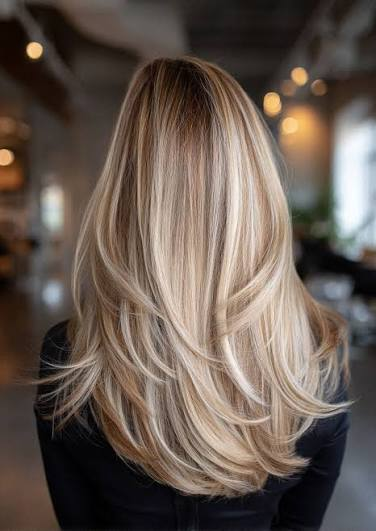
Soft honey blonde on women over 50 adds warmth and brightness without the harshness of a stark or cool blonde. The golden warmth of honey complements the skin changes that come with age far better than cool or ashy blondes, which can look draining against skin that has lost some of its natural warmth.
Ask for a honey-toned balayage or all-over formula with the lightest pieces concentrated near the face. A warm gloss over the top at each appointment keeps the honey tone from drifting toward brassiness between colour sessions.
4. Champagne Blonde
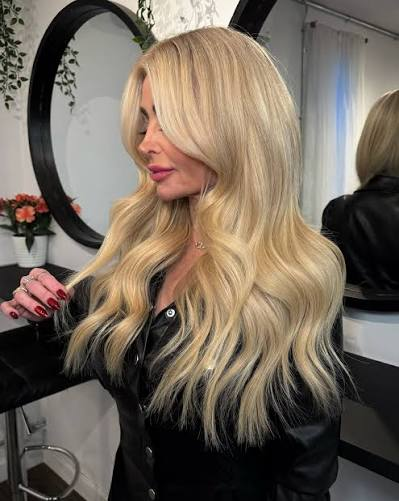
Champagne blonde sits between warm gold and cool platinum, with a soft, refined quality that suits women over 50 beautifully. It’s polished without being harsh, light without being stark, and has a naturally elegant quality that suits the old money aesthetic more naturally than any other blonde shade.
A neutral to slightly cool toner is what creates the champagne quality. Too warm and it becomes honey. Too cool and it becomes ash. The balance between the two is what makes champagne so flattering and so specific to get right.
5. Rich Auburn
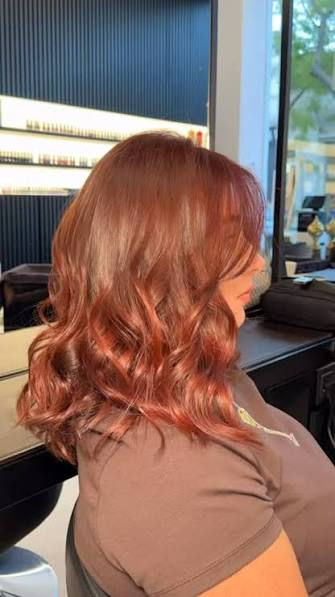
A rich auburn shifts dark hair into warm red-brown territory that glows beautifully in natural light. On women over 50 with warm or olive skin tones specifically, auburn has a complexion-enhancing quality that few other shades match. It reads as naturally warm rather than obviously coloured.
Auburn requires a red colour-safe shampoo every other wash to prevent the warm pigments from fading back to a flat, unremarkable brown. The red is the first thing to go without consistent maintenance and it’s the entire point of the shade.
6. Warm Caramel Highlights
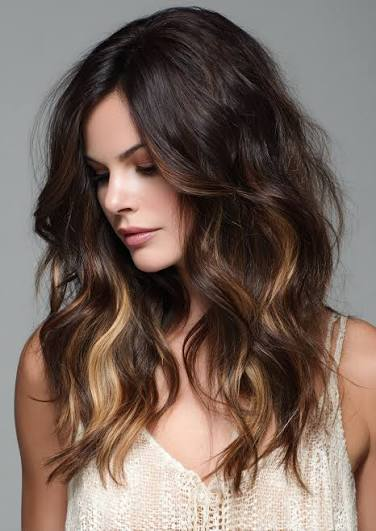
Caramel highlights through an existing brunette or dark base add warmth and dimension without dramatically changing the overall colour. They sit naturally within the brunette colour family, which means the grow-out is gradual and the result reads as sun-touched rather than obviously highlighted.
Concentrate the lightest caramel pieces through the face frame rather than distributing them evenly throughout. Caramel through the back has minimal day-to-day visual impact. The face-framing placement is where the flattering work actually happens.
7. Smoky Brunette
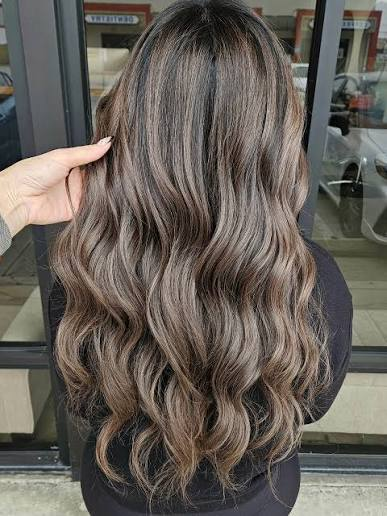
A smoky brunette uses a cool, slightly ashy toner over a dark brunette base to create a muted, sophisticated colour that sits between warm brown and grey-adjacent. It has an understated, editorial quality that warmer brunettes don’t offer and suits cool and neutral skin tones over 50 particularly well.
The toner is the entire technique here. Ask for a cool beige-brown toner applied over your natural or existing base. Without the right toner the result drifts warm rather than smoky. Follow with a blue or violet toning shampoo once a week at home.
8. Silver Blonde Blend
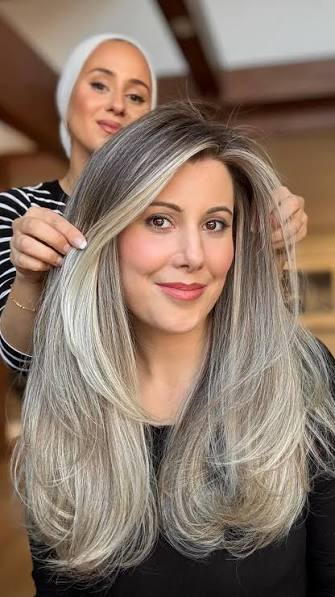
A silver blonde blend uses highlights or balayage in silver and platinum tones through naturally lightening or grey-adjacent hair to create a seamless, dimensional result that bridges the gap between pigmented colour and natural silver. It’s the most sophisticated transition colour available for women over 50 moving toward embracing their natural grey.
Ask for babylights in silver and platinum tones placed through the sections closest to the natural grey growth. The fine babylights blend the two tones rather than creating a visible line between coloured and natural sections.
9. Soft Copper
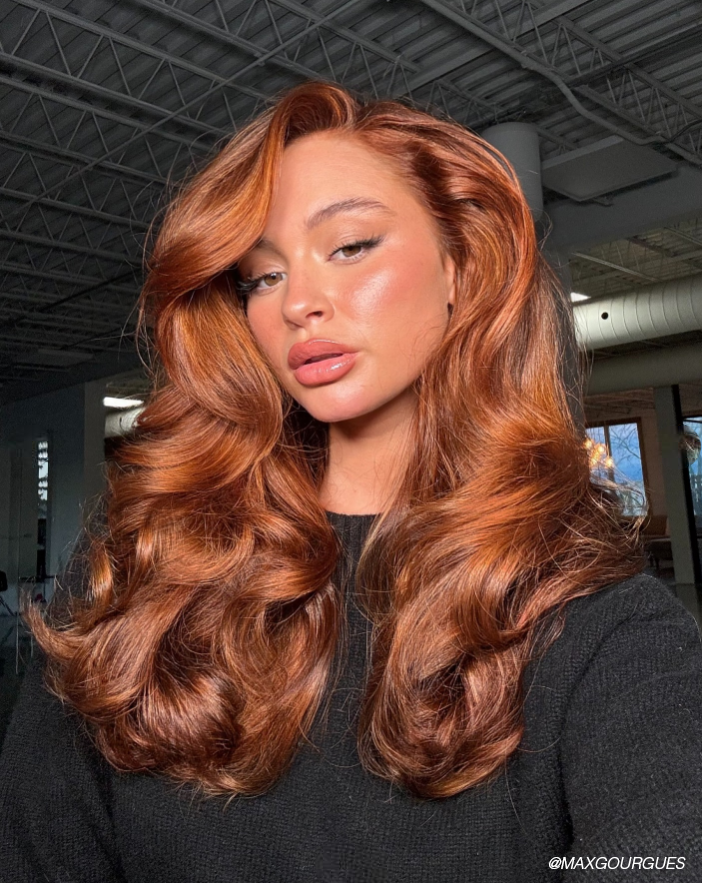
Soft copper is a warmer, slightly muted version of classic copper that has more brown in its formula. It reads as warmly interesting rather than vibrantly bold, which makes it more wearable across a broader range of settings and skin tones than a full vivid copper. On women over 50 with warm complexions it creates a genuinely luminous result.
Use a copper colour-depositing conditioner every ten days to slow the inevitable fade of warm copper pigments. Combined with cool water washes and a UV protectant, the depositing conditioner extends the life of soft copper significantly between salon appointments.
10. Chocolate Cherry
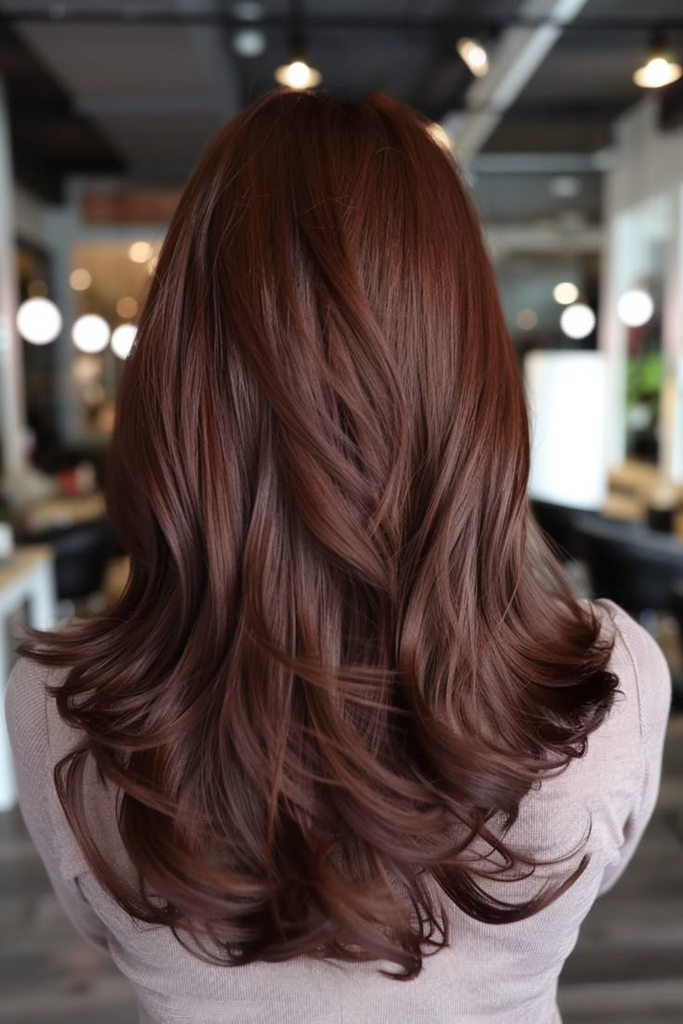
Chocolate cherry adds a deep wine-toned warmth to a dark brunette base that reveals itself as a warm, red-adjacent glow in natural light. In most lighting it reads as a rich, interesting dark colour. Only in direct sun does the cherry dimension become fully visible. It’s subtle enough for professional environments and interesting enough to feel like a genuine colour choice.
A cherry or burgundy colour-depositing conditioner used every ten days maintains the red dimension as it fades. Without it the cherry disappears back to flat dark brown within four to six weeks, which defeats the purpose of the colour entirely.
11. Mushroom Brown
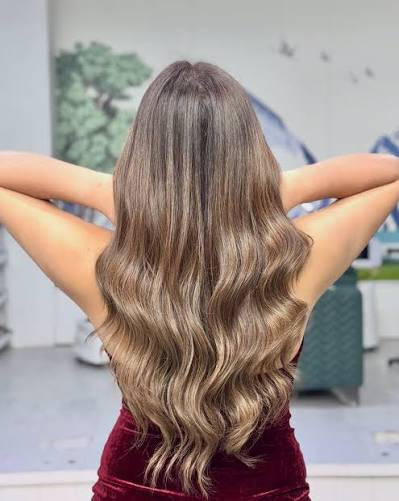
Mushroom brown is a cool, slightly muted, ashy brown that has a quiet, sophisticated quality unlike any warm brunette shade. It photographs with an almost editorial quality and suits cool and neutral skin tones over 50 particularly well. It’s a colour that reads as intentional and considered rather than simply brown.
The toner is everything with mushroom brown. A cool, grey-beige toner applied over a medium brown base creates the mushroom quality. The same lift with a warm toner produces an entirely different result. Be specific with your colorist about the muted, desaturated quality you’re looking for.
12. Dimensional Dark Brunette
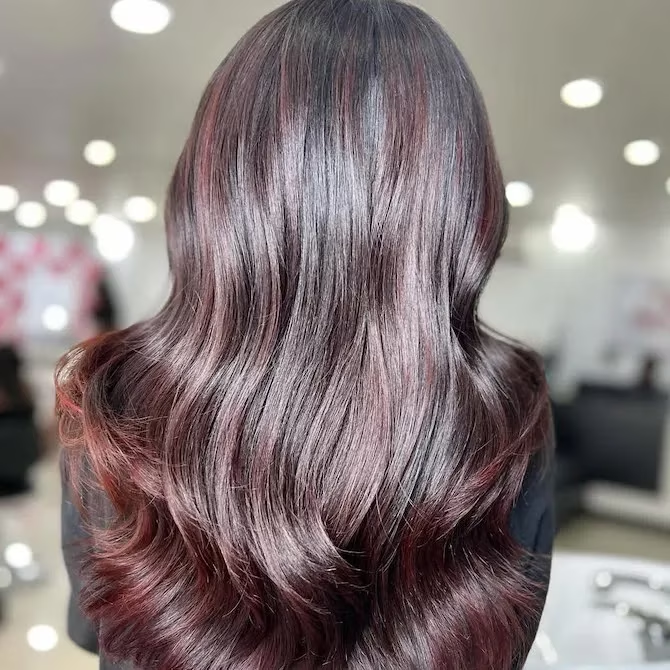
A dimensional dark brunette uses two or three slightly varied brown formulas through different sections to create tonal variation within the dark range without any visible highlights. The result reads as a richer, more interesting dark colour that catches light differently across sections without any obvious colour work visible.
Ask for a slightly warmer formula at the ends and a slightly cooler formula at the roots. That temperature variation within the same depth range creates dimension that looks natural rather than coloured. A warm gloss over the top unifies the result and adds the shine that makes dimensional brunette look genuinely expensive.
13. Platinum Silver
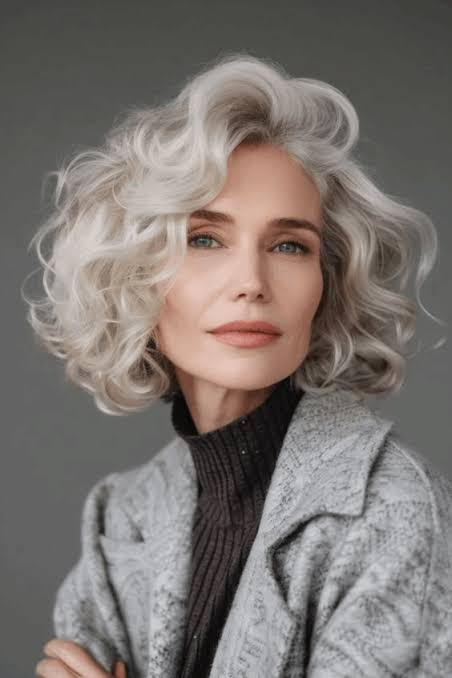
Platinum silver on women over 50 who have enough natural grey coming through to reduce the lifting required is one of the most efficient and most striking colour transitions available. Rather than fighting the grey, the platinum silver embraces and amplifies it, creating a bold, luminous result that is far more flattering than a colour that is constantly being undermined by grey regrowth.
A violet or blue toner applied over the lifted sections keeps the platinum silver reading cool and bright rather than drifting toward a dull, yellowish grey. Deep conditioning weekly is essential at this lift level to keep the hair healthy and the colour looking its best.
14. Warm Golden Highlights
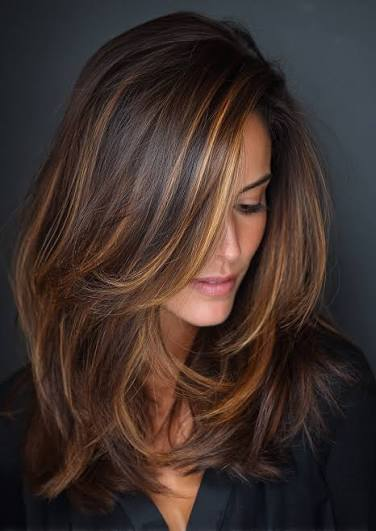
Warm golden highlights on a brunette or naturally darkening base add brightness and warmth near the face without requiring a full colour change. The golden tone is warm enough to complement ageing skin tones without the harshness of cooler blondes and natural enough to grow out without creating a visible regrowth line.
Request freehand balayage rather than foil highlights for the most natural, grow-out-friendly result. Balayage on a brunette base over 50 can go ten to twelve weeks between appointments without looking neglected, which is one of its most significant practical advantages.
15. Burgundy Tones
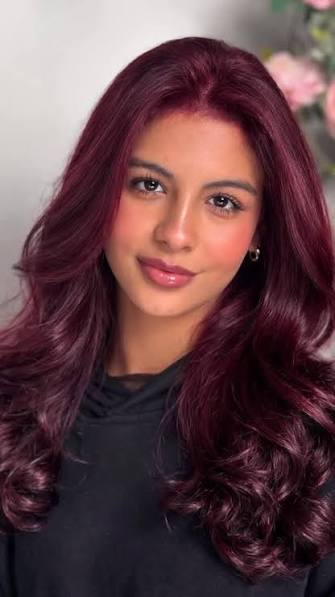
Burgundy added to dark or medium brunette hair creates a deep wine-toned result that is simultaneously bold and sophisticated. It reads as dark in most lighting while revealing its warm, reddish-purple quality in natural or warm light. On women over 50 it communicates a confidence in colour that is genuinely attractive.
A burgundy colour-depositing shampoo alternated with a regular shampoo every third wash maintains the depth and vibrancy between appointments. Using it every wash over-deposits and pushes the tone too purple or too saturated over time.
16. Bronde Balayage
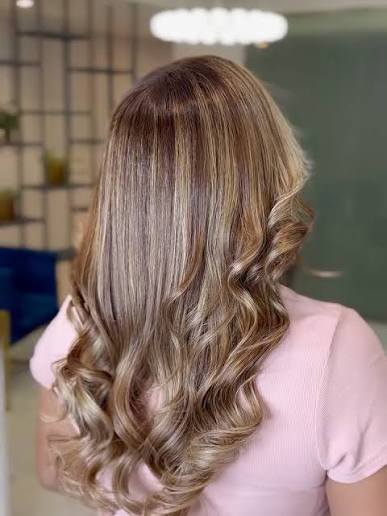
Bronde balayage sits seamlessly between brunette and blonde, adding warmth and dimension without the commitment of going fully blonde. It grows out invisibly, suits a wide range of skin tones, and requires fewer appointments than most colour options over 50. It’s the colour equivalent of the best possible version of what the hair does naturally in summer.
A demi-permanent golden gloss at each appointment maintains the warmth and prevents the blended tones from separating or fading unevenly. Most bronde clients need only two to three colour appointments per year with gloss touch-ups in between.
17. Chestnut Brown
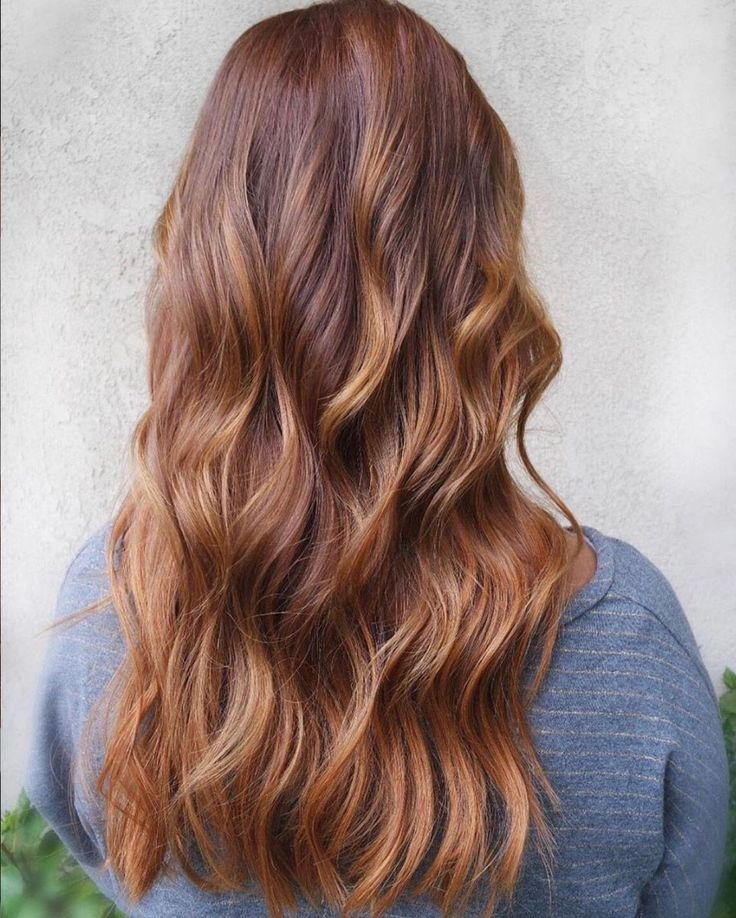
Chestnut brown is a warm medium-dark brown with reddish undertones that give it a richness and character significantly different from a flat, cool brown. It suits warm and olive skin tones beautifully and looks particularly stunning in warm or autumn light where the reddish undertone glows. It’s one of the most naturally flattering colour options for women over 50 with warm complexions.
The reddish undertone fades faster than the brown base, which means a warm or red-based colour-protecting shampoo every other wash is the most important maintenance step. Without it the warmth disappears and the colour becomes a flat, unremarkable cool brown.
18. Soft Ash Blonde
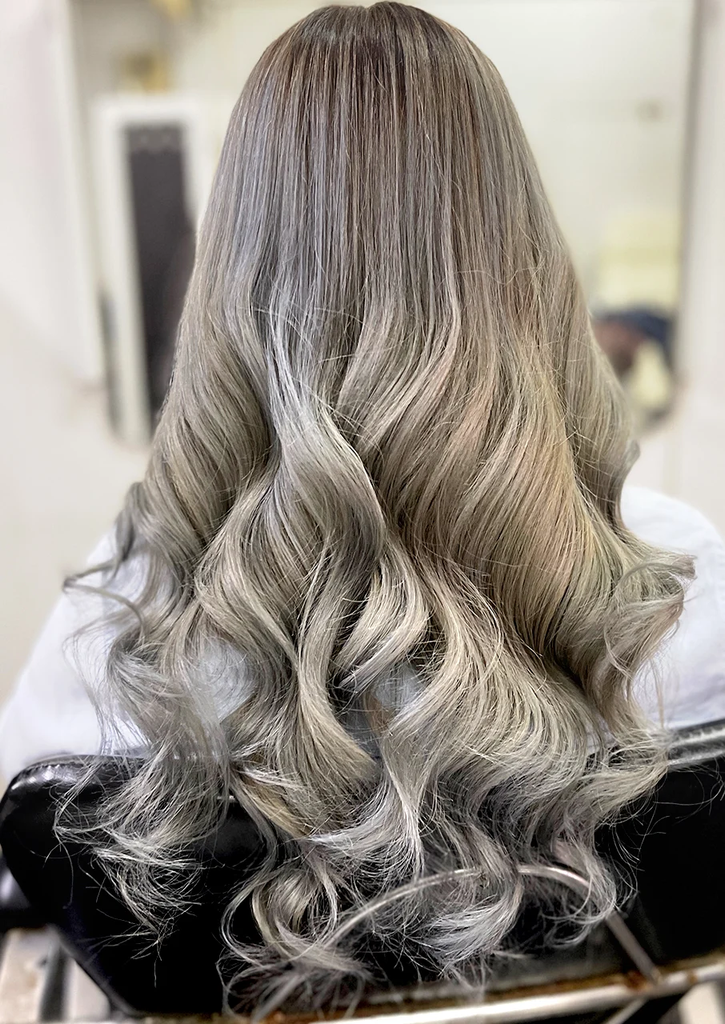
Soft ash blonde is a cool, muted blonde that avoids the warmth of golden or honey blondes while staying softer and less stark than platinum. It suits fair skin with cool undertones particularly well and has a sophisticated, understated quality that warmer blondes don’t offer. In good light it reads as naturally luminous rather than obviously coloured.
A purple toning shampoo used every five to seven days keeps the ash quality intact. Without consistent toning, ash blonde fades toward a warmer, brassier version of itself within weeks. Use in rotation with a moisturising shampoo to prevent the toning from drying out fine or thinning hair over 50.
19. Grey Blending Highlights
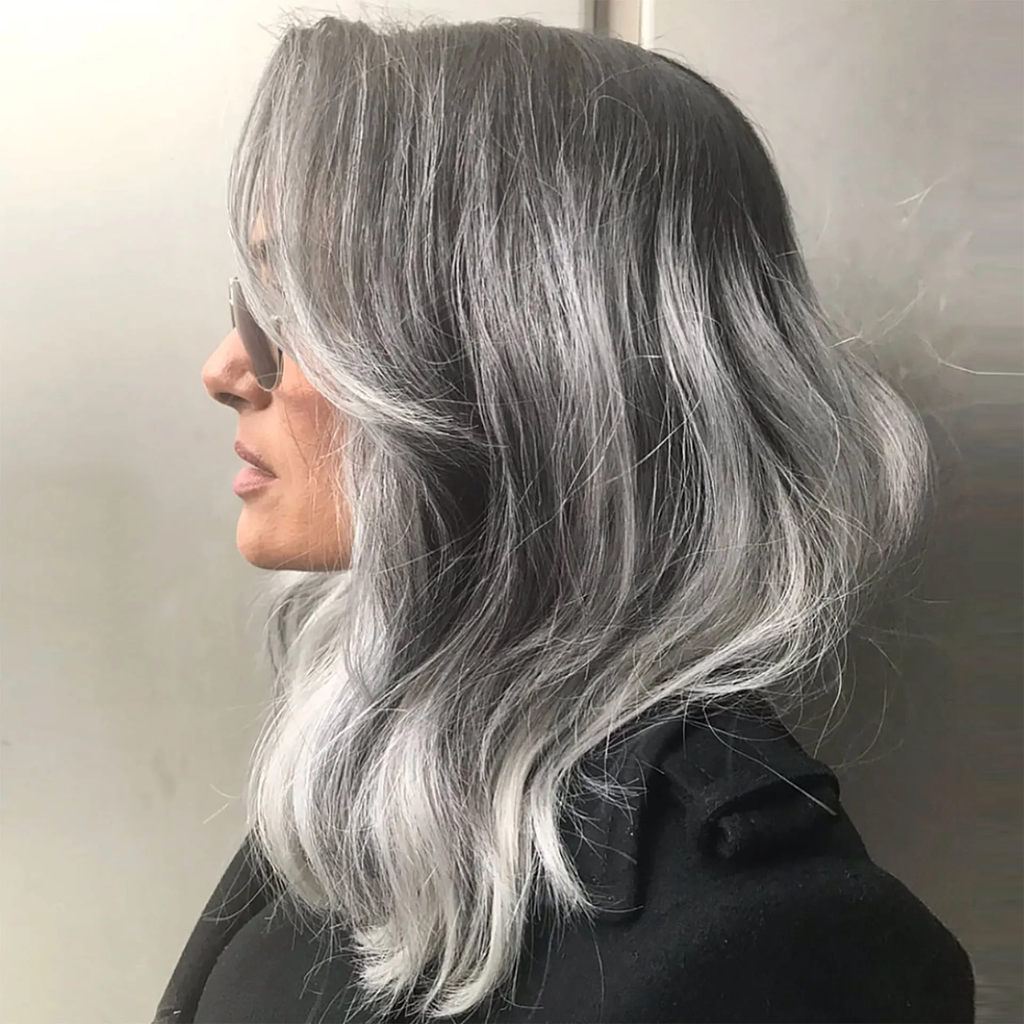
Grey blending highlights use tones close to the existing grey and natural base colour to camouflage grey regrowth rather than covering it completely. The result is a soft, natural-looking blend that extends the time between full colour appointments significantly while keeping the overall appearance polished and intentional rather than obviously grown out.
Ask for highlights in tones that sit between your darkest natural colour and your lightest grey, bridging the gap rather than contrasting with either. This technique suits women over 50 who want to move toward embracing their natural grey gradually rather than committing to a full colour removal all at once.
FAQs
What hair colours are most flattering over 50?
Warm tones in the golden, caramel, chestnut, and soft copper family are consistently the most flattering on ageing skin because they add warmth and luminosity rather than emphasising coolness or pallor. The exception is women with genuinely cool skin undertones who suit soft ash, champagne, and silver more naturally. The skin undertone assessment is the single most important factor in choosing a flattering shade over 50.
Should women over 50 go lighter or darker with hair colour?
Neither direction is universally correct. Going slightly lighter than the natural base can brighten the complexion and reduce the contrast between hair and skin that becomes more noticeable as skin lightens with age. However, going too light too fast can look harsh rather than brightening. A gradual shift toward lighter tones through balayage or highlights is more consistently flattering than an abrupt all-over colour change in either direction.
How do I transition from dyed hair to natural grey over 50?
The most flattering transition uses grey blending highlights or babylights in silver and platinum tones to bridge the gap between the dyed colour and the natural grey growth. This approach creates a blended, dimensional result at every stage of the transition rather than a visible line of demarcation between the old colour and the new growth. Plan for six to twelve months depending on how fast the hair grows and how much colour needs to be grown out.
How often does hair colour need refreshing over 50?
It depends on the technique. All-over permanent colour needs refreshing every four to six weeks. Balayage and highlights go ten to fourteen weeks between full colour appointments with a gloss or toner touch-up every six to eight weeks in between. Gloss treatments alone fade over four to six weeks. Natural silver embraced fully needs only toning maintenance rather than full colour appointments.
Wrapping Up
The right hair colour over 50 is not the most flattering colour from twenty years ago and it is not necessarily the most natural option available now. It is the shade that works with your current skin tone, your hair’s current texture and density, and your actual maintenance capacity right now.
Take this list to a consultation rather than directly to a colour appointment. A colorist who spends fifteen minutes assessing your skin undertone, your hair’s condition, and your maintenance reality before recommending a shade is one who will produce a result that genuinely flatters rather than one that looked right on someone else.