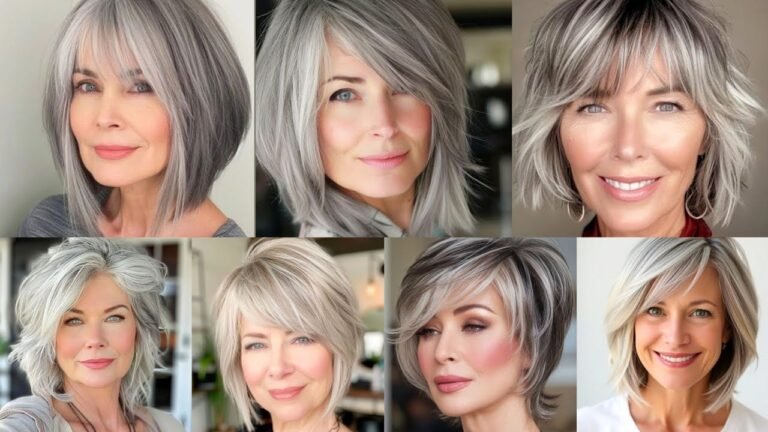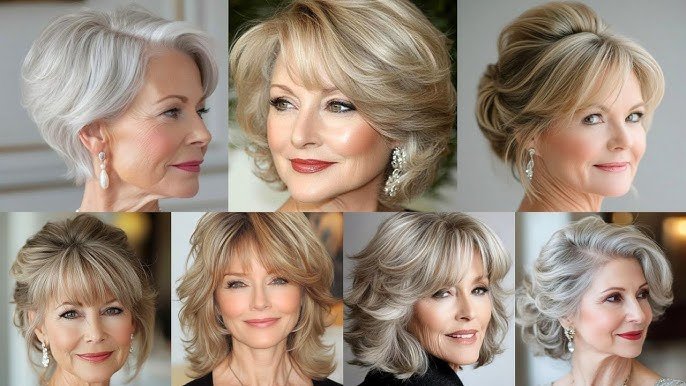
17 Gray Hairstyles for women over 50
Gray hair on women over 50 is not a resignation. It is a decision, and increasingly it is one of the most confident and most striking decisions a woman can make about her appearance. The range within gray hair alone, from bright white to deep charcoal, from cool silver to warm pewter, means there is a version of this colour that is genuinely and specifically beautiful on every woman who chooses to wear it.
The single most important thing before committing to gray: get a professional toning treatment before judging the colour. Most women who say they don’t like their gray have never seen it properly toned. Untoned gray can look dull, yellowish, and flat. Toned gray looks luminous, dimensional, and intentional. Those are two entirely different colours.
1. Silver Pixie Cut
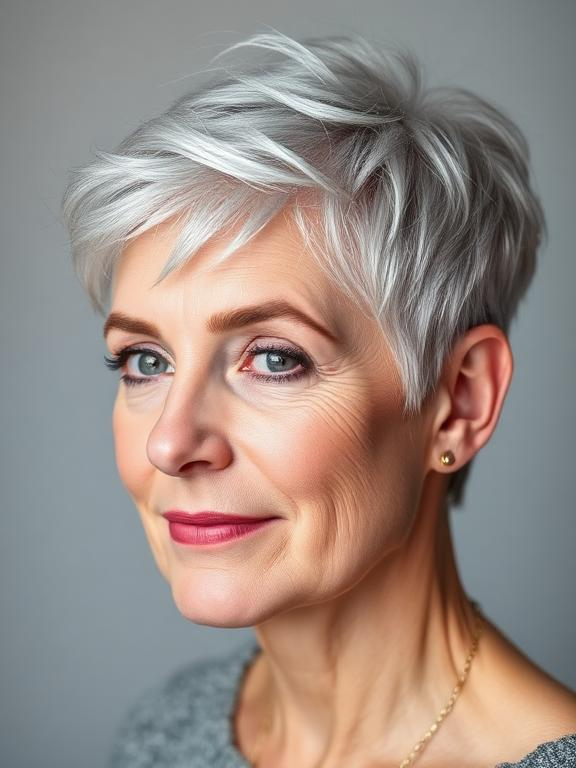
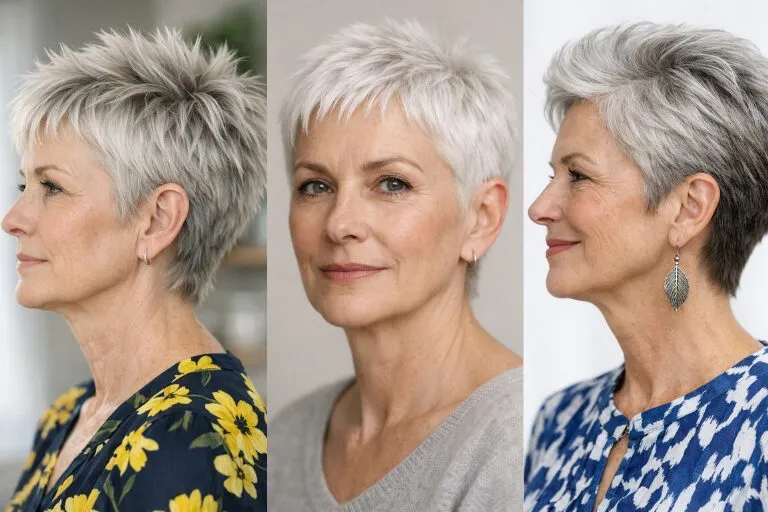
A silver pixie is one of the most quietly powerful style combinations available for women over 50. The short length focuses all attention on the face and the luminous silver colour, and the combination reads as complete ownership of both the cut and the colour. Nothing about this look happened without intention.
Style with a light pomade or matte clay for a polished or textured finish depending on preference. Keep the sides neatly tapered with shape-up appointments every two to three weeks. Any loss of shape on a silver pixie immediately makes the whole look feel unfinished.
2. Gray Blended Bob
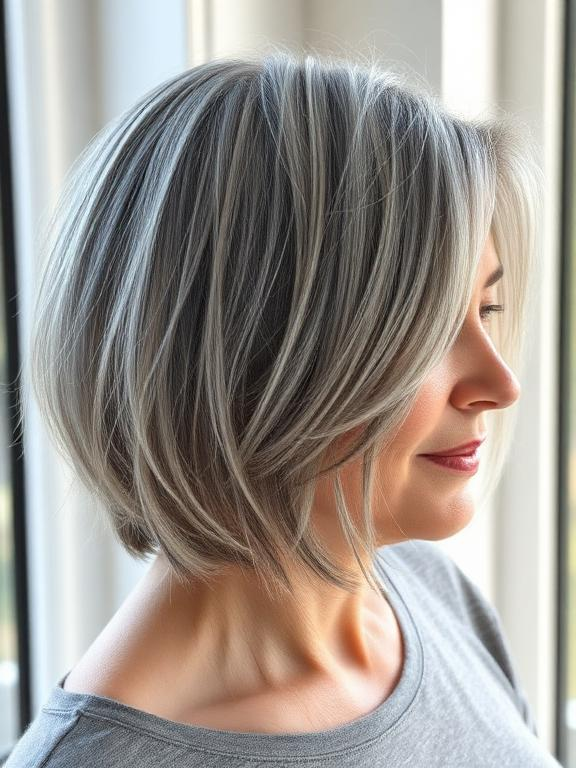
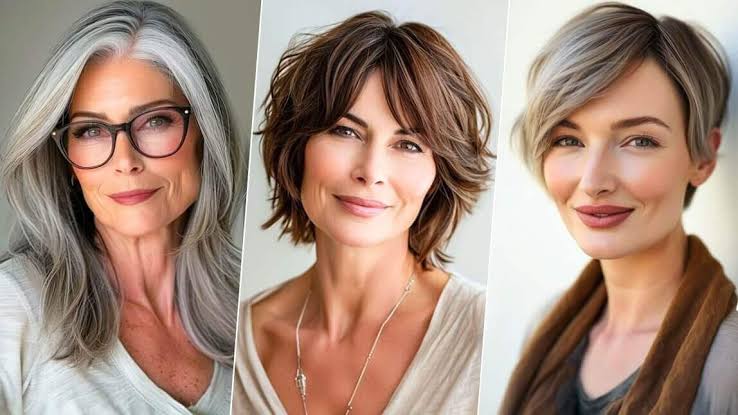
A bob where natural gray is intentionally blended with the remaining pigmented hair rather than covered creates a dimensional, multitonal result that looks far more interesting than either a single flat colour or an obvious two-tone grow-out. The blend reads as deliberate colour work rather than neglected roots.
Ask your colorist for babylights in silver and platinum tones placed through the sections closest to the natural gray growth. The fine babylights bridge the gap between the gray and the darker sections, creating a seamless blend that looks expensive and intentional at every stage of the grow-out.
3. Long Gray Lob
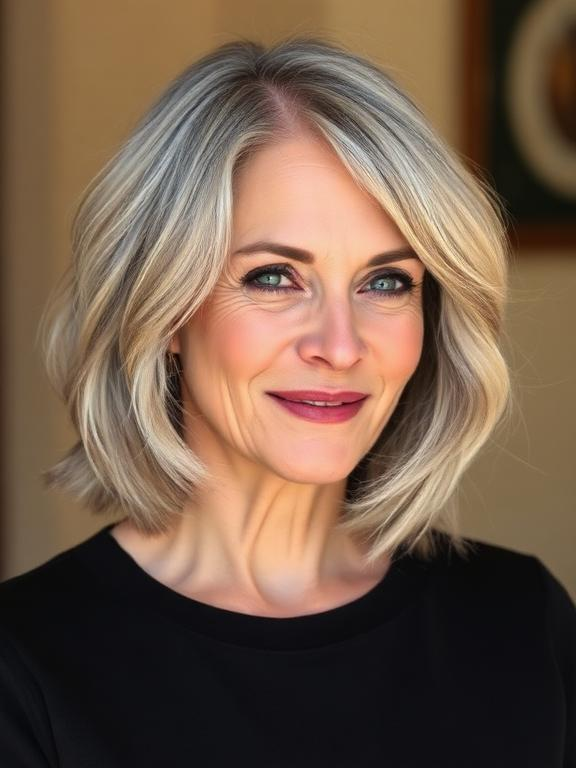
A gray lob at collarbone to shoulder length is elegant, versatile, and suits the old money aesthetic naturally. The length provides enough movement for the gray tones to catch light across multiple angles, creating a dimensional, luminous result that shorter gray styles sometimes don’t fully achieve.
A professional pearl or silver gloss applied at each appointment is what keeps a gray lob looking bright and dimensional rather than flat and dull. At home, a weekly violet toning shampoo maintains the brightness between professional visits.
4. Gray Shag Cut
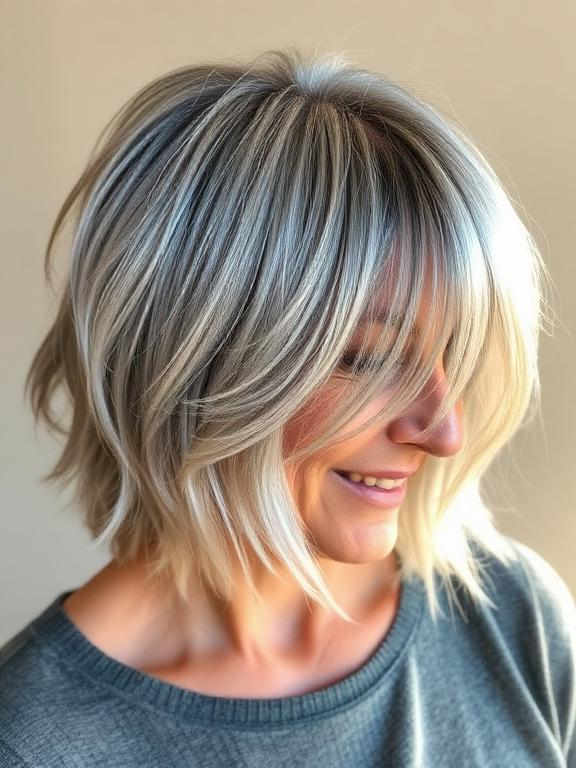
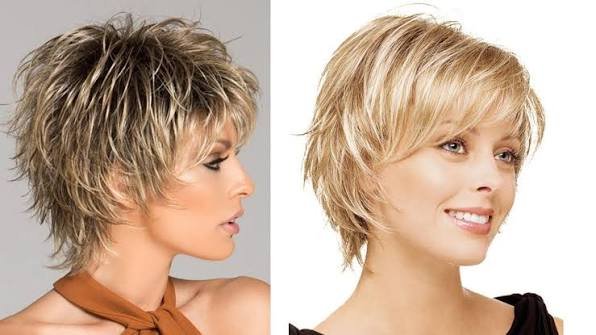
A gray shag is a combination that works on multiple levels simultaneously. The layers create volume that thinning hair over 50 needs, the texture adds personality, and the gray colour provides its own natural dimension through the layered sections. Every element complements the others.
Style with a lightweight mousse on damp hair before diffusing on low heat. On gray hair specifically, a shine spray over the finished shag adds the luminosity that transforms the silver tones from flat to genuinely striking without adding any weight or stiffness.
5. Gray With Silver Highlights
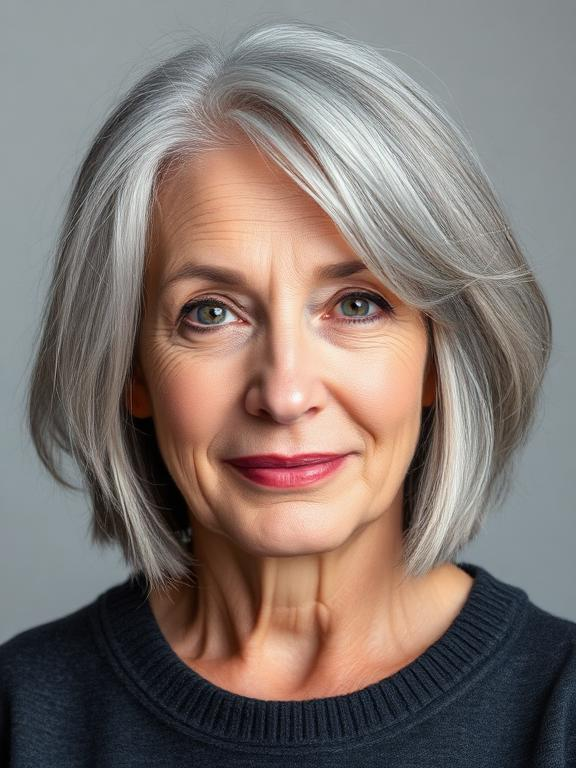
Adding silver and platinum highlights through naturally gray or salt-and-pepper hair creates a dimensional, multitonal result within the gray colour family. The highlights sit lighter than the base gray, adding brightness and variation that makes the overall colour look complex and carefully considered.
Ask for highlights that are one to two shades lighter and slightly cooler than the base gray. The contrast needs to be visible but not dramatic. Too much contrast between the highlights and the base starts looking like traditional highlights rather than a dimensional gray enhancement.
6. Salt And Pepper Bob
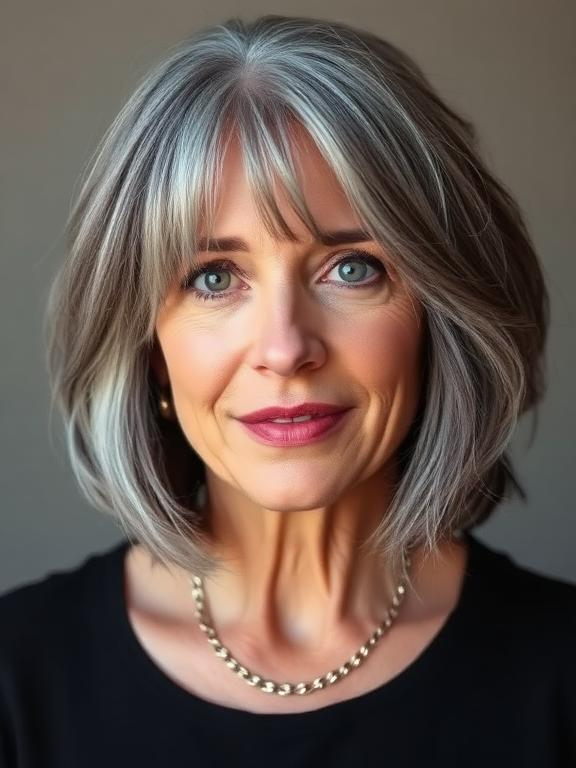
A salt-and-pepper bob that retains both the darker pigmented sections and the lighter gray sections in a natural, unmanipulated mix creates one of the most genuinely multidimensional colour results available without any colour service at all. The natural variation between dark and silver reads as depth and richness rather than uneven coverage.
The salt-and-pepper quality is best preserved by stopping all colour coverage and allowing the natural mix to develop fully. A professional toning gloss applied over the natural mix adds shine and unifies the tones without flattening the variation that makes salt-and-pepper so beautiful.
7. White Hair Sleek Style
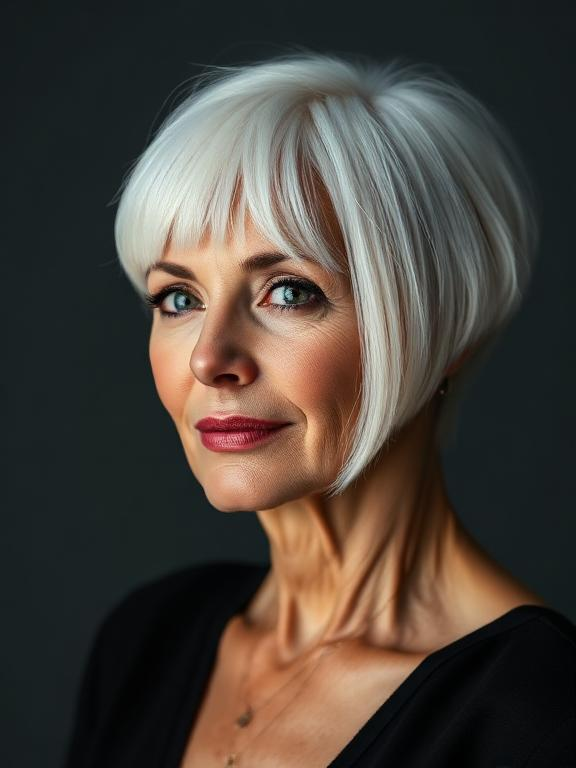
Fully white or near-white hair worn in a sleek, polished style is one of the most striking and most sophisticated looks available for women over 50. The brightness of white hair against any skin tone creates an immediate luminosity, and the sleekness of the styling elevates the natural colour into something that reads as completely intentional.
White hair needs a weekly blue or violet toning shampoo to prevent the yellowish cast that develops from environmental exposure and product buildup. Keep on for no more than three to five minutes to brighten without pushing the tone too violet.
8. Gray Curly Natural
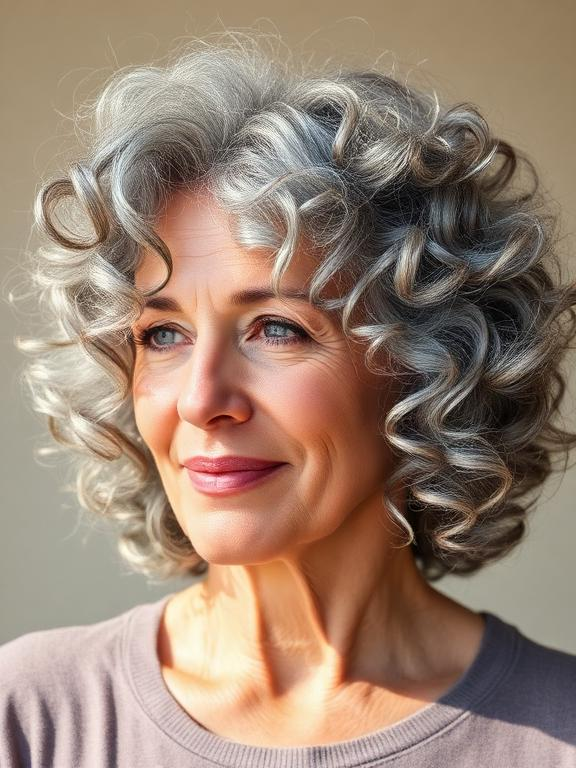
Naturally curly gray hair worn in its most defined and most moisturised state is a genuinely stunning combination. The gray tones catch light differently across each curl, creating a shifting, luminous effect that is entirely unique to the combination of natural curl texture and silver colour. It requires no styling beyond moisture and definition.
Apply a rich leave-in conditioner followed by a curl-defining cream on soaking wet hair and diffuse on low heat without touching. Gray curly hair needs more moisture than pigmented curly hair because the gray hair shaft is more porous and loses moisture more readily between wash days.
9. Grown-Out Gray Transition
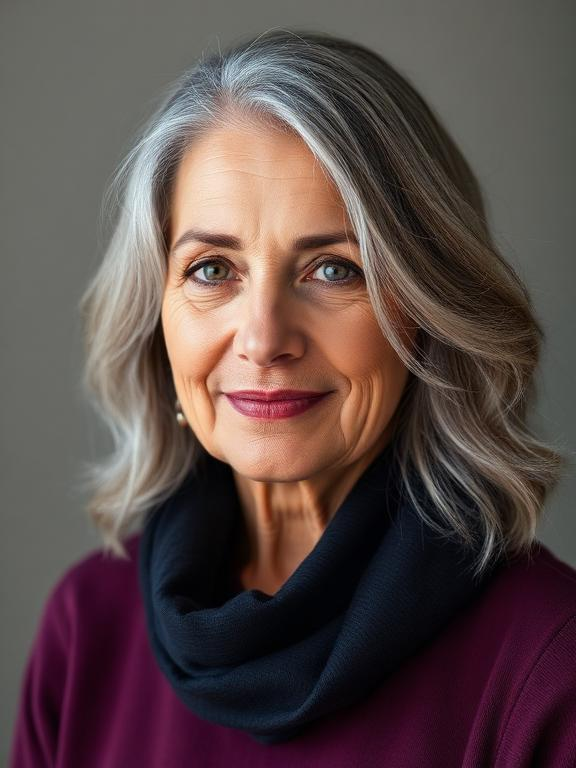
A deliberately managed grow-out where gray roots are allowed to develop while the remaining colour is maintained or gradually blended is one of the most common and most successfully navigated colour transitions for women over 50. The key is managing the transition so it looks intentional rather than neglected at every stage.
Ask your colorist for highlights or balayage in tones that bridge your darkest colour and your lightest gray rather than simply growing out cold. The bridging colour at each appointment keeps the transition looking considered and dimensional rather than two-tone and obvious.
10. Gray Ombre
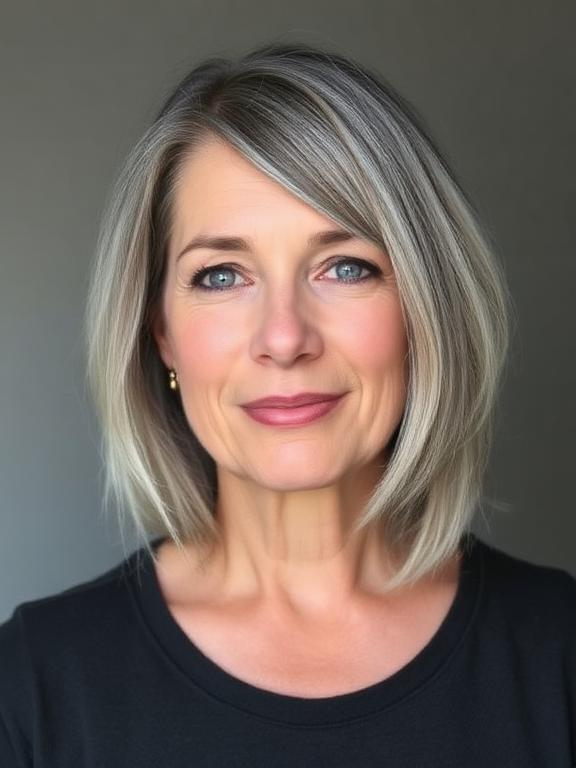
A gray ombre transitions from a darker root, whether natural dark gray, charcoal, or a remaining pigmented base, through to brighter silver or white at the ends. The gradient within the gray family creates a rich, dimensional result that reads as boldly intentional rather than simply uncoloured.
The transition zone through the mid-lengths is the most important section. A well-developed, gradual gradient rather than a sharp line between dark and light makes the gray ombre read as a deliberate colour choice. Ask your colorist to spend time on the mid-length section specifically rather than rushing through the transitional zone.
11. Gray With Warm Highlights
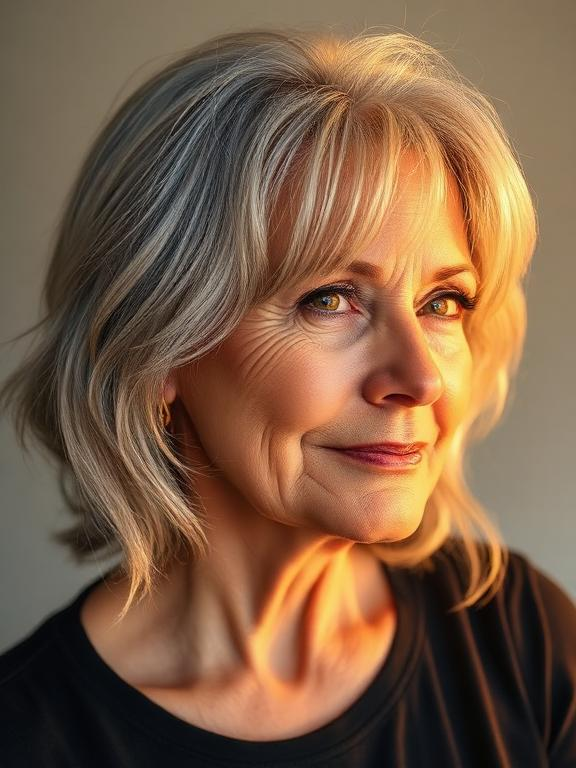
Adding warm highlights, in a soft golden or caramel tone, through gray or silver hair adds an unexpected warmth that prevents the overall colour from reading as cold or severe. The warm pieces sit against the cool gray in a contrast that is simultaneously surprising and flattering, particularly on women with warm skin undertones.
Ask for warm golden babylights rather than standard caramel foil highlights for the most natural result. The fine babylights blend more seamlessly into the gray base than chunky highlights, which can look too deliberately placed against the natural silver.
12. Charcoal Gray Bob
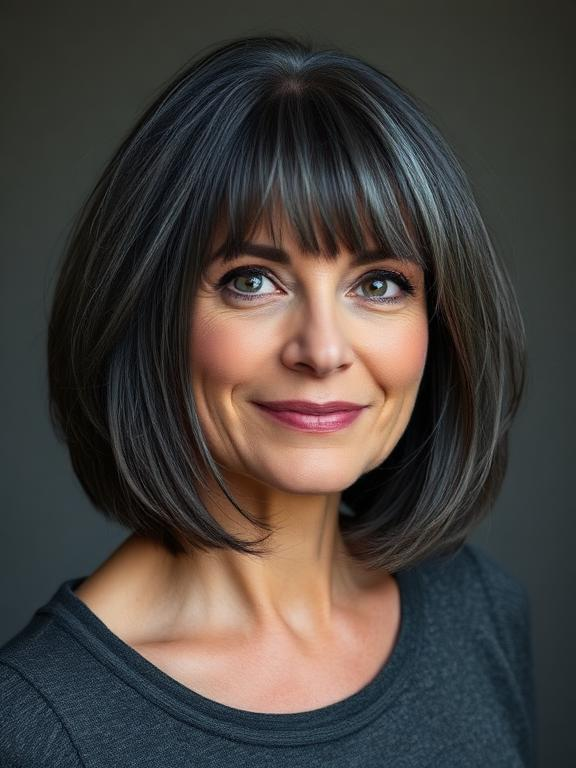
A deep charcoal gray, sitting between dark gray and near-black, on a well-cut bob is a sophisticated and striking colour and cut combination. The depth of the charcoal gray gives the bob a richness and intentionality that lighter grays don’t always achieve on a structured cut. It reads as a colour choice rather than a natural state.
A cool dark gray toner applied over existing dark or graying hair creates the charcoal quality. Without the toner the dark sections pull warm or brassy rather than the cool, deliberate charcoal that makes this look so striking. A sulfate-free color-safe shampoo maintains the cool depth between toning appointments.
13. Gray Balayage Blend
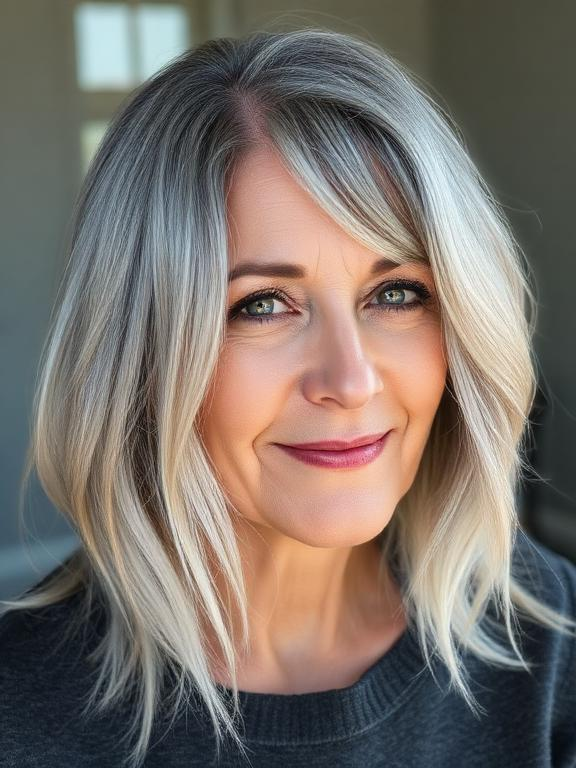
Gray balayage uses a freehand painting technique to blend lighter silver or platinum pieces through a darker gray or salt-and-pepper base. The freehand application creates a softer, more organic result than foil highlights, and the grow-out is more natural because the colour starts away from the root rather than at the scalp.
Ask for silver and platinum pieces concentrated through the top and face-framing sections where they catch the most light. Gray balayage through the back and lower layers has minimal visible day-to-day impact. The placement near the face is where the luminosity and the flattering effect actually live.
14. Soft Pewter Gray
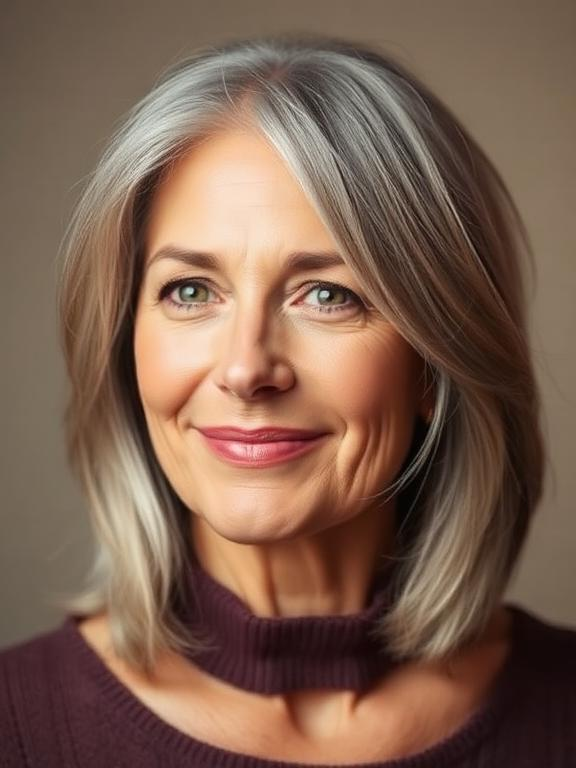
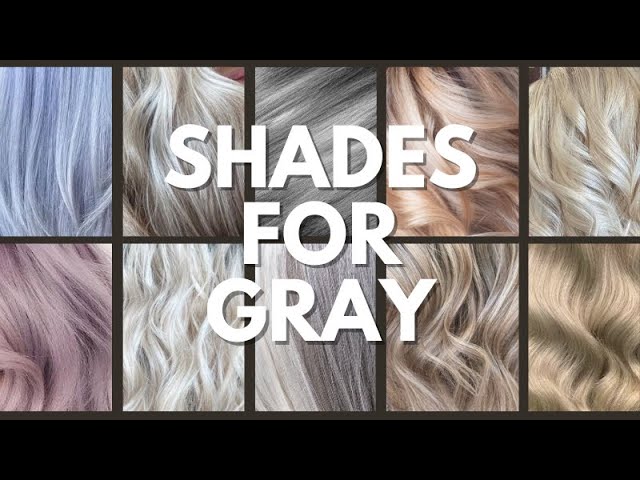
Pewter gray sits between warm gray and cool silver with a slightly metallic, muted quality that has an understated sophistication. It suits neutral and slightly warm skin tones over 50 particularly well, sitting in a more flattering tonal space than either a purely cool silver or a dull, warm gray.
A neutral to slightly warm silver toner creates the pewter quality. Ask your colorist specifically for a muted, metallic quality rather than a bright or cool silver. The subtle warmth in the pewter tone is what makes it more universally flattering than ice-cool silver on most skin tones over 50.
15. Gray Pixie With Bold Frames
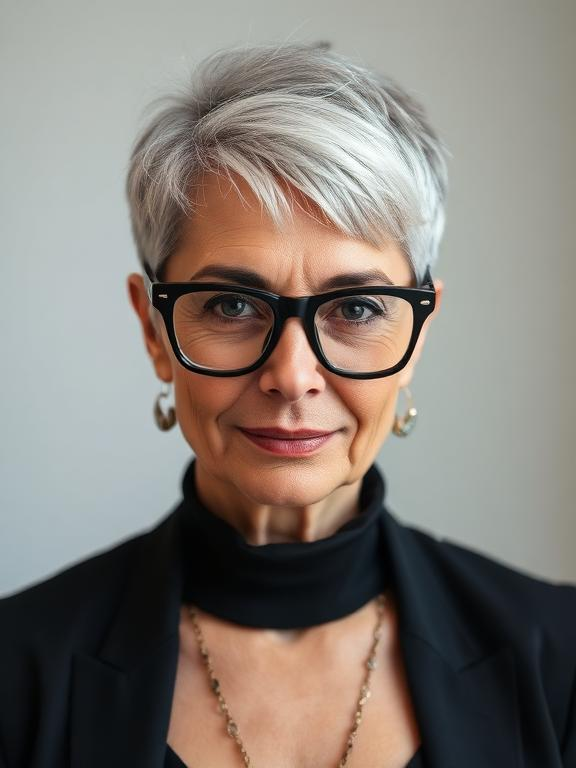
A silver or gray pixie paired with bold statement glasses frames is a combination that communicates complete and total ownership of personal aesthetic. The silver pixie provides a striking backdrop for bold frames and the frames add a focal point that makes the silver colour look even more intentional and considered.
Style the pixie cleanly and precisely to complement rather than compete with the frames. The glasses are doing significant visual work and the pixie needs to be at its sharpest to match that energy. Shape-up appointments every two to three weeks keep the pixie sharp enough to hold its own alongside bold frames.
16. Long Gray Waves
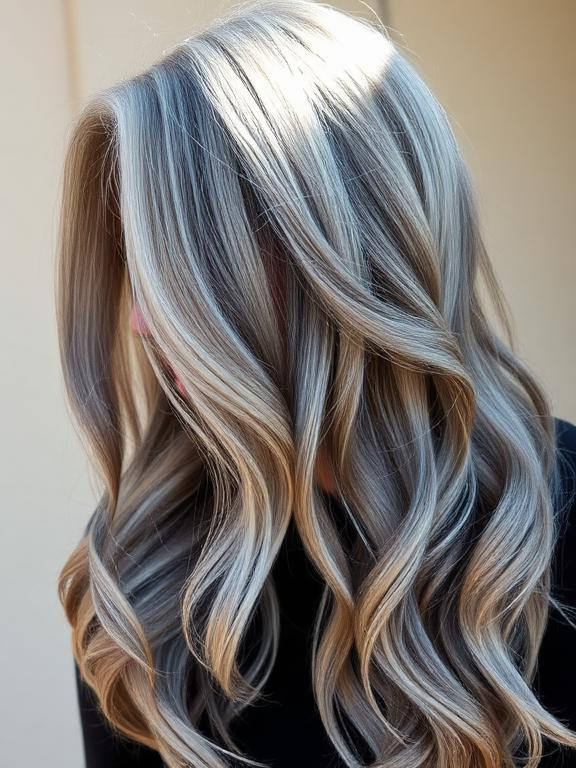
Longer gray hair, sitting at mid-back to shoulder length, worn in loose, effortless waves creates one of the most dramatic and most beautiful expressions of gray hair available. The waves allow the tonal variation within the gray to catch light across every bend, creating a shifting luminosity that straight gray hair doesn’t achieve.
Use a one-and-a-half inch or larger barrel to create genuinely loose waves rather than tight curls. Once cooled, brush through gently with a natural bristle brush in long slow strokes from root to end. The brushing blends the waves and adds a surface shine that makes gray hair look its most luminous.
17. Gray Bixie Cut
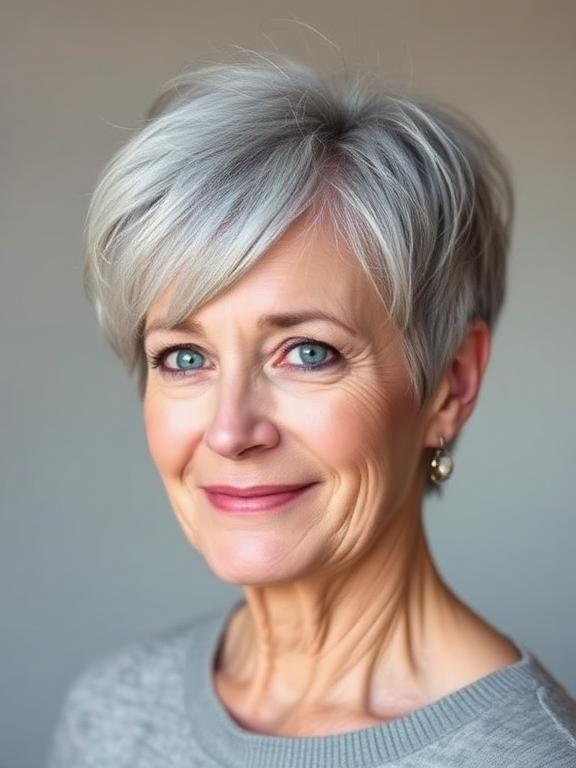
A gray bixie sitting between the ear and jaw with texture and movement throughout is one of the freshest and most current ways to wear gray hair over 50. The bixie’s layered structure creates volume that gray hair, which can be coarser and more resilient than pigmented hair, actually holds exceptionally well.
Style with a lightweight defining cream rather than anything heavy or glossy. Gray hair that is moisturised and textured has a beautiful organic character. Gray hair that is over-smoothed or over-styled loses the natural quality that makes it so distinctive and striking at bixie length.
FAQs
How do I make gray hair look intentional rather than neglected?
Professional toning and a deliberate cut are the two most important factors. Untoned gray with a grown-out cut reads as neglected. Toned gray on a well-maintained cut reads as a fully intentional style choice. A pearl or silver gloss every six to eight weeks and a trim on schedule are what separate celebrated gray from managed gray.
What toning shampoo should I use for gray hair?
A violet or blue toning shampoo used once a week in rotation with a regular moisturising shampoo is the standard recommendation. Violet tones neutralise the yellow that develops in gray hair from environmental exposure. Use for no more than three to five minutes and alternate with a moisturising shampoo since toning shampoos can be drying on already more porous gray hair.
Does gray hair suit all skin tones over 50?
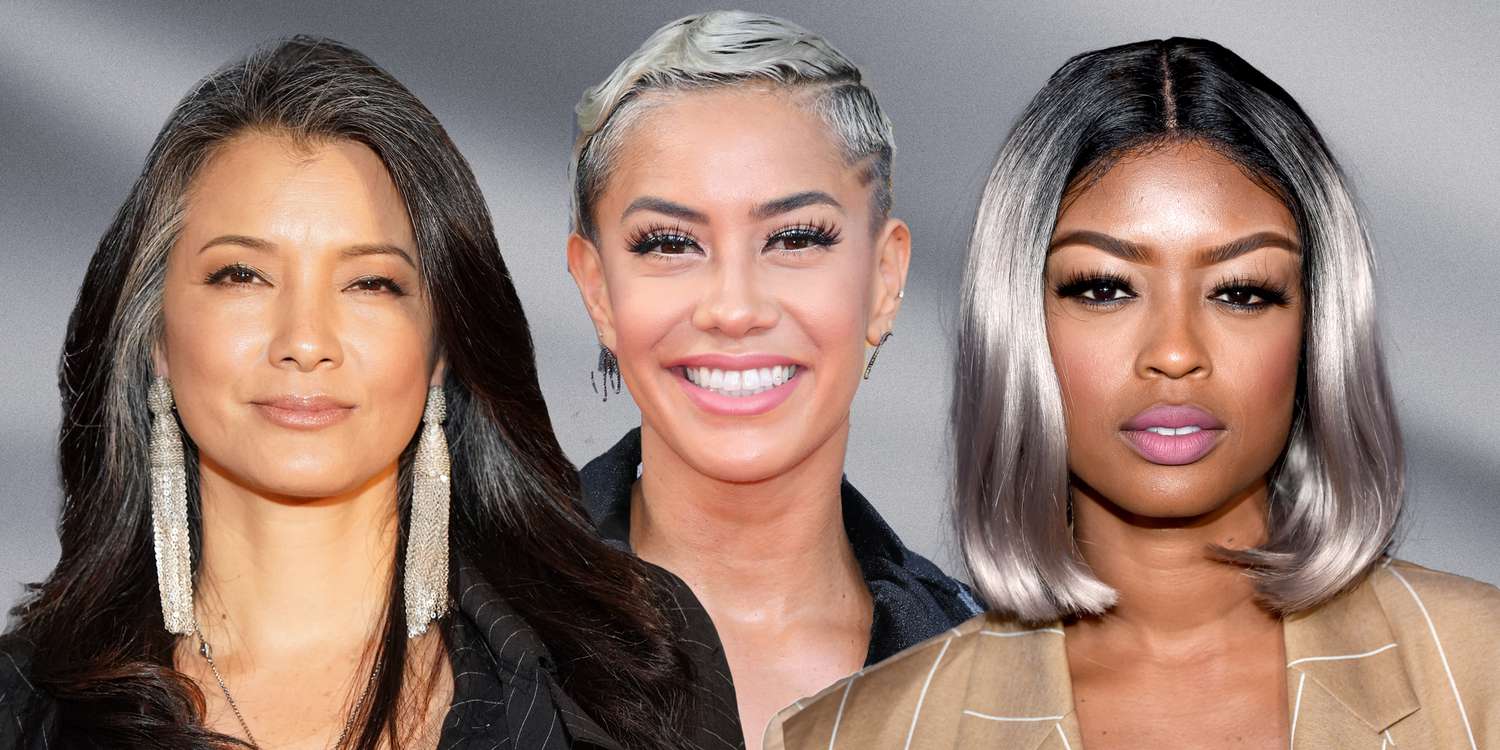
Yes, with the right tone of gray. Cool silver and bright white suit fair and cool skin tones most naturally. Warm pewter and soft gray suit warm and olive complexions more flatteringly. Charcoal and dark gray suit deeper skin tones with a striking and sophisticated contrast. The specific tone of gray matters as much as the decision to go gray itself.
How do I transition from dyed hair to gray gracefully?
The most flattering transition uses gray blending highlights or balayage in silver and platinum tones to bridge the gap between the dyed colour and the natural gray growth. Plan for six to twelve months depending on growth rate and starting colour. Going cold turkey produces a two-tone grow-out that most women find difficult to manage. A staged, blended approach looks considered and dimensional at every stage.
Wrapping Up
Gray hair over 50 done with intention is genuinely some of the most beautiful hair in any room. The tonal variation, the texture, and the luminosity of properly maintained gray hair are qualities that dyed colour spends considerable effort and money trying to replicate.
Tone it, cut it deliberately, maintain it consistently, and stop apologising for it. Gray hair that is worn with ownership looks extraordinary. The only version of gray hair that doesn’t work is the one worn reluctantly.