17 Ginger Hair Color Ideas
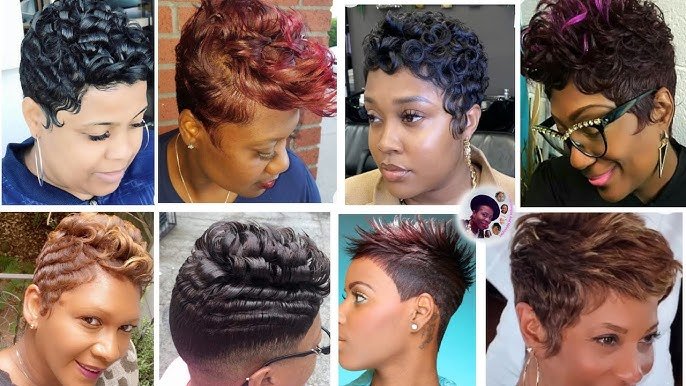
Ginger hair turns heads. There is something about warm, copper-red tones that no other colour family replicates, and whether it’s your natural colour or something you’re choosing deliberately, ginger done well is genuinely one of the most striking hair colours available. The range within the ginger family alone, from pale strawberry to deep auburn-copper, means there is a version of this colour for almost every skin tone and every level of commitment.
Before your appointment, know this: red and copper pigments are the smallest pigment molecules in hair colour, which is exactly why they fade faster than any other shade. Building a maintenance routine before you even sit in the chair gives you significantly better long-term results than trying to figure it out after the colour has already started fading.
1. Classic Copper Ginger
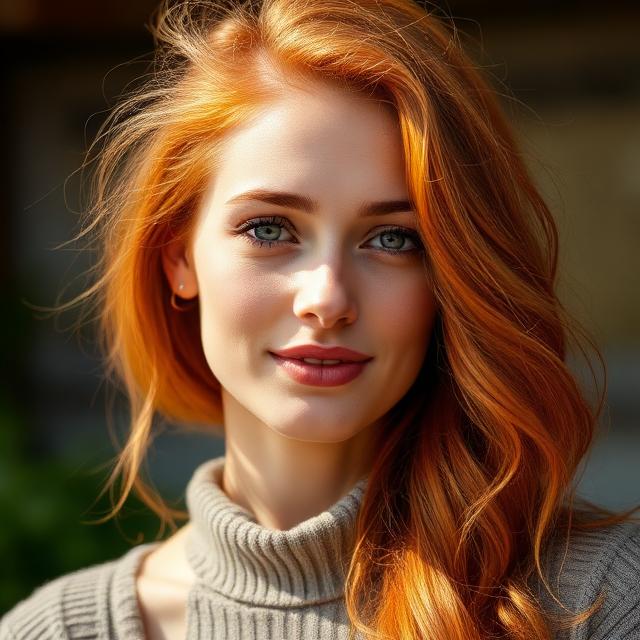
Classic copper ginger is the version most people picture when they think of ginger hair. Warm, bright, and undeniably striking, it sits right in the heart of the copper-red family with enough orange warmth to be unmistakably ginger and enough red depth to avoid looking brassy. On medium skin tones with warm undertones, it creates a genuinely luminous, complementary combination that very few other colours achieve.
Ask your colorist for a copper-red formula with a warm orange base rather than a cool red base. A cool-based red on ginger-toned hair pulls slightly magenta or pink, which takes the warmth out of the copper quality entirely. Maintain with a copper colour-depositing shampoo every third wash and a UV protectant spray daily through any season with significant sun exposure.
2. Strawberry Blonde Ginger
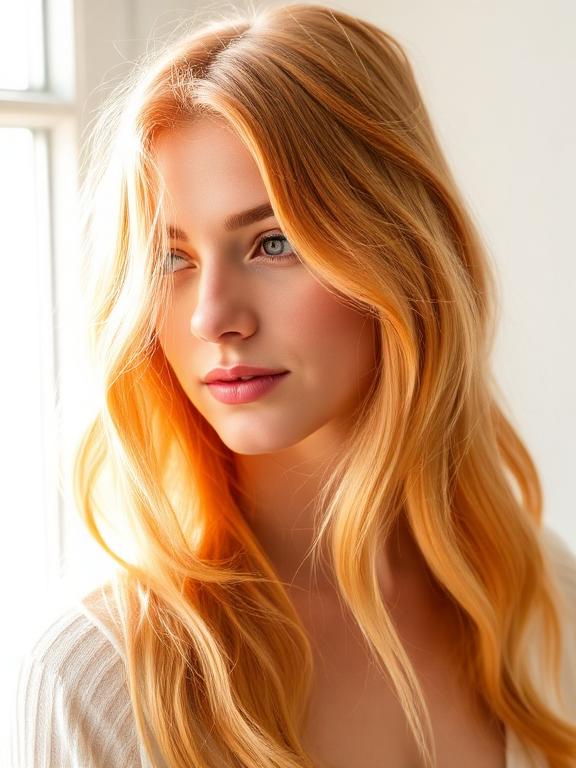
Strawberry blonde is the softest, most delicate expression of ginger hair. It sits at the meeting point of pale blonde and light copper, with just enough warmth to glow in natural light without reading as a full copper or red. It’s the most accessible ginger shade for fair-skinned blondes who want warmth without full commitment and the most naturally occurring of all ginger tones in people with Northern European heritage.
This shade is highly sensitive to toning. Even a small amount of purple toning shampoo can strip the strawberry warmth entirely and push it toward an ashy, flat blonde. Use a warm colour-depositing conditioner in a peach or golden tone instead to maintain the delicate strawberry warmth. Purple shampoo is this colour’s enemy.
3. Deep Auburn Ginger
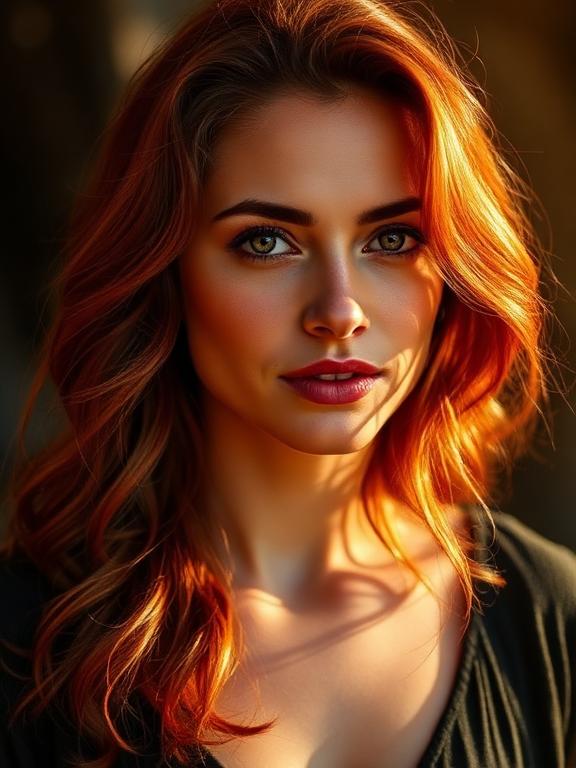
Deep auburn ginger takes the ginger colour family into darker, richer territory. It sits where brunette meets copper-red, with enough depth to read as a dark colour in low light and enough warm ginger quality to glow beautifully in natural or warm light. It’s a more sophisticated, less obviously ginger expression of the colour family that suits deeper and olive skin tones especially well.
Deep auburn is more achievable on dark natural bases than most other ginger shades because it requires significantly less lift to reach. On medium to dark brunette hair, a single colour application can achieve a genuine deep auburn result. Ask for a red-brown formula with auburn undertones rather than a straight red, which stays warmer and more natural-looking on brunette bases.
4. Bright Fiery Ginger
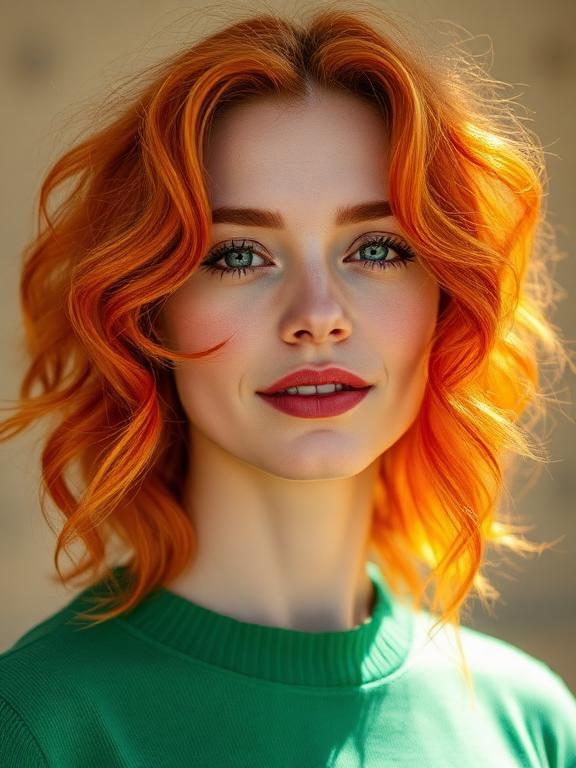
Bright fiery ginger is the most saturated, most vivid expression of the colour on this list. It’s bold, unmissable, and genuinely electric in natural light. This is the ginger that stops people in the street. It requires the most lift to achieve on anything darker than a medium blonde base and the most consistent maintenance to keep it at its most vivid, but the visual impact is unlike anything else in the colour family.
A vivid fiery ginger requires pre-lightening to a pale yellow before the copper-red formula is applied, since any remaining warmth in the lifted hair will affect the final tone. On unlifted dark hair, the vivid quality simply won’t deposit accurately. Plan for a minimum of two sessions on medium to dark natural bases and use a colour-depositing shampoo weekly to maintain the saturation.
5. Ginger Balayage On Brunette
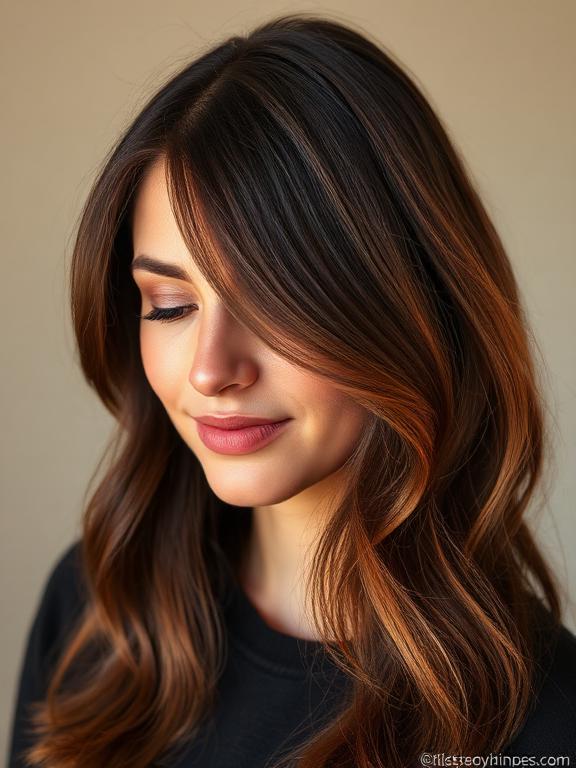
Ginger balayage woven through a brunette base is one of the most flattering and most naturally occurring colour combinations in existence. Warm, copper-adjacent pieces freehand painted through a dark base create a result that looks like the hair lightened naturally in warm sun over a long summer. The brunette base keeps the overall colour grounded and manageable while the ginger pieces add warmth, dimension, and movement.
Ask for the ginger pieces to be concentrated most heavily through the face frame and top sections where they catch the most light in everyday wear. Ginger balayage buried through the back and lower layers has minimal day-to-day impact. A copper or warm amber gloss applied over the finished balayage at each appointment unifies the ginger and brunette tones and adds the shine that makes this combination look genuinely expensive.
6. Copper Rose Ginger
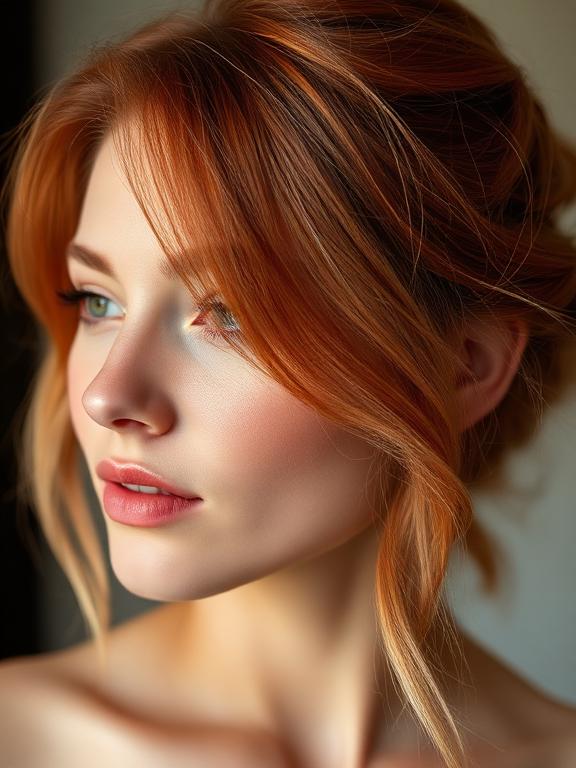
Copper rose is a warm, slightly pink-adjacent take on classic copper that sits in a uniquely feminine and flattering tonal space. It has enough copper warmth to read as ginger in direct light, and enough rose softness to read as something more delicate and unusual in lower light. On fair to medium skin tones, it creates a complexion-flattering warmth that neither pure copper nor pure rose achieves independently.
This shade requires a colorist who understands tonal balance between warm and cool within the red family. Too much rose, and it crosses into pink rather than copper rose. Too much copper and the rose quality disappears. Ask to see examples of their copper rose work specifically before booking and discuss the exact balance between the two tones before any colour is mixed.
7. Ginger Highlights On Red Hair
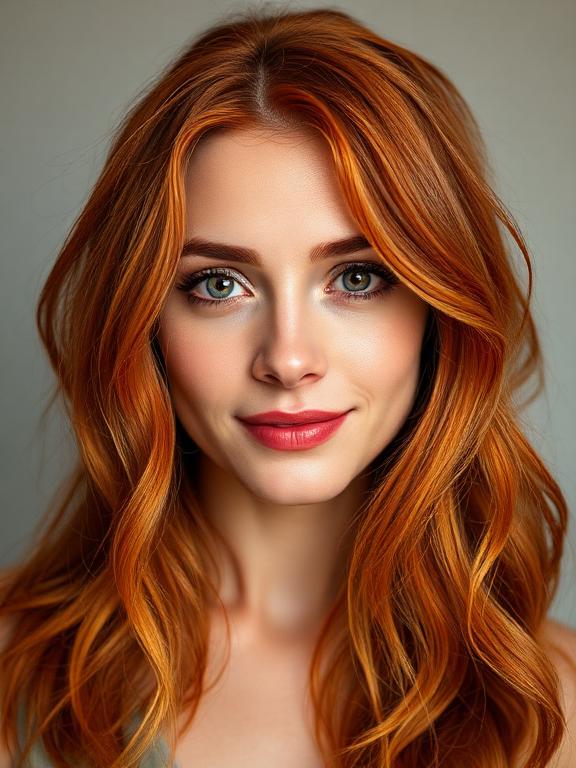
Adding bright ginger or copper highlights through an already red or auburn base creates dimension and brightness within the warm colour family without introducing any contrasting or cooler tones. The highlights catch the light differently from the base and create a layered, multidimensional warmth that a single all-over red formula never achieves. It’s a technique that enriches rather than changes the overall colour.
Ask for highlights that are one to two shades lighter and slightly more copper-toned than the existing red base rather than dramatically different from it. The goal is dimension within the warm family rather than visible contrast. Highlights that are too different from the base start looking like traditional highlights rather than a dimensional red colour enhancement.
8. Russet Ginger
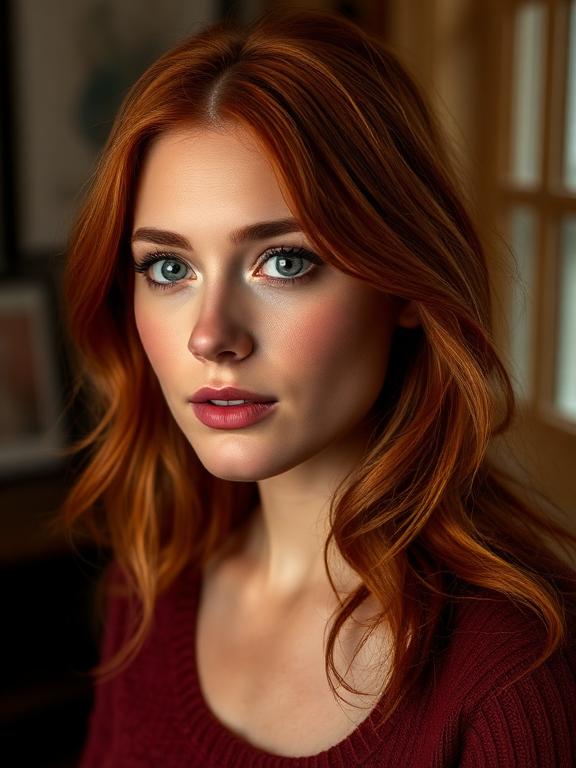
Russet ginger sits at the meeting point of ginger and deep burgundy-brown. It’s a darker, earthier, more autumnal expression of the ginger colour family that reads as deeply warm and rich rather than bright and vivid. On medium to deep skin tones, it creates a genuinely stunning combination that lighter, more vivid gingers don’t always achieve. Think fallen leaves and warm firelight rather than bright copper or flame.
Ask for a warm red-brown formula with russet and auburn undertones rather than a pure red or pure copper. The brown component is what gives russet its depth and earthiness and what separates it from a standard dark auburn result. A deep conditioning gloss in a warm russet tone applied at each appointment maintains the richness and depth between full colour sessions.
9. Faded Vintage Ginger
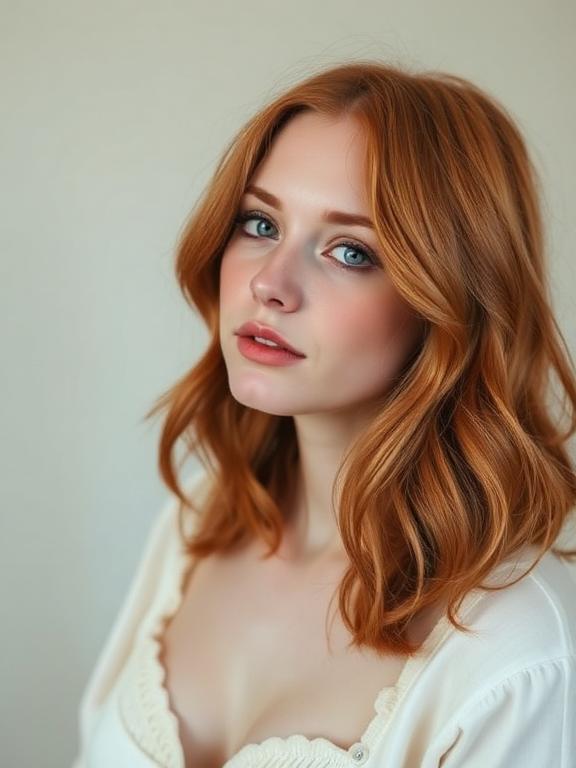
Faded vintage ginger leans into the natural fading process of copper and red hair rather than fighting it, allowing the colour to settle into a softer, slightly muted, more peachy-copper tone that has an almost retro, worn-in quality. It’s for the person who loves ginger but wants something with a less saturated, more organic, effortlessly lived-in finish. The fade is intentional rather than neglected.
Rather than using a colour-depositing shampoo to maintain maximum vibrancy, use a gentle, warm colour-safe shampoo that slows fading without intensifying it. Allow the colour to settle naturally and then adjust at your appointment by asking your colourist to tone to the faded quality rather than refreshing back to the original saturation. The faded version is often more flattering and more unusual than the fresh one.
10. Ginger With Blonde Highlights
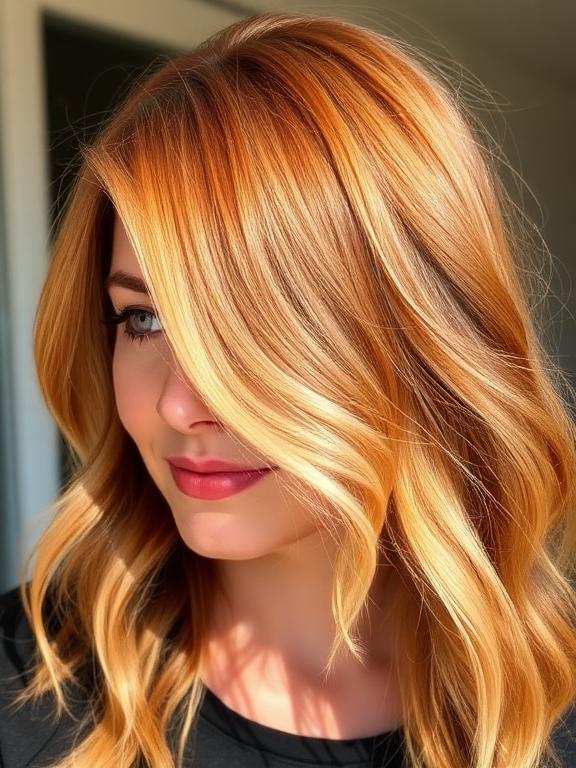
Blonde highlights through ginger hair add brightness and dimension to the warm copper base without introducing any cooler tones. The lighter blonde pieces catch the light differently from the surrounding ginger, creating a sun-kissed, multidimensional warmth that is fuller and more interesting than either colour worn alone. It’s a particularly flattering combination on natural gingers who want to enhance rather than change their natural colour.
Ask for warm golden blonde rather than ash or platinum blonde highlights through ginger hair. Cool highlights on a warm ginger base clash tonally rather than complementing, creating an unflattering contrast that disrupts the warmth of the overall colour. The highlights need to stay within the warm colour family to work harmoniously with the ginger base.
11. Peach Ginger
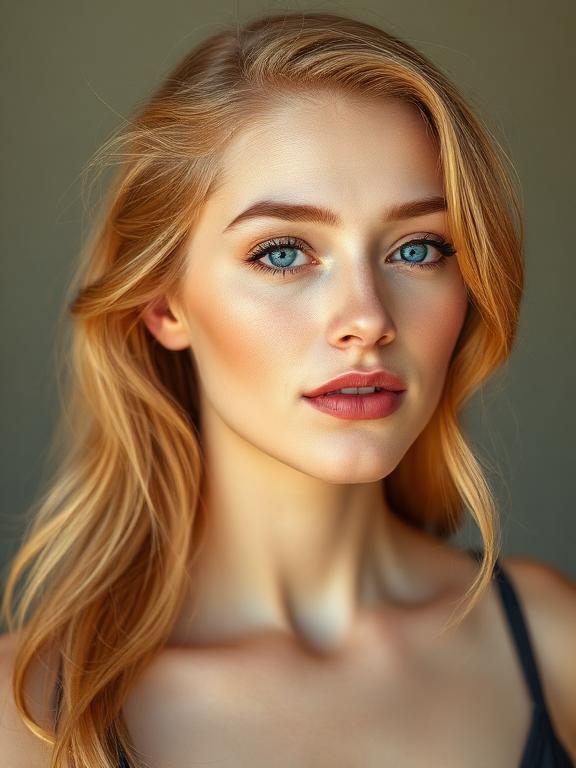
Peach ginger is the softest, most pastel-adjacent expression of the ginger colour family. It sits where pale copper meets peach, with a delicate, almost luminous warmth that photographs beautifully in natural light. It’s an unusual and genuinely beautiful alternative to strawberry blonde for fair-skinned clients who want something warm but soft, and it has a distinctly current, fashion-forward quality within the ginger family.
Peach ginger requires pre-lightening to a very pale yellow for the peach tones to deposit accurately. On any base with remaining warmth, the peach tones interact with the underlying yellow and push toward a more orange result rather than a true peach. A peach or apricot colour-depositing conditioner used once a week maintains the soft peach quality as the colour fades.
12. Dark Ginger With Caramel Balayage
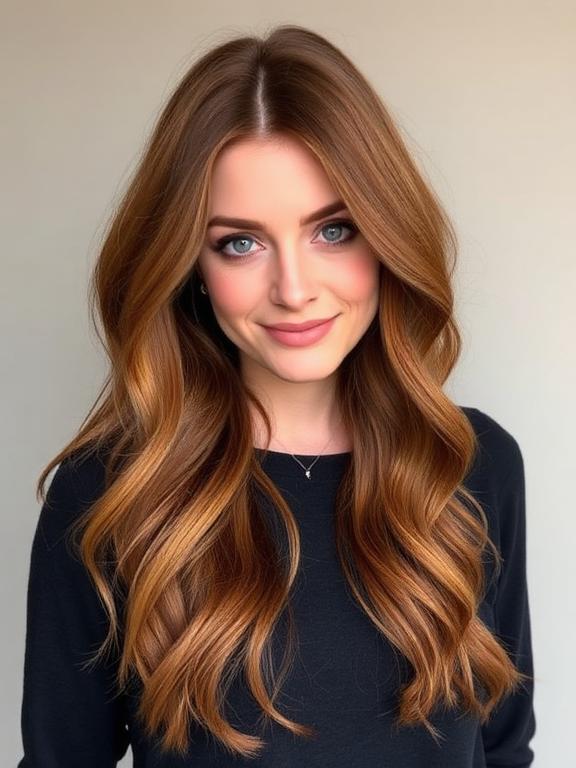
Dark ginger hair, sitting in the deep copper-auburn range, with caramel balayage pieces woven through creates a warm, dimensional result that is rich in depth at the root and brighter and warmer through the mid-lengths and ends. The caramel pieces add a golden brightness to the ginger base that lifts the overall warmth of the colour without changing its fundamental character. It’s a sophisticated, well-considered combination.
The caramel pieces need to be warm and golden rather than cool or beige to sit harmoniously within the ginger colour family. A caramel that pulls cool or ashy immediately disrupts the warmth of the ginger base and creates an unflattering tonal clash. Ask your colorist to keep everything within the warm tonal family from the darkest part of the base to the lightest point of the caramel pieces.
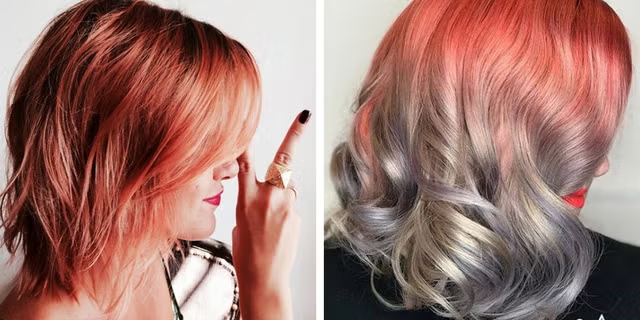
13. Ginger Ombre
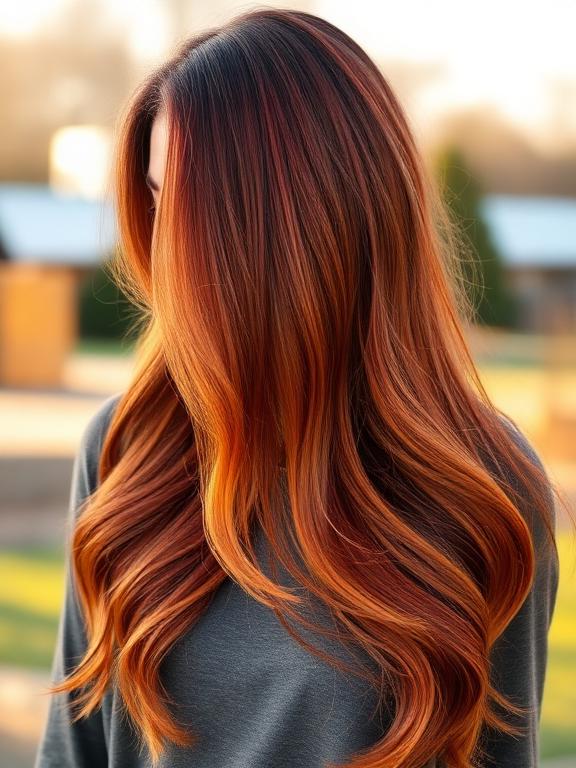
A ginger ombre transitions from a darker root, whether a natural dark brunette or a deep auburn, through increasingly warm and bright ginger tones toward the ends. The gradient within the warm colour family creates a rich, fiery result that reads as bold and intentional without the high contrast of a dark-to-blonde ombre. The warmth of the tones at every point in the gradient keeps the overall result cohesive rather than dramatically two-toned.
The transition zone through the mid-lengths is the most important section of a ginger ombre. A well-executed ginger ombre spends as much time developing the gradient through the middle as it does on the root and the ends. A rushed mid-length transition produces a result with a hard line rather than a fluid gradient, which immediately makes the ombre look unfinished rather than intentional.
14. Copper Ginger With Shadow Root
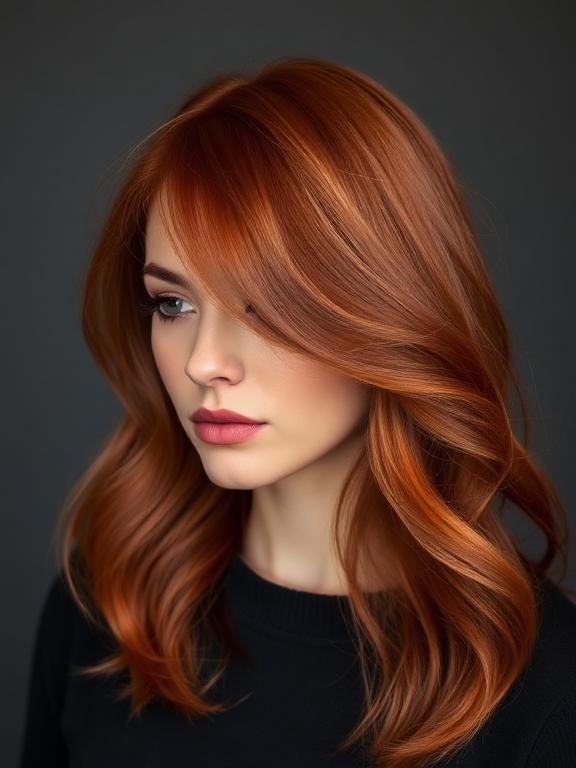
A shadow root on copper ginger hair keeps a slightly darker, brunette-adjacent section at the scalp that melts softly into the copper ginger through the lengths. It removes the pressure of frequent root appointments and adds a dimensional depth at the root that all-over ginger colour sometimes lacks. The darker root also makes the copper lengths look brighter and more vivid by contrast.
Tell your colorist you want the shadow root to be warm rather than cool or neutral. A cool shadow root against warm copper ginger lengths creates a tonal clash that makes the root look accidentally darker rather than deliberately shadowed. A warm dark auburn or red-brown shadow root sitting against the copper lengths keeps everything within the same warm colour family.
15. Ginger Hair With Money Piece
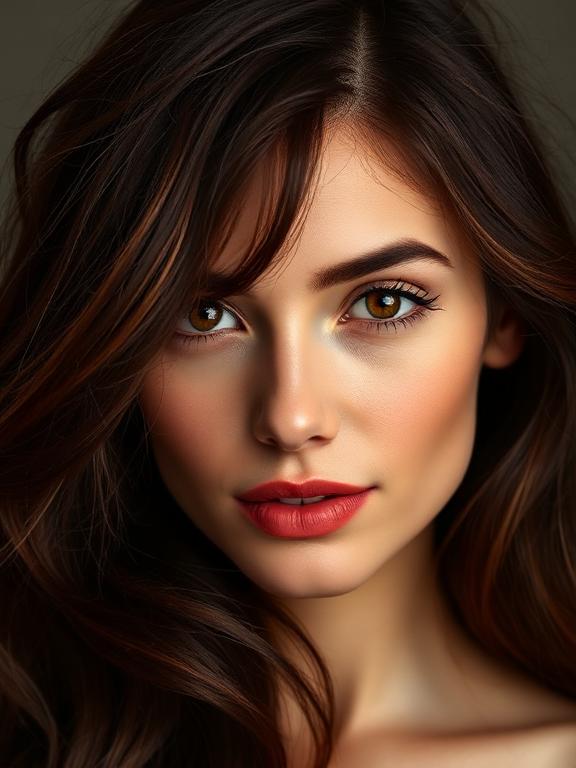
A bright, bold copper or ginger money piece against a darker base creates an immediate, face-brightening focal point that is one of the fastest and most impactful ways to introduce ginger colour without committing to a full application. The two warm, bright sections framing the face add warmth to the complexion immediately and create a contrast against any darker base from medium brunette to near-black.
The money piece needs to be genuinely bright and saturated to achieve the impact this style is built around. A money piece that is only marginally lighter than the base reads as face-framing highlights rather than a true money piece statement. Ask for a vivid copper or bright ginger tone at the money piece sections that is noticeably warmer and brighter than anything else in the colour.
16. Ginger Toner Over Blonde
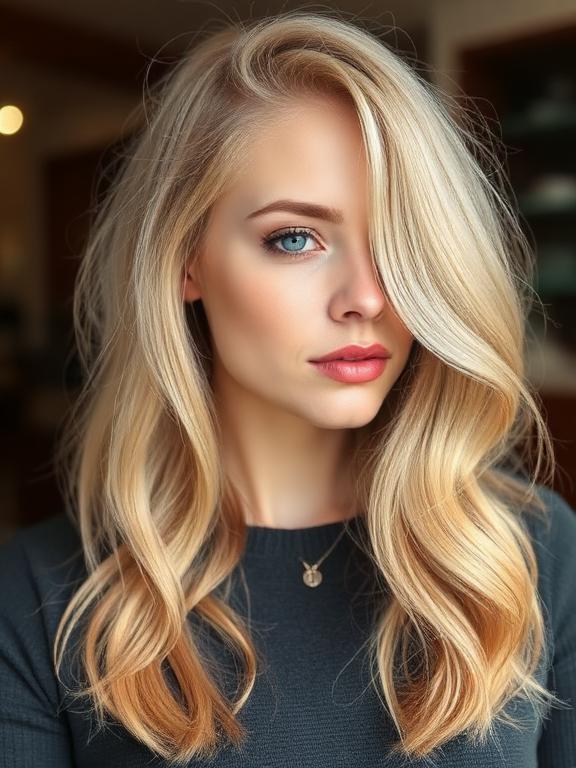
Applying a ginger or copper toner over an already lightened blonde base is one of the fastest and most transformative colour services available. The toner deposits warm copper-ginger pigment over the existing blonde without any additional lifting, immediately shifting the overall colour into the ginger family with minimal processing time and minimal additional damage. It’s essentially the most efficient route to ginger hair from a blonde starting point.
The depth and saturation of the final ginger result depends entirely on how pale the blonde base is. A very pale, near-white blonde will take the ginger toner most accurately and produce the most vivid result. A darker, more golden blonde base will interact with the toner and produce a deeper, more auburn-adjacent result. Discuss the starting blonde level with your colourist before choosing the specific toner formula.
17. Natural Ginger Enhancement
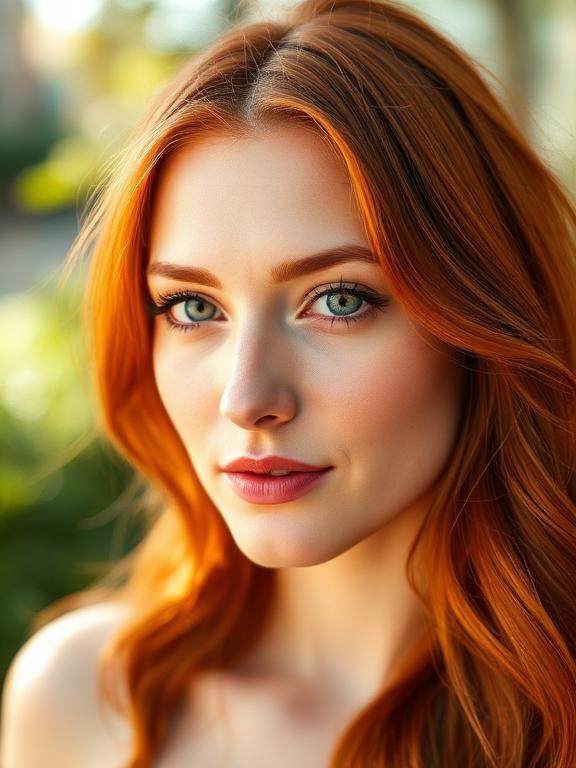
For those with naturally ginger or auburn hair, a colour service specifically designed to enhance rather than change the natural colour adds vibrancy and richness to the existing tone that natural hair colour alone, subject to daily fading from sun, washing, and heat, often lacks after a few months of growth. The right enhancement service makes natural ginger look the way it did at its most vivid without altering its fundamental character.
Ask your colorist for a demi-permanent colour or gloss in a shade that exactly matches your natural ginger tone at its most vivid rather than a formula that shifts the colour in a different direction. The goal is to top up what was always there rather than introduce anything new. A monthly gloss at home using a warm copper conditioner between salon visits maintains the enhanced vibrancy through the full grow-out period.
FAQs
Why does ginger hair fade so fast?
Red and copper pigment molecules are physically smaller than the molecules of other colour families, which means they sit closer to the surface of the hair shaft and are washed out more easily with every shampoo. They are also more reactive to UV light than other pigments. This is a structural characteristic of red pigment rather than a reflection of colour quality or application technique. Consistent maintenance is the only effective solution.
What skin tones suit ginger hair best?
Ginger suits a wider range of skin tones than most people assume. Fair skin with cool or neutral undertones suits pale strawberry and peach ginger best. Warm and olive skin tones suit classic copper, russet, and deep auburn ginger most flatteringly. Deeper skin tones carry bright vivid ginger and deep copper with a genuinely stunning contrast that lighter skin tones don’t produce. The specific shade of ginger matters more than the skin tone category.
How do I stop ginger hair from fading between appointments?
Wash in cool water only, use a sulfate-free colour-safe shampoo, apply a UV protectant before sun exposure, use a copper or red colour-depositing conditioner every seven to ten days, and limit washing to two to three times per week. No single step does the whole job. The combination of all five consistently outperforms any individual product or technique. Heat styling without protectant also accelerates copper and red fading significantly.
Can I achieve ginger hair on a dark natural base?
Yes, but the process depends on the specific shade of ginger. Deep auburn and russet gingers can often be achieved on medium to dark brunette bases with a single colour application and no lifting. Bright copper and vivid fiery gingers require significant pre-lightening on dark bases and multiple sessions to reach safely. Strawberry blonde and peach ginger require the most lifting of all and are the most session-intensive on dark natural hair.
Wrapping Up
Ginger is one of the most rewarding colour families to wear and one of the most demanding to maintain, and both of those things are true at the same time. The payoff in terms of warmth, personality, and sheer visual impact is worth every maintenance step for the right person.
Pick the shade from this list that excites you most, be realistic with your colorist about your starting point and your maintenance commitment, and build the aftercare routine before the colour appointment rather than after. Ginger hair that is genuinely maintained looks extraordinary. Ginger hair that isn’t maintained gets there faster than any other colour.