18 Shag Hairstyles for Medium-Length Thin Fine Hair
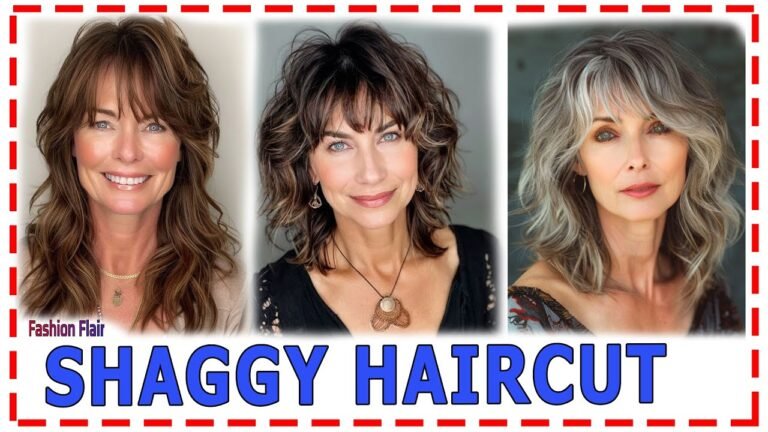
The shag and fine hair have a more nuanced relationship than most people realize before they sit down in the salon chair and ask for one. A shag on thick hair is forgiving. The density absorbs the layering, the weight distributes through the full length, and even an imprecise version of the cut looks intentional. On thin fine hair the same approach produces something very different. Too many layers, placed too aggressively, and the ends go thin and wispy in a way that looks accidental rather than styled.
But a well-considered shag on thin fine hair at medium length can be genuinely transformative. The key is understanding that fine hair needs the idea of a shag more than it needs the full execution of one. It needs the movement and the face-framing quality and the relaxed texture that a shag creates, but it needs those things delivered through conservative, strategic layering that preserves the end density fine hair cannot afford to lose.
Medium length is actually one of the better zones for a fine hair shag because the length gives the layers room to create movement without the hair being so long that the weight suppresses the texture and flattens everything out. There is enough length to work with and not so much that the cut is fighting the hair type the whole way down.
This list covers 18 shag hairstyles for medium-length thin fine hair that deliver the shag experience without compromising the density and fullness that fine hair needs to look its best.
1. Conservative Crown Shag
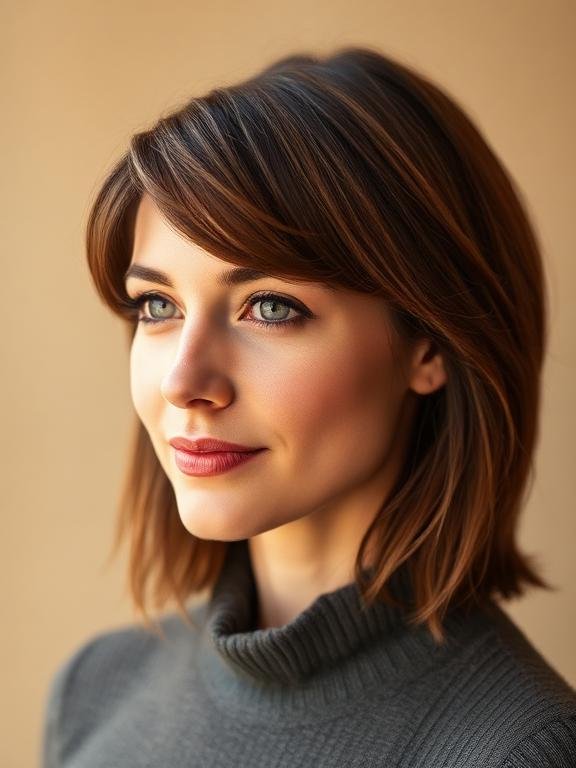
This shag concentrates all its layering through the crown and upper mid-lengths, leaving the lower sections and ends completely untouched. For thin fine hair this is the most reliable shag approach because the crown layering creates the lifted, textured quality associated with a shag while the full, dense lower sections give the style presence and weight at the perimeter.
Ask for a medium shag with layering placed only through the crown and upper mid-lengths, leaving the lower sections and ends completely untouched to preserve as much perimeter density as possible for thin fine hair.
2. Curtain Bang Shag
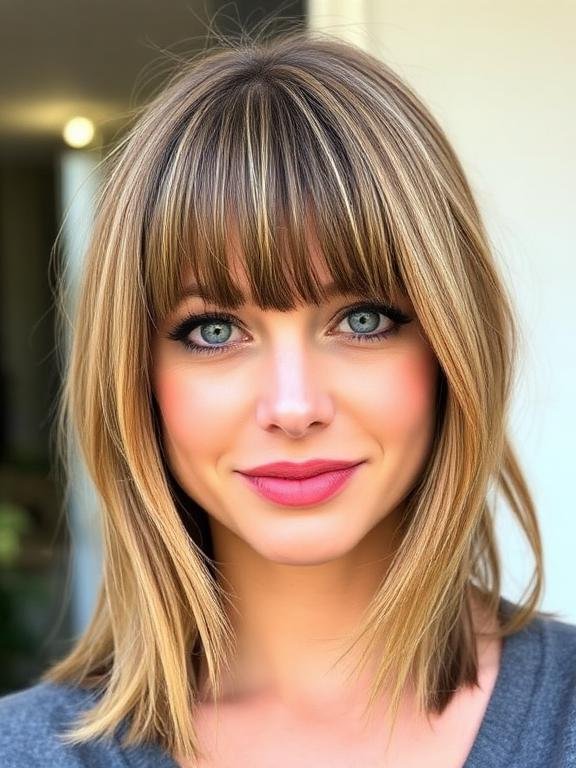
The curtain bang shag is one of the most popular shag variations and works particularly well for thin fine hair because the curtain bangs create significant face-framing interest at the front without requiring aggressive layering through the rest of the cut. The bangs do the decorative work and the body of the cut can stay conservative enough to protect fine hair density.
Ask for a medium shag with curtain bangs that blend softly into face-framing layers at the sides, with conservative layering through the upper mid-lengths only and the lower sections kept as full and dense as possible for thin fine hair.
3. Feathered Medium Shag
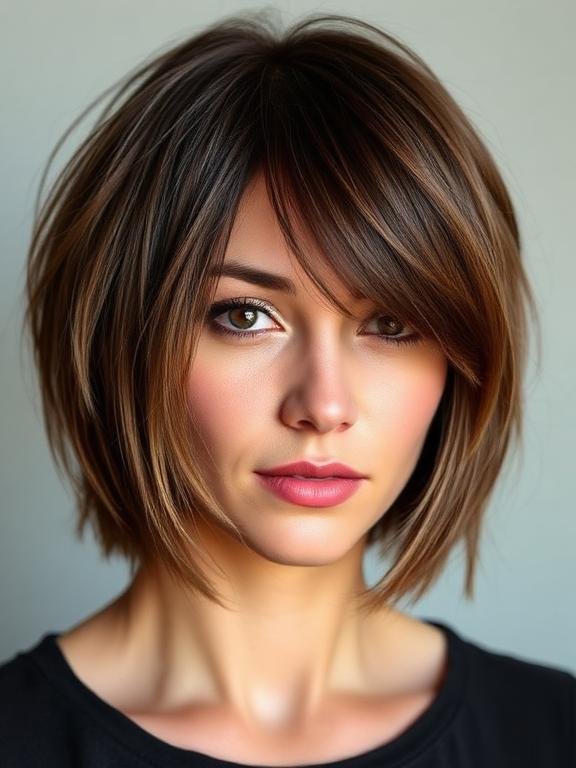
A feathered shag uses gradual, diffused layering through the outer mid-lengths rather than sharp, clearly defined layers, which removes weight more gently and leaves the ends looking softer and more natural than aggressive layer cutting would. For thin fine hair this gradual approach is more flattering and more forgiving than a heavily layered shag.
Ask for a medium shag with feathered, gradually diffused layering through the outer mid-lengths that removes weight gently without creating sharp breaks in density or thinning the ends to the point where individual fine hair strands become visible at the tips.
4. Wispy Fringe Shag
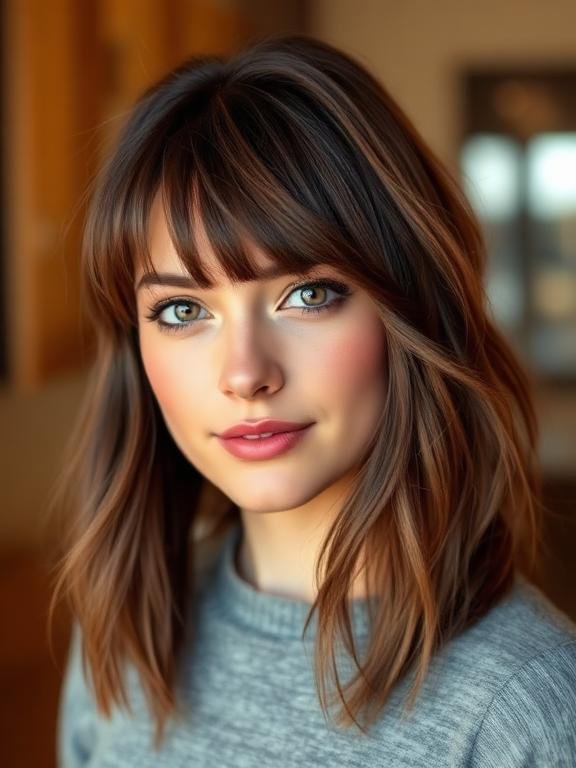
A wispy fringe gives a medium shag on thin fine hair a front focal point that draws attention and adds intention to the style without demanding the density a full blunt fringe requires. The wispy quality of the fringe matches the relaxed texture of the shag body, and the two elements together create a cohesive style where everything feels like it belongs to the same aesthetic.
Ask for a medium shag with a wispy fringe that sits lightly across the forehead without a heavy blunt edge, with conservative layering through the upper mid-lengths and crown that matches the light, airy quality of the wispy fringe.
5. Textured Mid-Length Shag
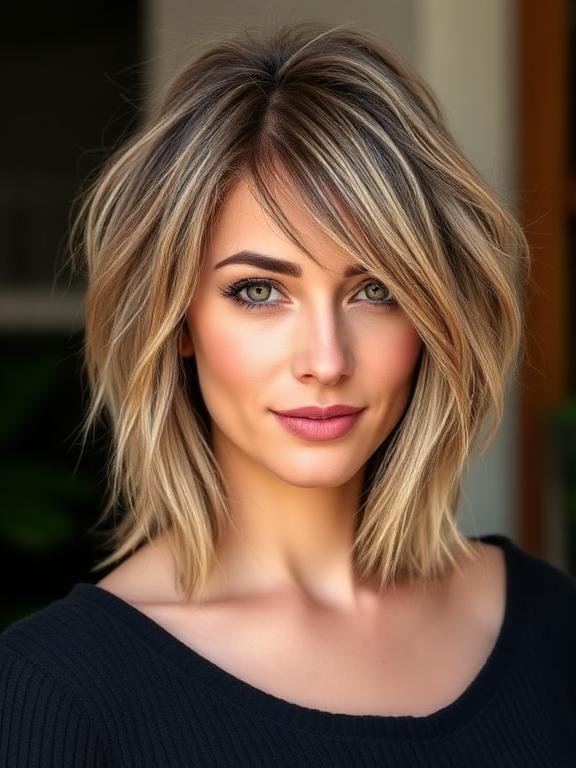
This shag uses point cutting rather than standard layering to create texture and movement through the mid-lengths of thin fine hair. Point cutting creates small, irregular breaks in the hair that add visual interest and movement without removing significant density, which makes it a more appropriate texturing technique for fine hair than aggressive layering through the same sections.
Ask for a medium shag with point-cut texturing through the mid-lengths rather than standard layering, creating movement and dimension through the hair without removing enough density to make the thin fine hair look thin or wispy at the perimeter.
6. Side-Parted Medium Shag
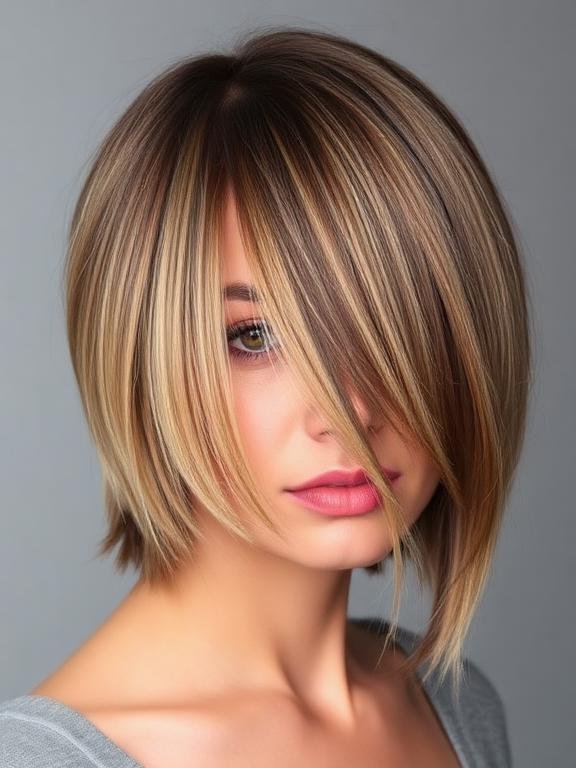
A side part in a medium shag creates immediate volume on the heavier side and gives the whole style a directional quality that makes the shag texture look more dynamic and intentional. For thin fine hair the side part also concentrates density on one side, which gives the style more apparent fullness than a centered part that splits the fine hair evenly and reveals more flatness.
Ask for a medium shag with a defined side part and conservative layering placed to support the volume the side part creates on the heavier side, with the lower sections and ends kept as full as possible for thin fine hair.
7. Razor-Cut Medium Shag
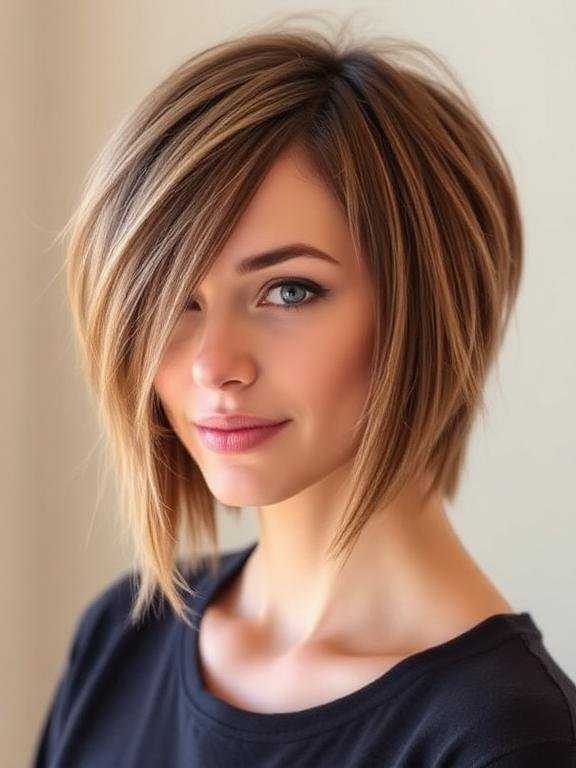
Razor cutting applied conservatively through the outer mid-lengths of a medium shag creates a softer, more diffused texture than scissor layering would achieve. For thin fine hair the razor finish makes the shag texture look more natural and less aggressively layered, which is important for fine hair that cannot afford to have too much density removed at any single point through the cut.
Ask for a medium shag with conservative razor cutting applied through the outer mid-lengths to create soft, diffused texture that looks natural rather than aggressively layered, with the lower sections and ends left as full and dense as possible for thin fine hair.
8. Half-Up Shag Style
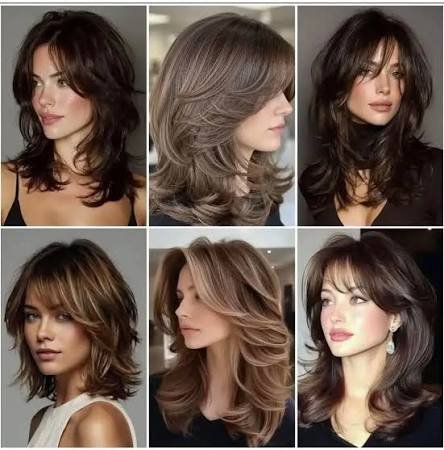
A medium shag styled as a half-up gives thin fine hair a practical everyday option that takes advantage of the shag layering in the lower sections while adding structure and apparent volume at the crown through the gathered top section. The loose shaggy lower sections provide the movement and texture while the half-up element addresses the flatness at the crown that thin fine hair often develops through the day.
Style the upper section of a medium shag gathered loosely at the crown with a clip or soft elastic, leaving the lower shaggy sections down to show the layered texture and movement of the cut, with face-framing pieces left loose at the front to soften the gathered top section.
9. Babylight Shag
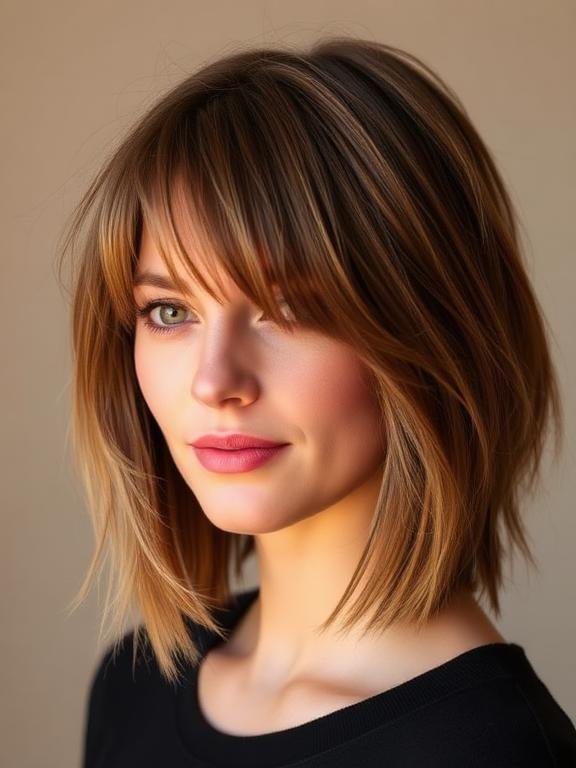
Adding babylights to a medium shag on thin fine hair gives the cut significantly more apparent dimension and texture than the layering alone can create. The very fine, closely placed highlights interact with the shag layers to create a multidimensional, sun-kissed effect that makes thin fine hair look thicker and more textured than a single flat color on the same shag cut would.
Ask for a medium shag with conservative upper mid-length and crown layering and babylights placed through the mid-lengths and ends to add diffused brightness and dimension, giving the thin fine hair shag more apparent texture and depth than the cut alone would achieve.
10. Undone Wave Shag
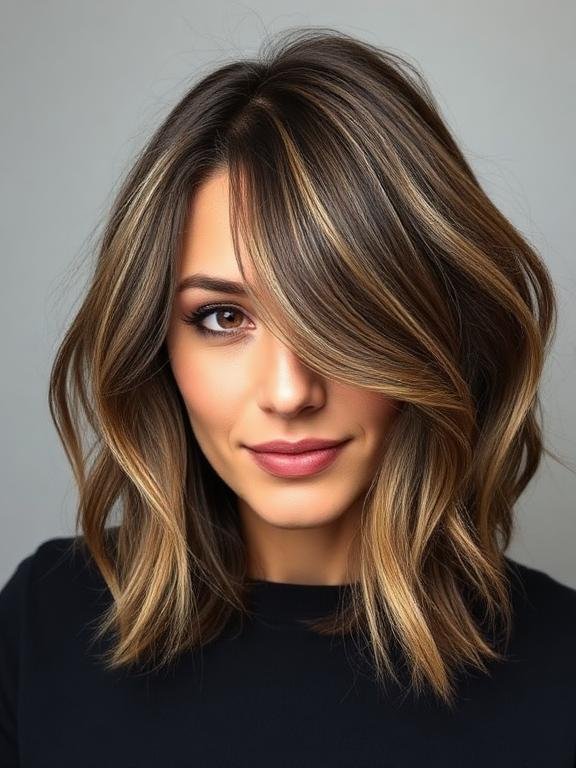
A medium shag styled with a light texturizing or wave-enhancing product that creates a loose, undone wave through the mid-lengths gives thin fine hair the volume and movement the shag is designed to create. The undone wave adds the texture that the conservative layering of a fine hair shag cannot deliver through cutting alone, and the two elements together produce a result that looks genuinely full and effortless.
Ask for a medium shag with conservative upper mid-length layering and style it with a lightweight texturizing or wave-enhancing product scrunched into damp hair before air drying, creating an undone wave through the mid-lengths that gives the thin fine hair shag the volume and movement the cut is designed to produce.
11. Face-Framing Layer Shag
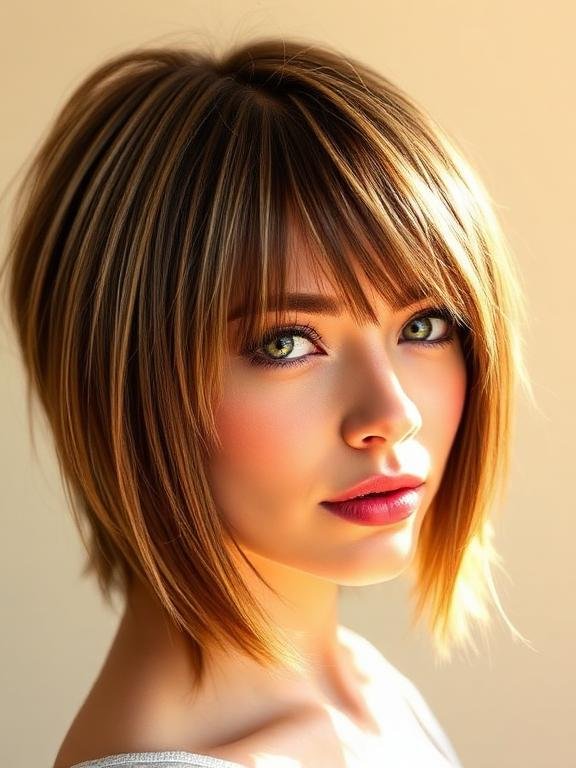
This shag concentrates its most defined layering through the face-framing sections around the cheekbones and jaw, where the layers create the most visual impact for the least density removal. For thin fine hair, putting the most visible layering where it does the most face-framing work means the rest of the cut can stay conservative and full while the style still reads as a proper shag.
Ask for a medium shag with the most defined layering concentrated through the face-framing sections around the cheekbones and jaw, with the crown and upper sections having lighter, less aggressive layering and the lower back sections kept as full as possible for thin fine hair.
12. Soft Shag Lob
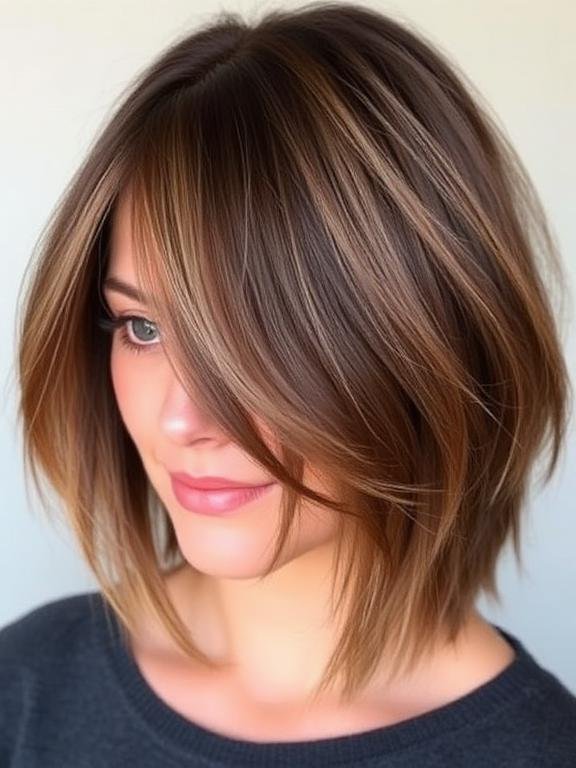
This sits at the longer end of medium length, landing around the collarbone, with conservative shag layering through the upper sections and gentle texturing through the mid-lengths. The extra length gives the thin fine hair more perimeter density than a shorter shag would, and the conservative layering adds enough movement and texture to read as a shag without over-thinning the ends.
Ask for a soft shag lob at collarbone length with conservative layering through the crown and upper mid-lengths and gentle texturing through the lower mid-lengths, keeping the ends as full and dense as possible to give the thin fine hair maximum perimeter presence at the longer length.
13. Choppy Crown Shag
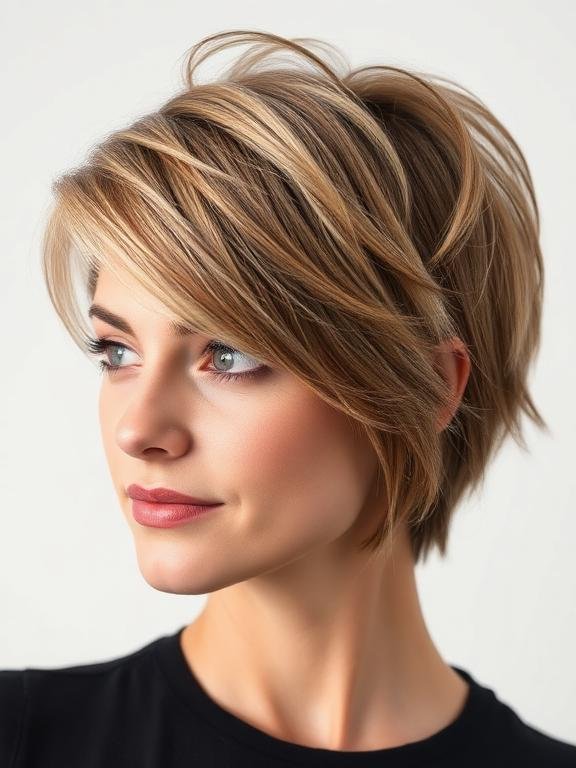
This shag puts choppy, visible layering specifically at the crown where it creates the most visual impact and the most apparent volume, while the rest of the cut stays relatively clean and full. For thin fine hair this targeted approach to choppiness delivers the signature shag texture at the top of the style without removing density from sections where the fine hair needs to stay full.
Ask for a medium shag with choppy, visible layering concentrated specifically through the crown section for maximum visual impact and volume, with the mid-lengths and ends kept significantly less layered and the perimeter as full as possible for thin fine hair.
14. Natural Texture Shag
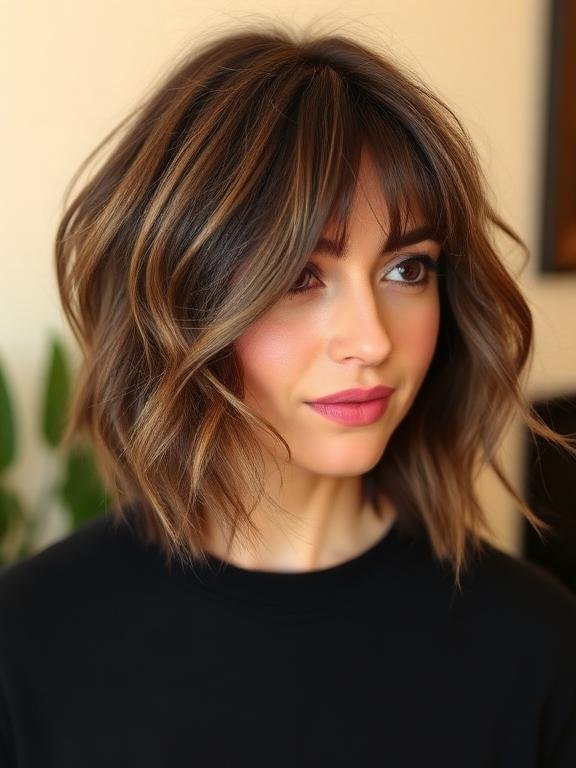
This shag is cut and styled to work with whatever natural texture the thin fine hair has, whether that is a slight wave, a gentle curl, or simply fine straight hair. The cut is shaped around how the hair naturally behaves when it dries rather than cutting it straight and then styling it into a different texture, which gives thin fine hair the best chance of producing a consistent, flattering shag result every day.
Ask for a medium shag shaped to work with your natural hair texture, with layering placed to support and enhance whatever the hair naturally does when dry rather than cutting against the grain and relying on heat or product to create a texture the hair does not naturally have.
15. Shag with Blunt Perimeter
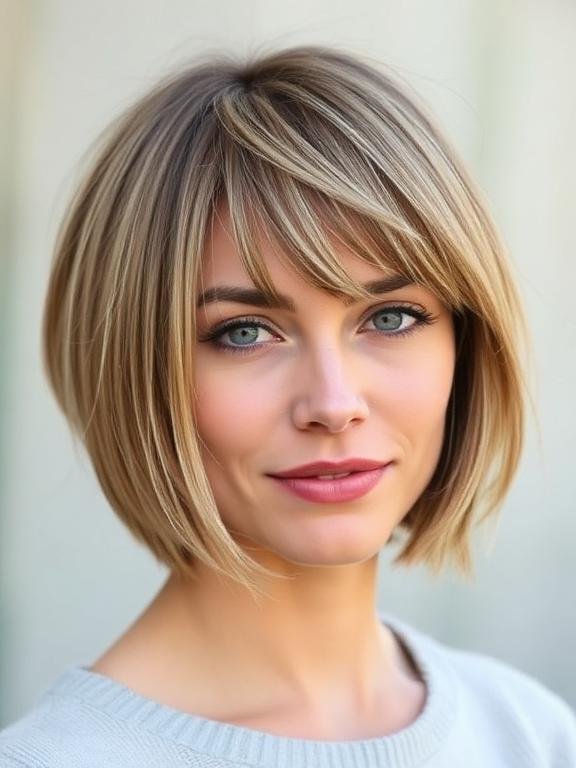
This shag takes a counterintuitive approach for thin fine hair by keeping a clean, relatively blunt perimeter while still having shag-style layering through the crown and upper mid-lengths. The blunt perimeter maximizes end density for fine hair while the crown and upper layering creates the lifted, textured quality of a shag, combining the best elements of both approaches.
Ask for a medium shag with crown and upper mid-length layering that creates shag texture and lift, but a deliberately blunt rather than heavily layered or razored perimeter that keeps the thin fine hair ends as full and dense as possible.
16. Minimalist Fine Hair Shag
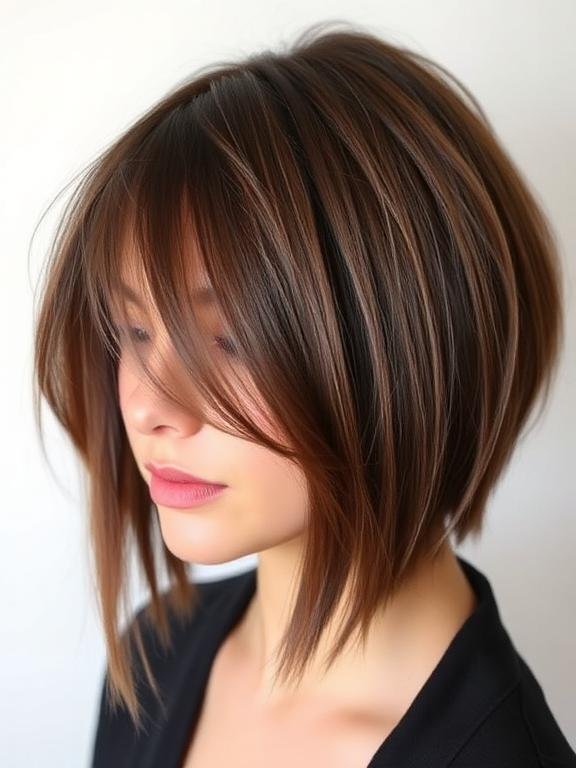
This approach takes the shag concept and reduces it to its absolute essentials for thin fine hair. One or two layers through the upper sections and very light texturing through the outer mid-lengths is all that is used, creating just enough of the shag character to read as intentional while preserving as much density as the hair needs to look full and healthy at the perimeter.
Ask for a minimalist shag with only one or two layers placed through the upper sections and very light texturing through the outer mid-lengths, keeping the rest of the cut as full and untouched as possible for thin fine hair that cannot afford significant density removal anywhere through the cut.
17. Shag with Root Lift Focus
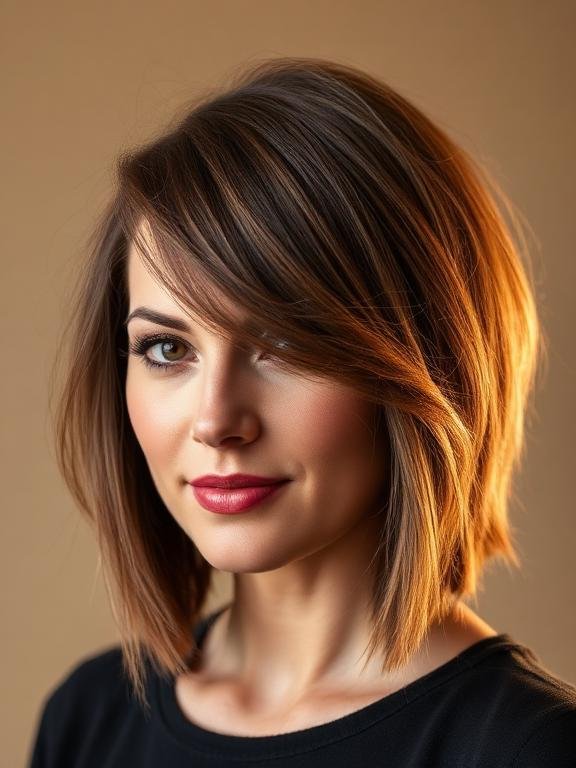
This shag prioritizes root lift above everything else, placing the layering specifically at the roots and upper sections to counteract the flatness that thin fine hair develops at the base. The shag texture comes from the crown and root area rather than from layering through the mid-lengths and ends, which means the fine hair retains its end density while still achieving the lifted, voluminous quality that makes a shag look intentional.
Ask for a medium shag with layering concentrated at the roots and upper crown sections to create maximum root lift, with the mid-lengths and ends left as untouched and full as possible to preserve perimeter density while the root lift creates the volume and height the shag silhouette needs.
18. Effortless Air-Dry Shag
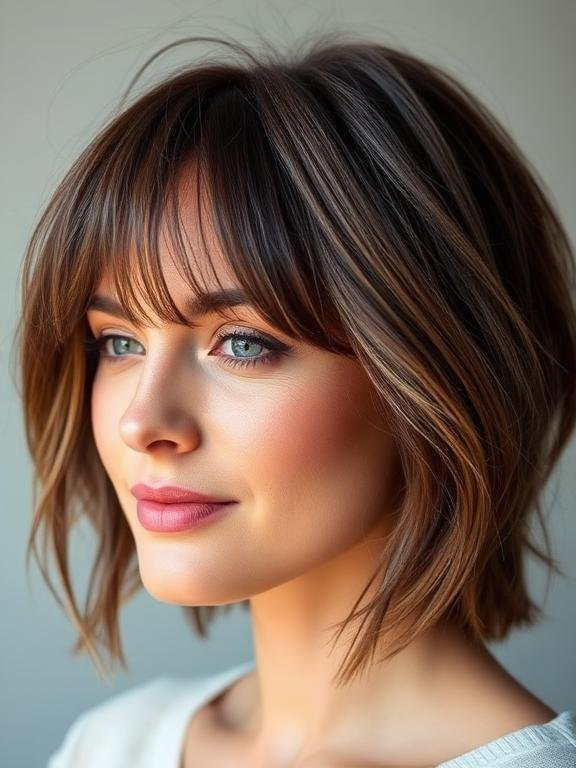
This shag is designed from the ground up to look its best when air dried without heat tools. The layering and texturing are placed to create a result that develops naturally as thin fine hair dries, rather than requiring blow drying or heat styling to achieve the intended shape. For thin fine hair an air-dry friendly shag is often the most sustainable long-term approach because heat styling compounds the fragility and thinness that fine hair is already prone to.
Ask for a medium shag with layering and texturing placed specifically to produce a flattering result when air dried, with the cut shaped around how the thin fine hair behaves naturally when it dries rather than around a heat-styled version of the same hair that requires effort and tools to replicate every day.
FAQs
Can thin fine hair really carry a shag cut?
Yes, but the shag needs to be executed with significantly more restraint than a shag on thicker hair. The key is understanding that fine hair needs the aesthetic of a shag rather than the full layering approach. Conservative layering through the crown and upper sections, combined with a full, dense perimeter, creates a result that reads as a shag without stripping the density fine hair cannot afford to lose.
What is the biggest mistake stylists make with fine hair shags?
Layering too aggressively through the ends and mid-lengths. Fine hair shags that go thin and wispy at the tips almost always result from a stylist applying standard shag layering to fine hair without adjusting the approach for the hair type. For fine hair the layering should stay in the upper sections and the ends should be left as full as the hair can manage. When in doubt, less layering is always better than more for fine hair.
How should a fine hair shag be styled?
Lightweight texturizing spray, mousse, or curl-enhancing cream scrunched into damp hair before air drying gives a fine hair shag the most volume and texture with the least product weight. Diffusing on low heat rather than blow drying with a brush gives the layers more natural movement. Dry shampoo at the roots between washes adds grip and body that helps the layers stay lifted rather than going flat through the day.
Does a shag work for fine straight hair or only for wavy hair?
It can work for both. Wavy fine hair tends to show the shag texture more naturally because the wave pattern adds movement that reinforces the layered shape. Straight fine hair can carry a shag when the layering is conservative and the styling adds some texture or wave through product. A texturizing spray or light wave-setting product applied to straight fine hair before air drying can give the shag layers more visible movement than straight fine hair would develop on its own.
How often does a fine hair shag need trimming?
Every six to eight weeks. The shag layers grow out and the crown lift that makes the cut look intentional starts to flatten as the hair grows. For fine hair specifically, allowing the shag to grow too far between trims can make the cut look shapeless rather than deliberately undone, because the fine hair does not have the density to carry an overgrown shag with as much grace as thicker hair would.
Wrapping Up
A shag at medium length for thin fine hair is not about copying what a shag looks like on thicker hair and hoping the fine hair can keep up. It is about taking the principles of a shag, the movement, the face-framing quality, the relaxed texture, and translating them into an approach that fine hair can actually deliver on.
The 18 styles on this list all start from that translation rather than from a generic shag template. Some concentrate the layering at the crown. Others use razor cutting or point cutting instead of standard layering. Some rely on product and technique to create the shag texture that cutting alone would thin the fine hair too much to achieve. Finding the version that works for your specific fineness, your face shape, and your daily routine is the difference between a shag that works against your hair and one that finally works with it.