20 Fall Hair Colors for Dark Hair
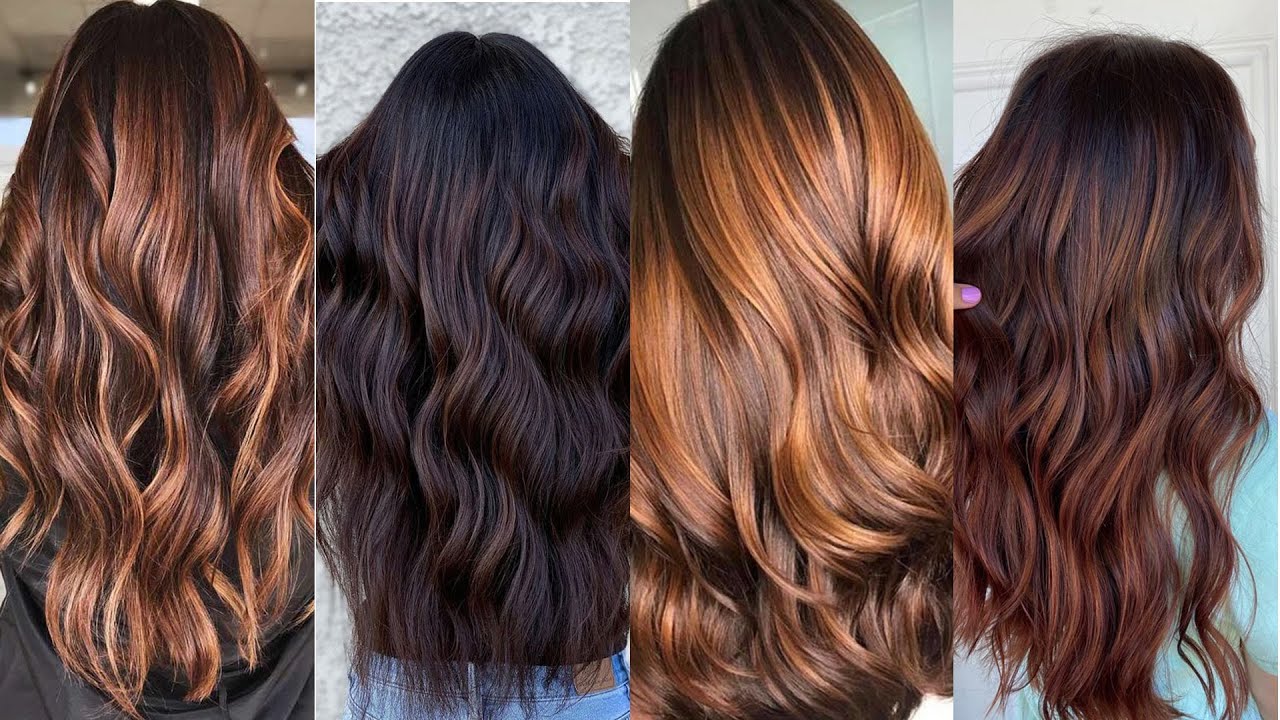
Dark hair in fall does not need to be brightened, lightened, or transformed into something it is not. That is the mistake most color advice makes when it talks about seasonal updates. The assumption is always that dark hair needs to be made lighter to feel festive or current. It does not. What dark hair actually needs in fall is depth, richness, and the kind of warmth that makes it look like it belongs in the season rather than fighting against it.
The best fall colors for dark hair work with the existing depth of the base rather than trying to replace it. They add dimension where the hair looks flat, warmth where it looks cool and dull, and richness where it needs more complexity. Done right, a fall color update on dark hair looks like the hair got more interesting rather than simply lighter.
The challenge is knowing which specific shades and techniques actually deliver that result versus which ones require so much lightening that the dark base effectively disappears. This list covers 20 fall hair color ideas that are genuinely designed for dark hair, ranging from the most subtle and low-commitment to the most transformative and bold.
1. Chocolate Cherry Brown
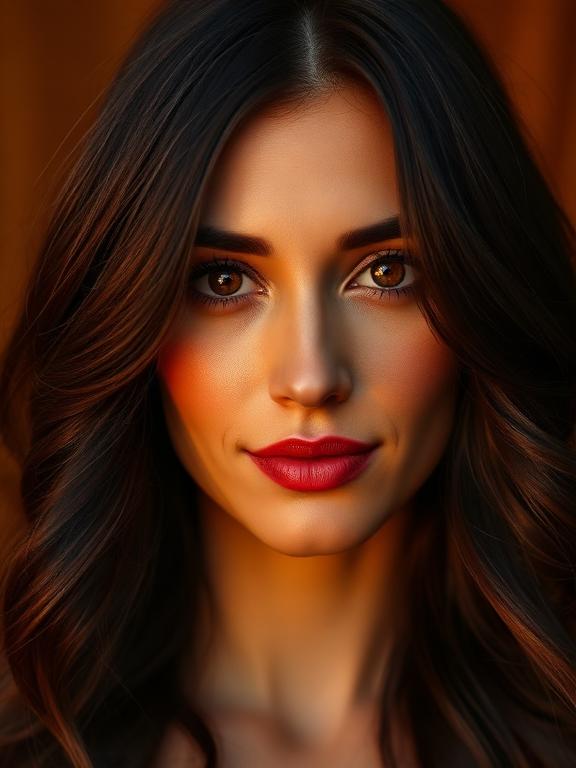
Chocolate cherry brown is one of those colors that looks almost natural on dark hair and yet is noticeably richer and more complex than the base shade it sits on. The color blends deep brown with a saturated cherry red tone that surfaces in certain lighting conditions, particularly in warm indoor light and afternoon sun, giving the hair a depth that plain dark brown simply does not have.
The beauty of this color is how seamlessly it grows out. Because the base and the color are so close in tone, the regrowth does not create a harsh line. Ask your colorist for a gloss or toner application in a chocolate cherry shade over your natural dark base rather than a full lift-and-deposit color, as the gloss technique preserves the dark base while adding the cherry dimension.
2. Warm Espresso with Caramel Ribbons
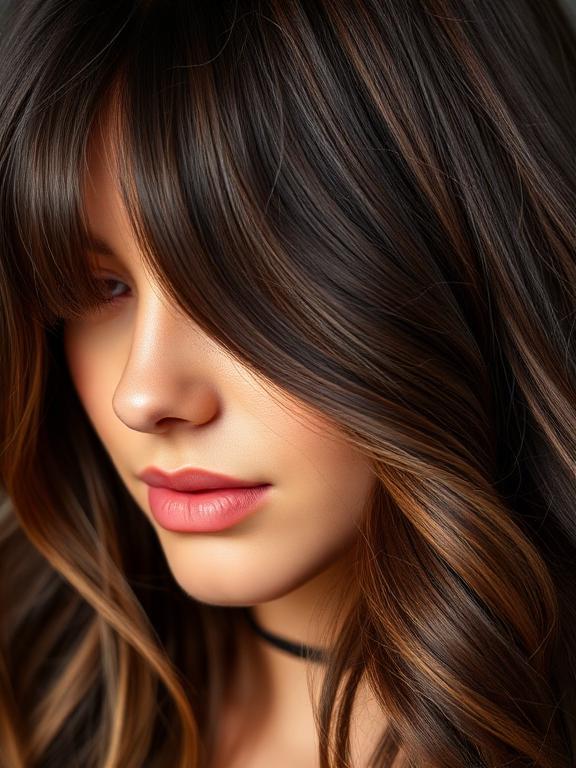
A deep espresso base with fine ribbons of warm caramel woven through the mid-lengths and ends creates exactly the kind of dimensional result that makes dark hair look alive and multidimensional in fall light. The caramel is not trying to be blonde. It is warm, amber-toned, and sits close enough to the dark base that the overall impression is richness rather than contrast.
The ribbons of caramel work best when they are placed where natural light would hit the hair most, through the top layer and around the face. Ask your colorist for a fine balayage application in a warm caramel shade that does not go too light at the ends, keeping the tips at a honey or amber tone rather than lifting to a pale yellow that would look out of place against a dark base.
3. Burgundy Gloss
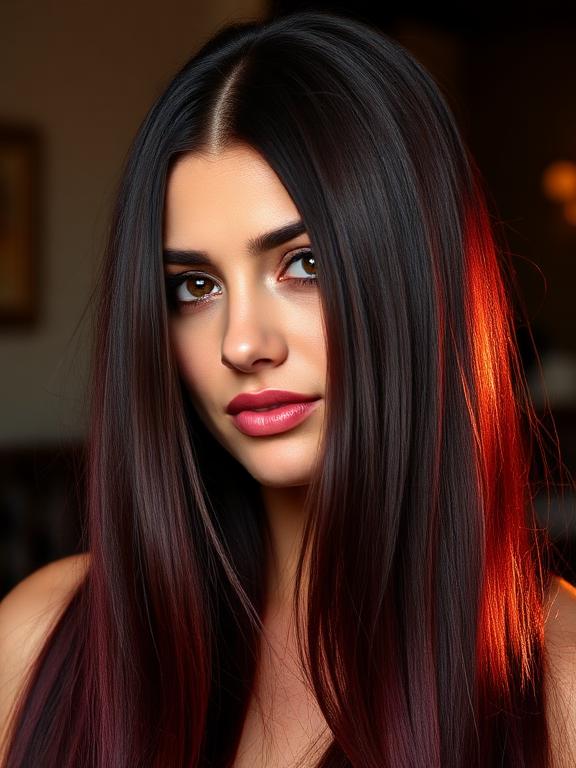
A burgundy gloss over dark hair is one of the fastest and most impactful color updates on this list in terms of the ratio of effort to result. The gloss deposits a rich red-purple tone over the existing dark base without requiring significant lightening, which means the treatment can often be done in under an hour and the hair leaves the salon looking dramatically richer than it did going in.
The burgundy shows up most strongly in sunlight and in warm indoor lighting, where the red and purple tones surface through the dark base with a jewel-like quality. It fades gracefully back toward the natural base color rather than leaving a harsh regrowth line. Ask your colorist specifically for a glossing treatment in a burgundy or red-violet shade rather than a permanent color for the most natural-looking result.
4. Sable Brown with Auburn Glow
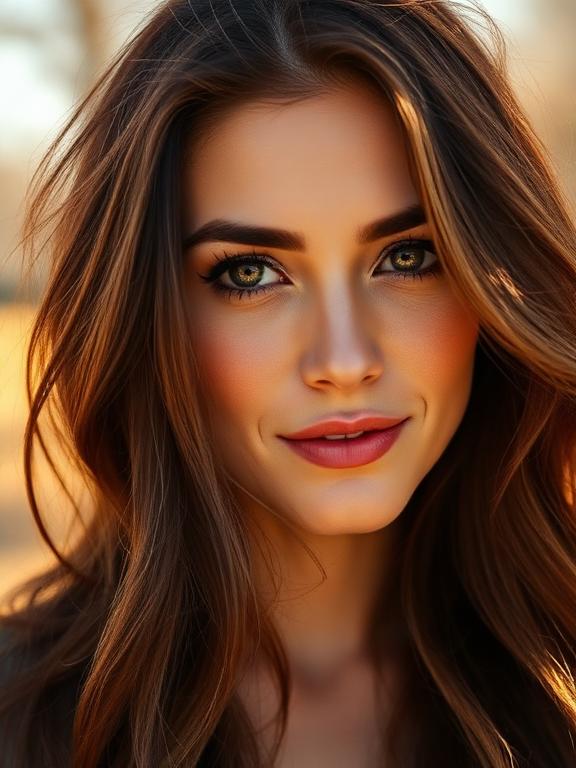
Sable brown is a shade that sits just a step or two warmer than a natural dark brown base, with auburn and red undertones that give the hair a glowing quality in certain lighting without making the color look obviously dyed. It is the color equivalent of turning up the warmth and saturation on a photograph without changing anything else.
This is a particularly good choice for women with dark hair who want to update their color for fall without anyone being able to pinpoint exactly what changed. The auburn glow within the sable base is subtle enough that it reads as natural variation rather than applied color. Ask your colorist for a full gloss or single-process color in a warm sable tone with deliberate red and auburn undertones built in.
5. Black Cherry Balayage
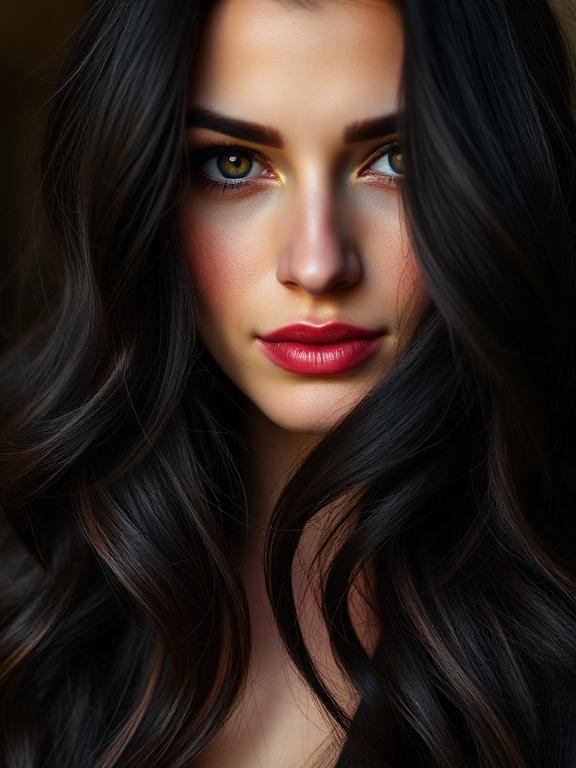
Black cherry balayage on dark hair concentrates a deep red-black cherry tone through the mid-lengths and ends in a painted-on pattern that creates the most subtle, almost shadow-like color variation. It is one of the darkest balayage options on this list and one of the most sophisticated, sitting so close to the natural dark base in value that the color reads as dimension rather than as added color.
The payoff for this subtlety is a balayage that grows out with almost no visible regrowth line and requires very little maintenance between appointments. Ask your colorist to keep the cherry balayage dark and deeply saturated rather than lifting the sections too light before toning, as the effect relies on the cherry tone sitting close in depth to the surrounding dark base.
6. Cinnamon Highlights on Dark Brown
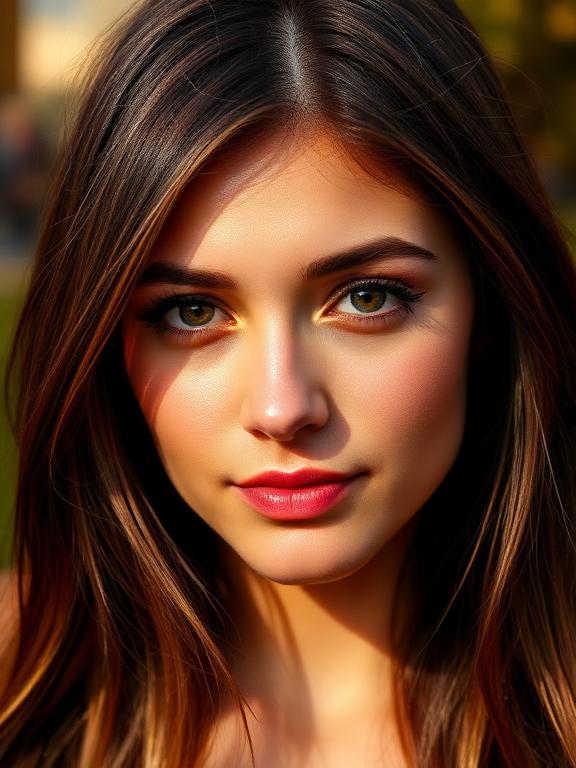
Cinnamon is the fall color that feels most immediately seasonal without being heavy-handed about it. Placed as highlights through dark brown hair in a fine or medium weave, cinnamon creates a warm, spiced color variation that references the season in the most natural-looking way possible. It is not red enough to read as red hair and not orange enough to look brassy. It sits right in the middle in the most flattering zone.
The key is keeping the cinnamon tone warm and golden-red rather than allowing it to pull orange, which happens when the highlighted sections are not toned properly after lifting. Ask your colorist to tone the highlighted sections with a warm cinnamon or light copper gloss after lightening to ensure the final shade sits in the right zone.
7. Mahogany Red
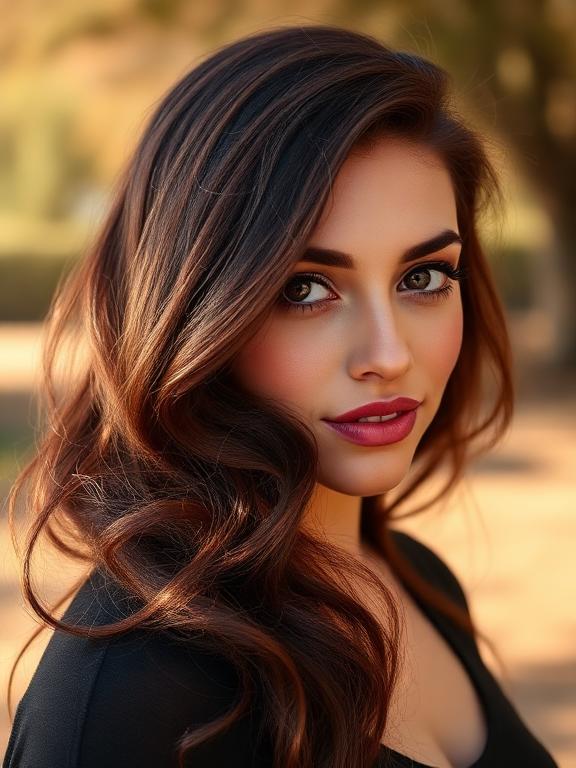
Mahogany red is a full-color update rather than a highlights or balayage technique, and on dark hair it creates a result that is unmistakably autumnal without being aggressively bright. The shade sits between brown and red in a way that keeps the color sophisticated and wearable rather than bold and attention-seeking. In indoor lighting it reads as dark. In outdoor light the red surfaces with a warm glow that is genuinely beautiful.
This color works on every dark hair base from medium brown to near-black, with the depth of the result varying depending on the starting point. The darker the base, the more the color surfaces as a subtle warmth rather than a strong red. Ask your colorist to choose a mahogany shade with warm rather than cool undertones for the most flattering result on dark skin and hair.
8. Chestnut Balayage
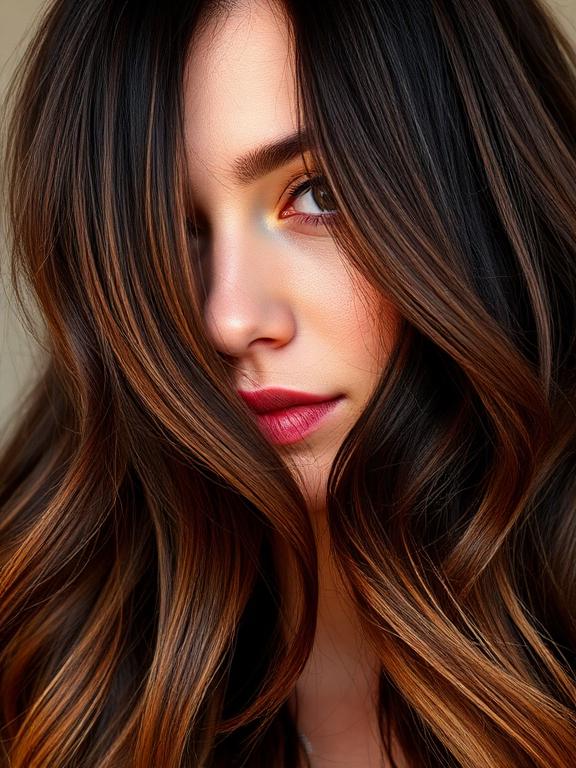
Chestnut is warm, dimensional, and completely at home in fall, and as a balayage on dark hair it creates one of the most natural-looking color results on this entire list. The chestnut tone is close enough to many natural dark brown shades that it reads as a natural variation in the hair rather than something that came from a color appointment.
The warmth in chestnut comes from its golden-red undertones, which give the highlighted sections a richness that cooler brown tones cannot achieve. The balayage placement through the top layer and around the face means the chestnut shows up most strongly where the light hits the hair, which creates the most effective dimensional result. Ask your colorist for a hand-painted chestnut balayage that stays warm and avoids pulling too light or too cool at the ends.
9. Deep Plum Tones
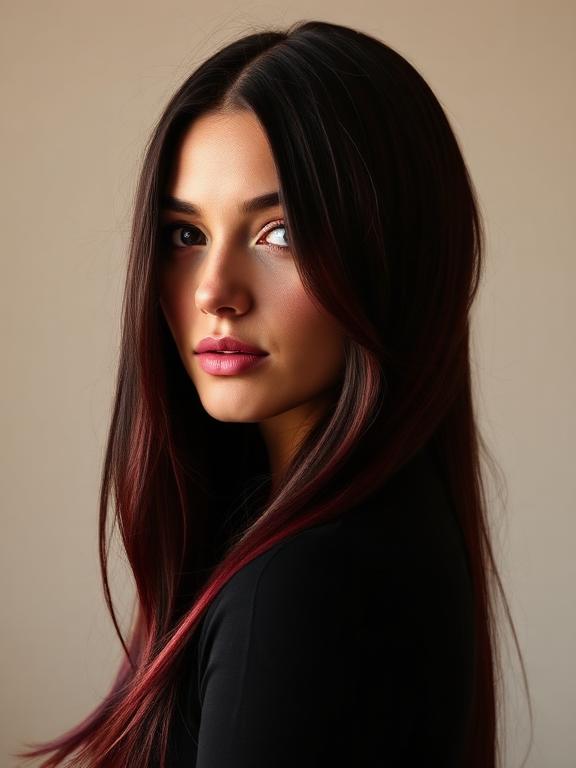
Deep plum on dark hair is one of the most striking color choices on this list because the contrast between the existing dark base and the added plum dimension is visible enough to be genuinely interesting without requiring significant lightening. Plum sits in the red-violet family and surfaces through dark hair as a jewel-toned depth that is difficult to achieve with any other shade family.
This is a fall color that reads as sophisticated and deliberate without being flashy. It works best as a gloss or toner over the existing dark base rather than as a separate color applied to lightened sections, because the depth of the plum tone looks most natural when it is sitting on top of the existing dark base rather than being isolated in highlighted sections. Ask your colorist for a plum or violet-red gloss over your natural color for the most seamless result.
10. Toffee Balayage on Dark Hair
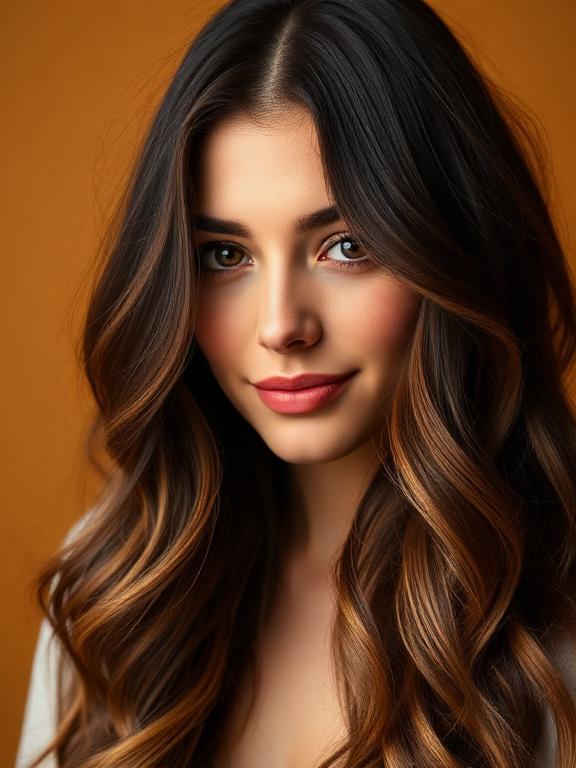
Toffee is a warm golden-brown shade that sits between caramel and honey on the color spectrum, and as a balayage on dark hair it creates one of the most wearable and universally flattering fall color results. It is warm enough to feel seasonal, subtle enough to suit professional environments, and close enough to natural warm brown tones that it does not require aggressive lightening to achieve.
The toffee shade shows up most beautifully when the hair is styled in waves or curls where the color variation between the dark base and the lighter toffee sections is most visible. Ask your colorist to concentrate the toffee balayage through the top layer and ends rather than applying it all the way to the root, so the color has a natural grown-out quality from the very first appointment.
11. Dark Auburn Rinse
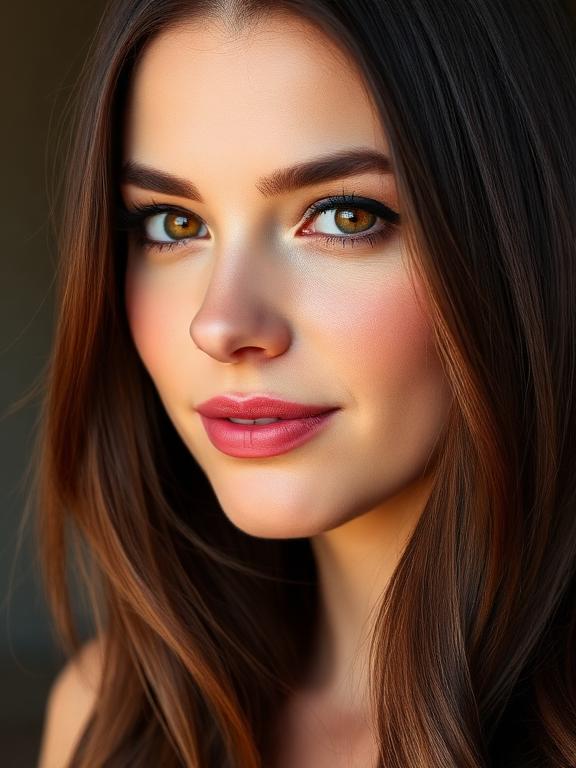
A dark auburn rinse is one of the most accessible color updates on this list in terms of cost, commitment, and maintenance. The rinse deposits a warm auburn tone over the existing dark base without lifting the hair, which means there is no significant damage involved and the color fades gradually over four to six weeks rather than leaving a permanent color line.
Dark auburn sits in that sweet spot between brown and red where the color looks plausible as a natural hair color rather than obviously dyed. It is a great option for women who want to try a warmer, more autumnal shade without committing to a permanent change. Ask your colorist for a semi-permanent dark auburn rinse and use a color-depositing conditioner in a warm red shade at home between appointments to extend the life of the rinse.
12. Copper Balayage
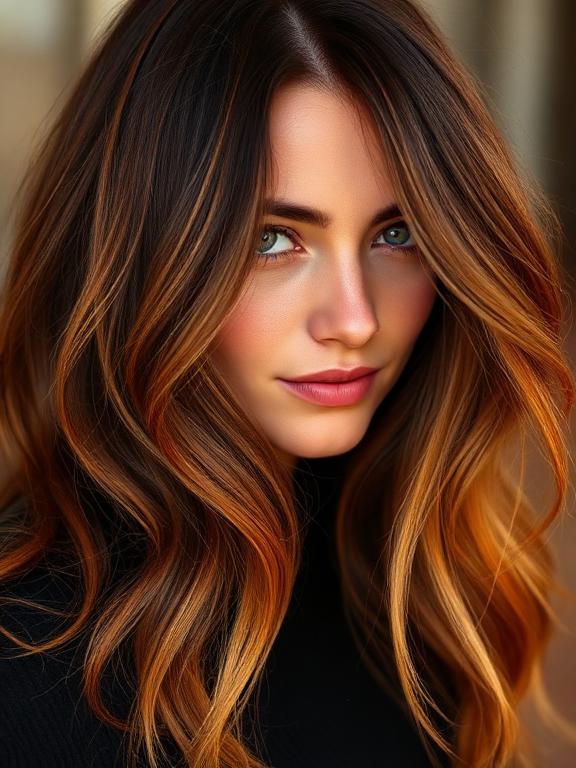
Copper is the most overtly autumnal color on this list and the one that most immediately communicates fall when you walk into a room. On dark hair, a copper balayage concentrates the warm orange-red tones through the mid-lengths and ends, creating a color that ranges from a deep burnt sienna where it transitions from the dark base to a warmer, brighter copper at the ends.
Copper requires more lightening than some of the subtler options on this list, but it is worth the investment because the result is genuinely stunning on dark hair and particularly beautiful against warm and olive skin tones. Ask your colorist to take the highlighted sections to a level that allows for a true copper tone rather than a diluted version, and request a copper toner at the end of the appointment to ensure the color sits in the warmest, most accurate zone.
13. Warm Brunette Gloss
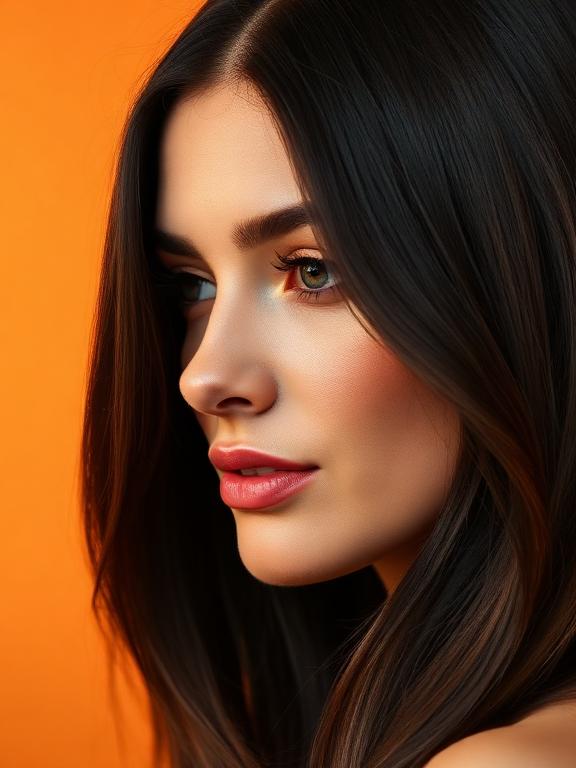
A warm brunette gloss is the most low-commitment color update on this list and arguably the one with the best return on investment. The gloss does not change the base color. It adds shine, warmth, and a richness to the existing dark brown that makes the hair look healthier, more dimensional, and more intentional without anyone being able to say exactly why it looks different.
This is the option for women who love their dark hair and do not want to change it, but want it to look more alive and polished for the fall season. A warm brunette gloss adds golden and amber undertones that catch the light differently than uncolored hair, giving the whole style a warmth that reads as luxurious rather than changed. Ask for a gloss in a warm brunette or golden brown shade with amber rather than cool undertones.
14. Black to Burgundy Ombre
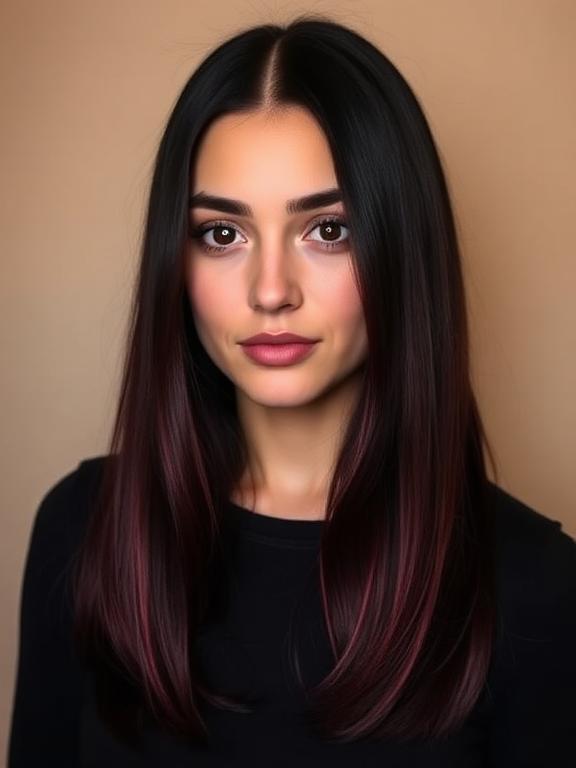
A black or near-black base that transitions gradually into a deep burgundy at the ends creates one of the most dramatic and visually striking fall color results for dark hair. The transition is subtle at the top where the black and burgundy are closest in tone, and becomes more apparent toward the ends where the burgundy is at its most saturated and vivid.
This ombre works because both the starting color and the ending color are dark enough to look intentional rather than like unfinished lightening. The burgundy at the ends does not need to be bright to make an impact. A deep, wine-toned burgundy that stays close in value to the black base creates a result that is moody, sophisticated, and completely current for fall. Ask your colorist to keep the transition zone soft and gradual rather than creating a hard line where the two colors meet.
15. Golden Brown Highlights
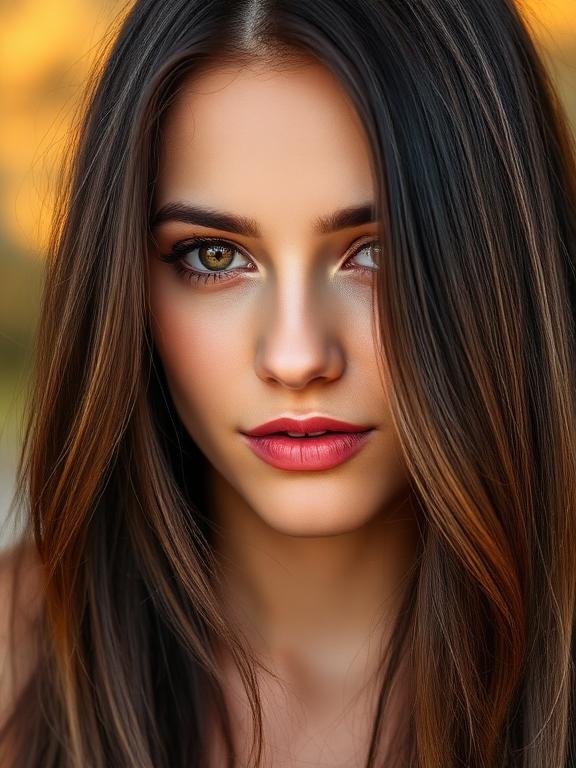
Golden brown highlights on dark hair warm up the overall color immediately and create the kind of sun-kissed dimensional effect that makes dark hair look vibrant and full of life. The golden tone in the highlights sits on the warmer side of brown rather than pulling toward blonde, which keeps the overall impression firmly within the dark hair family rather than tipping into a highlighted look that reads as two separate colors.
These highlights show up most beautifully when the hair is worn straight and the light hits the top layer, where the golden pieces catch and reflect warm light against the darker sections beneath. Ask for a fine or medium weave through the top layer and crown section specifically, rather than applying highlights all over, for a result that looks dimensional rather than heavily highlighted.
16. Rich Mocha with Warm Undertones
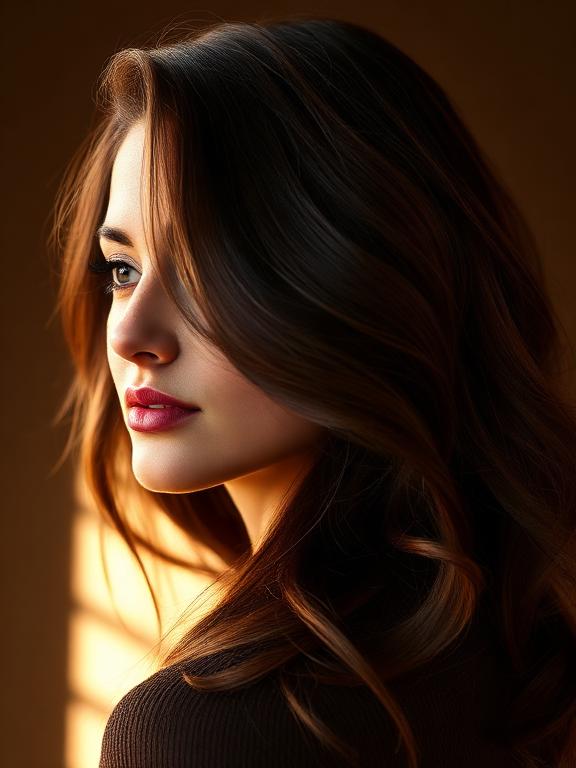
Rich mocha is a color that adds depth rather than lightness to a dark base, working as a full-color application that enriches the existing shade rather than changing it. The warm undertones within the mocha shade give the hair a complexity that flat, cool dark brown does not have, making the color look three-dimensional even at a single-process level.
This is a great choice for women whose dark hair has gone cool or flat over time, perhaps from too many cool-toned glosses or simply from the natural fading of warmer tones. A rich mocha with warm undertones brings the heat back into the hair and makes it look more vibrant without changing the overall dark appearance in any dramatic way. Ask your colorist for a single-process mocha brown with golden and red undertones rather than a neutral or cool-toned brown.
17. Smoky Brunette with Highlights
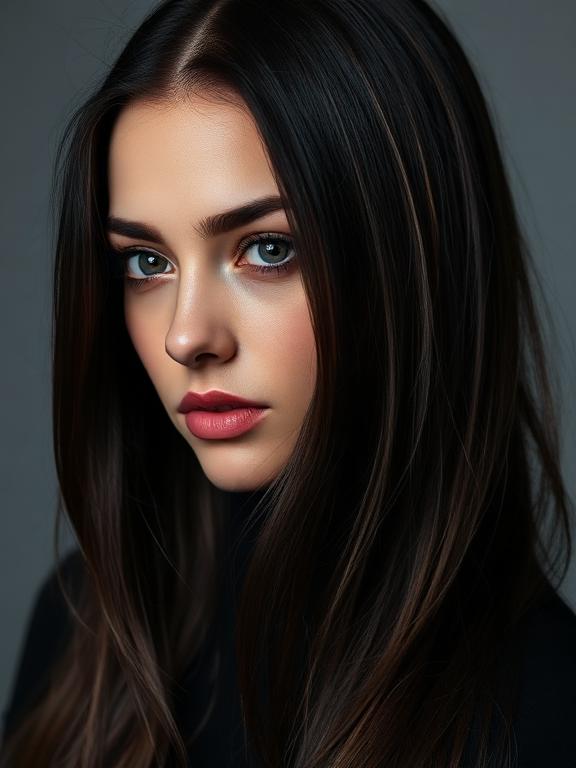
Smoky brunette is a slightly cooler, more muted take on the warm fall colors that dominate this list, and it works differently on dark hair by adding a sophisticated, almost editorial quality that warm colors do not achieve. Fine highlights in a smoky, ash-toned brown lift the overall color slightly while keeping the result firmly in the dark, moody zone that works so well for fall.
The smoky quality comes from ash and cool undertones in the highlights rather than warm golden ones, which gives the overall color a more contemporary, fashion-forward feel. This is a good choice for women with cool or neutral skin tones who find that warm fall colors sometimes clash with their complexion. Ask for fine highlights in a cool ash-brown or smoky brunette shade rather than a warm tone.
18. Russet Red Gloss
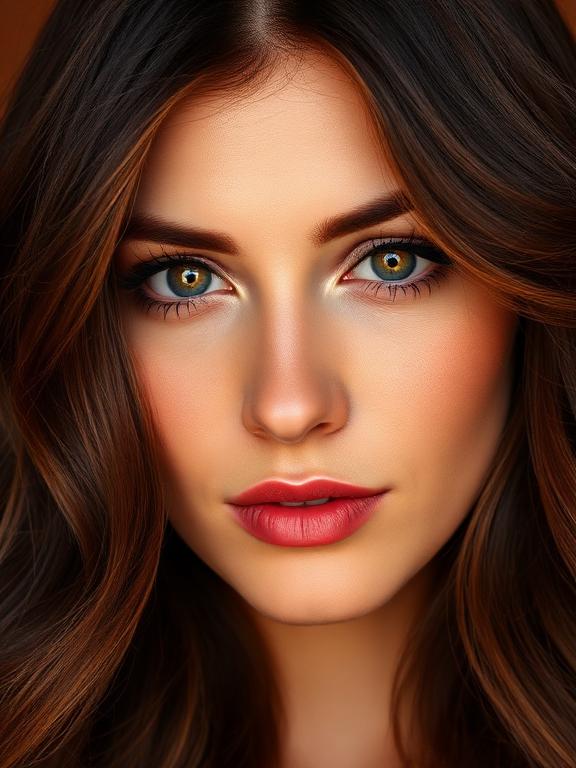
Russet is a color that sits between auburn and copper, with a warmth that is distinctly autumnal without being as bold or saturated as a full copper or vivid red. As a gloss over dark hair, russet adds a warm reddish-brown dimension that is visible in most lighting conditions rather than only in direct sunlight, making it one of the more impactful gloss options for women who want their color to be clearly visible on dark hair.
The russet gloss grows out gradually and gracefully, with the red tones fading first to reveal a warmer brown that still reads as more interesting than the unglossed natural base. Use a red-tinted color-safe shampoo or a warm-toned conditioner between appointments to extend the life of the russet tone. Ask your colorist specifically for a warm russet rather than a cool red to keep the color firmly in the autumnal zone.
19. Dimensional Dark Brown
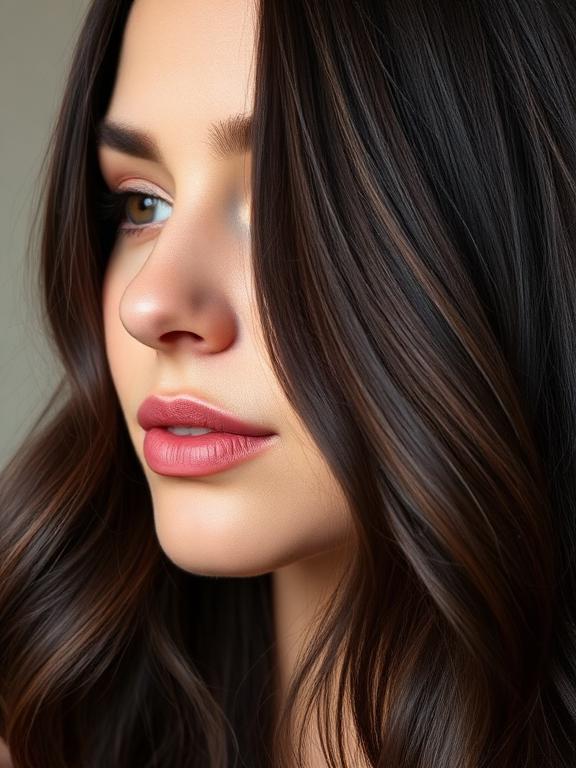
Dimensional dark brown is the most understated option on this list and the one that most closely mimics what expensive, well-maintained natural hair actually looks like. Multiple shades of dark brown ranging from deepest espresso to warm medium brown are applied throughout the hair to create a color that looks like natural variation rather than an applied color technique.
The result is hair that does not look colored. It just looks exceptional. The dimensional effect catches light differently at the roots versus the mid-lengths versus the ends, which gives the hair a depth and movement that single-process dark brown cannot achieve. Ask your colorist for a shadow root technique combined with fine balayage in two or three warm brown shades to create the most natural-looking dimensional dark result.
20. Wine Red Balayage
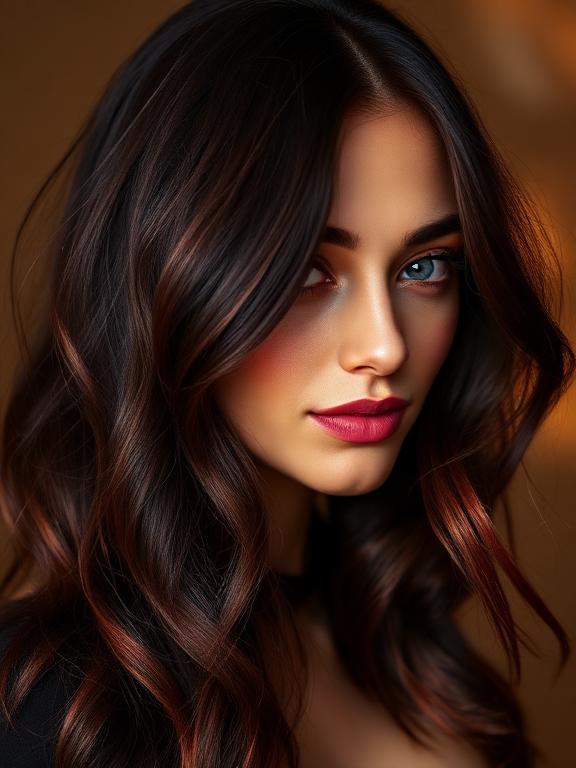
Wine red is the fall color that feels most immediately seasonal and most luxurious when it appears through dark hair as a balayage. The deep red-purple tone of a true wine shade sits close enough in value to a dark brown base that the balayage looks like a natural variation in the hair rather than a separate color sitting on top of it. In certain lighting it reads as a deep red. In others it reads as a rich brown with reddish depth.
The wine red balayage is one of the most photographically beautiful options on this list, particularly in warm autumn light where the red tones surface with a richness that photographs cannot always fully capture. Ask your colorist to keep the balayage sections dark and deeply toned rather than lifting them too light before depositing the wine shade, as the color looks most luxurious when it stays close in depth to the surrounding dark base.
FAQs
Do fall hair colors damage dark hair?
The level of damage depends entirely on the technique. Gloss treatments, rinses, and toners applied over an existing dark base involve no lifting and therefore no significant damage. Balayage and highlight techniques require lightening the selected sections, which does involve some structural change to the hair. The more lightening required, the more aftercare the hair needs. Using a bond-protecting treatment during any lightening process and following with a deep conditioning routine at home minimizes the impact significantly.
What fall color works best on very dark or black hair?
Gloss treatments in burgundy, plum, chocolate cherry, or russet are the best options for very dark or near-black hair because they work with the existing depth rather than requiring significant lightening to show up. Balayage techniques on very dark hair require more aggressive lightening to achieve visible results, which increases the processing time and potential for damage. A dark cherry or wine-toned gloss gives the most impactful result with the least intervention on very dark hair.
How long do fall hair colors last on dark hair?
Semi-permanent glosses and rinses last four to six weeks before fading noticeably. Permanent color and balayage last longer but fade gradually over eight to twelve weeks. Red and copper tones fade the fastest of any color family because the red pigment molecule is the smallest and rinses out most easily. Using sulfate-free shampoo, washing in cool water, and limiting heat styling all extend the life of any fall color on dark hair.
Can I achieve fall hair color at home on dark hair?
Some options are achievable at home with good results. A semi-permanent rinse in a dark auburn, burgundy, or chocolate cherry shade applied over existing dark hair is relatively straightforward and low-risk. Balayage and highlight techniques are much more difficult to achieve well at home and carry a higher risk of uneven or orange results on dark hair if the lightening is not executed carefully. For any technique involving lightening, a professional application is always worth the investment.
What skin tones suit warm fall colors on dark hair?
Warm fall colors like copper, cinnamon, chestnut, and toffee tend to work most naturally on warm and olive skin tones where the golden and red undertones in the hair complement the warmth in the skin. Cool skin tones often do better with the cooler fall options on this list like deep plum, smoky brunette, and burgundy, where the blue and purple undertones complement cool skin rather than clashing with it. Neutral skin tones have the most flexibility and can pull off most shades on this list with the right application.
Wrapping Up
Dark hair in fall is not a limitation. It is a starting point with more potential than most color advice gives it credit for. The right fall color update on dark hair adds dimension, warmth, and richness without erasing the depth that makes dark hair so striking in the first place.
Start by deciding how much change you actually want. If the answer is subtle, a warm brunette gloss, a dark auburn rinse, or a chocolate cherry toner gives you a fall update that you will notice and others will feel without being able to name. If you want something more visible and transformative, a chestnut or toffee balayage, a copper highlight, or a wine red balayage delivers a result that reads clearly as a color change while still staying within the dark hair family.