20 Blonde Highlights Hairstyle Ideas
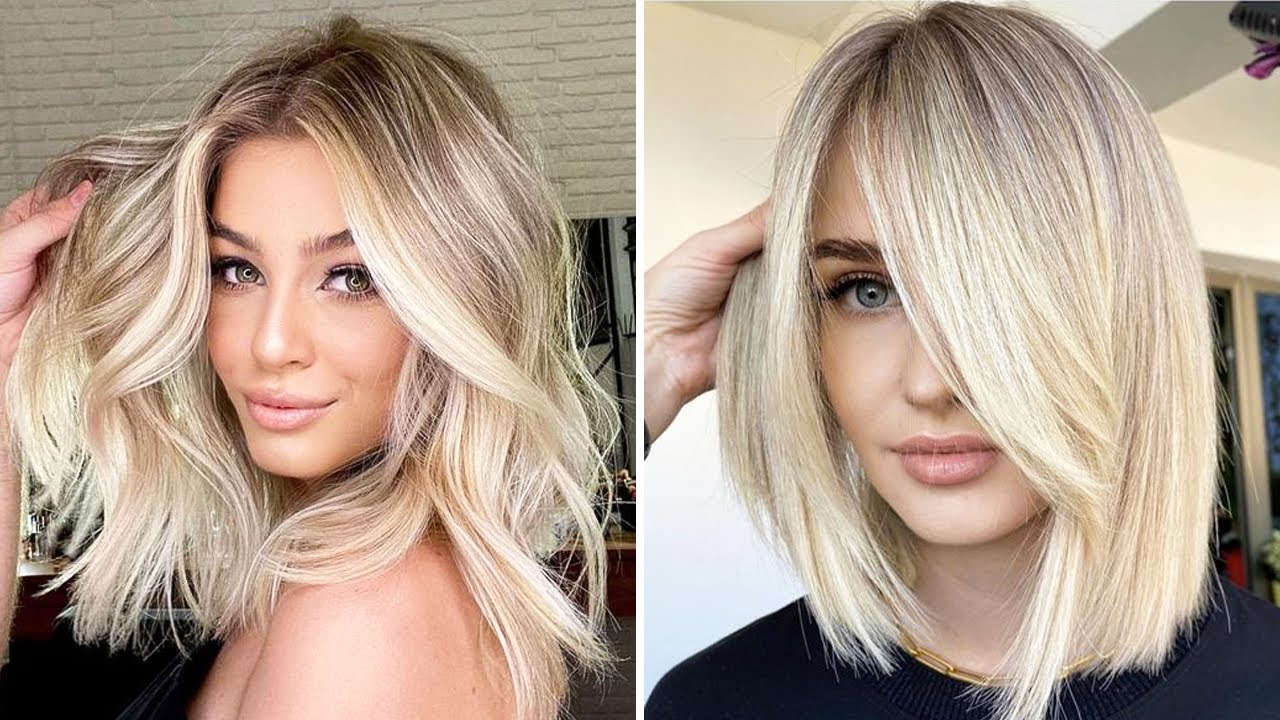
Blonde highlights are one of those colour techniques that work on basically every hair type, every base colour, and every lifestyle. Done right, they add dimension, brightness, and that effortless warmth that makes hair look healthier and more alive than a single flat colour ever could.
Before you commit to anything, decide how much maintenance you actually want. Chunky, high-contrast highlights need more frequent touch-ups than soft, blended ones. Being honest with yourself about that before you sit in the chair saves a lot of frustration six weeks later.
1. Chunky Blonde Highlights On Dark Brown
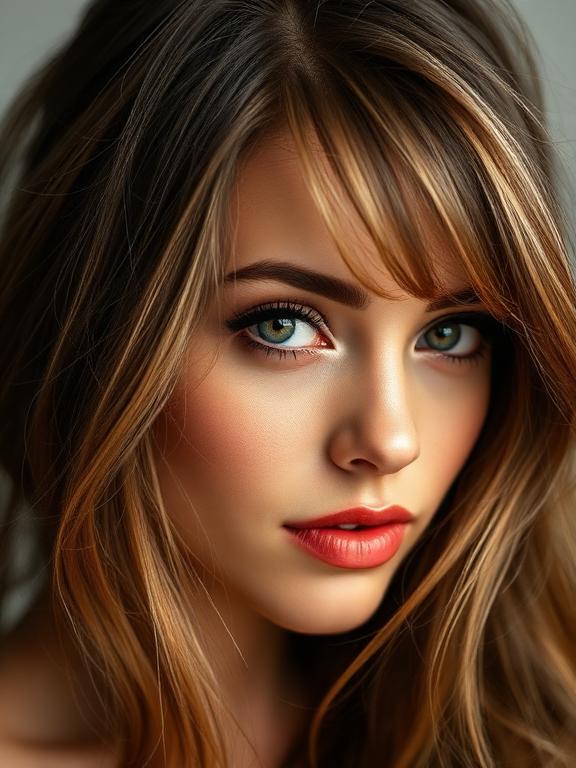
Bold, thick sections of blonde on a dark brown base are back, and they look better now than they did the first time around. The high contrast between the deep brunette and the bright blonde creates a graphic, intentional quality that softer blending techniques don’t achieve. It’s a confident colour choice that works best when worn with the same confidence it’s applied with.
Ask your colorist for sections that are one to two centimetres wide and placed through the top and face-framing areas rather than distributed evenly all over. Concentration through the most visible sections makes the colour look bold and deliberate rather than patchy. A warm golden or buttery blonde toner keeps the chunks from reading harsh against a dark base.
2. Baby Blonde Highlights
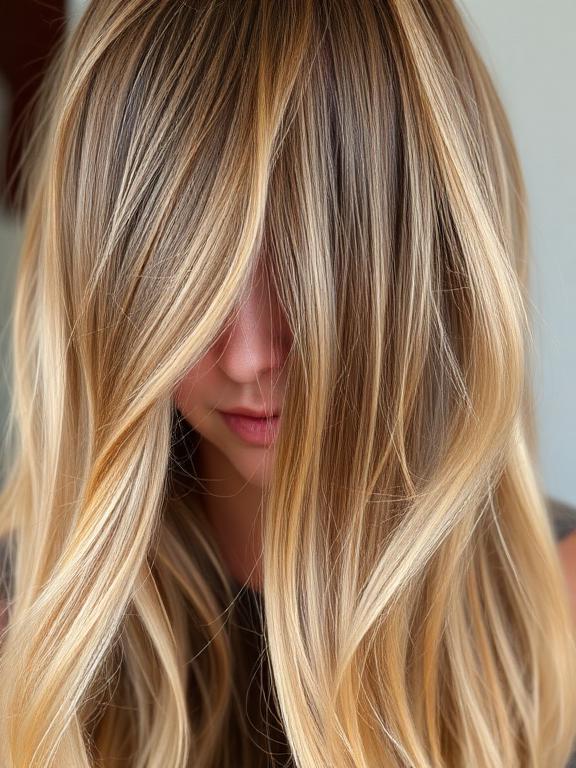
Babylights are the finest, most delicate highlight technique available, using sections so thin they mimic the way a child’s hair naturally lightens in the sun. The result is an all-over brightness and luminosity that reads as completely natural rather than coloured. On any base from light brown to dark blonde, babylights create the most convincing natural highlight effect possible.
Because the sections are so fine, babylights typically require more foils and more time than standard highlights. Don’t book this as a quick appointment. The extra time and the extra foils are what create the density of brightness that makes babylights look so genuinely natural rather than sparse and visible.
3. Face-Framing Blonde Highlights
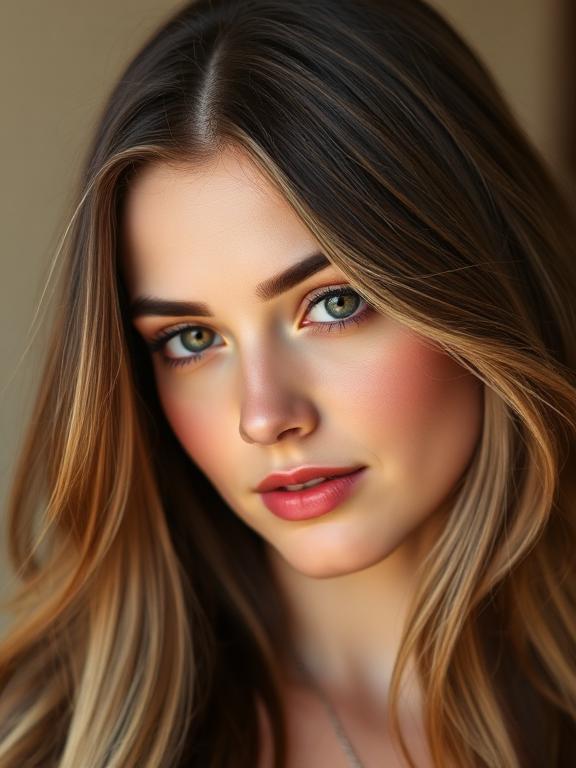
Blonde highlights placed specifically to frame the face, concentrated through the hairline and the first few sections on either side of the part, brighten the complexion immediately without touching the rest of the hair. It’s the most targeted and lowest maintenance highlight option and one of the most genuinely flattering for almost every face shape.
Ask for the highlights to start right at the hairline and angle slightly inward toward the face rather than being placed straight back. That slight inward angle is what creates the framing effect. Highlights that run straight back from the hairline add brightness but don’t frame. The direction of placement is the entire technique.
4. Blonde Highlights On Black Hair
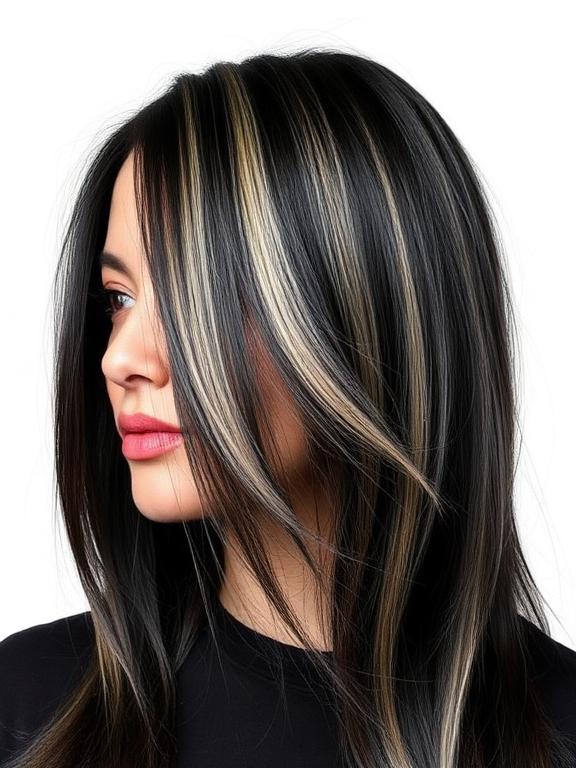
Blonde highlights on a black or near-black base create one of the highest contrast and most visually striking colour combinations available. The lift required to achieve a true blonde on a black base is significant, which means the technique and the aftercare both need to be approached carefully and with the right products from the start.
This almost always requires pre-lightening in at least two stages to avoid an orange or brassy result. A toner in a cool or neutral blonde applied after lifting brings the pieces to the right final shade. Use a bond-protecting treatment at every appointment and a purple shampoo weekly at home to maintain the blonde against the dark base.
5. Warm Golden Highlights
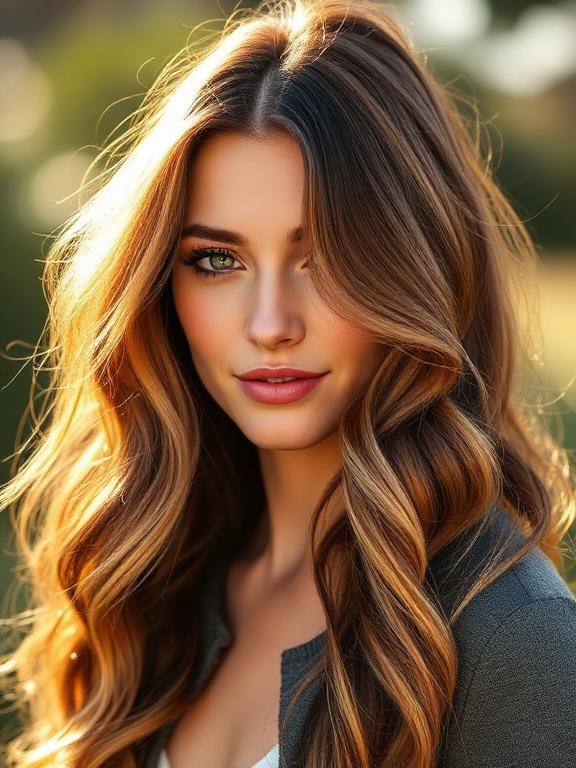
Warm golden highlights on a brunette base are the most universally flattering highlight option on this list. The golden tone adds warmth and luminosity to the overall colour without creating stark contrast, which makes it suit a wider range of skin tones and hair bases than cooler blonde shades. It photographs beautifully in natural light and looks healthy rather than processed.
A golden or honey toner applied at the end of the lightening process is what creates the warmth. Without a warm toner, the lifted sections can pull slightly ashy or neutral rather than genuinely golden. Ask your colorist to tone while the hair is still warm from processing for the most even and consistent golden result.
6. Ash Blonde Highlights
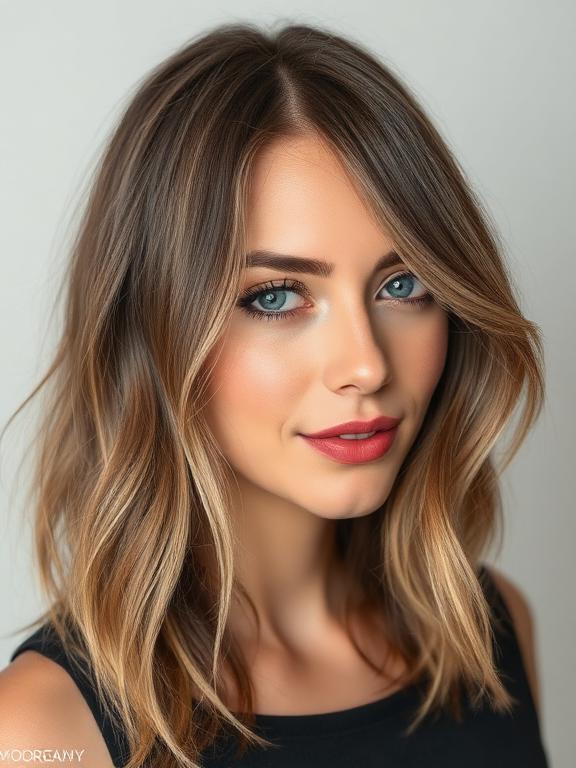
Ash blonde highlights lean cool and slightly smoky, sitting on the opposite end of the warm-cool spectrum from golden highlights. On medium to light brown bases, they create a sophisticated, muted contrast that reads as expensive and considered. They suit cool and neutral skin undertones particularly well and stay brighter-looking longer than warm highlights in between toning appointments.
Maintaining ash blonde requires a purple toning shampoo used consistently every five to seven days. Without it, the cool ash tone fades to a warmer, brassier version of itself within a few weeks. Use the purple shampoo in rotation with a regular shampoo rather than every wash to avoid overcorrecting and pushing the highlights too violet.
7. Highlights With Lowlights
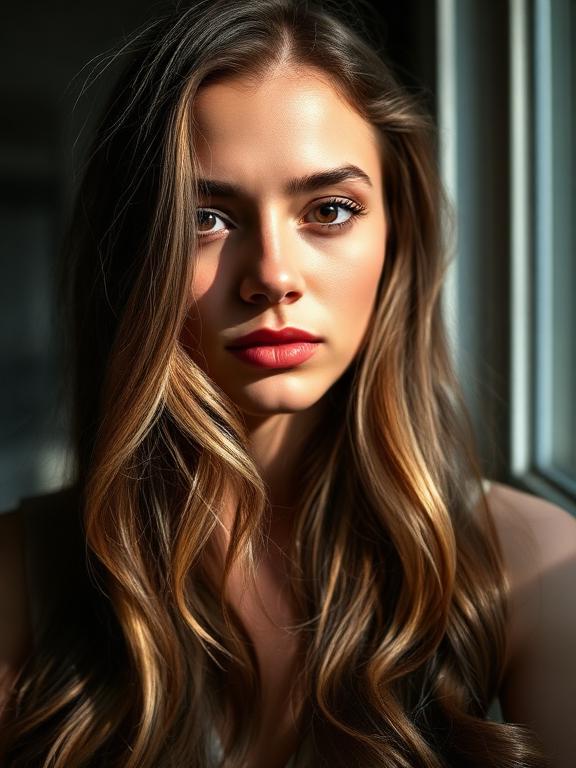
Combining blonde highlights with brunette lowlights in the same appointment creates a multidimensional colour that looks more like natural hair variation than any single-technique approach. The lowlights add depth and shadow between the lighter pieces, making the highlights look brighter by contrast and the overall colour look layered, rich, and genuinely expensive.
Ask your colorist to place the lowlights one to two shades deeper than your natural base rather than dramatically dark. The goal is subtle shadow and contrast rather than a two-tone striped result. A demi-permanent colour for the lowlights means they fade gradually and naturally rather than leaving a hard line of regrowth at the root.
8. Balayage Blonde Highlights
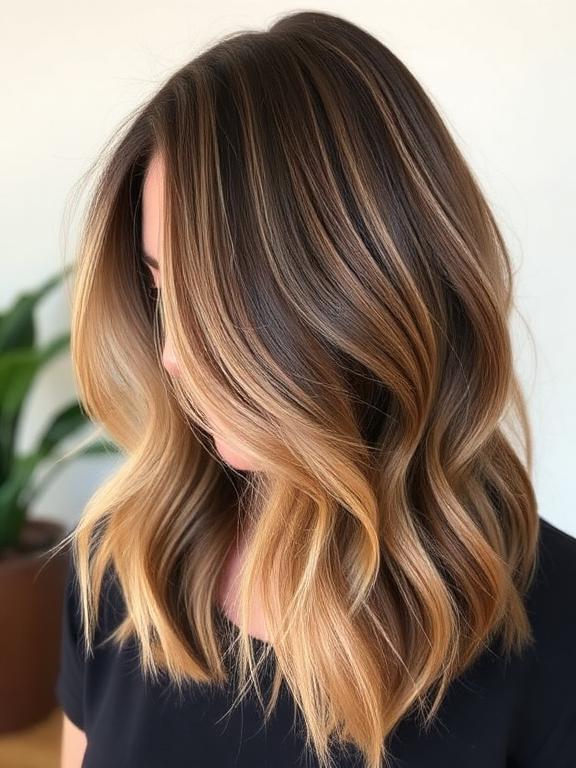
Balayage blonde highlights are painted freehand onto the hair rather than woven into foils, creating a softer, more organic light-to-dark transition that grows out more naturally than foil highlights. The freehand application allows the colorist to place brightness exactly where light would naturally hit the hair, which is what gives balayage its genuinely sun-kissed quality.
The grow-out on balayage is one of its biggest selling points. Because the colour starts a few inches below the root, the natural grow-out blends seamlessly rather than showing a hard line of regrowth. Most balayage clients can go ten to fourteen weeks between appointments without the style looking neglected or obviously grown out.
9. Platinum Blonde Highlights
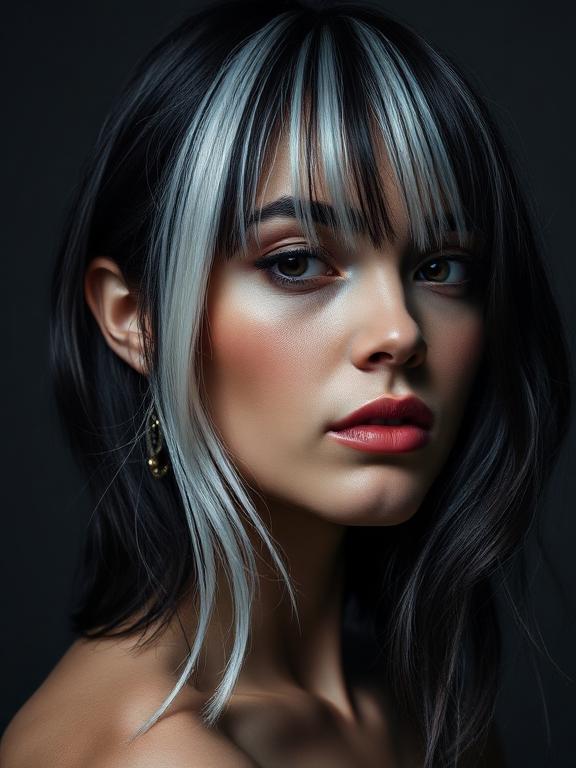
Platinum blonde highlights are the boldest, highest contrast option on this list. The near-white sections against any base colour create a dramatic, editorial quality that is unlike any other highlight shade. On dark bases, the contrast is maximum. On already lightened bases, the platinum pieces add a cool, icy brightness that reads as genuinely striking.
Platinum requires lifting to a very pale yellow before toning, which takes significant processing time and carries the highest damage risk of any highlight technique. A bond-building treatment like Olaplex used at every appointment is non-negotiable for platinum work. At home, a deep conditioning mask weekly and a purple shampoo twice a week are the minimum maintenance requirements.
10. Highlights On Curly Hair
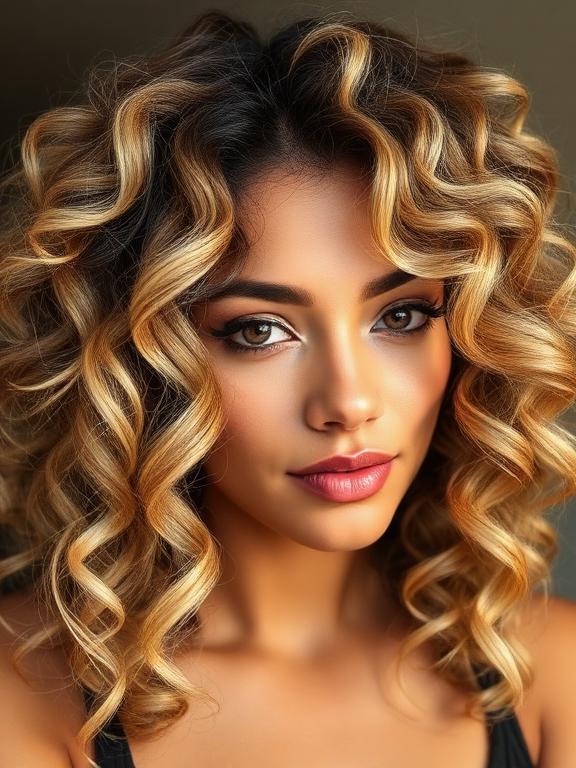
Blonde highlights on curly hair interact with the curl pattern in a way that creates natural, almost three-dimensional dimension. Each curl catches light at a different angle, so the highlights show up as a constantly shifting, dynamic brightness rather than the more static effect they create on straight hair. Curly hair is genuinely one of the best textures for highlighting.
Ask your colorist to highlight by curl section rather than in straight foil sections. Foils placed against the natural direction of the curl can create an uneven result when the hair dries and curls up. A colorist experienced with curly hair will adapt the placement technique to suit the curl pattern, which makes a significant difference to the final result.
11. Dimensional Blonde Highlights
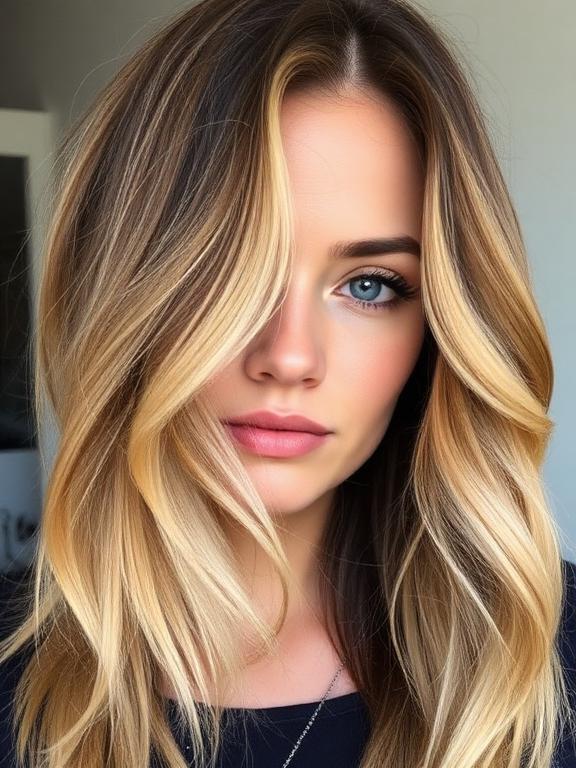
Dimensional highlights use multiple shades of blonde placed together, typically ranging from a light caramel through to a bright or pale blonde, to create a colour that looks complex and layered rather than flat. No two sections are the same shade, which mimics the way natural hair lightens in the sun across different parts of the head.
The key to truly dimensional highlights is variety in both the tone and the thickness of the sections. Some fine, some slightly wider. Some lighter, some slightly deeper. That variation across the whole head is what creates the dimensional quality. A colorist who uses only one formula for all sections will always produce a flatter result than one who works with several.
12. Subtle Blonde Highlights For Brunettes
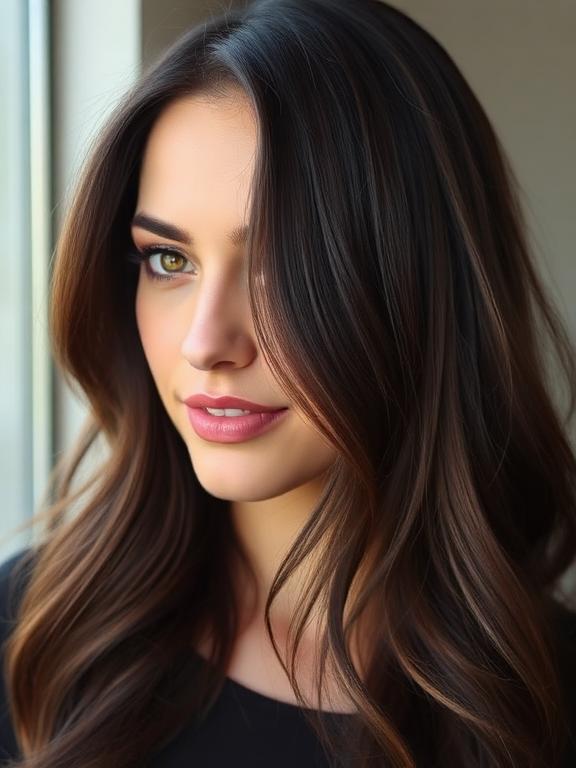
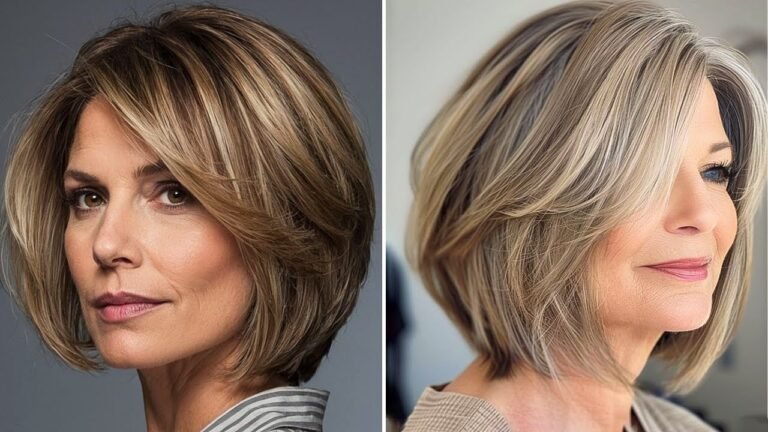
Subtle highlights on a brunette base add just enough brightness to make the overall colour look more alive and luminous without creating visible contrast or obviously coloured sections. They suit brunettes who love their natural colour but want a little more dimension and light through the hair without committing to a dramatic colour change.
Ask for highlights that are no more than two shades lighter than your natural base and placed in the areas where the sun would naturally lighten first, around the hairline, through the part, and at the ends. The subtlety is the entire point, and it requires a colorist who understands restraint as much as technical skill.
13. Highlights On Fine Hair
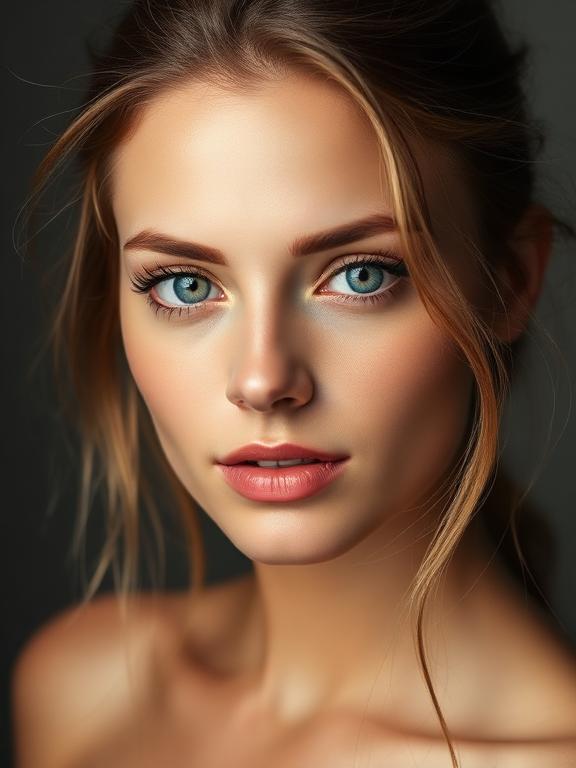
Fine hair and highlights have a complicated relationship. Done correctly, highlights add the optical illusion of thickness and dimension. Done incorrectly, they can make fine hair look even thinner and more fragile. The technique and the placement are everything when the hair has less density to work with.
Ask for fine, closely placed babylights or a soft balayage rather than traditional foil highlights with large sections. Fine highlights distributed evenly throughout the hair create an overall luminosity that reads as natural fullness. Large, bold sections on fine hair look striped rather than dimensional and draw attention to the lack of density rather than disguising it.
14. Peekaboo Blonde Highlights
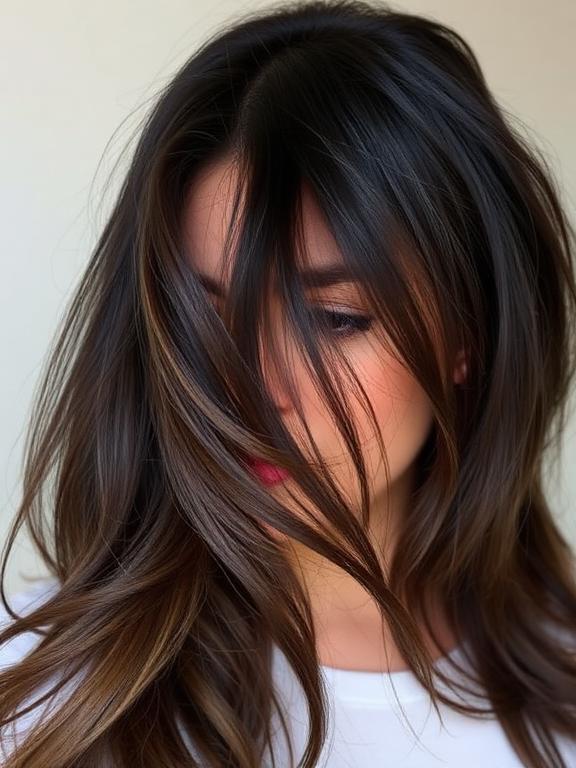
Peekaboo highlights are placed underneath the top layer of hair, so they’re hidden when the hair is worn down and only visible when the hair moves, is tied up, or parted in a certain way. It’s a playful, unexpected colour detail that adds dimension and personality to a style without any visible change to the outer surface of the hair.
This is one of the lowest maintenance highlight options because the colour is hidden from light exposure and daily wear. The underneath sections experience significantly less UV and heat damage than highlights worn on the surface, which means the colour stays truer between appointments and requires less frequent toning to maintain.
15. Highlights On Red Hair
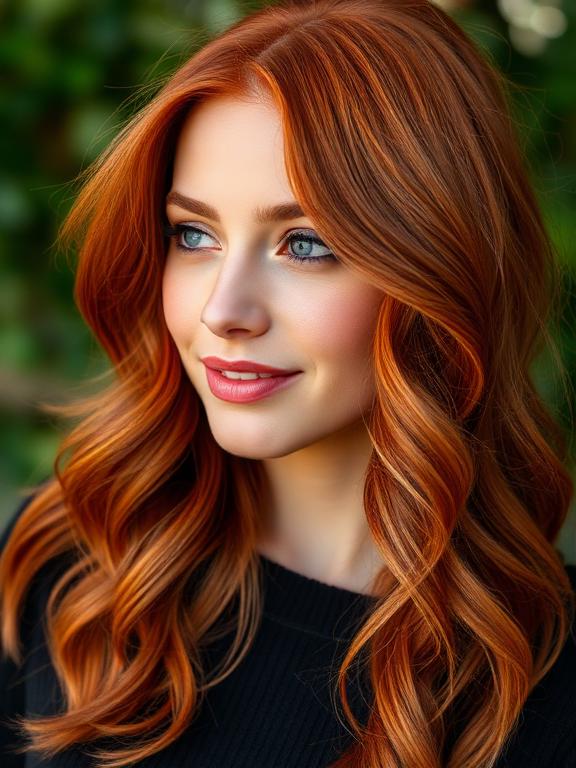
Blonde highlights on natural or coloured red hair add warmth and brightness without washing out the natural red tone the way lighter, cooler colours sometimes can. Strawberry blonde and golden blonde pieces woven through a red or auburn base enhance the warm quality of the red rather than competing with it, creating a rich, multidimensional warmth that is genuinely beautiful.
Ask for highlights in a warm golden or copper blonde rather than a neutral or ash shade. Cool highlights on red hair tend to pull slightly muddy where the tones interact. Warm highlights complement the red base and keep everything in a cohesive, flattering tonal family from root to end.
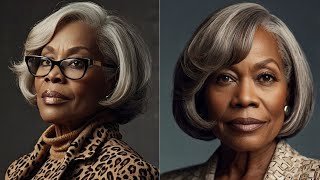
16. Highlights On Grey Hair
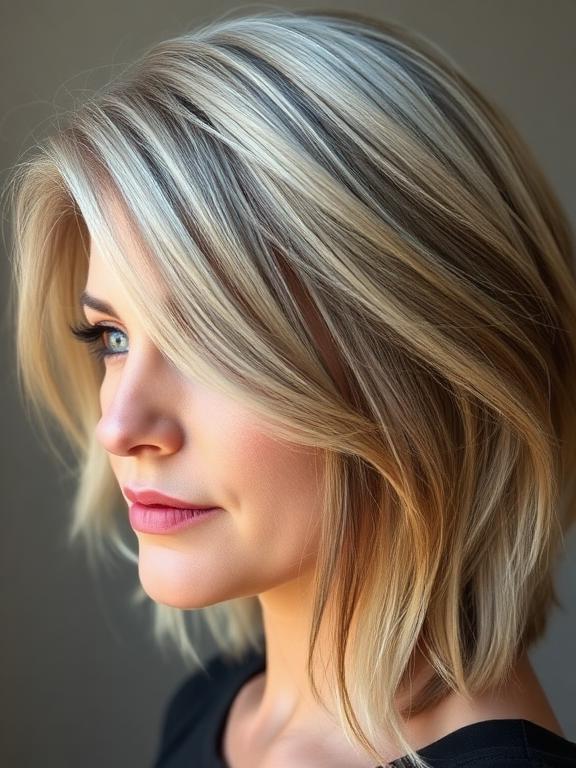
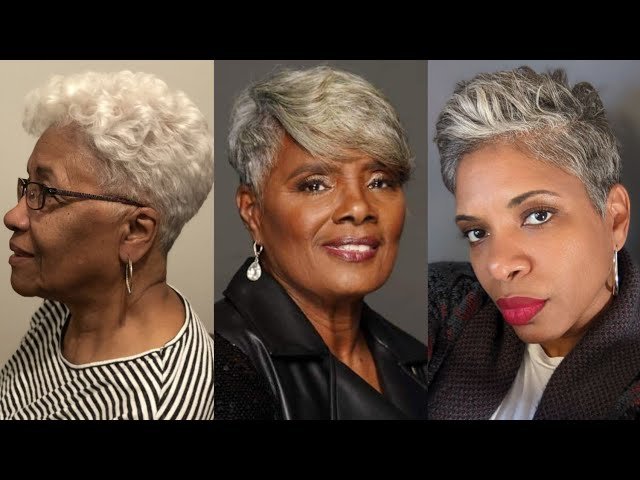
Blonde highlights on grey or silver hair can go in two directions. Either warm golden highlights that add softness and warmth to the silver, or icy platinum highlights that enhance and celebrate the cool tones already present. Both approaches work beautifully, and the right choice depends entirely on your skin tone and how warm or cool you want the overall look to read.
Use a colour-safe, sulfate-free shampoo on grey and highlighted hair regardless of which direction you go. Grey hair is naturally more porous and can absorb colour from shampoos and environmental factors more readily than pigmented hair. A weekly toning conditioner keeps the tone consistent between appointments.
17. Ribbon Highlights
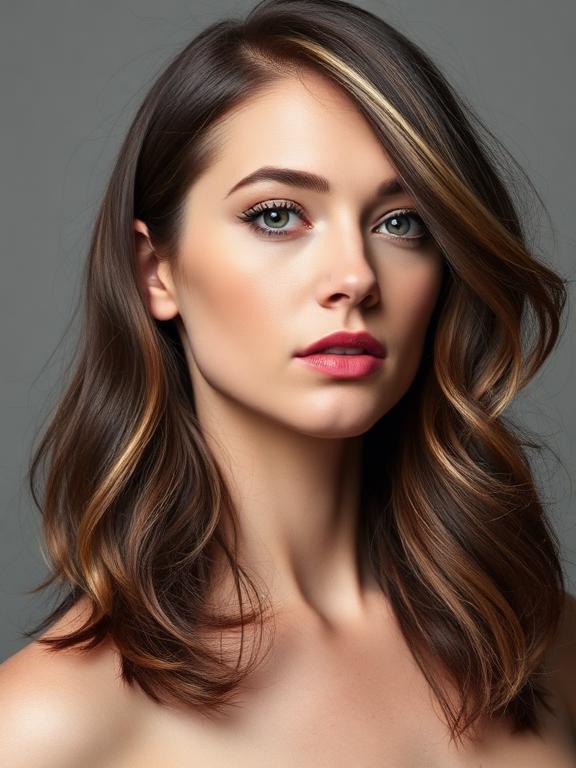
Ribbon highlights are wide, ribbon-like sections of blonde placed through the hair in a deliberate, visible pattern rather than blended or feathered at the edges. They’re a bolder, more graphic take on traditional highlights that sits somewhere between babylights and chunky highlights in terms of visual impact. The clean, defined edges of each section give the style a precise, editorial quality.
Ribbon highlights need a precise colorist who is comfortable with clean, defined foil work rather than soft blending. The edges of each ribbon section should stay crisp rather than fading gradually into the base. A toner applied carefully within the ribbon sections only prevents the blonde from bleeding visually into the surrounding base colour.
18. Highlights With A Money Piece
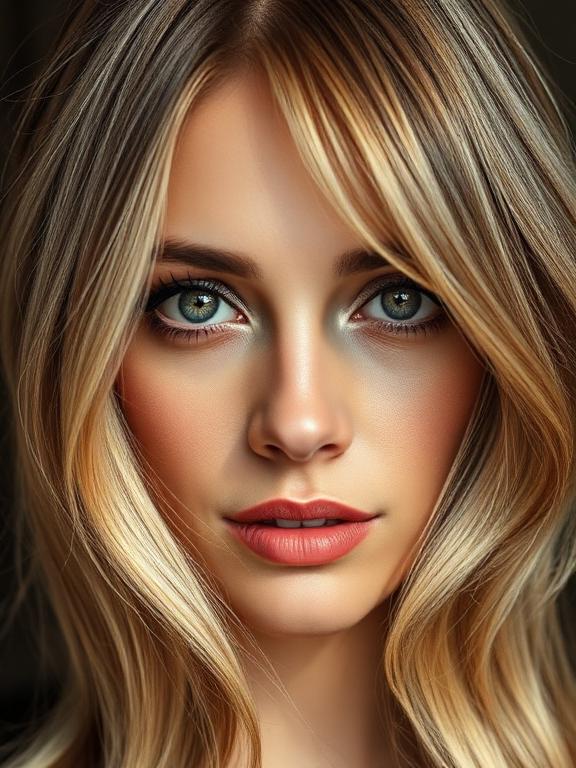
Adding a bold, bright money piece at the front on top of highlights elsewhere in the hair creates a focal point at the face that makes the entire colour look more intentional and striking. The money piece is noticeably lighter and bolder than the highlights through the rest of the hair, creating a layered colour effect that has both depth and a strong focal point simultaneously.
The money piece should always be slightly lighter and slightly bolder than your brightest highlight section. If the money piece blends in with the rest of the highlights, it loses its purpose. The contrast between the very bright front pieces and the more subtle highlights through the rest of the hair is what gives this combination its visual impact.
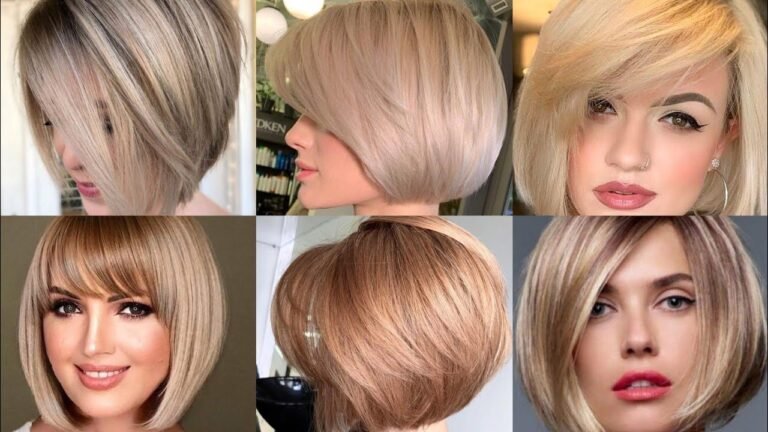
19. Highlights On Short Hair
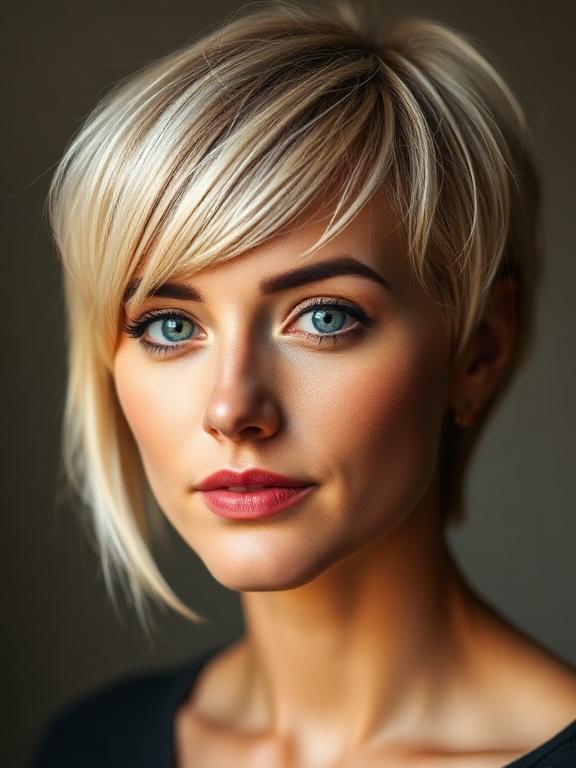
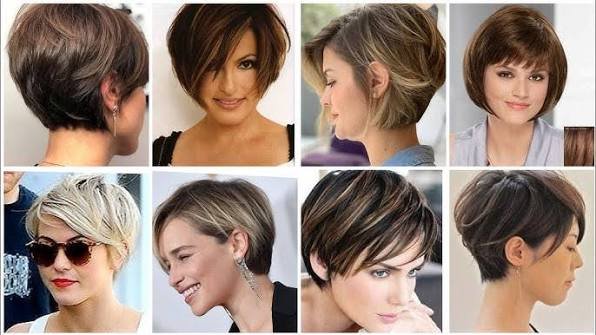
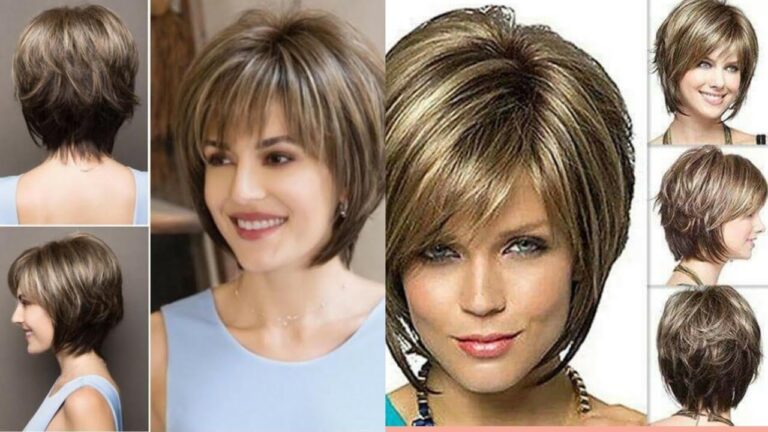
Blonde highlights on a bob, pixie, or short cut sit closer to the face and have less length to spread across, which means they read more concentrated and more immediately visible than highlights on longer hair. On short hair, even a small amount of well-placed highlighting creates a dramatically different look from single-process colour. The brightness sits right at the face where it has the most flattering effect.
Focus the lightest and brightest sections at the top and through the front of short styles since those are the highest visibility areas. Highlights placed primarily at the back or sides of a short cut are often barely visible in the finished style. On short hair, the placement strategy is more important than the technique itself.
20. Sun-Kissed Natural Highlights
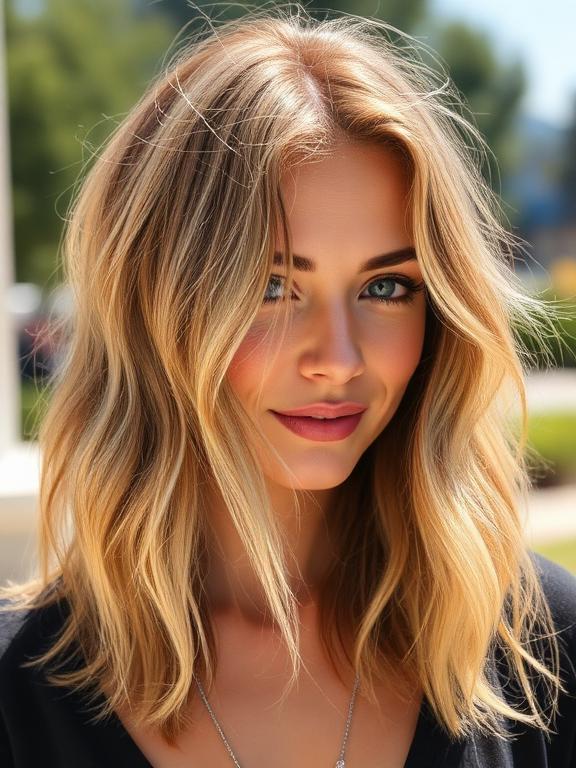
Sun-kissed highlights are designed to look like they happened naturally over a long summer rather than in a salon chair. The placement is scattered and organic, the sections are varied in width and depth, and the tones are warm and golden rather than precise and cool. The result is a colour that looks less like a technique and more like something your hair simply does.
Ask your colorist for varied tones across the sections, some slightly more golden, some slightly more honey, none of them identical to each other. Natural sun lightening is inconsistent and irregular, and the highlights need to reflect that quality to be convincing. A light gloss in a warm neutral tone over the top unifies the varied sections without flattening the natural-looking variation.
FAQs
How often do blonde highlights need to be touched up?
It depends on the technique. Foil highlights show regrowth more visibly and typically need touching up every six to eight weeks. Balayage and babylights grow out more naturally, and most people go ten to fourteen weeks before needing a full appointment. A toning gloss is a separate maintenance step needed more frequently than the highlights themselves, usually every four to six weeks.
Do blonde highlights damage hair?
Any lightening process causes some structural change to the hair. The degree of damage depends on how light you’re going, how many sessions it takes to get there, and what treatments you use during and after. Bond-building treatments used during the lightening process significantly reduce damage. A strong at-home moisture and protein routine between appointments keeps highlighted hair in the best possible condition.
What blonde highlight shade suits my skin tone?
Warm golden and honey highlights suit warm and olive skin tones best. Cool ash and platinum highlights tend to suit fair and cool-toned skin most flatteringly. Neutral and sandy highlights work across a broader range of skin tones than either extreme. Your colorist should be matching the warmth or coolness of your highlights to your skin undertone as much as to your hair base.
Can I get blonde highlights at home?
Home highlighting kits are available, but the results are rarely as controlled or as flattering as a professional application. The biggest risk with home highlighting is uneven placement and uncontrolled lift, which leads to patchy, brassy, or over-processed results that are expensive to correct. For significant highlight work, a professional appointment is consistently the better investment.
Wrapping Up
Blonde highlights are one of the most versatile colour services available precisely because there are so many ways to approach them. The twenty options on this list range from barely-there babylights to bold platinum chunks, and every one of them works differently depending on your base colour, your face shape, and how much maintenance you want to commit to.
Pick two or three that genuinely fit your lifestyle and bring them to a consultation before your appointment. The conversation you have before the colour starts is what determines whether you leave the salon with exactly what you wanted or something you have to grow out.