20 Short Choppy Hairstyles for Over 60
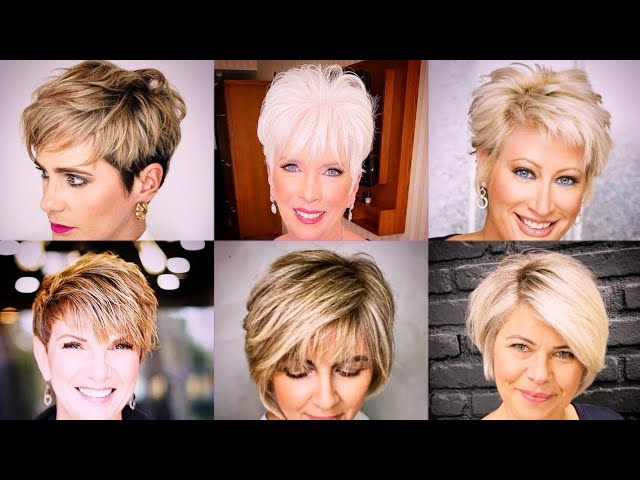
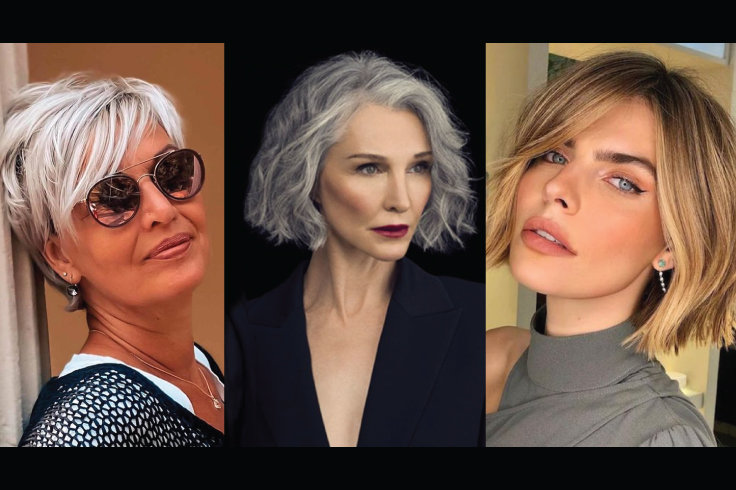
There is a version of short hair after 60 that feels fresh, current, and genuinely flattering. It is not the set-and-spray helmet that the older generation of short haircuts used to deliver. It is not the close-cropped practical cut that feels more like giving up than making a choice. It is the choppy version, where texture and movement do the work that volume and structure used to do.
Choppy hair at this length and this stage does something specific. It breaks up the weight that fine or thinning hair carries when it is cut bluntly. It adds the appearance of fullness where the hair has thinned. It gives the style a lived-in quality that looks intentional rather than effortless by accident. And perhaps most importantly, it grows out gracefully rather than demanding a precise trim every four weeks to stay looking right.
The challenge is knowing which choppy short style actually works for your specific hair texture, face shape, and lifestyle. There is a significant difference between a choppy pixie and a choppy bob and a choppy crop, even though all three share the same fundamental texture approach. This list covers 20 of the best short choppy styles for women over 60, spanning the full range from close and bold to longer and soft.
1. Choppy Textured Pixie
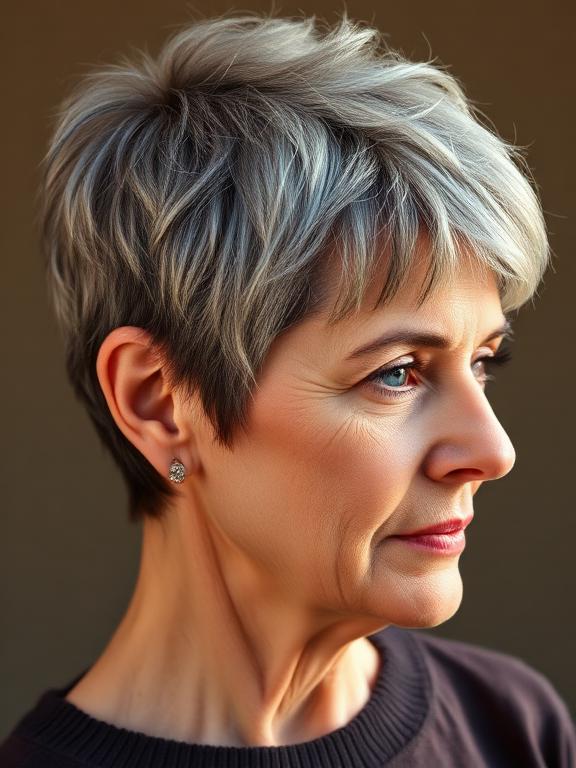
The choppy textured pixie is the shortest style on this list and one of the most impactful. Short broken layers worked through the crown and top section give the cut a lively, dimensional quality that a smooth pixie simply cannot achieve. The texture at this length catches the light differently across different sections of the cut, which makes the hair look fuller and more varied than the actual volume would suggest.
For women over 60 with fine hair, this is one of the most flattering cuts available because the choppy texture creates the visual impression of density without requiring actual hair density to pull it off. A small amount of texturizing paste or wax worked through the ends with fingertips separates the pieces and enhances the choppy finish. Ask your stylist for short broken layers through the crown with a clean or softly tapered nape to keep the back looking intentional.
2. Soft Choppy Bob
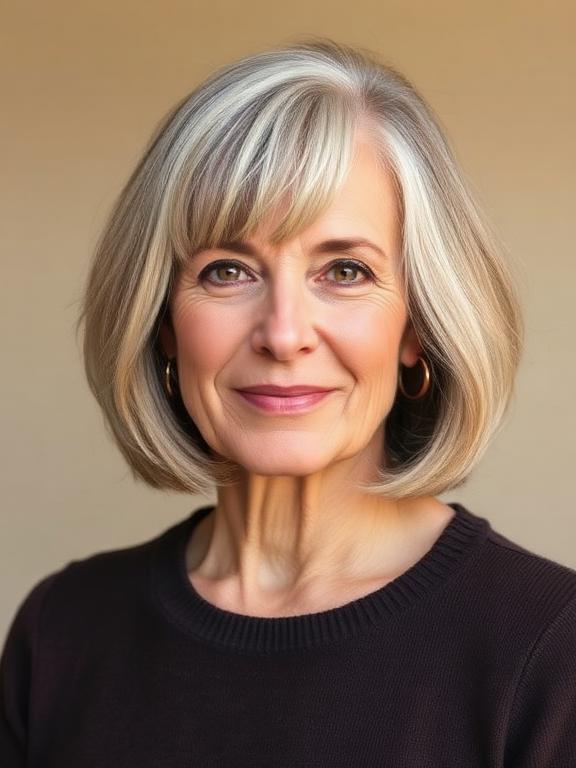
The soft choppy bob takes the energy of a classic bob and adds enough textural interest through the layers to stop it looking flat or one-dimensional. The ends are cut with visible but gentle texture rather than bluntly, which gives the bob movement at the perimeter without the style feeling edgy or high-maintenance. It is a bob that looks like it has a personality.
The softness in this version comes from keeping the layers light and blended rather than heavily disconnected, so the overall shape reads as polished from a distance and interesting up close. This is a reliable everyday style that suits most face shapes and works equally well on straight, wavy, and fine hair. Ask your stylist for a bob with soft choppy ends and minimal layering through the interior so the shape retains its density.
3. Choppy Crop with Fringe
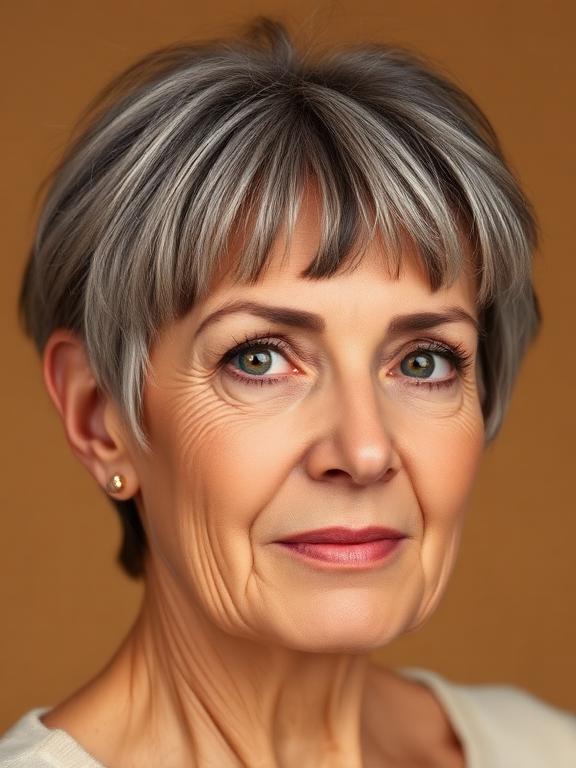
A choppy crop paired with a fringe that is also cut with visible texture rather than bluntly creates a complete look where the texture is consistent from the fringe through the rest of the cut. The fringe softens the forehead and gives the crop a focal point that draws attention to the eyes, which is one of the most flattering things any short haircut can do for women over 60.
The textured fringe is significantly more forgiving to grow out than a blunt one, as the choppy ends blend naturally rather than creating a hard line across the forehead as they lengthen. This is worth factoring into the decision if you are on the fence about fringe. A choppy fringe looks good for longer between trims. Ask your stylist to cut the fringe with point cutting or a razor so the ends have visible texture from the very first appointment.
4. Layered Choppy Bob
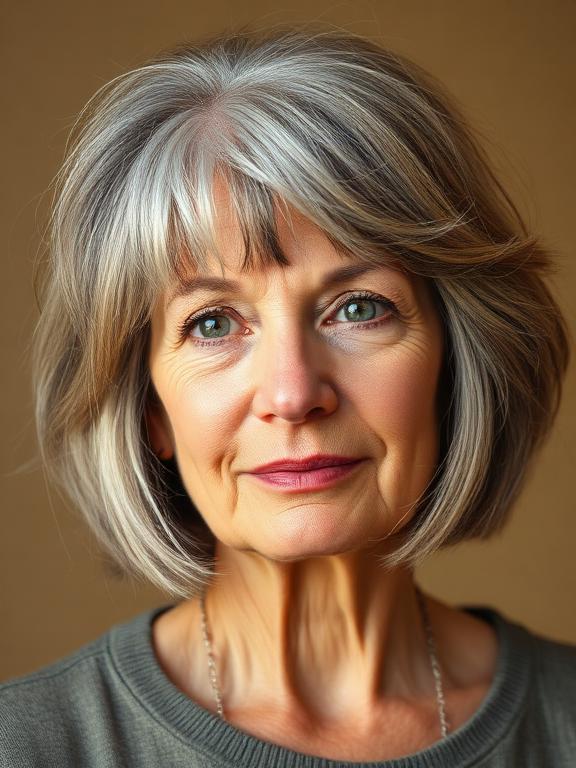
A layered choppy bob builds movement through interior layers that lift and separate the hair from within rather than relying solely on the ends for texture. The layers create volume where fine hair tends to go flat, particularly through the crown and top section, while the choppy ends give the perimeter of the bob a relaxed, current quality.
The interior layering is what makes this style work so consistently well for women with fine or thinning hair, because the layers create the appearance of fullness without actually requiring thick hair to look convincing. The choppy ends stop the layers from looking too smooth or blended, which keeps the overall style feeling fresh rather than classic. Ask for interior layers that are light enough to create movement without removing so much weight that the bob loses its density.
5. Choppy Pixie Bob
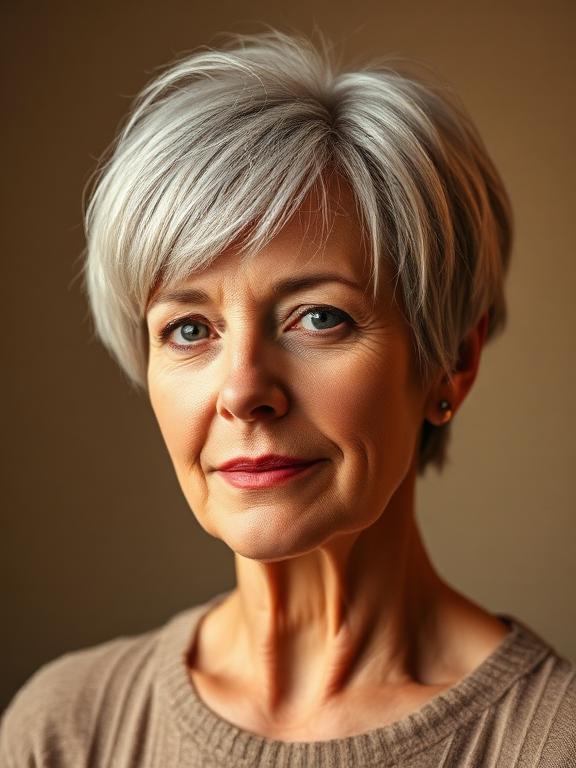
The pixie bob sits between a pixie and a bob in length and combines the best qualities of both. It has more length than a pixie, which softens the overall impression and gives more styling versatility, but it is shorter than a traditional bob, which keeps it easy to manage and quick to style. The choppy finish through the layers and ends gives it a modern, textured quality that neither a plain pixie nor a plain bob achieves.
This is a particularly good option for women who want to try something short without fully committing to a pixie, or who have grown out a pixie and want to maintain some of the short, low-maintenance quality while adding a little length. Ask your stylist for the length to sit somewhere between the ear and the jaw with choppy layering through the top section and textured ends at the perimeter.
6. Textured Crop with Tapered Sides
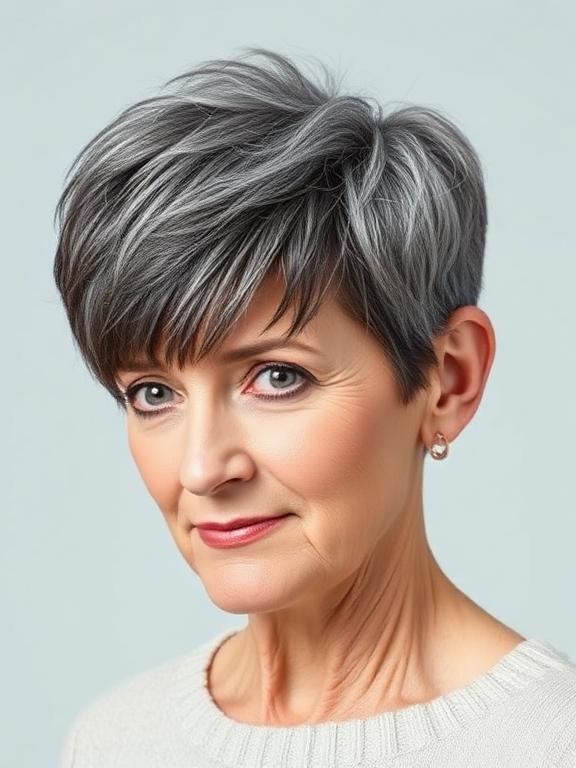
A short textured crop where the sides are tapered close creates a sharp, modern silhouette that has a slightly androgynous edge without being aggressively so. The taper keeps the sides neat and close while the choppy texture through the crown and top adds the personality and movement. The contrast between the two elements gives the style a deliberately considered quality.
The tapered sides are particularly flattering for women with wider face shapes because they reduce visual width at the sides while the crown texture draws the eye upward. The combination is inherently face-elongating without requiring any extreme cutting. Ask your stylist for a low to mid taper on the sides and back with point-cut or razored layers through the top to create genuine texture rather than a smooth, safe finish.
7. Choppy Bob with Side Swept Fringe
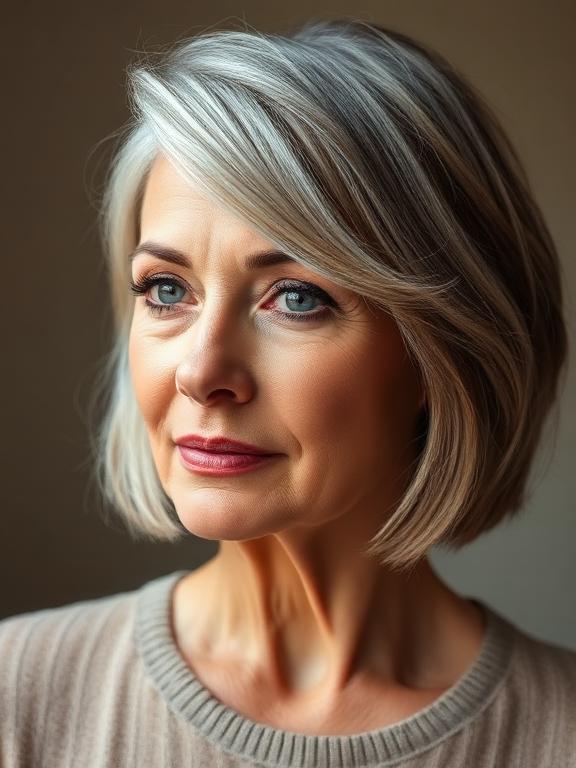
A choppy bob paired with a side-swept fringe is one of the most reliably flattering combinations on this list for a wide range of face shapes and hair types. The side sweep adds a diagonal element to the front of the style that is universally face-flattering, directing the eye across and upward rather than tracing the horizontal width of the face. The choppy texture through the rest of the bob keeps the style from feeling too neat or controlled.
The side-swept fringe also gives women who want some forehead coverage a way to achieve it without committing to a full blunt fringe with its demanding maintenance schedule. The choppy ends of the sweep blend into the rest of the bob naturally as they grow, making this one of the most forgiving fringe options available. Ask for the fringe to be cut slightly longer than feels right initially, as fine hair tends to spring up after cutting and a longer starting point gives more room to adjust.
8. Shaggy Short Choppy Cut
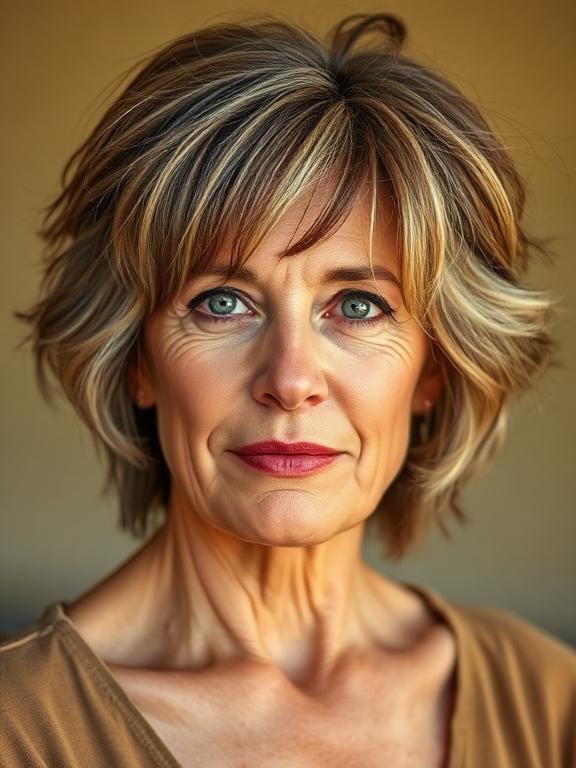
The shaggy version of a short choppy cut leans fully into a relaxed, undone quality where the layers move in multiple directions and the ends are cut with significant visible separation. It has a retro quality that feels completely current because the texture looks lived-in rather than freshly styled. Women with naturally wavy or lightly textured hair get the best results from this version because the natural movement of the hair adds to the shaggy quality.
The shaggy cut is one of the most forgiving styles between appointments because the intentionally undone quality means it looks just as good slightly grown out as it does right after a trim. Scrunching in a curl cream or texturizing spray while the hair is damp and leaving it to air dry is the most effective way to enhance the shaggy texture. Ask your stylist for heavy layering and significant point cutting through the ends so the shaggy quality is built into the cut itself rather than being entirely product-dependent.
9. Choppy Bob with Curtain Fringe
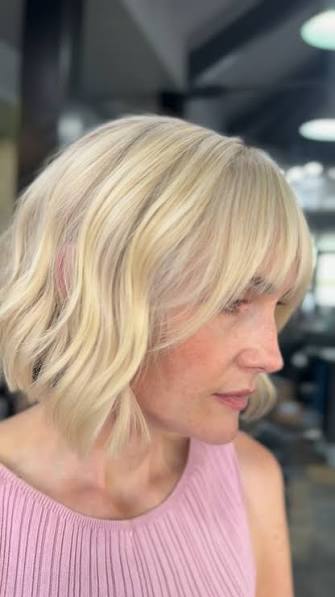
Curtain bangs on a choppy bob create one of the most flattering and currently relevant combinations available for women over 60. The curtain fringe parts naturally down the center and frames the face on both sides with soft face-framing pieces that open up the eyes and add a gentle, feminine quality to the bob. The choppy texture through the rest of the cut keeps the overall style from feeling too sweet or overly soft.
The curtain fringe grows out beautifully because it blends into the rest of the bob as it lengthens, rather than creating a defined edge that looks wrong as soon as it starts growing. This makes it one of the lowest-maintenance fringe options on this list. Ask your stylist to cut the curtain fringe with point cutting so the ends are feathered and light rather than blunt, which softens the framing effect and makes the grow-out even more seamless.
10. Short Choppy Shag
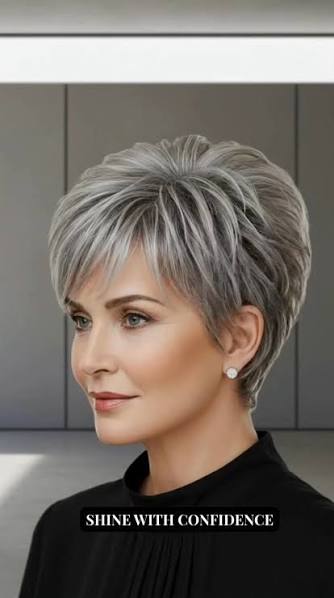
The short shag is different from the shaggy short choppy cut in that it has a more deliberate, structured layering pattern that references the classic shag haircut rather than simply being an undone short style. Layers at the crown create volume, layers at the sides create movement, and a fringe of some kind anchors the front. The choppy ends throughout give it a modern quality that separates it from the original seventies shag.
For women over 60 this cut is particularly effective because every element of it addresses a common concern about hair at this stage. The crown layers lift fine hair. The side layers prevent the weight from pulling the hair flat. The fringe softens the forehead. And the textured ends give the whole style a current, intentional quality. Ask your stylist specifically for a shag cut rather than a layered cut, as the layering distribution in a shag is fundamentally different from a standard layered style.
11. Choppy Angled Bob
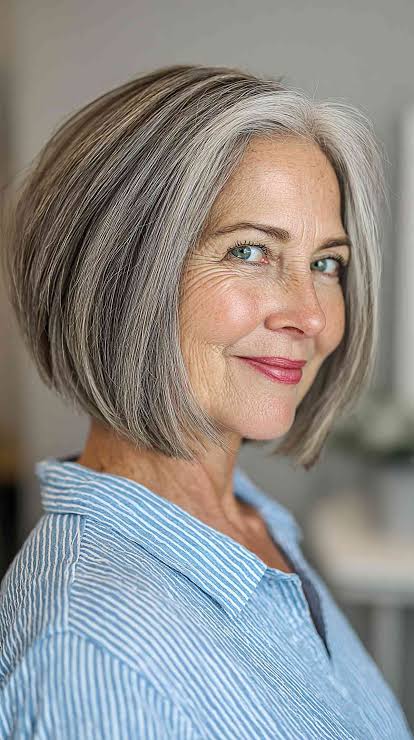
An angled bob drops from a shorter back to a longer front, and when the ends are cut with choppy texture throughout, the angle creates a strong directional line while the choppiness prevents the shape from looking too structured or corporate. The longer front pieces frame the face and jaw, while the shorter back keeps the neck looking clean and the overall style feeling modern.
The angle in the bob is inherently face-flattering for most face shapes because it creates a diagonal line that visually elongates the face and draws attention toward the cheekbones and jaw rather than the widest points of the face. Ask your stylist to keep the angle gradual rather than extreme for a more wearable everyday result, and request choppy ends throughout rather than a blunt perimeter line that would make the angled shape look too geometric.
12. Feathered Choppy Cut
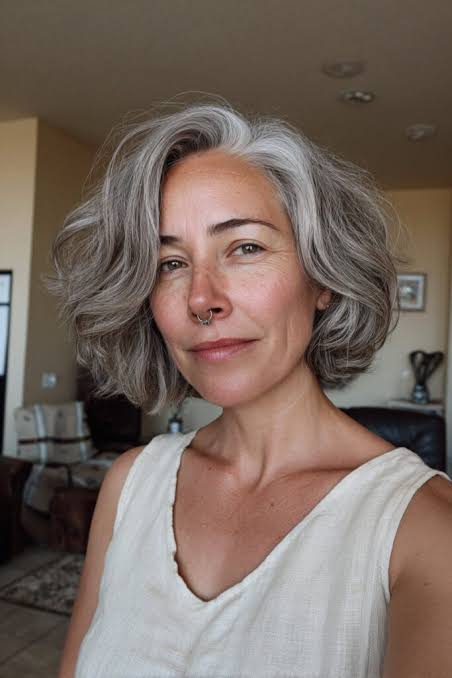
Feathering through the ends gives a short choppy cut a lighter, more airy quality than heavier or more aggressively disconnected choppy styles. The ends flip and blend rather than sitting in a deliberately separated, piecey pattern, which creates a softer overall impression that works well for women who want texture and movement without the cut feeling too edgy or styled.
Feathering is a particularly effective technique for fine hair because it removes bulk from the ends without making the hair look thin or wispy. The light, flicked quality of the feathered ends actually makes the hair appear more full and dynamic than bluntly cut ends do. Ask your stylist specifically for feathered ends rather than point cutting, as the two techniques produce a distinctly different texture quality despite both being forms of choppy finishing.
13. Choppy Bob with Wispy Ends
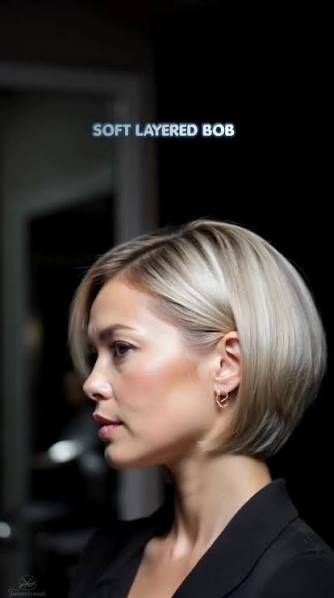
Wispy ends on a choppy bob take the texture in the softest possible direction, with ends that taper almost to a point rather than being cut in a bold or dramatic choppy pattern. The overall effect is delicate and feminine, giving the bob movement and a light finish without any of the edginess that more aggressively choppy styles carry. It is the most wearable and universally flattering version of the choppy bob on this list.
Wispy ends are particularly effective on fine hair where more dramatic choppy cutting can sometimes make the hair look thin rather than textured. The tapered ends create movement without removing too much hair from the perimeter, which keeps the bob looking dense enough to read as a full, intentional style. Ask your stylist for very light point cutting at the very tips of the ends only rather than heavier choppy cutting through the mid-shaft.
14. Choppy Crop with Crown Volume
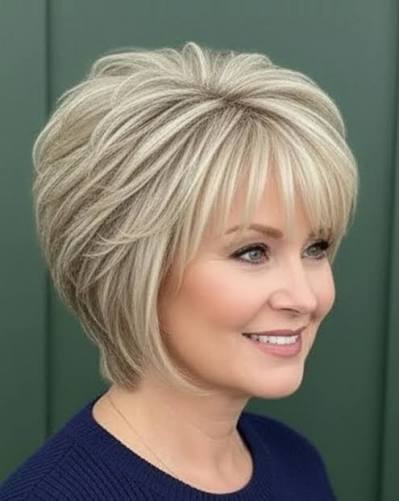
A short choppy crop where the cutting and styling specifically prioritize building volume through the crown creates a silhouette that has height and presence rather than sitting flat and close to the head. The choppy layers through the crown section are cut to encourage the hair to lift upward rather than fall flat, which makes the style instantly more dynamic and flattering.
Crown volume is one of the most consistently requested elements in short haircuts for women over 60, and the choppy crop is one of the best vehicles for achieving it because the broken layers at the crown create a natural lift that smooth layers cannot replicate. A root spray applied before blowdrying and directed upward with a round brush or paddle brush locks in the crown height. Ask your stylist to concentrate the shortest, most textured layers specifically at the crown where the lift is most needed.
15. Stacked Choppy Bob
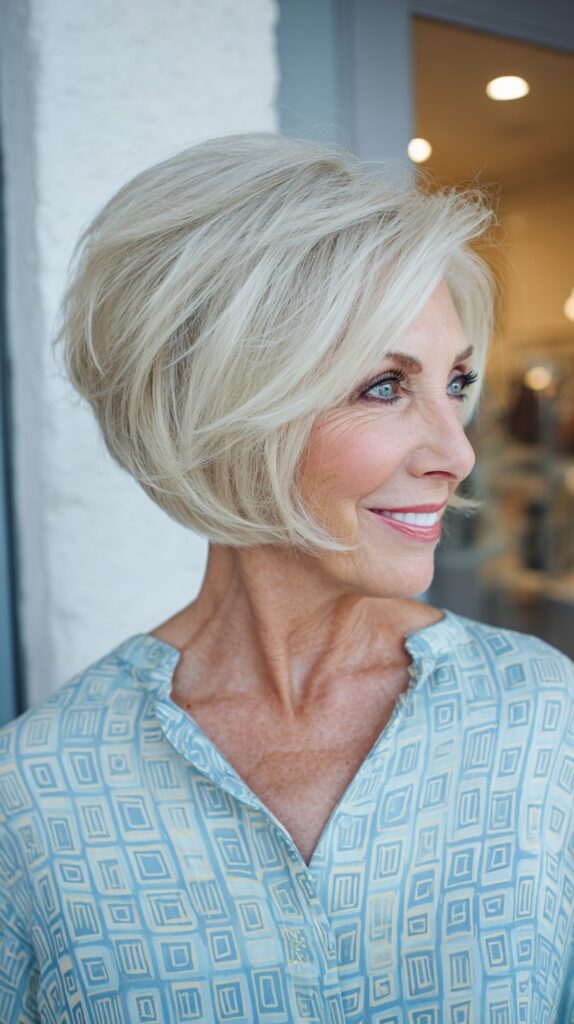
A stacked bob builds volume at the back of the head through graduated layers that stack on top of each other, and adding choppy texture through the top and perimeter takes the classic stacked bob into more current territory. The stacking at the back lifts the crown and creates a rounder, fuller profile from the side, while the choppy ends throughout the rest of the cut keep the style from looking too neat or traditional.
The stacked back is one of the best structural elements in any short haircut for creating the appearance of volume in fine hair, because the layered stacking creates density at the back that fine hair cannot naturally achieve. The choppy ends through the top prevent the stack from looking too polished or dated. Ask your stylist for a stacked back combined with choppy point-cut ends through the top and sides so the two elements balance rather than work against each other.
16. Short Choppy Cut with Disconnected Layers
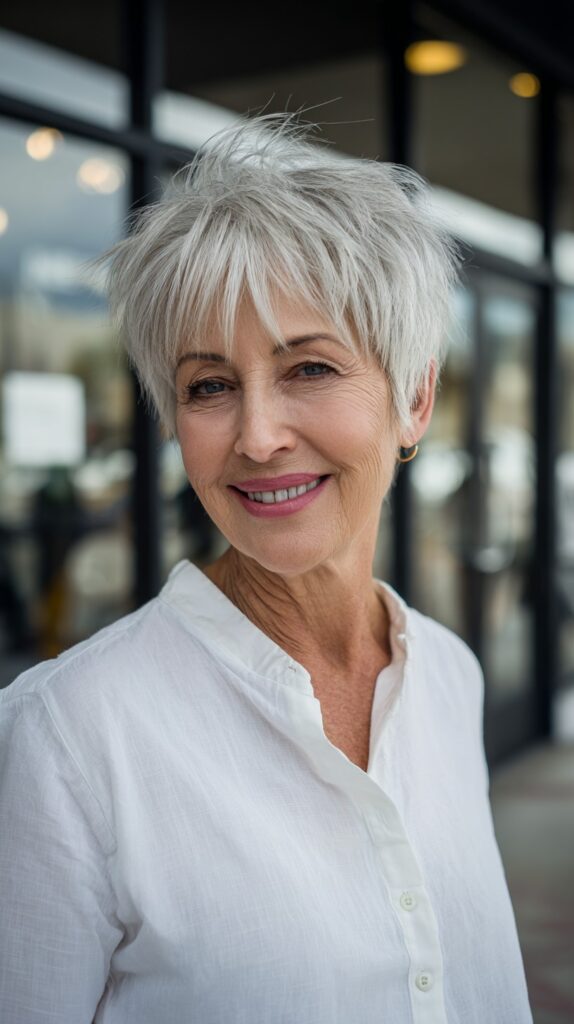
Disconnected layers sit between sections that are not blended seamlessly into each other, creating visible contrast in the length and texture between different parts of the cut. On a short choppy style for women over 60, disconnection adds a deliberate, fashion-forward quality that makes the cut look genuinely considered rather than simply textured. It is bolder than most styles on this list and more suited to women who want their hair to make a clear statement.
The disconnection works best when it is concentrated between the crown and the sides, where the contrast between a fuller top section and a closer side section creates the most visible and flattering effect. The disconnected quality should feel intentional rather than accidental, which means the contrast between sections needs to be clear enough to read as a design choice. Ask your stylist for a visible but not extreme disconnection between the top and sides so the style looks deliberate and modern without feeling severe.
17. Choppy Bob with Natural Wave
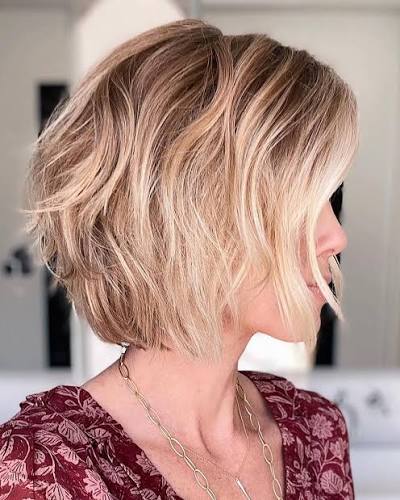
A choppy bob that is cut to work with rather than against a natural wave or light texture creates a style that requires almost no effort to look exactly as intended. The choppy layers encourage the wave to move freely through the bob rather than being weighed down by too much length at the ends, and the natural movement of the wave enhances the choppy quality of the cut in a way that straight hair cannot replicate.
This combination works best when the bob is cut dry or when the stylist has a thorough understanding of how the wave behaves when it dries, so the shape is designed for the finished texture rather than for the hair in its wet, stretched state. Ask your stylist to cut the bob dry if possible so the natural wave pattern is visible throughout the cutting process and the final shape is designed specifically for your texture.
18. Choppy Pixie with Long Top
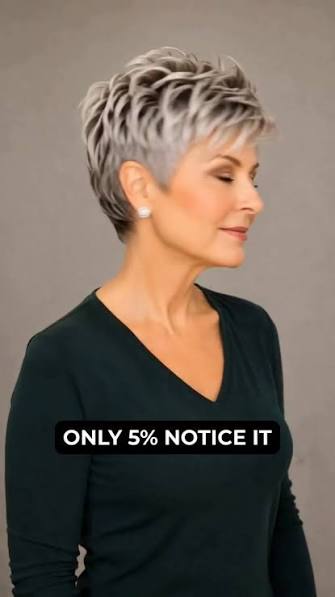
A pixie cut where extra length is kept through the top section while the sides and back are cut close creates a strong silhouette with significant styling versatility. The longer choppy top can be swept back, pushed forward, swept to one side, or left to fall naturally, giving the same cut multiple different looks depending on how the top section is directed. The choppy texture through the longer top prevents it from looking flat or one-dimensional.
This is a style that rewards experimentation with styling because the same cut can look completely different from one day to the next depending on how the top is worn. For women over 60 who want a low-maintenance cut with maximum styling flexibility, the choppy pixie with long top is one of the best options on this list. Ask your stylist to keep the top long enough to style in at least two different directions before the next trim.
19. Relaxed Choppy Lob
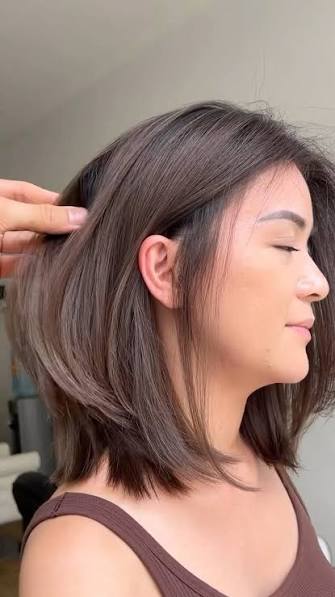
A longer bob that sits at or just above the shoulder with choppy layers and textured ends throughout is the most length-friendly style on this list and the best option for women who want the choppy texture trend without going very short. The lob length gives the choppiness room to express itself through multiple layers rather than being concentrated into a short section, which creates more visible movement and a more relaxed overall quality.
The relaxed choppy lob grows out beautifully and does not require precise trimming to maintain its shape, which makes it one of the most practical options for women who prefer to stretch their salon appointments. It works on straight, wavy, and lightly textured hair. Ask your stylist for significant point cutting through the ends and a few interior layers to create genuine movement through the lob rather than simply a blunt version with a slightly imprecise cut.
20. Choppy Cut with Soft Undercut
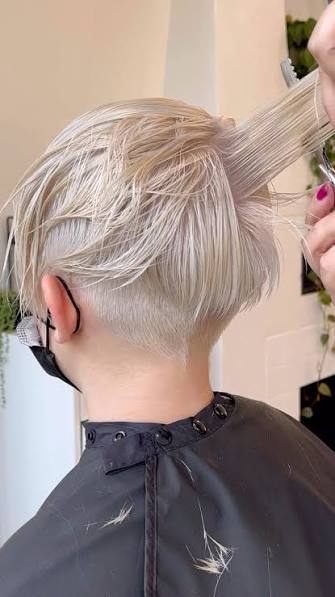
A short choppy style where the nape and lower sides carry a soft undercut removes bulk from underneath while the top section keeps its full choppy volume. The undercut is hidden when the top hair falls naturally but reduces the overall weight of the style and helps it sit more neatly against the head. For women with thick hair that tends to push outward at the back, the soft undercut is a game-changing addition to any short choppy style.
The soft undercut also extends the life of the style between appointments because the bulk that makes short cuts go out of shape quickly is removed, meaning the overall silhouette stays more consistent as the hair grows. Ask your stylist for a soft rather than a hard undercut line at the top edge of the undercut, so the transition between the removed section and the kept section is gradual rather than creating a ledge or shelf effect.
FAQs
Is short choppy hair good for women over 60?
Choppy texture is one of the most beneficial qualities any short haircut can have for women over 60. As hair changes in texture and density with age, the choppy finish creates movement and the visual appearance of fullness that blunt cuts cannot achieve. It also grows out more gracefully than precise blunt cuts, which means more time between appointments without the style looking wrong.
What is the difference between choppy and layered hair?
Layering refers to the internal structure of a haircut where different lengths are built throughout the hair to create movement. Choppy refers specifically to the finish at the ends, where the cutting technique creates visible texture and separation rather than a smooth, blunt line. A choppy cut can have layers, and often does, but the defining quality is the textured finish at the ends rather than the layering structure within the cut.
How do I style short choppy hair at home?
The most effective home styling approach for short choppy hair depends on the specific style and the hair texture. For most choppy styles, a small amount of texturizing spray or light paste worked through damp hair and left to air dry or diffused gives the best result. Avoid heavy products that weigh the ends down and compress the choppy texture. Fingerstyling rather than brushing preserves the separation between pieces.
How often does short choppy hair need trimming?
One of the genuine advantages of choppy short styles is that they are more forgiving between appointments than precise blunt cuts. Most choppy styles look good for eight to ten weeks before a trim is necessary. More structured versions like the stacked bob or the tapered crop need attention sooner, at around six to eight weeks. The shaggy and relaxed versions are the most forgiving and can stretch to twelve weeks without losing their essential quality.
What face shapes suit short choppy haircuts?
Most face shapes work well with at least one version of the short choppy cut. Round faces benefit from styles with height at the crown and choppiness that creates vertical rather than horizontal emphasis. Oval faces suit almost every version on this list. Square faces do well with softer choppy styles that have rounded shapes rather than geometric angles. Heart-shaped faces suit choppy bobs and pixie bobs that keep more length around the jaw.
Wrap-Up
Short choppy hair after 60 is not a compromise between what you want and what your hair can do. When the right version of the cut is matched to your specific texture, face shape, and lifestyle, it is one of the most genuinely flattering and low-maintenance choices available.
The texture does the work that careful styling used to do. The layers create the volume that thicker hair used to provide. And the grow-out is forgiving enough that a great short choppy cut keeps looking good long past the point where a more precise style would have needed refreshing.
Work through this list and identify the styles that speak most directly to your instinct about what suits you. Pay attention to the fringe options, the nape treatments, and the specific texture quality of each style because those details are what separate one short choppy cut from another. Save the ones that feel most like you, bring them to your stylist, and be specific about the texture quality you want. That specificity is what gets you the result that looks effortless every morning.