20 Shaggy Haircuts for Women Over 50
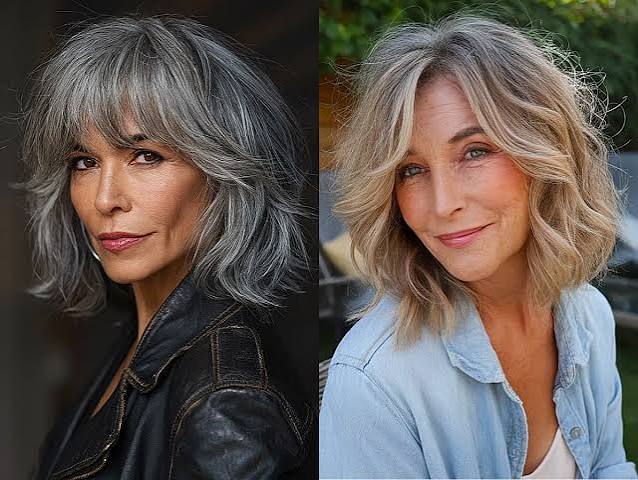
The shag is one of the few cuts that genuinely improves with age. The layers work with thinning hair rather than against it, the texture hides the density loss that longer one-length styles expose, and the overall effortless quality of a well-cut shag suits the confidence of a woman who has long since stopped caring about anyone else’s opinion of her hair.
One thing worth knowing before the appointment: a shag on fine or thinning hair requires a stylist who understands restraint. Over-layering is the most common mistake on hair over 50 and it leaves the ends looking sparse and wispy rather than textured and intentional. Less layering than you think, placed more carefully than you expect.
1. Classic Layered Shag
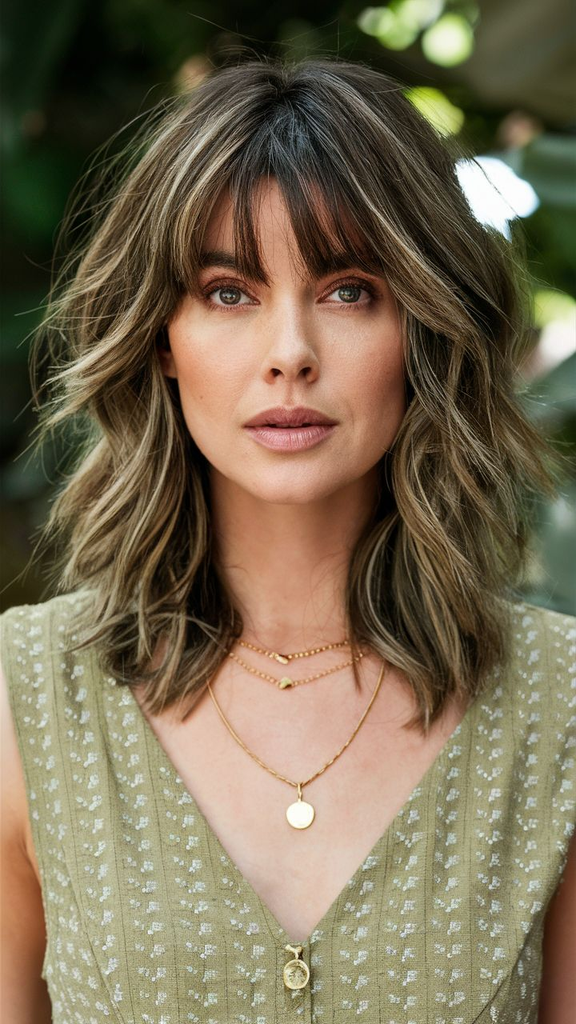
The original shag with layers throughout, curtain bangs, and wispy ends is as relevant now as it ever was. On women over 50 the layers create their own volume without requiring heat or product, which makes this one of the lowest effort styles on the list for the amount of impact it delivers.
Ask for layers that begin at the collarbone or below to preserve enough perimeter weight for the cut to look full rather than thin. Style with a lightweight mousse on damp hair and diffuse on low heat.
2. Short Shag Bob
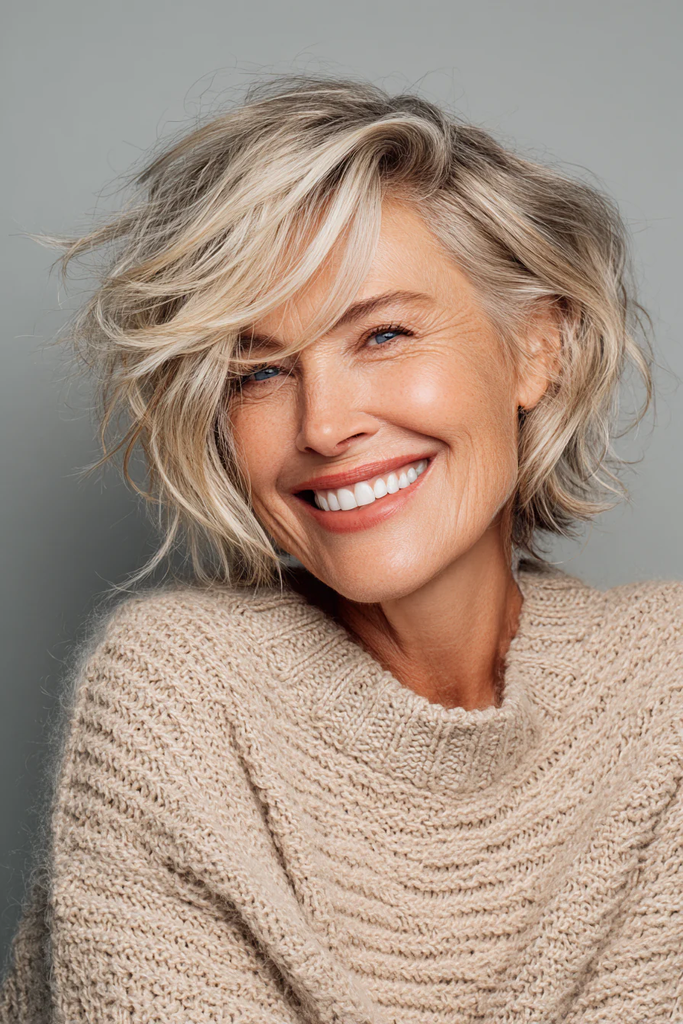
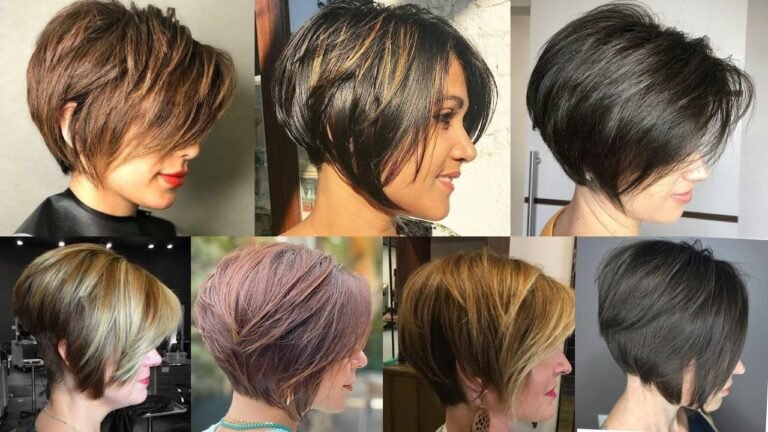
A shag at bob length, sitting at the jaw or just below, gives the shag’s texture and movement on a shorter canvas that suits women who want something easy to manage. The reduced length means the layers have less distance to travel and the overall volume reads more concentrated and more immediately full.
Use a dry texturising spray on already-dried hair rather than wet products that flatten fine hair. Scrunch through the ends only, avoiding the roots where product buildup collapses volume fastest on hair over 50.
3. Silver Shag
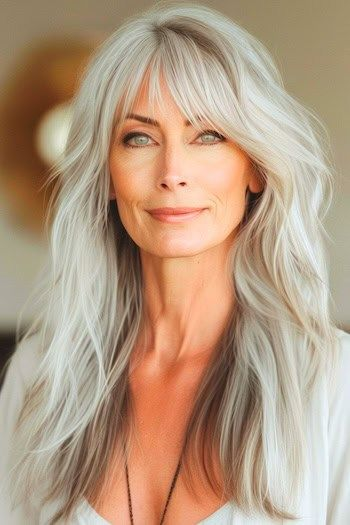
Natural silver hair in a shag cut is a genuinely beautiful combination. The coarser texture of silver hair holds the shag’s layers better than fine pigmented hair, and the tonal variation within natural silver creates a colour dimension that enriches the layered cut without any colour service required.
Enhance the silver with a weekly violet toning shampoo to keep the tones bright and luminous rather than dull or yellowish. A shine spray over the finished style adds luminosity that transforms silver from flat grey to genuinely striking.
4. Shag With Face Framing
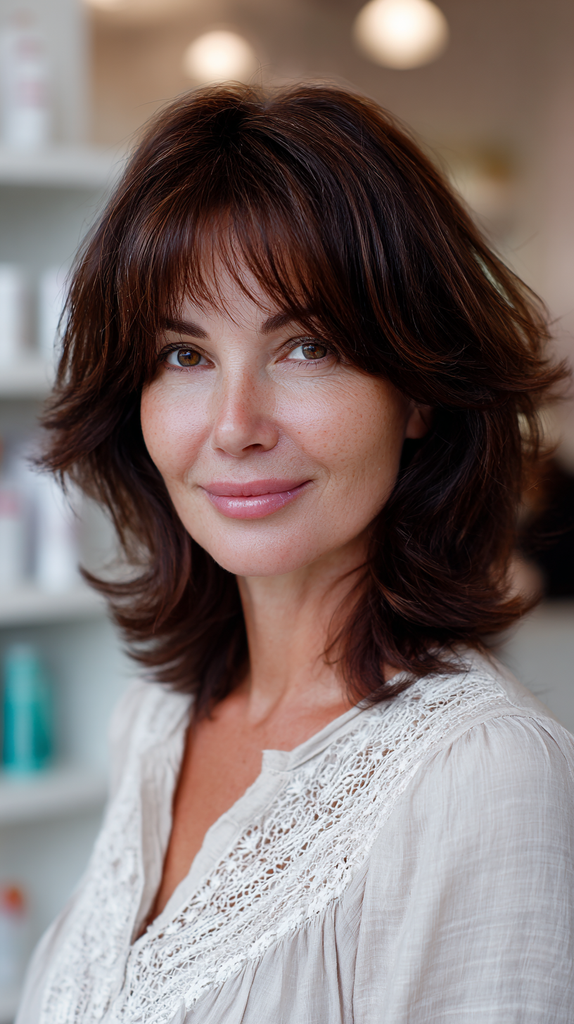
A shag where the face-framing layers are significantly more concentrated than the internal layers creates targeted flattery at the most important zone without over-thinning the body of the cut. The face frame does the visual work while the rest of the hair keeps its weight and fullness.
Tell your stylist you want the face frame to be the priority and the internal layers to be minimal. That instruction prevents the most common shag mistake on fine hair over 50, which is layering aggressively throughout and leaving the hair looking sparse everywhere.
5. Lob Length Shag
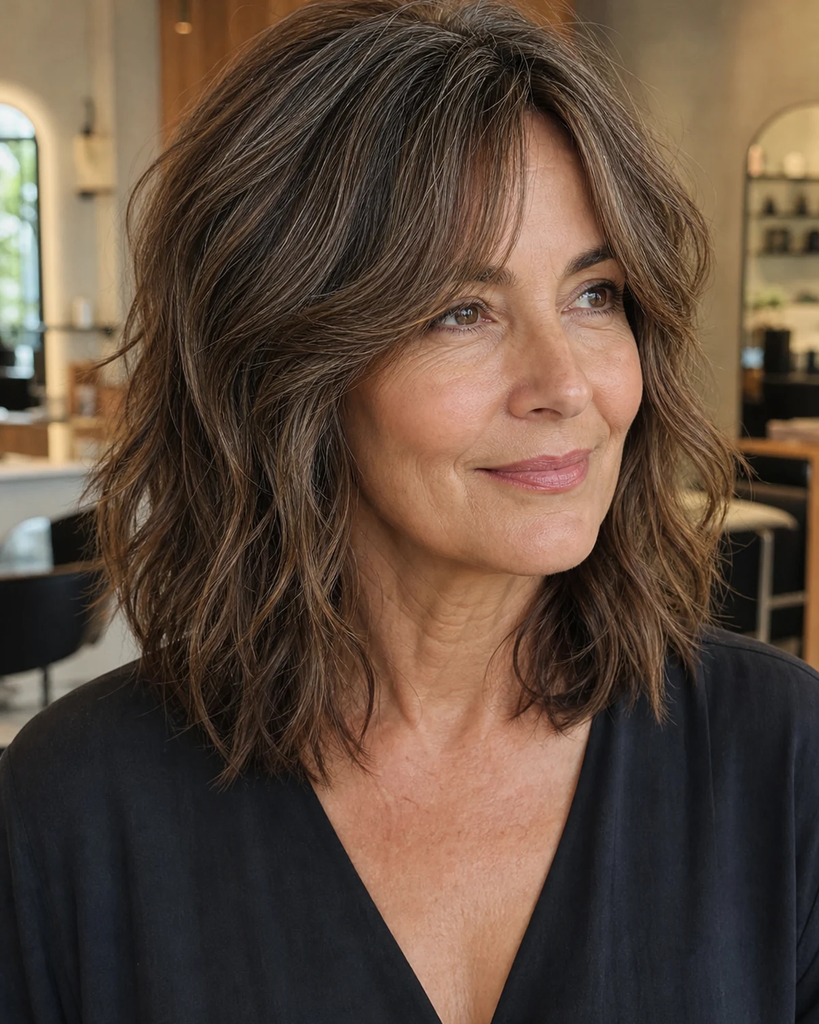
A shag at lob length, sitting at collarbone to shoulder, is the most versatile and most universally flattering shag length for women over 50. Long enough to style in multiple ways, short enough that the layers have real impact rather than getting lost in excess length.
Style with a sea salt spray on damp hair before diffusing for a beachy, textured finish that suits the lob shag’s relaxed character. Avoid anything heavy or glossy as a finisher since it flattens the texture that makes this cut work.
6. Shag With Curtain Bangs
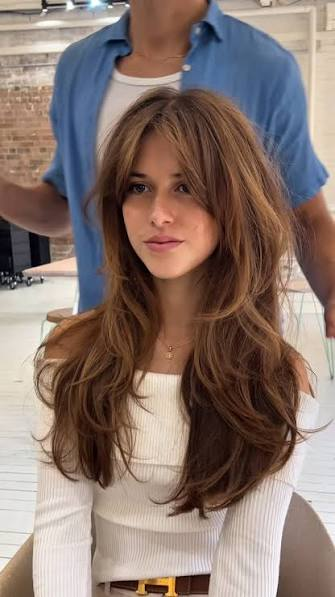
Adding curtain bangs to a shag is the combination that makes the cut feel most current and most face-flattering. The bangs frame the eyes and soften the forehead while the shag’s layers create movement and texture throughout the rest of the cut. Every element is doing specific flattering work.
Blow dry the curtain bangs using a small round brush sweeping each side away from the centre while damp. Apply a light-hold spray immediately while warm to set the direction on fine hair that loses its shape quickly.
7. Textured Pixie Shag
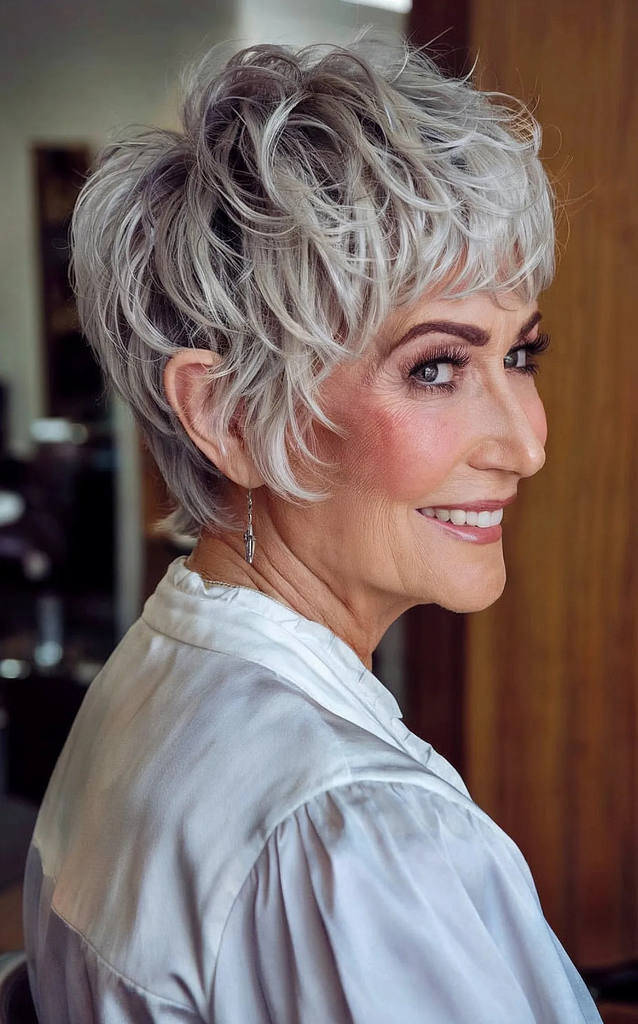
A pixie-length shag, sometimes called a shixie, keeps the shag’s layering philosophy at a very short length. The result has serious texture, movement, and volume at a length that requires minimal daily effort. On women over 50 with thinning hair it’s the most volume-efficient cut on this list.
Style with a matte texturising clay worked through dry hair with fingers. The matte finish reads as natural texture rather than product, and a small amount is all this cut needs to look intentional and finished each morning.
8. Romantic Soft Shag
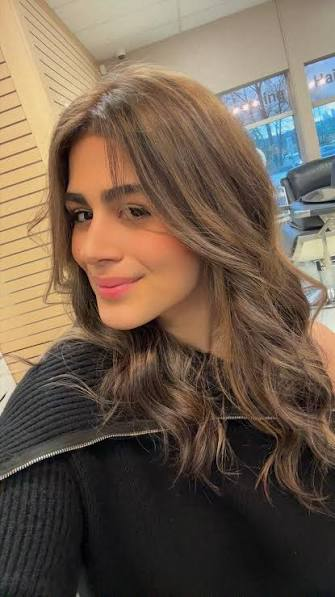
A softer, more flowing version of the shag with longer, more gradual layers and a finish that reads as feminine rather than edgy. The romantic shag prioritises movement and softness over texture and disconnection, which suits women over 50 who want the volume benefits of the shag without anything that feels too rock-and-roll.
Style with a light mousse on damp hair before diffusing on low heat for a soft wave pattern through the layers. Finish with a light shine spray for a luminous, polished version that reads as effortless and feminine.
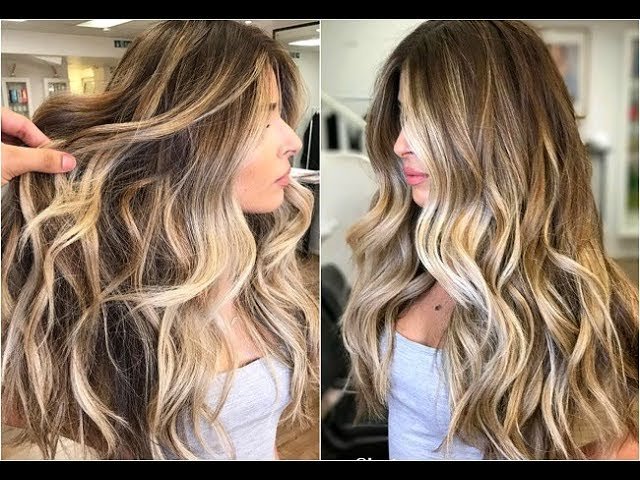
9. Shag With Highlights
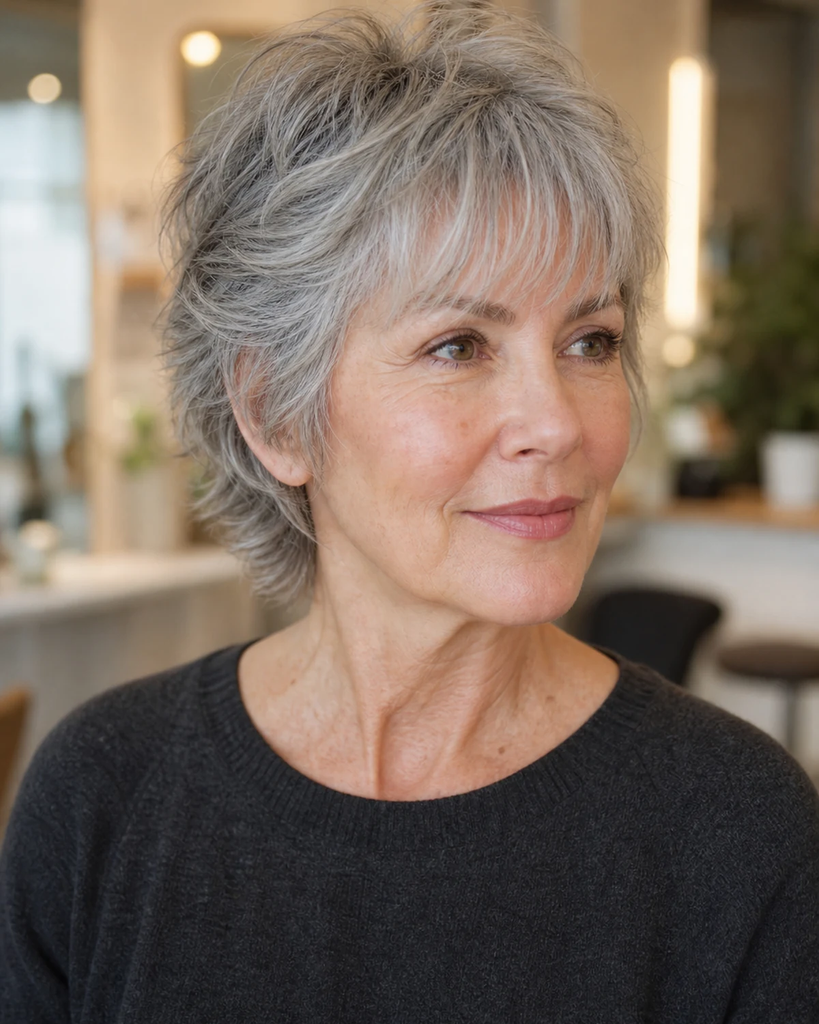
Adding warm highlights through a shag creates a colour dimension that works alongside the layered texture to make the hair look significantly thicker and more dimensional than either element achieves alone. Light and shadow created by the highlights mimics the visual depth of density the cut is already working to create.
Ask for fine babylights through the top and face-framing sections rather than chunky highlights. Fine lights distributed evenly create natural luminosity. Chunky highlights on a shag over 50 look patchy rather than dimensional against the layered texture.
10. Undone Bedhead Shag
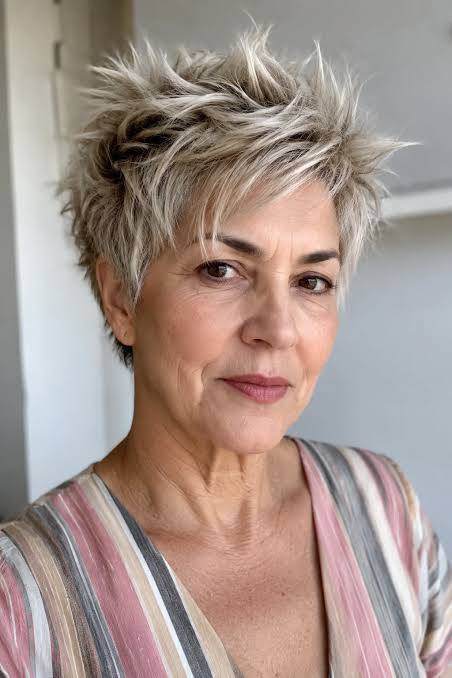
A shag specifically styled to look effortlessly dishevelled and slightly undone has a relaxed confidence that suits women over 50 who have long since stopped needing their hair to look perfectly composed. The texture is visible, the direction slightly unpredictable, and the overall effect is of someone who simply woke up this way.
Apply a flexible matte pomade on towel-dried hair in multiple directions rather than one consistent sweep. Avoid any combing after product application. The multi-directional application is what creates the authentic bedhead quality rather than something that looks deliberately styled to appear undone.
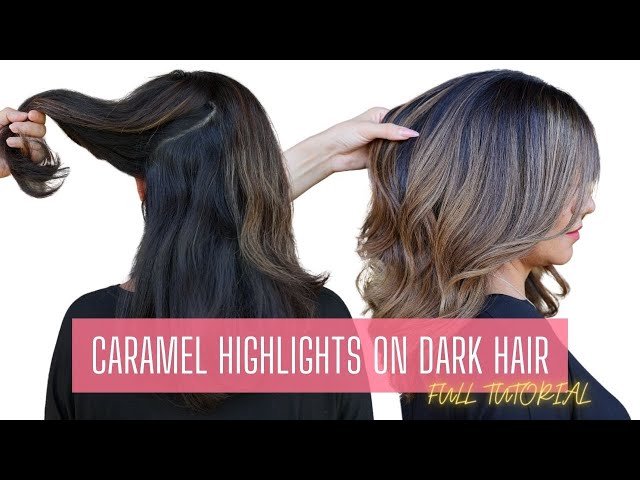
11. Shag With Shadow Root
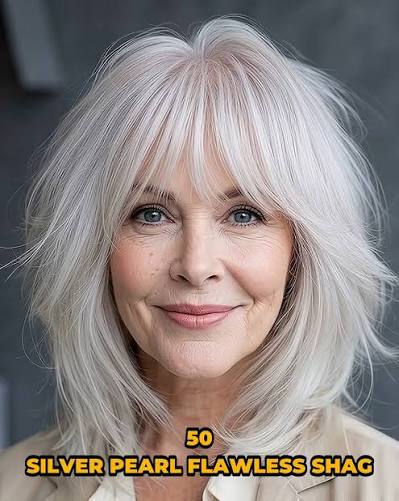
A shag with a shadow root keeps the darkest, most natural depth at the scalp and allows colour to develop through the lengths without the pressure of constant root maintenance. On a shag, the shadow root adds an additional layer of depth and dimension that works alongside the layered cut to create a rich, multidimensional result.
Tell your colorist to keep the shadow root warm rather than cool or neutral. A warm root against the shag’s layers creates a cohesive, natural-looking dimension. A cool shadow root against warm lengths creates a tonal disconnect that looks accidental rather than intentional.
12. Graduated Shag

A graduated shag builds the layers in a specific graduated structure where the back is slightly shorter and stacks up toward the crown, creating a rounded, full silhouette at the back that adds visible volume exactly where thinning hair over 50 needs it most. The graduation does structural work that standard flat-layered shags don’t achieve.
Ask your stylist to show you the back profile during the cut to confirm the graduation is building the rounded fullness at the crown rather than simply shortening the back section. The back silhouette is what defines the graduated shag and needs to be deliberately shaped.
13. Choppy Shag
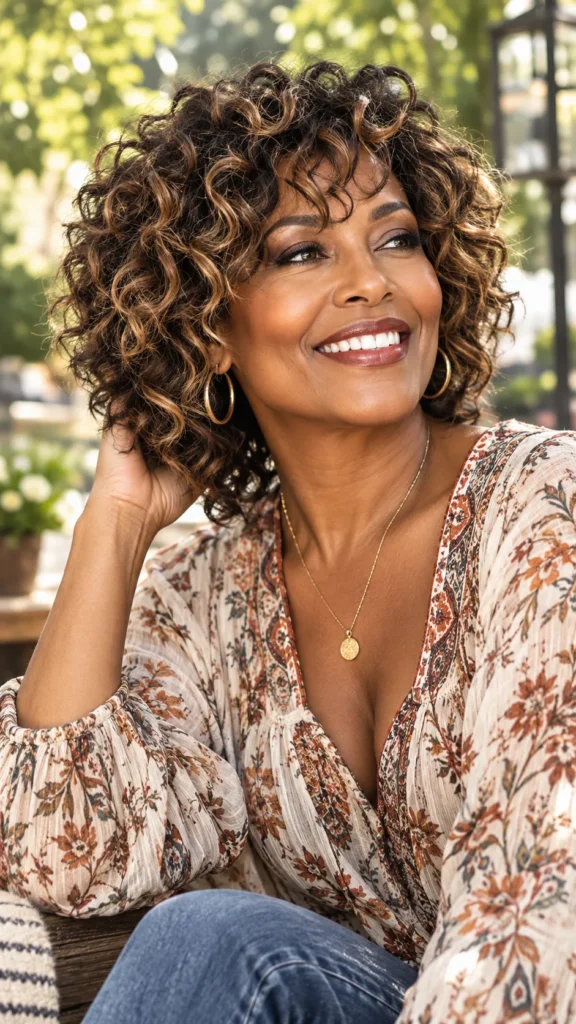
A choppy shag uses disconnected, visibly different section lengths throughout the cut rather than gradual blending between layers. The result is a more graphic, more deliberately textured version of the shag with an edgy, unconventional quality. On women over 50 it reads as bold personal style rather than age-inappropriate.
The choppy quality requires enough hair density to carry the visible disconnection between sections. On very fine or significantly thinning hair, graduated layering that creates the impression of choppiness without the actual structural gaps is a safer technical approach that achieves a similar visual result.
14. Natural Curl Shag
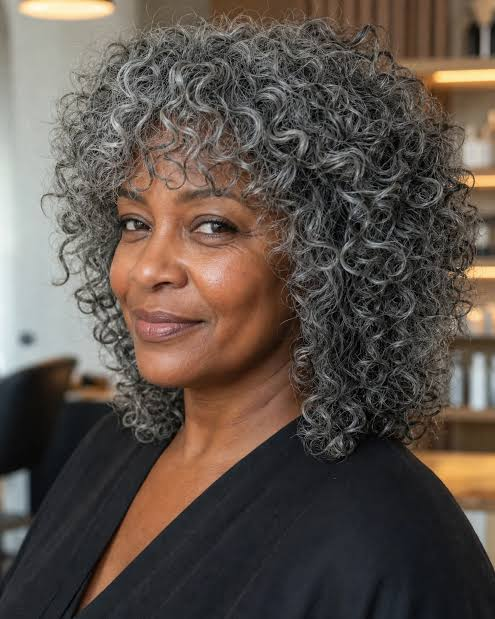
A shag on naturally curly hair creates a style where the curls and the layers work together to create a genuinely spectacular volume and movement combination. Each layer reveals more of the curl pattern, and the shag’s structure gives the curls a shape and a silhouette that unshaped natural curls sometimes lack.
The shag must be cut dry on the natural curl pattern so the stylist can see exactly how the curls fall at each layer length before cutting. Cutting curly hair wet and then expecting the shag layers to sit correctly once dry is the most common and most avoidable curly shag mistake.
15. Shag With Blunt Fringe
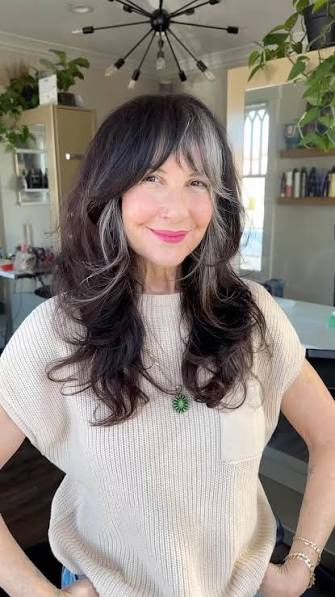
A shag with a blunt, straight-across fringe creates an interesting contrast between the precision of the fringe and the deliberate imprecision of the shag’s texture throughout. The blunt fringe adds a strong graphic element at the front that anchors the otherwise free-form quality of the shag cut behind it.
Keep the fringe cut dry if possible on fine hair over 50 to prevent the common problem of bangs that spring significantly shorter than expected once wet hair dries and contracts. A dry-cut fringe on fine hair lands exactly where intended.
16. Effortless Beach Shag
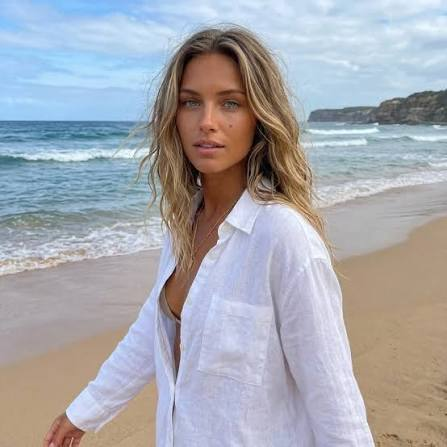
A beach shag is specifically designed to look like the hair was styled by salt air and movement rather than any deliberate technique. The layers create natural movement and the styling enhances whatever texture the hair does naturally rather than imposing anything on top of it. It’s the lowest effort version of the shag and often the most genuinely flattering.
Spray a sea salt texturising spray on soaking wet hair before scrunching upward from the ends and diffusing on the lowest heat and speed setting. Products applied on soaking rather than slightly damp hair distribute more evenly and create a significantly more consistent texture result.
17. Shag With Money Piece
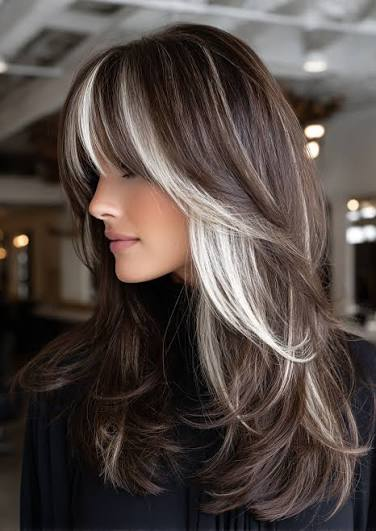
A bold money piece, two bright sections framing the face, on a shag cut concentrates colour right where the cut already concentrates its most flattering layering. The combination creates a double focal point at the face using both structural and colour techniques simultaneously. It’s a high-impact result from a relatively targeted colour intervention.
Choose a money piece colour that is warm and noticeably lighter than the base rather than dramatically contrasting. On hair over 50, a warm caramel or honey money piece brightens the complexion more flatteringly than a stark platinum piece against a dark base.
18. Voluminous Crown Shag
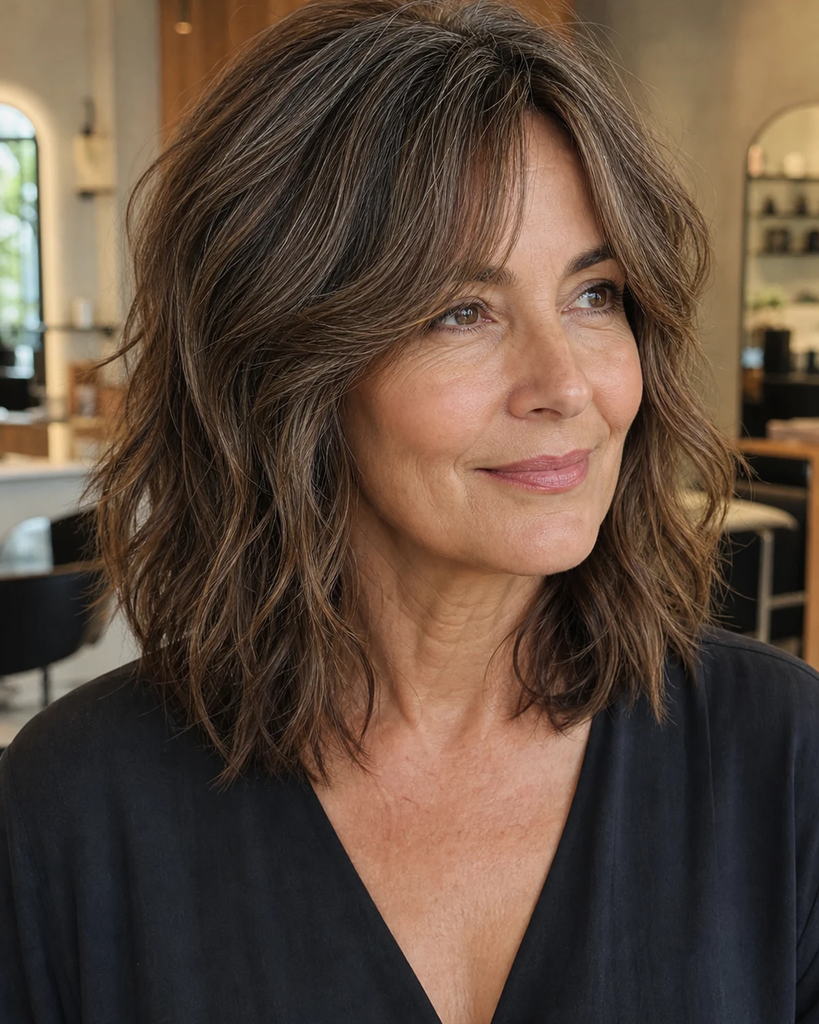
A shag specifically cut to maximise volume at the crown using shorter layers through the top that create lift while longer layers through the mid-lengths and ends add movement below. It’s a technically precise approach to the shag that addresses the crown thinning that many women over 50 experience more directly than a standard shag layering pattern.
Ask specifically for shorter layers through the top and crown to create lift rather than uniform layering throughout. The shorter top layers act almost like internal structure, pushing the hair upward at the root zone where volume is most visually impactful.
19. Shag With Side Part
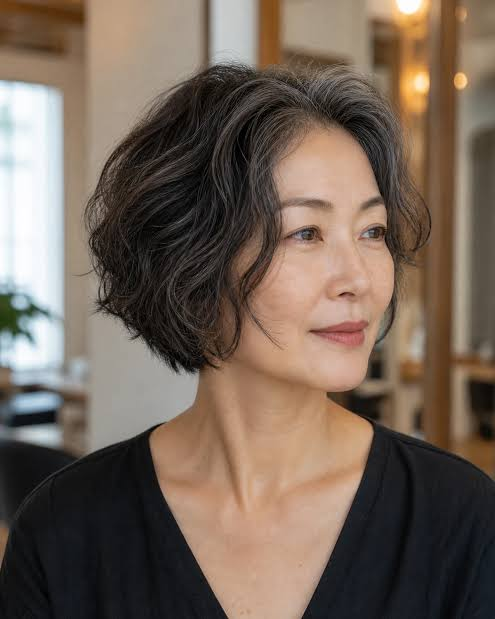
A shag styled with a deep side part rather than a centre part or natural part creates additional root lift on the parted side that complements the shag’s existing volume-creating layering. The two approaches to volume, the layering within the cut and the lift from the side part, work together rather than one relying on the other.
Set the side part on damp hair before blow drying and dry the root section on the parted side upward before working through the rest of the shag. The early root lift on the parted side sets the volume before the hair cools, making the lift last significantly longer through the day.
20. Low Maintenance Shag

A shag specifically designed to look good with the absolute minimum daily effort is the most practical version of the cut for women over 50 with busy lives or limited patience for styling routines. The cut achieves its style through structure alone and dries into something wearable with no product or heat required.
Ask your stylist explicitly for a wash-and-wear shag designed around your natural texture. A shag cut against the natural texture will never be genuinely low maintenance. A shag cut with the natural texture in mind dries into something that looks good whether styled or not.
FAQs
Is a shag good for thinning hair over 50?
Yes, when approached correctly. The layering creates visual volume and movement that makes thinning hair look fuller. The critical factor is the degree of layering. Too much layering on thinning hair removes the weight the ends need to look full. A skilled stylist will use restrained, targeted layering rather than aggressive layering throughout.
What length shag suits women over 50 best?
Lob length, sitting at the collarbone to shoulder, is the most consistently flattering and most versatile shag length for women over 50. It’s long enough for the layers to develop proper movement and short enough that the cut doesn’t lose its shape and volume impact to excess length. Bob length is the best choice for those who prefer shorter styles.
How often does a shag need trimming over 50?
Every seven to nine weeks for most shag lengths. The shag’s layered structure grows out more gradually than a blunt cut, which means it retains its shape longer between appointments. The face-framing sections and any fringe need touching up more frequently, around every four to five weeks, since those sections have the most impact on the overall flattering quality of the cut.
Can a shag work on straight hair over 50?
Absolutely. Straight hair shags are some of the most striking versions of the cut because the layers show up as clean, visible movement rather than blending into natural texture. On straight fine hair over 50 a shag with strategic layering and a face frame creates more volume and interest than almost any other cut available at the same length.
Wrapping Up
The shag over 50 works because it is built for exactly what hair at this stage does naturally: move, thin slightly, and behave differently from decade to decade. Rather than fighting those qualities the shag works with them, and the result is a cut that looks better on real hair living a real life than almost anything else on the menu.
Pick the version that suits your texture and your maintenance tolerance, find a stylist who cuts shags on fine hair specifically, and commit to the consultation before the cut. The conversation before the scissors is what separates a shag that transforms from one that disappoints.