17 Shag Haircuts For Women Over 50
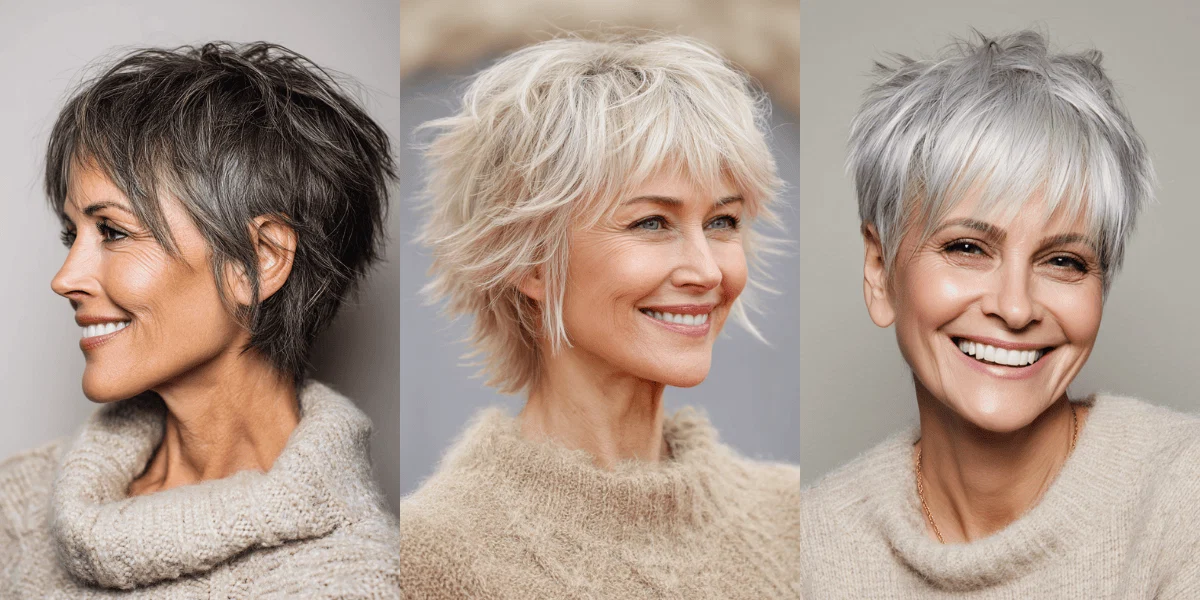
The shag haircut has outlasted every trend cycle it has passed through because it solves real hair problems rather than just looking good in photographs. It adds volume where fine hair goes flat. It creates movement where thick hair creates bulk. It gives thinning hair a textured quality that makes it look fuller and more dimensional than its actual density. For women over 50, those are not small benefits.
What makes the shag particularly well-suited to hair after 50 is its layering architecture. The layers are not distributed evenly through the cut the way standard layering is. They are concentrated at the crown for lift, through the sides for movement, and at the ends for texture. That specific distribution addresses the three most common complaints about hair after 50 simultaneously, which is why the shag continues to be one of the most recommended cuts by stylists who specialize in mature hair.
The challenge is finding the version that suits your specific hair type, face shape, and lifestyle. A shag on fine hair looks completely different from a shag on thick hair. A short shag reads differently from a longer one. These 17 ideas cover the full range so you can identify the version that actually fits before your next appointment.
1. Short Textured Shag
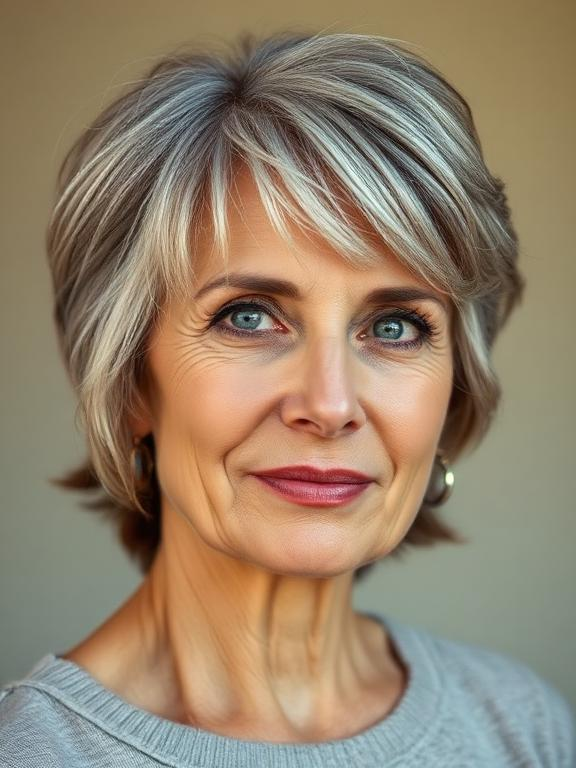
The short textured shag keeps the length at or above the chin with heavy layering through the crown and sides that gives the hair maximum movement at minimum length. It is the most low-maintenance version on this list because the short length and the built-in texture mean styling is minimal.
This works particularly well for women with fine hair after 50 because the crown layers create lift that fine hair cannot produce naturally. Ask your stylist for a shag cut specifically rather than a layered cut, as the layer distribution in a shag is fundamentally different and produces a different result.
2. Classic Long Shag
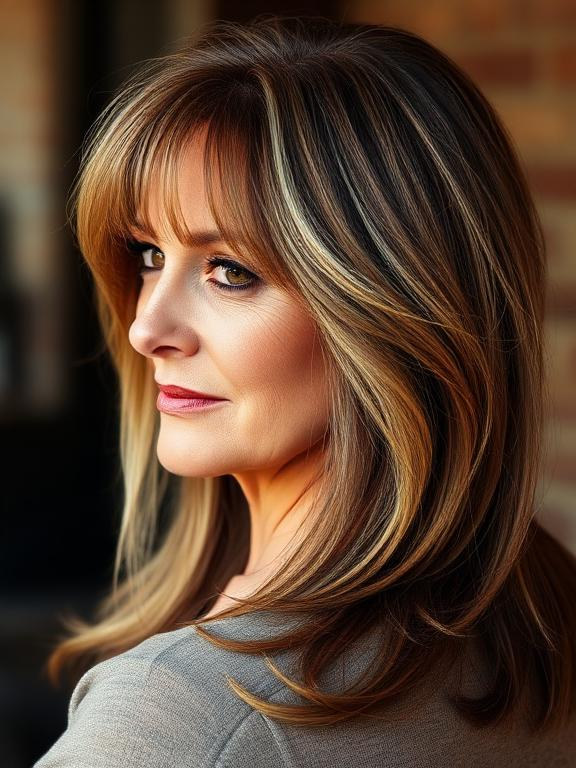
The classic long shag keeps significant length through the back while adding heavy layers from the crown downward. The result is a style with real movement through every section of the hair, with the length providing enough canvas for the layers to show their full effect. It is the most dramatic version of the shag on this list.
For women over 50 the long shag works best when the ends are kept healthy and trimmed regularly, as the layered length can start to look stringy if the ends are allowed to go too long between trims. Ask your stylist to assess the ends specifically at every appointment.
3. Shag with Curtain Fringe
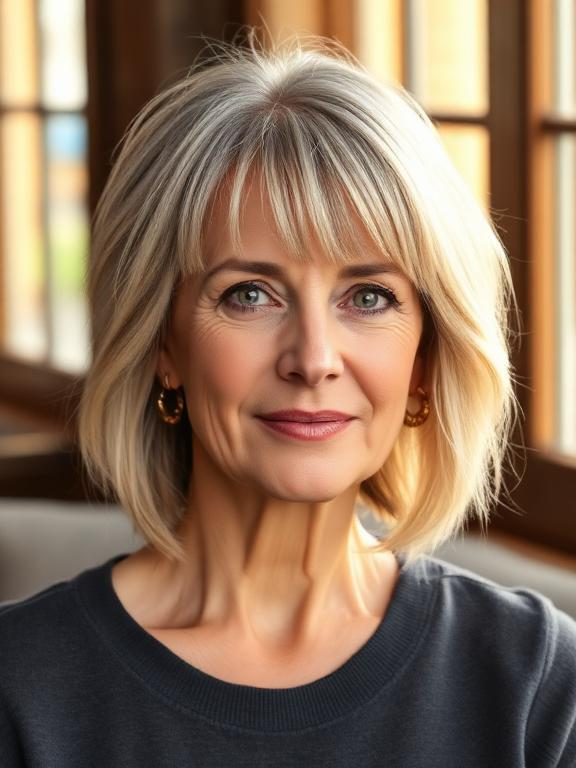
Curtain bangs and a shag are one of the most naturally complementary combinations in short to medium hair cutting. The curtain fringe frames the face with the same soft, graduated quality that the shag layers bring to the rest of the cut, creating a consistent textured character from the front of the style all the way through the length.
The curtain fringe grows out seamlessly into the rest of the shag layers as it lengthens, which makes this one of the most forgiving fringe options for women who want to try a fringe without the high-maintenance commitment of a blunt bang.
4. Shag with Blunt Fringe
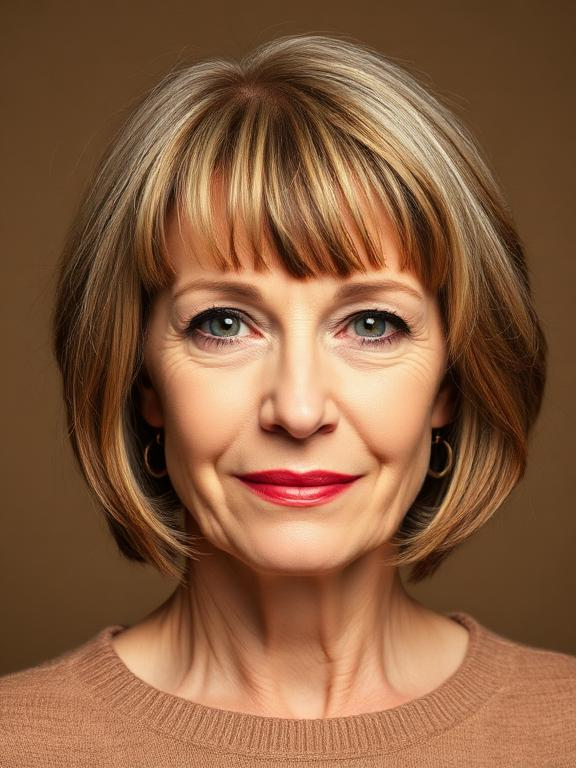
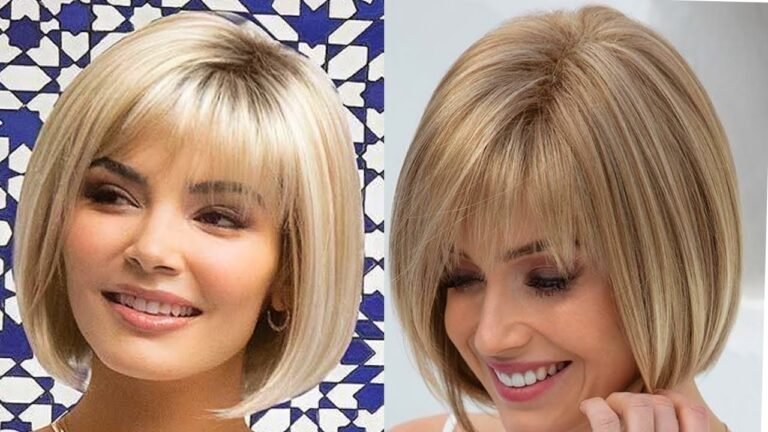
A blunt fringe on a shag creates an intentional contrast between the clean horizontal line at the forehead and the more relaxed, textured layering through the rest of the cut. That contrast is what gives this version of the shag its strong, graphic quality. It is the most striking option on this list in terms of immediate visual impact.
The blunt fringe needs regular trimming every three to four weeks to stay at its most flattering length. For women over 50 with fine hair, cutting the fringe from a slightly wider section compensates for the visual thinness and keeps the bottom line looking solid and dense.
5. Layered Shag for Fine Hair
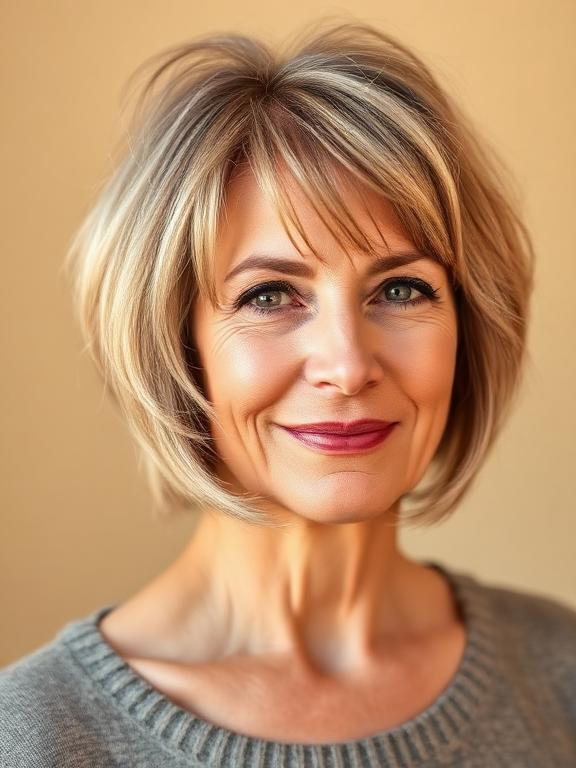
The layered shag for fine hair uses a lighter hand with the layering than a standard shag, removing weight from specific sections rather than throughout the entire cut. The crown layers are the priority because that is where fine hair sits flattest, while the perimeter is kept stronger to preserve the visual density that fine hair needs to look full.
A root lift spray applied before blowdrying and a round brush directed upward through the crown section gives fine hair the volume base that the shag layers then hold through the day. Ask your stylist to be conservative with the end texture on fine hair so the perimeter retains enough weight to look intentional.
6. Shag for Thick Hair
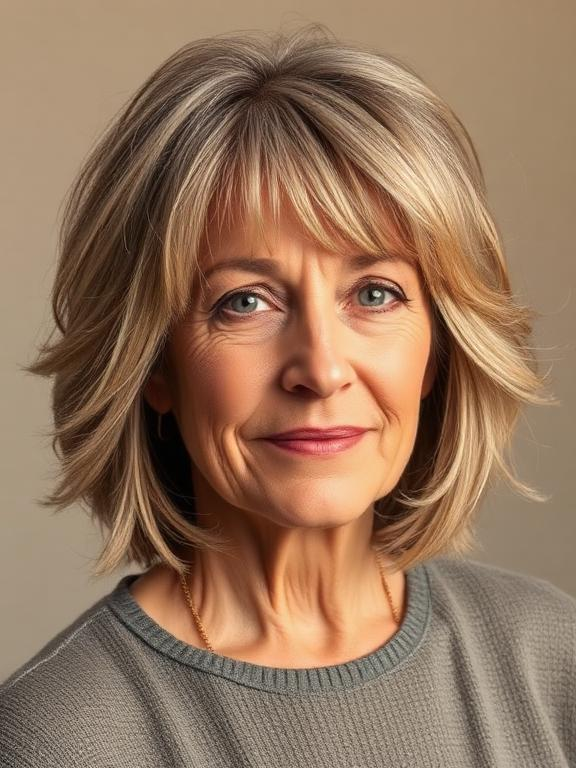
The shag on thick hair is a weight-removal exercise as much as it is a style choice. The layering architecture of the shag takes the bulk from thick hair and redistributes it through movement and texture rather than allowing it to sit as a solid heavy mass. Done correctly, the thick hair shag has a fullness and energy that no other cut achieves.
Interior thinning combined with the shag layers is the most effective approach for very thick hair. Ask your stylist to thin from the mid-shaft rather than at the tips so the removal of weight is internal and the surface texture remains rich and dimensional rather than wispy.
7. Shoulder Length Shag
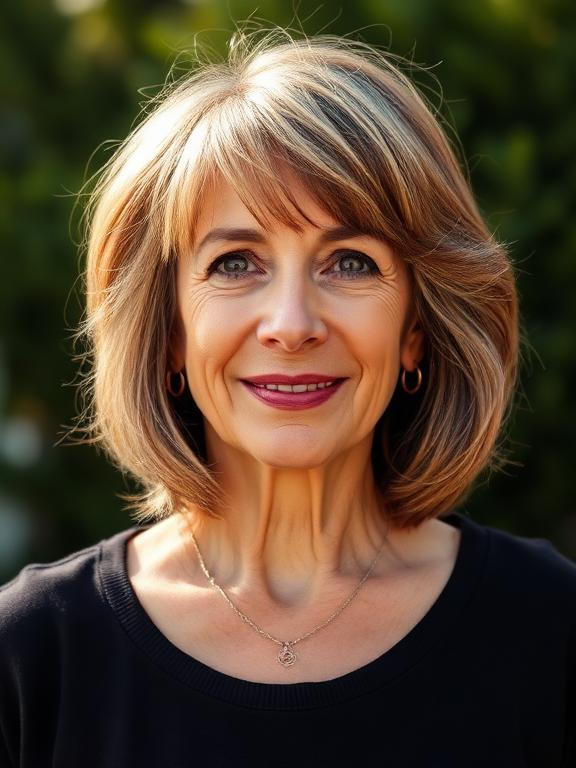
The shoulder length shag sits at one of the most versatile points in the shag length range, giving the layers enough length to show their full movement while keeping the cut manageable and face-flattering. It is neither short nor long, which gives it a wearable quality that suits most face shapes and hair textures after 50.
The shoulder length works particularly well when the hair has a natural wave or bend that the layers can enhance. If your hair is straight at this length, a light wave with a large-barrel wand after air drying gives the shag layers the movement they need to look their best.
8. Shag with Face Framing
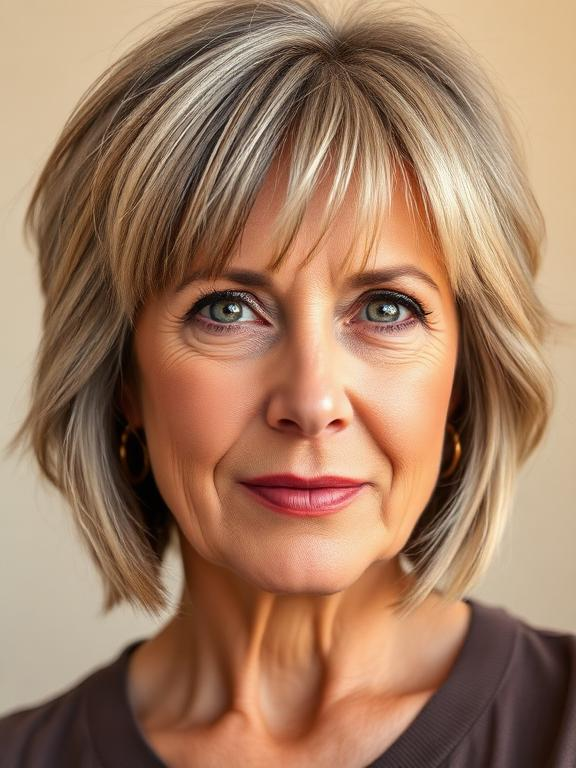
Face-framing layers within a shag create a deliberate emphasis on the front sections that draws attention to the face rather than the hair. For women over 50 this is one of the most flattering structural additions to a shag because the face-framing pieces brighten the area around the eyes and cheekbones in a way that layers alone cannot achieve.
Ask your stylist to cut the face-framing pieces slightly longer than the shortest interior layers so they fall forward naturally and frame the face rather than blending invisibly into the rest of the cut. A small amount of a light serum on these pieces keeps them from frizzing and maintains their shape.
9. Wavy Shag
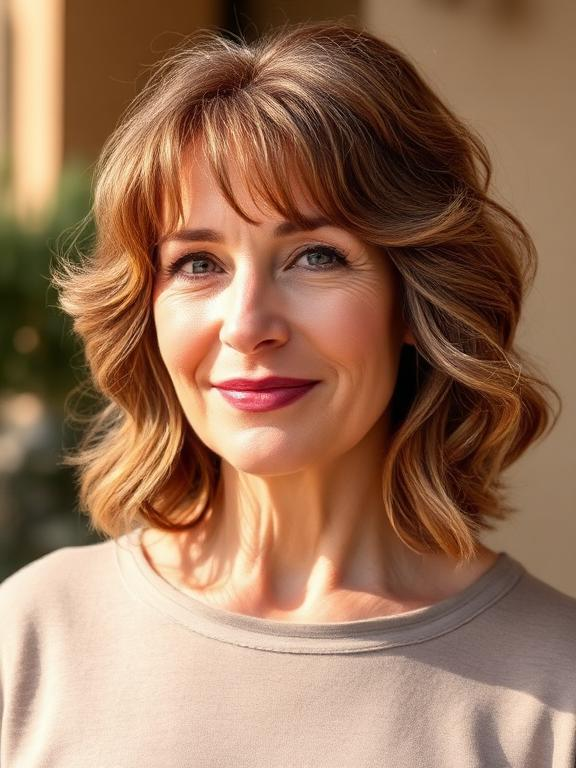
A wavy shag embraces natural wave texture and designs the layering specifically around how the wave behaves rather than trying to smooth it out. The layers are placed to encourage the wave to move freely through each section without being weighed down at the ends, creating a style that looks better the less it is interfered with.
This is best cut on dry hair so the stylist can see the wave pattern throughout the cutting process. Ask specifically for a dry cut if your hair has significant natural wave, as cutting on wet hair produces a shape that is designed for stretched hair rather than for how the hair actually behaves.
10. Shag for Gray Hair
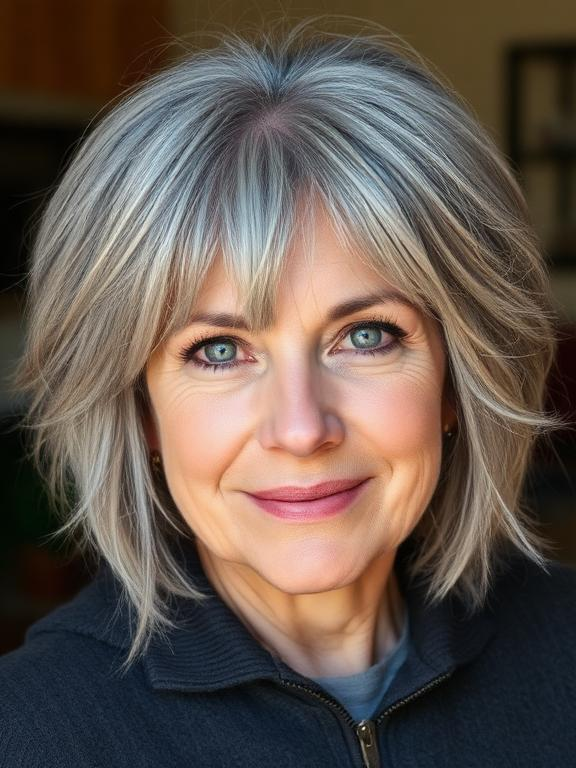
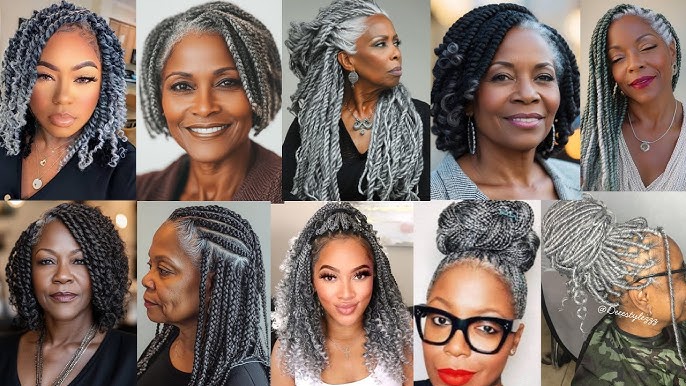
Gray and silver hair has a texture quality that most other hair colors do not. It tends to be coarser and drier, with a resistance to styling that other colors do not share. The shag layering is one of the most effective structural responses to this specific texture because it creates movement and a lived-in quality that suits the coarser texture of gray hair rather than fighting against it.
A hydrating treatment used weekly and a light glossing treatment every six to eight weeks keeps gray shag hair looking luminous and intentional rather than dry and flat. Ask your colorist for a clear or tinted gloss over the gray to add shine without changing the natural color.
11. Choppy Shag
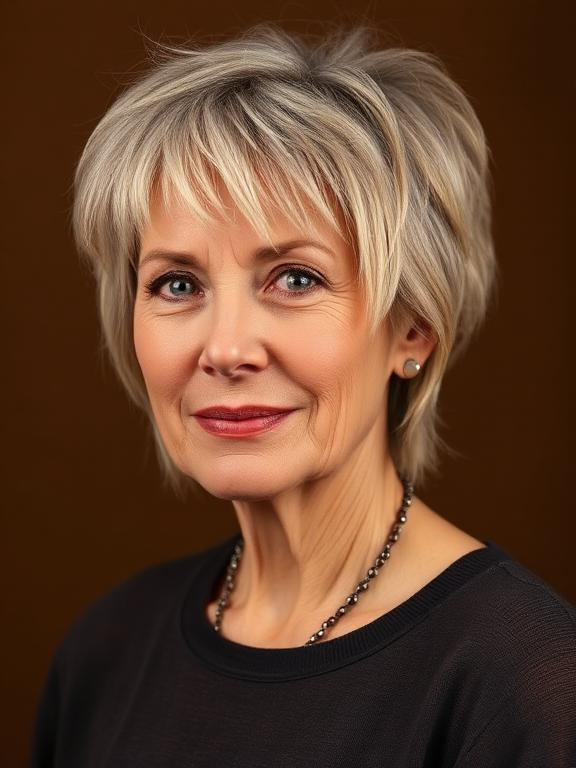
The choppy version of the shag amplifies the textured quality of the standard shag by adding more aggressive point cutting through the ends and visible disconnection between sections. The result is a style with a stronger, more deliberate texture quality that leans toward edgy without becoming extreme.
For women over 50 the choppy shag works best when the face-framing pieces are kept softer than the rest of the cut, so the edgier texture through the mid-lengths and ends is balanced by a more gentle quality around the face. Ask your stylist specifically for this balance rather than uniform choppy texture throughout.
12. Soft Romantic Shag

The soft romantic shag uses the same layering architecture as the standard shag but with a lighter, more blended finish through the ends and a more gradual graduation through the layers. The result is a shag that has movement and volume without the deliberately undone, edgy quality of a more aggressive version. It is the most elegant interpretation of the shag on this list.
This version suits formal and professional environments where the classic shag might read as too relaxed. The layers are present and working but the finish is polished rather than raw. Ask your stylist for a shag with blended rather than disconnected layers and a smooth rather than choppy end finish.
13. Shag with Highlights
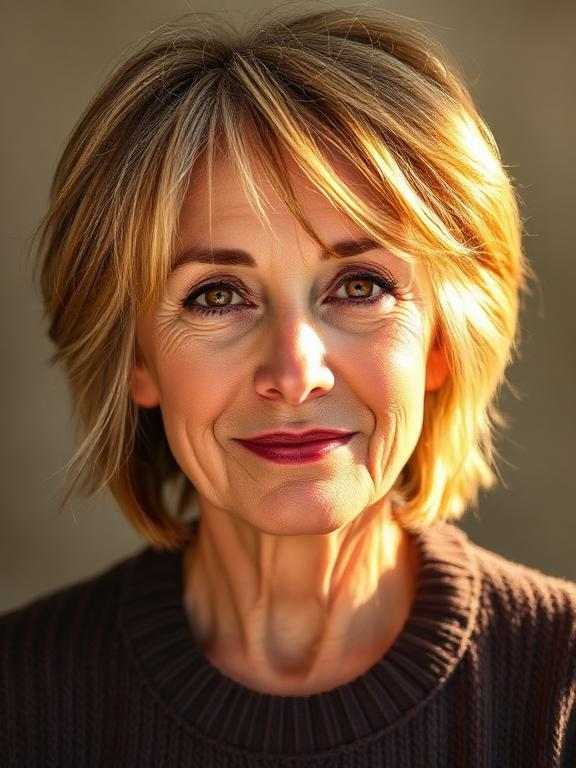
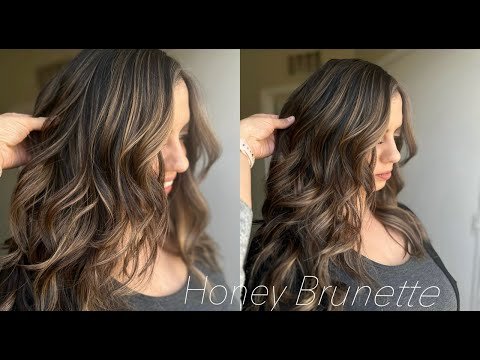
Adding highlights to a shag makes the layer separation visible in a way that a single-process color cannot achieve. Each highlighted section catches the light differently from the darker sections between, which makes the layered movement of the shag visually apparent from across the room rather than only up close.
Warm highlights work better than cool ones in a shag for women over 50 because the warmth adds a sun-kissed quality to the layered texture that makes the whole style look more alive. Ask your colorist to place the highlights specifically through the sections where the layers create the most movement for the most dimensional result.
14. Shag Bob Hybrid
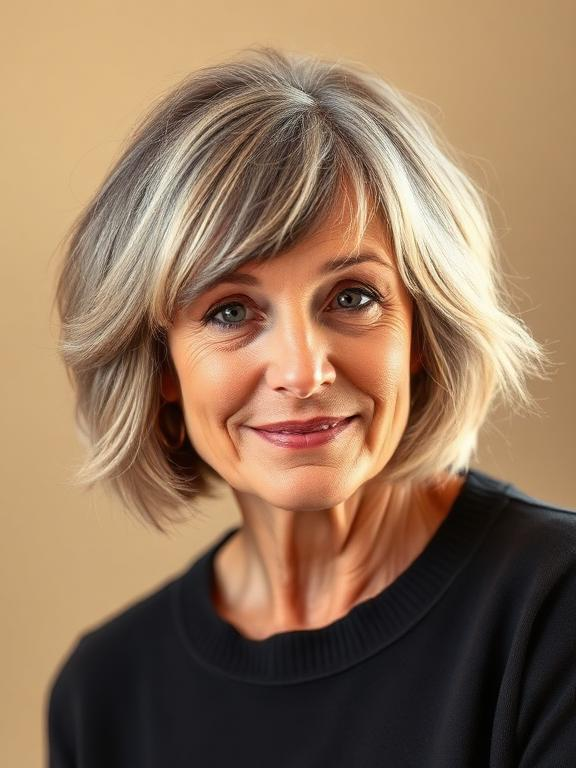
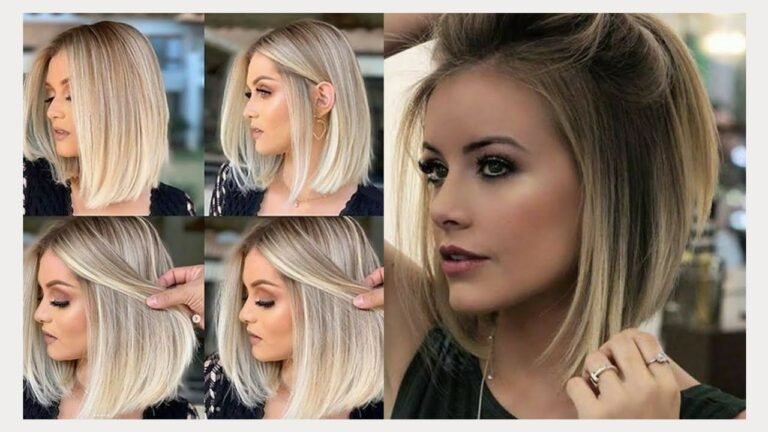
The shag bob takes the layering principles of the shag and applies them to a shorter, bob-length cut that sits between the chin and the shoulder. The result is a style that has the structure and perimeter line of a bob with the internal movement and textured quality of a shag. It is a particularly effective hybrid for women over 50 who want both shape and texture.
The perimeter line of the shag bob should be kept relatively strong rather than being heavily layered, so the bob shape reads clearly while the interior layers do the movement work. Ask your stylist for a bob shape with shag layering rather than a standard layered bob, as the distinction changes the result significantly.
15. Low Maintenance Shag
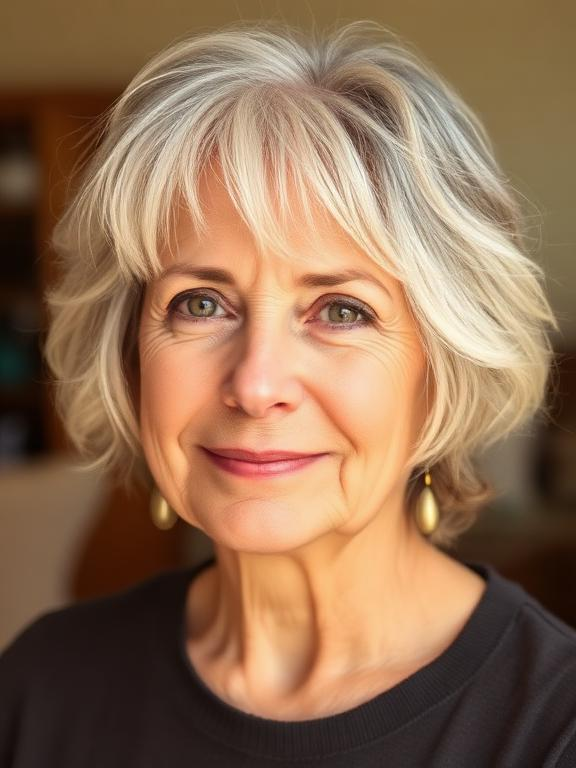
The low-maintenance shag is cut specifically to look good on air-dried, minimal-effort days. The layers are distributed to create a natural shape when the hair dries without heat, and the end texture is designed to look intentional whether the hair is perfectly styled or thrown together in under five minutes.
This version requires the right product approach rather than the right styling technique. A leave-in conditioner on damp hair, a small amount of curl cream or texturizing spray scrunched through the lengths, and nothing else. Let the hair dry completely without touching it and the low-maintenance shag does the rest.
16. Shag with Taper
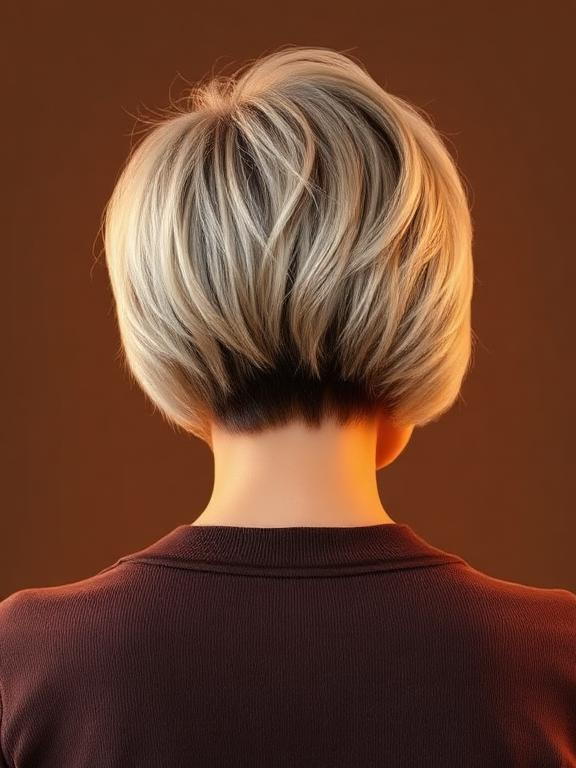
Adding a taper at the nape to a shag cut gives the back of the style a clean, neat finish that the standard shag does not always provide. For women over 50 who want the texture and movement of a shag but find the back of traditional shag cuts too untidy or too thick at the nape, the tapered finish is the solution.
The taper keeps the nape cool and neat in warm weather and makes the back view of the shag look as considered as the front. Ask your stylist to keep the taper soft rather than sharp so the transition from the tapered nape to the fuller upper sections feels gradual and natural rather than abrupt.
17. Modern Feathered Shag
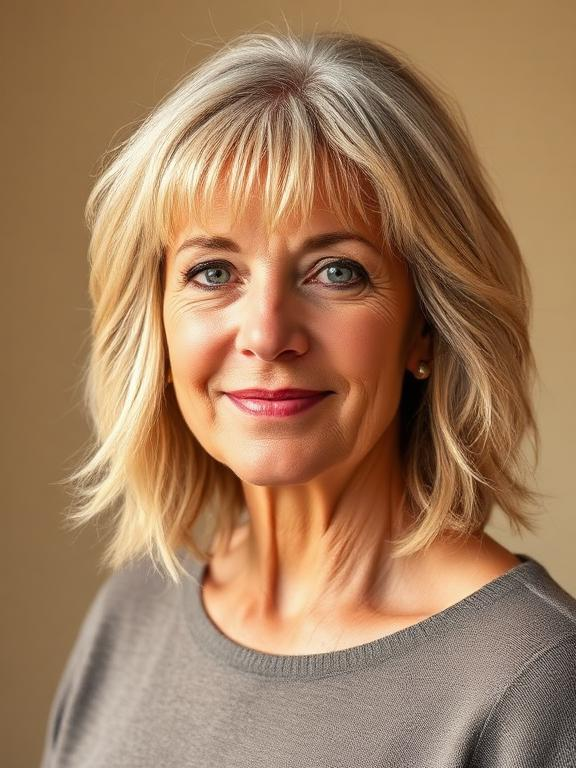
The feathered shag references the original seventies shag cut with its light, flippy ends and graduated layering, but updates it with a more current fringe and a slightly more controlled layer distribution. The feathering at the ends gives the style a lighter, more airy quality than the heavier choppy finish of more contemporary shag versions.
This is the most overtly nostalgic style on this list and one of the most flattering for women over 50 who wore their hair in a similar style in their youth. The feathering technique removes weight from the ends in a way that works particularly well for fine to medium hair, creating movement without sacrificing the perimeter density that the style needs to hold its shape.
FAQs
Is a shag haircut good for women over 50?
The shag is one of the most specifically well-suited cuts for women over 50 because its layering architecture directly addresses the most common hair changes at this stage. The crown layers add lift to hair that has lost volume. The side layers add movement to hair that has lost elasticity. The textured ends add dimension to hair that has lost density. No other single cut addresses all three simultaneously as effectively as the shag.
What length shag works best for women over 50?
The most universally flattering shag lengths for women over 50 are the shoulder length and the short chin-length version. The shoulder length gives the layers enough room to show their full movement while remaining manageable. The short version is the most low-maintenance and suits women who want the texture and volume benefits of the shag without significant length. The long shag requires more upkeep but delivers the most dramatic result.
Does a shag work on fine hair over 50?
The shag is one of the best cuts for fine hair at any age, and the benefits are amplified after 50 when fine hair often becomes finer. The crown layers add lift where fine hair sits flattest, and the textured ends add a visual fullness that makes fine hair look more dimensional. The layering needs to be lighter than on medium or thick hair to avoid removing so much weight that the perimeter looks wispy.
How do I style a shag haircut over 50?
The most effective styling approach for a shag over 50 is also the simplest. Apply a texturizing spray or curl cream to damp hair, scrunch rather than brush, and allow the hair to air dry or diffuse on a low heat setting. The shag is designed to look good with minimal intervention. Brushing a shag out destroys the layer separation that makes it work. Fingerstyling and scrunching are always more appropriate techniques for this cut.
How often does a shag need trimming over 50?
Most shag cuts look their best with a trim every eight to ten weeks. The longer versions can stretch to twelve weeks before the shape loses its intention. Short shags and shags with a blunt fringe need attention at the shorter end of the range, around six to eight weeks, to keep the fringe and the shortest layers at their most flattering length.
Wrap-Up
The shag is not a trend that will pass. It is a cut with a structural logic that makes it consistently relevant because it keeps solving real hair problems rather than simply looking good in a particular decade. For women over 50 those problems are volume, movement, and texture, and the shag addresses all three better than almost any other cut available at any length.
Find the version on this list that matches your hair texture, your lifestyle, and your face shape. Bring reference images for the specific elements you like most, whether that is the fringe style, the length, or the layer distribution. And find a stylist who has cut shags specifically on mature hair, because the technique adjustments required for hair after 50 make a significant difference to the final result. The right shag on the right hair is one of the most genuinely transformative cuts available at this stage.