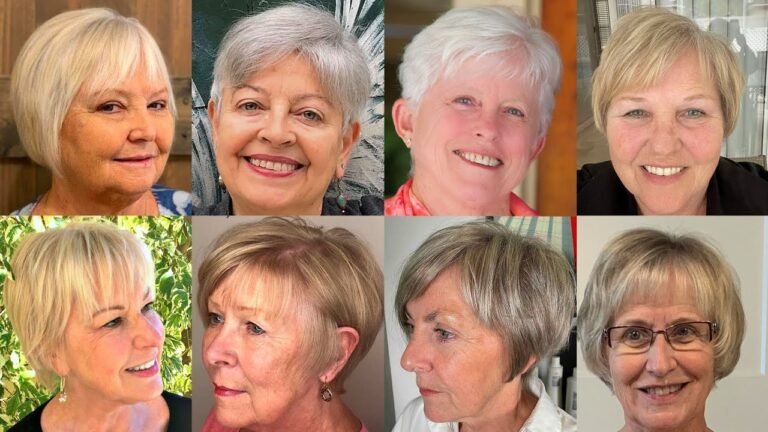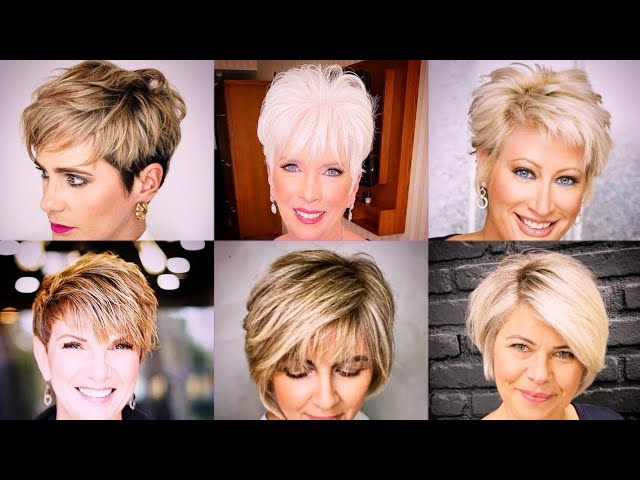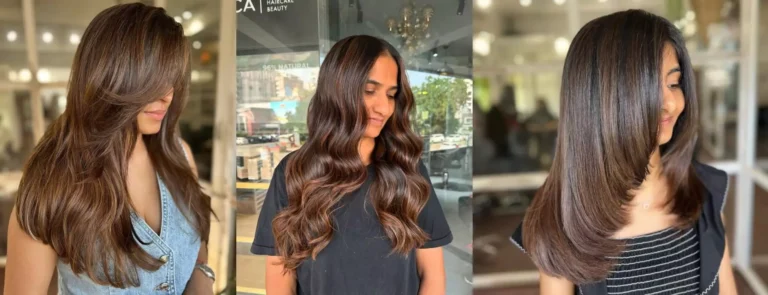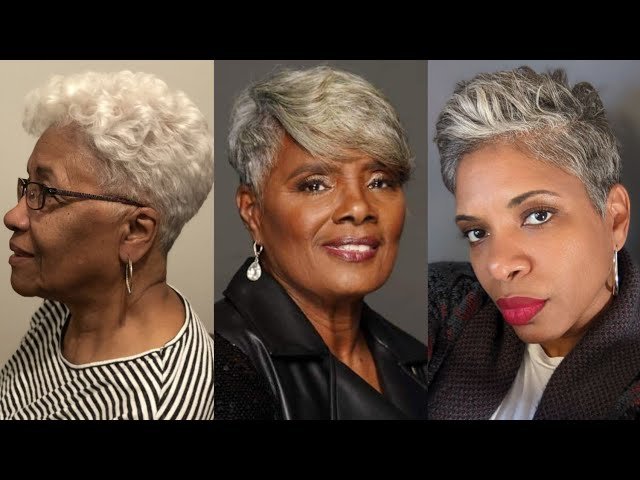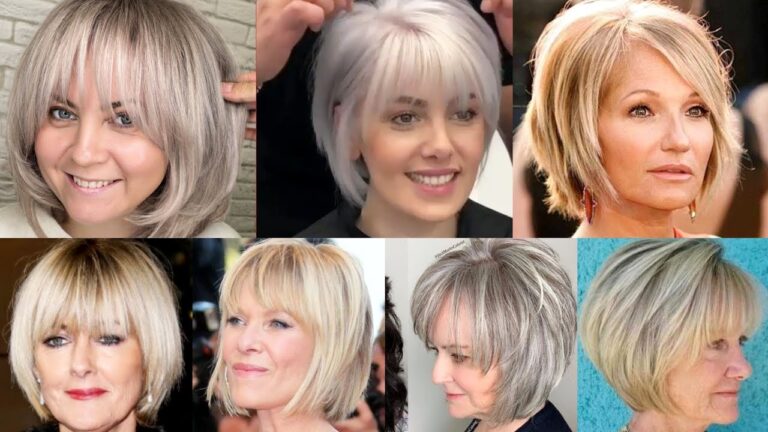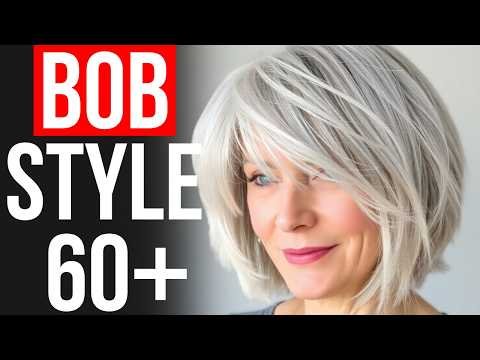
19 Shoulder Length Hairstyles for Thin Fine Hair
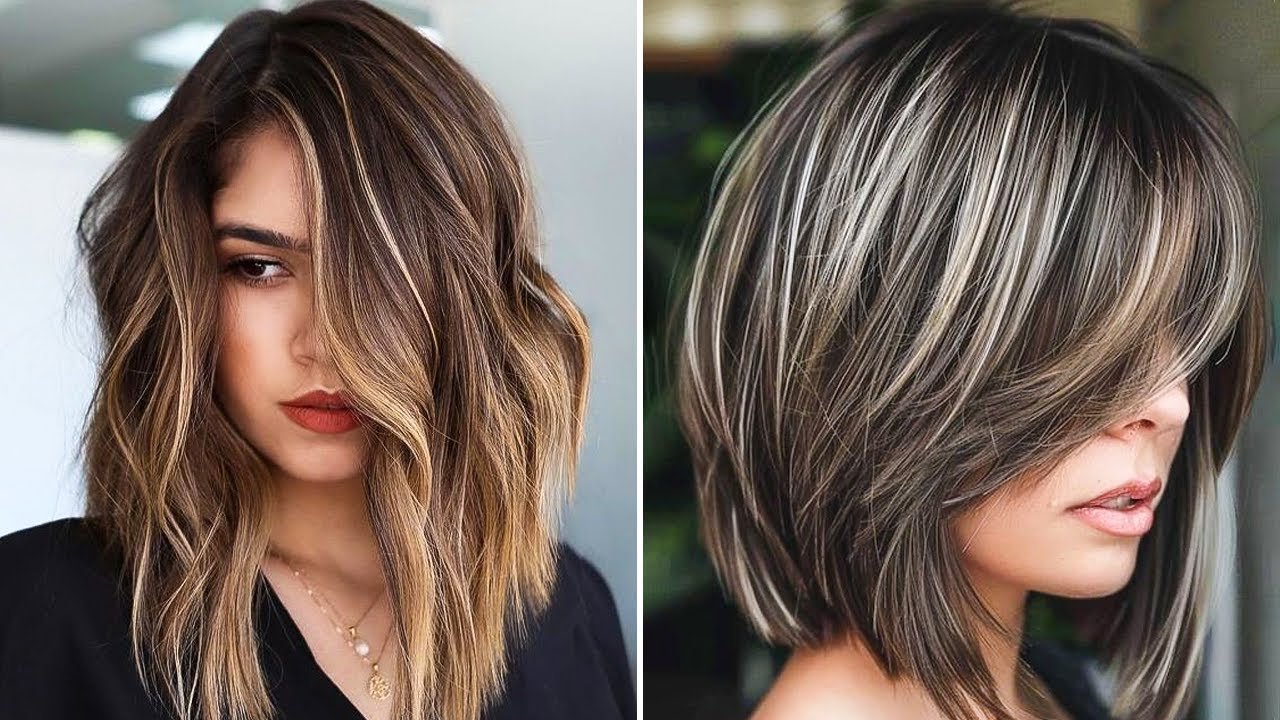
Shoulder length is one of the trickiest zones for fine or thin hair. Long enough that gravity starts pulling the hair down and flattening it, but short enough that there is not a lot of volume to work with in the first place. Get the cut right and it is one of the most flattering lengths for fine hair. Get it wrong and the hair just sits there looking limp and a little defeated.
The cuts that work best for fine and thin hair at this length share a common goal. They create the illusion of more density and movement than the hair actually has. They do this through strategic layering, texture at the right places, and shapes that build volume where the hair needs it most without removing so much that the ends look thin and scraggly.
This list covers 19 shoulder length hairstyles for thin fine hair that address the specific needs of this hair type while still looking modern and intentional. Each one is worth looking at carefully before your next appointment.
1. Blunt Shoulder Length Cut for Fine Hair
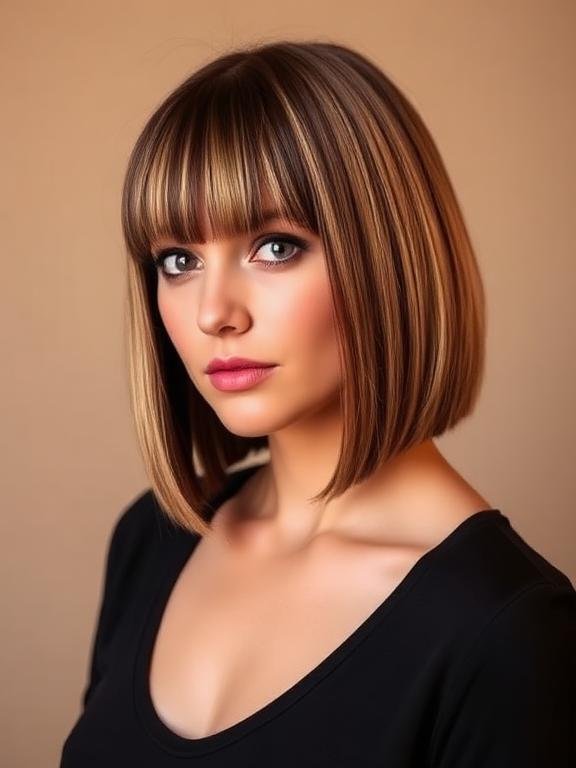
A blunt cut is one of the best things fine hair can have at shoulder length. When all the hair ends at the same point, the density at the perimeter is maximized and the ends look as full as possible. There are no layers to thin the tips out, so the overall impression is of more hair than there actually is.
Ask for a shoulder-length blunt cut with no layering through the ends, and only very light interior thinning if the hair is prone to going puffy at the roots, to keep the perimeter as dense and full-looking as possible.
2. Soft Layered Lob for Fine Hair
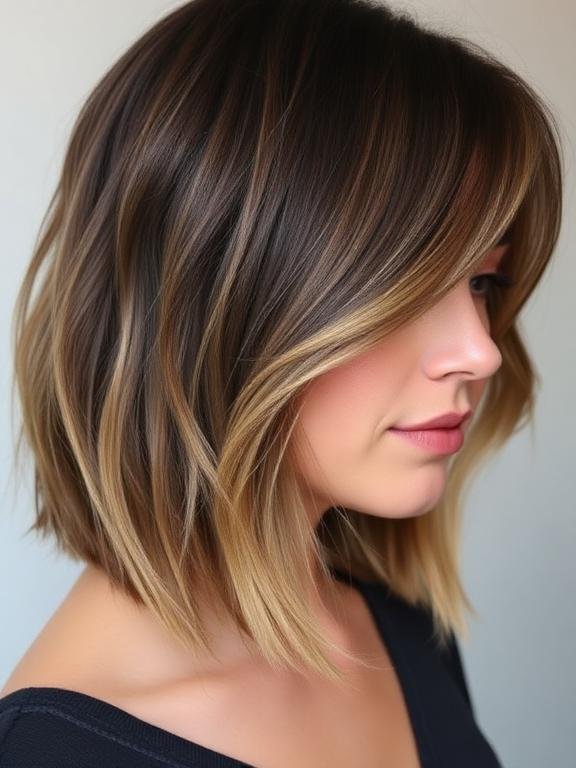
This lob uses very soft, conservative layering rather than dramatic texture, adding just enough internal shaping to give the hair movement without thinning the ends too much. The layers are placed higher up through the mid-lengths rather than close to the ends, keeping the perimeter as dense as possible while still giving the cut some life.
Ask for a shoulder-length lob with conservative layering placed through the upper and mid-lengths rather than close to the ends, keeping the perimeter full while adding enough movement to stop the cut from looking flat.
3. Curtain Bang Lob for Fine Hair
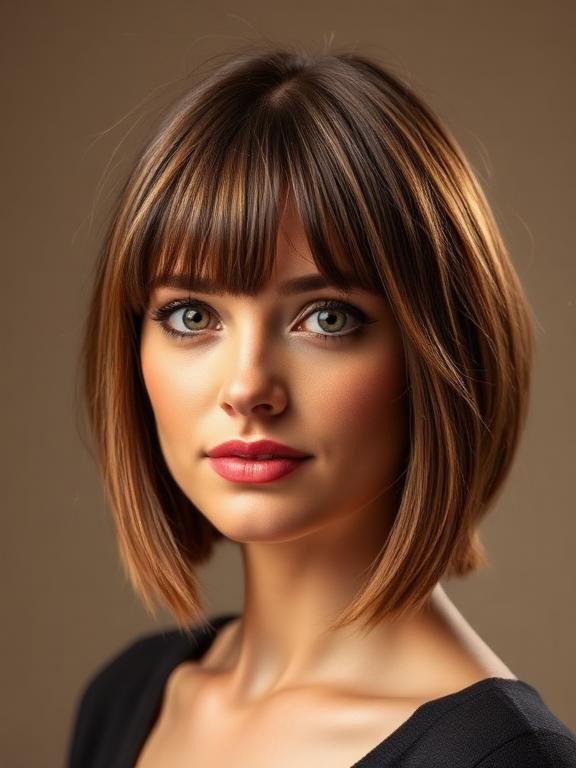
Curtain bangs are one of the most effective additions to a shoulder length cut for fine hair because they create a front section that frames the face and adds visual interest without removing length or density from the body of the cut. The bangs also add a horizontal element that makes the overall style look fuller.
Ask for a shoulder-length lob with curtain bangs cut from the front section, blending into the face-framing layers at the sides without a hard edge, with the rest of the cut kept as full as possible at the ends.
4. Voluminous Blowout Lob for Fine Hair
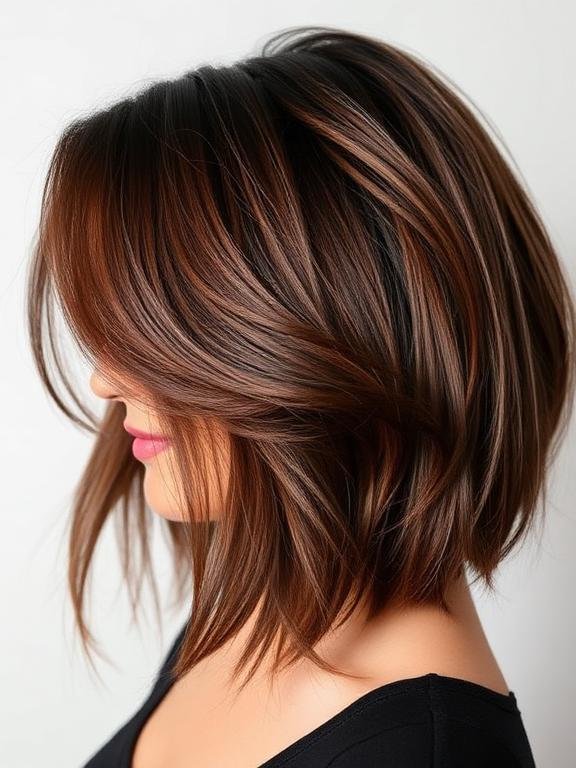
This cut is designed specifically for women who blow dry their hair regularly. The shape is built to maximize the lift and volume a blowout creates, with slight layering through the crown to encourage root lift and a clean perimeter that holds the blowout shape rather than letting it collapse.
Ask for a shoulder-length lob with light crown layering to encourage root lift during blowdrying, a clean perimeter that holds the volume shape, and minimal end thinning so the blowout result looks as full as possible.
5. Side-Parted Shoulder Length Cut for Fine Hair
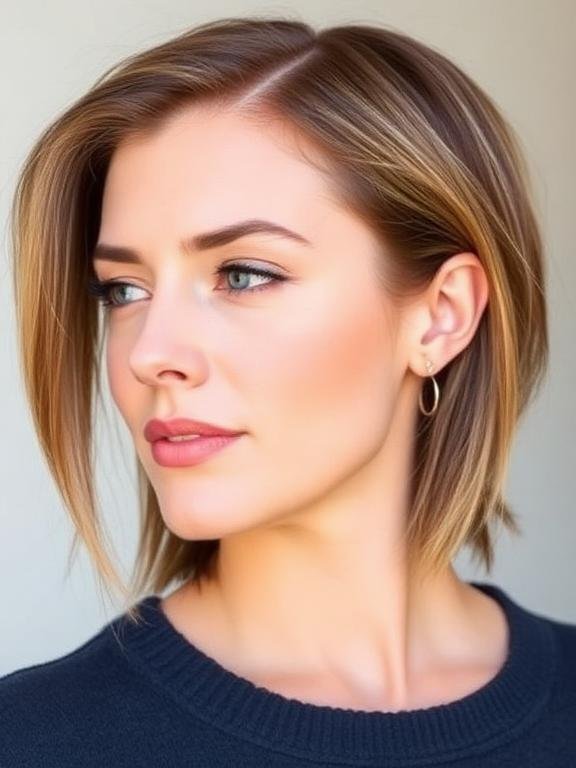
A deep side part is one of the simplest and most effective tricks for fine hair at any length. It creates immediate volume on the heavier side by directing all the hair in one direction, which makes the hair look fuller and more intentional than a middle part that splits the density evenly and reveals more scalp.
Ask for a shoulder-length cut with a defined side part and light interior layering through the upper mid-lengths that supports the volume created by the part without thinning the ends or removing density from the perimeter.
6. Wavy Lob with Root Lift Layers for Fine Hair
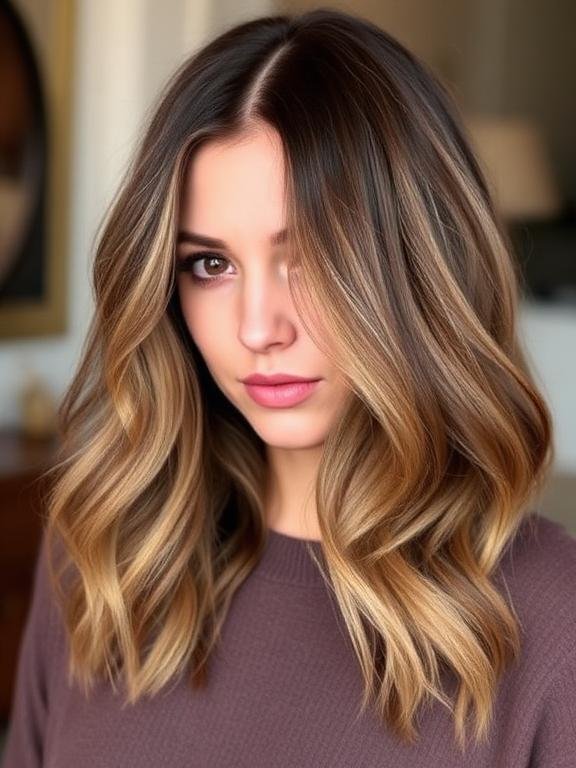
This lob is designed for fine hair with a natural wave or a willingness to add one with a wand or roller. The layers are placed specifically at the roots and upper mid-lengths to encourage lift at the base where fine hair goes flattest, while the natural wave through the mid-lengths and ends adds the texture and fullness the hair needs lower down.
Ask for a shoulder-length lob with layering focused at the roots and upper mid-lengths to encourage lift at the base, with the lower layers kept longer and fuller to support wave movement through the ends.
7. Textured Shoulder Length Cut for Fine Hair
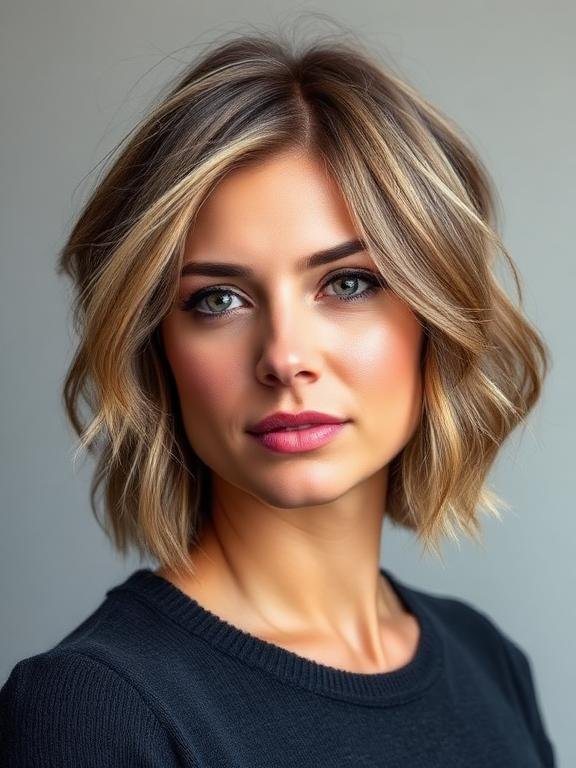
This cut uses visible but careful texturing through the mid-lengths to add movement and dimension to fine hair without removing density from the ends. The texturing is done with point cutting rather than thinning shears, which creates small, irregular breaks in the hair that add texture while keeping each individual strand as long as possible.
Ask for a shoulder-length cut with point-cut texturing through the mid-lengths that adds movement and dimension without removing length or density from the ends, keeping the perimeter as full as possible.
8. Graduated Bob at Shoulder Length for Fine Hair
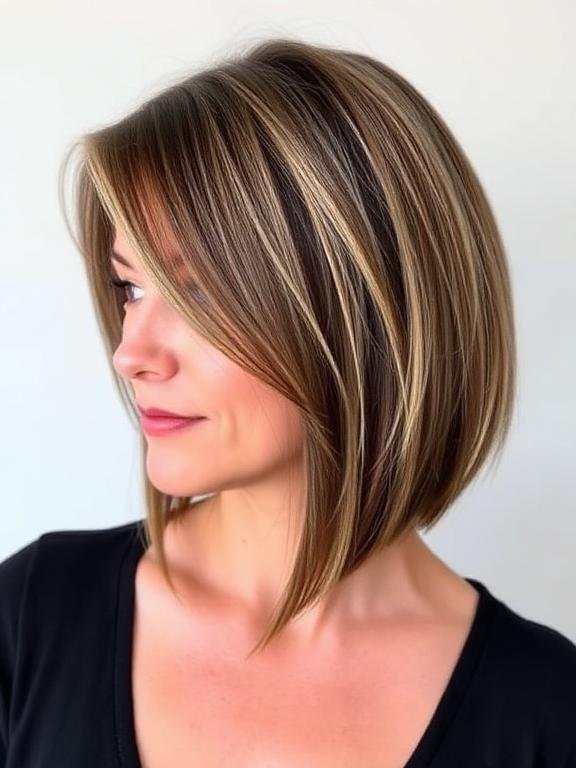
This graduated bob is slightly shorter at the back than the front, which reduces the amount of hair sitting at the same length and creates a natural lift at the back of the head. For fine hair this graduation is particularly effective because it builds shape into the cut itself rather than relying on volume from the hair.
Ask for a graduated shoulder-length cut with a slightly shorter back that lifts the crown area and a longer front that frames the face, with interior layering kept minimal to preserve density at the perimeter.
9. Lob with Face-Framing Highlights for Fine Hair
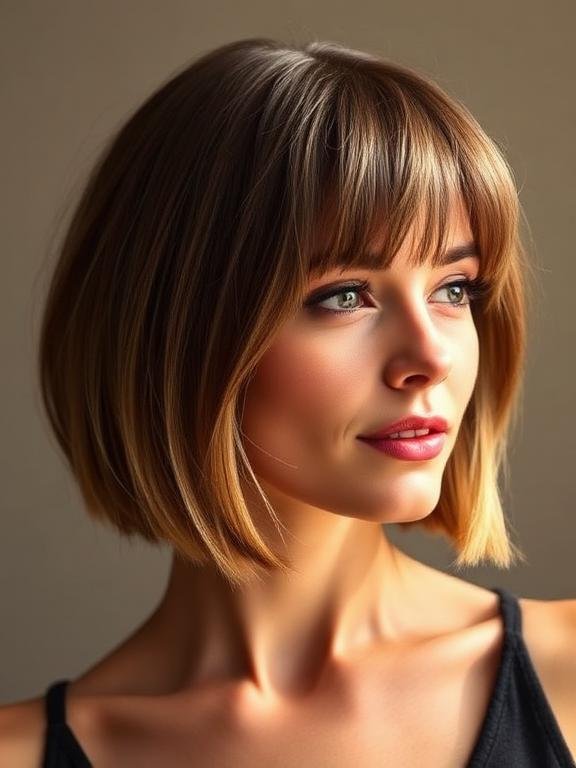
This is as much about color as cut. Face-framing highlights create the illusion of dimension and depth that fine hair lacks on its own, making the hair look thicker and more textured even when the cut itself is relatively simple. Paired with a shoulder-length lob, the highlights do the visual work that layering might remove too much density to achieve alone.
Ask for a shoulder-length lob with face-framing highlights placed to add dimension around the face, combined with a clean cut perimeter that keeps the density at the ends as full as possible.
10. Shaggy Shoulder Length Cut for Fine Hair
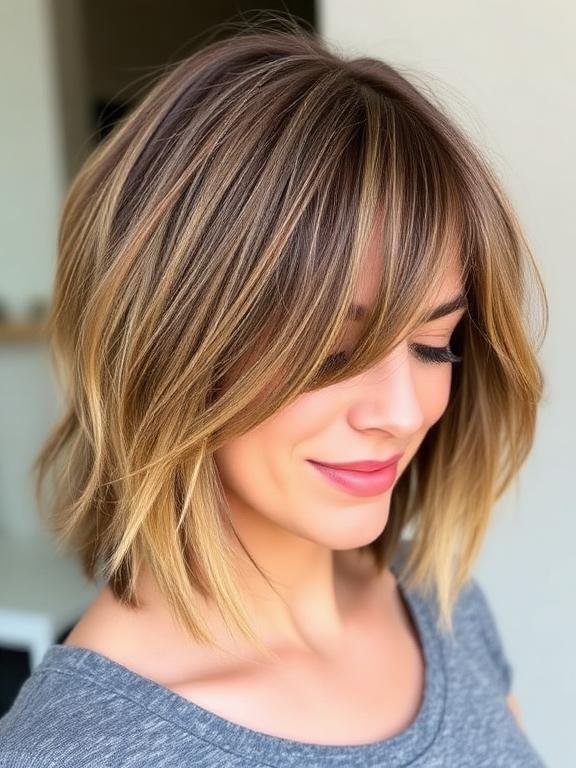
A shag works for fine hair at shoulder length when the layering is kept conservative enough that the ends do not go too thin. The layers through the mid-lengths and crown add texture and movement, and a light fringe or curtain bang can add visual fullness at the front without sacrificing length or density anywhere that matters.
Ask for a light shoulder-length shag with conservative layering through the mid-lengths and crown that adds texture without thinning the ends too dramatically, and a wispy or curtain bang if you want a fringe element.
11. Collarbone Length Blunt Bob for Fine Hair
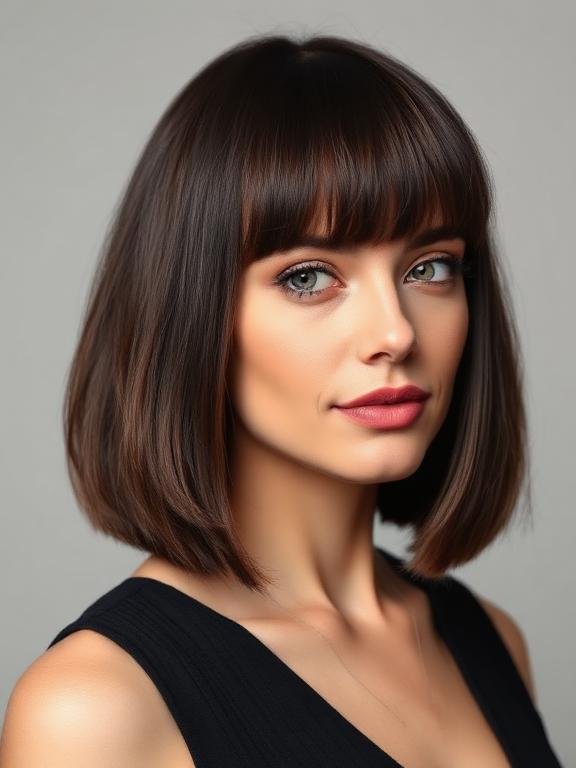
This blunt bob sits right at the collarbone and uses the weight of the blunt perimeter to make fine hair look as dense as possible at the ends. It is one of the most reliable cuts for fine hair because the blunt edge maximizes the visual fullness at the point where fine hair most needs it.
Ask for a blunt collarbone-length bob with a clean, even perimeter and minimal internal shaping, relying on the weight of the blunt edge to give the fine hair as much fullness and presence as possible at the ends.
12. Soft Feathered Shoulder Length Cut for Fine Hair
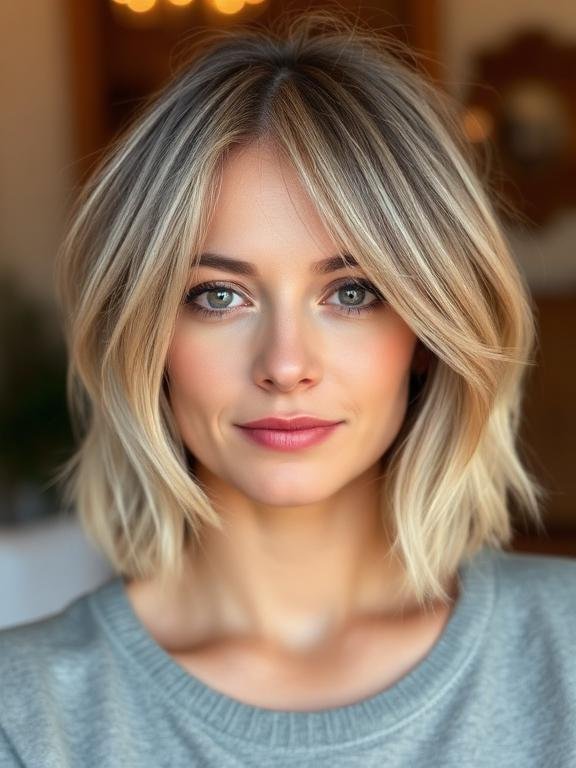
Feathered layering can work for fine hair when it is applied very conservatively, removing just enough weight to add lightness and movement without thinning the perimeter to the point where individual strands are visible at the tips. This cut uses feathering only through the very ends and outer mid-lengths rather than through the whole cut.
Ask for a shoulder-length cut with very conservative feathering applied only to the outer mid-lengths and tips, adding lightness and movement without removing enough density to make the perimeter look thin or wispy.
13. Shoulder Length Cut with Invisible Root Lift Layers
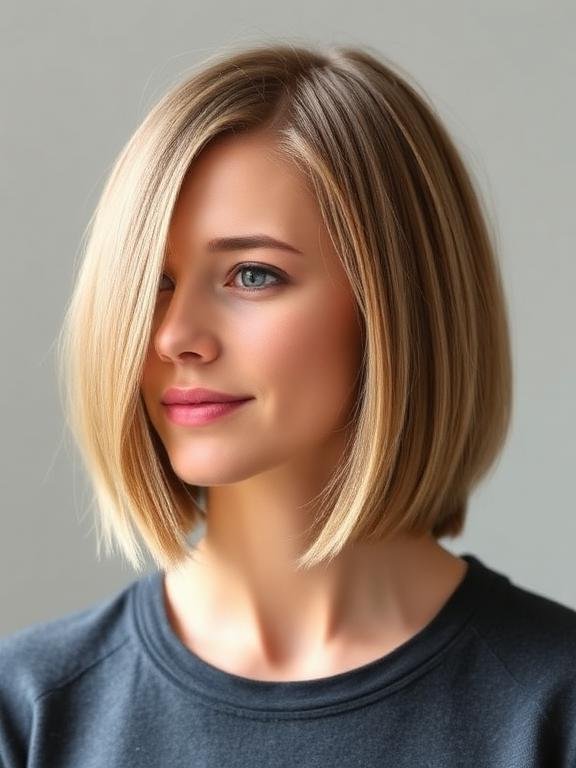
This cut looks like a simple, clean shoulder-length style from the outside but has invisible layers cut specifically at the roots and upper mid-lengths to create lift at the base without removing density from the ends. The root lift layers are not visible as texture in the finished style but make a significant difference in how much volume the hair holds through the day.
Ask for a shoulder-length cut with invisible root-lift layering placed at the crown and upper mid-lengths that encourages volume at the base without creating visible texture or removing density from the perimeter.
14. Middle Part Lob for Fine Hair
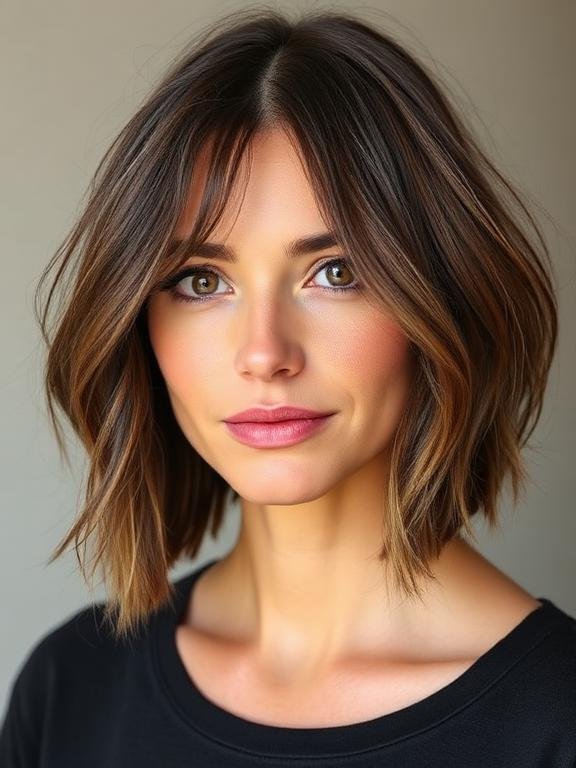
A middle part works for fine hair at shoulder length when the cut has enough shape to compensate for the even split of density on both sides. A clean blunt perimeter or a lob with face-framing layers on both sides helps fill in the area around the face and gives the middle part a balanced, intentional look that does not reveal too much scalp.
Ask for a shoulder-length lob with a middle part and face-framing layers on both sides that frame the face evenly, keeping the perimeter as full as possible to compensate for the density split that a middle part creates.
15. Shoulder Length Wolf Cut for Fine Hair
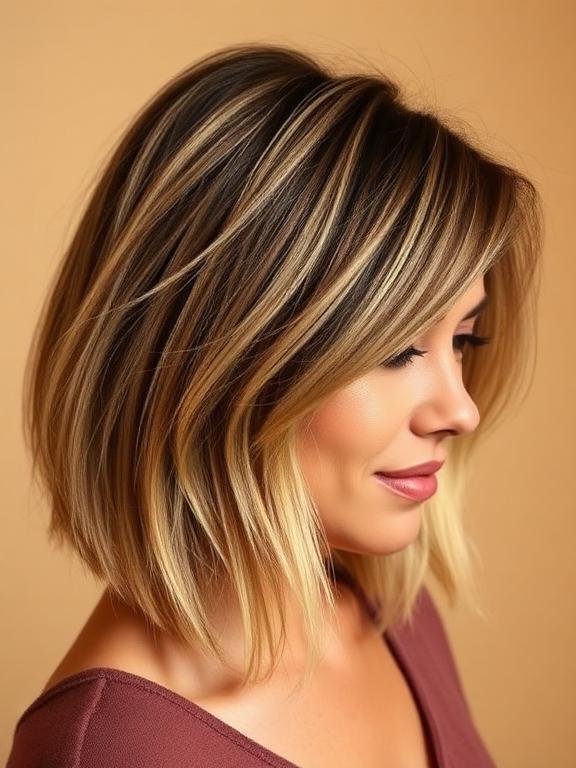
The wolf cut works for fine hair only when the layering is significantly more conservative than the standard version. The crown layers should be light enough to add lift without creating thin, wispy sections, and the longer lengths through the mid-section should be kept full enough to give the ends presence and weight.
Ask for a conservative wolf cut at shoulder length with light crown layering that adds lift without creating thin sections, and longer mid-length layers kept full enough to give the perimeter weight and presence.
16. Lob with Babylights for Fine Hair
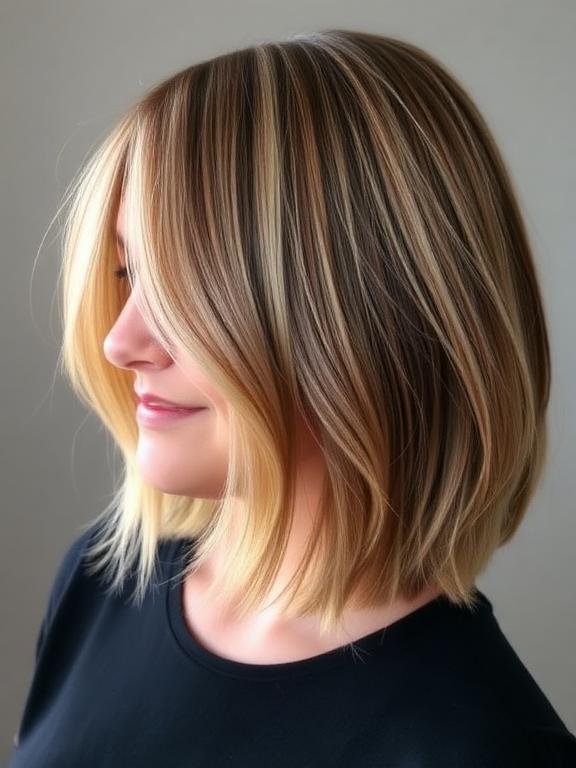
Babylights are very fine, close-together highlights that create a diffused, natural-looking brightness through the hair that adds significant visual dimension to fine hair. Paired with a shoulder-length lob, the babylights make the hair look thicker and more textured than it is, doing the visual work of volume without requiring the cut to add it.
Ask for a shoulder-length lob with babylights through the mid-lengths and ends that add diffused, natural-looking brightness and dimension, paired with a clean cut perimeter that maximizes end density.
17. Layered Shoulder Length Cut with Wispy Fringe for Fine Hair
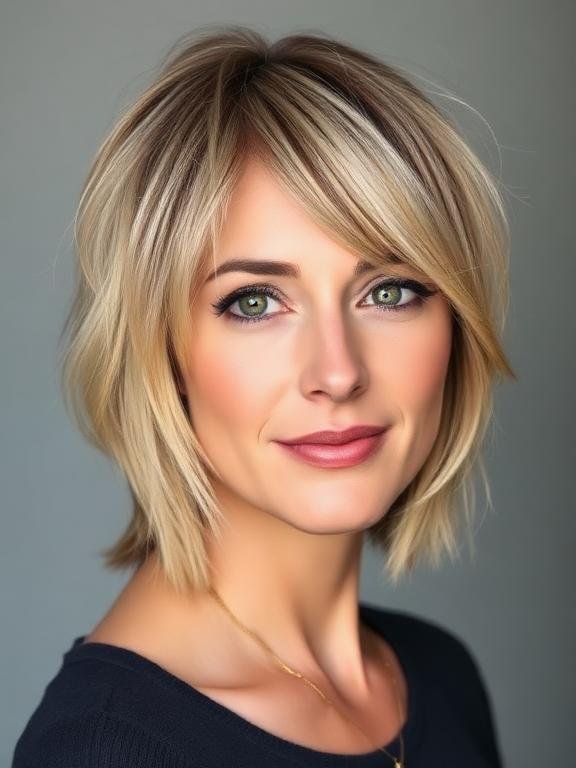
A wispy fringe adds visual fullness at the front of the cut without removing density from the body of the hair. For fine hair at shoulder length, a wispy rather than full fringe is the better choice because it adds the face-framing benefit of a fringe without the commitment of a heavy fringe that can look flat and thin on fine hair within hours of styling.
Ask for a shoulder-length layered cut with a wispy fringe that sits lightly across the forehead, with conservative layering through the body of the cut that adds movement without thinning the ends.
18. Textured Lob with Curtain Bangs for Fine Hair
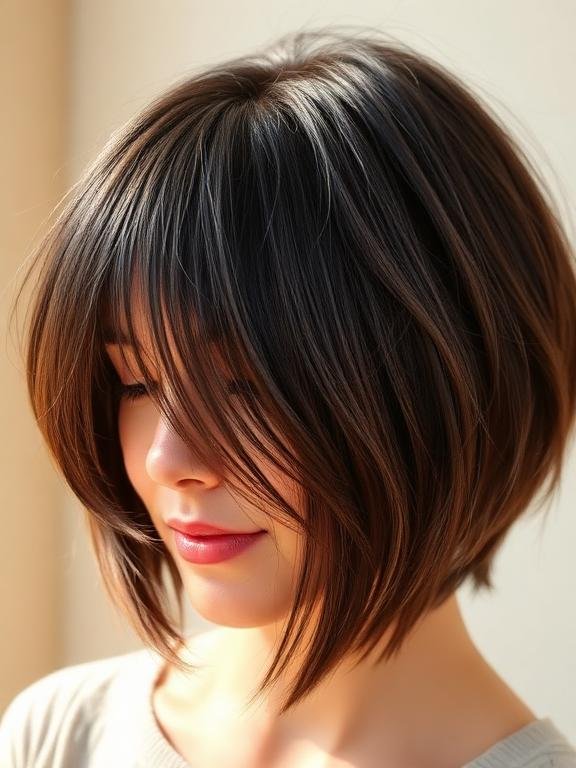
This lob combines curtain bangs with careful texturing through the mid-lengths to create a style that looks fuller and more dimensional than the hair type would normally allow. The curtain bangs frame the face and add visual interest at the front while the texturing through the mid-lengths adds movement without compromising the density at the ends.
Ask for a shoulder-length lob with curtain bangs and point-cut texturing through the upper and mid-lengths only, keeping the lower layers and ends as full as possible to maintain perimeter density.
19. Shoulder Length Cut with Strategic Thinning for Fine Hair
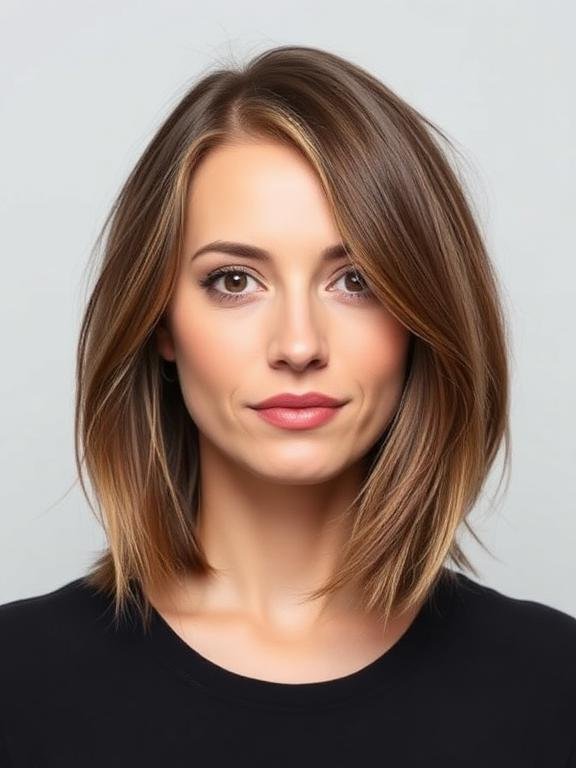
This cut uses strategic thinning applied only where it is most needed rather than through the whole cut. For fine hair this typically means light thinning at the upper mid-lengths to encourage movement and at the crown to reduce any flatness at the roots, while leaving the lower mid-lengths and ends completely untouched to preserve fullness where the hair needs it most.
Ask for a shoulder-length cut with strategic thinning applied only through the upper mid-lengths and crown to encourage movement and root lift, with the lower sections and ends left completely untouched to preserve as much density as possible at the perimeter.
FAQs
Should fine hair be layered at shoulder length?
It depends on the specific hair and the look the person wants. Very fine hair often looks better with minimal or no visible layering because layers remove density from the ends where fine hair needs fullness most. When layering is used, it should be placed higher up through the mid-lengths rather than close to the ends, and it should be conservative enough that the perimeter stays as full as possible.
Is a blunt cut always better than a layered cut for fine hair?
Not always, but for very fine or thin hair a blunt perimeter is often the most effective way to maximize the appearance of fullness at the ends. Some light interior layering can be added without breaking up the perimeter, giving the hair movement without sacrificing the density at the tips.
What products work best for fine hair at shoulder length?
Volumizing mousse or root-lifting spray applied before air drying or blow drying, and a light-hold finishing spray that adds texture without weight. Heavy creams, serums, or oils should be avoided because they weigh fine hair down and reduce the volume the cut is designed to create.
Can fine hair look good at shoulder length without styling tools?
Yes, if the cut is designed for it. A blunt shoulder-length cut or a lob with conservative layering can air dry into a clean, presentable shape for fine hair. Adding curtain bangs or face-framing layers helps the air-dried result look more intentional. The key is avoiding cuts with too much layering that air dry into a flat, stringy result.
How often does shoulder length fine hair need trimming?
Every six to eight weeks is ideal. Fine hair tends to show split ends and thinning at the tips earlier than thicker hair, and regular trims keep the perimeter looking full and healthy. Waiting too long between trims can make fine hair look scraggly at the ends, which undoes the work the cut is doing to create fullness.
Wrapping Up
Shoulder length fine hair is not a limitation. It is a starting point that requires a specific approach to work well. The right cut maximizes what the hair actually has rather than fighting its natural tendency to go flat and thin at the ends.
The 19 styles on this list all approach that goal from slightly different angles. Some rely on blunt perimeters. Others use color to add dimension. Others use strategic layering to build lift at the roots without sacrificing fullness lower down. Finding the version that fits your hair type and your daily routine is the most important step toward a shoulder length style that looks as good on day three as it does on day one.