19 Lob Hairstyles for Fine Hair
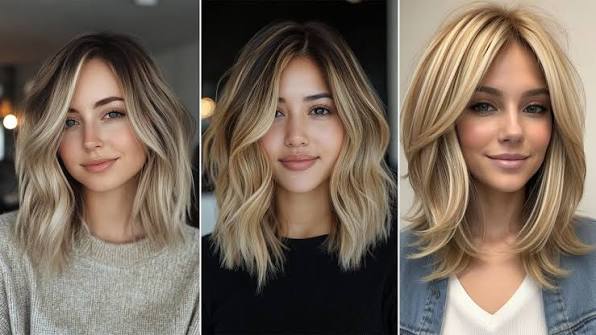
Fine hair and the lob were basically made for each other. The length sits right at that collarbone-to-shoulder zone where thin hair holds its shape, keeps enough weight to look full, and still moves well enough to style in multiple directions.
The cut underneath matters more than anything else. Before your stylist touches your length, tell them your hair is fine and you want weight preserved at the perimeter. That one sentence changes how they approach the entire cut.
1. Blunt One-Length Lob
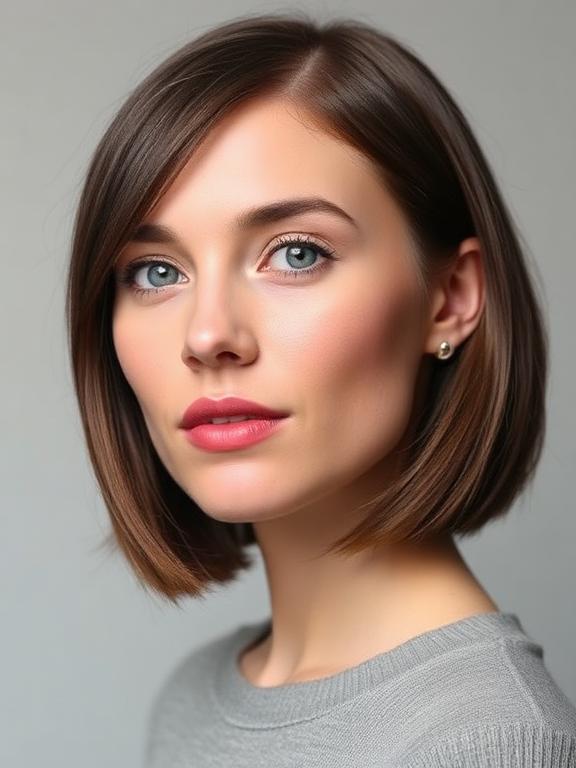
A blunt lob is the most straightforward and most effective option for fine hair at this length. The unbroken, even edge across the bottom creates a visual density that makes thin hair look deliberately full rather than simply flat. It’s a cut that does its best work because of what the stylist leaves in, not what they take out.
Ask for a one-length finish with point cutting at the tips to soften the edge just slightly without removing any real weight. A perfectly straight scissor line can look too harsh on some face shapes. Point cutting keeps the density while giving the ends a marginally softer, more natural finish.
2. Textured Lob With Choppy Ends
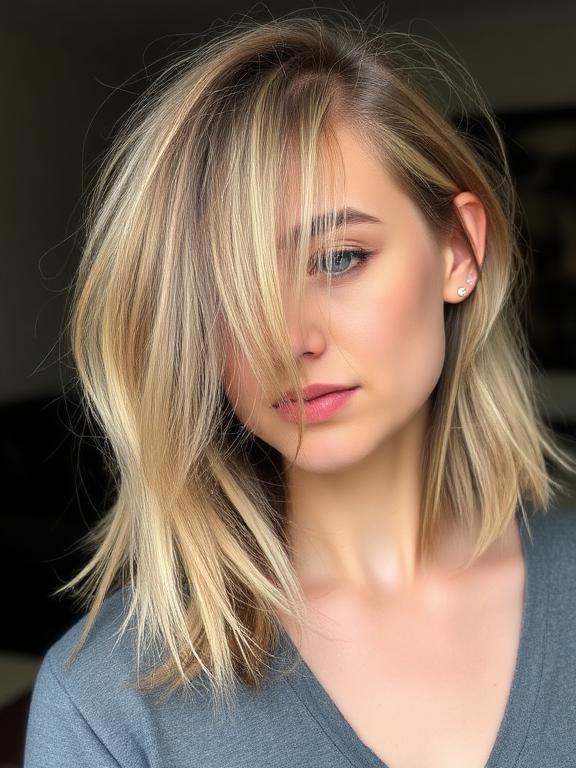
Choppy, disconnected ends on a lob give fine hair the kind of movement and dimension that a clean blunt edge doesn’t always provide. Each section of the ends sits at a slightly different length, which creates the impression of thickness and texture throughout. It’s a deliberately undone finish that reads as effortless rather than unstyled.
Work a lightweight texturising paste through dry ends after styling, using your fingers rather than a brush. Use a very small amount, the size of a pea, and focus entirely on the tips. Too much product on fine hair collapses whatever texture and volume you’ve built during the blow dry.
3. Lob With Curtain Bangs
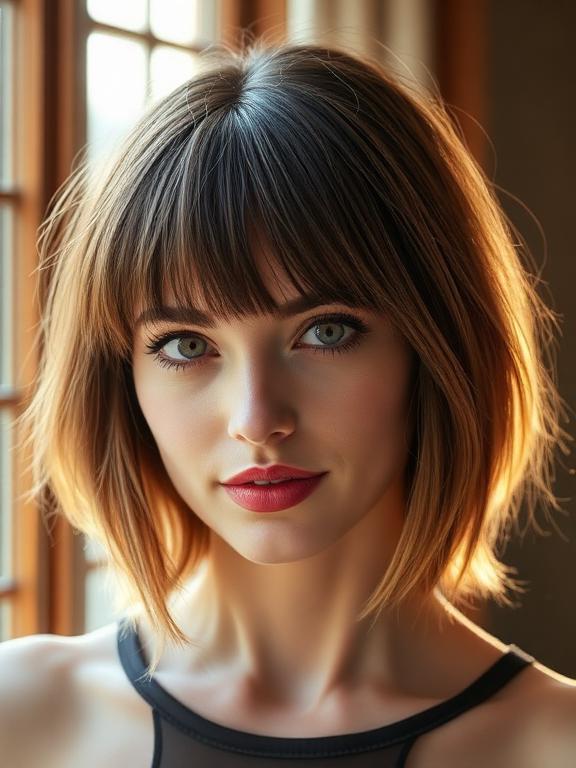
Curtain bangs on a lob are genuinely one of the best additions for fine hair. They add a section of independently moving hair at the front that creates dimension and visual interest right where it counts most, near the face. The bangs do the heavy lifting in terms of styling while the rest of the lob can stay simple.
Blow dry curtain bangs by splitting them at the centre and using a small round brush to sweep each side outward and slightly downward while the hair is still damp. Apply a light-hold spray immediately while warm to lock in the sweep. On fine hair, skipping this step means the bangs lose their shape within a couple of hours.
4. Side-Parted Lob
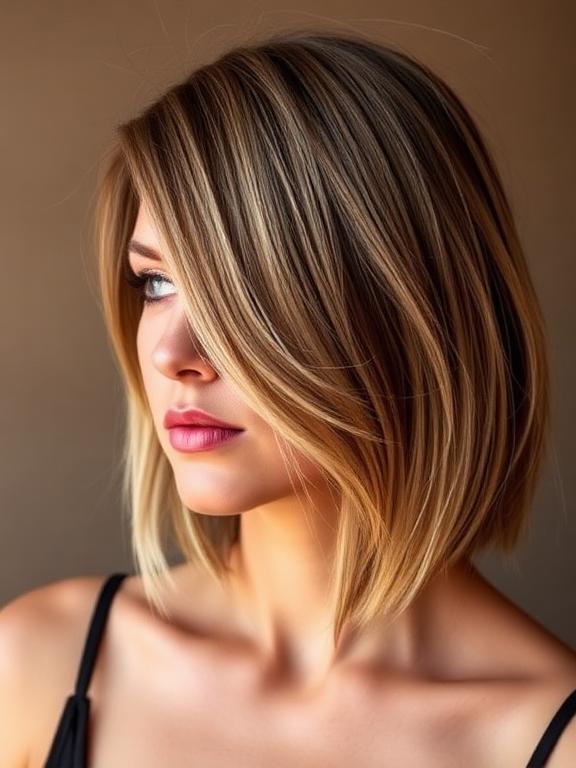
A deep side part on a lob is a classic volume trick that never stops working on fine hair. The hair falling heavily to one side naturally creates lift on the opposite side at the root, giving you volume without any extra product or tool. The asymmetry also makes the overall style look more dynamic and considered than a centre part on the same cut.
Blow dry with your head tipped toward the lighter side of the part during the first few minutes to build root lift before the hair sets. Once the roots are dry, flip back and finish the lengths. That early directional drying is what makes the volume last through the day rather than collapsing by midmorning.
5. Wavy Lob With Texture
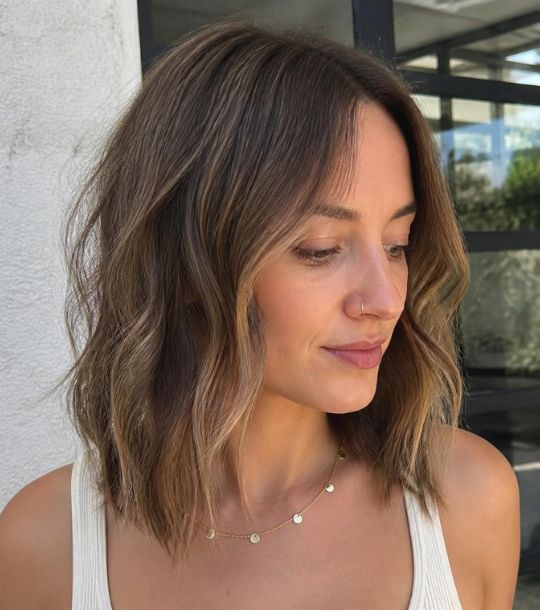
Waves on a fine hair lob add more visual body than almost any other styling technique. The bends in each strand create the appearance of thickness and movement that straight fine hair simply doesn’t produce on its own. Even soft, loose waves make a medium length fine hair lob look noticeably fuller and healthier than the same hair worn straight.
Use a one-inch curling wand and wrap sections loosely, holding for eight to ten seconds before releasing without touching. Once the waves have fully cooled, break them apart gently with your fingers. Never brush. Brushing waves on fine hair collapses the volume almost instantly and leaves the hair looking limp rather than textured.
6. Sleek Blowout Lob
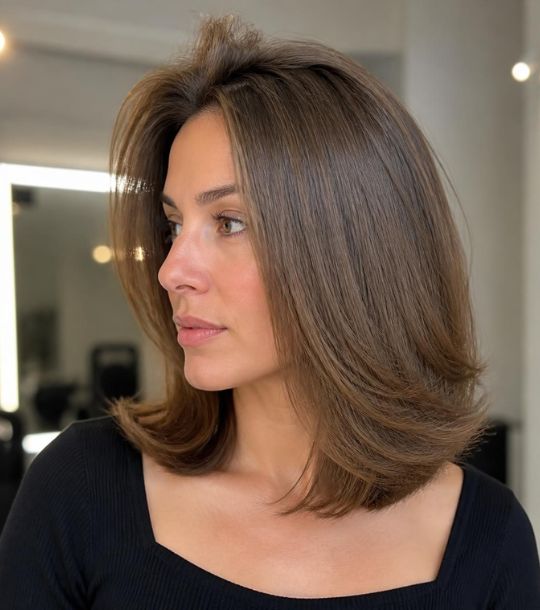
A sleek, polished blowout on a lob is a classic for a reason. On fine hair the combination of strong root lift and smooth, rounded ends creates a silhouette that looks significantly thicker and healthier than the natural state of the hair. It’s the style that makes fine hair look its absolute most intentional and put-together.
Apply a volumising root spray to damp roots section by section before blow drying. Dry the roots first with the nozzle pointing upward, then work down the lengths with a large round brush pulling slightly outward at the ends. Finish the entire style with a light flexible hold spray rather than anything stiff or heavy.
7. Lob With Face-Framing Highlights
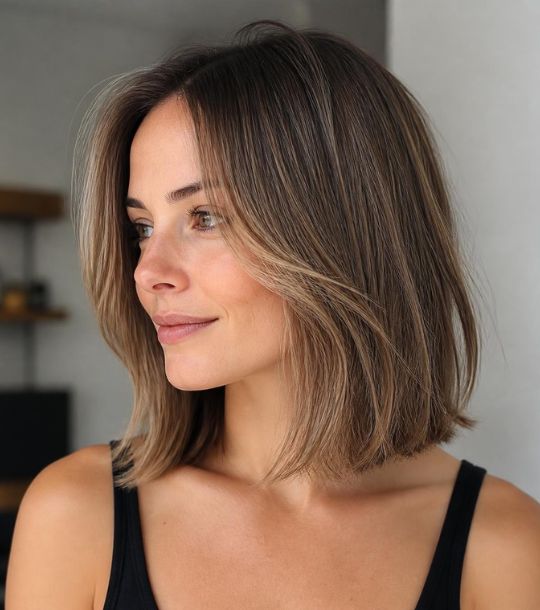
Highlights placed specifically through the face-framing sections of a lob create dimension and the illusion of density without changing the cut at all. When different sections reflect light differently, the eye reads that variation as fullness and depth. It’s one of the most underused tools for making fine hair look more substantial without touching the length or the structure.
Ask for fine babylights concentrated through the top and face-framing sections. Avoid chunky highlight placements on fine hair since they can look striped and obvious rather than dimensional. Fine, closely spaced lights blended naturally are what create the most convincing fullness.
8. Lob With Invisible Layers
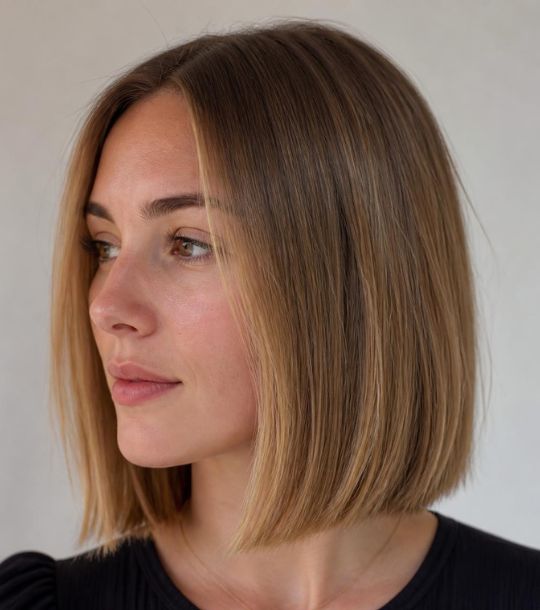
Invisible layers remove weight from the underside of the hair rather than through the visible surface, which gives fine hair movement and lightness without any visible reduction in density. From the outside the lob still looks full and blunt. Underneath, there’s enough internal texture to stop it from lying completely flat and heavy against the head.
Ask your stylist specifically for internal point cutting underneath the surface rather than standard layering through the top. This is a precise technical instruction and not every stylist interprets it the same way. Bring a reference if you can and confirm before they start cutting that they understand the goal is fullness on the outside with movement underneath.
9. Lob With Root Lift Blowout
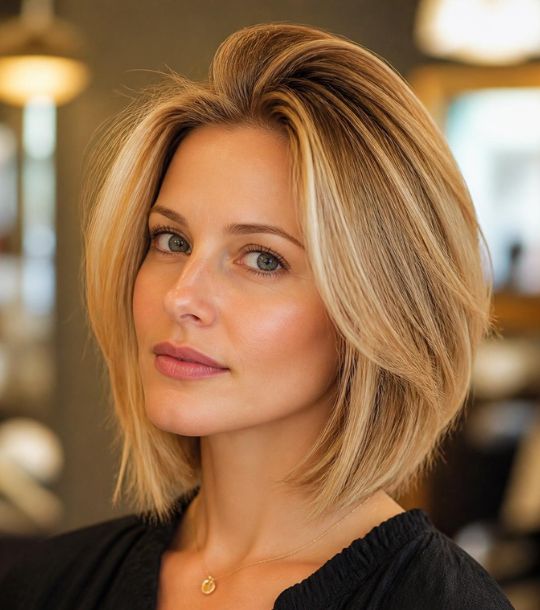
This is a styling approach rather than a specific cut, but it transforms any fine hair lob so significantly that it deserves its own entry. Root lift is the single most impactful step in any fine hair styling routine, and the technique matters as much as the product.
Spray a volumising root lifter directly at the scalp on damp hair, working in sections from the nape upward. Blow dry each section with the nozzle directed upward rather than downward, lifting the roots away from the scalp as they dry. Roots that dry in a lifted position stay lifted. Roots dried flat stay flat regardless of how much product you’ve applied.
10. Centre Part Lob
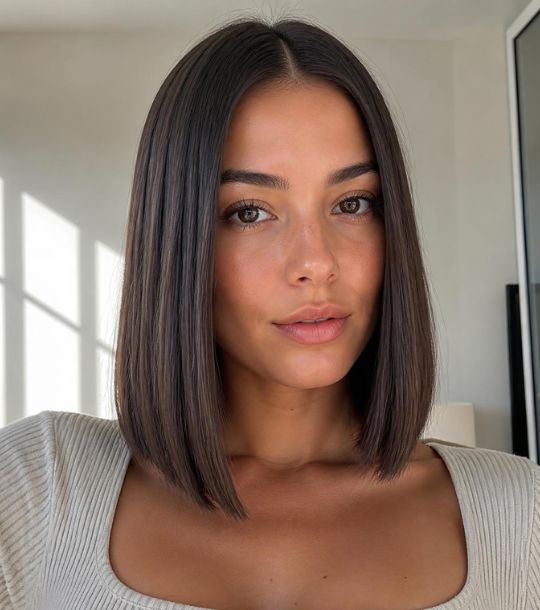
A clean centre part on a well-cut lob is minimal and modern, and it works on fine hair specifically because the precision of the cut carries the whole style. There’s no volume trick or texture technique doing the heavy lifting here. The quality of the shape is what makes it work, which means the cut itself has to be clean and intentional.
Create the part on slightly damp hair and blow dry each side outward using a medium round brush. Setting the part during the blow dry rather than forcing it into place on dry hair makes a significant difference in how long it holds. Finish with a light serum on the surface only, not at the roots, for shine without weight.
11. Beachy Lob With Sea Salt Texture

A beachy lob is designed to look like the hair dried naturally on a warm day somewhere near the ocean, which on fine hair requires a small amount of the right product and the right technique to pull off consistently. The visual fullness comes entirely from texture and movement rather than from the density of the strands.
Scrunch a sea salt texturising spray through damp hair and diffuse on low heat rather than air drying flat. Air drying fine hair almost always results in limp, flat strands with no movement. The diffuser encourages wave formation and lifts the hair as it dries, creating texture that holds significantly better than anything air dried.
12. Lob With Balayage
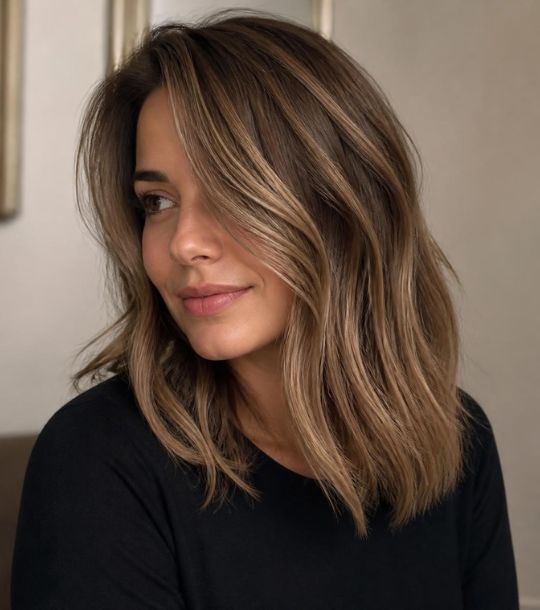
Balayage on a fine hair lob creates dimension and the visual impression of thickness in the same way strategically placed highlights do, but with a softer, more graduated result that grows out more naturally. The lighter pieces catch the light differently from the darker base, giving the lob a layered, multi-dimensional appearance that single-process colour never achieves.
Ask for babylights through the top sections combined with soft balayage through the mid-lengths and ends. The babylights near the scalp add brightness and dimension right at the root area where fine hair often looks flattest. That combination of techniques from root to end is what creates the most convincing fullness through colour alone.
13. Lob With Wispy Ends
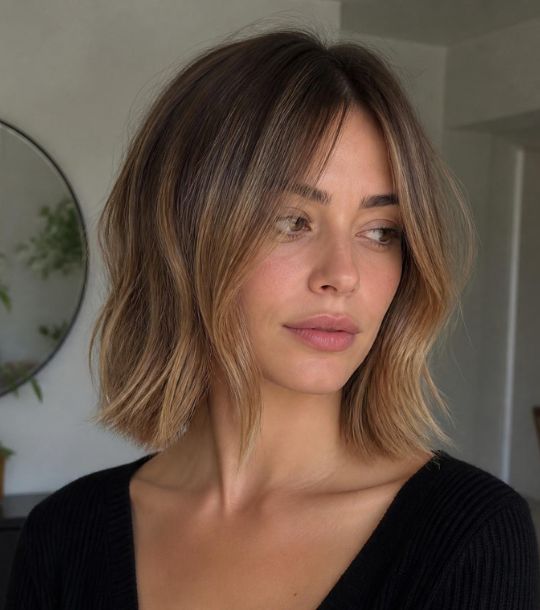
Wispy, softly tapered ends on a lob give fine hair an airy, natural finish that suits the hair type well when the body of the cut still carries enough weight. The wispiness reads as delicate and intentional rather than sparse, especially when the mid-lengths are kept relatively full. It’s a softer alternative to the blunt finish for face shapes that find a hard edge too severe.
Ask your stylist to use shear point cutting at the very tips only, not through the body of the cut. Razor cutting on fine hair creates ends that are too thin and vulnerable to splitting. Point cutting at the tips achieves the same wispy effect with better long-term condition and significantly more control.
14. Tousled Lob
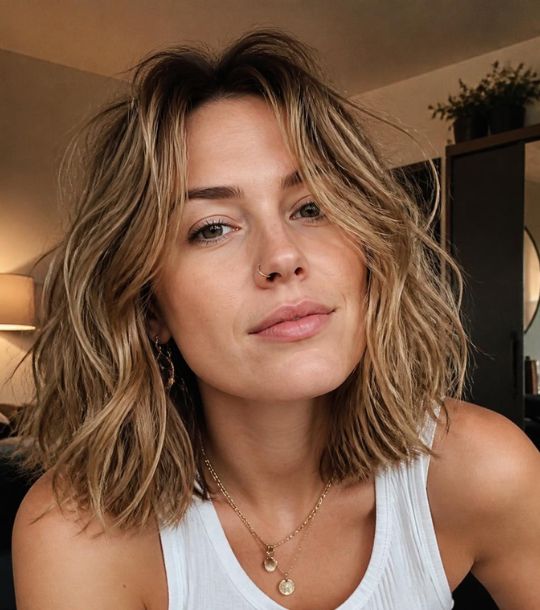
A tousled lob sits in that deliberate in-between space of styled and undone, and that quality is exactly what makes it so consistently flattering on fine hair. The natural movement and slight imperfection of a tousled finish creates visual texture that polished, smooth styles on fine hair rarely achieve without a lot of heavy product. It looks like you tried a little, which is the sweet spot.
Apply a lightweight volumising mousse on damp hair and scrunch gently before diffusing on low heat. Once dry, separate with fingers and finish with a dry texturising spray at the roots for grip and body. Avoid any glossy finisher since shine on fine hair emphasises the thinness of individual strands rather than the overall fullness of the style.
15. Rounded Lob Silhouette
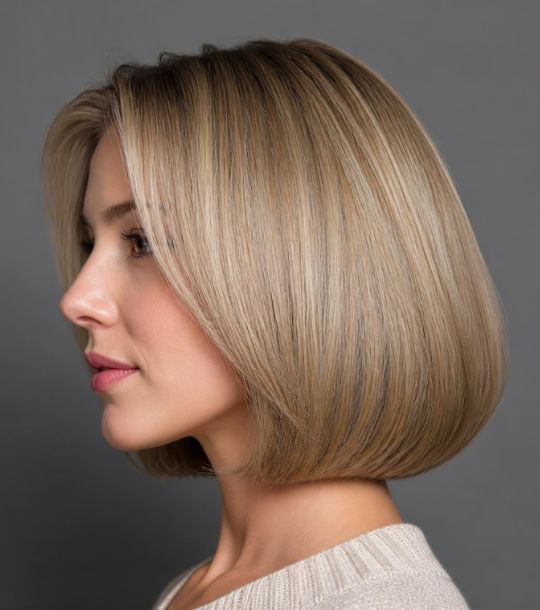
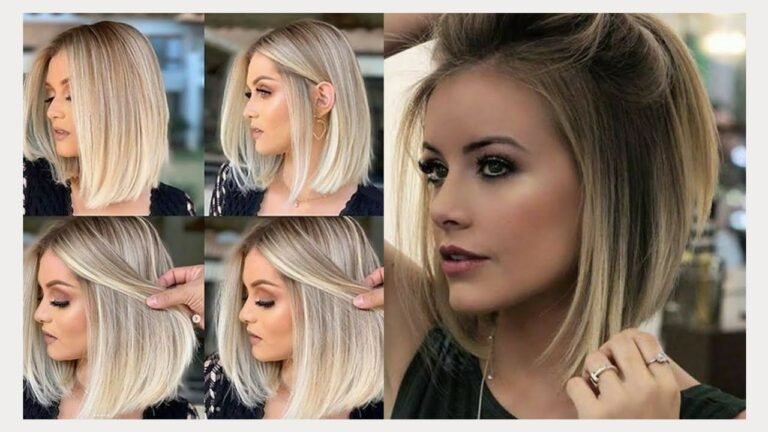
A rounded lob curves the ends slightly under rather than sitting in a straight horizontal line, creating a full, voluminous silhouette that flatters fine hair significantly. The curved shape at the bottom mimics thickness and gives the overall cut a polished, considered finish that straight blunt cuts don’t always deliver on thinner hair types. Seen from the side, the shape is what makes this look stand out.
Achieve the curve using a large round brush during your blow dry, rolling the ends slightly under as you work through the bottom sections. Hold the brush in place with heat directed at the ends for a few seconds before moving on. A setting spray applied to damp hair before drying helps the rounded shape hold through the day.
16. Lob With Full Fringe
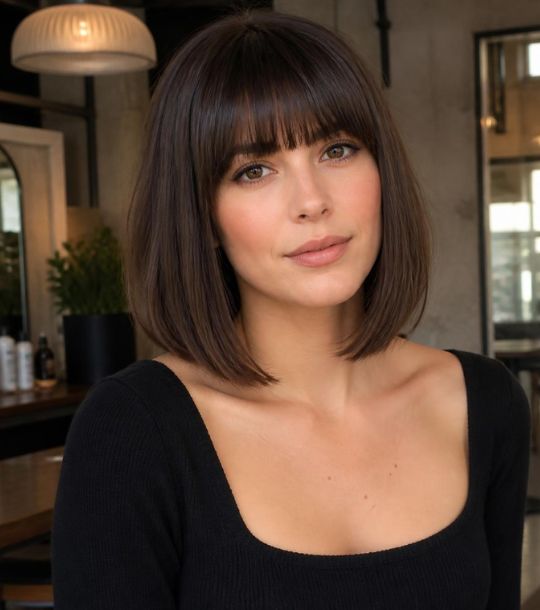
A full straight fringe on a lob adds a strong horizontal line across the forehead that draws the eye upward and creates the immediate impression of more overall hair. For fine hair that can look sparse around the hairline and at the top of the head, a fringe is a practical and genuinely flattering structural solution. It changes the entire proportion of the style.
Cut the fringe slightly longer than your target length on the first visit. Fine hair fringes sit higher than expected once blow dried and any natural movement takes effect. Trim gradually over two or three appointments rather than cutting aggressively on the first go. Getting a fringe right on fine hair takes a little patience.
17. Lob With Dry Texture Styling
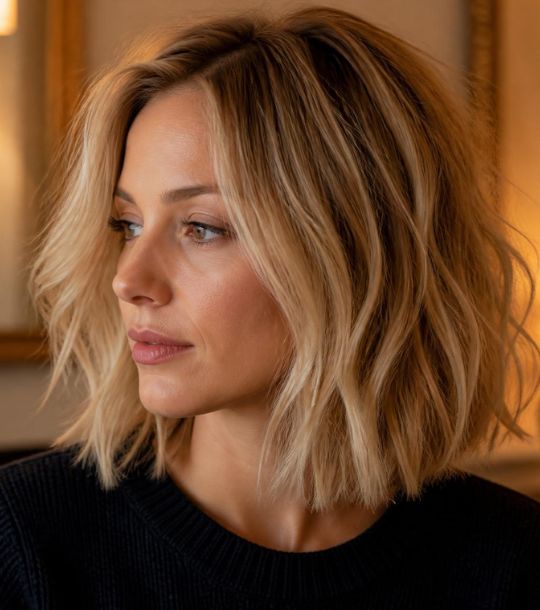
This entry is specifically about the styling technique that makes almost any lob look better on fine hair than it would with conventional product use. Dry texturising products applied to already-dried hair add grip, separation, and body in a way that wet-applied products rarely achieve on fine strands. The texture reads as natural movement rather than product buildup.
Spray a dry texturising or volumising powder directly at the roots on completely dry hair. Wait twenty to thirty seconds, then massage into the scalp and distribute through the roots with your fingers. The powder adds grip at the base that fine hair loses as the day goes on, and refreshes volume on second or third day hair without washing.
18. Lob With Soft Waves And Side Part
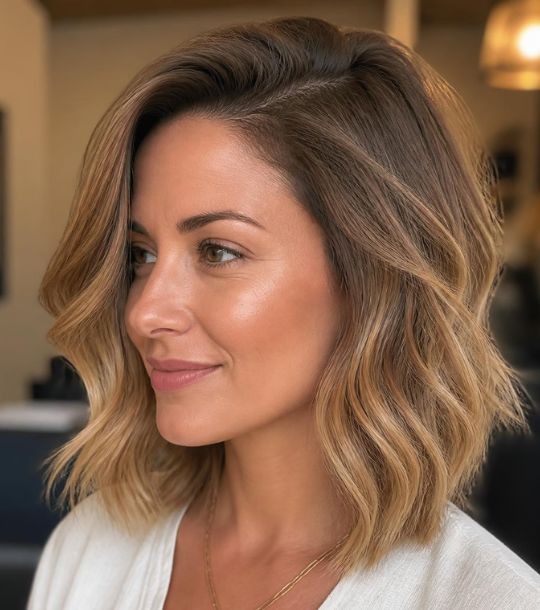
Combining a side part with soft waves on a fine hair lob gives you volume at the root from the part and texture through the lengths from the waves, which means both the top and the body of the style are working together rather than one of them falling flat. It’s a reliable, flattering combination that photographs well and holds better than most single-technique styles.
Set the part on damp hair, blow dry the roots with directional lift, then wave the lengths using a one-and-a-quarter inch wand for soft rather than tight waves. Finish with a light-hold flexible spray rather than a firm one. Firm hold sprays make fine wavy hair look crunchy rather than full.
19. Lob With Layers And Curtain Bangs
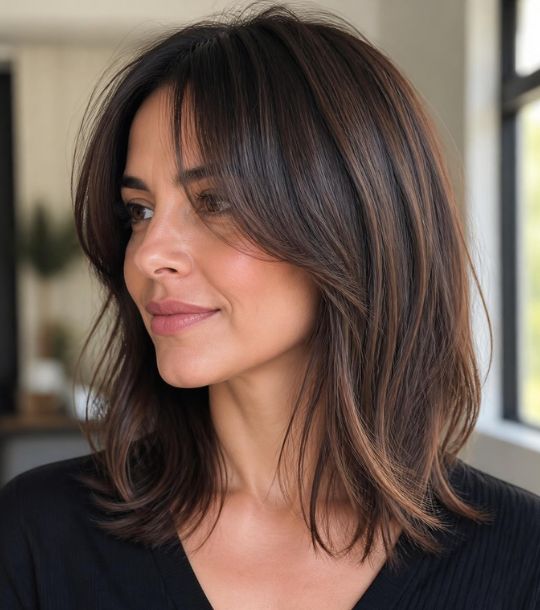
Combining long, gradual layers with curtain bangs on a lob gives fine hair movement at the front and through the lengths without sacrificing the perimeter weight that keeps the cut looking full. It’s the most complete version of a fine hair lob on this list because every element, the layers, the bangs, and the length, is working specifically for the hair type rather than against it.
Tell your stylist you want layers that begin no higher than the collarbone and blend gradually into the length rather than being cut in sharply. Combine that with curtain bangs styled using a round brush and light-hold spray and you have a style that has movement, dimension, and fullness at every point from root to end.
FAQs
Is a lob good for fine hair?
It’s one of the best lengths for fine hair. The collarbone to shoulder zone keeps enough weight in the hair to look full while still being short enough that gravity doesn’t pull all the body out. A well-cut lob on fine hair consistently looks thicker than the same hair at longer lengths.
Should a lob for fine hair have layers?
Only minimal ones. Long, gradual layers starting at the collarbone add movement without stripping density. Short or heavy layers remove too much bulk and leave fine hair looking thin and stringy at the ends. If in doubt, start with less layering and add more at the next appointment if needed.
What is the best way to add volume to a fine hair lob?
Root lift product applied on damp hair combined with upward directional blow drying is the most effective approach. Waves and texture through the lengths add further visual body. Using both together, root lift during the blow dry and a texturising spray after, gives fine hair lob styles their best chance of lasting volume through the day.
How often should a fine hair lob be trimmed?
Every six to eight weeks to maintain the shape and keep the ends clean. Fine hair shows split ends and loss of perimeter weight faster than thicker hair types. A clean edge is what keeps the lob looking full and intentional. Leaving it longer between trims lets the ends thin out visually, which undermines the entire purpose of the cut.
Wrapping Up
A lob done right is genuinely one of the most flattering and practical cuts fine hair can have. The styles on this list cover everything from sleek and polished to beachy and undone, so there’s a version here regardless of how much time you want to spend styling each morning.
Pick the one or two that feel most like your lifestyle, save the images, and walk into your next appointment with something specific to show your stylist. Specificity always leads to a better result than describing it in words alone.