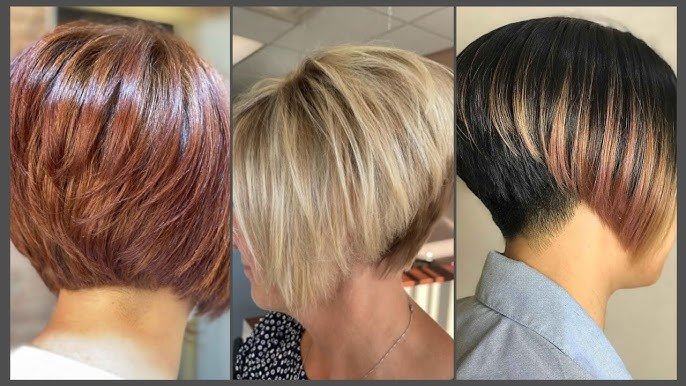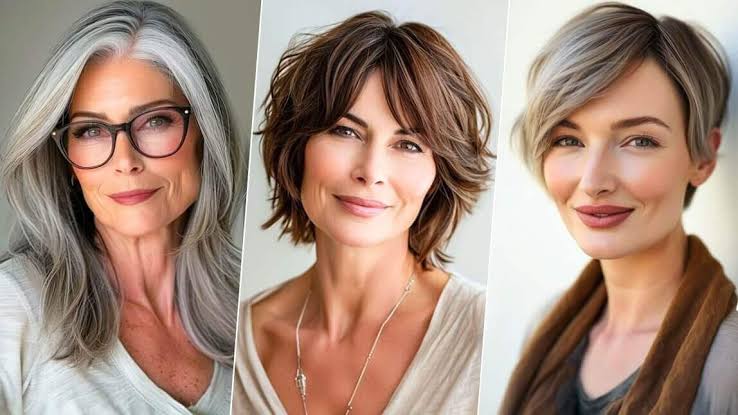
18 Short Choppy Haircuts for Fine Hair
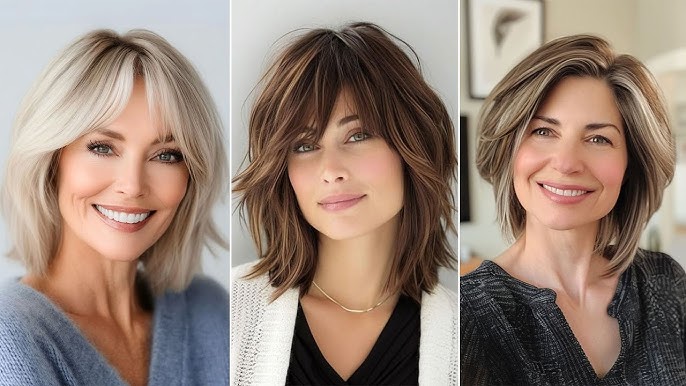
Choppy texture and fine hair seem like they should be at odds. Choppy cuts rely on visible layer breaks and deliberate texture. Fine hair tends to lose density when layered too aggressively. The tension between the two is real, but it is not irresolvable. The answer is in understanding exactly where the choppiness should go and exactly where it should not.
On fine hair, the choppiness needs to live in the upper sections and crown where it creates lift and visual interest without compromising the perimeter. The ends need to stay fuller than a standard choppy cut would leave them. The texture is concentrated where it does the most work and the fullness is protected where it matters most. That specific balance is what makes a choppy cut genuinely flattering on fine hair rather than simply thin and wispy.
One instruction worth repeating to every stylist: point cutting through the ends rather than thinning shears. Point cutting creates texture at the tips without removing the density that fine hair needs. Thinning shears through the full length of fine hair is one of the fastest ways to make it look sparse.
1. Choppy Pixie
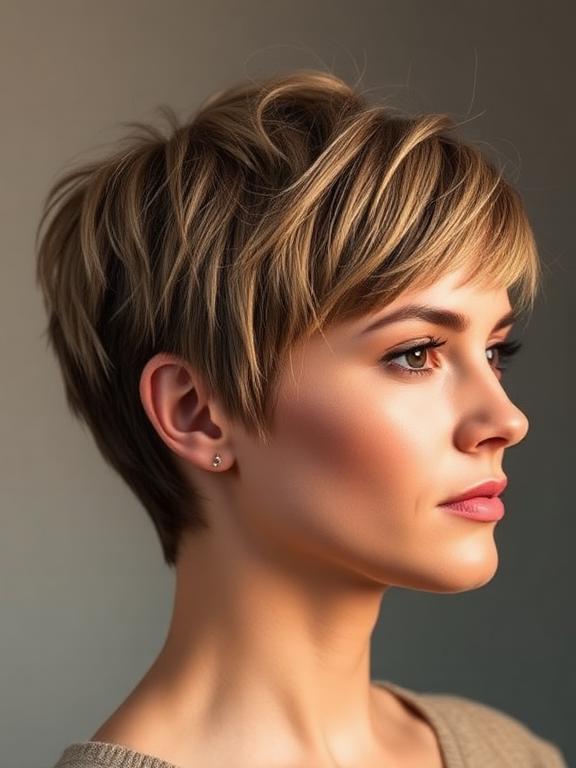
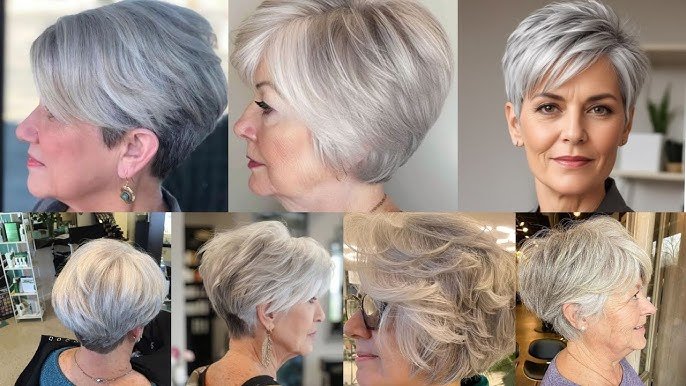
A short pixie with visible choppy layers concentrated through the crown and top sections creates lift and texture exactly where fine hair goes flattest. The sides stay close and clean. The choppy crown is the whole design, and on fine hair the short length means the texture has almost no weight working against it.
Ask for choppy layers through the crown only with the sides kept smooth and close. A root spray before rough drying activates the crown texture. Avoid heavy product through the ends that would flatten the choppy quality the cut is working to create.
2. Choppy Bob with Blunt Perimeter
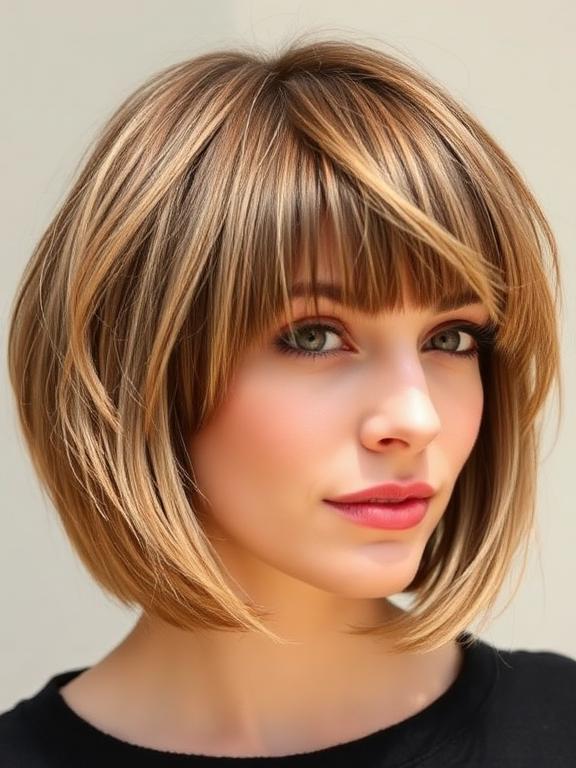
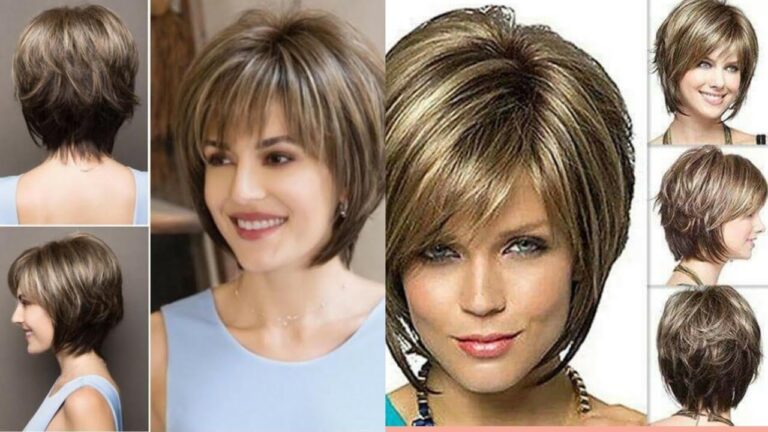
A chin-length bob with visible choppy texture through the interior and crown combined with a deliberately blunt outer perimeter that keeps the ends as full and dense as possible. The choppiness creates the texture and movement through the mid-sections. The blunt perimeter creates the end fullness. Neither element is asked to do what the other handles better.
This is the right version for fine hair that wants choppy character without sacrificing the end density that a fully choppy bob would compromise. Ask specifically for interior choppiness only with the perimeter kept clean and even.
3. Choppy Pixie Bob
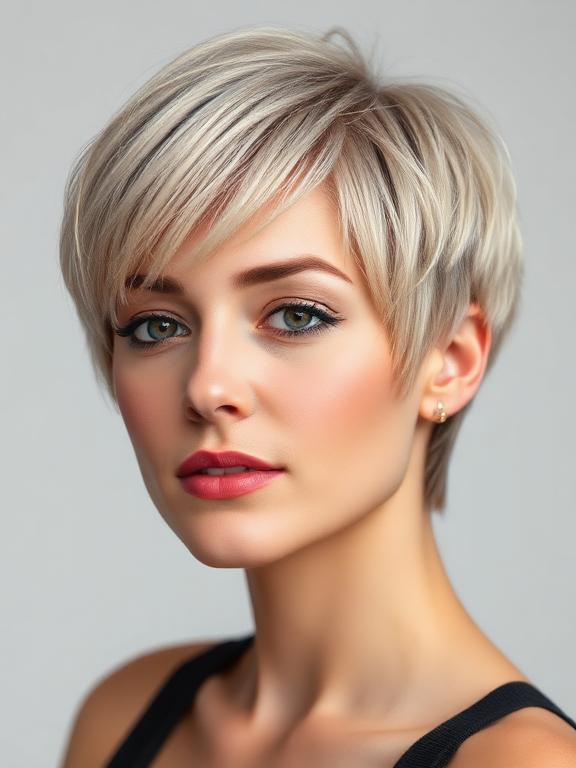
A pixie bob at cheekbone length with choppy, visible texture through the crown and sides that gives the shorter length genuine personality and movement. Fine hair at pixie bob length has enough density concentrated in a small area to carry more visible choppiness than longer fine hair would.
Ask for choppy layering through the crown and upper sides with the perimeter kept as full as possible. A lightweight texturizing paste through the crown after rough drying defines the choppy layers without weighing the fine hair down.
4. Textured Crop
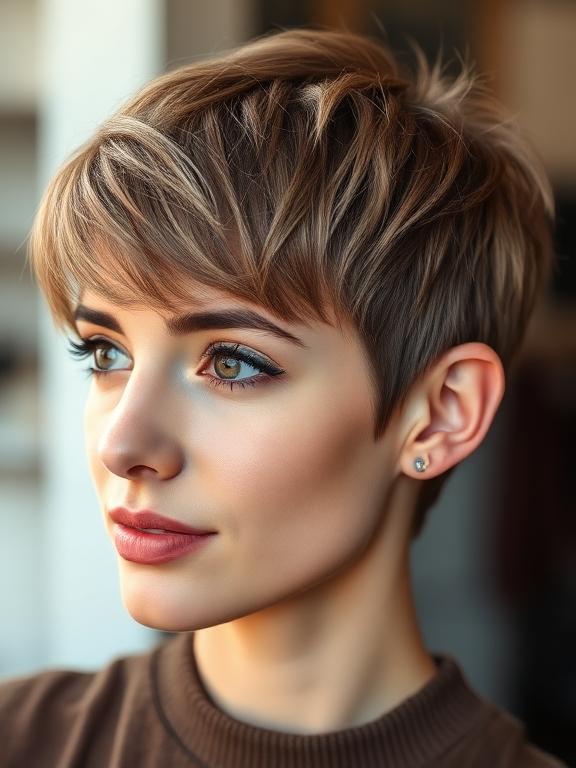
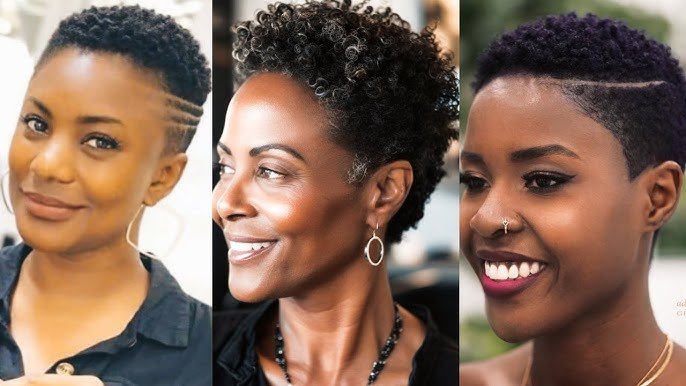
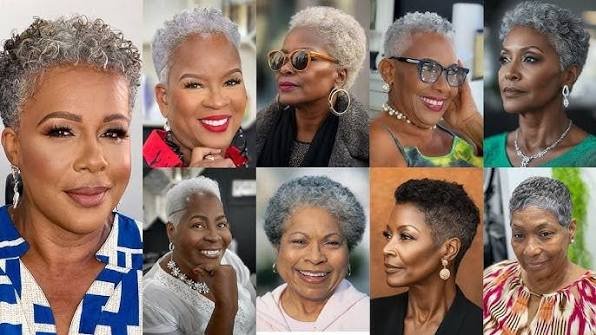
A very short textured crop with choppy, piecey layers through the crown that create visual interest at a length where fine hair has the most concentrated density. The short length is an asset for choppy texture on fine hair because the less length fine hair has, the more the choppy texture can dominate without compromising density at the ends.
A small amount of light pomade or texturizing paste worked through the crown after drying defines the piecey choppy quality. Use fingertips rather than a brush to apply product so the texture stays deliberate rather than smoothed out.
5. Choppy Lob for Fine Hair
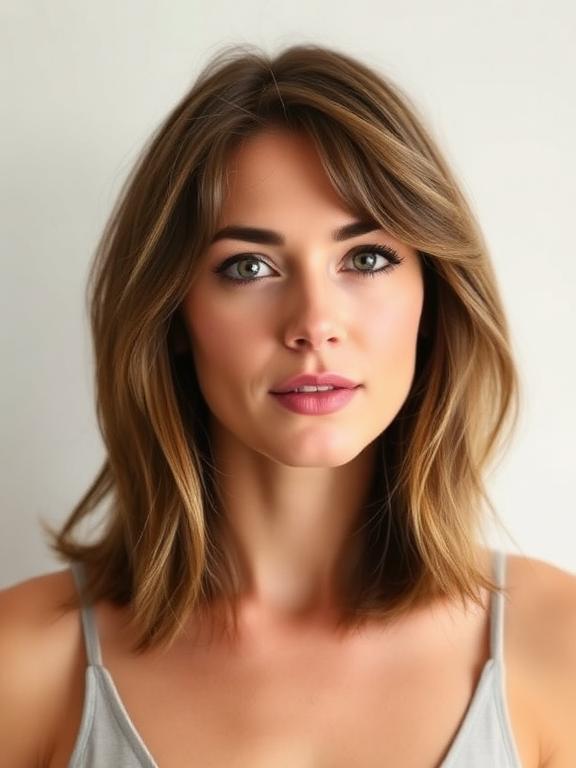
A collarbone-length lob with choppy texture placed specifically through the upper sections and crown while the lower mid-lengths and ends stay fuller and cleaner. At lob length, fine hair needs the perimeter protection more than at shorter lengths, so the choppy quality is concentrated higher, and the fullness is protected lower.
Ask for a mid-shaft layering placement rather than layering through the full length. The choppy layers create movement through the upper half of the lob, and the fuller lower half gives the fine hair the end density it needs to look substantial at the longer length.
6. Shaggy Choppy Bob
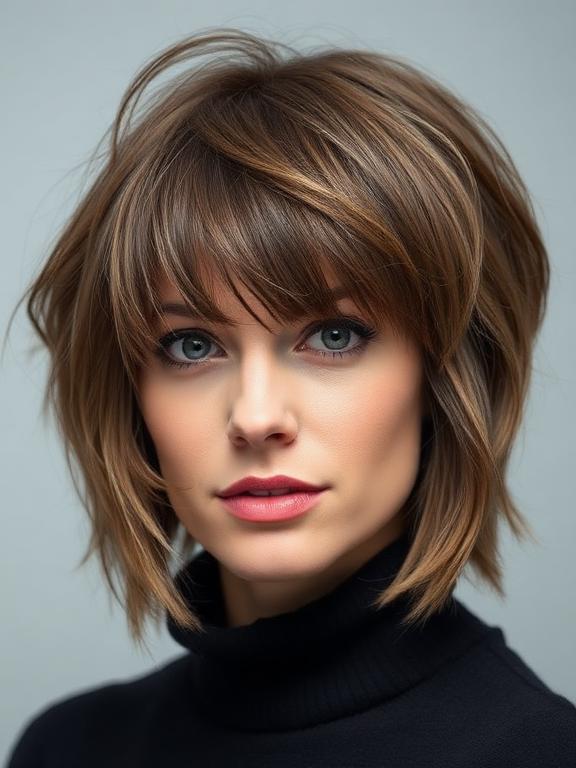
A chin-length bob with shag-inspired choppy layering through the crown and face-framing sections that gives the cut a relaxed, slightly undone quality. The shag influence means the choppiness has a softer, more diffused quality than a standard choppy bob, which suits fine hair better because the texture is less aggressive and preserves more density through the mid-sections.
Ask for the layering to be placed in a shag pattern through the crown and face-framing sections rather than evenly throughout. A lightweight mousse before air drying creates the natural, relaxed finish that suits this version best.
7. Choppy Layers with Side Part
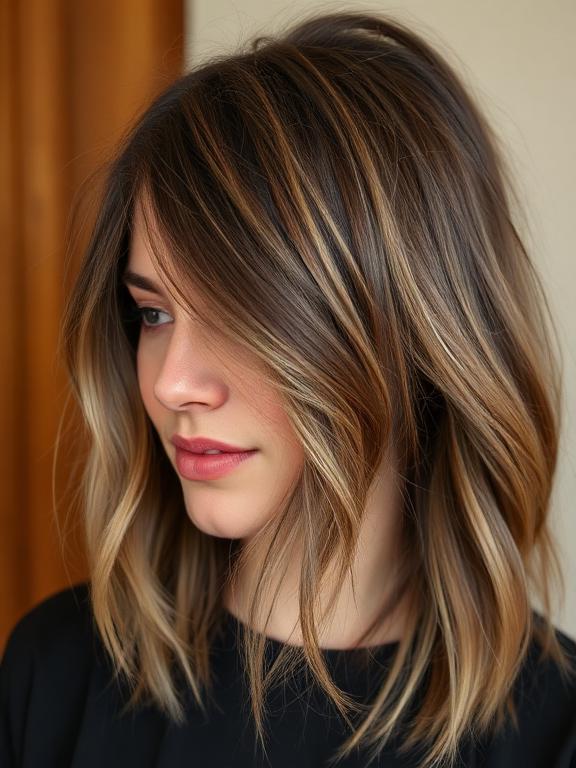
Any short or medium choppy cut is elevated with a deep side part that immediately creates crown volume on the heavier side. The side part multiplies the effect of the choppy crown layers by adding directional volume in the same zone where the choppiness is creating lift. The two elements work on the same goal from different directions.
Set the side part on damp hair before drying, so the root direction is established from the beginning. The choppy crown layers and the side part together create significantly more apparent volume than either achieves alone on fine hair.
8. Point-Cut Bob
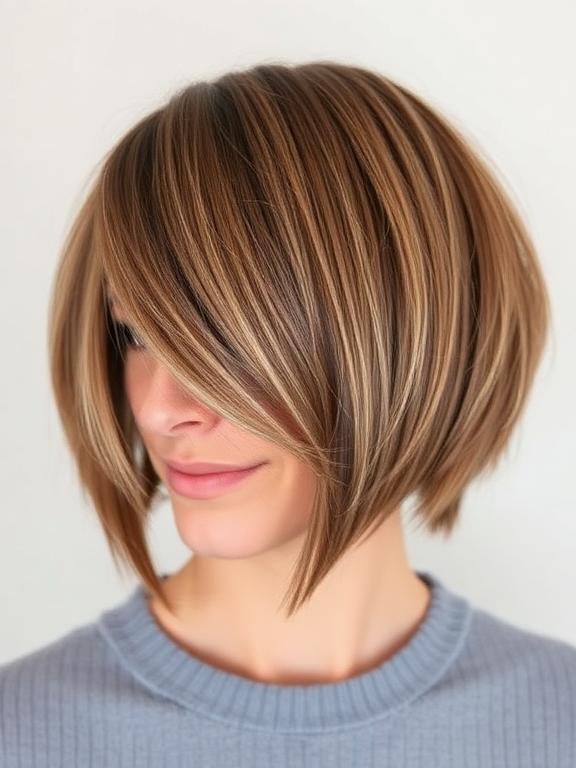
A chin- or jaw-length bob where the texture comes specifically from point cutting through the ends rather than internal layering. The perimeter looks almost blunt from a distance but has a subtle, broken quality up close that adds movement without removing significant density. The interior stays clean and full.
Point cutting through the ends of a bob on fine hair creates a natural, organic-looking texture at the tips that adds movement without the density loss that scissor-over-comb or thinning shear layering would create on the same fine hair. Ask specifically for the point cutting technique by name.
9. Choppy Fringe Bob
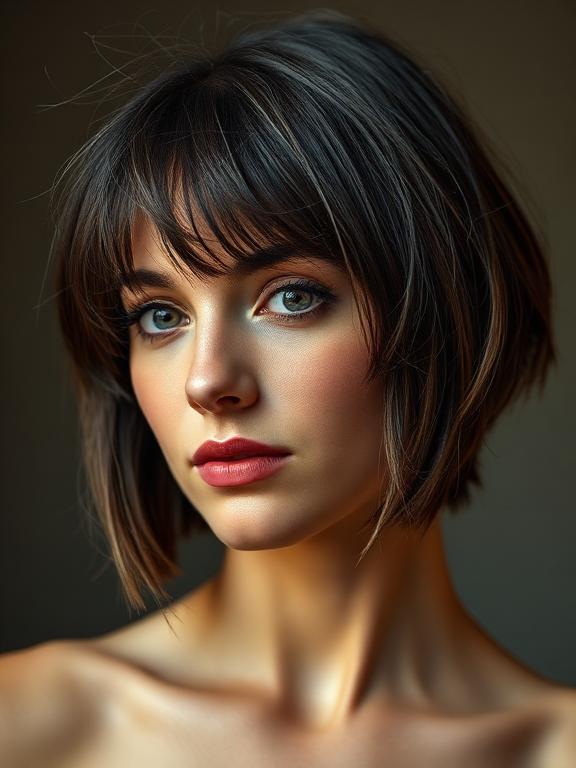
A short bob with a choppy or wispy fringe that adds face-framing intention at the front while the choppy quality of the fringe matches the texture through the body of the cut. The fringe and the bob share the same textured, slightly broken quality so the whole style reads as one cohesive decision rather than two separate elements.
Keep the fringe light and point-cut rather than blunt and heavy on fine hair. A heavy blunt fringe on fine hair goes flat and thin within hours. A wispy or point-cut fringe on fine hair stays light and separated through the day.
10. Disconnected Choppy Pixie
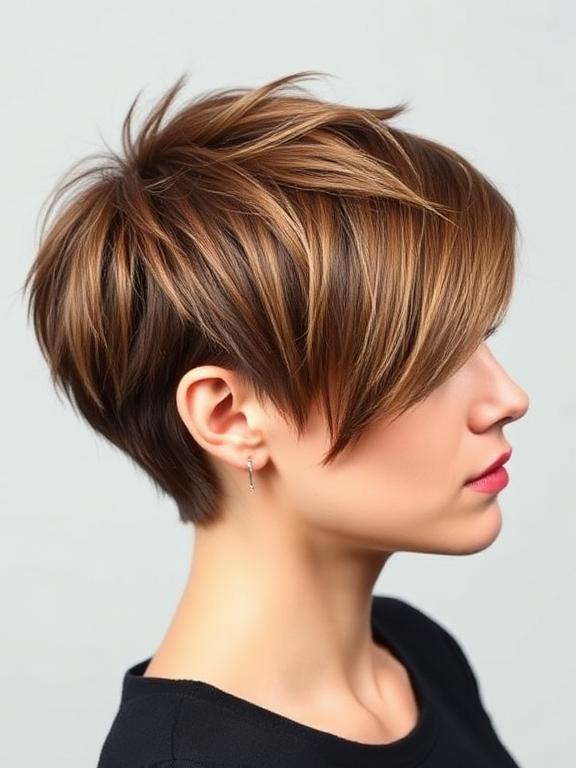
A pixie with deliberately disconnected sections where the longer choppy top is clearly separated from the shorter sides rather than blended gradually. The disconnection creates strong visual contrast that makes the style look bold and graphic. The design comes from the contrast between lengths rather than from hair density.
Ask for a clear disconnection rather than a soft blend between the choppy top and the shorter sides. On fine hair the graphic quality of the disconnection provides the visual interest that density would provide on thicker hair. The disconnection is doing the work that volume cannot.
11. Choppy Bob with Curtain Bangs
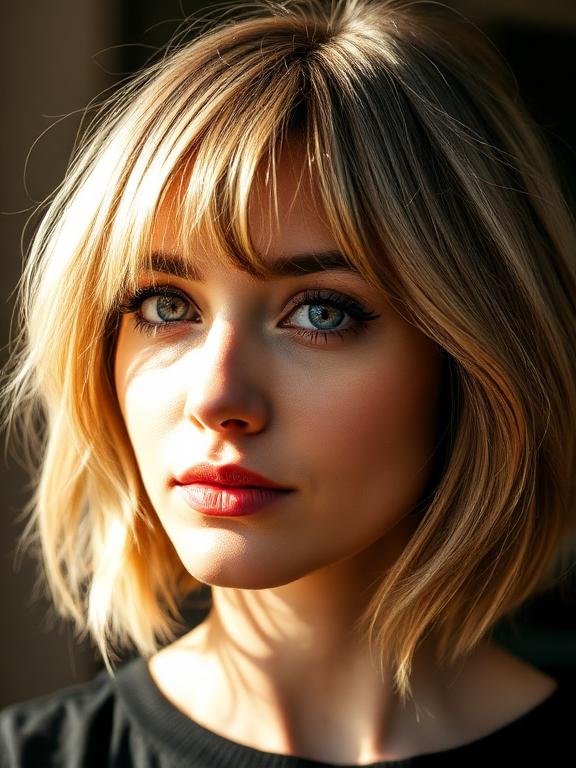
A short choppy bob with curtain bangs that blend into the choppy face-framing layers so the whole front of the style reads as one flowing, textured section. The curtain bangs add face-framing intention at the forehead and the choppy bob body adds texture and movement through the length. The two elements connect rather than coexist as separate components.
Ask for the curtain bangs to be cut as part of the face-framing layer rather than as a separate fringe. When the bangs and the face-framing layers are cut to connect the overall style has a cohesive, considered quality that suits the relaxed character of a choppy bob.
12. Razored Choppy Bob
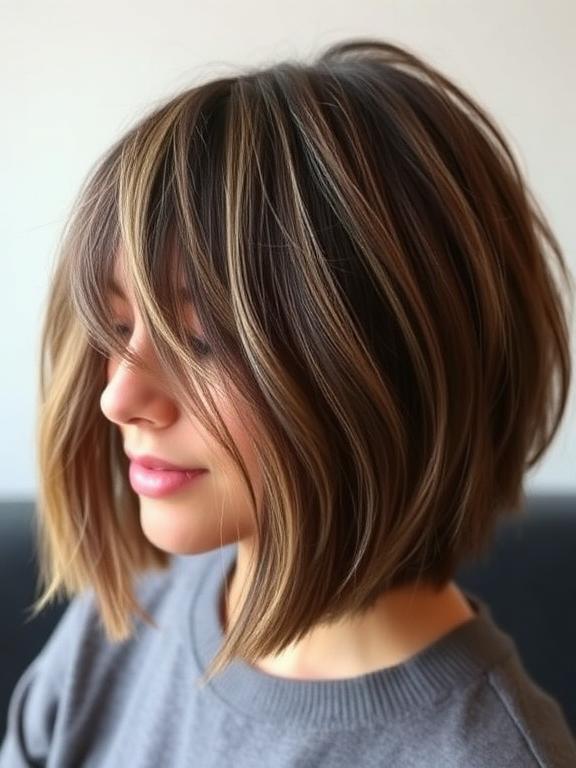
A short bob where the choppy texture comes from razor cutting rather than scissor cutting. The razor finish creates a softer, more diffused choppy quality than scissors produce and on fine hair this softer texture is more flattering because it removes weight at the tips without creating the hard, visible breaks that scissor choppy cuts create on fine strands.
Ask specifically for razor cutting on a fine hair bob only if the hair is in good condition. Razor cutting on damaged or very fragile fine hair increases breakage. On healthy fine hair the razor finish creates the most natural, airy choppy quality available.
13. Choppy Stacked Bob
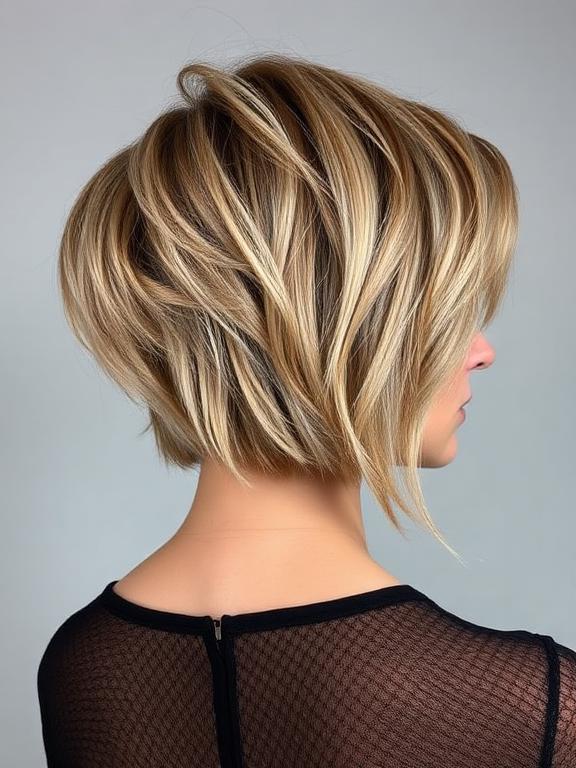
A stacked bob with choppy texture added through the surface and crown sections. The stacking creates structural crown lift from behind and the choppy texture creates visual interest at the surface simultaneously. On fine hair these two elements together create significantly more apparent volume than either achieves independently.
Ask for the stacking to be built with multiple close layers at the back for maximum structural lift and the choppy texture placed through the crown and surface sections only. The stacked back holds the shape. The choppy surface layers create the texture. The fine hair fills both structures.
14. Effortless Choppy Cut
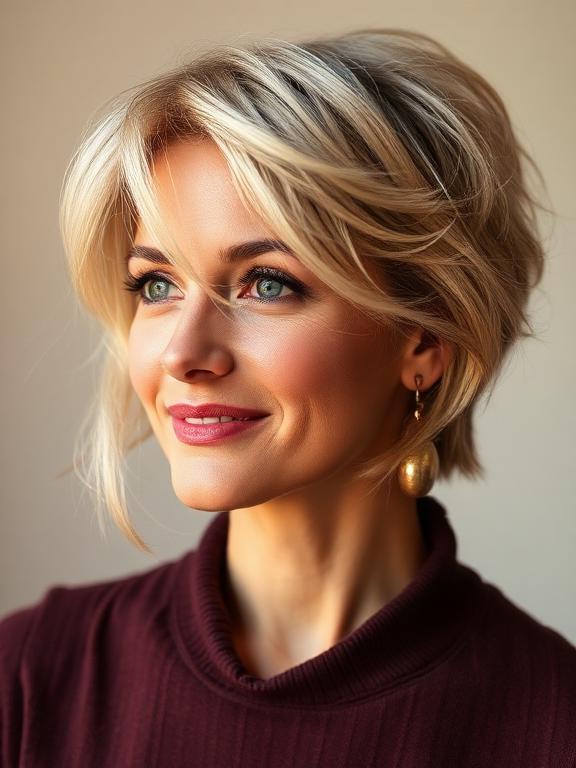
A short or medium choppy cut designed specifically to look its best when air dried without heat tools. The choppy layers and the natural behavior of the fine hair when it dries are shaped to work together so the air-dried result looks textured and intentional rather than flat and unfinished.
Ask for the cut shaped around how the fine hair naturally dries rather than a heat-styled version. A lightweight mousse or texturizing spray scrunched into damp hair is the entire styling routine. The choppy cut does the rest without any additional effort.
15. Choppy A-Line Bob
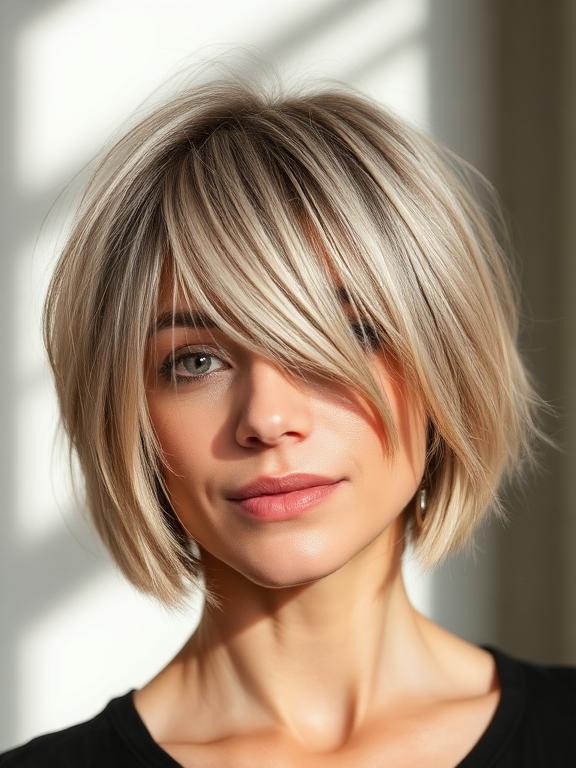
An A-line bob with visible choppy texture through the interior and crown that adds movement to the structured angular shape of the A-line. The A-line provides the architectural shape and the choppy texture provides the movement and personality. The two elements suit each other well because the geometry of the A-line gives the choppy texture a clear structure to work within.
Ask for the choppy layering to be placed through the interior sections only with the A-line perimeter kept clean and precise. The blunt A-line edge maximizes fine hair end density and the interior choppiness creates the texture and movement within that clean outer shape.
16. Choppy Undercut Pixie
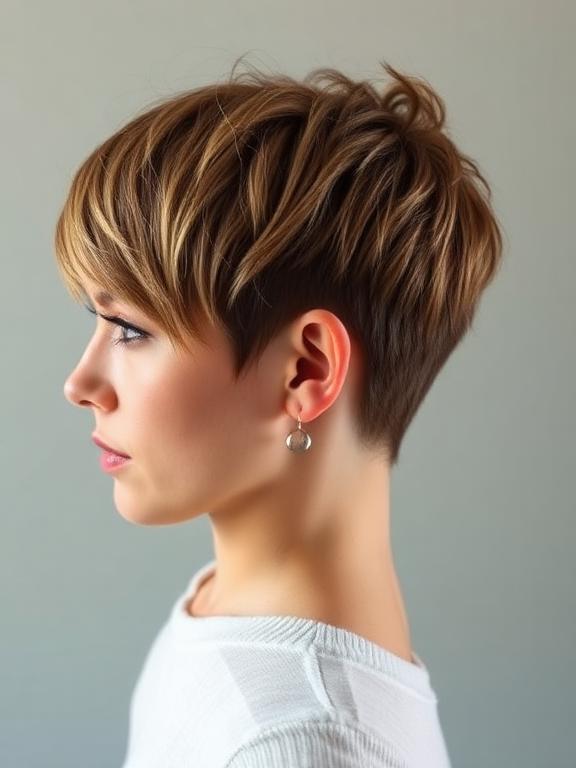
A pixie with a soft undercut at the sides and nape combined with choppy texture through the crown and top. The undercut removes hidden weight from underneath the surface layers and the choppy crown texture creates visible movement above. On fine hair the undercut is particularly useful because it removes the weight that flattens the choppy crown layers through the day.
Ask for a soft undercut clipped closely at the sides and nape underneath the surface layers. It should be invisible when the hair falls naturally. The weight reduction allows the choppy crown layers to lift and hold their texture significantly longer between washes.
17. Wispy Choppy Ends
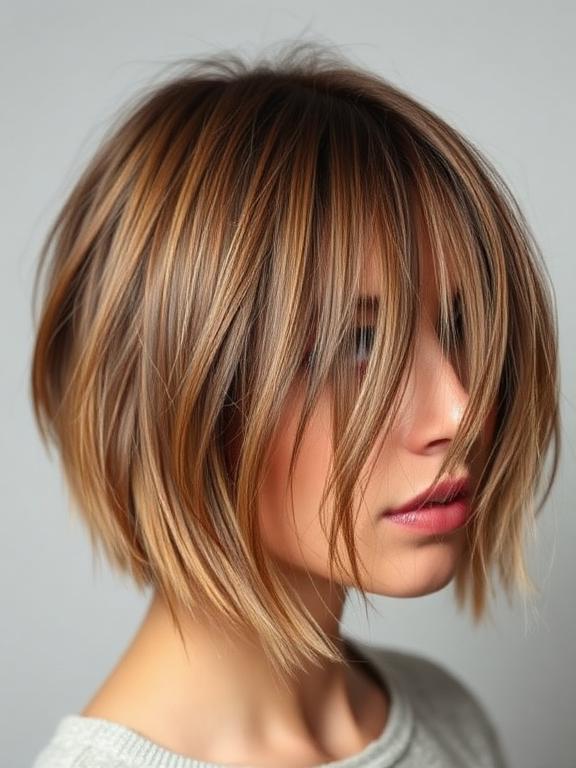
A short or medium cut where the choppiness is concentrated specifically at the very tips of the hair rather than through the interior. The result looks almost like a standard cut from a distance but has a natural, slightly broken quality at the ends that catches the light and adds dimension. The most subtle version of choppy texture available for fine hair.
Ask for point cutting applied only to the final inch or two of the hair at the perimeter. The tips should look slightly separated and irregular rather than perfectly even. This technique adds the most movement for the least density removal which makes it the safest choppy approach for very fine or very thin hair.
18. Choppy Bob with Natural Texture
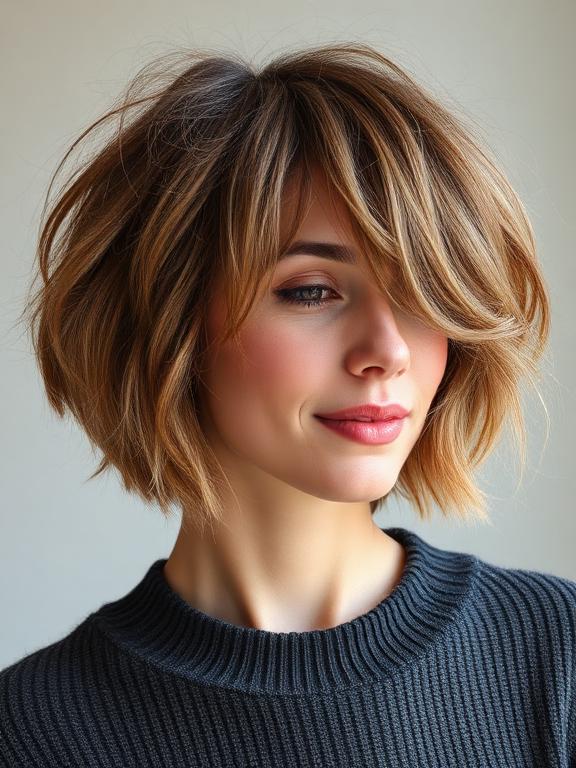
A short choppy bob shaped around the natural texture of the fine hair rather than a heat-styled version of it. The choppy layers are placed to support and enhance whatever natural movement or wave the fine hair has rather than creating texture through cutting alone. When the cut and the natural texture work together the choppy quality is more consistent and more effortless across every wash day.
Ask for the bob to be cut and finished to show the natural air-dried behavior of the fine hair. Even very fine hair has a natural tendency and a cut shaped around that tendency produces a more flattering and more sustainable everyday result than one that ignores it.
FAQs
How choppy is too choppy for fine hair?
When the choppiness reaches the ends of the hair it has gone too far for fine hair. Choppy ends on fine hair look wispy and sparse rather than textured and intentional. Keep the choppiness through the upper sections and crown and protect the ends with a fuller, cleaner perimeter. That boundary between choppy interior and full perimeter is the line that separates a flattering choppy cut on fine hair from one that makes the hair look thinner.
What is the difference between choppy layers and thinning on fine hair?
Choppy layers are placed deliberately through specific sections and create visible texture and movement. Thinning removes density uniformly throughout the hair to reduce bulk. Fine hair does not have bulk to reduce. Thinning on fine hair removes the only density it has and makes it look sparse. Choppy layers on fine hair create texture through deliberate length variation rather than density reduction. Ask specifically for choppy layering not thinning when requesting this style on fine hair.
Can I air dry a choppy cut on fine hair and still look styled?
Yes if the cut is designed for it. A choppy cut shaped around the natural behavior of the fine hair and finished with a lightweight mousse or texturizing spray scrunched into damp hair air dries into a textured, intentional result without heat tools. The key is the cut being designed for air drying rather than simply air drying a cut that was designed for a blowout.
Wrapping Up
Choppy texture on fine hair works when the placement is specific and the perimeter is protected. The crown gets the choppiness. The ends keep the fullness. The result has texture where it creates lift and density where it creates presence.
Pick the version that suits the length and lifestyle. Go shorter with a choppy pixie or textured crop if maximum texture with minimum effort is the goal. Go longer with a choppy lob or point-cut bob if some length is important. Whatever version, keep the thinning shears away from the ends. That single instruction makes every choppy cut on fine hair work significantly better.