19 Short Choppy Hair for Edgy Messy Pixie
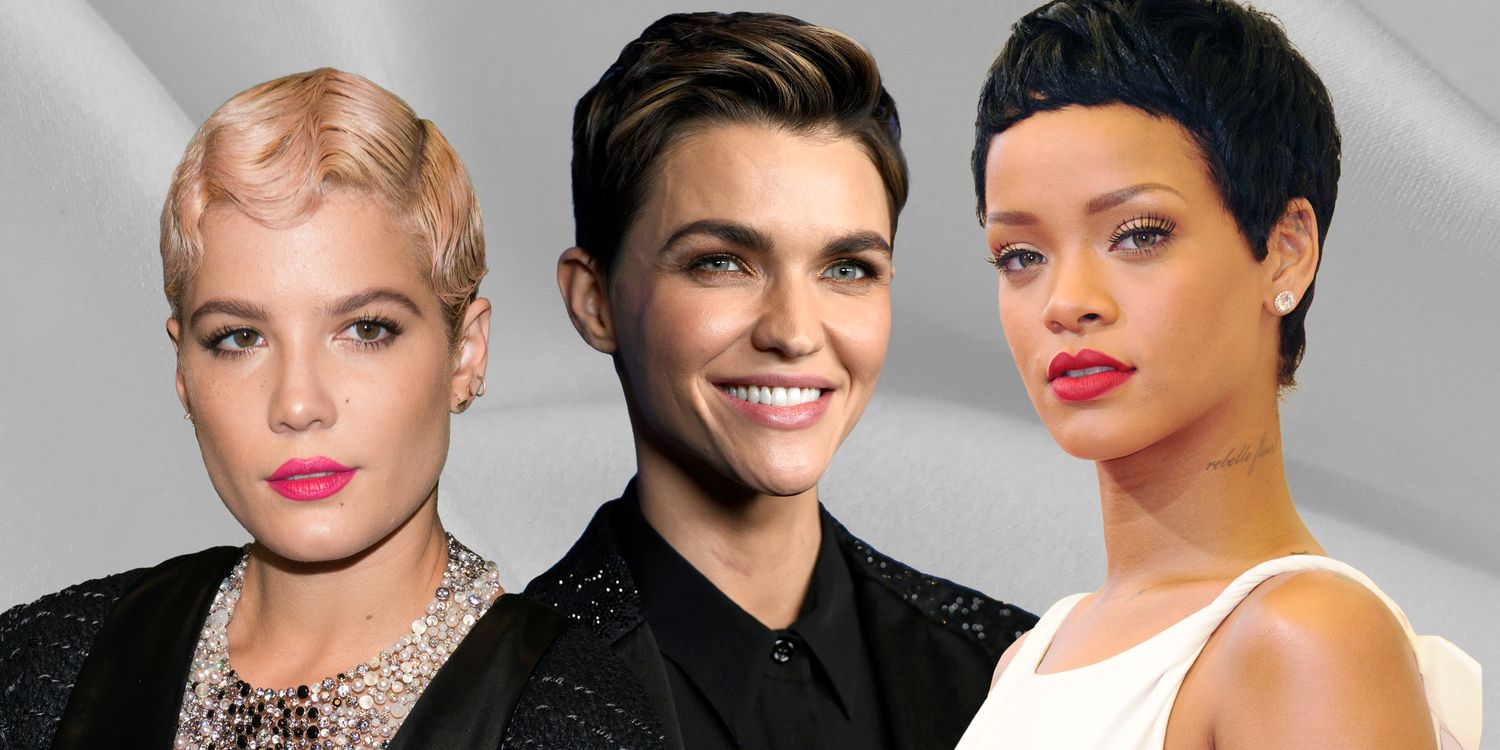
The edgy messy pixie occupies a specific zone that is genuinely different from a standard pixie cut. It is not polished. It is not precise. The texture is deliberate, and the dishevelment is intentional. The whole point is that it looks like it was styled with minimal effort and maximum personality rather than carefully constructed in front of a mirror.
What makes it edgy rather than simply unkempt is the underlying structure. The choppiness needs to be designed into the cut rather than being what happens when a pixie grows out without a trim. A well-cut edgy messy pixie looks intentionally undone. A grown-out pixie just looks like it needs attention. The difference is entirely in the quality of the original cut.
The most important thing to tell your stylist: you want texture built into the cut itself rather than achieved through product alone. Product can enhance texture, but it cannot create structure that the cut does not already provide. The cut does the work. The product just activates it.
1. Classic Edgy Pixie
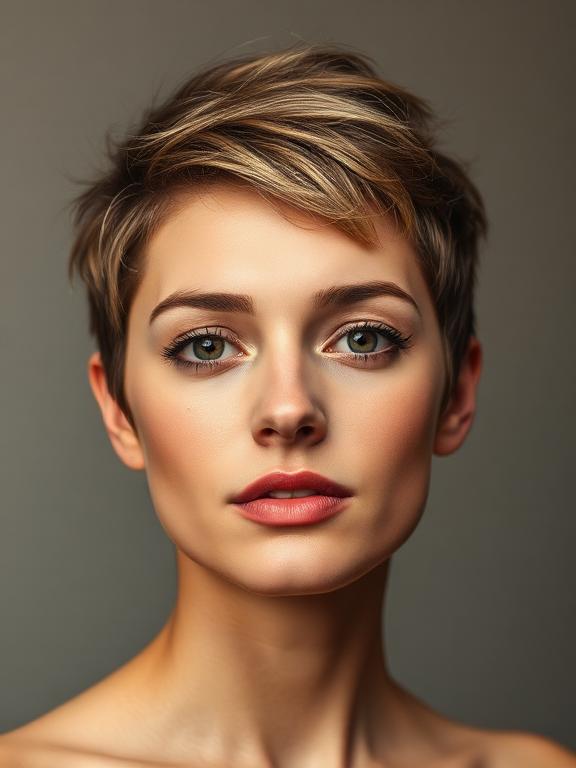
The foundation version. Choppy, visible layers through the crown with close-cropped sides and a slightly longer top section that creates the piecey, textured quality that defines the edgy messy aesthetic. The dishevelment looks deliberate because the layers are placed deliberately.
Rough-dry with fingertips rather than a brush. Apply a small amount of light pomade or texturizing paste through the crown and scrunch upward. The finish should look like considered undone rather than simply undone.
2. Disconnected Edgy Pixie
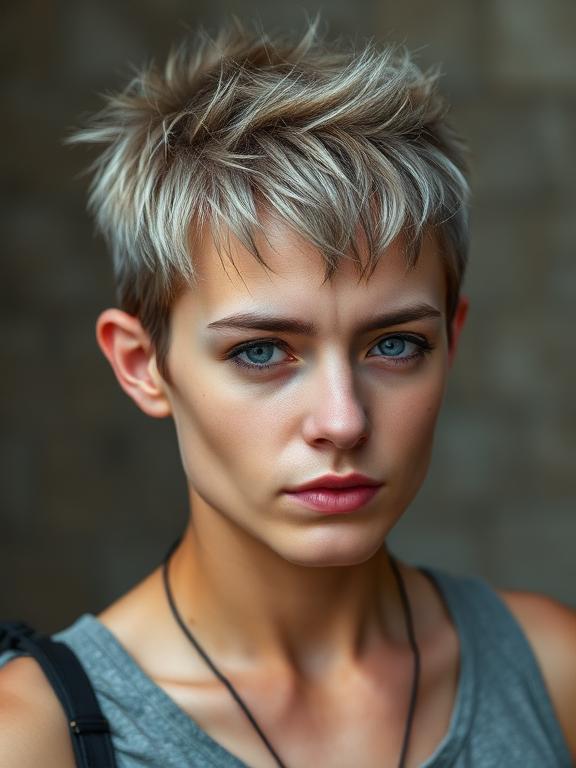
A pixie with a clear, deliberate disconnection between a longer, textured top and very closely cropped sides. The contrast between the two lengths is stark and immediate. The edgy quality comes entirely from the disconnection because the graphic contrast does what density and volume cannot.
Ask for a defined, hard disconnection rather than a gradual blend between the two lengths. The more obvious the length contrast, the more graphic and deliberate the overall style reads. Close sides, significantly longer choppy top. No soft blending between the two.
3. Spiky Textured Pixie
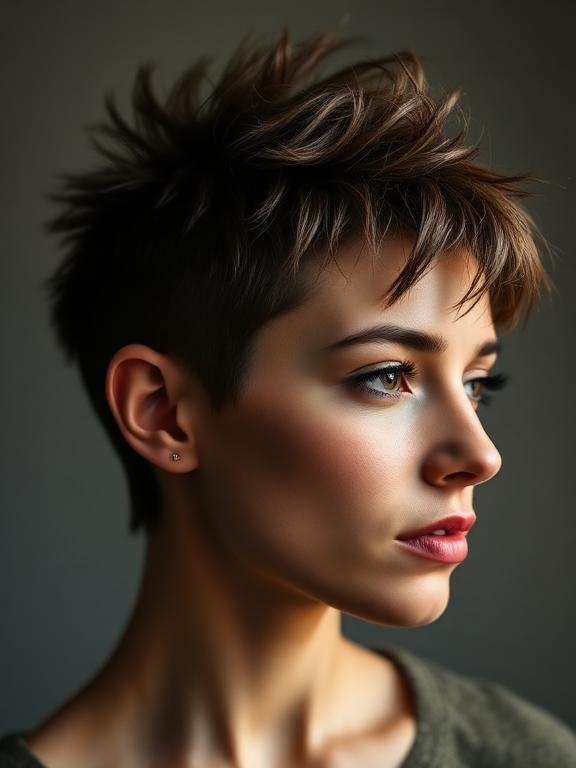
A short pixie styled with deliberately separated, slightly spiky texture through the crown sections. The spikes are not rigid or gel-hardened. They are soft, flexible, piecey spikes created with a light pomade rather than a strong-hold gel. The effect is playful and edgy rather than stiff and dated.
Work a pea-sized amount of light pomade through dry hair at the crown and use fingertips to separate and push sections upward. The key is small, individual sections rather than large clumped spikes. Fine, separated texture reads as edgy. Large clumps read as product overload.
4. Side-Swept Edgy Pixie
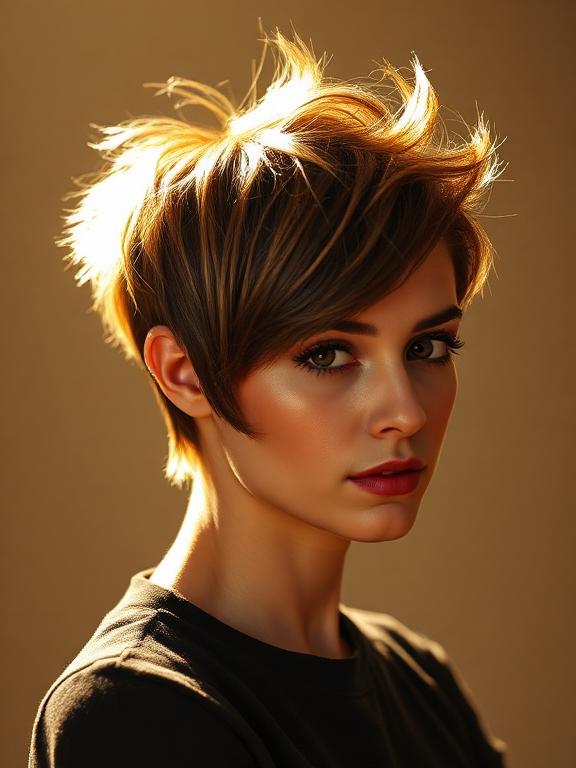
A choppy pixie with the longer top sections deliberately swept to one side, creating asymmetry and direction. The side sweep reads as intentional movement rather than simply a pixie that fell to one side. The edgy quality comes from the combination of the choppy texture and the directional styling working together.
Rough-dry the crown sections first and then use a round brush or fingertips to push the top sections to one side while still slightly damp. A light-hold spray sets the direction without making the hair stiff. The texture should still move when touched.
5. Undercut Messy Pixie
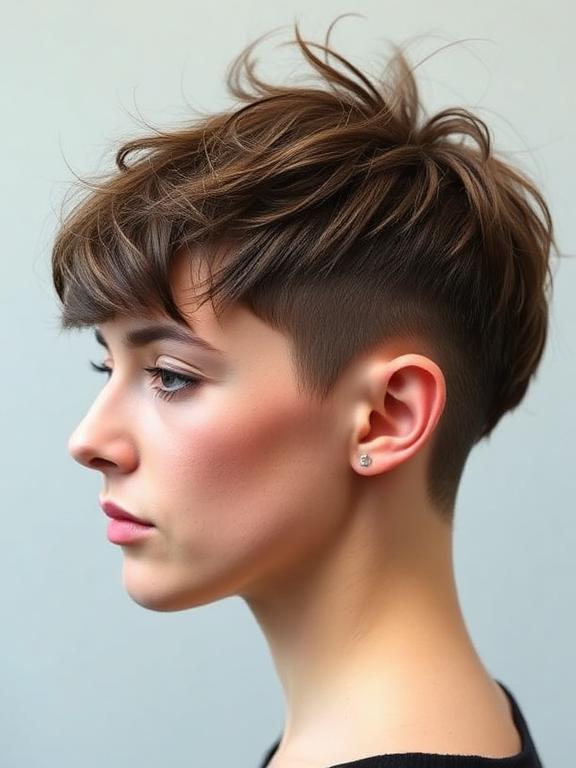
A pixie with a clearly shaved or very closely clipped undercut at the sides and nape combined with a longer, deliberately messy and choppy top section. The contrast between the shaved sides and the messy textured top is immediate and graphic. The undercut is the structural element. The messy top is the personality.
Ask for the undercut to be taken quite short for maximum contrast with the messy top. The more distinct the boundary between the undercut and the choppy top, the more deliberately edgy the overall result reads. This version requires the most frequent maintenance of any on this list.
6. Choppy Fringe Pixie
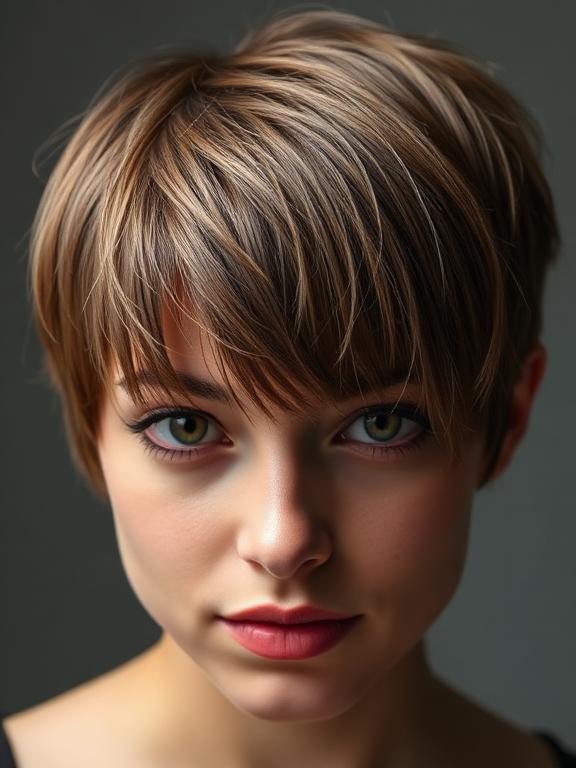
A messy edgy pixie with a deliberately choppy or wispy fringe that falls across the forehead in a broken, slightly irregular way. The fringe is not cut precisely. The deliberate irregularity of the fringe is the whole point. It reads as personal and considered rather than accidentally uneven.
Ask for the fringe to be point-cut rather than blunt-cut. The point cutting creates the irregular, broken edge that suits the edgy aesthetic. A small amount of light pomade through the fringe separates the pieces and prevents them from clumping or going completely flat through the day.
7. Razor-Cut Edgy Pixie
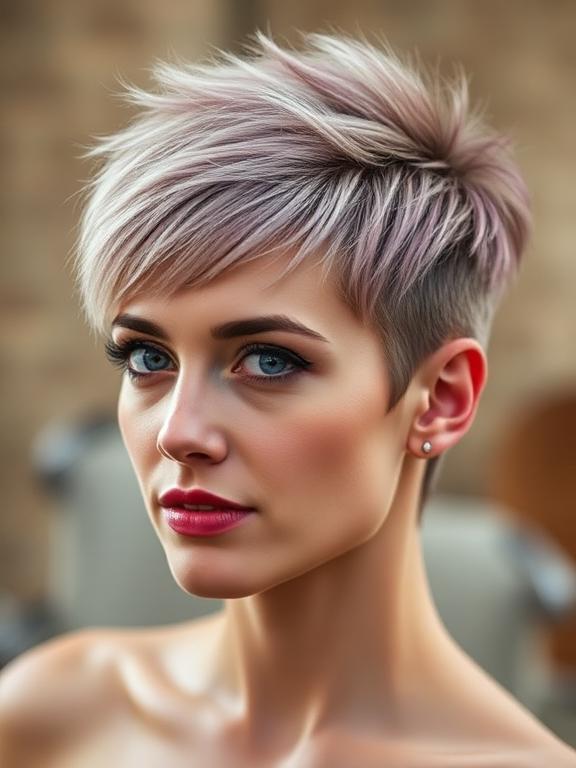
A pixie where the texture comes entirely from razor cutting rather than scissor cutting. The razor creates a softer, more diffused texture than scissors produce but with a specific raw, organic quality that suits the edgy messy aesthetic particularly well. The finish looks intentionally rough at the edges in a way that scissor-cut pixies do not.
Ask specifically for razor cutting throughout rather than point cutting or standard scissor layering. The razor finish needs to be maintained slightly more frequently than scissor-cut styles because the very fine tips the razor creates can become slightly fragile over time.
8. Mohawk-Inspired Messy Pixie
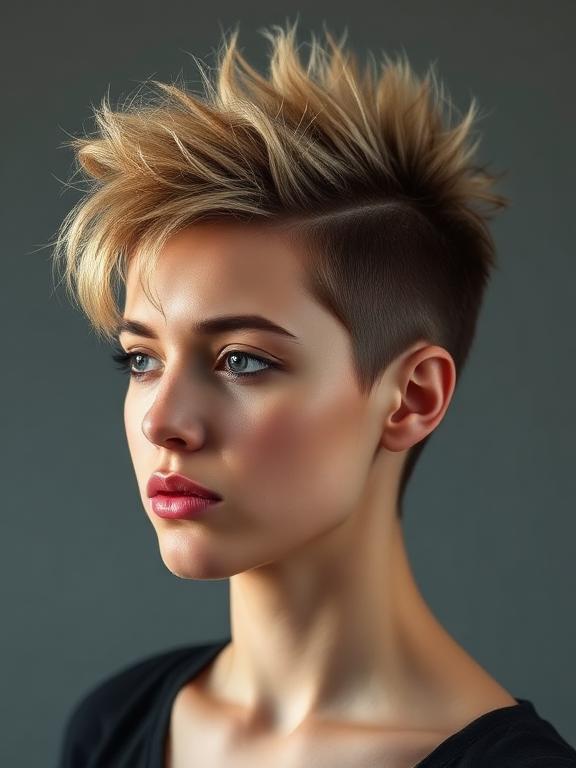
A pixie with very close sides and a longer, fuller section running from the forehead to the crown in a mohawk-inspired line. The longer central section is deliberately messy and textured rather than styled into a precise mohawk strip. The messiness makes it wearable and personal rather than theatrical.
Ask for the sides to be closely tapered rather than fully shaved for the most wearable everyday version. The central section should be long enough to have visible choppy texture when styled. A texturizing paste through the central section creates the messy, piecey quality.
9. Piecey Crop
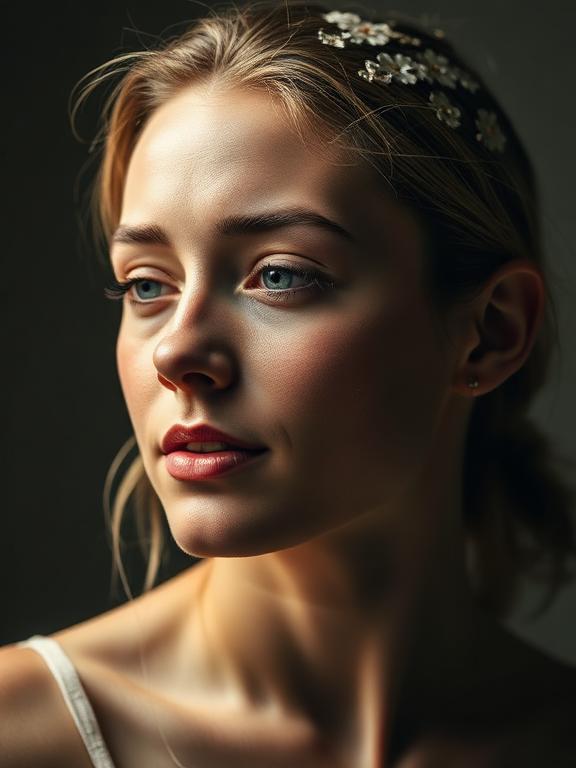
A very short crop with piecey, separated texture through the crown created through a combination of deliberate choppy layering and light product. Each piece of texture is individually visible, and the overall effect is deliberately fragmentary rather than unified. The pieciness is the style.
Work a very small amount of texturizing paste through completely dry hair at the crown and use fingertips to separate individual sections. Less product is better here. Too much product and the pieces clump together. Barely enough product and the individual pieces stay separated and light.
10. Tousled Messy Pixie
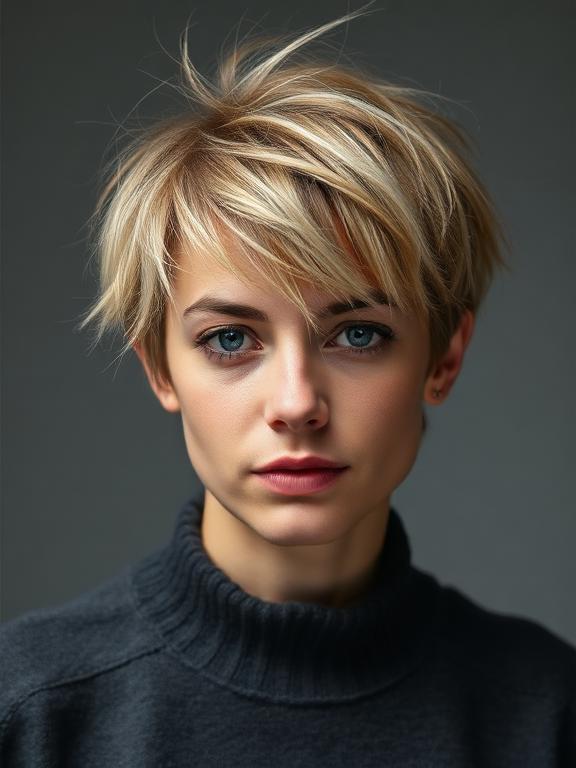
A longer version of the messy pixie that sits between a standard pixie length and a pixie bob. The extra length creates more opportunity for the messy, tousled quality to show through. The tousled finish looks like the hair has been slept in and then very casually styled rather than intentionally disheveled.
Rough-dry entirely with fingertips rather than a brush. Apply a salt spray to damp hair before drying to create the natural, tousled texture rather than a product-heavy finish. The salt spray adds the grip and separation that the tousled look needs without looking or feeling like obvious product.
11. Asymmetric Edgy Pixie
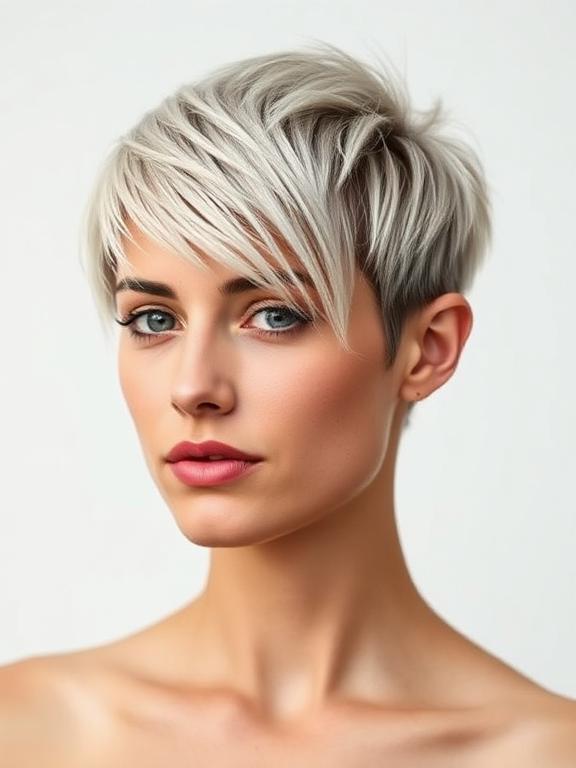
A pixie with deliberate asymmetry where one side is significantly shorter than the other. The length difference creates a strong diagonal line across the head that reads as immediately bold and graphic. The messiness and choppiness run through the longer section while the shorter side stays close and clean.
Ask for a clear, obvious length difference between the two sides rather than a subtle variation that reads as an uneven haircut. The asymmetry should be unmistakably intentional. The choppy texture through the longer section and the clean, close shorter side create a style with strong visual direction.
12. Textured Crown Edgy Pixie
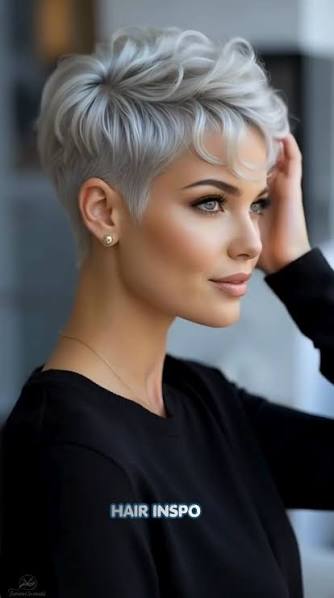
A pixie that concentrates all the choppy, messy texture specifically through the crown while the sides and nape stay very close and clean. The crown is the entire visual statement. Everything else in the cut serves as a clean backdrop for the textured crown to read against.
Ask for crown layers placed in a deliberately irregular pattern rather than even, graduated layers. The irregularity of the placement creates the messy quality. A root spray before rough drying activates the lift. A light pomade through the crown after drying separates and defines the texture.
13. Color-Enhanced Edgy Pixie
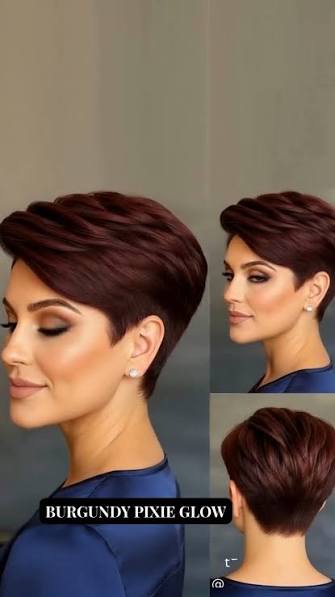
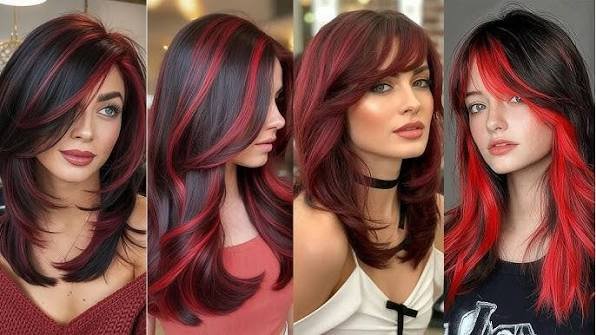
An edgy messy pixie where a bold or unexpected color, vivid copper, deep burgundy, platinum blonde, or fashion color, amplifies the edgy quality of the cut. The color and the cut work together to create a result where neither element needs to do all the work alone. The cut provides the structure and the color provides the personality.
The color choice should complement the skin tone rather than simply being bold. A vivid color on the wrong skin tone fights against the overall look rather than enhancing it. Consult a colorist who understands both the cutting and coloring implications of the specific color direction.
14. Grown-Out Edgy Pixie
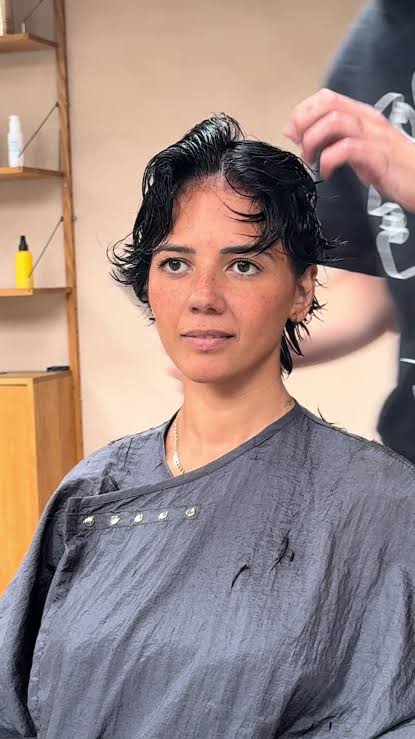
A pixie that is deliberately allowed to grow slightly past its original length so the layers and sections are at slightly varying stages of growth. The grown-out quality creates a natural, organic messiness that product and styling cannot fully replicate. It looks effortlessly unkempt because it genuinely is.
The key to making a grown-out pixie look intentional rather than neglected is maintaining the outline. A precise, fresh outline at the hairline, nape, and around the ears tells the viewer that the messiness on top is a choice rather than neglect. The outline is the only maintenance this version needs regularly.
15. Grunge Pixie
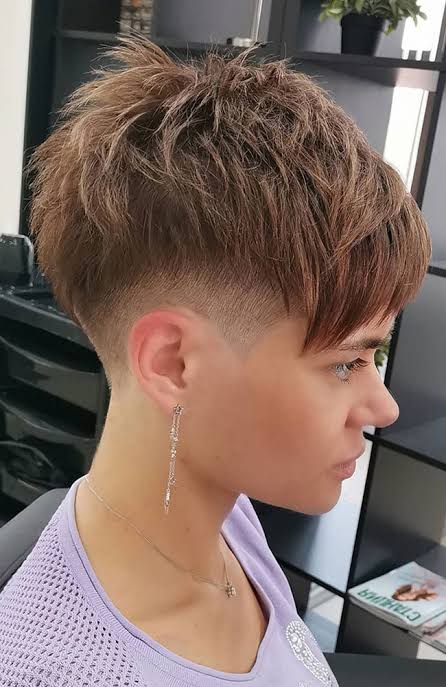
A messy pixie with maximally choppy, piecey, slightly rough texture that references the grunge aesthetic. The layers are visible, the texture is raw, and the overall impression is deliberately anti-polished. This is the furthest from a standard pixie on this list and the most committed version of the edgy messy aesthetic.
Style with a matte finish pomade or clay rather than a shiny product. The matte finish suits the grunge aesthetic far better than shine. Work the product through dry hair and use fingertips to push sections in conflicting directions rather than one consistent direction. The intentional conflict of directions is what creates the grunge quality.
16. Soft Edgy Pixie
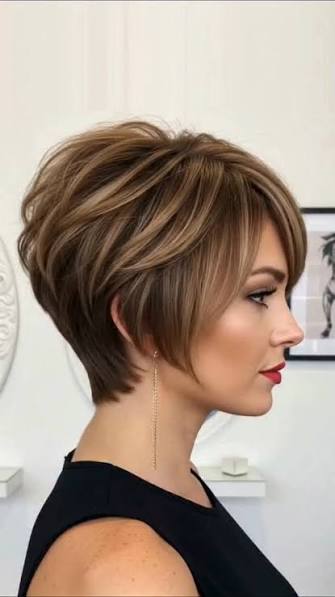
A slightly softer version of the edgy messy pixie where the choppiness is present but the texture is more diffused, and the overall impression is relaxed and personal rather than aggressively edgy. For women who want the character of an edgy pixie without the full commitment to boldness, this is the most wearable everyday version.
Ask for softer, more feathered choppy layering rather than hard, disconnected layers. The texture is real, but the edges are less aggressive. A lightweight mousse before air drying creates the relaxed, natural finish rather than a product-defined texture.
17. Bedhead Pixie
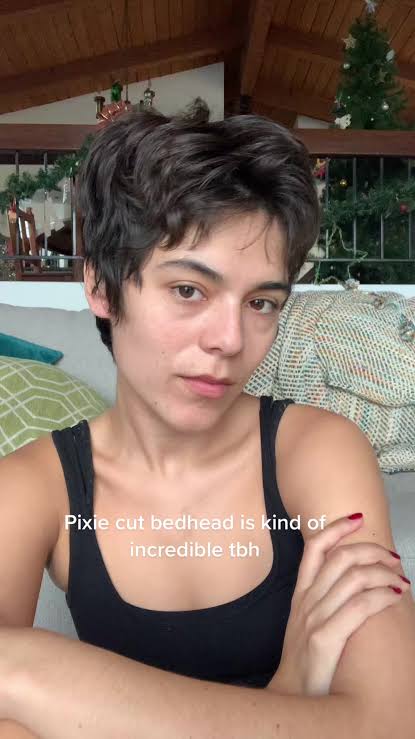
A messy pixie styled to look as though it has been slept on and then touched minimally before leaving the house. The bedhead quality is the style, and the cut needs to support that quality naturally rather than needing to be deliberately created every morning.
Ask for the cut shaped around the natural behavior of the hair when it dries without manipulation. The more the natural hair behavior creates the bedhead quality, the more consistently this style looks good every day. A small amount of texturizing spray through dry hair in the morning is the entire routine.
18. Edgy Pixie with Defined Edges
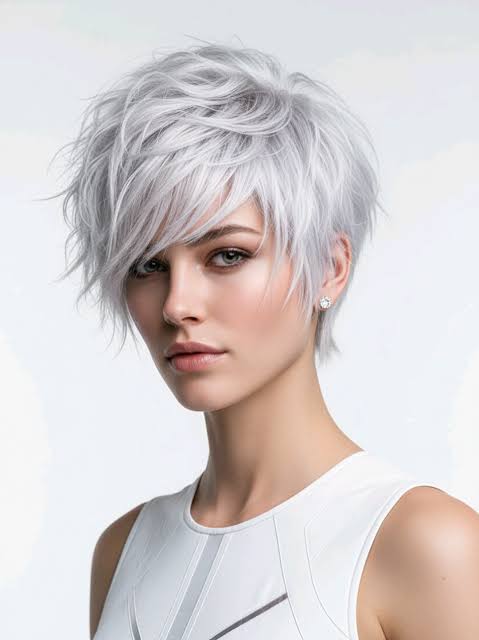
An edgy, messy, choppy pixie combined with very clean, precisely defined edges at the hairline and around the ears. The contrast between the deliberate mess on top and the crisp precision at the border is the entire design of this style. The two extremes of finish, maximum messiness and maximum precision, in the same haircut.
The edge definition needs freshening every one to two weeks to maintain the contrast that makes this version work. A soft hold edge control applied along the hairline maintains the definition between barber appointments. Without the precise edges, the messy top just looks unkempt.
19. Natural Texture Edgy Pixie
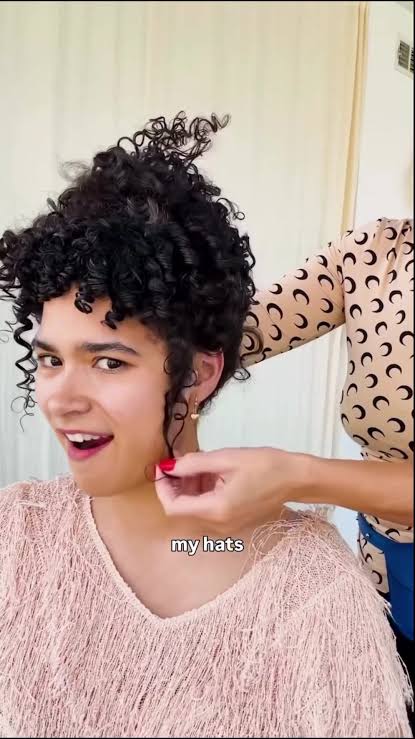
A messy edgy pixie shaped specifically around the natural texture of the hair, whether that is a slight wave, a subtle curl, or simply the specific direction the hair falls when left alone. The natural texture provides the organic messiness, and the choppy cut amplifies it. The result looks effortless because it genuinely is.
Ask for the pixie shaped and finished to show how the hair naturally dries without any heat or product manipulation. A salt spray scrunched into damp hair and then left completely alone to air dry is the whole routine. The cut and the natural texture do everything else.
FAQs
How do I stop an edgy messy pixie looking unkempt rather than intentional?
The outline. A precise, maintained outline at the hairline, around the ears, and at the nape is what separates deliberate edgy messiness from simply neglected hair. Keep the outline fresh with regular trims every three to four weeks. The messiness on top looks intentional when the border around it is clean and precise.
What products work best for an edgy messy pixie?
Matte-finish products suit this style best. A light pomade, a texturizing paste, a matte clay, or a salt spray all create texture without adding the shine that undermines the raw, edgy quality. Avoid glossy or wet-look products that make the messy texture look like a product accident rather than a deliberate aesthetic choice.
How often does an edgy messy pixie need trimming?
Every four to five weeks for most versions. The choppy layers grow out at different rates, which means the texture starts to lose its deliberate quality relatively quickly. Versions with a shaved or very close undercut need freshening every two to three weeks to maintain the contrast between the shaved sections and the textured top.
Wrapping Up
The edgy messy pixie is one of the most personally expressive short styles available because the texture, the structure, and the finish can be calibrated to suit a huge range of aesthetics from slightly undone to fully grunge. The common thread is intentionality. The messiness is always chosen.
Find a stylist whose portfolio shows genuine edgy textured cuts rather than polished, precise pixies. Those are two very different skills. Show reference photos of the specific texture level you want. Tell them the cut needs to create the texture, not just the product. That conversation produces the right result.