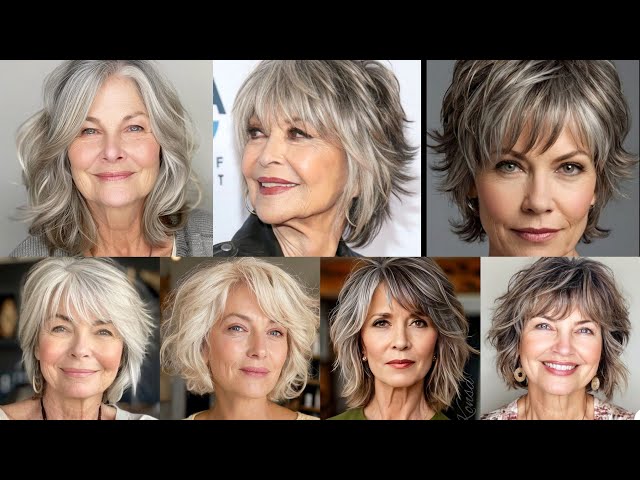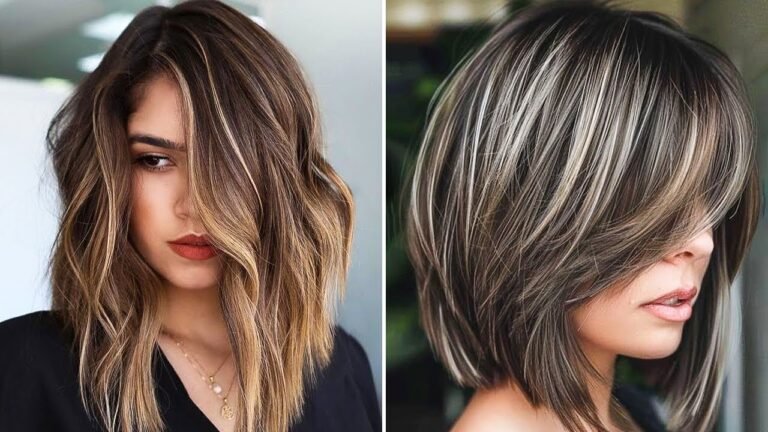
19 Chin-Length Hairstyles for Thin Fine Hair
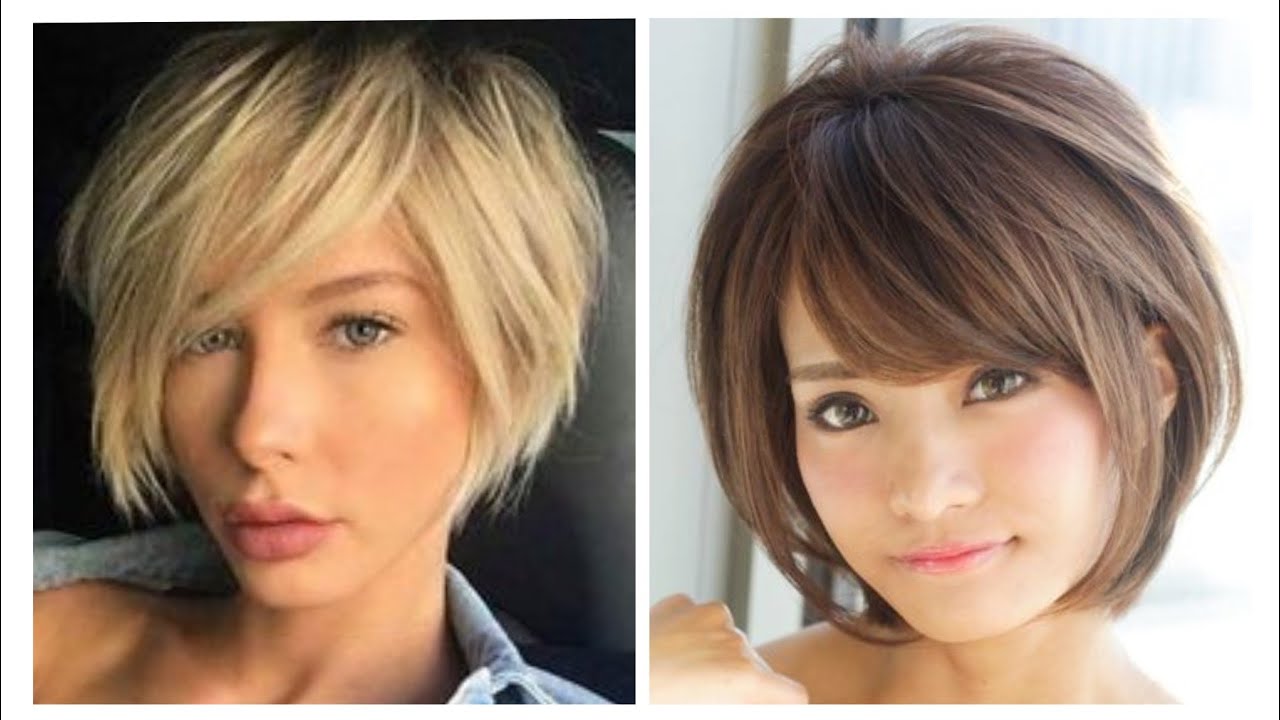
Fine hair and chin length are genuinely one of the best combinations in hair. That length sits right at the point where thin hair looks its fullest, moves the most, and needs the least product to behave. If you’ve been wondering whether to cut it, this is your sign.
The one thing that makes or breaks fine hair at this length is the cut itself. A blunt or slightly bevelled edge at the chin adds instant visual weight. Ask your stylist for that before anything else.
1. Classic Blunt Bob
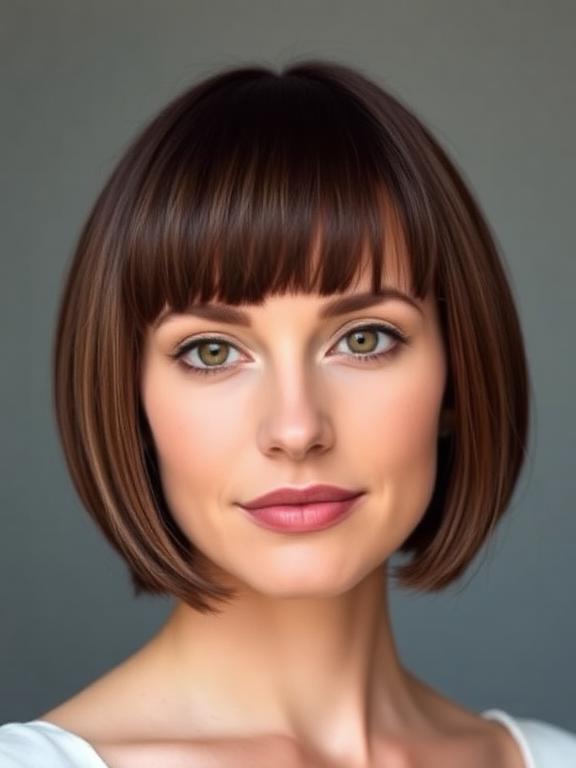
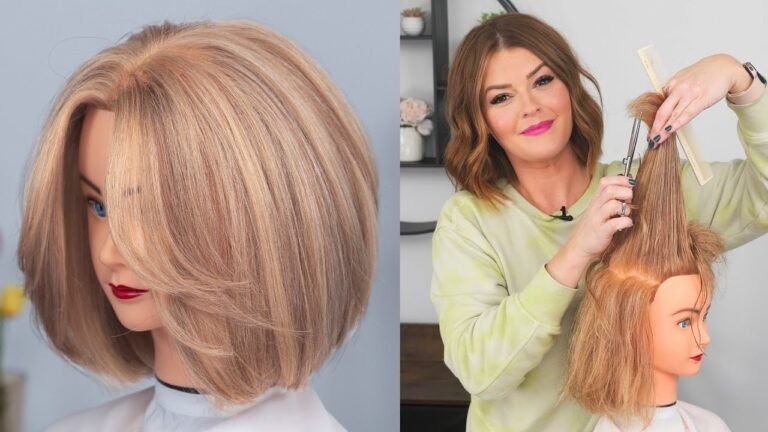
A blunt bob is the single most effective cut for making fine hair look thicker than it actually is. The straight, even edge across the bottom creates a visual density that layered or wispy ends simply can’t match. On thin hair, this one technical choice does more work than any volumising product.
Ask your stylist for a one-length blunt cut with a very slight internal bevel to keep the ends from flicking outward. Blow dry with a round brush pulling downward at the ends to lock in that clean, weighty finish.
2. Textured Choppy Bob
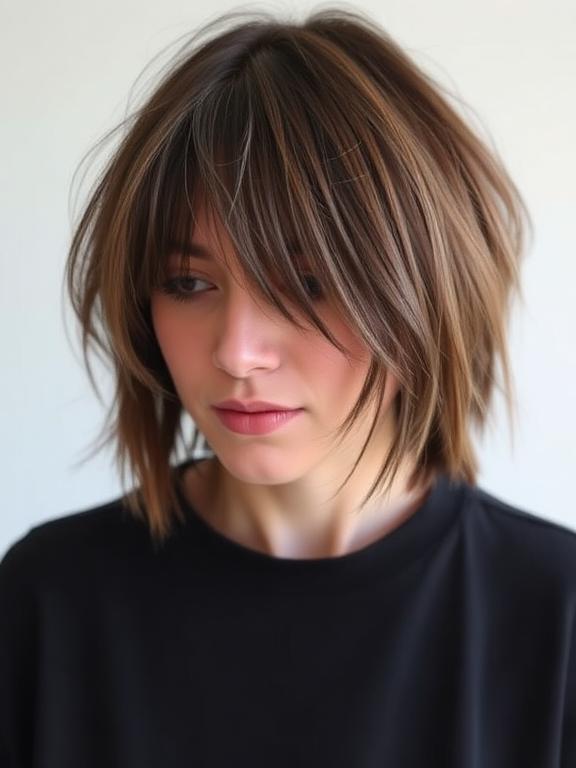
A choppy bob adds movement and dimension to fine hair without sacrificing volume. The disconnected, piecy ends create the illusion of thickness by giving each section its own direction and weight. It reads effortless rather than overdone, which is exactly the energy fine hair needs.
Work a lightweight texturising paste through the ends on dry hair after styling. Just a small amount through the tips is enough to define the choppiness without flattening anything.
3. Curtain Bangs Bob
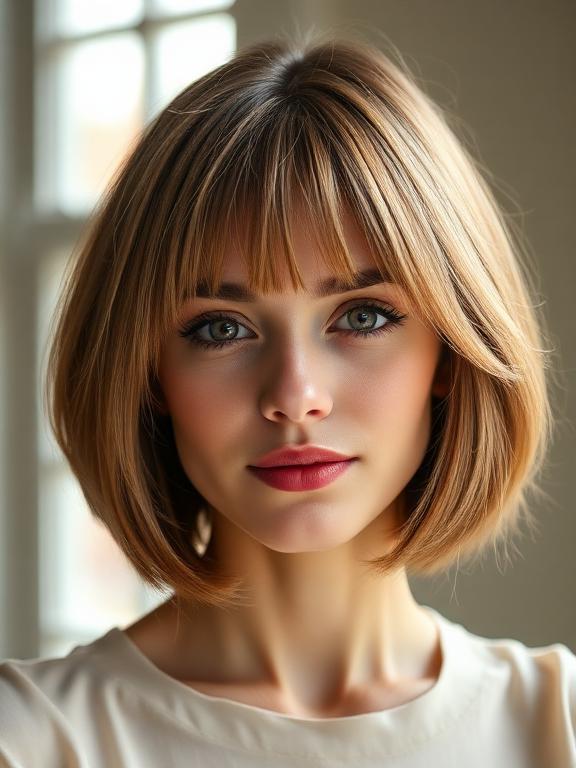
Curtain bangs split at the centre and sweep softly to each side, and on a chin-length cut they frame the face in a way that feels current without being high maintenance. For fine hair specifically, the bangs add a layer of visual interest at the front that draws attention away from the thinness of the overall hair.
Blow dry the bangs in two directions using a round brush, sweeping each side away from the centre. A tiny amount of light-hold pomade through the tips keeps them from going flat mid-day.
4. Soft Layered Lob
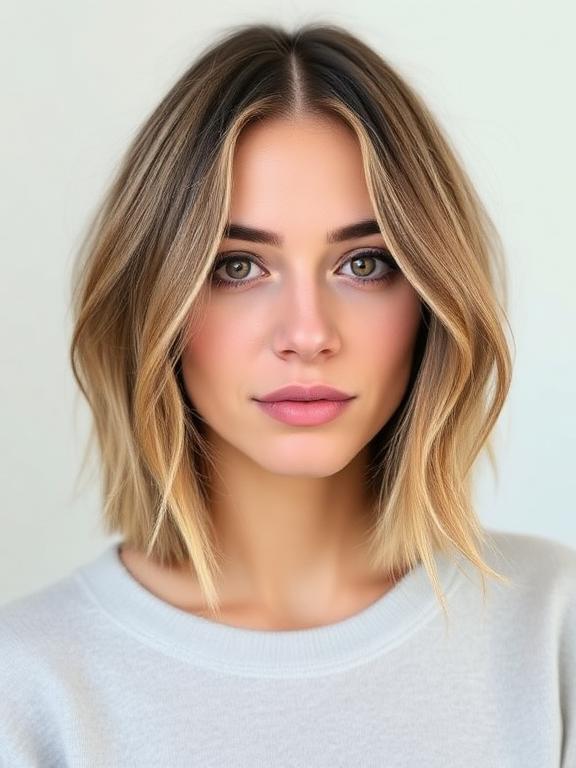
A lob with soft, face-framing layers gives fine hair movement without removing too much weight from the ends. The key is keeping the layers long and subtle rather than short and choppy. Heavy layering removes too much bulk from fine hair and leaves it looking thin rather than textured.
Tell your stylist you want minimal internal layering with most of the movement coming from the face-framing sections only. That targeted approach adds shape without stripping the weight fine hair needs at the bottom.
5. Side-Parted Sleek Bob
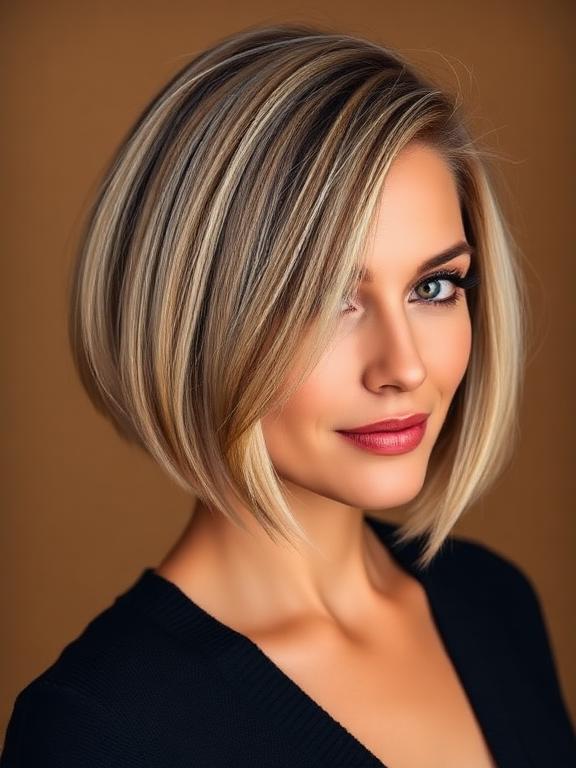
A deep side part on a sleek chin-length bob creates asymmetry and volume at the same time. The heavier side of the part naturally lifts away from the scalp, giving fine hair a visual boost without any special product or technique. It’s one of the simplest ways to make thin hair look immediately fuller.
Blow dry with your head tipped slightly to the opposite side of your part to build root lift right from the start. Finish with a light-hold hairspray to keep the part from migrating back to centre throughout the day.
6. Wavy Bob With Volume
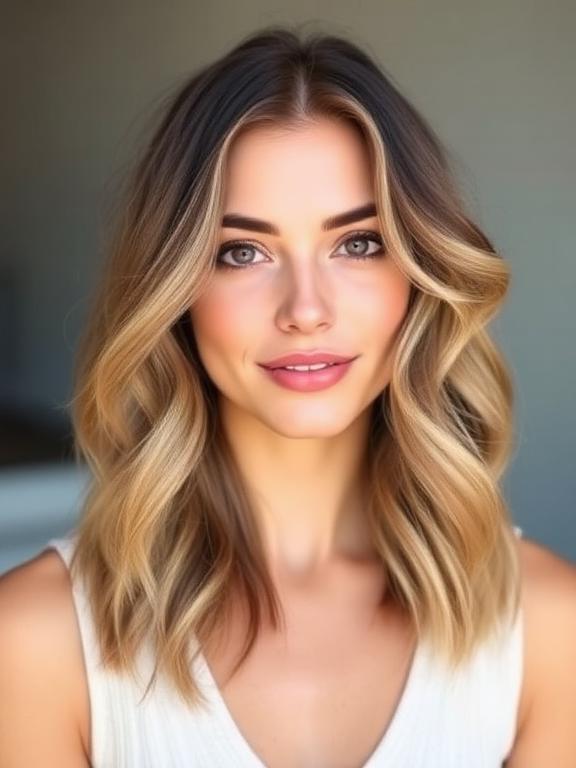
Loose, soft waves at chin length add body and texture to fine hair in a way that straight styles rarely achieve. The waves create bends along the hair shaft that make individual strands appear thicker, and the overall style appear fuller. Even one pass with a medium-barrel curling wand makes a noticeable difference.
Wrap sections loosely around the barrel and release without brushing out. Run your fingers through lightly once everything has cooled. Finger separation rather than a brush keeps the waves soft and voluminous instead of combed flat.
7. Bevelled Under-Curl Bob
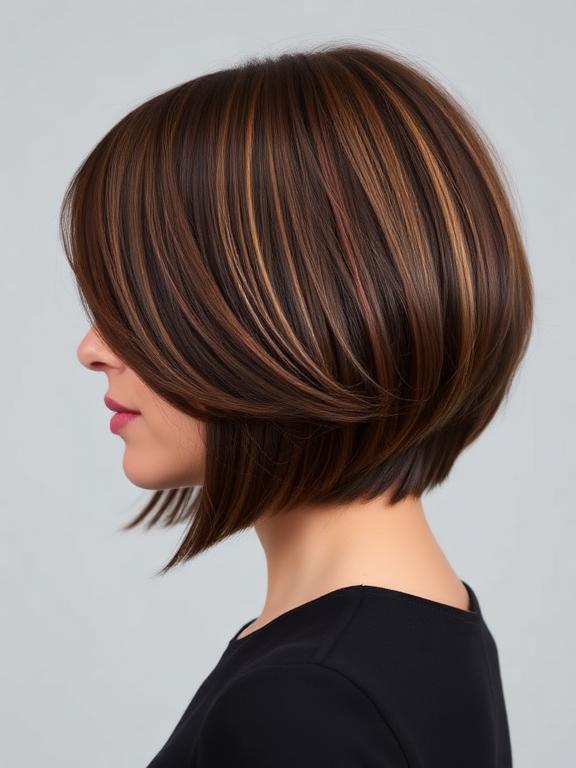
A bevelled bob curls the ends under slightly rather than sitting flat, which adds a rounded, full silhouette at the chin. On fine hair this subtle curve at the bottom makes the cut look intentionally voluminous and polished rather than flat and shapeless. It’s a technique-driven style that does most of its work during the blow dry.
Use a large round brush to roll the ends under during your blow dry, holding the heat for a few seconds before releasing. A medium-hold setting spray applied before you dry locks in the curve significantly longer.
8. Bob With Invisible Layers
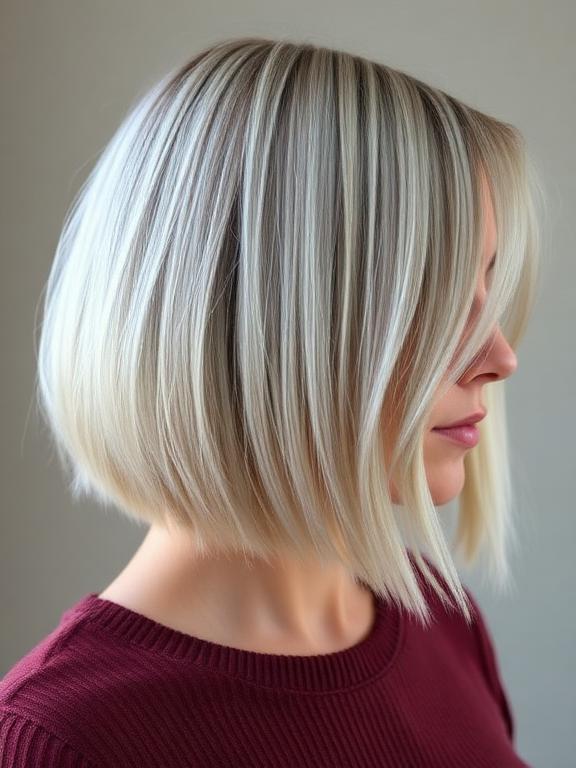
Invisible layering is exactly what fine hair needs when it wants movement without losing density. Unlike standard layers that remove bulk visibly, invisible layers are cut underneath the surface of the hair, so the outside still looks full while the interior has enough movement to avoid looking flat and heavy.
This technique works best when explained to your stylist in those exact words. Ask for point cutting underneath rather than slicing through the top sections. The difference in the result is significant.
9. Tousled Textured Bob
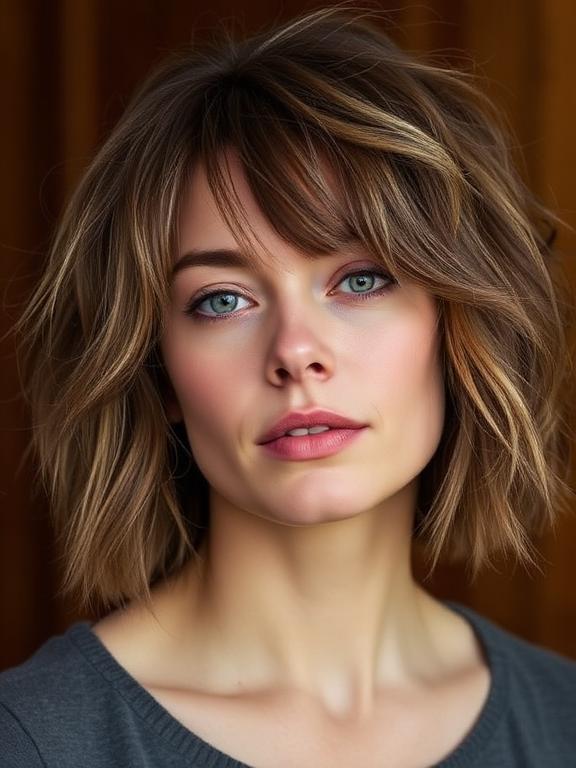
A tousled bob looks deliberately undone in the best way. It works particularly well for fine hair because the slightly dishevelled texture creates visual bulk that smooth, polished styles can’t replicate. This is also one of the most forgiving styles on the list because it genuinely looks better with a little natural movement and imperfection.
Scrunch a volumising mousse into damp hair before blow drying with a diffuser on low heat. Avoid touching it too much while it dries. The less you manipulate it, the better the tousled texture holds.
10. Asymmetrical Bob
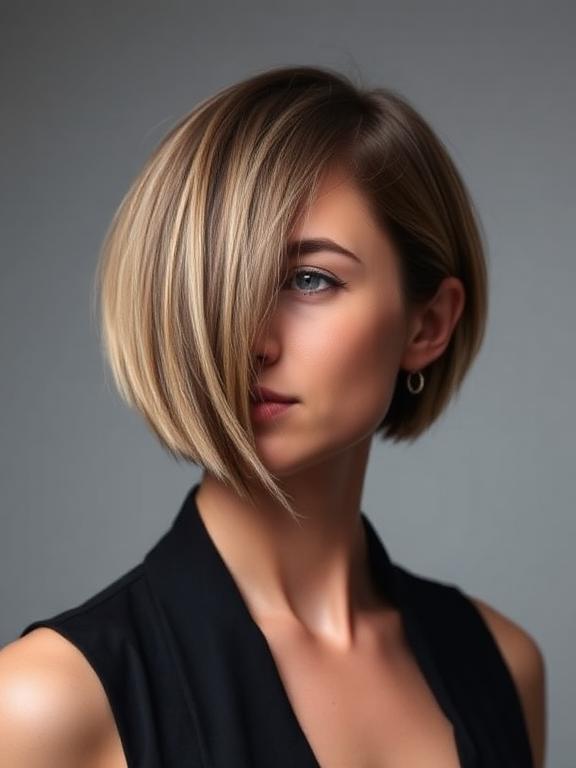
An asymmetrical bob with one side slightly longer than the other creates movement, visual interest, and the appearance of more hair all at once. The diagonal line of the cut draws the eye across the head rather than down, which is one of the most effective optical tricks for making thin hair look denser.
Go for a difference of one to two inches between the two sides. Anything more dramatic can feel costume-like rather than stylish. Blow dry the longer side smooth and let the shorter side have slightly more texture for contrast.
11. Centre-Part Sleek Bob
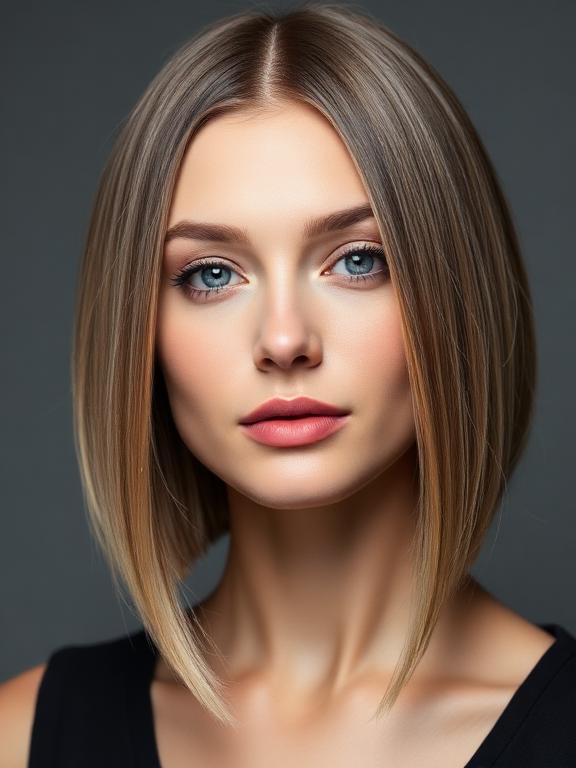
A clean centre part on a chin-length bob is simple, modern, and incredibly flattering on fine hair when the cut is precise. The symmetry of the centre part draws attention to the face and the clean edges of the cut rather than the density of the hair. It’s a minimalist approach that works because of the quality of the cut, not in spite of it.
Blow dry in sections using a paddle brush to get each side as smooth and polished as possible. Finish with a shine serum on the surface only, not worked through the roots, to add gloss without any weight.
12. Blunt Bob With Face Framing
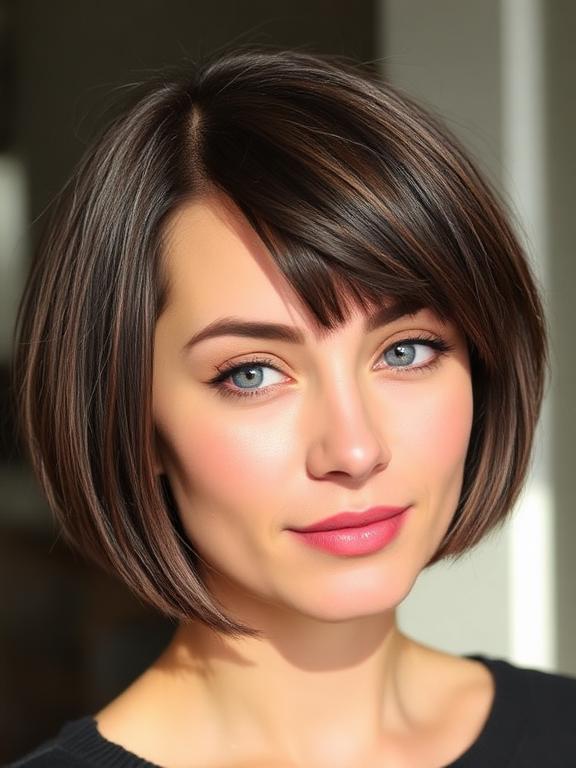
A blunt base with two or three face-framing layers added at the front is the best of both worlds for fine hair. The blunt perimeter keeps the density intact while the front layers give you movement and softness near the face. It avoids the flatness of a fully one-length cut without going far enough to thin the hair out.
Ask for face-framing layers that start at the cheekbone or below. Layers that start too high near the temple remove too much weight from the top where fine hair needs it most.
13. Bob With Side Swept Bangs
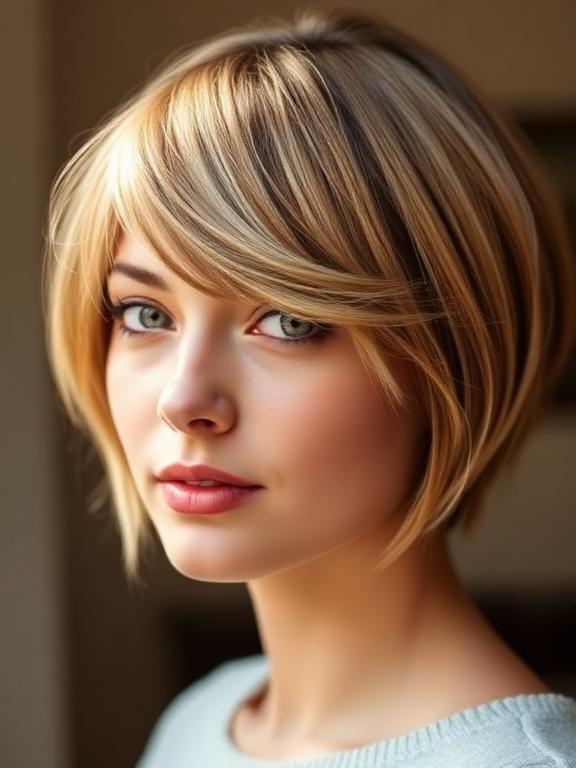
Side swept bangs on a chin-length bob add a section of hair that constantly moves, catches light, and creates dimension across the forehead. For fine hair that can look sparse around the hairline, this is a genuinely practical solution that also happens to be very flattering on most face shapes.
Blow dry the bangs across the face using a small round brush, sweeping in one consistent direction. Set with a light-hold spray immediately after drying while they’re still warm. Doing this while warm is what makes the sweep hold through the day.
14. Feathered Chin-Length Cut
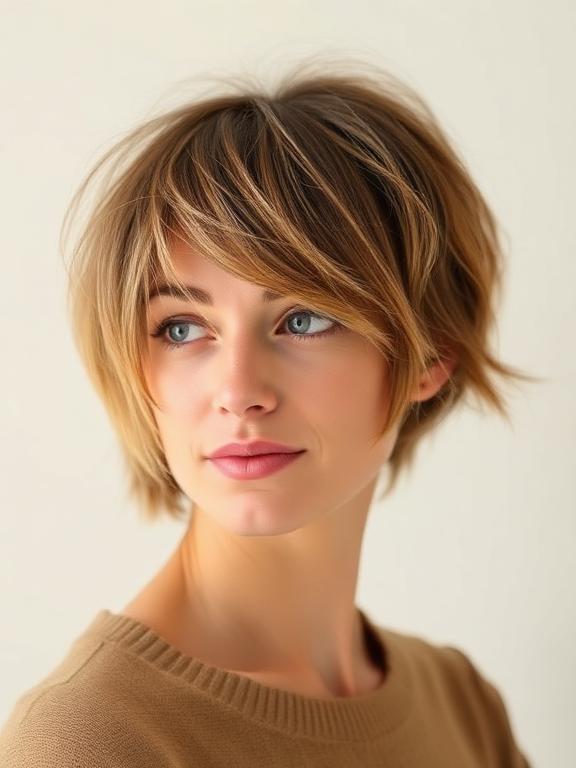
Feathering adds soft, wispy movement to the ends and around the face without the bluntness of a classic bob. On fine hair it creates a gentle, airy texture that looks naturally full rather than deliberately styled. It’s a softer alternative for anyone who finds blunt bobs too structured or harsh for their face shape.
Ask your stylist to use shear-over-comb feathering specifically at the ends rather than razor cutting. Razor cuts on fine hair can make ends look even thinner and more wispy than they already are. Shear feathering creates a softer result with more control.
15. Chin-Length Cut With Curtain Part
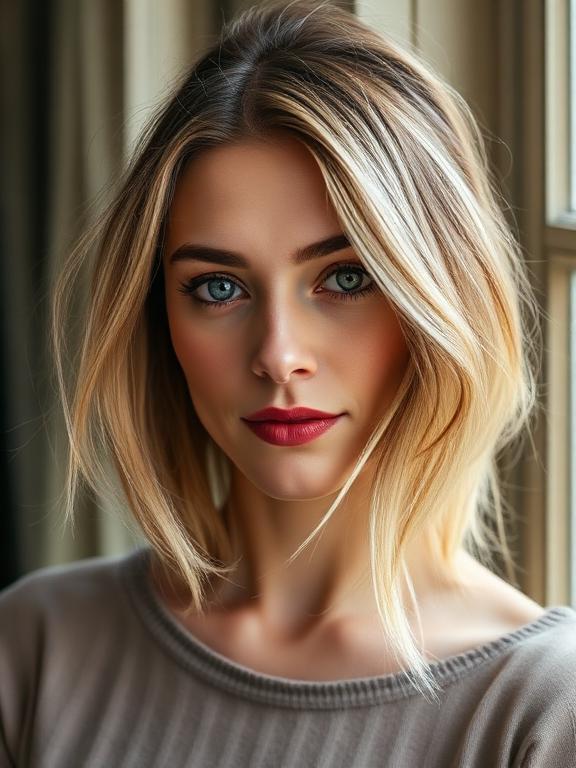
A curtain part, where the hair is parted down the centre with a soft, slightly undone divide rather than a sharp line, gives a chin-length cut a relaxed and current feel. On fine hair the gentle volume created on either side of the part looks natural and effortless rather than constructed.
Create the curtain part while hair is still slightly damp and push each side away from centre with your fingers before blow drying. Setting the part while the hair is damp means it holds its direction far better than trying to force it into place on dry hair.
16. Grown-Out Bob With Texture

A chin-length cut that looks slightly grown out, with a bit of natural texture and movement, is one of the most flattering low-maintenance options for fine hair. The slight irregularity of a grown-out edge actually adds character and depth to thin hair that a perfectly precise cut sometimes lacks.
Avoid trimming too frequently if you love this look. Every eight to ten weeks is enough to keep the shape without losing the intentionally relaxed feel. Use a dry texturising spray at the roots between washes to maintain the volume.
17. Sleek Blowout Bob
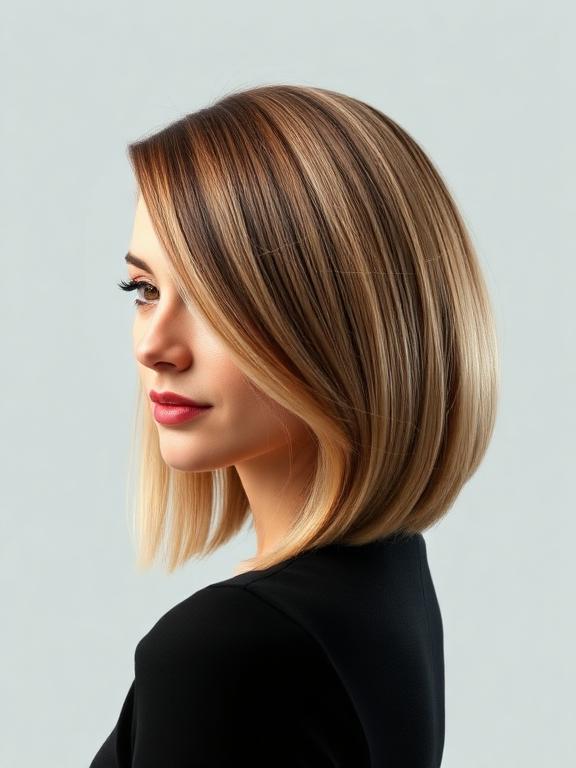
A sleek, voluminous blowout on a chin-length cut is a classic for a reason. The combination of lift at the roots and smooth, rounded ends creates a silhouette that makes fine hair look noticeably thicker and healthier. It’s the hairstyle equivalent of a confidence boost, and it photographs beautifully.
Apply a volumising root spray before blow drying and flip your head upside down for the first two minutes of drying. That early root lift is nearly impossible to recreate once the hair has already been dried flat. Finish with a light-hold flexible spray rather than anything stiff.
18. Bob With Highlights For Dimension
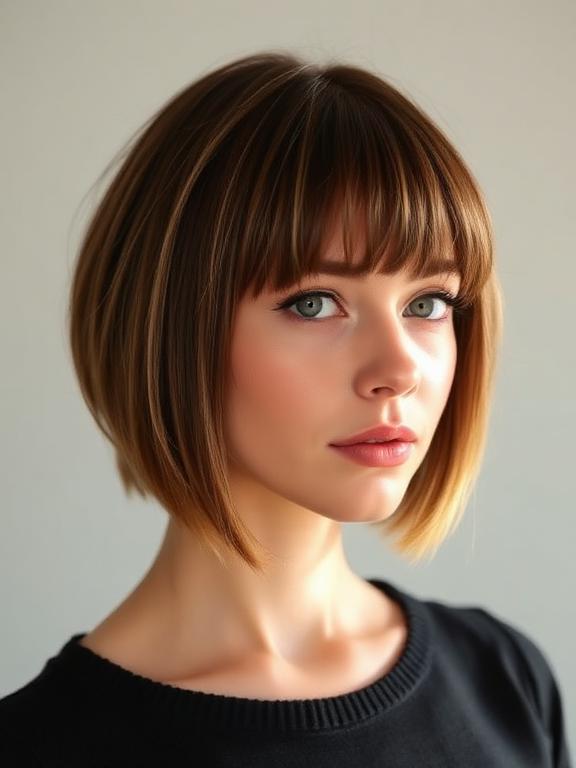
Strategic highlights through a chin-length cut create the optical illusion of thickness and depth. When different sections of hair reflect light differently, the eye reads that variation as fullness and density rather than thinness. Colour is genuinely one of the most underused tools for making fine hair look more substantial.
Ask for fine, closely placed highlights rather than chunky sections. The goal is for the highlights to blend rather than contrast. A balayage or babylight technique distributed evenly through the cut adds the most natural, dimensional result for fine hair.
19. Undone Bixie Cut
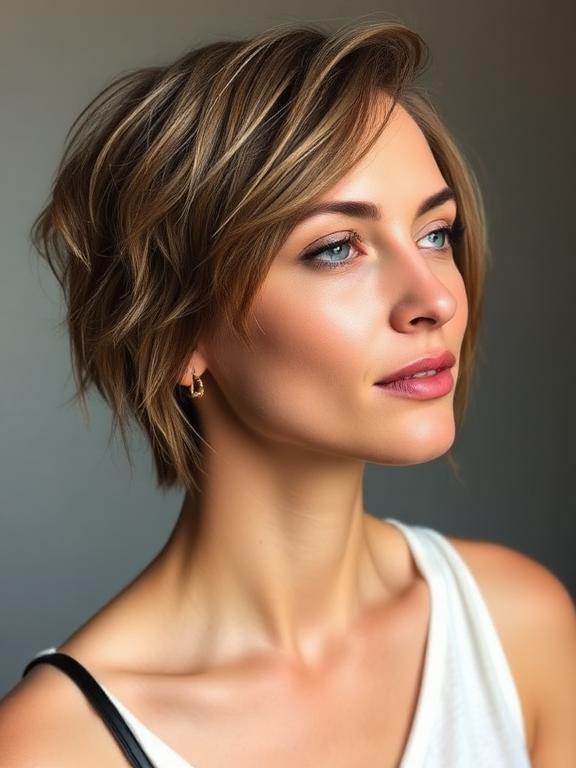
A bixie sits between a bob and a pixie, slightly shorter than a traditional chin-length cut but with enough length to still move and style in multiple directions. On fine hair the reduced length means less weight pulling the hair flat, so you naturally get more lift and body without any extra effort. It’s the boldest option on this list but one of the most rewarding for genuinely thin hair.
Go for piece-y, textured ends rather than a clean blunt finish on a bixie. The texture is what gives this cut its personality. A matte texturising clay worked through the ends on dry hair is all you need to define the style each morning.
FAQs
What is the best bob length for thin fine hair?
Chin length is genuinely one of the most flattering options because it sits where fine hair naturally has the most body and movement. Longer cuts let gravity pull fine hair flat. Shorter cuts can look sparse if the density isn’t there. Chin length hits the sweet spot for most people with thin hair.
Should fine hair be layered or kept one length?
It depends on the look you want. A one-length blunt cut adds the most visual density. Soft, minimal layers add movement without removing too much bulk. Heavy layering is the one approach to avoid since it removes weight that fine hair can’t afford to lose.
How often should fine hair be trimmed?
Every six to eight weeks is ideal for maintaining a chin-length cut on fine hair. Fine hair tends to show split ends and loss of shape faster than thicker hair, and a clean edge is what keeps the cut looking full and intentional rather than grown out and scraggly.
What products work best for fine hair volume?
A volumising mousse or root spray applied before blow drying is the most effective starting point. Avoid heavy oils, thick creams, or anything labelled “nourishing” near the roots since these flatten fine hair fast. Keep anything with weight to the mid-lengths and ends only.
Wrapping Up
Chin-length hair genuinely suits fine hair better than almost any other length. The styles on this list range from structured and sleek to soft and undone, so there’s a version here no matter how much effort you want to put in daily.
Pick the one that matches your lifestyle and bring a photo to your next appointment. That single conversation with your stylist, with a clear reference in hand, makes a bigger difference to the final result than any product or technique ever will.