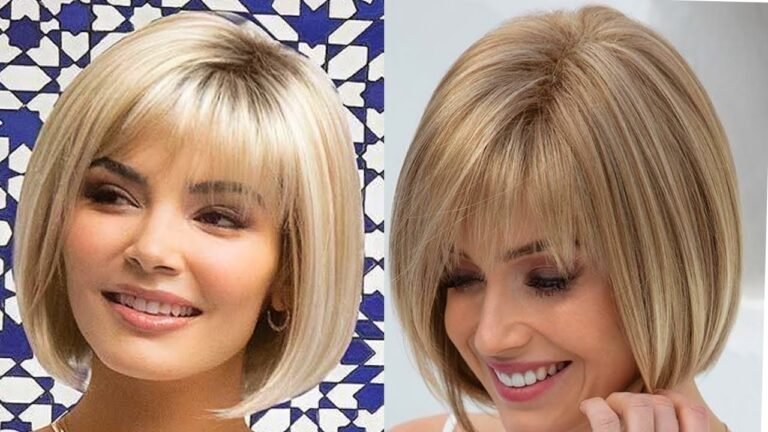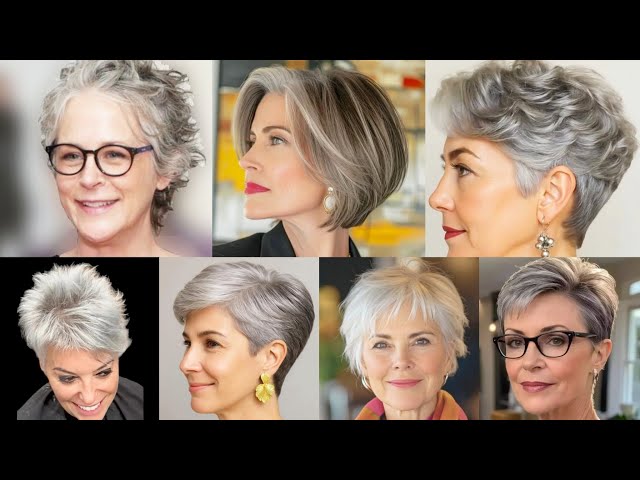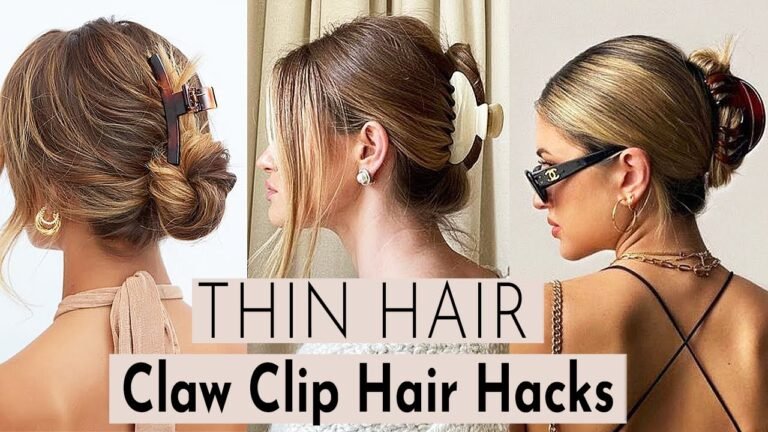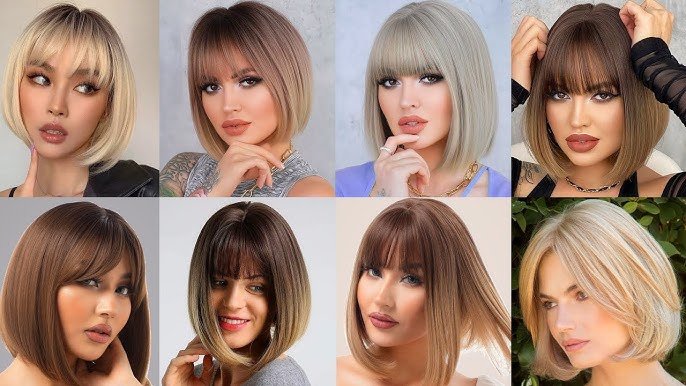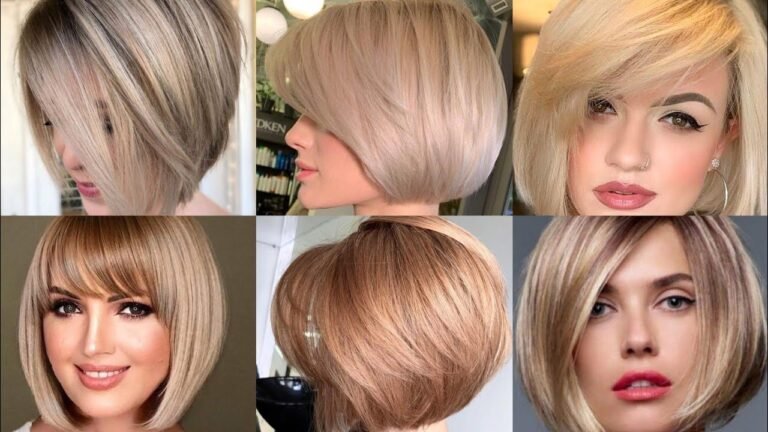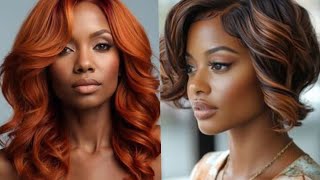
20 Short Bob Hairstyles for Thin Fine Hair
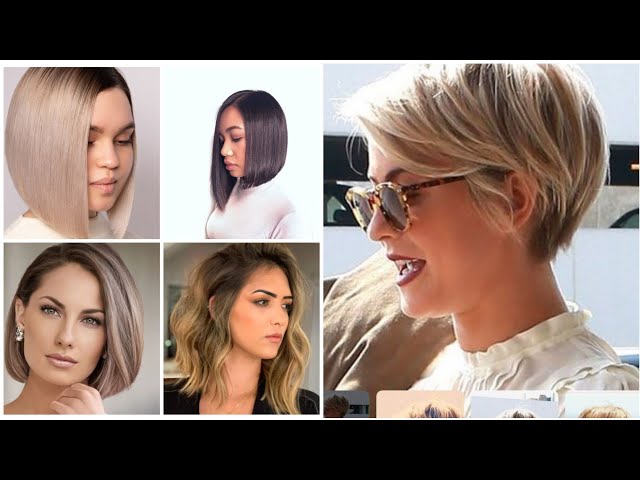
Fine hair and short bobs have a complicated history. Most women with thin fine hair are told to keep some length, to avoid going too short, to hold onto what they have because cutting it will only make it look thinner. That advice is repeated so often that it has become accepted wisdom. It is also, in most cases, completely wrong.
A short bob does not make fine hair look thinner. A badly chosen short bob might. But the right version of a short bob removes the weight that makes fine hair hang flat and lifeless, replaces it with shape and structure, and gives the hair a fullness and presence that longer fine hair simply cannot achieve on its own. Length is not the friend of fine hair. The right cut is.
The challenge is identifying which specific bob elements actually work for fine hair versus which ones make the situation worse. Blunt cuts can help or hurt depending on where they sit. Layers can add volume or remove it depending on how they are placed. The fringe choice changes everything. These 20 short bob ideas are specifically chosen and designed for thin fine hair, covering every variation from the most classic to the most current.
1. Blunt Chin Length Bob
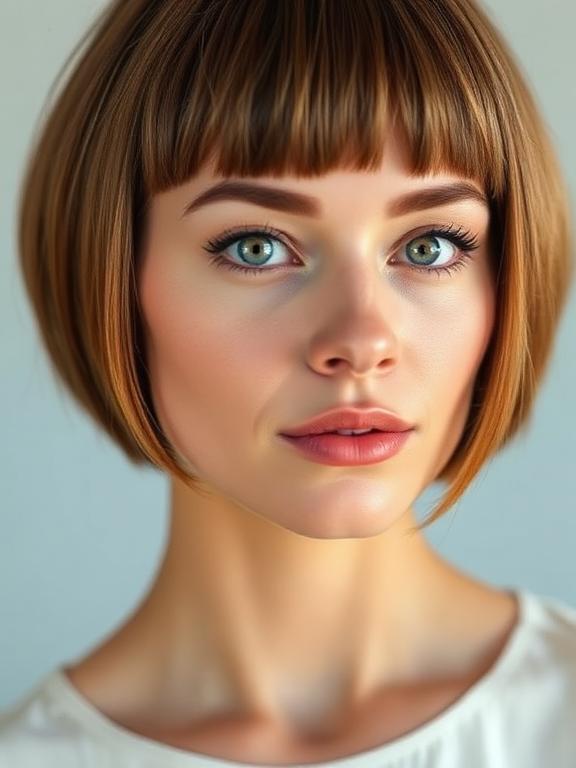
The blunt chin-length bob is the starting point that most hairstylists recommend for fine hair, and the reason is structural. A clean blunt perimeter line at the chin creates a visual density that fine hair rarely achieves on its own. When all the ends sit at the same length, and the light reflects off that line evenly, the hair looks significantly thicker and more solid than the actual density would suggest.
The blunt cut works specifically because it does not remove any hair from the perimeter. Every strand contributes to that bottom line, which is why the blunt chin bob on fine hair consistently looks fuller than a layered version of the same length. Ask your stylist to cut the perimeter with no graduation or layering and check the result from the front to confirm the bottom line is clean, even, and reflective rather than uneven or wispy.
2. Stacked Bob for Fine Hair
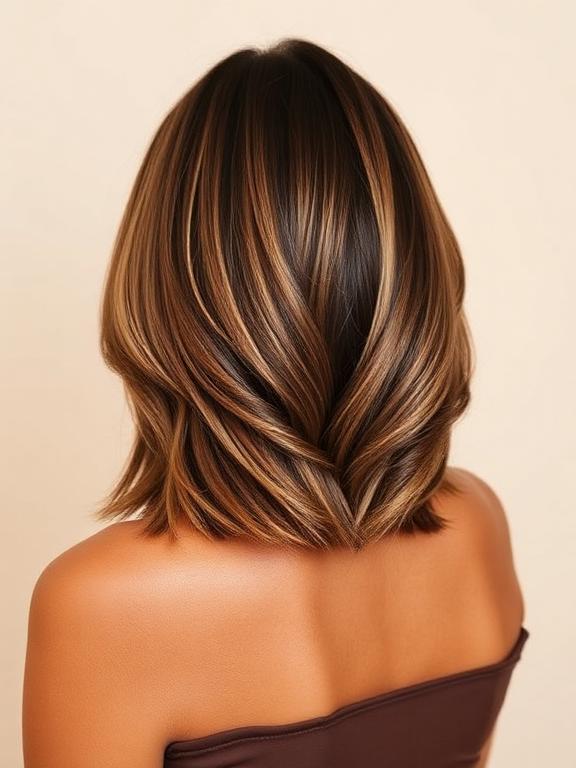
The stacked bob builds volume at the back of the head through graduated layering that stacks layers on top of each other in the back section, creating a rounded, full profile that fine hair cannot produce naturally. The graduation gives the hair a three-dimensional shape at the back that makes it look significantly more voluminous from the side and rear views, which is where fine hair tends to look flattest.
The stacking works because it uses the natural growth direction of the hair to create fullness rather than fighting against it. For very fine hair, a steeper graduation creates more dramatic volume while a gentler graduation gives a softer result. The perimeter at the bottom of the stacked section should still be relatively clean so the fullness reads as intentional structure rather than an uneven cut. Ask your stylist to adjust the graduation angle based on how much volume you want and how fine your hair is.
3. Bob with Soft Layers

Soft layers placed correctly on fine hair add volume rather than removing it, which is the opposite of how heavy or aggressive layering behaves. The keyword here is soft. Layers that are blended gently through the interior of the bob lift the hair away from the scalp and create movement without stripping the perimeter of the density that fine hair needs to look full. They add shape without sacrificing substance.
The placement of the layers matters as much as their softness. Layers concentrated through the crown and mid-section where the hair needs lift are more effective for fine hair than layers distributed evenly through the entire length. Layers that are too heavy or too disconnected remove the internal weight that helps fine hair hold its shape. Ask your stylist for graduation through the crown only, leaving the perimeter relatively strong so the bob retains its density at the bottom.
4. A-Line Bob for Fine Hair
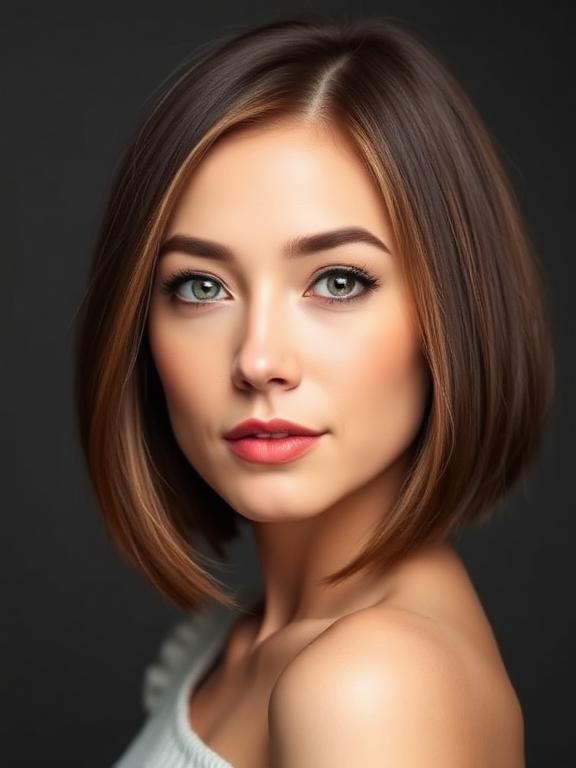
The A-line bob drops from a shorter back to a longer front in a graduated diagonal shape that creates the illusion of more volume and weight in the front section where it frames the face. For fine hair, this graduation is particularly effective because the longer front pieces have more length and therefore more visual presence, while the shorter back removes the weight that makes fine hair sit flat at the nape.
The A-line is inherently face-flattering for most face shapes because the longer front pieces draw attention to the jaw and cheekbones rather than the back of the head. On fine hair, the graduation also creates the impression of fullness in the front section that the actual density cannot achieve without the structural help of the angle. Ask your stylist for a gradual rather than extreme A-line angle on fine hair, as a very dramatic drop can make the front pieces look too heavy in comparison to the thin sides.
5. Bob with Curtain Fringe

Curtain bangs on a short bob for fine hair do something very specific and very valuable. They add a front section that frames the face without requiring the sides of the bob to carry additional weight, and they draw the eye to the fringe and the area around the eyes rather than to the thinness of the sides or perimeter. The framing quality of the curtain bang makes the whole style look more intentional and considered.
Fine hair curtain bangs need to be cut with this in mind. A heavy, dense curtain fringe on fine hair looks flat and stringy rather than soft and flowing. The pieces need to be cut light and slightly longer so they move and part naturally rather than sitting in two solid sections against the forehead. Ask your stylist to keep the curtain fringe pieces fine and slightly longer than feels right initially, as fine hair lies flatter than it appears when cut.
6. Textured Bob for Fine Hair
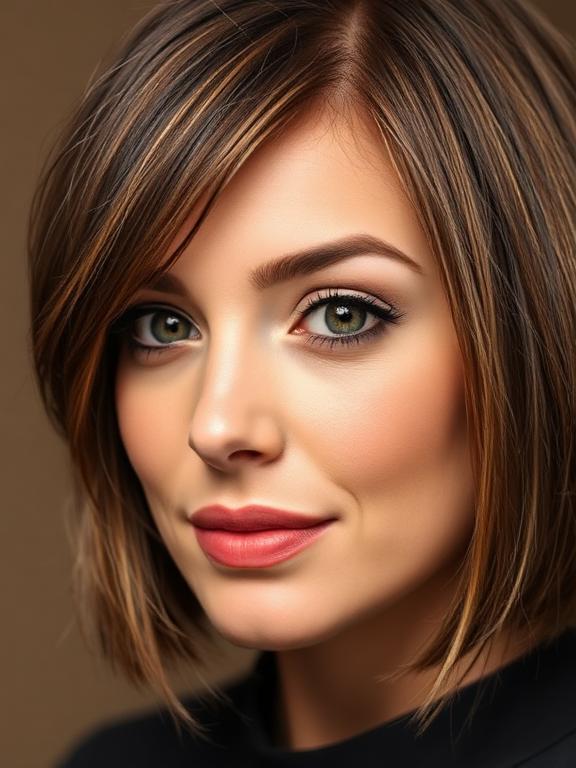
Adding texture through the ends and surface of a bob on fine hair creates the visual impression of more hair than is actually there by breaking up the smooth surface that makes fine hair look flat. The texture catches the light differently across different sections, which creates the illusion of depth and dimension. From a distance, textured fine hair reads as fuller than smooth fine hair even when the actual density is identical.
The texture on fine hair needs to be applied carefully so it adds visual interest without removing too much weight from the perimeter. Point cutting at the ends creates the most effective surface texture on fine hair without sacrificing the perimeter density that the bob needs to hold its shape. Ask your stylist to use point cutting at the tips only rather than through the mid-shaft, and avoid thinning shears, which remove internal weight that fine hair cannot afford to lose.
7. Choppy Bob for Fine Hair
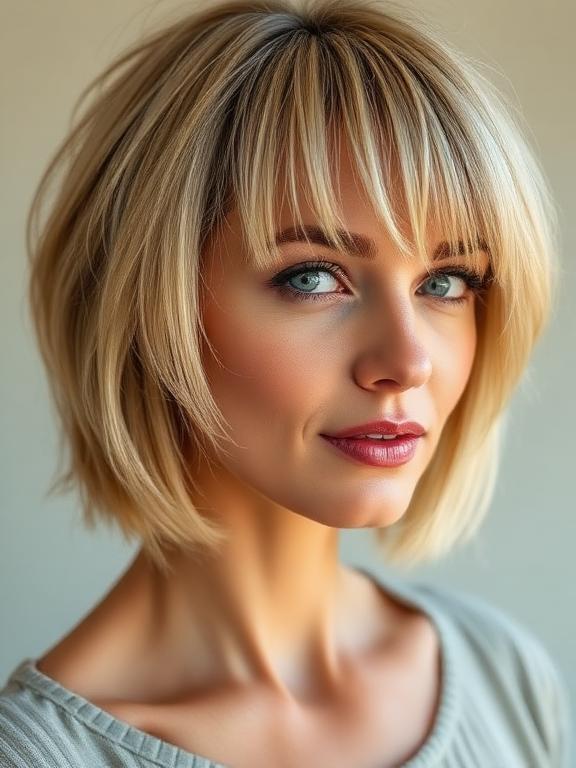
A choppy bob on fine hair creates movement and a lived-in quality that makes the hair look more substantial than a smooth, precise cut. The choppy ends catch the light and move independently rather than lying in a flat sheet against each other, which gives even the finest hair a textured, dimensional appearance. The key difference between a choppy bob that works on fine hair and one that does not is how much weight is removed in the process of creating the choppiness.
Choppy cutting on fine hair should be surface-focused rather than involving significant interior layering that removes the weight the bob needs to hold its shape. The choppiness should come from the finish at the ends rather than from aggressive internal layering. A light hand with the point cutting that adds texture without removing substantial weight is what makes the choppy bob work on fine hair. Ask your stylist to be conservative with the internal layering while being more expressive with the end texture.
8. Bob with Blunt Fringe
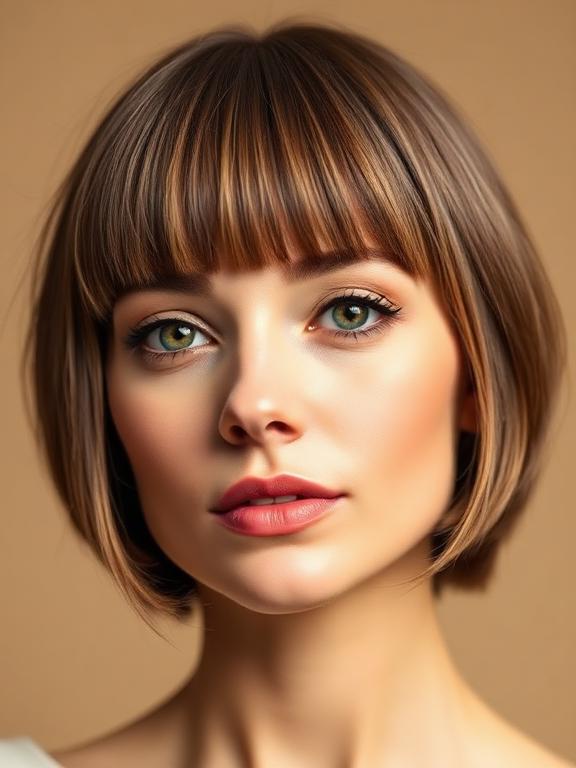
A blunt fringe on a short bob for fine hair creates a strong horizontal line across the forehead that is one of the most effective visual tricks for making fine hair look thicker. The clean, dense line of the blunt fringe gives the impression of substantial hair at the front of the style, and the boldness of the fringe draws attention away from the thinness of the sides and perimeter. It is a confident choice that consistently delivers.
The blunt fringe on fine hair needs to be cut straight and kept at a length that sits above the eyebrows or just at them, because fine fringe that hangs below the brows tends to separate into strings rather than sitting as a clean, solid line. Regular trimming every three to four weeks keeps the fringe at the right length and the bottom line sharp. Ask your stylist to cut the fringe slightly thicker than you think you need it by including a slightly larger section, as fine hair creates less visual density than medium or thick hair at the same fringe width.
9. Ear Length Bob for Fine Hair
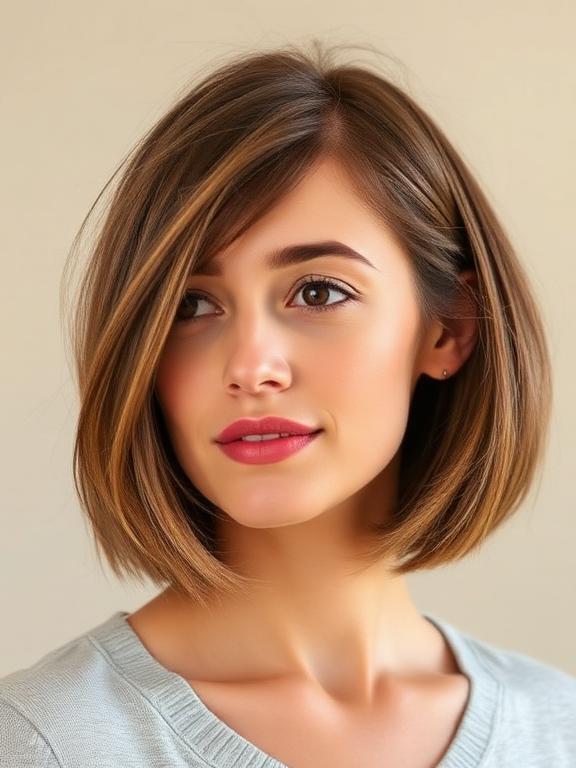
The ear length bob is shorter than a chin bob and longer than a pixie, and for fine hair this length is particularly effective because it removes most of the weight that makes fine hair hang flat while still providing enough length to hold a clear bob shape. The short length means the hair has less distance to travel from the root, which gives it more natural lift and body than longer versions of the same fine hair.
The ear length is also one of the most manageable short cuts for fine hair in terms of daily styling because the hair is short enough to hold its shape with minimal product and blow-drying time. A quick blowout with a small round brush takes under five minutes at this length and consistently creates a voluminous result that fine hair at longer lengths simply cannot hold through the day. Ask your stylist to cut the ear-length bob with a clean perimeter rather than a layered one to maximize the visual density at this very short length.
10. Bob with Root Lift
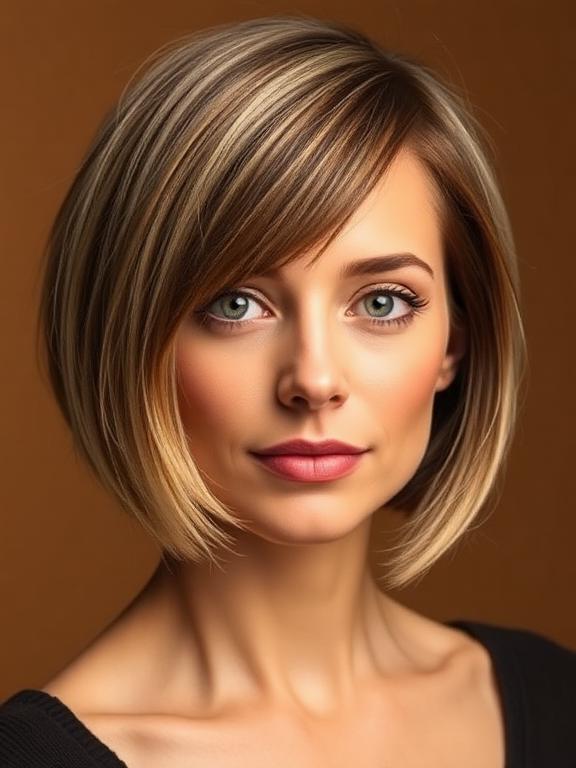
This is less a specific cut than a combination of cutting and styling approach designed specifically for fine hair. The cut is a clean short bob with minimal interior layering, and the styling approach uses a root lift spray or mousse applied to damp hair at the roots before blowdrying in a direction that lifts the hair away from the scalp. The result is a bob that appears to have significantly more volume than the actual hair density.
The root lift styling technique works best when the blowdry is done in sections with a round brush directing each section upward before setting it with a blast of cool air. The cool air sets the lift in place rather than allowing the hair to fall flat again after the brush is removed. Ask your stylist to cut the bob with enough interior graduation at the crown to support the root lift styling, as a very blunt bob without any crown graduation can fight against the lifting direction during styling.
11. Wavy Bob for Fine Hair
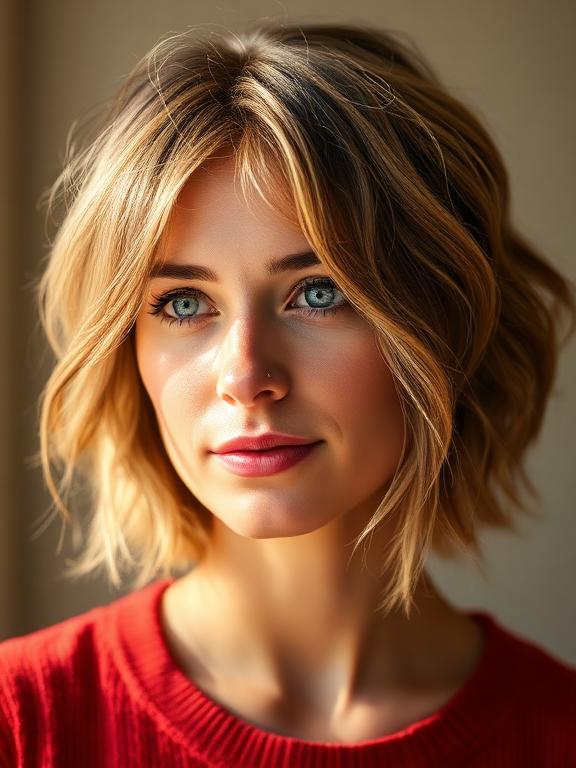
A wavy finish transforms a short bob for fine hair by adding volume and movement through the entire length that straightened fine hair cannot achieve. Waves create the visual impression of more hair by increasing the surface area of each section and creating depth and shadow between the wave peaks and troughs that makes the hair look denser and more dimensional than its actual thickness.
The wave technique that works best for fine hair at bob length is a loose, irregular wave rather than a tight or uniform curl, because loose waves give a fuller, more voluminous impression while tight curls can make fine hair look stringy rather than full. A large-barrel wand or large hot rollers create the most flattering wave for fine hair at this length. Ask your stylist to cut the bob with the intention that it will often be worn wavy, so the length and shape are designed for the wavy finish rather than for perfectly straight hair.
12. Bob with Side Part and Volume
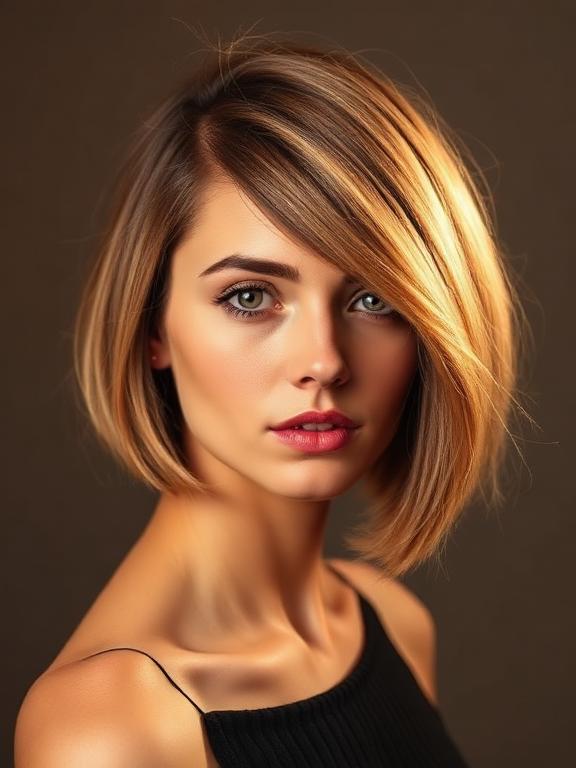
A deep side part on a short bob for fine hair immediately creates more volume on the heavier side of the part than a centered parting allows. The hair on the heavier side is pushed away from the scalp by the direction of the part rather than falling flat against it, which creates natural lift and fullness at the root on the fuller side. The asymmetry of the side part also makes the hair look more intentionally styled rather than simply lying flat.
The side part works particularly well for fine hair when it is combined with a blowout technique that directs the heavier side of the hair upward and over before setting it in place. The volume created by this technique on fine hair at short bob length is disproportionately impressive relative to the effort involved. Ask your stylist to cut the bob so the heavier side of the part has slightly more length and weight to carry the volume direction, as a very short heavy side can be difficult to style with sufficient lift.
13. French Bob for Fine Hair
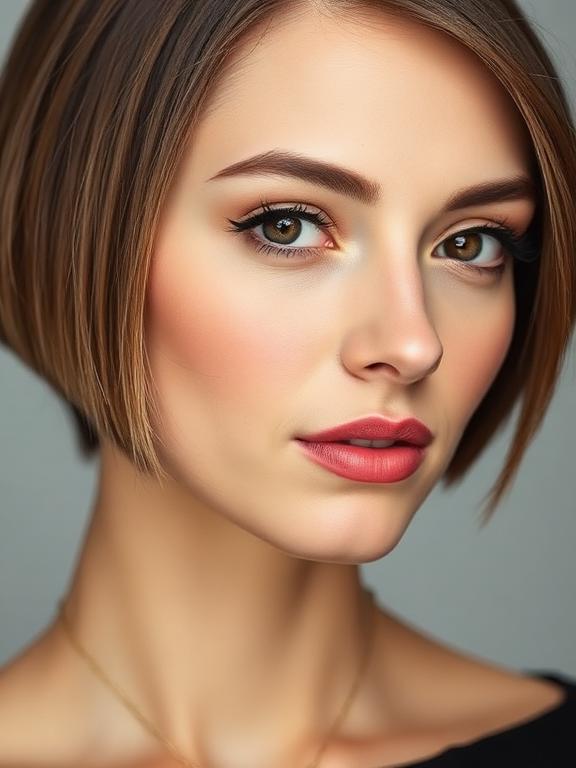
The French bob sits between the chin and the cheekbone in length, sometimes with a blunt fringe and sometimes without, and it has a graphic, architectural quality that gives fine hair the structural advantage it needs at short lengths. The very clean, precise line of the French bob combined with the face-framing length creates a visual density that reads as deliberate and considered. Fine hair at this length looks intentionally minimal rather than simply thin.
The French bob is one of the few styles where the structural precision of the cut does more work than any styling technique. It does not need to be blown out elaborately or styled with volume products because the shape of the cut creates the impression of fullness through its geometry rather than through body. Ask your stylist to cut the French bob with an absolutely clean, precise perimeter so the line reads sharply rather than softly, as the precision of the line is the whole point of the style.
14. Bob with Face Framing Highlights
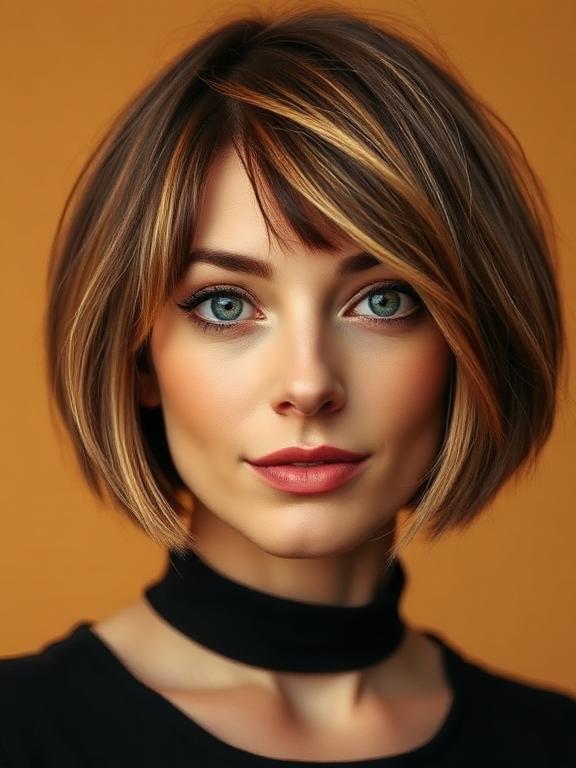
Color is one of the most powerful tools for creating the impression of thickness in fine hair, and face-framing highlights placed strategically around the perimeter of a short bob create a dimensional effect that makes the hair look significantly fuller and more varied than single-process fine hair. The contrast between the highlighted pieces and the darker base creates depth and the visual impression of multiple layers of hair at the frame of the face.
The highlights should be warm rather than cool-toned on fine hair because warm highlights reflect light in a way that adds apparent fullness, while cool or ashy highlights can make fine hair look more flat and transparent. Concentrate the highlights specifically in the front sections around the face where they have the most impact on the overall impression of the bob. Ask your colorist for babylight-weight sections rather than standard foils so the highlighting looks like natural variation rather than obvious color work.
15. Messy Bob for Fine Hair
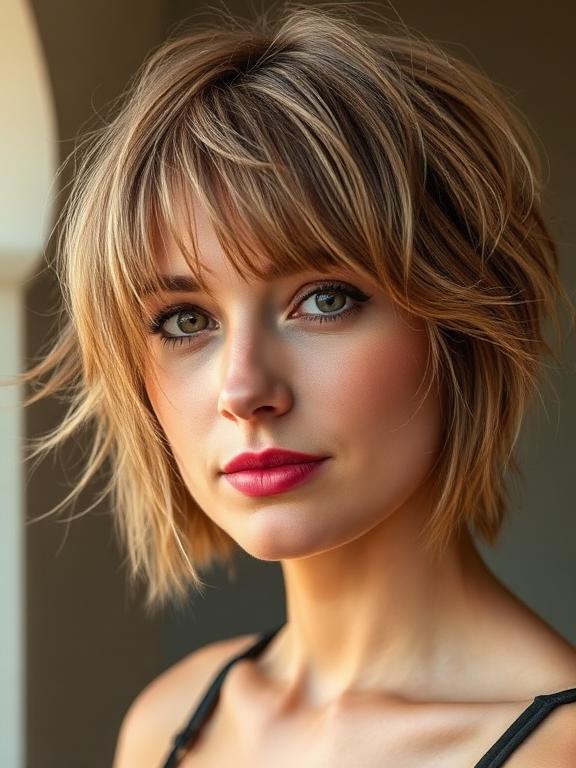
A messy, deliberately undone bob is one of the most paradoxically effective styles for fine hair because the intentional dishevelment adds volume and texture that precise styling cannot create on fine hair without significant product and effort. When the bob is styled to look slightly undone with pieces that fall in different directions, the fine hair appears more complex and dimensional than its actual weight can support in a smooth, polished style.
The messy bob is also one of the most forgiving styles in terms of daily maintenance because the intentionally undone quality means that imperfect styling looks exactly right rather than wrong. A small amount of sea salt spray or texturizing spray applied to damp fine hair and then scrunched rather than brushed creates the messy texture most effectively. Ask your stylist to cut some soft interior layers to give the fine hair a base that supports the messy styling direction rather than simply falling flat when the texturizing product is added.
16. Bob with Wispy Ends

Wispy ends on a short bob for fine hair create movement at the perimeter without removing the weight that the bob needs to look full and intentional. The wispy quality comes from very light point cutting at the very tips of the ends only, which creates a slight irregularity at the perimeter line that gives the bob a softer, more feminine quality than a perfectly blunt cut while still maintaining the visual density that fine hair needs.
The wispy ends are the most subtle form of texture on this list and the one that is least likely to backfire on very fine hair by removing too much weight. The light irregularity at the tips creates movement without compromising the interior weight, which keeps the bob looking full from a distance while having a soft, natural finish up close. Ask your stylist to be extremely light with the point cutting, removing only the very last few millimeters rather than cutting up into the mid-shaft.
17. Graduated Bob for Fine Hair
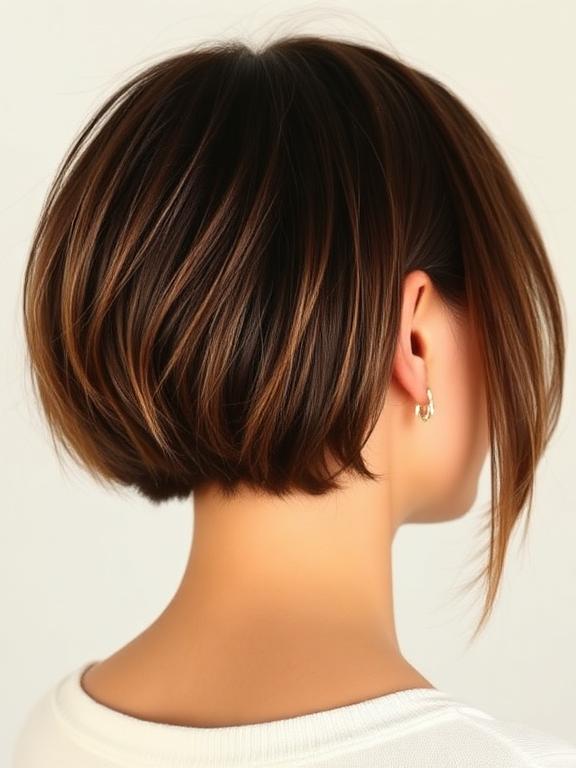
The graduated bob is similar to the stacked bob but with a more gradual angle of graduation that produces a softer, less dramatic volume effect at the back. For fine hair that needs volume without the very rounded, sometimes helmet-like appearance that a steep stack can create, the graduated bob sits in a more wearable, everyday position on the volume spectrum while still delivering significantly more fullness than a non-graduated style.
The graduation works by removing more length at the nape than at the crown, which naturally pushes the ends of the hair upward and inward at the back rather than allowing them to fall flat. The result is a bob that has a naturally rounded shape at the back without requiring product or heat styling to maintain that shape throughout the day. Ask your stylist to customize the graduation angle based on your specific hair texture and the amount of roundness you want at the back profile.
18. Bob with Velcro Roller Volume
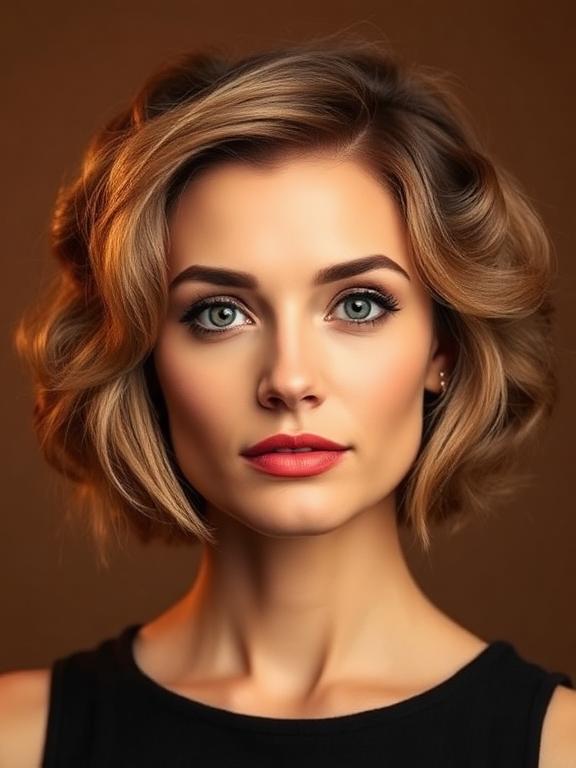
The Velcro roller set is the most underrated volume technique for fine hair, and a short bob is the ideal length for it. Clean sections of the short bob are wrapped around large Velcro rollers while damp and left to set while the hair dries completely, either naturally or with a blast of diffused warm air. When the rollers are released, the hair retains the volume and lift of the set and holds it significantly longer than a blowout technique on fine hair.
The roller set on fine hair at bob length creates a volume that looks expensive and salon-quality because the lift comes from the set rather than from product, which means it does not weigh the fine hair down. The volume has a softness and consistency that hand blowdrying rarely achieves on fine hair at home. Ask your stylist to demonstrate the roller technique at your next appointment so you can recreate the same result at home, and discuss which roller size suits your specific bob length.
19. Asymmetrical Bob for Fine Hair
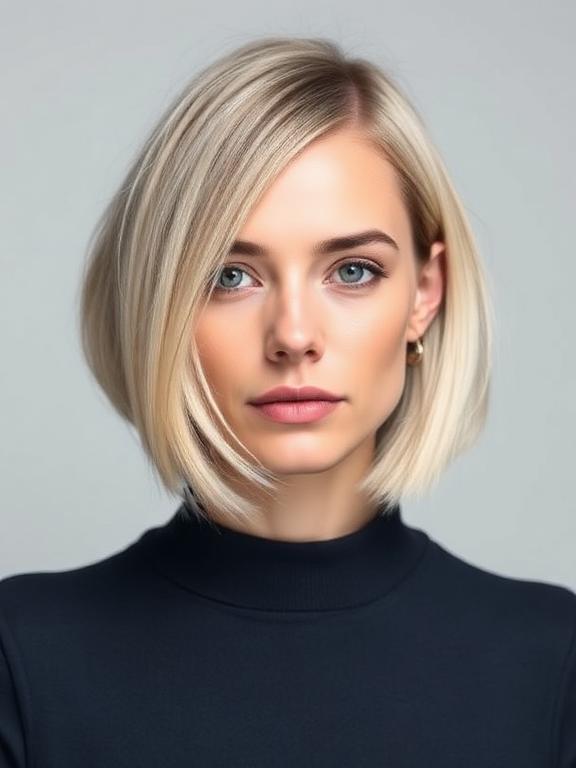
One side of the bob sits longer than the other, creating a diagonal line that moves across the front of the style and gives fine hair a directional quality that makes it look more intentional and complex than a symmetrical cut. The asymmetry introduces a visual element that the eye has to follow rather than simply seeing two flat sections of fine hair hanging at the same length on either side of the face.
The length difference between the two sides creates a natural movement direction that gives fine hair something to do rather than simply hanging flat. The shorter side naturally falls close to the head, which removes visual bulk in that area, while the longer side has more length to carry a sense of weight and presence. Ask your stylist to make the length difference genuinely significant rather than barely perceptible, because subtle asymmetry on fine hair is difficult to see and loses the visual impact that makes this style work.
20. Bob with Crown Layers Only
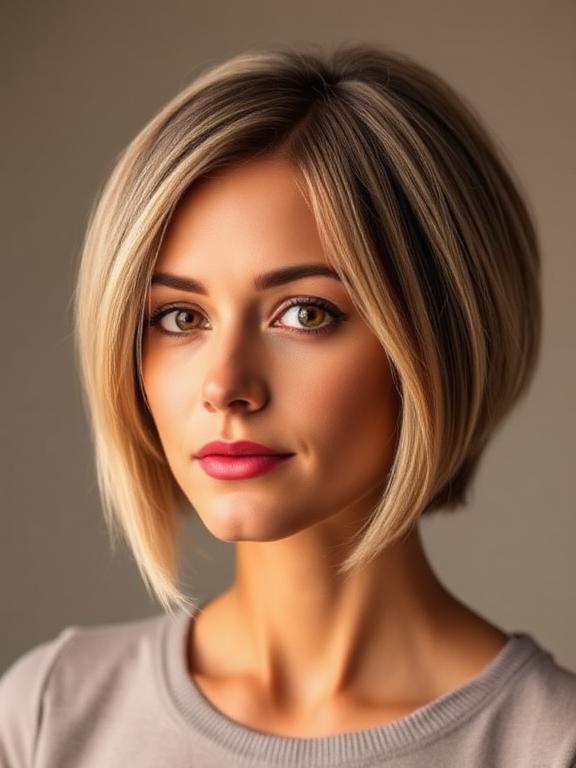
Crown-only layering is one of the most targeted and effective approaches for fine hair at bob length because it places the layering specifically where fine hair needs it most, at the crown where the hair lies flat against the scalp, while leaving the perimeter completely untouched so the bob retains its density at the bottom where it shows most clearly. The crown layers lift the hair away from the scalp at the top while the strong perimeter holds the shape of the bob at the bottom.
This targeted approach avoids the most common layering mistake on fine hair, which is distributing layers throughout the entire length and removing weight from the perimeter where fine hair cannot afford to lose it. The crown layers add internal lift while the intact perimeter adds apparent density at the bottom line, which together create a bob that looks both full through the body and solid at the edges. Ask your stylist specifically for crown layering only with no graduation or layering through the sides or perimeter.
FAQs
What bob is best for very fine thin hair?
The blunt chin-length bob and the stacked bob are the two most consistently recommended options for very fine thin hair. The blunt bob maximizes perimeter density by keeping all the ends at the same length, while the stacked bob creates volume at the back through graduation that fine hair cannot produce naturally. Both approaches work with the limitations of fine hair rather than against them. The best choice between the two depends on whether you prioritize maximum visual density or maximum volume at the back.
Should fine thin hair have layers in a bob?
Layers in a bob for fine hair need to be approached carefully. Soft interior layers at the crown that add lift without removing perimeter weight can genuinely improve the volume and movement of a fine hair bob. Heavy or distributed layering that removes weight from the perimeter makes fine hair look thinner rather than fuller. The rule for fine hair is to layer where the hair is heaviest and flattest, which is at the crown, and leave the perimeter as strong and dense as possible.
How do I add volume to a short bob with fine hair?
The most effective volume techniques for fine hair at short bob length are root lift spray applied before blowdrying, a Velcro roller set on damp hair left to dry completely before releasing, and a round brush blowout that directs sections upward before setting with cool air. Dry shampoo applied at the roots on the second or third day refreshes the volume without washing and restyling. Avoid heavy products at the roots that weigh fine hair down and cause the volume to collapse before midday.
Does a short bob make fine hair look thicker?
A well-chosen short bob makes fine hair look significantly thicker because the shorter length reduces the weight that pulls fine hair flat, the clean perimeter line at a short length reflects light evenly and creates the visual impression of density, and the overall shape of the bob gives the fine hair a structure that it cannot create on its own at longer lengths. The wrong short bob, particularly one with too many layers distributed throughout the length, can make fine hair look thinner. The right short bob is one of the most flattering things fine hair can do.
How often does a short bob for fine hair need trimming?
Fine hair at short bob length needs trimming every six to eight weeks to maintain the shape and keep the perimeter line clean and reflective. The perimeter line is the element that does the most work in making fine hair look thick, and as it grows and the ends start to separate and become uneven, the visual density it creates diminishes. Regular trims are more important for fine hair bobs than for most other hair types because the appearance of the bob depends more heavily on the precision of the cut than styles that rely on volume or texture to look their best.
Wrapping Up
Fine thin hair at short bob length is not a styling challenge to be managed. It is a canvas that rewards the right cut more dramatically than almost any other hair type because the cut does most of the work rather than relying on product and styling to compensate for an inadequate shape.
The right short bob removes the weight that makes fine hair hang flat, replaces it with shape and structure that the hair can hold through the day, and creates a visual density through its geometry that the actual hair density alone could never achieve. The wrong version of the same idea leaves fine hair looking thinner and less substantial than it did before the cut.
Work through this list and identify the specific elements that appeal to you most. Pay attention to the perimeter approach, the fringe options, and the layering philosophy of each style because those are the details that determine whether a short bob works for fine hair or works against it. Save the styles that resonate, bring them to a stylist who understands fine hair specifically, and be clear that your priority is visual density and shape rather than simply a short length. The right short bob on fine thin hair is one of the best decisions the hair can make.