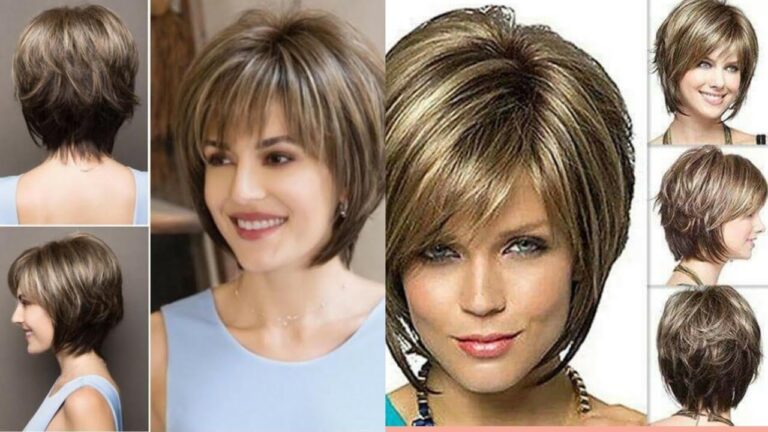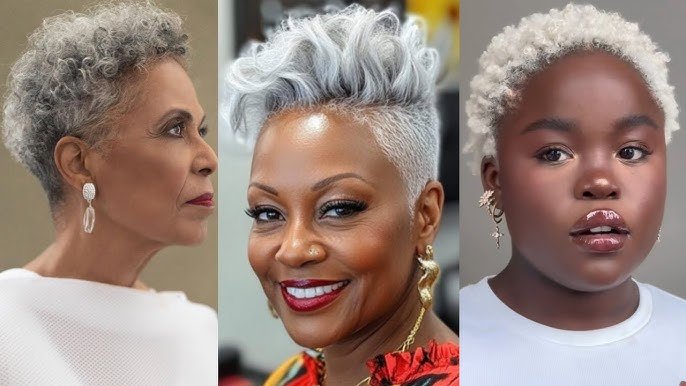
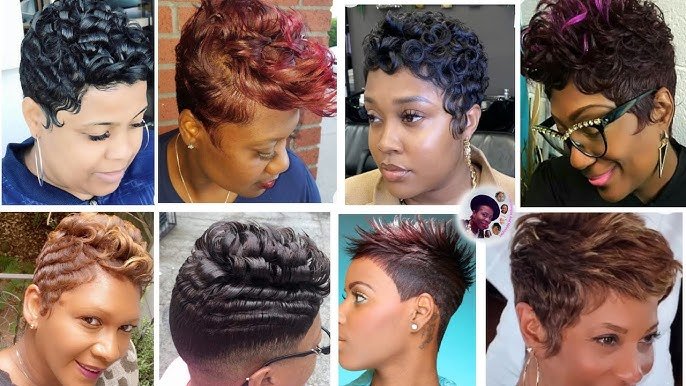
19 Short Pixie Cut Ideas
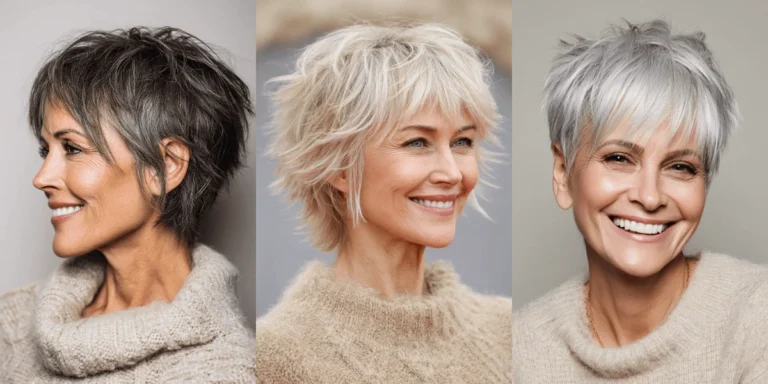
A short pixie cut is one of those haircuts that looks simple from the outside but has a lot going on underneath. The length, the layering, the nape finish, the fringe choice — all of it adds up to a result that can feel completely different from one person to the next. That is what makes it such a rewarding cut to explore.
Some pixies are soft and close to the head with a clean, minimal shape. Others build texture, volume, or attitude through the crown. The best ones feel tailored rather than generic, like the cut was made for the person wearing it rather than copied from a reference photo.
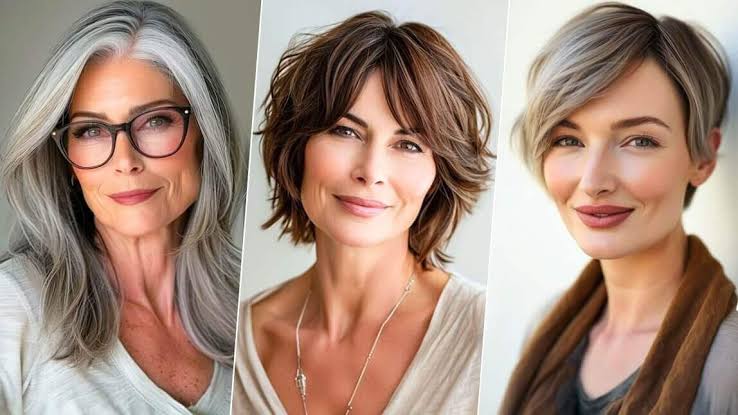
This list covers 19 short pixie cut ideas across a range of shapes, textures, and finishes. Whether you want something polished and refined or relaxed and full of personality, there is a version here worth looking at closely.
1. Classic Tapered Pixie with Clean Nape
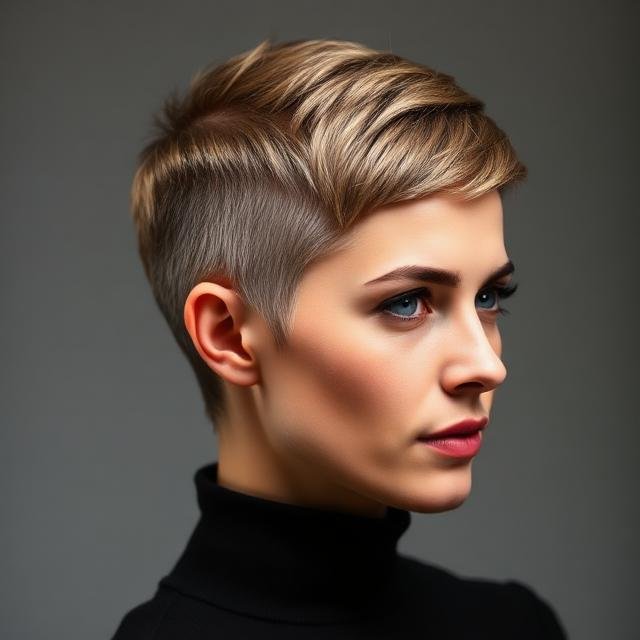
This pixie keeps things simple and precise. The nape is tapered close, the sides sit flat and neat, and the crown has just enough length to show a clean shape without needing heavy styling. It is the kind of cut that looks sharp the moment it is done and holds that sharpness between appointments.
Ask for a classic tapered pixie with a close nape, neat sides, and enough crown length to sit cleanly without relying on product or heat.
2. Textured Pixie with Piece-y Crown
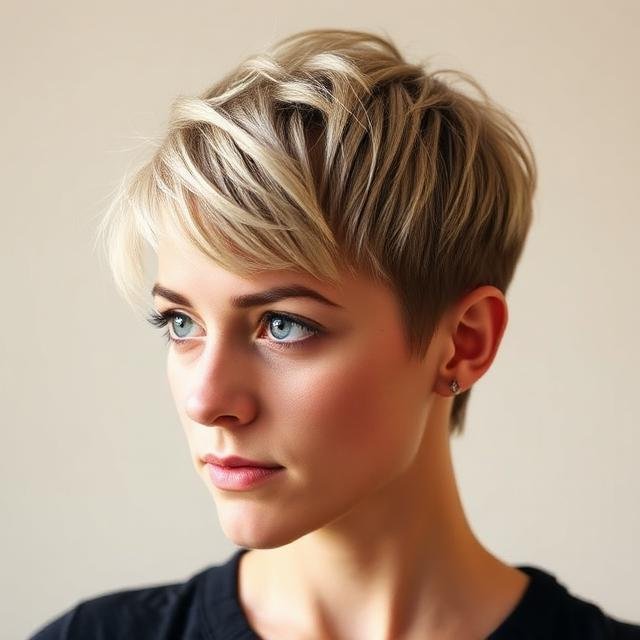
This pixie puts all its energy into the crown, with short piece-y layers that separate naturally and give the top of the head a modern, slightly undone quality. The sides stay close so the textured crown reads as intentional rather than messy.
Ask for a short pixie with piece-y layering concentrated through the crown and close, smooth sides that let the top texture stand out clearly.
3. Pixie with Side-Swept Fringe and Tapered Back
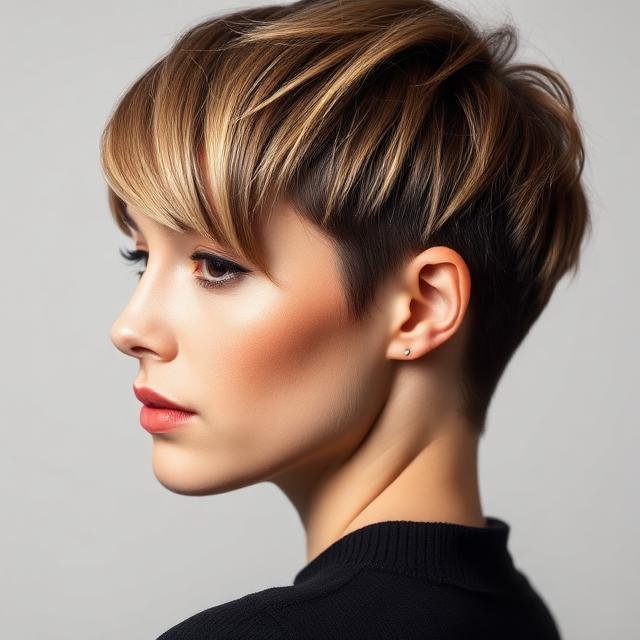
This pixie uses a side-swept fringe to give the front a soft, directional shape while the back tapers cleanly into the nape. The sweep and the taper work together to frame the face from two different angles, giving the whole cut a polished, considered finish.
Ask for a pixie with a side-swept fringe through the front and a closely tapered back and nape that keeps the silhouette clean from every angle.
4. Choppy Pixie with Razored Ends
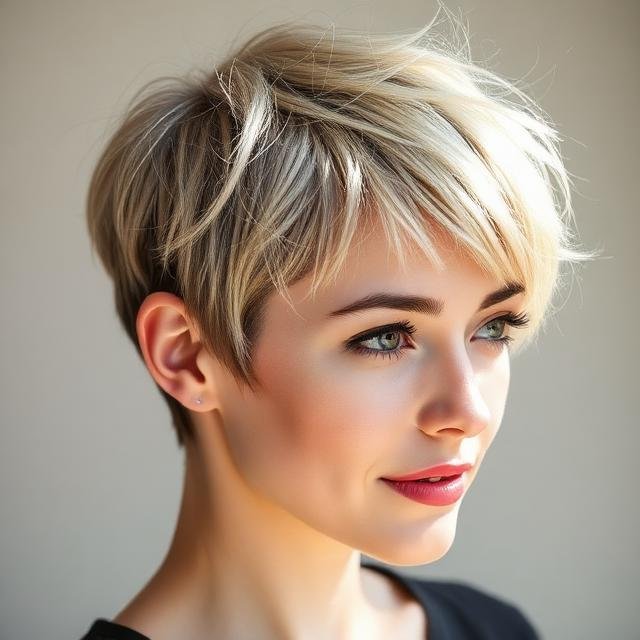
This pixie uses razor cutting to create a choppy, broken texture through the crown and sides. The razor finish makes the ends look lighter and more diffused than a scissor cut would, giving the style an effortless quality that still has clear shape and intention behind it.
Ask for a choppy pixie with razored ends through the crown and sides that look broken and diffused rather than blunt or heavily layered.
5. Micro Pixie Cut
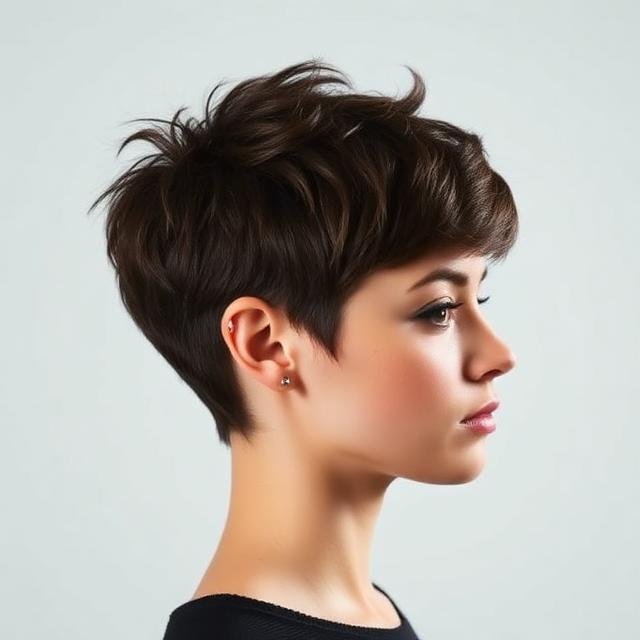
This is the shortest option on the list, cut very close all over with a clean outline around the ears and nape. There is very little styling involved because there is very little hair to style. The shape of the head and the quality of the cut do all the work.
Ask for a micro pixie cut close all over with a defined, neat outline at the ears and nape and minimal layering through the crown.
6. Pixie with Full Blunt Fringe
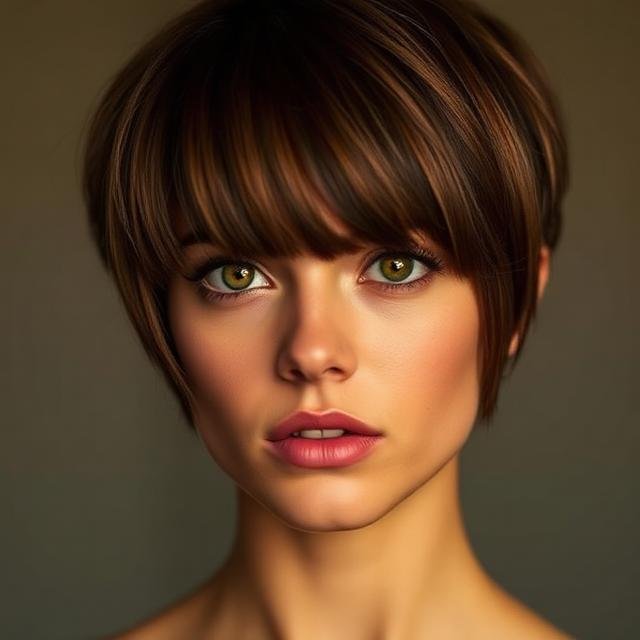
This pixie pairs a full, blunt fringe with a close, clean body. The fringe sits heavily across the forehead and becomes the main feature of the cut, while the short sides and back keep everything else out of the way. It is a strong look that is easier to wear than it first appears.
Ask for a short pixie with a full blunt fringe across the forehead and close layering through the crown and sides so the fringe carries the visual weight of the whole style.
7. Voluminous Pixie with Lifted Crown
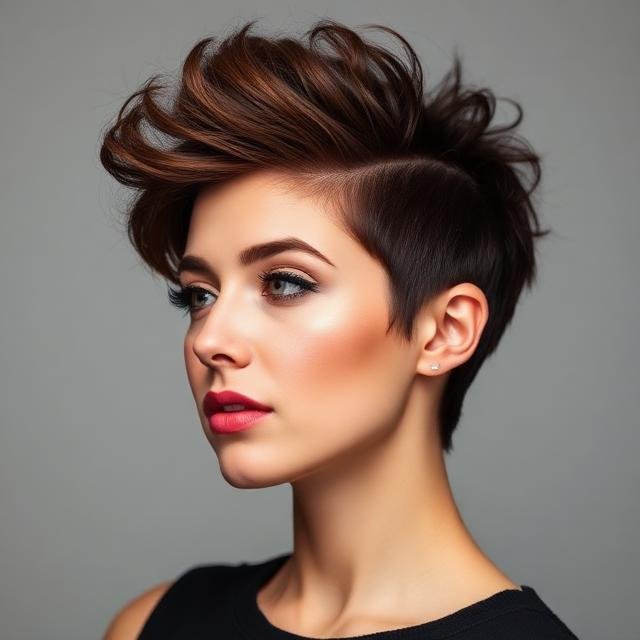
This pixie builds significant volume through the crown, with layers cut to push the hair upward and outward from the top of the head. The sides stay close to keep the lift in proportion, creating a silhouette that feels bold and full without looking unbalanced.
Ask for a pixie with crown layers cut for maximum lift, close sides and back to balance the volume, and enough length on top to hold the shape with light product.
8. Soft Pixie with Curtain Fringe
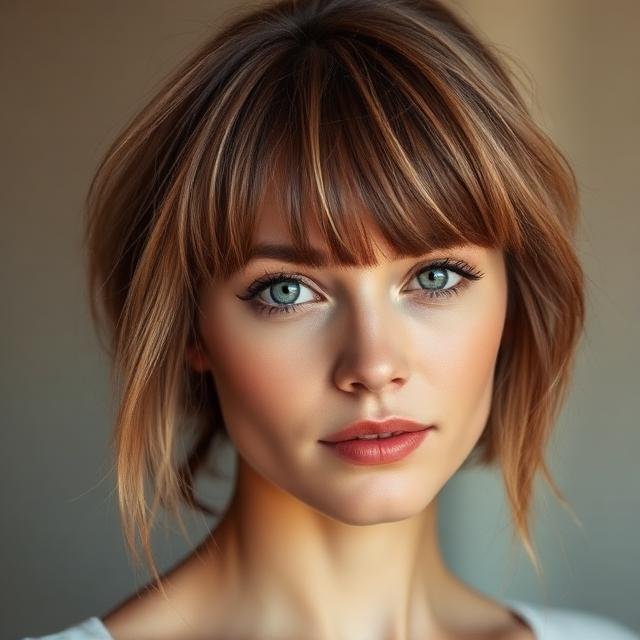
This pixie takes the curtain bang idea and applies it to a short cut, with the fringe parting softly in the middle and falling gently on either side of the forehead. It gives the pixie a more feminine, relaxed quality that works well for women who want texture and softness rather than a sharp, structured finish.
Ask for a pixie with a soft curtain fringe that parts in the middle and blends into short layering through the sides and crown without a hard line between them.
9. Disconnected Pixie with Shaved Sides
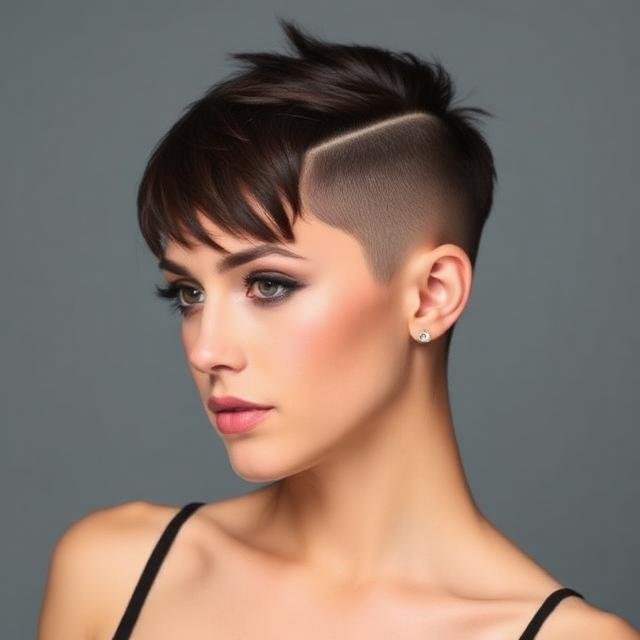
This pixie has a clear visual break between the longer top section and the closely shaved sides, creating a bold contrast that gives the cut a strong, graphic quality. The disconnection makes the top look even longer and the sides even cleaner, which amplifies the overall impact.
Ask for a disconnected pixie with a longer top section and closely shaved or clippered sides that create a clear break rather than a blended transition.
10. Pixie Bob with Longer Sides
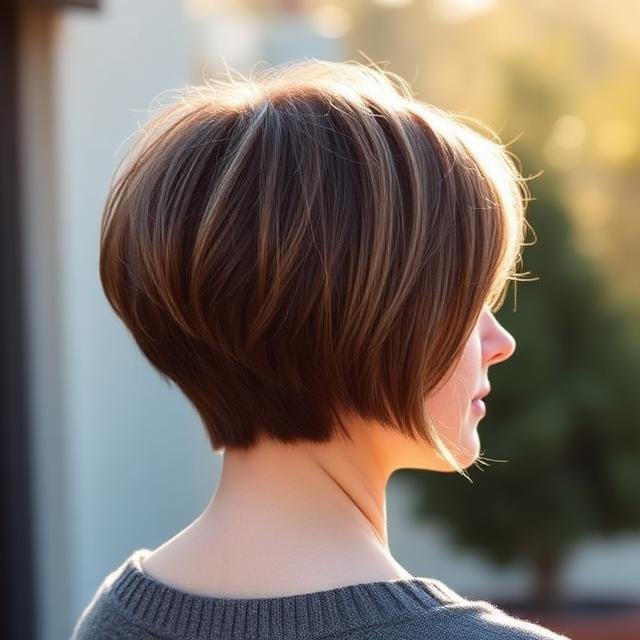
This cut sits somewhere between a pixie and a bob, keeping more length through the sides that falls around the cheekbones. It is a softer, more transitional shape for women who want the lightness of a pixie without committing to a very short silhouette all the way around.
Ask for a pixie bob with a shorter back and longer sides that reach toward the cheekbones, with layering through the top for shape and movement.
11. Tousled Pixie with Natural Texture
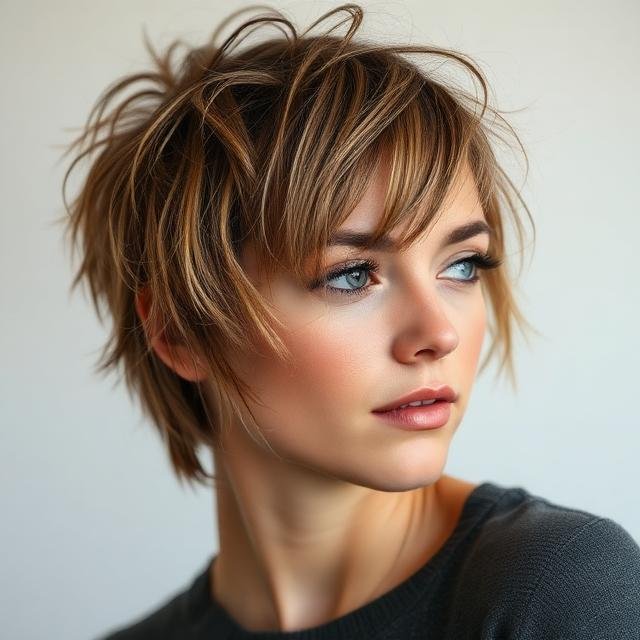
This pixie leans into natural texture rather than smoothing it out, with layers cut to let the hair move and separate on its own. The tousled finish means it looks good straight out of the shower with minimal interference, which makes it one of the most low-maintenance options on this list.
Ask for a tousled pixie with layers cut to support your natural texture and a finish that looks intentional when air dried without styling tools.
12. Pixie with Undercut and Longer Top
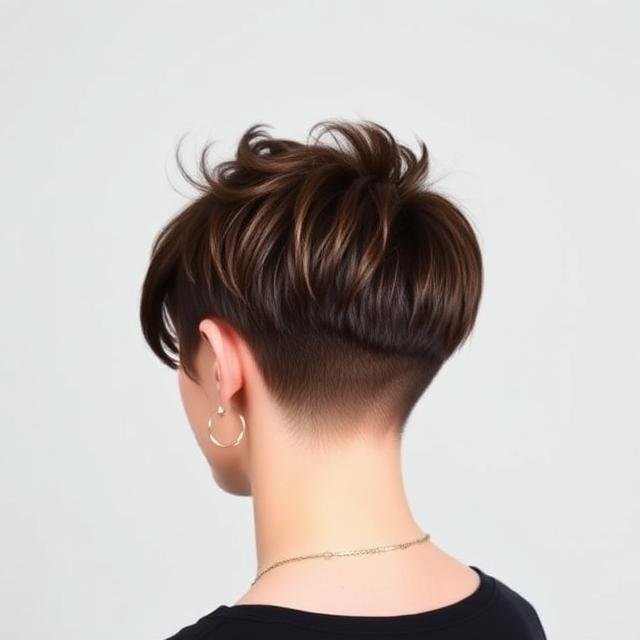
This pixie uses a clippered undercut at the sides and back to create a close, clean base while the top is left noticeably longer. The contrast between the two gives the cut a modern, versatile shape that can be styled forward, swept back, or left to fall naturally.
Ask for a pixie with a clippered undercut at the sides and back and a longer top section with enough length to style in multiple directions.
13. Sleek Side-Parted Pixie
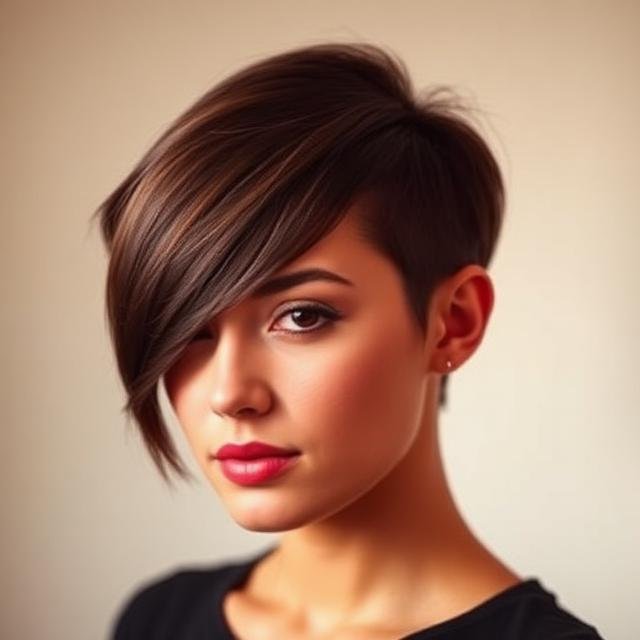
This pixie is smooth and directional, with a defined side part that gives the top a clean sweep to one side. It is less textured than most pixies on this list and more polished, which makes it a strong option for professional settings or occasions when a sharper, more refined look is needed.
Ask for a sleek pixie with a defined side part and smooth, close layering that sits flat and directional rather than textured or piece-y.
14. Pixie with Stacked Back
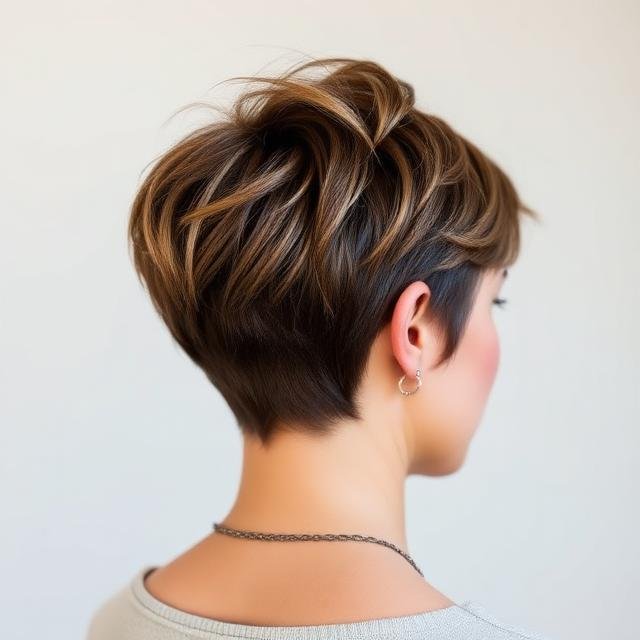
This pixie has extra layers stacked into the back section to build volume and shape at the crown from behind. The stacking lifts the back of the head slightly, giving the overall profile a rounder, fuller shape that looks as good from the side as it does from the front.
Ask for a pixie with stacked layering through the back section for volume and lift, blended into close sides and a shaped crown on top.
15. Wispy Pixie with Soft Edges
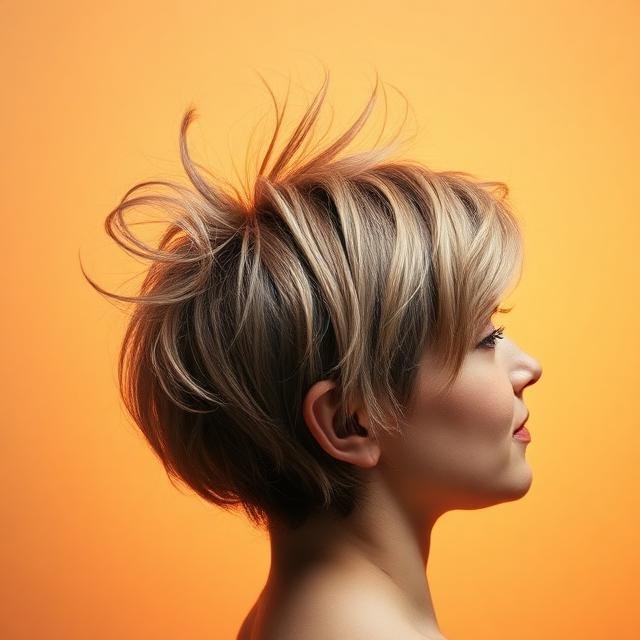
This pixie has soft, wispy edges around the ears and nape rather than a hard, defined outline. The softness gives the cut a more delicate, organic quality that suits finer or lighter hair especially well. It feels gentle rather than bold, but it is no less intentional for it.
Ask for a pixie with wispy, softened edges around the ears and nape rather than a hard clippered outline, with light layering through the crown to match the soft finish.
16. Pixie with Defined Side Burns
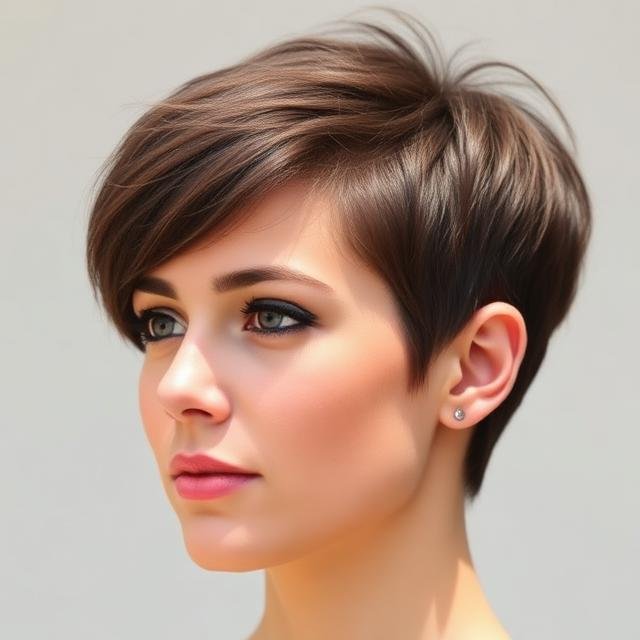
This pixie keeps the sideburns slightly longer and more defined, giving the face a stronger frame at the temples. The defined sideburns draw attention to the cheekbones and jawline in a subtle way that a fully tapered pixie does not always achieve.
Ask for a pixie with slightly longer, defined sideburns that frame the temples and cheekbones, with a tapered nape and layered crown to balance the overall shape.
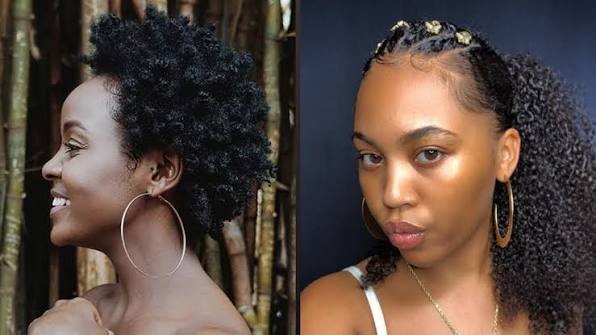
17. Curly Pixie Shaped to Natural Pattern
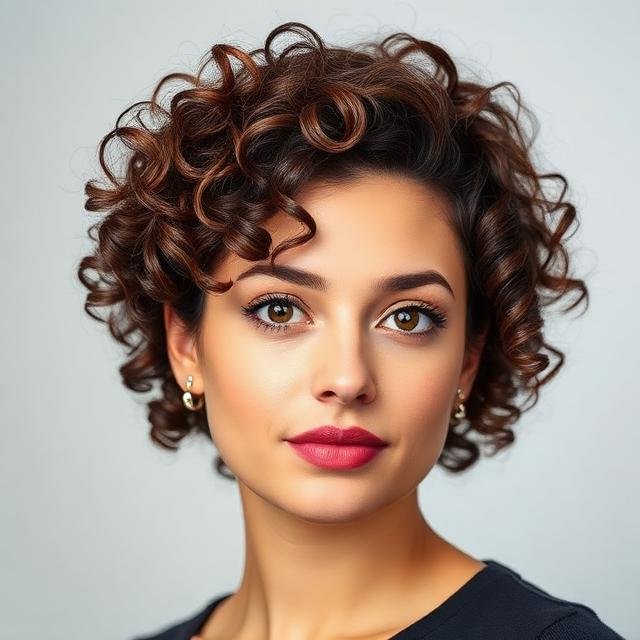
This pixie is cut specifically around a natural curl pattern, with the shape worked out curl by curl rather than cut straight and left to sort itself out. The result is a pixie where the curl and the cut feel like one thing, giving the style a cohesive, intentional finish.
Ask for a pixie cut dry and shaped around your natural curl pattern, with the outline cleaned up at the edges to frame the curls neatly without disrupting them.
18. Elongated Pixie with Length at the Crown
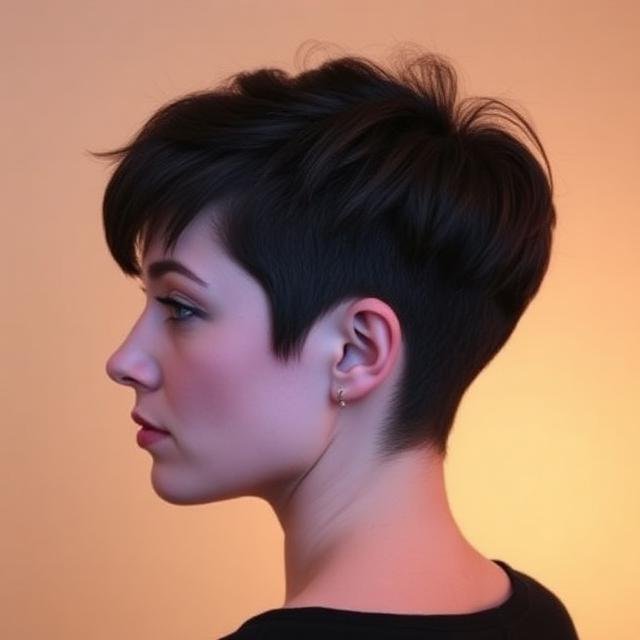
This pixie keeps more length specifically at the crown, creating a slightly elongated top section that can be styled upward for height or left to fall forward for a softer look. The extra length gives the cut more versatility than a traditional short pixie without losing the clean, close finish at the sides and back.
Ask for a pixie with extra length kept at the crown for styling versatility, with close tapered sides and back that keep the shape balanced and proportional.
19. Bold Pixie with Strong Crown Texture and Close Sides
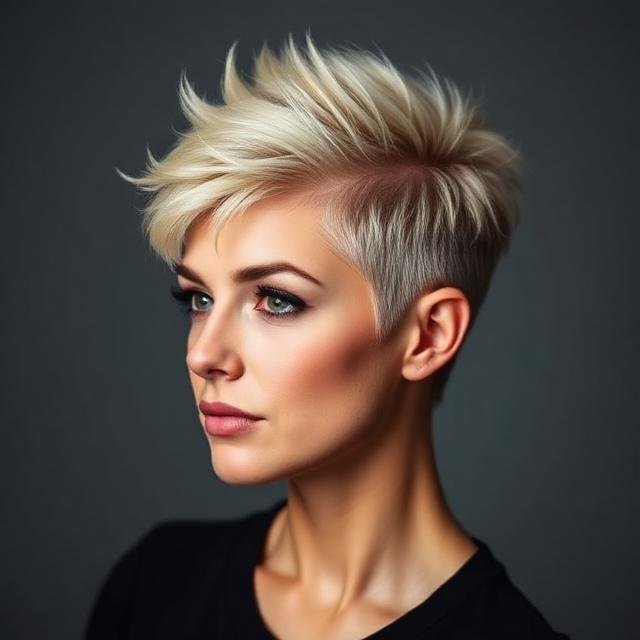
This pixie goes all in on contrast, with strong visible texture through the crown and very close, almost shaved sides that make the top section look even bolder by comparison. It is the most statement-making cut on the list, but it is also one of the most low-maintenance because the sides need almost no attention between visits.
Ask for a bold pixie with strong layered texture through the crown and very close clippered sides that create a high-contrast silhouette with maximum impact.
FAQs
What is the difference between a pixie and a micro pixie?
A regular pixie keeps enough length on top to style and show texture, usually an inch or more through the crown. A micro pixie is cut much closer all over, often half an inch or less, so the shape of the head itself defines the silhouette rather than the styling of the hair.
How do I know which pixie shape suits my face?
Face shape is a useful starting point but not the only factor. The position of your features, the width of your forehead, and the shape of your jawline all influence which pixie works best. A good stylist will look at all of these together and adjust the fringe, the crown volume, and the side length accordingly.
Can a pixie cut work for wavy or curly hair?
Yes, and it can look stunning. The key is having the cut shaped around your natural texture rather than against it. A pixie cut for wavy or curly hair needs a stylist who understands how the texture will behave once it dries, because a cut that looks right wet can look very different once the wave or curl springs up.
What products work best for short pixie cuts?
Light wax, pomade, or texturizing paste work well for most pixie styles. For volume and lift, a small amount of mousse or root-lifting spray applied before air drying can make a real difference. The goal is to enhance what the cut already does rather than fight against it.
How long does it take to grow out a pixie cut?
Growing a pixie into a bob typically takes between eight and twelve months depending on how fast your hair grows and how short the pixie is to begin with. Working with a stylist during the grow-out phase helps manage the awkward stages and keep the shape looking intentional throughout.
Wrapping Up
A short pixie cut has more variety in it than most people expect before they start looking closely. The difference between a classic tapered pixie and a disconnected undercut pixie, or between a wispy soft edge and a strong blunt fringe, is significant enough to change the entire character of the style.
What stays consistent across all of them is the impact. A well-cut pixie is one of the most striking haircuts there is. Once you find the version that fits your face, your texture, and your personality, it tends to become the cut you come back to every time.