21 Short Choppy Haircuts for Thick Hair
Thick hair is a gift that comes with a very specific set of problems. It does not respond to short haircuts the way fine hair does. It does not lie flat when you want it to. It does not hold a smooth shape for longer than a few hours in humidity. And when it is cut bluntly at a short length, it does one thing with remarkable consistency: it turns into a triangle.
The choppy approach is not just a stylistic preference for thick hair. It is a structural solution. Removing weight through choppy layers and textured ends changes how thick hair behaves at short lengths, breaking up the bulk that blunt cuts leave behind and giving the hair room to move and breathe rather than expanding outward in every direction. Done correctly, a choppy short cut on thick hair creates a shape that is controllable, current, and genuinely flattering.
The challenge is knowing exactly how much texture to add and where to put it. Too little and the thick hair still overwhelms the shape. Too much and the hair starts to look wispy and thin in sections where the cutting has gone too far. The 21 styles on this list are specifically chosen for thick hair and cover the full range from bold and dramatic to soft and wearable, each with a different approach to the texture challenge that thick hair presents.
1. Choppy Textured Bob for Thick Hair
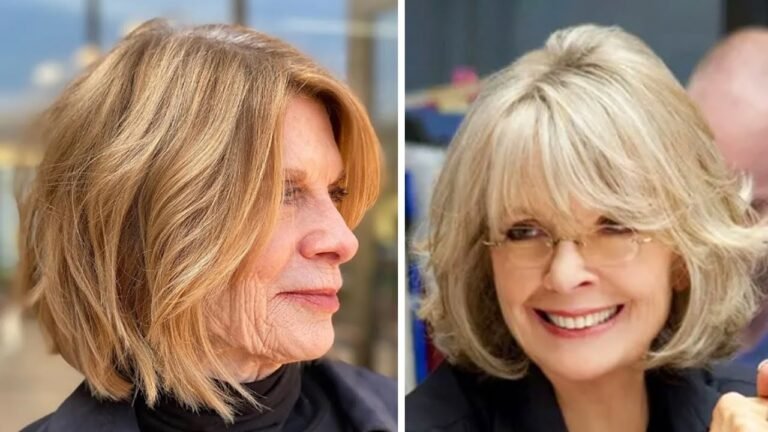
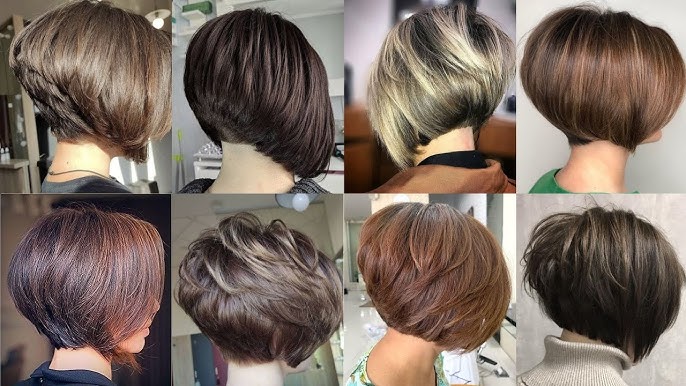
The choppy textured bob is the single most recommended short style for thick hair and for good reason. The bob shape provides structure and a clear perimeter while the choppy layering through the interior removes the bulk that makes thick hair puff and expand at short lengths. The ends are cut with visible texture rather than bluntly, which lets the perimeter move naturally rather than sitting heavy and stiff.
The key with thick hair is making sure the interior layering is substantial enough to actually reduce the weight rather than just adding surface texture to hair that is still too heavy underneath. Ask your stylist specifically to remove weight through the interior layers before addressing the surface texture, and confirm the graduation is working before the final finish is cut.
2. Disconnected Choppy Pixie
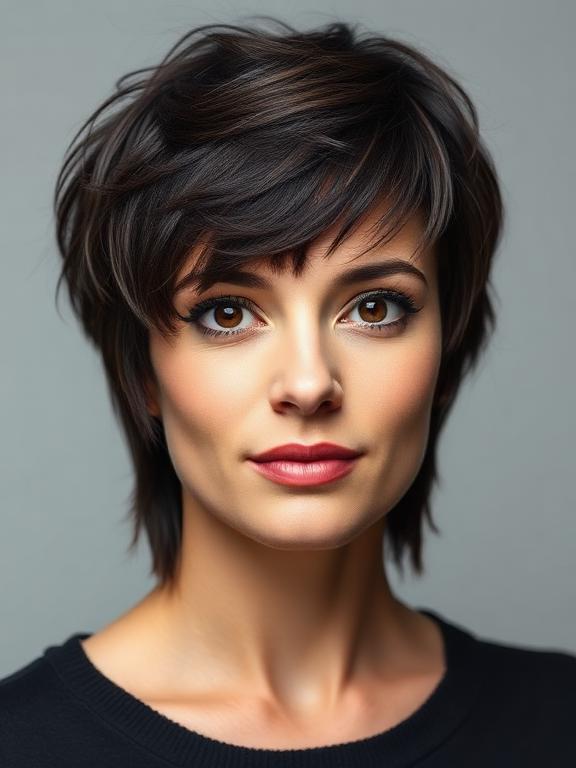
The disconnected pixie deliberately separates the top section from the sides and back with a visible contrast in length between the two areas. For thick hair this disconnection is particularly effective because it removes the bulk at the sides where thick hair creates the most unwanted width, while the top section keeps enough length to show texture and personality.
The disconnection also makes the style easier to maintain between appointments because the close sides do not need to be perfectly blended with the top section, which means the grow-out looks deliberate rather than neglected. Ask your stylist for a clear length difference between the top and the sides rather than a subtle one, because the contrast needs to be strong enough to read clearly through the visual density of thick hair.
3. Choppy Undercut Bob
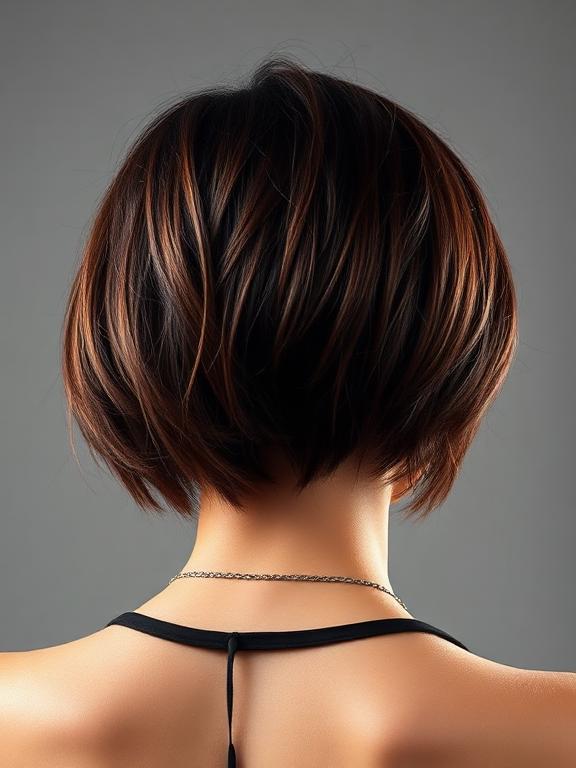
The undercut on a choppy bob removes a significant portion of the bulk from underneath the hair while the outer layer falls over it and maintains a full, shaped appearance. For thick hair this is one of the most transformative techniques available because it removes weight from the section of the hair that contributes most to puffing and expansion without changing the visible shape of the cut at all.
The undercut is completely hidden when the hair is worn down, which makes it a great option for women who want the weight relief of an undercut without the visible close-cut sides that come with a tapered or faded style. Ask your barber or stylist to take the undercut up high enough that the bulk removal is genuinely effective rather than just taking a small amount off the very nape where it makes minimal impact on the overall weight.
4. Razor Cut Choppy Bob
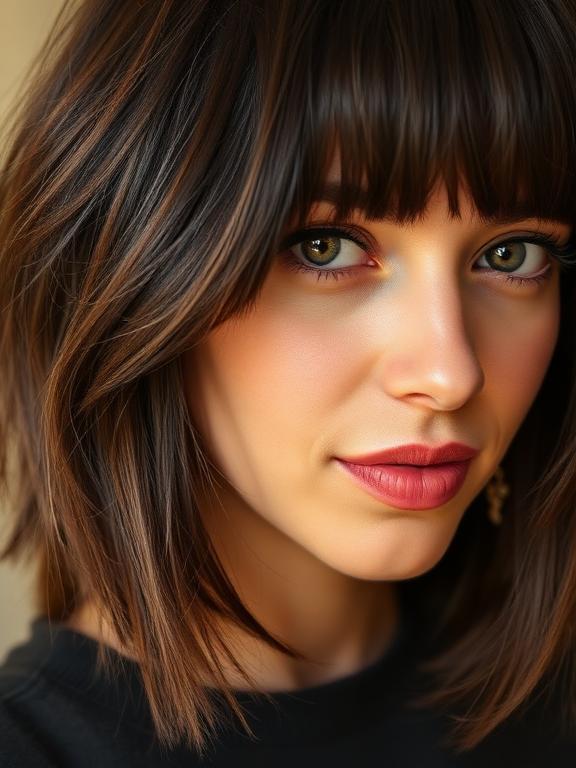
A razor cut produces a fundamentally different texture quality than scissor cutting, and on thick hair the difference is significant. The razor removes weight from the mid-shaft and ends of each section rather than cutting across all the hairs at the same point, which creates a lighter, softer finish that thick hair cannot achieve with scissors alone.
The razor technique also creates a naturally choppy finish without requiring additional point cutting at the ends, because the sliding cut of the razor produces tapered ends rather than blunt ones. Ask your stylist specifically if they are comfortable using a razor on thick hair and discuss whether your specific hair texture is suited to the technique, as very coarse thick hair sometimes responds better to scissors with significant thinning.
5. Choppy Pixie with Shaved Sides
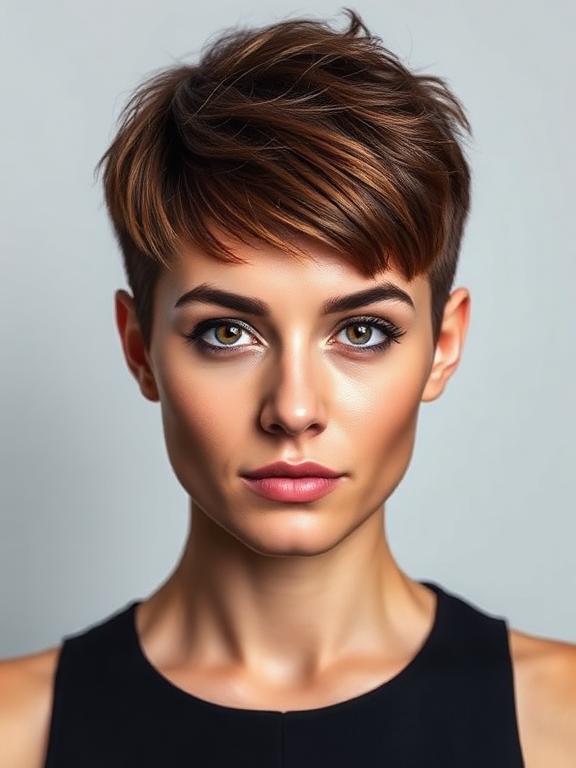
Shaved sides on a choppy pixie take the bulk removal to its most dramatic extreme, eliminating the hair at the sides almost entirely and leaving the top section to carry the full texture and character of the cut. For very thick hair that has resisted every other approach to managing width and bulk at short lengths, shaved sides are the most effective solution and the one that creates the most striking visual contrast.
This is a bold style that communicates confidence clearly and unambiguously. The shaved sections need maintenance every two to three weeks to stay looking sharp rather than simply growing out into an untidy medium length. Ask your barber to discuss the exact height of the shaved section before starting so you know exactly how much of the side will be removed and where the full top section begins.
6. Short Choppy Shag for Thick Hair
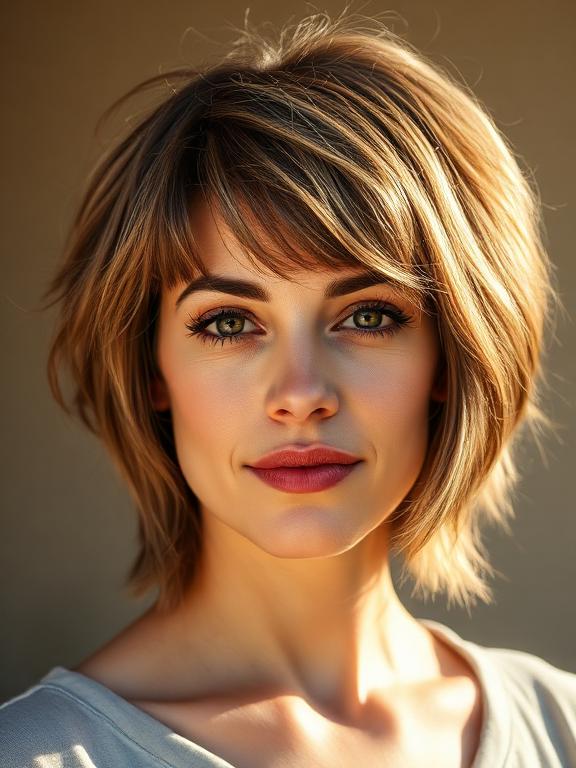
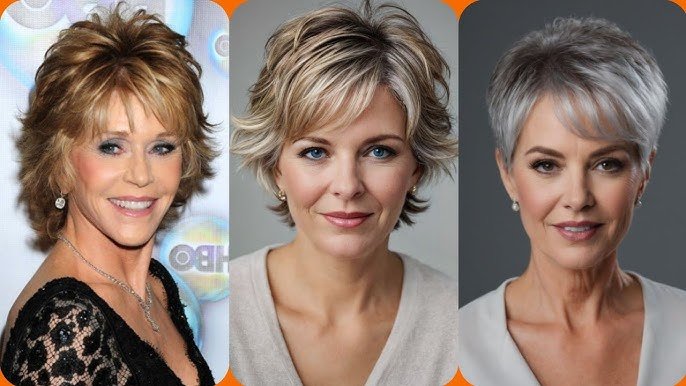
The shag haircut was originally designed for thick hair, which is why it works so well at short lengths on women with dense, heavy hair. The layering distribution in a shag is specifically structured to remove weight from the mid-lengths and crown while keeping movement through the ends, which is exactly what thick hair at short lengths needs to stop it sitting flat on top and wide on the sides.
The crown layers lift the hair away from the head rather than allowing the weight of thick hair to pull it flat, and the side layers break up the bulk that thick hair builds around the face. Ask your stylist for a shag specifically rather than a layered cut because the layering architecture of a true shag is fundamentally different from standard layering.
7. Choppy Bob with Thinned Ends
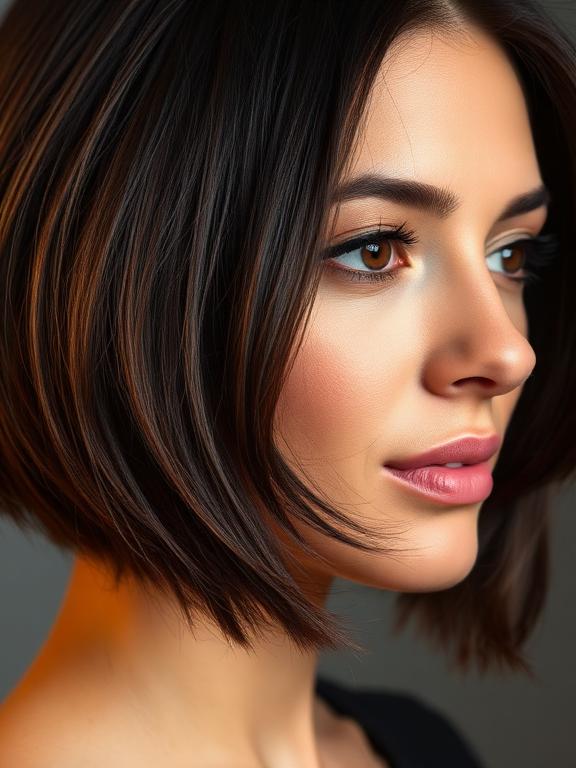
Thinning the ends with thinning shears before adding the choppy finish is a technique that makes a significant difference on thick hair specifically. The thinning shears remove weight from inside the sections at the ends, creating a lighter, more textured finish that ordinary point cutting alone cannot achieve on very dense hair.
This is a two-stage process that takes more time than a standard choppy bob but produces a genuinely different result on thick hair. The thinning removes the internal bulk that makes thick ends feel stiff and heavy, and the choppy finish creates the surface texture that makes the style look current and interesting. Ask your stylist to thin from the mid-shaft downward rather than at the very tips, as mid-shaft thinning removes more weight while preserving the visual density of the ends.
8. Choppy Angled Bob for Thick Hair
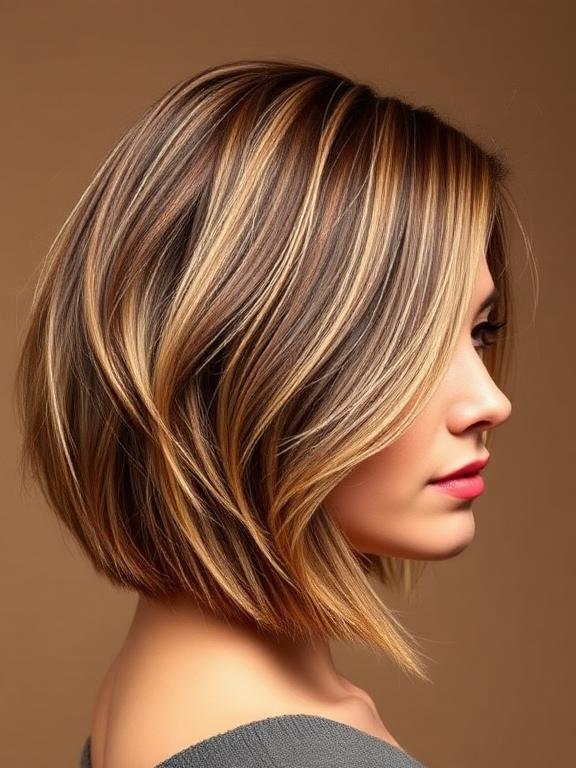
An angled bob on thick hair creates a strong directional shape that works with the density of the hair rather than against it. The angle naturally reduces bulk at the back where thick hair creates the most weight, while the longer front pieces frame the face. The choppy ends throughout prevent the angled shape from looking too geometric or rigid, adding movement to a shape that can otherwise look stiff on thick hair.
The graduation of the angle removes weight progressively from the back to the front, which is an inherently effective approach to managing thick hair at bob length. The shorter the back, the more weight is removed from the heaviest section. Ask your stylist to combine the angled graduation with significant interior layering so the thinning work is done throughout the cut rather than relying entirely on the angle to manage the bulk.
9. Stacked Choppy Bob for Thick Hair
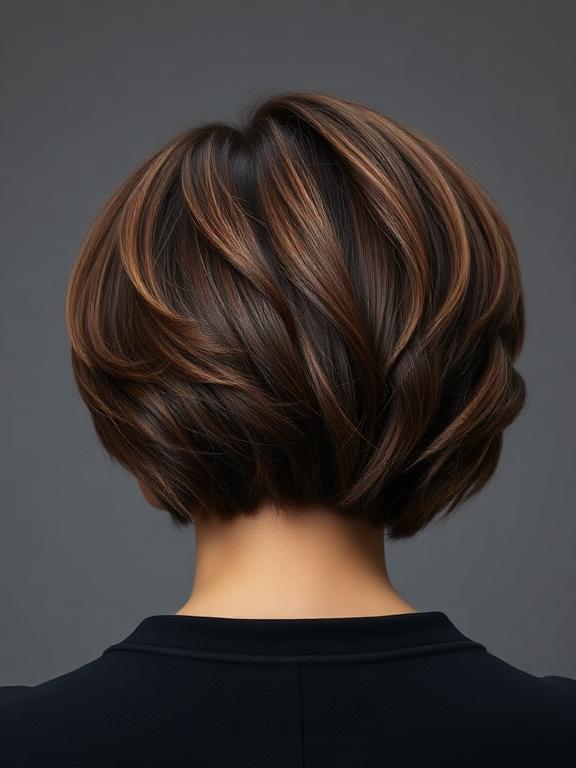
A stacked bob on thick hair creates volume and a rounded profile at the back through graduated stacking, but unlike on fine hair where the stacking builds the appearance of volume, on thick hair the stacking actually controls and organizes the natural volume that already exists. The graduation keeps the thickness directed upward and inward rather than allowing it to expand outward at the nape.
The choppy ends through the top and perimeter are essential for thick hair because they break up the tendency of dense hair to sit as a solid, heavy block at the perimeter of the stacked shape. Without the choppy finish the stacked bob on thick hair can look bulky and helmet-like. Ask your stylist for significant point cutting at the ends combined with interior thinning to keep the stacked shape controlled and current rather than heavy.
10. Choppy Crop with Heavy Layering
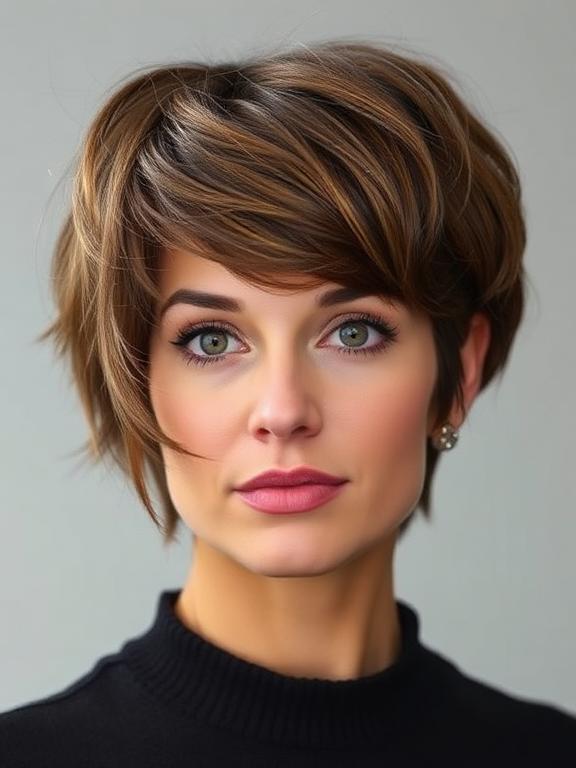
A short choppy crop with heavy layering throughout is the most aggressive weight-removal approach on this list and the most appropriate for women with very thick or coarse hair that has consistently overwhelmed lighter cutting approaches. The heavy layering removes weight from every section of the crop rather than leaving heavy sections beneath a superficial choppy surface.
The result of heavy layering on a short crop is hair that behaves completely differently from uncut thick hair at the same length. It moves freely, dries faster, and holds a shape rather than expanding into whatever shape the bulk naturally creates. Ask your stylist to be genuinely aggressive with the layering if you have very thick hair that has not responded well to more conservative approaches, because under-layering is the most common mistake on thick hair at short lengths.
11. Choppy Pixie Bob for Thick Hair
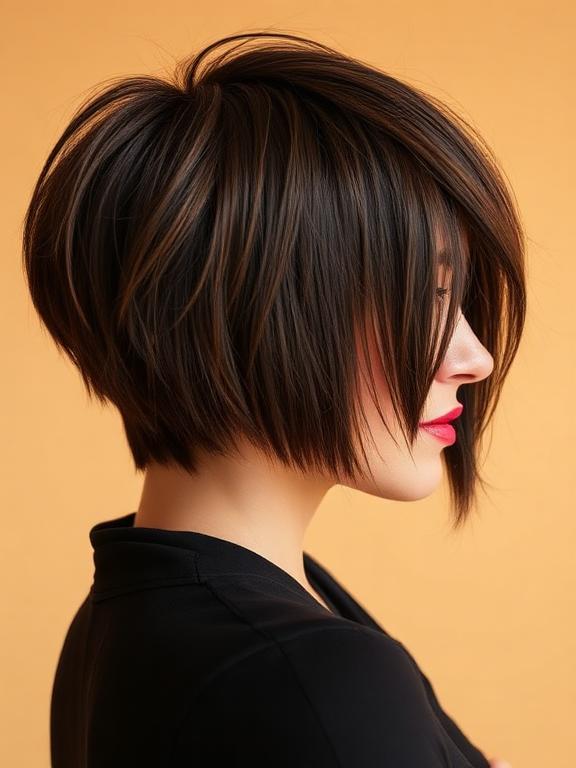
The pixie bob sits at the ideal length for managing thick hair with a choppy approach because it is short enough to remove significant weight but long enough to use the weight of the remaining hair to create shape rather than fighting against it. The choppy layers through the top and sides control the expansion while the length around the jaw and nape gives the thick hair enough weight to fall with intention rather than springing outward.
This length is also the most forgiving in terms of how the thick hair behaves as it grows. The pixie bob on thick hair grows into a short bob rather than going through an awkward in-between stage, which makes it one of the lowest-friction styles to maintain over time. Ask your stylist to concentrate the choppy layering specifically through the top and sides where thick hair creates the most width, while keeping the back graduation clean and controlled.
12. Choppy Textured Crop
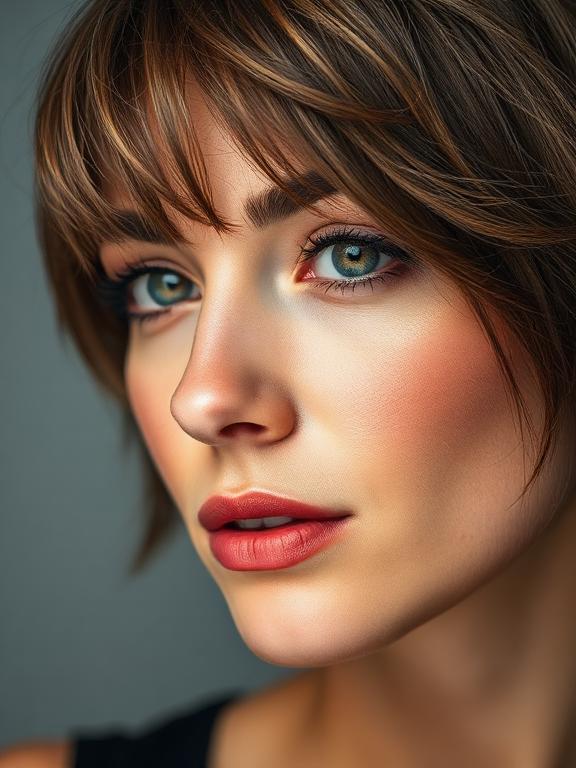
A short textured crop on thick hair uses the choppy cutting technique to create deliberate variation in the surface of the cut, with pieces that catch the light differently and create a dimensional quality that makes thick hair look interesting rather than simply heavy. The crop length keeps the overall shape manageable while the texture ensures the thick hair has somewhere to go rather than sitting as a solid block.
The textured crop works best on thick hair when the styling approach embraces the natural movement of the hair rather than trying to smooth it into a completely polished finish. A small amount of texturizing paste or pomade worked through dry hair enhances the surface variation of the choppy crop and gives each piece more definition. Ask your stylist to use a combination of point cutting and thinning shears on thick hair to create genuine surface texture rather than just a choppy perimeter.
13. Short Layered Choppy Cut
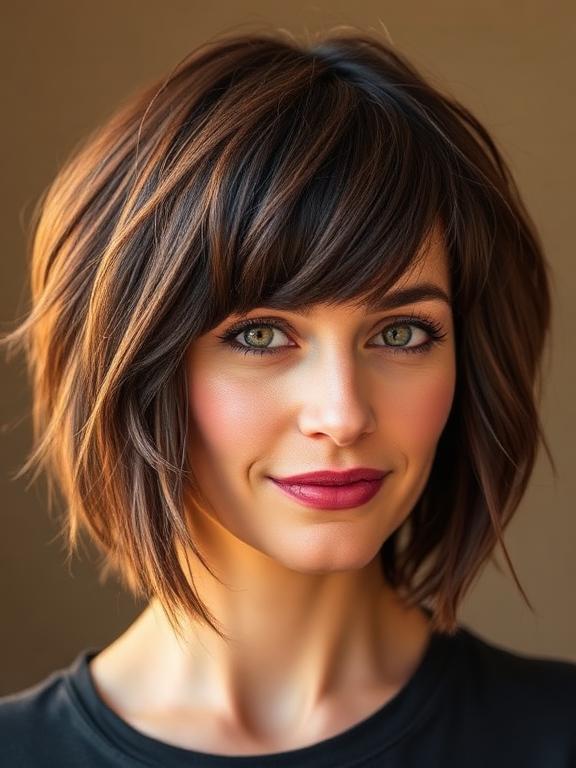
A short layered choppy cut distributes the weight removal throughout the entire cut rather than concentrating it at specific points, which is the most effective overall approach to managing thick hair at short lengths. The layering removes bulk progressively through every section from the crown to the perimeter, and the choppy finish at the ends creates the surface texture that makes the finished result look intentional and current.
The distribution of layers through the entire cut rather than just through the crown or just through the ends is what makes this approach particularly effective for very thick hair. It prevents the creation of heavy pockets of uncut hair that make the style sit unevenly or expand in specific areas. Ask your stylist to check the weight distribution from multiple angles as they cut rather than only assessing the shape from the front.
14. Choppy Bob with Curtain Fringe
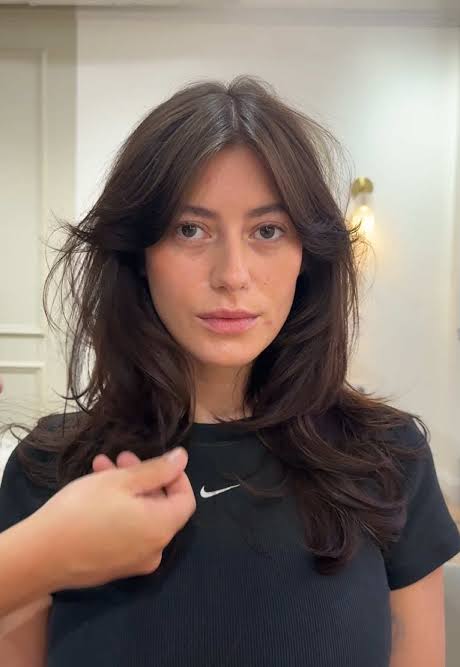
Curtain bangs on a choppy bob for thick hair create a front section that frames the face with pieces that are inherently lighter than the rest of the thick hair because the fringe length removes the weight that the full length carries. The curtain fringe on thick hair needs to be thinned through as well as cut with choppy ends, otherwise the density of the fringe pieces can make them fall too heavily rather than with the light, wispy quality that makes curtain bangs so flattering.
The combination of the curtain fringe and the choppy bob is particularly effective for thick hair because it gives the face framing a softer, more graduated quality than a blunt fringe would create. Ask your stylist to thin the curtain fringe sections specifically with thinning shears before cutting the final length so the pieces have enough movement to part and frame the face naturally rather than sitting as two solid chunks of thick hair on either side of the face.
15. Choppy Pixie with Textured Crown
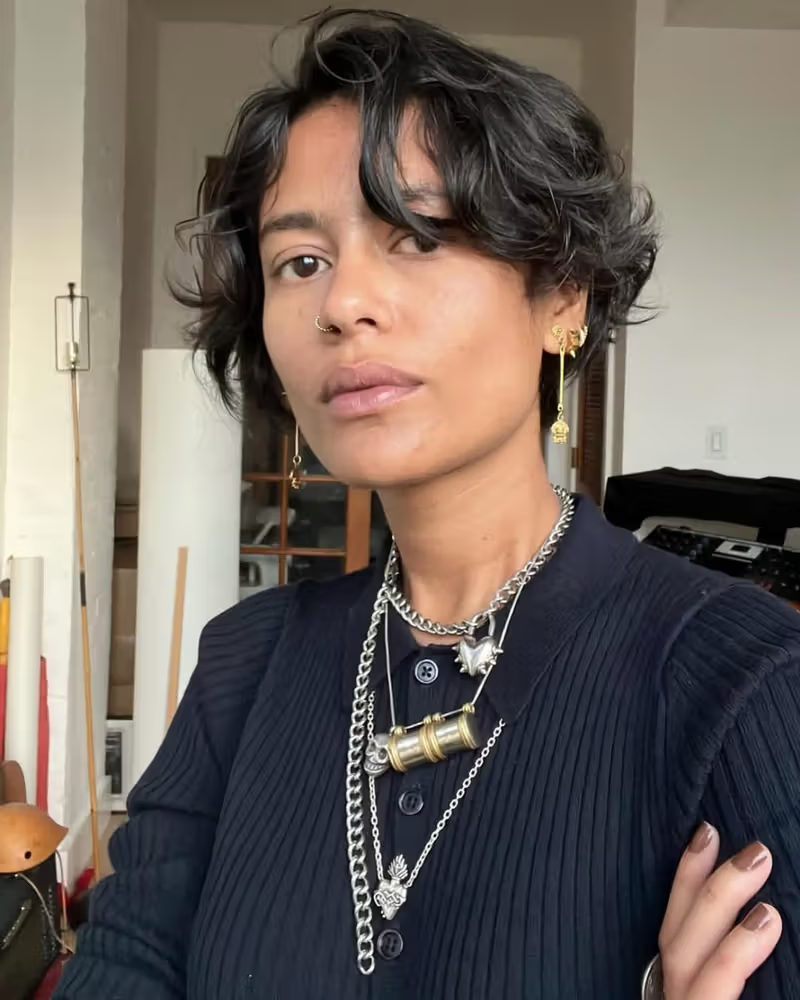
A pixie cut where the styling and cutting specifically prioritize creating visible texture and movement through the crown section gives thick hair a surface quality that reads as dimensional and interesting rather than simply dense. The crown texture on thick hair is best achieved through a combination of interior thinning and surface choppy cutting that creates variation in the length and direction of the pieces through the top.
The textured crown is the element that most consistently separates a great short cut on thick hair from an adequate one. When the crown texture is right, the thick hair looks full of personality and movement. When the crown is left too heavy or too smooth, the thickness dominates and the style looks blunt and heavy regardless of what was done at the perimeter. Ask your stylist to spend a significant portion of the appointment specifically on the crown texture rather than treating it as a finishing detail.
16. Choppy Bob with Side Part
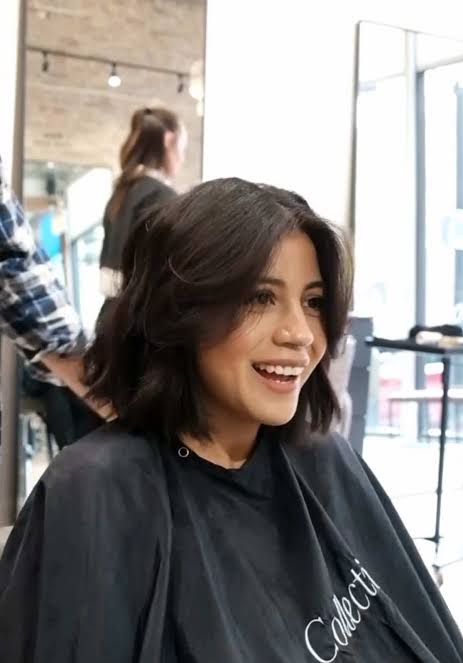
A defined side part on a choppy bob for thick hair creates an asymmetrical volume distribution that is inherently more flattering than a center part because it prevents the thick hair from creating equal bulk on both sides simultaneously. The heavier side has the full volume of the bob, while the lighter side sits closer to the head, and the diagonal direction of the part itself adds a face-elongating element.
The side part also gives thick hair a direction to fall in, which reduces the amount the hair expands outward by directing it to one side rather than leaving it to expand symmetrically in every direction. Ask your stylist to cut the part into the hair rather than simply combing it, as thick hair does not hold a combed part reliably through the day and a cut part stays defined without product maintenance.
17. Feathered Choppy Cut for Thick Hair
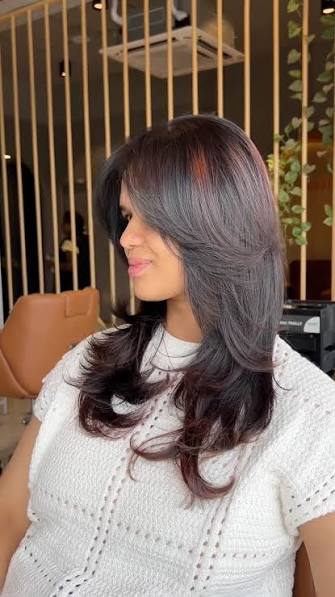
Feathering is one of the most effective techniques for thick hair because it removes weight from within each section at the ends rather than adding texture to the surface of hair that is still too heavy. The feathered ends flip and blend with a lightness that thick hair cannot achieve without this specific finishing technique, and the overall result is a cut that looks airy and dimensional rather than dense and heavy.
The feathered technique requires a skilled hand on thick hair because the amount of feathering needs to be calibrated carefully. Too little and the thick hair still feels heavy at the ends. Too much and the hair starts to look thin and wispy in sections. Ask your stylist to feather progressively, starting with a conservative amount and then assessing before removing more, so the final result hits the right point between light and full.
18. Short Choppy Cut with Undercut Nape
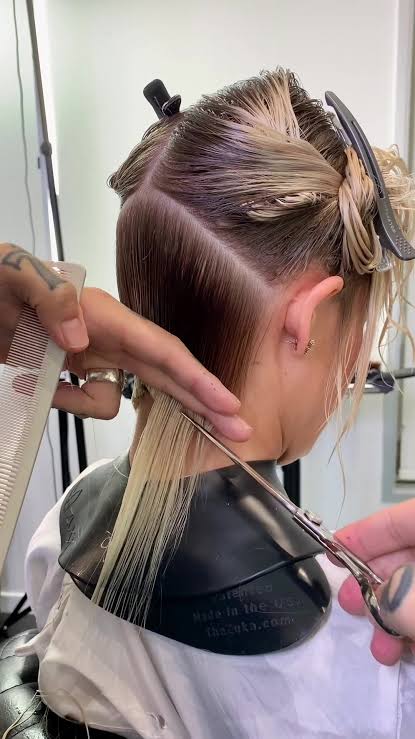
An undercut at the nape of a short choppy style removes the heaviest and most problematic bulk from the area that causes thick hair the most trouble at short lengths. The nape is where thick hair tends to sit heaviest and push outward most aggressively, and removing the hair in this section with an undercut technique takes that problem off the table entirely while leaving the visible outer layer of the cut unaffected.
The nape undercut also makes thick hair significantly more comfortable to wear at short lengths, particularly in warm weather where the weight and density of thick hair can cause discomfort at the back of the neck. Ask your barber to take the undercut higher than you think you need it, because thick hair has a way of making undercuts that feel aggressive in the chair feel completely invisible once the outer layer falls back over them.
19. Choppy Wolf Cut Short Version

The wolf cut has become one of the most popular cuts for thick hair at longer lengths, and the short version translates the same principles into a more manageable format. Significant layering through the crown creates volume and movement, curtain-style fringe anchors the front, and the ends throughout are cut with heavy choppy texture that gives the whole style its characteristic wild but intentional quality. For thick hair the wolf cut is particularly effective because its layering architecture is specifically designed to break up bulk.
The short wolf cut on thick hair looks best when it is styled with some deliberate texture product rather than being blown smooth. The whole point of the wolf cut is the visible layering and movement through the cut, which needs to be enhanced rather than suppressed by the styling approach. Ask your stylist for heavy internal layers combined with a curtain fringe and very choppy textured ends for the most authentic short wolf cut result on thick hair.
20. Choppy Pixie with Long Textured Top
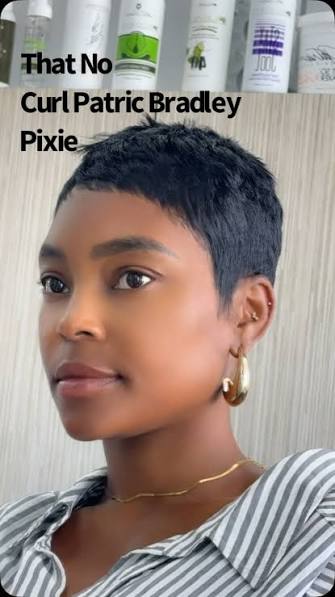
Extra length kept through the top section of a pixie on thick hair gives the density somewhere to go vertically rather than outward, which is one of the most effective solutions to the width problem that thick hair creates at short lengths. The longer top section can be styled upward, swept to one side, or pushed forward depending on the day, and the choppy texture through the top prevents the thick hair from sitting as a solid, heavy block.
The close sides are essential for this style to work on thick hair because they do the actual bulk removal that makes the longer top look intentional rather than simply overgrown. Without adequately close sides the longer top on thick hair creates more bulk rather than redirecting it. Ask your stylist to take the sides close enough that the contrast with the longer top is genuinely significant rather than subtle.
21. Bold Choppy Crop for Thick Hair
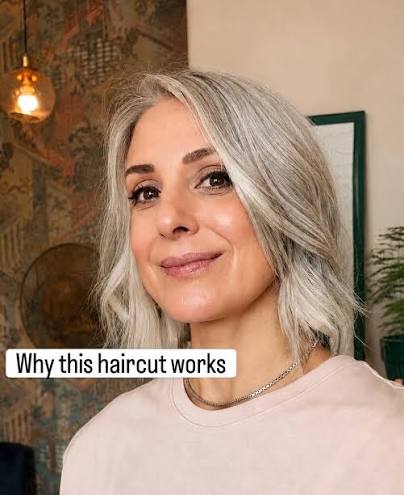
The bold choppy crop commits fully to the thick hair rather than trying to minimize or manage it. The cut is short and deliberately textured with strong visible choppy pieces through the crown that use the natural density of the thick hair to create a bold, sculptural surface rather than treating the thickness as a problem to be solved. It is the most confident and statement-making style on this list.
The bold approach works because it leans into what thick hair actually does well rather than fighting against it. Thick hair at short lengths has a presence and a dimensional quality that fine hair cannot manufacture, and the bold choppy crop is designed specifically to make that quality the focal point of the style rather than something to be reduced or concealed. Ask your stylist to cut the bold choppy pieces with real commitment rather than softening them, because the impact of this style comes from the strength of the texture rather than its subtlety.
FAQs
Is a choppy cut good for thick hair?
Choppy cutting is one of the most effective approaches for thick hair at short lengths specifically because it addresses the two main challenges that thick hair presents: bulk and expansion. The interior layering removes weight from within the cut, and the choppy finish at the ends breaks up the perimeter so the thick hair moves rather than sitting as a solid heavy block. Without some form of choppy or textured cutting, most short styles on thick hair will triangle or expand outward rather than holding a flattering shape.
How much should I thin out thick hair for a short choppy cut?
The right amount of thinning depends on the specific texture and density of the hair, as well as the style being cut. A general guide is that the interior of the cut should be thinned enough that you can see movement when you shake the hair, not just at the surface but through the whole section. Very coarse thick hair typically needs more aggressive thinning than fine thick hair. The most common mistake is under-thinning, which leaves too much weight in the interior and prevents the choppy finish from working as intended.
Will a choppy short cut make thick hair frizzy?
The relationship between choppy cutting and frizz on thick hair depends mostly on the hair’s natural texture and the finishing technique used. If the thick hair has a natural wave or curl tendency, choppy cutting can encourage that movement to express itself more freely, which can increase frizz in humid conditions. Using an anti-frizz serum or smoothing cream applied to damp hair before drying, and finishing with a light oil, manages the frizz without suppressing the choppy texture that makes the style work.
What is the best choppy short cut for very coarse thick hair?
Very coarse thick hair does best with styles that combine significant interior layering with a razor finish or heavy thinning shear work at the ends. The razor cut bob, the choppy textured crop with heavy layering, and the feathered choppy cut with progressive thinning are the three styles on this list that most specifically address the weight and stiffness that very coarse thick hair adds to the challenges of dense hair at short lengths.
How do I style a short choppy cut on thick hair at home?
The most effective home styling approach for a short choppy cut on thick hair involves applying a lightweight texturizing product to damp hair before drying, then blowdrying with a diffuser or a paddle brush to control the volume without flattening the texture. Avoid heavy products that weigh the choppy ends down and cause the thick hair to clump together. Finish with a small amount of pomade or paste worked through the ends with fingertips to enhance the separation between the choppy pieces.
Wrapping Up
Thick hair at short lengths is not a styling problem. It is a cutting problem. The right choppy cut removes the weight from the right places, directs the density in a flattering direction, and creates surface texture that makes the hair look intentional rather than overwhelming. The wrong cut leaves too much bulk in the wrong places and lets the thick hair do what it wants to do, which is expand outward in every direction.
Work through this list and identify which styles address the specific challenges your thick hair presents. If width is your main concern, the disconnected pixie, the shaved sides pixie, and the angled bob are the most targeted solutions. If bulk and heaviness are the main issue, the undercut bob, the razor cut bob, and the heavy layered crop remove the most weight. If you want something bold that uses the thickness rather than minimizing it, the bold choppy crop and the wolf cut short version are designed specifically for that approach.
Save the styles that match your instinct, bring them to a stylist who has genuine experience with thick hair specifically, and be clear that your priority is weight removal and movement rather than simply a short length. A great choppy cut on thick hair changes everything about how the hair behaves, feels, and looks. That result is worth taking the time to find the right stylist and communicate exactly what you need.