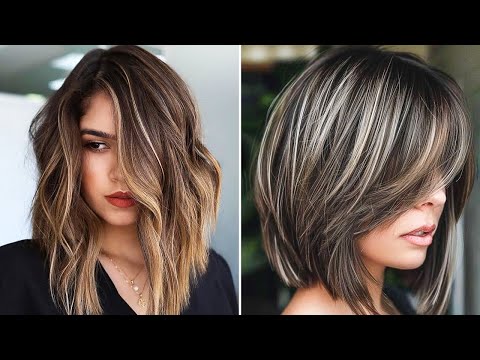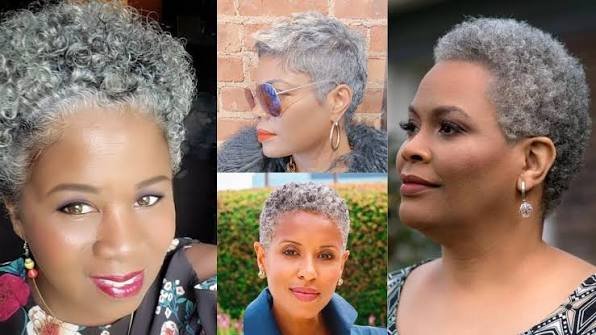
19 Hairstyles for Big Foreheads
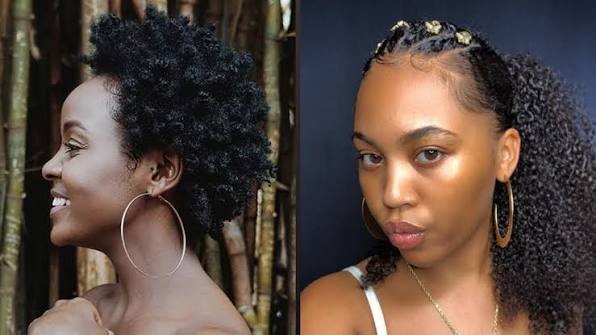
A bigger forehead is one of those features that draws more self-consciousness than it deserves. Most of the time it reads as striking rather than disproportionate, and the right haircut can shift the balance completely without doing anything dramatic. It is less about hiding something and more about framing the face in a way that feels balanced and intentional.
The hairstyles that work best for bigger foreheads tend to share a few things in common. They bring something to the forehead level, whether that is a fringe, face-framing layers, or a shape that draws the eye horizontally rather than vertically. They also avoid pulling all the hair back and up in ways that elongate the face further and leave the forehead with nothing to work with.
This list covers 19 hairstyles for big foreheads that actually address the proportions without making the cut feel like a workaround. Some use fringe. Some use face-framing layers. Some use the shape of the cut itself to create balance. All of them are worth looking at if this is something you think about when choosing a haircut.
1. Full Blunt Fringe with Medium Length Layers
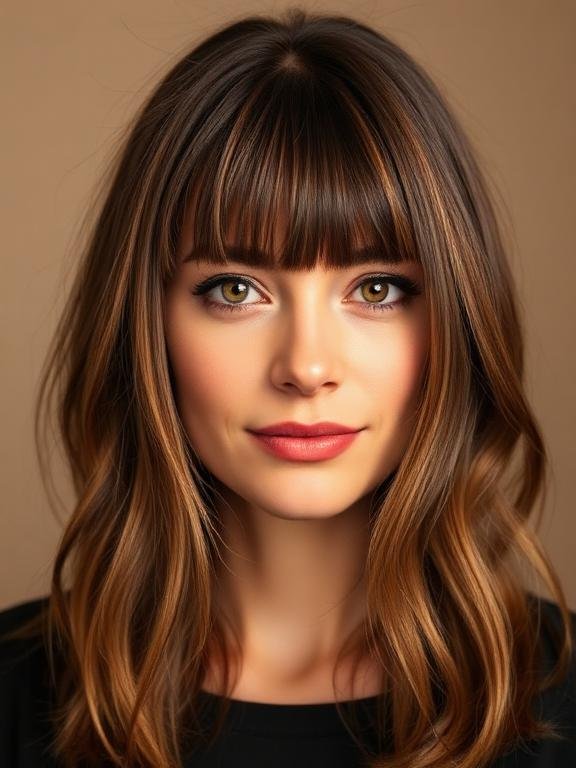
This is the most direct approach on the list. A full blunt fringe sits across the forehead and immediately reduces the amount of visible forehead space. The medium length layers through the rest of the cut give it movement and stop the fringe from looking too severe or costume-like.
Ask for a full blunt fringe cut to sit just above the eyebrows, paired with medium length interior layering through the body of the cut that softens the overall shape and stops the fringe from looking too heavy on its own.
2. Curtain Bangs with Collarbone Length Cut
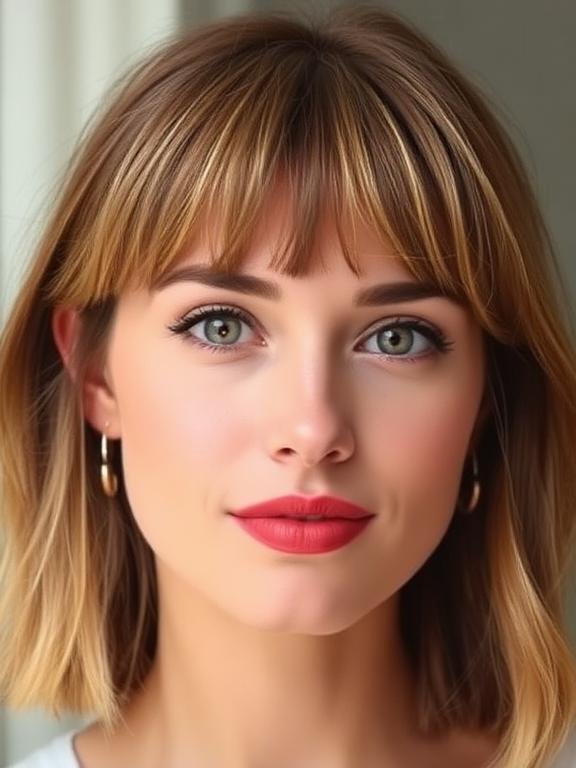
Curtain bangs are one of the most flattering fringe options for bigger foreheads because they cover the outer edges of the forehead while parting in the middle to keep the face open. Paired with a collarbone-length cut and soft interior layers, they create a balanced, relaxed look that is easy to maintain.
Ask for curtain bangs that part softly in the middle and cover the outer corners of the forehead, paired with a collarbone-length cut and soft interior layering that blends everything together naturally.
3. Side-Swept Fringe with Layered Bob
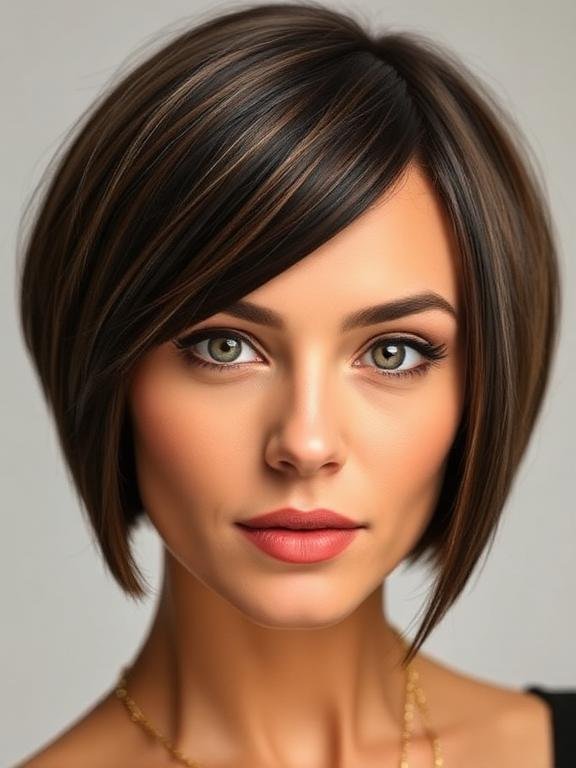
A side-swept fringe covers a significant portion of the forehead while creating a diagonal line that draws the eye across the face rather than straight up. Paired with a layered bob, it gives the whole style a directional, polished quality that frames the face from multiple angles at once.
Ask for a side-swept fringe that covers most of the forehead and sweeps naturally to one side, paired with a layered bob that keeps the overall shape balanced and the fringe blended into the rest of the cut.
4. Wispy Fringe with Medium Shag
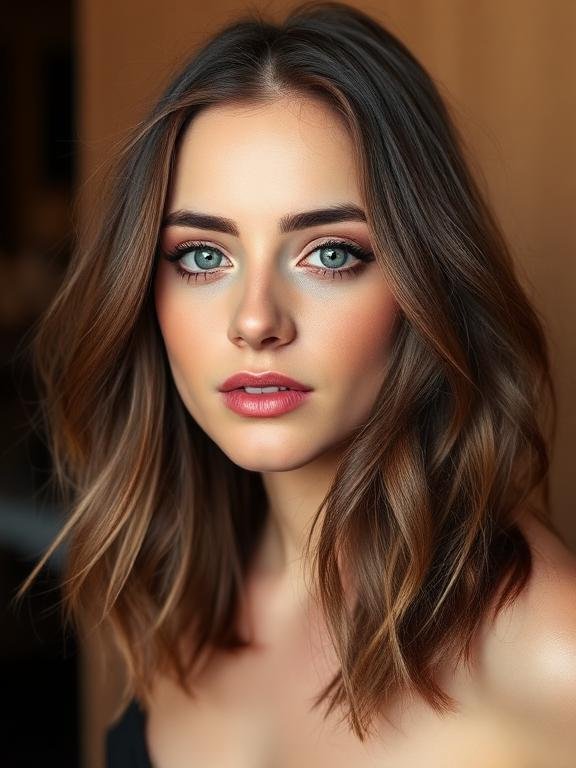
A wispy fringe is a softer alternative to a full blunt fringe. It sits across the forehead but with a lighter, more transparent quality that gives some coverage without making a bold statement. Paired with a medium shag, the wispiness of the fringe matches the relaxed texture of the rest of the cut.
Ask for a wispy, lightly textured fringe that sits softly across the forehead without a heavy, blunt edge, paired with a medium shag with full-length layering that matches the relaxed quality of the fringe.
5. Face-Framing Layers with Long Wavy Hair
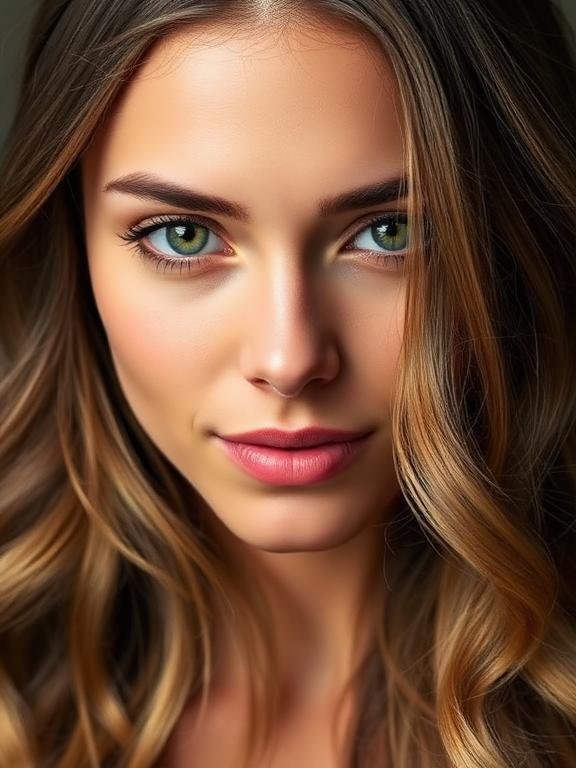
For women who prefer to keep their hair long, face-framing layers are the most effective tool for addressing a bigger forehead. Layers cut slightly shorter around the face draw attention down to the cheekbones and jaw rather than upward toward the forehead, creating a natural vertical softening effect.
Ask for face-framing layers starting around the cheekbone level that sit shorter than the rest of the cut and frame the face from the sides, paired with long wavy layers through the body of the hair that add movement and balance.
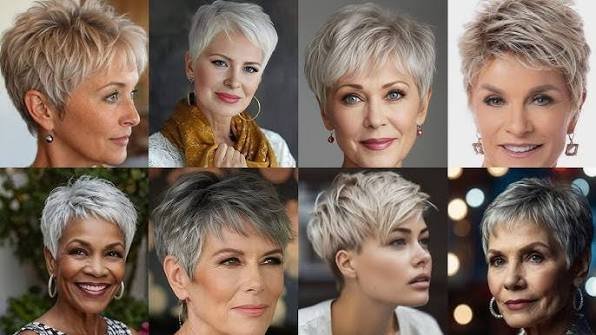
6. Textured Fringe Pixie
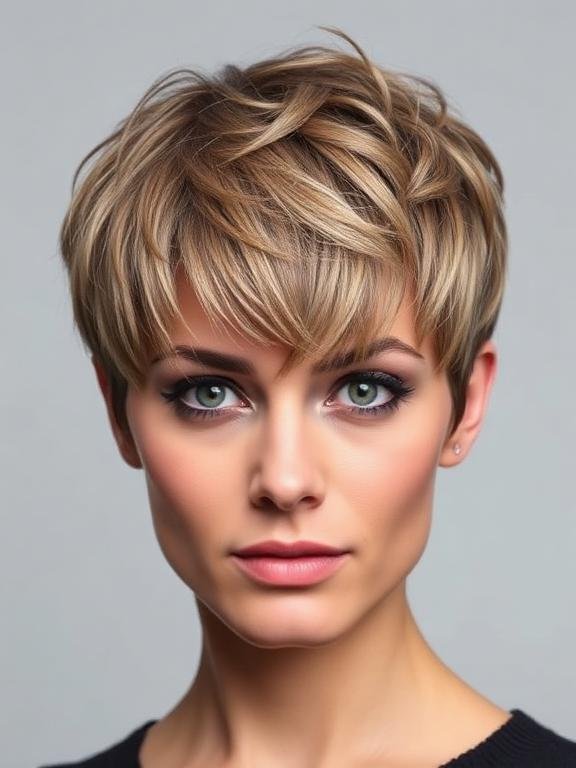
This pixie uses a textured fringe rather than a smooth or blunt one, with piece-y, separated strands across the forehead that give some coverage without looking heavy. The textured quality of the fringe matches the layering through the rest of the pixie, keeping the whole cut cohesive.
Ask for a pixie with a textured, piece-y fringe across the forehead and layering through the crown and sides that matches the texture of the fringe rather than contrasting with it.
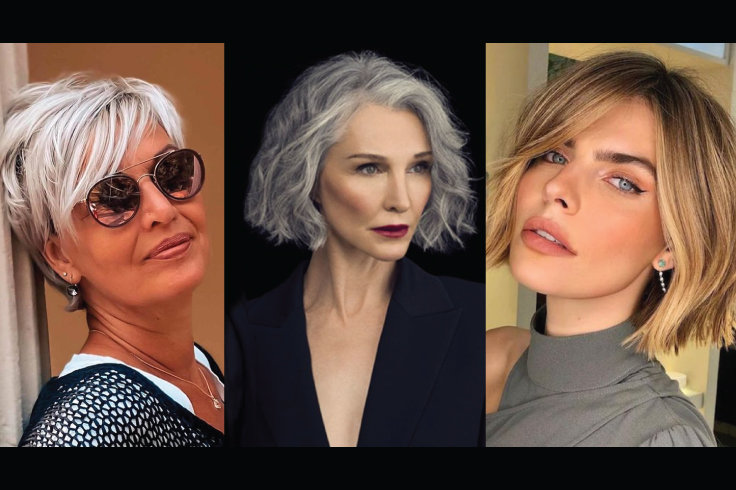
7. Asymmetric Bob with Long Side Fringe
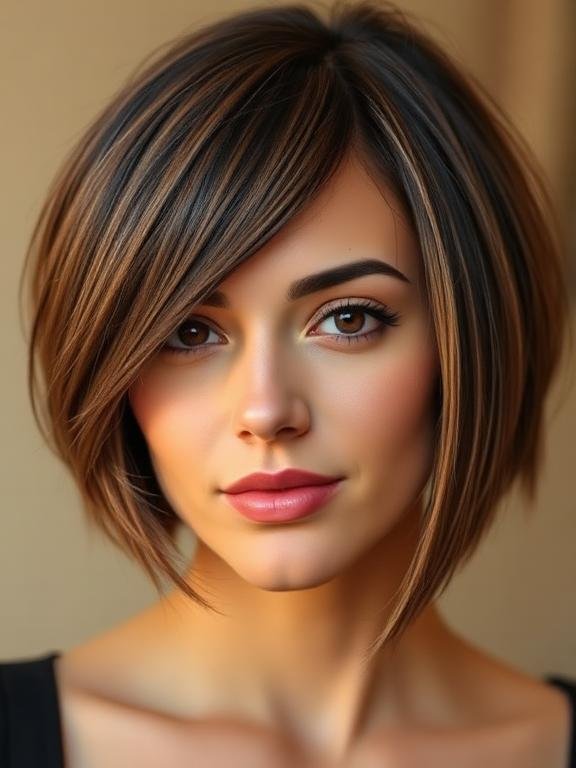
An asymmetric bob with a longer side fringe is one of the most effective non-traditional approaches for bigger foreheads. The longer side fringe creates coverage on one side while the asymmetric length draws the eye horizontally across the face, reducing the visual emphasis on forehead height.
Ask for an asymmetric bob with a longer side fringe that sweeps across one side of the forehead, with one side of the bob sitting longer than the other to create a horizontal line that balances the face.
8. Soft Curtain Fringe Pixie
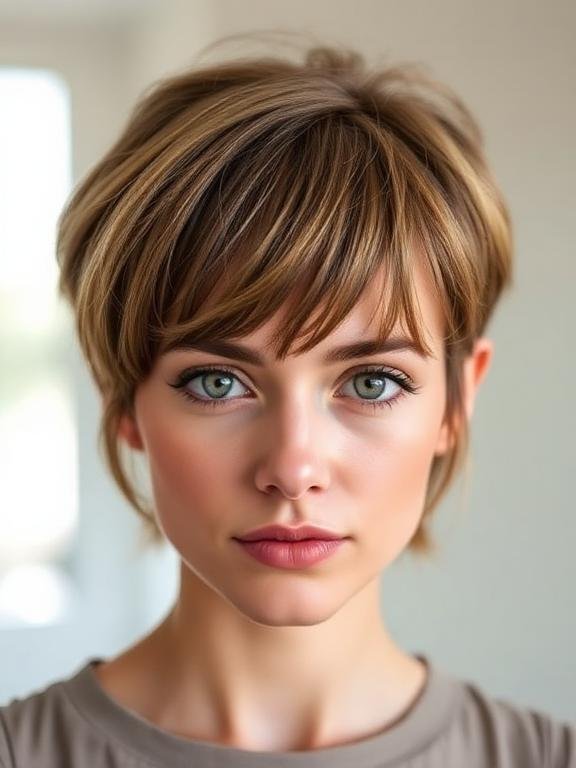
This pixie applies the curtain bang idea to a short cut, with the fringe parting softly in the middle and falling gently on either side of the center. It gives the pixie a more feminine, face-framing quality while providing partial forehead coverage that a standard short pixie would not offer.
Ask for a pixie with a curtain-style fringe that parts softly in the middle and falls gently on either side without a hard edge, blending into the short layering at the sides.
9. Shaggy Lob with Heavy Face-Framing Sections
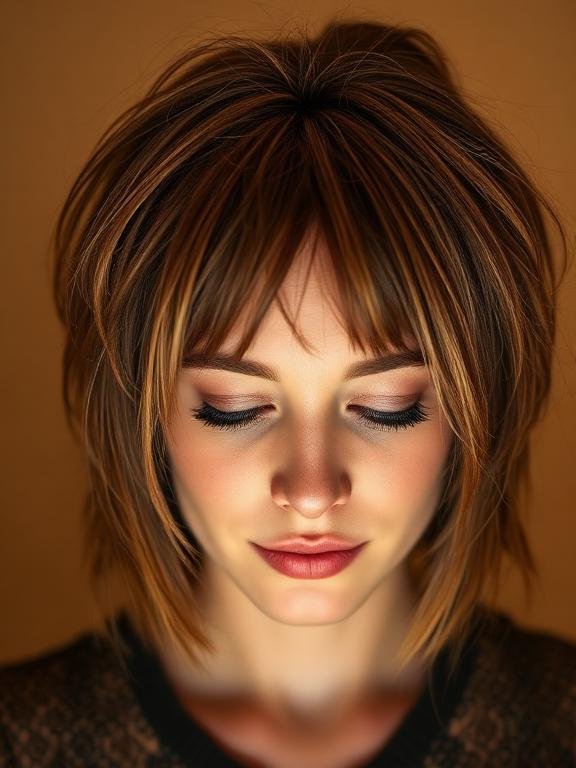
This shaggy lob uses heavier, more defined face-framing sections cut around the cheekbones and jaw to draw the eye down and outward. The shaggy layering through the rest of the cut adds texture that balances the stronger face-framing sections and stops them from looking disconnected.
Ask for a shaggy lob with defined, heavier face-framing sections around the cheekbone and jaw level, with shaggy layering through the rest of the cut that balances the overall shape.
10. Middle Part with Long Layers
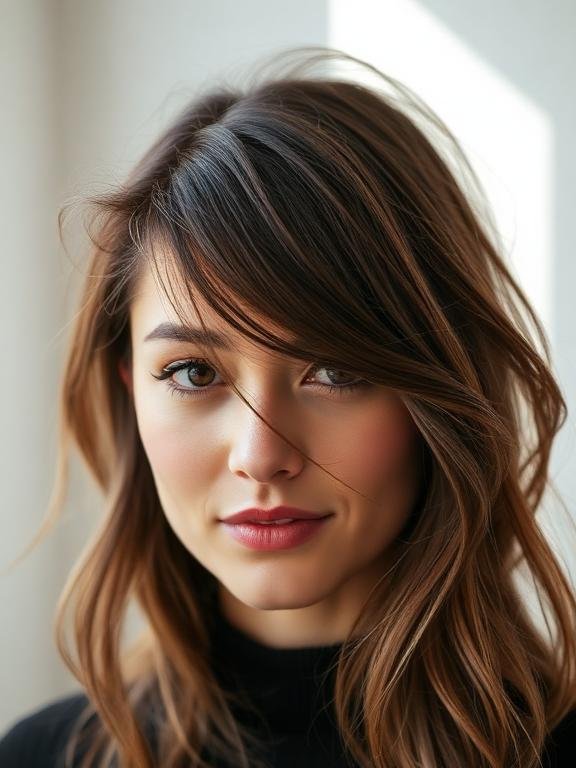
A middle part naturally draws the eye to the center of the face and downward, which reduces the visual impact of a wide or tall forehead. Paired with long layers that add movement through the mid-lengths and ends, it creates a balanced, elongating effect that works well for most face shapes with a bigger forehead.
Ask for a middle part with long interior layers through the mid-lengths and ends that add movement and frame the face from both sides without pulling the hair away from the forehead entirely.
11. Layered Bob with Fringe
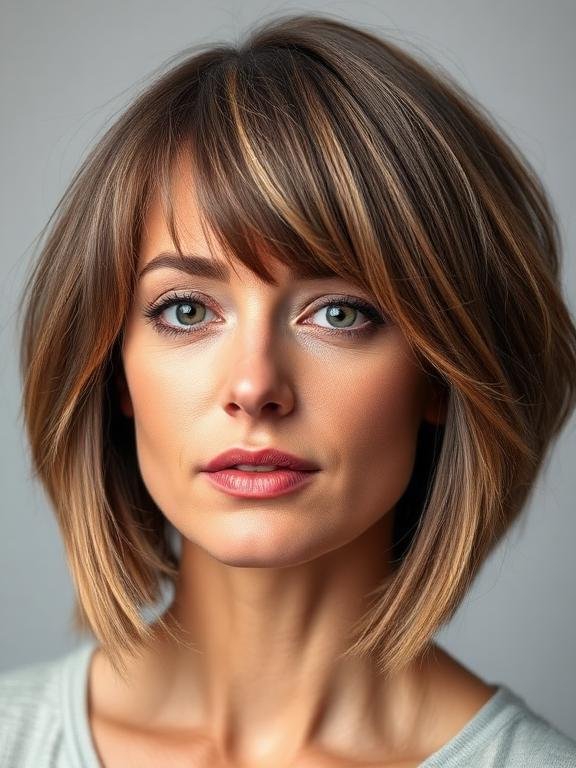
This layered bob combines two of the most effective tools for bigger foreheads in one cut. The fringe addresses the forehead directly, and the layered bob adds shape and movement through the rest of the cut that keeps the overall style from looking too fringe-focused or one-dimensional.
Ask for a layered bob with a fringe of your choice, whether blunt, wispy, or side-swept, with interior layering through the bob that gives the cut movement and stops the fringe from being the only interesting element in the style.
12. Voluminous Curly Hair with Side Part
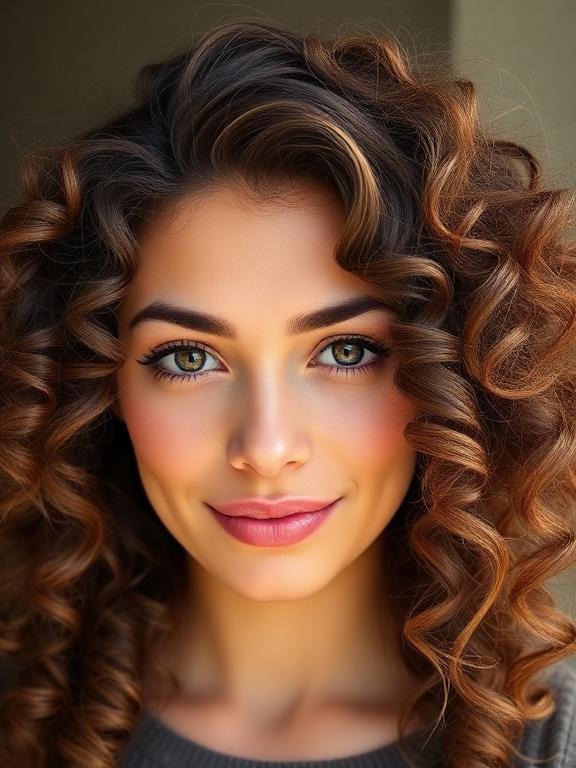
For naturally curly hair, volume at the sides is one of the most effective ways to balance a bigger forehead. A side part combined with curls that expand outward at the sides creates horizontal width that draws attention away from the vertical height of the forehead and makes the overall face shape look more proportional.
Ask for a side part with curls shaped to have volume and width at the sides rather than being pulled back or up, keeping the forehead partially covered on the heavier side of the part.
13. Fringe with Textured Pixie Bob
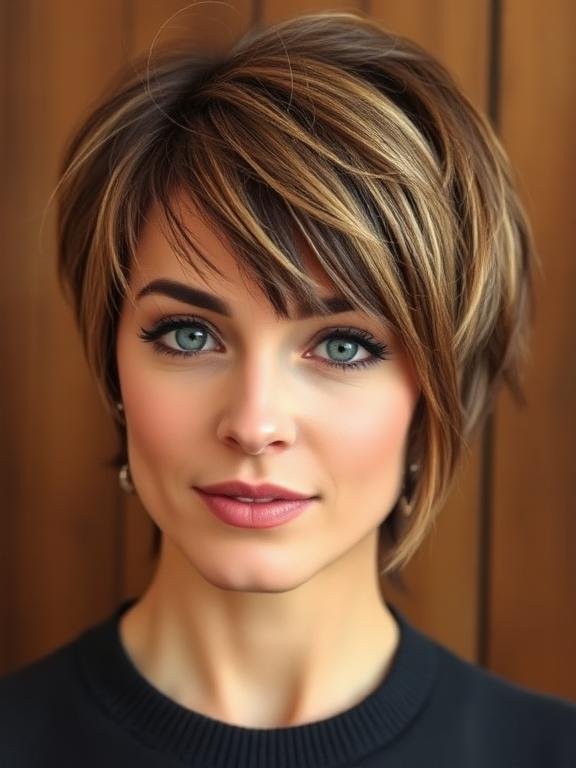
This pixie bob uses a fringe to address the forehead while the textured layering through the body of the cut adds personality and movement. The combination works well because the fringe and the texture feel like part of the same style rather than separate elements stuck together.
Ask for a pixie bob with a fringe, whether wispy or blunt depending on preference, and textured layering through the crown and sides that gives the cut movement and keeps it from looking too neat or structured.
14. Braided Fringe Style
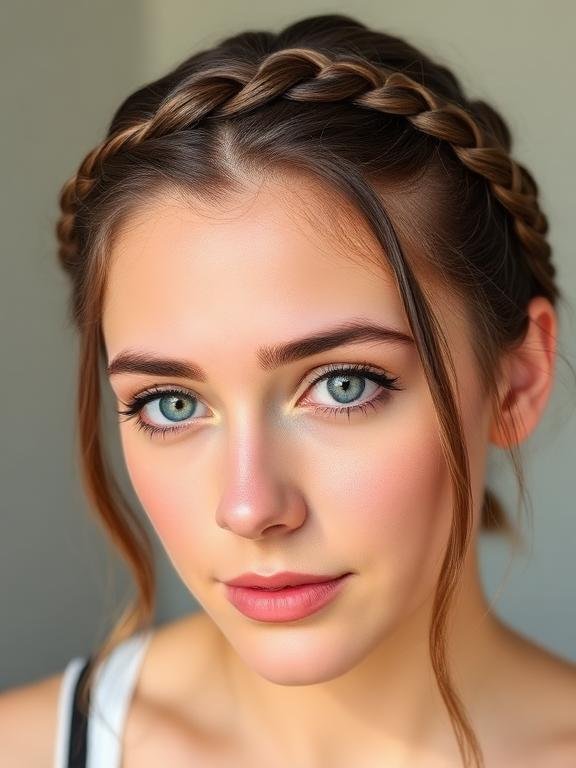
For women who prefer not to cut a fringe, a braided fringe is an alternative that creates coverage without commitment. A small braid or two pulled across the forehead from one side mimics the look of a fringe and can be pinned into place for a style that looks deliberate and interesting.
Ask your stylist to show you how to create a simple braided fringe from the front sections of your hair, or look for tutorials that use a small side braid pulled across the forehead and secured with a pin on the opposite side.
15. Soft Rounded Bob with Fringe
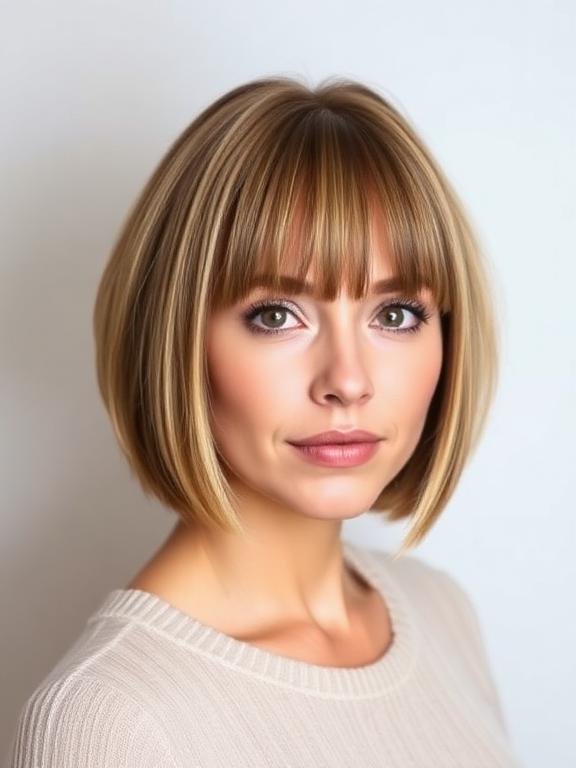
This rounded bob has a full, curved silhouette with a fringe that brings coverage to the forehead. The rounded shape of the bob adds horizontal width at the sides that balances the forehead from below, while the fringe addresses it directly from above. Together they create a very flattering frame.
Ask for a rounded bob with interior layering for fullness and a fringe that sits softly across the forehead, with the overall shape keeping width at the sides to balance the face proportions.
16. Wolf Cut with Curtain Bangs
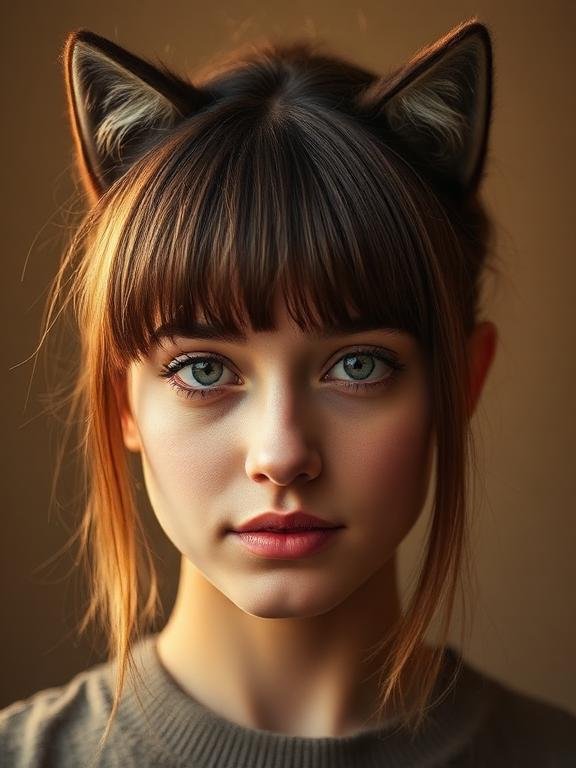
This wolf cut uses its naturally heavy crown layers and curtain bangs together to create significant forehead coverage and face framing. The curtain bangs sit across the forehead while the crown layers push volume outward and downward, drawing the eye toward the middle of the face rather than up toward the hairline.
Ask for a wolf cut with curtain bangs that cover the outer corners of the forehead, with crown layers that push volume outward to create width at the sides and frame the face from multiple angles.
17. Long Straight Hair with Blunt Fringe
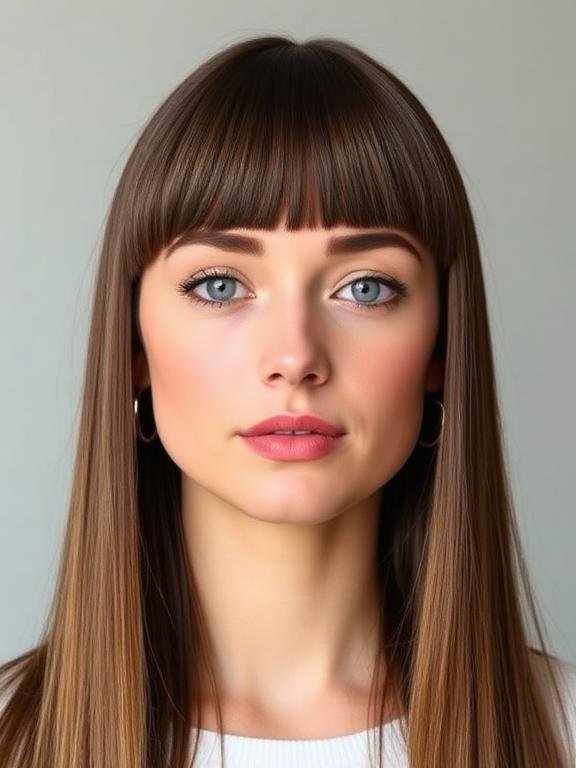
Long straight hair worn with a blunt fringe is one of the most classic combinations for bigger foreheads. The straight length draws the eye downward, and the blunt fringe creates a strong horizontal line across the forehead that immediately reframes the face. It is simple and highly effective.
Ask for long straight hair with a blunt fringe cut to sit just above or at the eyebrows, with minimal interior layering that keeps the straight length smooth and the fringe clean.
18. Textured Lob with Side Part and Face-Framing Layers
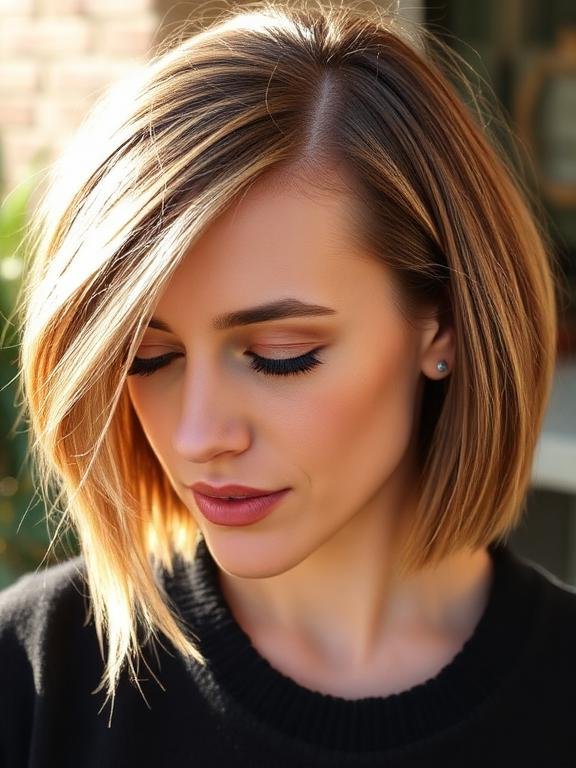
This textured lob uses a side part and face-framing layers together to address the forehead from two directions at once. The side part creates partial forehead coverage on the heavier side, and the face-framing layers draw the eye downward toward the cheekbones and jaw, reducing the upward focus on the forehead.
Ask for a textured lob with a defined side part and face-framing layers cut to sit around the cheekbone level, with interior layering through the rest of the cut that adds texture and movement.
19. Bixie with Wispy Fringe and Textured Layers
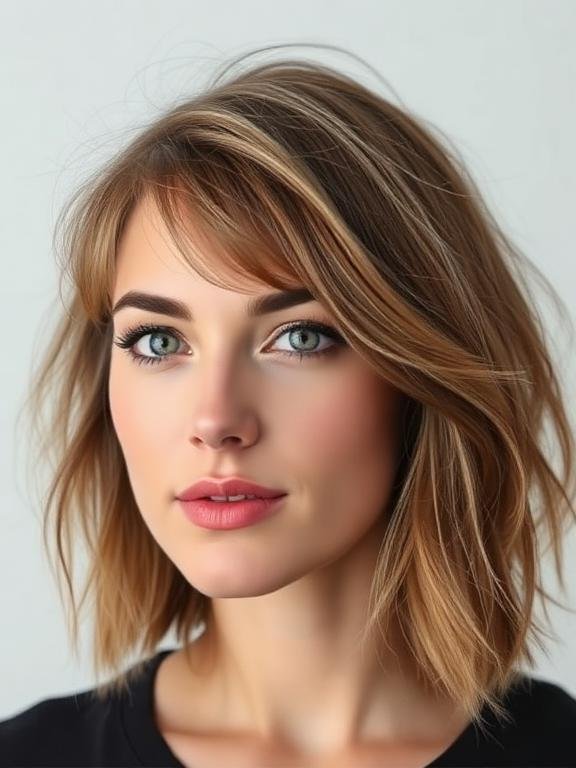
This bixie sits between a bob and a pixie in length, with a wispy fringe that provides soft forehead coverage and textured layers through the rest of the cut that give the style personality and movement. The wispy quality of the fringe keeps it from looking too heavy for the short overall length.
Ask for a bixie with a wispy, lightly textured fringe and layering through the body of the cut that matches the relaxed quality of the fringe and keeps the whole style feeling cohesive and intentional.
FAQs
What fringe works best for a big forehead?
It depends on how much coverage you want and how much maintenance you are willing to do. A full blunt fringe gives the most coverage but needs regular trimming to stay at the right length. Curtain bangs are lower maintenance and more forgiving as they grow. A side-swept fringe sits between the two in terms of coverage and upkeep.
Should I avoid pulling my hair back if I have a big forehead?
Not necessarily. A slicked-back or pulled-up style can look striking and intentional on a bigger forehead. The key is whether the overall look feels balanced and confident rather than like an attempt to minimize something. If you like the way it looks, wear it that way.
Can short hair work for a big forehead?
Yes, as long as there is something at the forehead level to work with. A pixie with a fringe, a bixie with curtain bangs, or a short bob with face-framing pieces all address the forehead while keeping the overall length short. A very close crop with no fringe leaves the forehead fully exposed, which can work beautifully but requires confidence in the look.
Do layers help with a big forehead?
Layers help by creating face-framing sections that draw the eye down and outward toward the cheekbones and jaw rather than upward toward the forehead. They do not directly reduce the appearance of the forehead the way a fringe does, but they shift the overall focus of the face in a way that makes proportions feel more balanced.
Is a middle part or side part better for a big forehead?
Both can work. A side part creates partial coverage on one side and adds a directional asymmetry that can be flattering. A middle part draws the eye downward and works well when paired with face-framing layers that add width at the cheekbones. The best choice depends on your face shape and the overall style you are going for.
Wrap-Up
A bigger forehead is not a problem to solve. It is a feature to work with. The right haircut does not hide it so much as it frames everything around it in a way that feels proportional and intentional, and often the result is a style that looks more considered and flattering than one chosen without thinking about it at all.
The 19 styles on this list cover a range of approaches from fringe-forward to layer-focused to shape-based. Some will suit you immediately. Others might take a second look. The one that resonates most is usually the one that matches not just your forehead but your hair type, your face shape, and the way you actually want to show up every day.