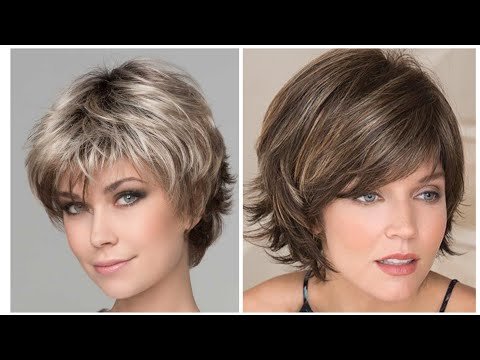
17 Hairstyles for Thin Fine Gray Hair
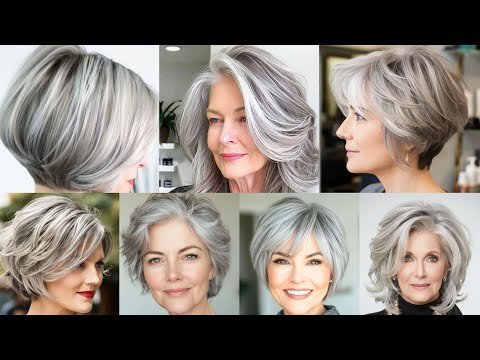
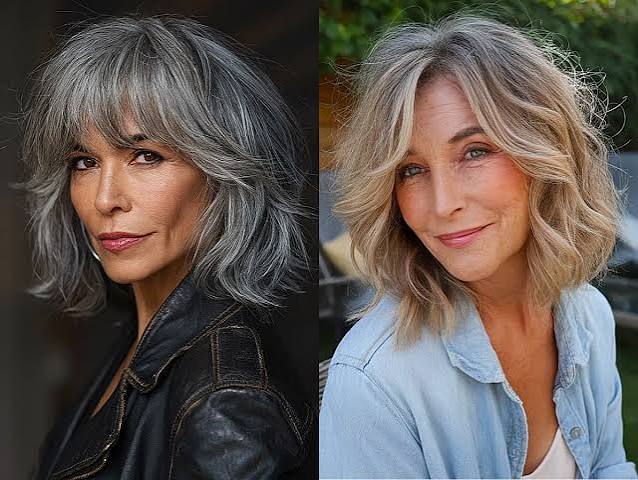
Gray hair and fine hair together create a specific set of challenges that neither one creates on its own. Gray hair tends to be coarser and more wiry in texture than pigmented hair for some women, but for others it becomes softer, more fragile, and harder to hold a style. Fine gray hair specifically often has less elasticity, less natural oils, and a tendency to look flat and limp in a way that colored fine hair might not quite as dramatically.
What makes it more complex is that gray hair also deserves to be worn beautifully rather than just managed. The right haircut does not just address the thinness and fineness. It celebrates the color. It creates a shape that looks intentional and modern rather than simply low effort. It gives gray hair the same consideration any other color gets when it comes to choosing a cut that genuinely flatters.
This list covers 17 hairstyles for thin fine gray hair that address the specific needs of this hair type and color combination while still looking current, considered, and genuinely worth wearing.
1. Blunt Silver Bob for Thin Fine Gray Hair
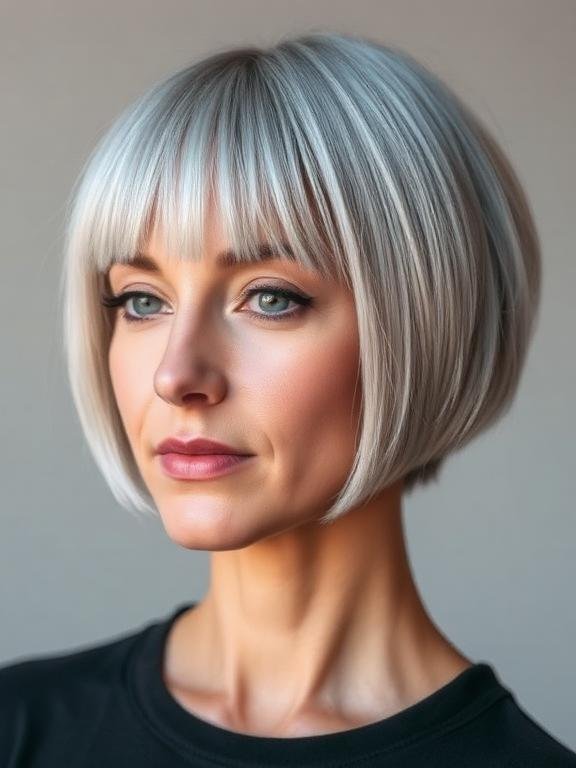
A blunt bob is one of the most reliable cuts for thin fine gray hair because the dense, even perimeter maximizes the appearance of fullness at the ends where fine gray hair most needs it. The clean edge also makes the silver color look intentional and graphic rather than faded or thin, which is one of the most common visual problems with unlayered fine gray hair.
Ask for a blunt bob with a clean even perimeter and no thinning through the ends, with only very light interior shaping through the upper mid-lengths if the hair needs root lift, keeping the perimeter as dense and full as possible for thin fine gray hair.
2. Short Tapered Pixie for Thin Fine Gray Hair
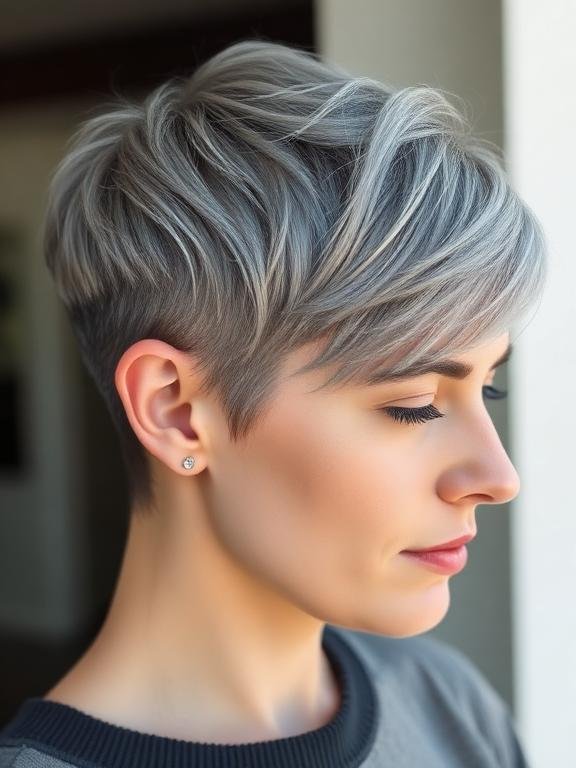
A short tapered pixie removes the length that makes fine gray hair go flat and limp and replaces it with a close, clean shape that works with the natural texture of gray hair rather than fighting it. The tapering at the nape and sides keeps the shape neat, and the short crown length means there is less distance for the hair to travel before the density at the perimeter is maximized.
Ask for a short tapered pixie with a neat nape and sides, enough crown length to show natural texture and movement, and a finish that works with the natural coarseness or softness of gray hair rather than trying to override it.
3. Soft Layered Silver Lob for Thin Fine Gray Hair
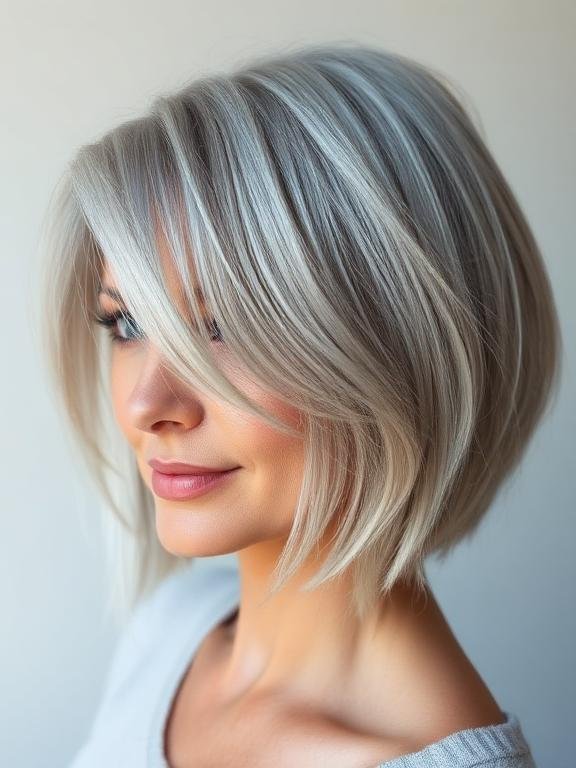
This lob sits at collarbone length with very conservative layering through the upper mid-lengths that adds movement and root lift without stripping the density from the ends. For fine gray hair the layering needs to be placed higher up and used more sparingly than it would be for thicker hair, keeping the perimeter as full as the hair can manage.
Ask for a collarbone-length lob with conservative layering placed only through the upper mid-lengths to encourage root lift and movement, leaving the lower sections and ends as full and dense as possible for thin fine gray hair.
4. Textured Gray Pixie Bob for Thin Fine Gray Hair
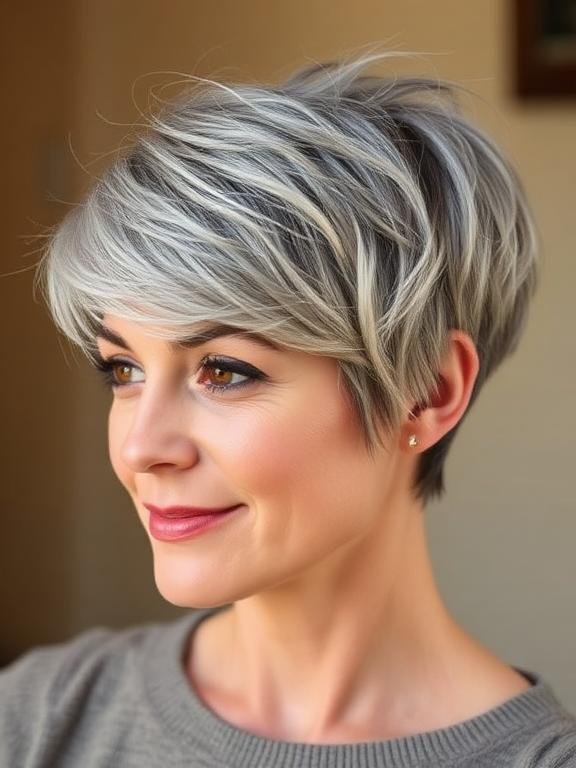
This pixie bob sits between a pixie and a bob in length, with visible texture through the crown and sides that makes the most of gray hair’s natural character. Gray hair often has a slightly different surface texture than pigmented hair, and a textured cut works with that rather than trying to smooth it out, giving the short length personality and movement.
Ask for a pixie bob with visible textured layering through the crown and sides that works with the natural surface texture of gray hair, with a clean nape and sides that keep the outline neat without the cut looking overworked.
5. Side-Parted Silver Bob for Thin Fine Gray Hair
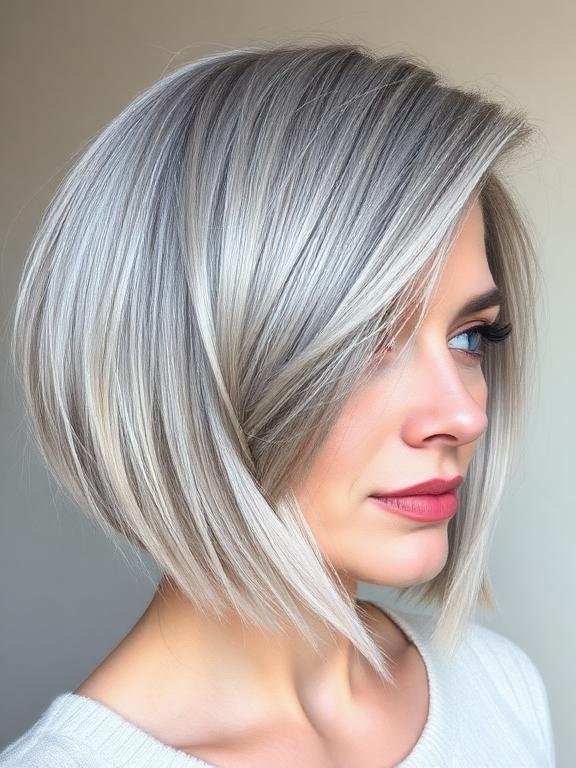
A side part creates immediate volume on the heavier side of the part and breaks the symmetry of a centered style, both of which benefit thin fine gray hair. The extra volume the side part creates makes the hair look denser than it is, and the asymmetry gives the style a sense of direction and intention that a centered, flat bob might lack.
Ask for a silver bob with a defined side part and light root-lift layering through the crown that encourages volume on the heavier side of the part, with a blunt or minimally textured perimeter that keeps the thin fine gray hair as dense as possible at the ends.
6. Curtain Bang Gray Bob for Thin Fine Gray Hair
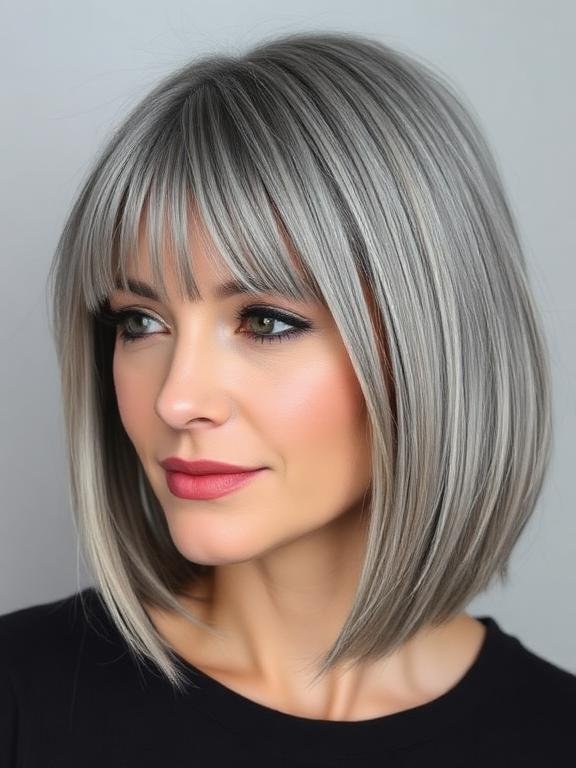
Curtain bangs are one of the most flattering additions to a bob for thin fine gray hair because they create face-framing interest at the front without requiring density the hair does not have. The parted quality of curtain bangs means they are naturally lighter than a full fringe, which makes them significantly more manageable for thin fine hair throughout the day.
Ask for a gray bob with curtain bangs that part softly in the middle and blend into face-framing layers at the sides, with the body of the bob kept as full and dense as possible and the interior layering placed conservatively through the upper mid-lengths only.
7. Voluminous Gray Pixie with Crown Lift for Thin Fine Gray Hair
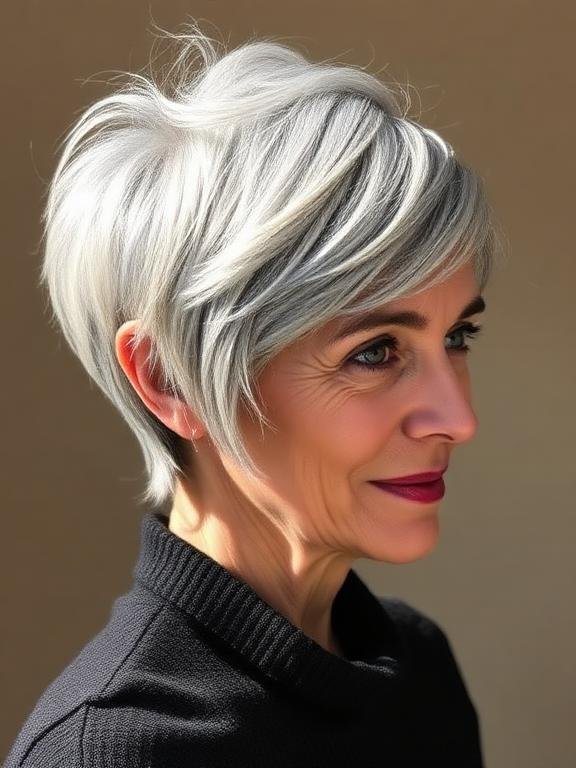
This pixie concentrates its energy at the crown, with short layers cut specifically to push the gray hair upward and create visible lift at the top of the head. The close sides keep the shape proportional, and for thin fine gray hair the short length means the crown lift layers have less weight to work against and can create more visible volume than the same layers would achieve in longer hair.
Ask for a short gray pixie with layering through the crown cut specifically to create lift and volume at the top, close tapered sides that keep the shape balanced, and enough crown length to hold the lifted shape with minimal product.
8. Wispy Fringe Gray Bob for Thin Fine Gray Hair
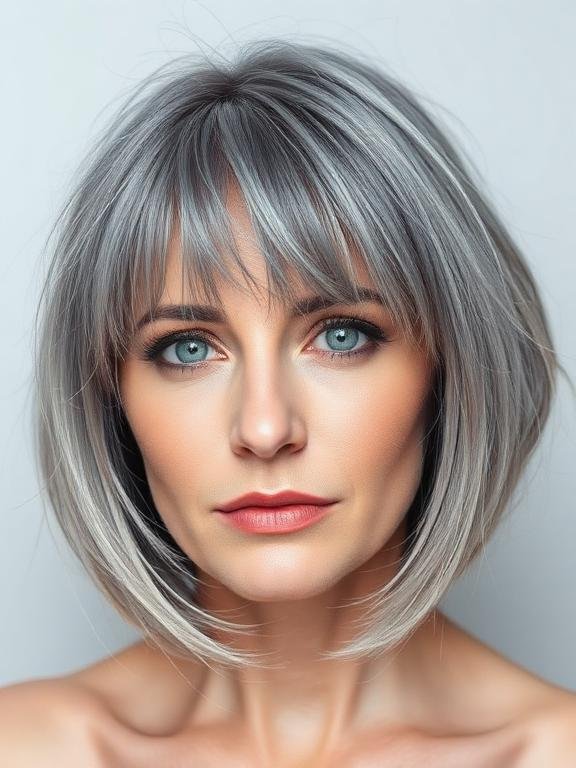
A wispy fringe sits lightly across the forehead with a transparent, feathered quality that suits thin fine gray hair well because it does not demand density the hair cannot provide. It also gives the style a focal point and a sense of intention at the front that a fringeless bob on thin fine gray hair can sometimes lack.
Ask for a gray bob with a wispy fringe cut to sit lightly across the forehead without a blunt or heavy edge, with a clean full perimeter on the bob underneath that keeps the thin fine gray hair as dense as possible at the ends.
9. Silver Shag with Conservative Layers for Thin Fine Gray Hair
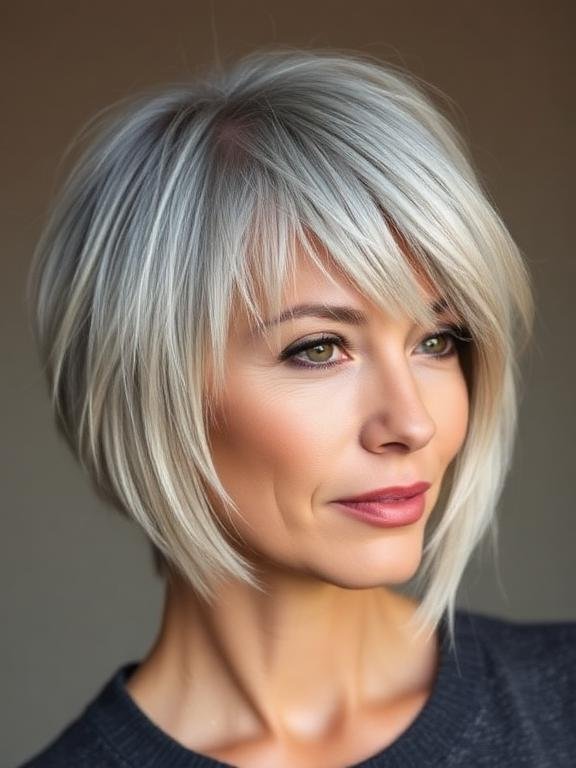
A shag on thin fine gray hair needs to be significantly more conservative than a shag on thicker hair. The layering should be concentrated in the upper mid-lengths and crown rather than running all the way to the ends, and the perimeter should be kept as full as possible. Done right, a conservative shag gives thin fine gray hair movement and texture that a simpler cut would not achieve.
Ask for a silver shag with layering concentrated through the crown and upper mid-lengths rather than through the full length of the cut, keeping the lower sections and ends as full as possible and the perimeter dense enough that the thin fine gray hair does not look scraggly at the tips.
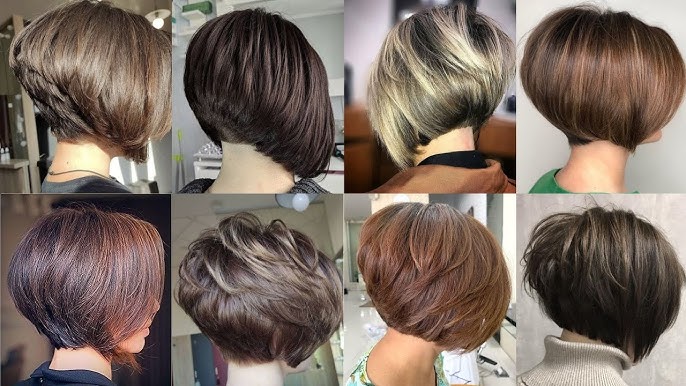
10. Gray Graduated Bob for Thin Fine Gray Hair
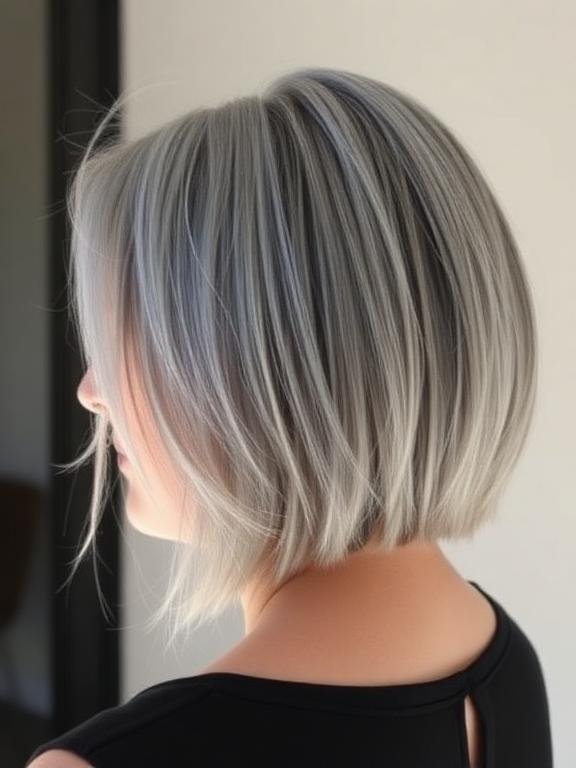
A graduated bob creates lift at the back of the head through the structure of the cut itself rather than relying on the density of the hair to build volume. For thin fine gray hair this structural approach is particularly useful because it means the volume and shape come from the graduation rather than from layering that might remove too much density from the ends.
Ask for a graduated gray bob with a shorter back that creates natural crown lift and a longer front that frames the face, with interior layering kept as conservative as possible to preserve perimeter density for thin fine gray hair.
11. Soft Silver Pixie with Feathered Sides for Thin Fine Gray Hair
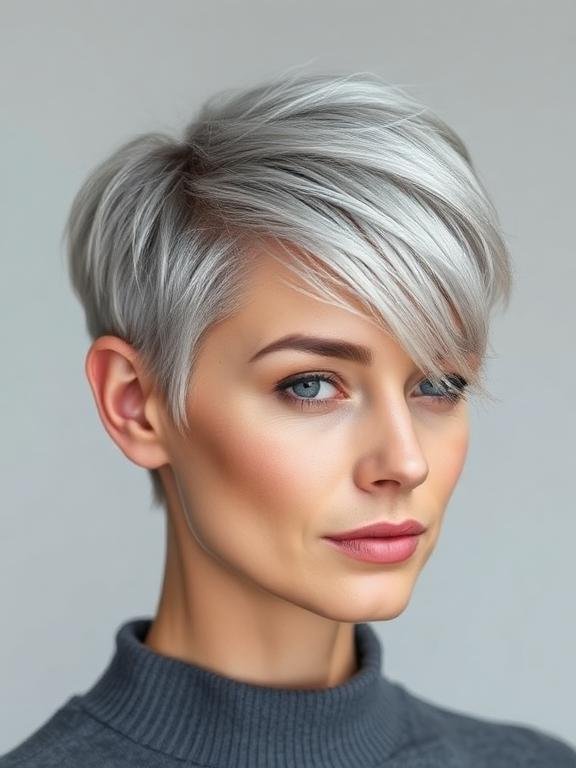
This pixie uses feathered layering through the sides to create a soft, airy quality rather than a hard, defined outline. For thin fine gray hair the feathering keeps the sides from looking too flat or too heavily clippered, giving the overall shape a delicate, flattering quality that suits the fineness of the hair.
Ask for a silver pixie with feathered layering through the sides that creates a soft, airy outline rather than a hard clippered edge, with crown layering that encourages natural lift and a finish that works with the texture of gray hair.
12. Gray Bob with Face-Framing Highlights for Thin Fine Gray Hair
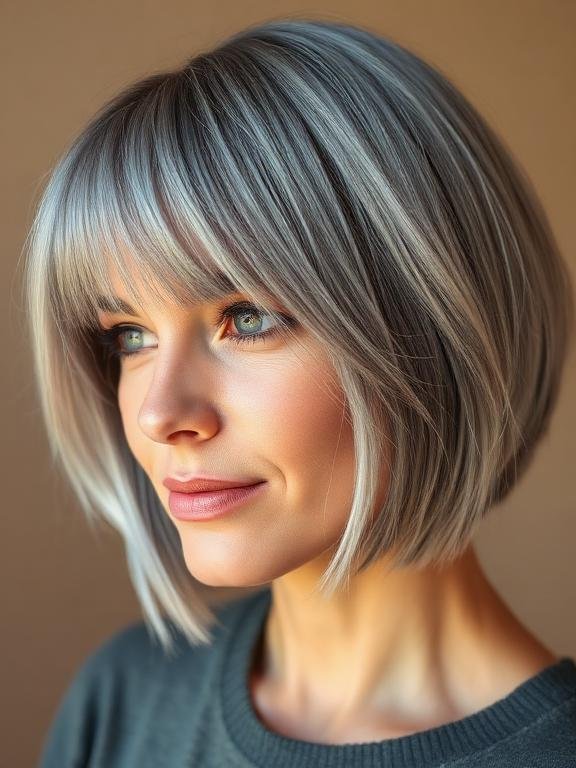
Not all gray hair is the same shade throughout. Using lighter highlights or a brightening treatment through the face-framing sections adds dimension and visual depth that thin fine gray hair often lacks. The contrast between lighter and darker sections creates the impression of more texture and density than the hair actually has, doing the work of volume without requiring layering that might thin the ends.
Ask for a gray bob with face-framing brightness or highlights through the front sections that add dimension and contrast, paired with a blunt or minimally layered perimeter that keeps the thin fine gray hair as dense as possible at the ends.
13. Gray Wolf Cut with Conservative Layering for Thin Fine Gray Hair
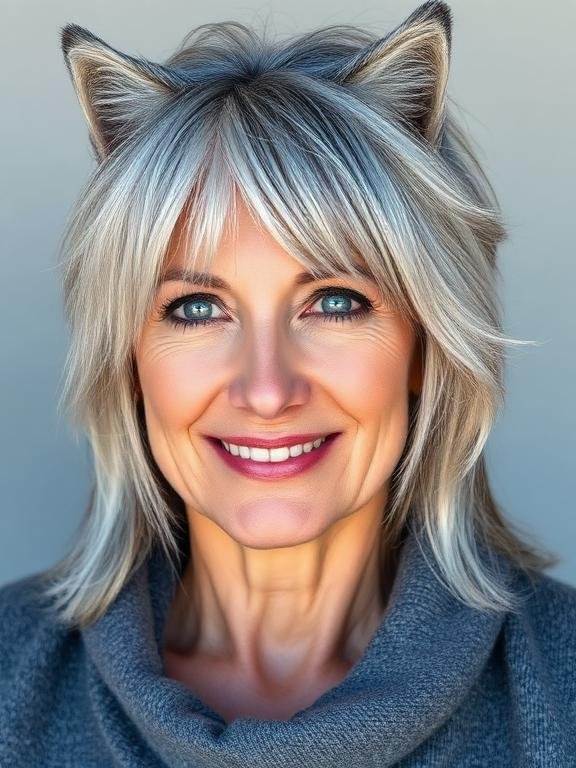
The wolf cut on thin fine gray hair requires significantly more restraint than the standard version. The crown layers should be light enough that they create lift without leaving thin, wispy sections, and the longer lengths through the mid-section should be kept as full as possible. When executed with that level of care, the wolf cut gives thin fine gray hair more movement and personality than most other medium length options.
Ask for a gray wolf cut with light crown layering that creates lift without making the crown sections thin or wispy, and longer mid-section lengths kept full enough to give the ends weight and the overall style presence for thin fine gray hair.
14. Short Gray Bob with Root Lift Layers for Thin Fine Gray Hair
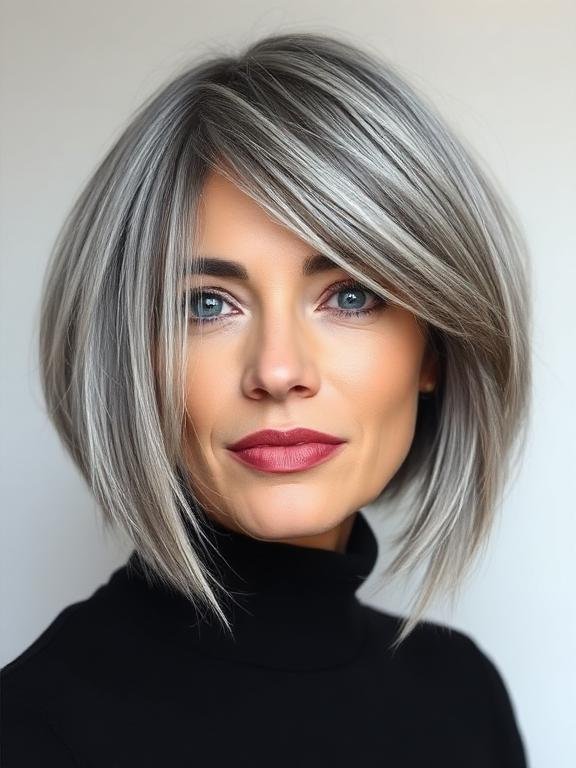
This short gray bob places its layers specifically at the roots and crown to encourage maximum lift at the base where thin fine gray hair goes flattest through the day. The lower mid-lengths and ends are left completely untouched to preserve the density at the perimeter. The result is a short gray bob that holds its volume longer through the day than a bob without root-specific layering.
Ask for a short gray bob with layering placed specifically at the roots and crown to encourage lift and volume through the day, with the lower mid-lengths and ends completely untouched to preserve as much perimeter density as possible for thin fine gray hair.
15. Silver Lob with Babylights for Thin Fine Gray Hair
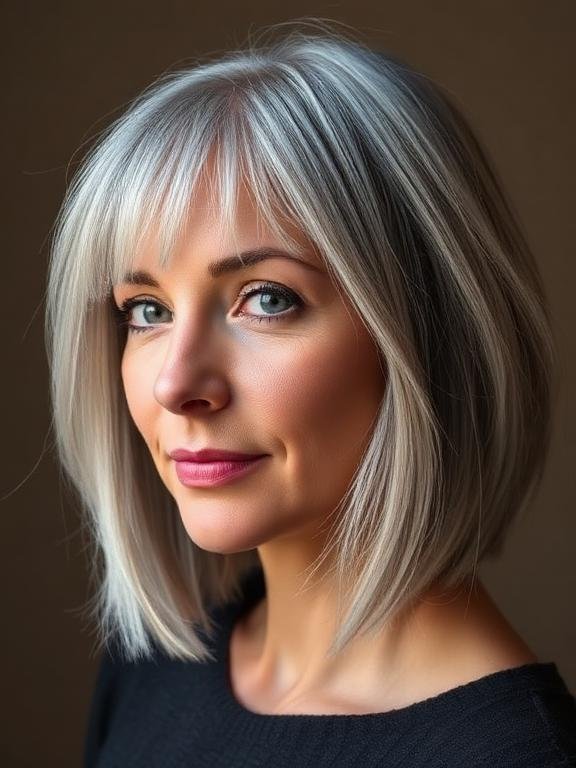
Babylights through a silver lob add diffused dimension and brightness that thin fine gray hair struggles to produce on its own. The very fine, closely placed highlights create the impression of depth and texture throughout the lob without an obviously colored appearance, making the hair look thicker and more multidimensional in a way that a single, flat gray tone does not.
Ask for a silver lob with babylights or a brightening treatment placed through the mid-lengths and ends to add diffused dimension and the impression of more texture and density, paired with a conservative perimeter that keeps the thin fine gray hair as full as possible at the ends.
16. Gray Pixie with Side Sweep for Thin Fine Gray Hair
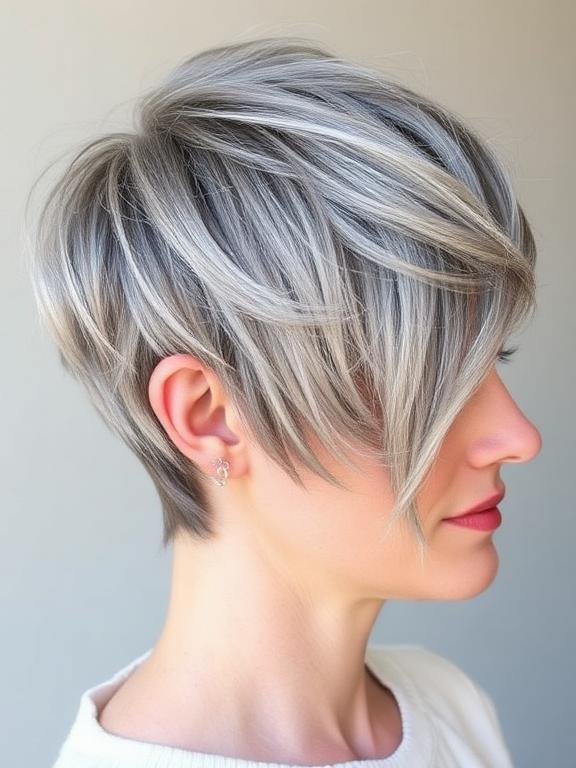
This gray pixie has a gentle side sweep through the front that air dries into place without needing to be directed with tools every morning. The side sweep creates a directional quality that gives the style intention and shape, and for thin fine gray hair the short overall length means the sweep can hold through the day without the weight of longer hair pulling it flat.
Ask for a short gray pixie with a side-swept front section that holds its direction naturally after air drying, close layering through the crown and back, and a clean nape finish that keeps the overall shape neat and considered.
17. Soft Gray Bob with Inward Curl and Gentle Layers for Thin Fine Gray Hair
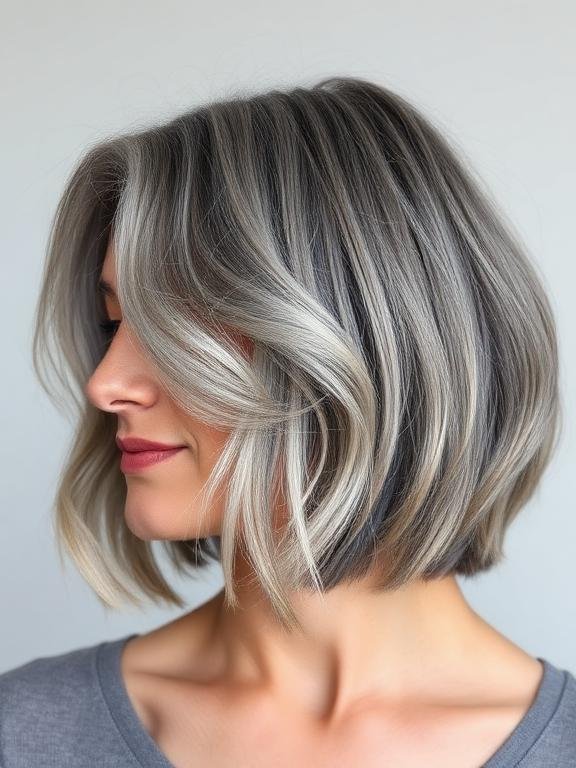
This gray bob uses gentle interior layering through the mid-lengths to encourage a soft inward curl at the ends that gives the overall shape a classic, rounded quality. For thin fine gray hair the inward curl adds visual fullness at the perimeter in a way that layering alone cannot, making the ends look fuller and more intentional than a flat, straight-hanging bob would on the same hair type.
Ask for a short to medium gray bob with gentle interior layering through the mid-lengths placed to encourage a natural inward curl at the ends, giving the overall shape a soft rounded fullness that holds without needing to be set with heat each day.
FAQs
Why does gray hair often feel thinner than pigmented hair?
Gray hair loses its pigment because the hair follicles stop producing melanin. This process also affects the structure of the hair shaft itself, which can become finer and more fragile over time. Additionally gray hair tends to have a different surface texture that can make it more prone to dryness and breakage, both of which contribute to the appearance and reality of thinner, finer hair.
What products work best for thin fine gray hair?
Volumizing mousse or root-lifting spray applied before blow drying are the most effective starting points for adding body to thin fine gray hair. A purple or silver toning shampoo used occasionally keeps gray hair looking bright and intentional rather than yellow or dull. Light-hold finishing spray adds texture without weight. Heavy creams, oils, or serums should be avoided as they weigh thin fine gray hair down and reduce whatever volume the cut is trying to create.
Should thin fine gray hair be colored to look fuller?
Not necessarily, but strategic toning or highlighting can add dimension that makes thin fine gray hair look more textured and full. Babylights or face-framing highlights within the gray spectrum add contrast without covering the gray, which can make a significant visual difference to the apparent density of the hair without requiring a full color commitment.
Can thin fine gray hair be worn long?
It can, but longer lengths tend to emphasize the thinness and fineness of gray hair rather than minimize it. The weight of longer hair pulls thin fine gray hair flat and makes the ends look straggly and thin. Most women with thin fine gray hair find that shorter cuts at bob, pixie bob, or pixie length look significantly fuller and more flattering than lengths past the collarbone.
How often does thin fine gray hair need trimming?
Every five to seven weeks is ideal. Gray hair tends to show split ends and perimeter thinning more visibly than pigmented hair because the lighter color makes damage and thinning easier to see. Regular trims keep the perimeter looking healthy and full, which is the most important factor in making thin fine gray hair look as good as possible between visits.
Wrapping Up
Thin fine gray hair deserves a haircut that takes its specific needs seriously rather than applying a generic approach and hoping for the best. The texture of gray hair, the way it holds or does not hold volume, the way light moves through it differently than pigmented hair, all of those qualities require a stylist who understands them and a cut that works with them.
The 17 styles on this list are built around that understanding. They use structure, conservative layering, strategic color, and shape to create hairstyles that look full, intentional, and genuinely flattering on thin fine gray hair. Finding the one that fits your specific texture, your face shape, and your daily routine is the starting point for gray hair that feels like a choice rather than a default.