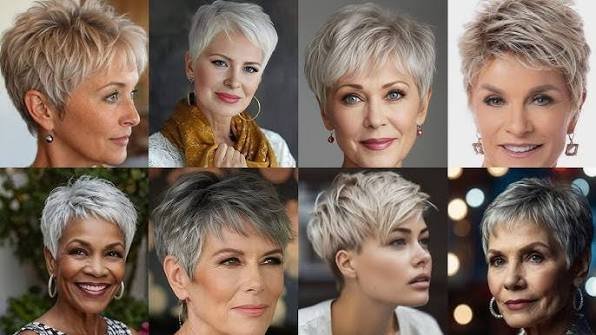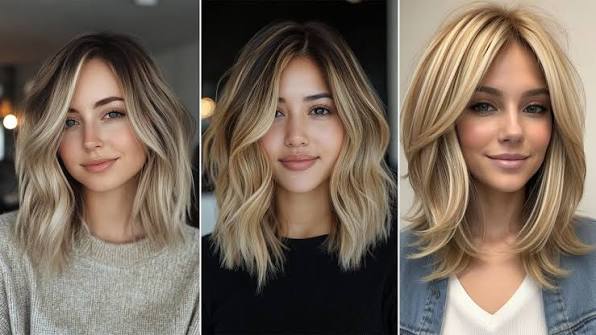
21 Hairstyles for Fine Hair
Fine hair is one of the most common hair types and one of the most consistently misunderstood when it comes to choosing haircuts and styles that actually work. The advice given for fine hair tends to fall into two camps.
Either it tells women to go short because long fine hair always looks thin and limp, or it tells them to add as many layers as possible to create the illusion of volume. Both pieces of advice are too simple to be reliably useful and too often result in cuts that either feel like a compromise or actively make the fine hair look worse.
The reality is that fine hair can work beautifully across a wide range of lengths and styles when the cut is designed with a genuine understanding of what fine hair needs. What it needs is perimeter density.
Movement that comes from the cut rather than from the volume of the hair. Strategic placement of any layering that adds lift at the roots without stripping the ends. And the occasional assist from color and styling technique that adds visual dimension the hair type cannot generate purely from its own texture.
This list covers 21 hairstyles for fine hair that start from that understanding and deliver results that look genuinely full, intentional, and flattering.
1. Blunt Lob
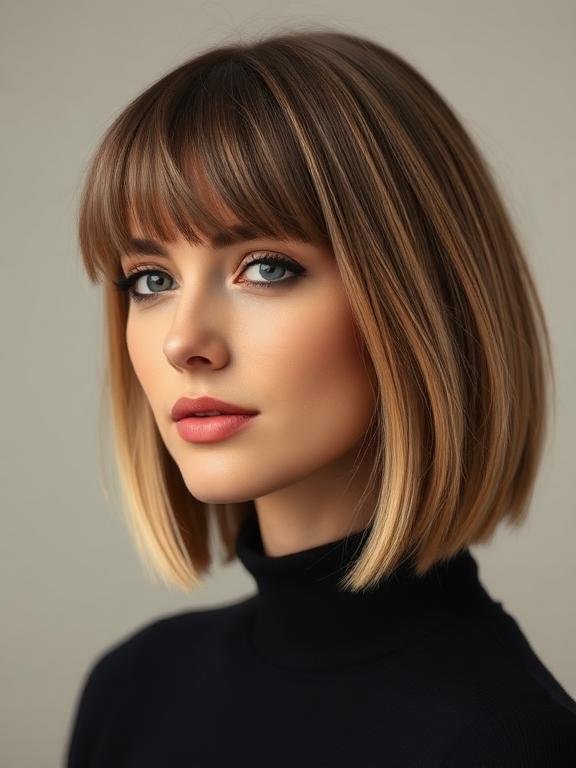
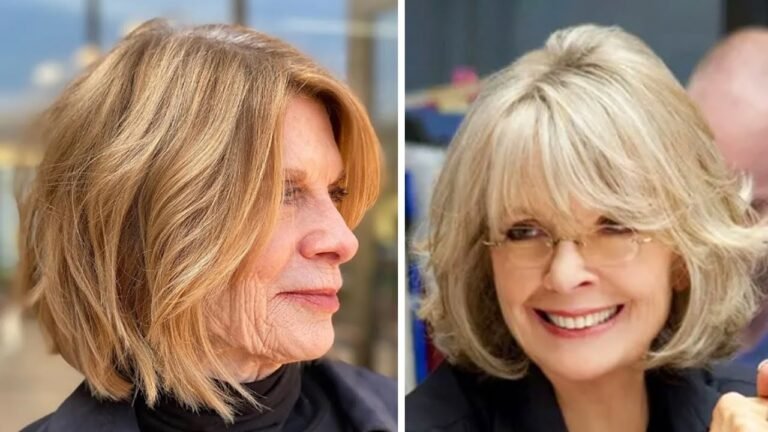
A blunt lob at shoulder length is one of the most reliable and consistently flattering styles for fine hair because the dense, even perimeter maximizes end fullness and the length creates a strong visual line that gives the style presence and weight. The blunt edge makes fine hair look thicker at the tips than any layered perimeter would on the same hair.
Ask for a blunt shoulder-length lob with a clean even perimeter and no thinning through the ends, with only very light interior shaping through the crown if root lift is needed, relying entirely on the blunt perimeter to give the fine hair maximum fullness and visual weight.
2. Blunt Bob
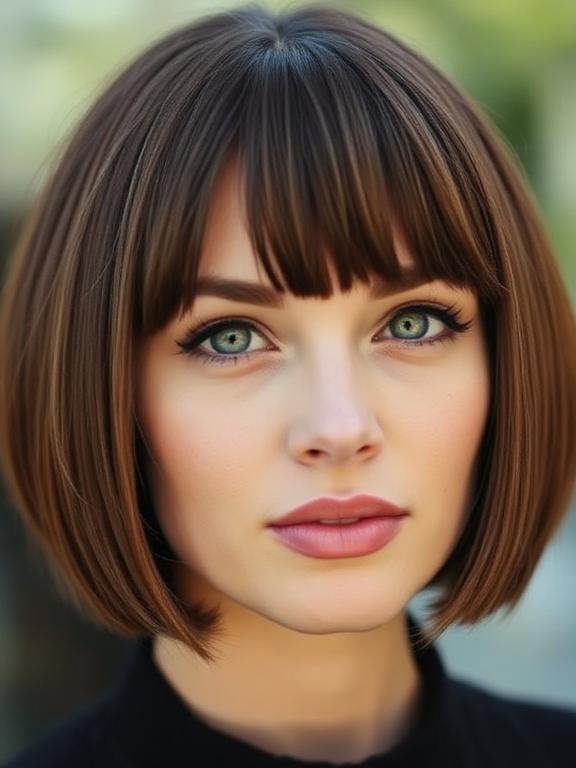
A blunt bob at chin to jaw length concentrates the fine hair’s limited density at a shorter point where it has more impact than it would spread over a longer length. The blunt perimeter makes the ends look as thick as possible, and the jaw length creates a strong horizontal line that frames the face with intention.
Ask for a blunt chin to jaw length bob with a clean even perimeter and minimal interior layering, keeping the ends as dense and full as possible to give the fine hair the maximum apparent thickness at the perimeter.
3. Side-Parted Lob
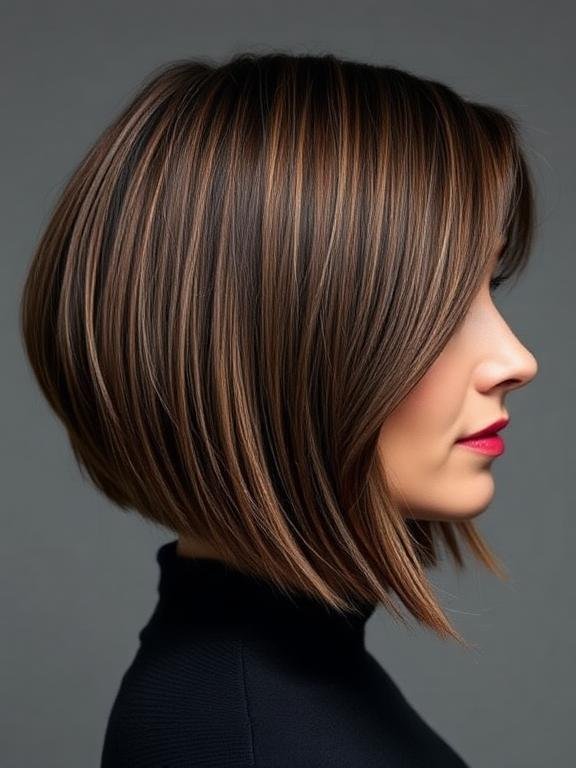
A lob with a defined deep side part creates immediate volume and asymmetry that fine hair benefits from enormously. The side part concentrates the limited density of fine hair on the heavier side, which creates more apparent fullness than a centered style that splits the density evenly and reveals more flatness and scalp.
Ask for a shoulder-length lob with a defined deep side part and only very light interior layering through the crown to support the volume the part creates, with the perimeter kept as full and dense as possible for fine hair.
4. Curtain Bang Lob
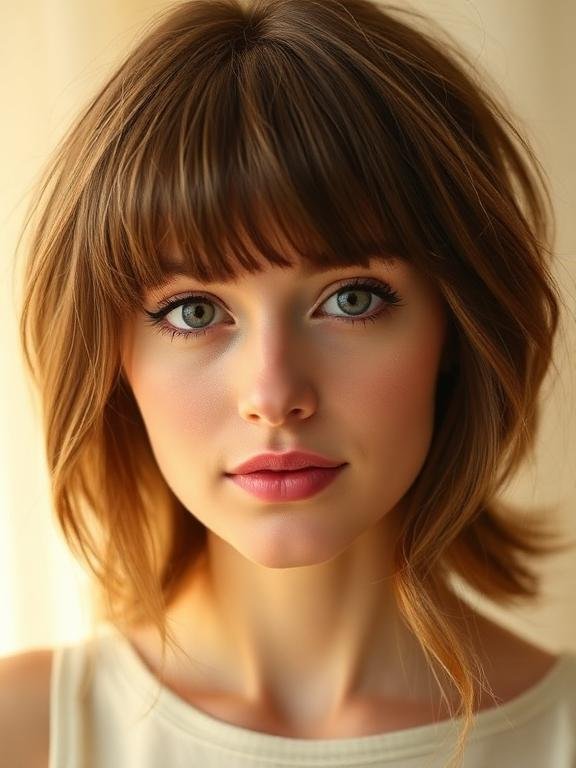
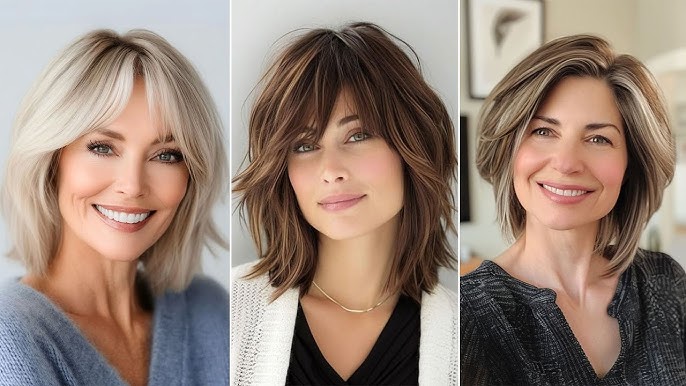
Curtain bangs on a lob create a face-framing front element that adds visual interest and draws attention to the eyes without requiring the density a full blunt fringe demands. For fine hair curtain bangs are one of the lightest and most manageable fringe options available, and they add genuine style value without compromising the density of the rest of the cut.
Ask for a shoulder-length lob with curtain bangs that part softly in the middle and blend into face-framing sections at the sides, with the body of the lob kept as full and dense as possible and interior layering placed only through the crown for root lift.
5. Textured Pixie
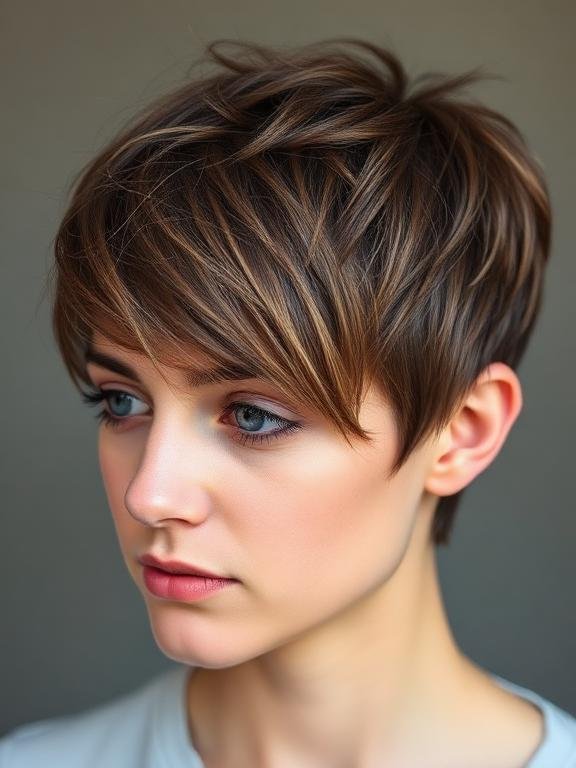
A textured pixie gives fine hair a short, close shape where the limited density is concentrated in a small enough area to create genuine presence and texture. The layering through the crown creates movement and lift that fine hair at longer lengths struggles to sustain, and the overall result looks more full and intentional than the same hair at a longer length.
Ask for a short textured pixie with layering concentrated through the crown for visible lift and movement, close tapered sides that keep the silhouette balanced, and a finish that creates apparent texture and fullness from what the fine hair actually has.
6. Lob with Face-Framing Babylights
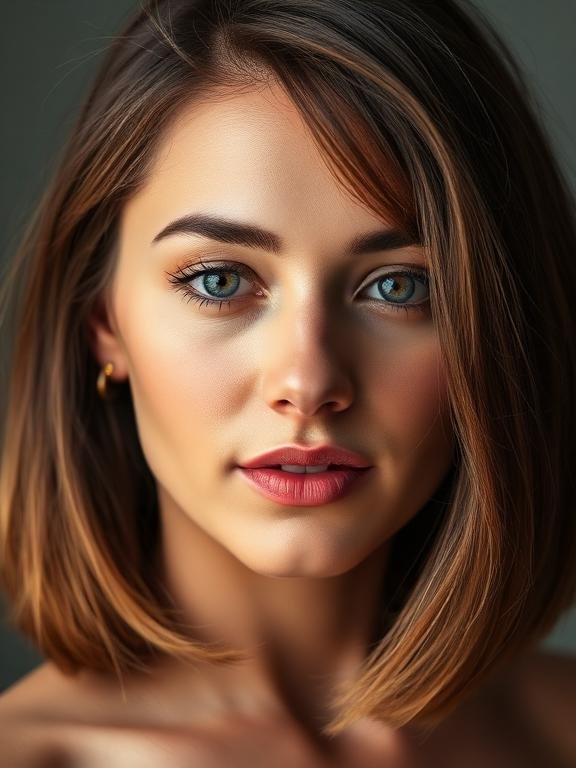
Babylights through a lob on fine hair add diffused visual dimension that makes the hair look thicker and more textured than a single flat color on the same cut. The very fine highlights create depth and color variation that adds apparent richness and fullness, doing visual work that the fine hair’s texture cannot do on its own.
Ask for a shoulder-length lob with babylights placed through the mid-lengths and ends to add diffused brightness and the impression of more texture and density, paired with a blunt or conservatively layered perimeter that keeps the fine hair as full as possible at the ends.
7. Wavy Lob
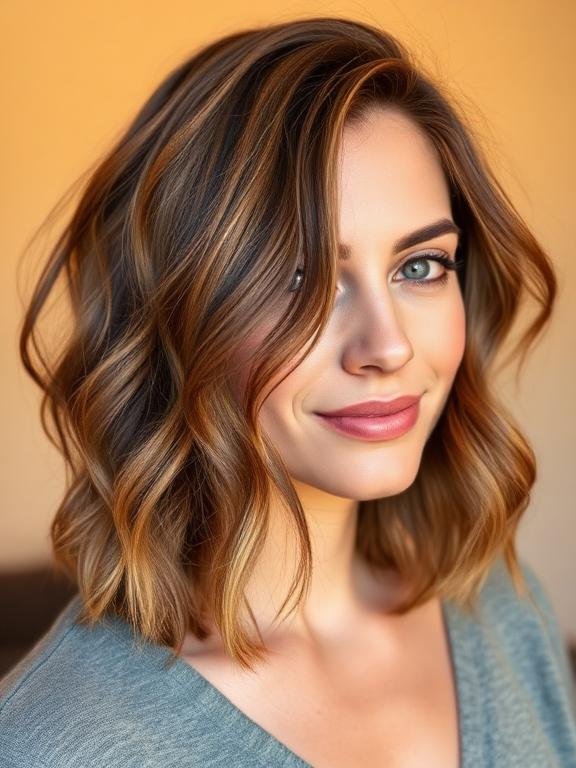
A wavy lob uses natural or styled wave to add volume and movement that straight fine hair often cannot generate alone. The wave breaks up the visual weight of the lob length and gives the style apparent fullness from root to tip, making it one of the most effective approaches for fine hair that has any natural wave to work with.
Ask for a shoulder-length lob with layering placed to support natural wave movement, or style fine straight hair with a lightweight wave-enhancing product and a wand to create soft waves through the mid-lengths and ends that add volume and movement to the fine hair.
8. Bob with Root Lift Layers
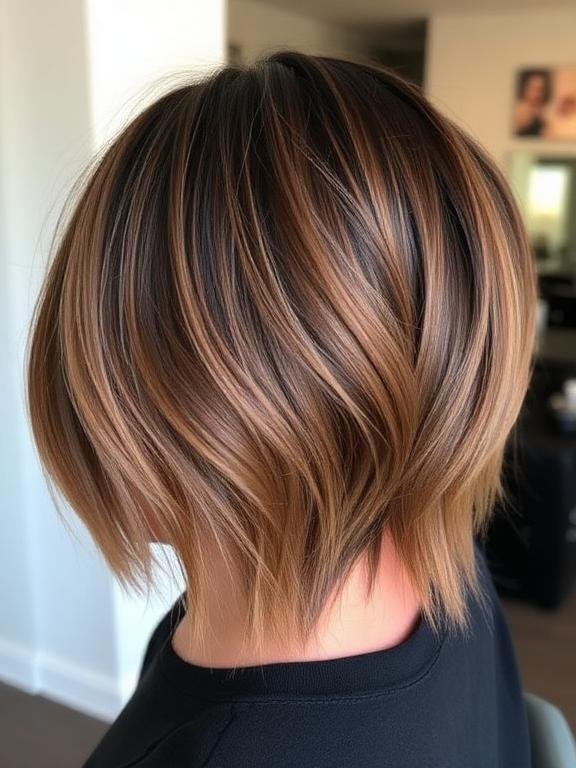
A bob with invisible root-lift layers placed through the crown addresses the flatness that fine hair develops at the base through the day. The layers encourage lift at the roots without touching the ends where fine hair needs its density most, producing a bob that holds more volume at the crown than the same length without the root-specific layering.
Ask for a bob at your preferred length with invisible root-lift layering placed specifically through the crown and upper sections, leaving the mid-lengths and ends completely untouched to preserve as much perimeter density as possible for fine hair.
9. Pixie Bob
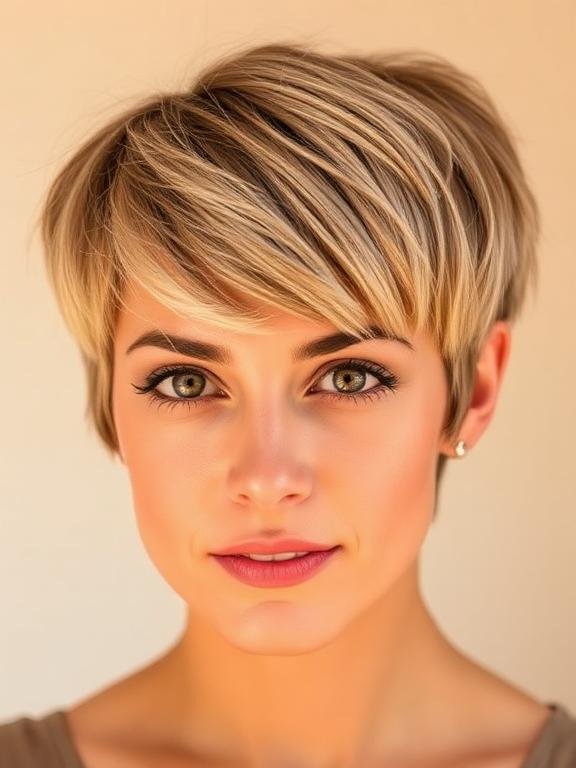
A pixie bob that sits between a pixie and a short bob gives fine hair a short enough length that the limited density is concentrated in a small area where it can create real presence, while keeping enough length to show movement and face-framing quality through the crown and sides.
Ask for a pixie bob at cheekbone length shaped around the natural fall of fine hair, with light layering through the crown for movement and a clean, full perimeter that keeps the fine hair ends as dense as possible.
10. Half-Up Style
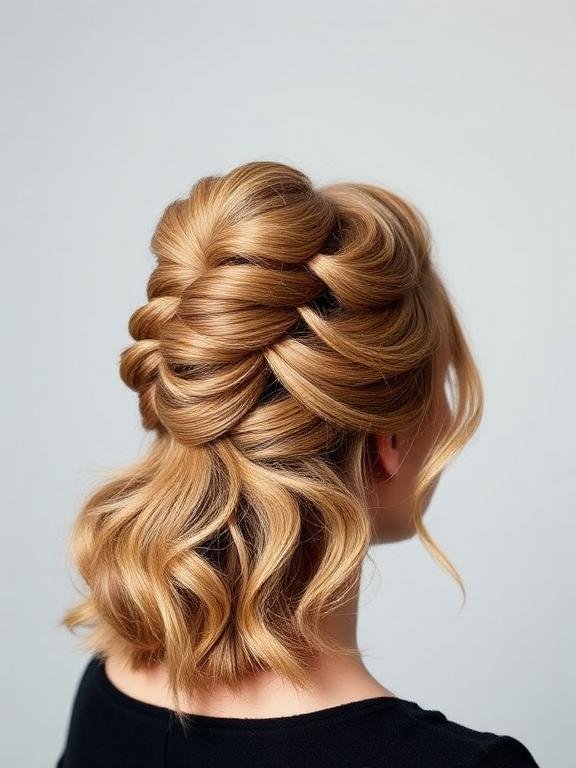
A half-up style that gathers the top section and creates crown volume while leaving the lower sections down gives fine hair a practical everyday option that addresses flatness at the crown through arrangement rather than through density. The gathered top section creates apparent volume and structure, and the loose lower sections add length and movement.
Apply a root-lifting spray through the crown section before gathering the top half of the hair, secure with a clip or soft elastic, and leave the lower sections down with a light wave or clean blowout finish, pulling face-framing pieces loose at the front to soften the look.
11. A-Line Bob
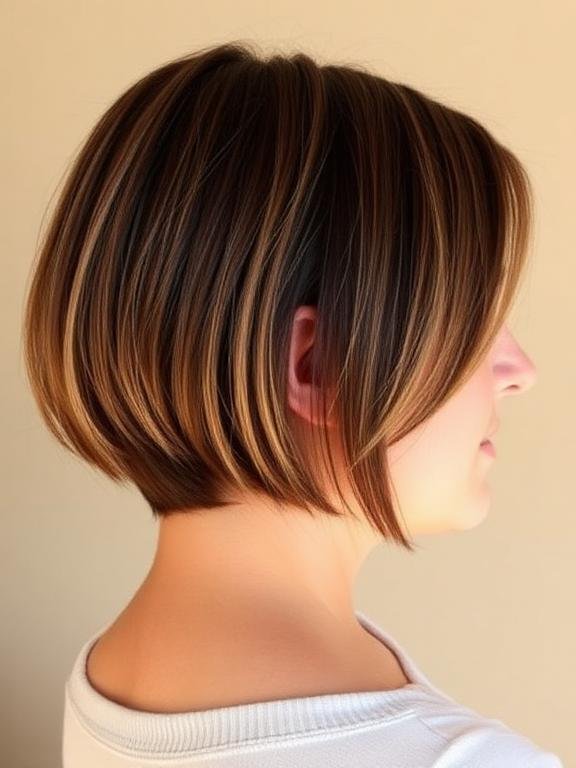
An A-line bob creates structural interest and a strong vertical line through the cut’s angle rather than through the density of the hair. For fine hair the A-line shape does design work that does not depend on the hair having significant volume or strength to hold, and the longer front sections create a flattering frame around the face.
Ask for an A-line bob with a shorter back and longer front sections, with interior layering kept minimal to preserve fine hair perimeter density, letting the angle of the cut provide the visual interest and shape.
12. Stacked Bob
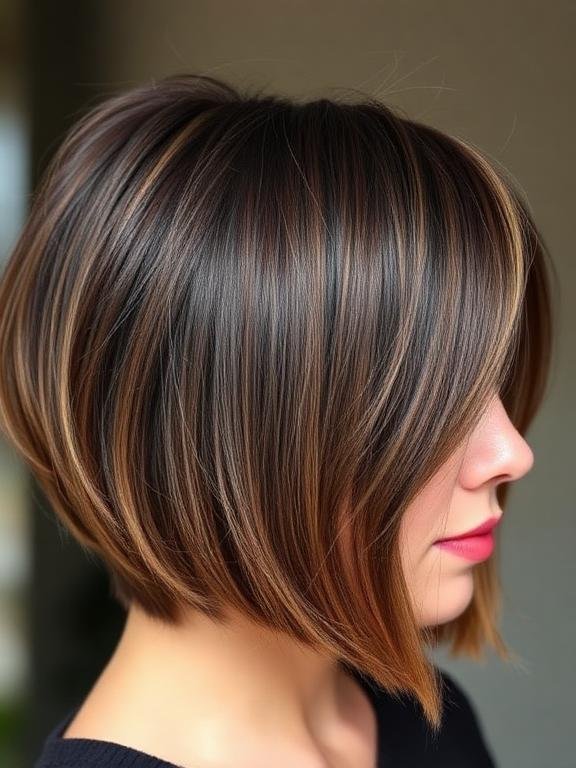
A stacked bob concentrates layering at the back of the head to build crown lift and volume through the structure of the cut rather than through the density of the hair. For fine hair this structural approach is more reliable than trying to create volume through styling alone, and the stacked back creates a shape that holds through the day.
Ask for a stacked bob with close layering at the back that builds crown lift and a rounded back profile, longer and fuller front sections that frame the face, and a perimeter kept as dense as possible to maximize fine hair fullness.
13. Long Hair with Face Frame
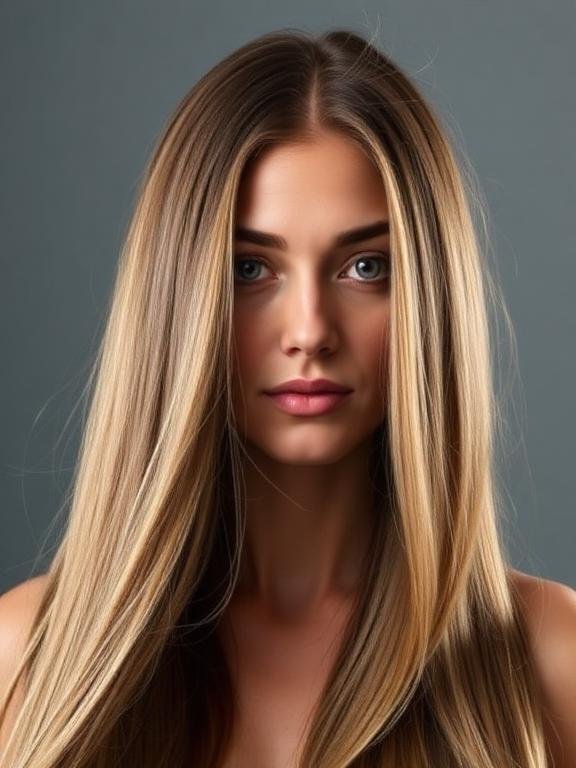
Long fine hair with defined face-framing layers at the cheekbone level adds flattering interest around the face without aggressive layering through the full length that would thin the ends further. The face-framing pieces draw attention inward toward the center of the face and create movement where it has the most visual impact.
Ask for long hair with face-framing layers starting at the cheekbone level that sit slightly shorter than the rest of the cut, with the body of the hair kept as full and dense as possible and interior layering placed conservatively through the upper sections only.
14. Lob with Side Sweep
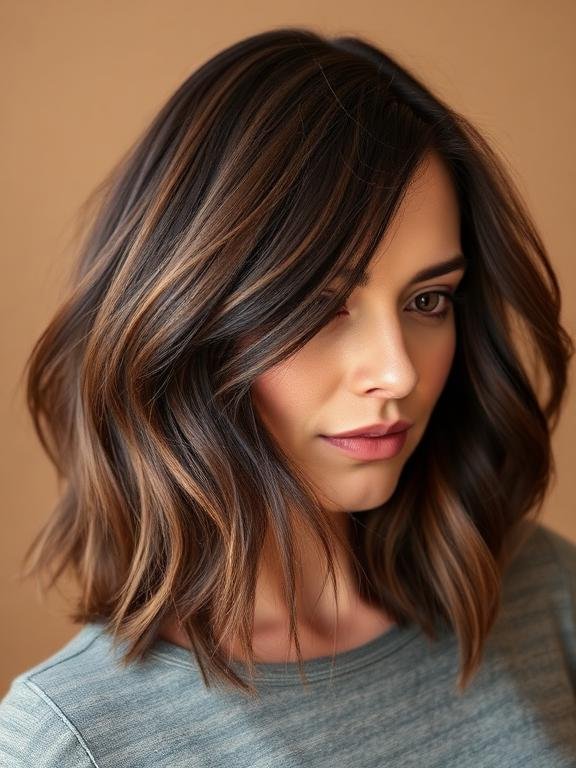
A lob with a side sweep through the front section creates directional movement that makes fine hair look more intentional and fuller than a centered, flat style would. The sweep works with a deep side part to concentrate fine hair density on one side and create a flowing, dynamic quality through the front of the style.
Ask for a shoulder-length lob with a deep side part and front sections layered to support a natural side sweep, with the rest of the lob kept full and the perimeter as dense as possible for fine hair.
15. Short Shag for Fine Hair
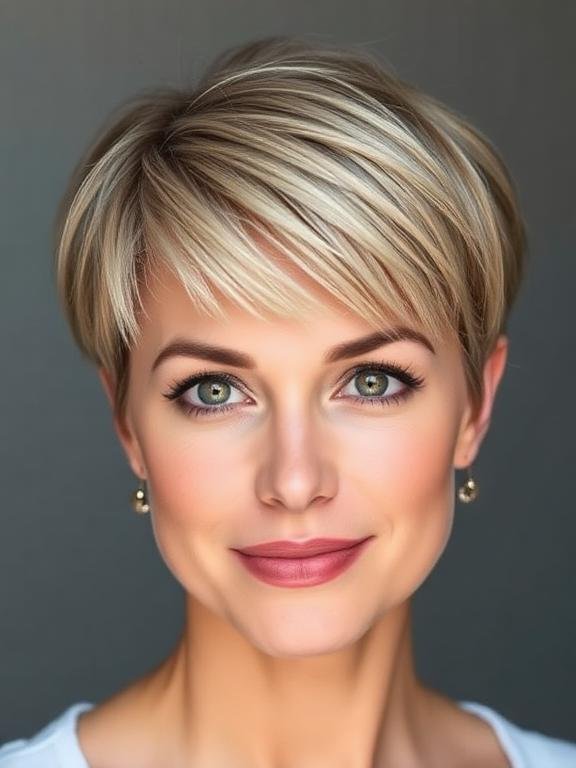
A short shag on fine hair delivers the relaxed, textured quality of a shag while keeping the layering conservative enough that the fine hair ends retain their fullness. The crown and upper sections get the most defined layering, and the lower sections and perimeter stay as full as the hair can manage.
Ask for a short shag with layering concentrated through the crown and upper sections, the lower sections and ends kept significantly fuller than a standard shag would leave them, creating just enough shag character to read as intentional while preserving fine hair perimeter density.
16. Natural Wave Enhancement Cut
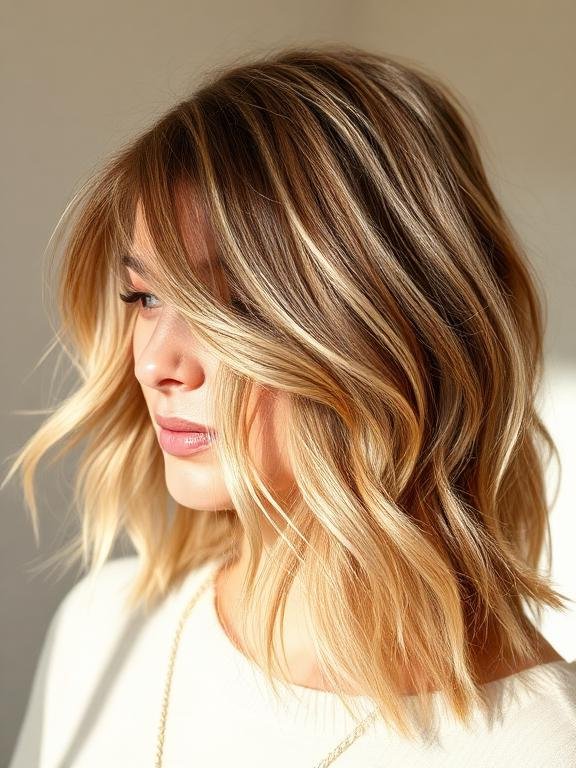
A cut designed to enhance whatever natural wave or texture fine hair has, no matter how subtle, gives the hair a style that works with its natural inclinations rather than requiring daily styling to override them. Even very fine hair often has a slight natural tendency that, when supported by the right cut, creates more movement and apparent fullness than a cut that ignores it.
Ask for a cut at your preferred length shaped to work with your natural hair texture, with layering placed to encourage whatever movement or wave the fine hair naturally has rather than cutting against it, and style with a lightweight texturizing or wave-enhancing product scrunched into damp hair before air drying.
17. Collarbone Blunt Cut
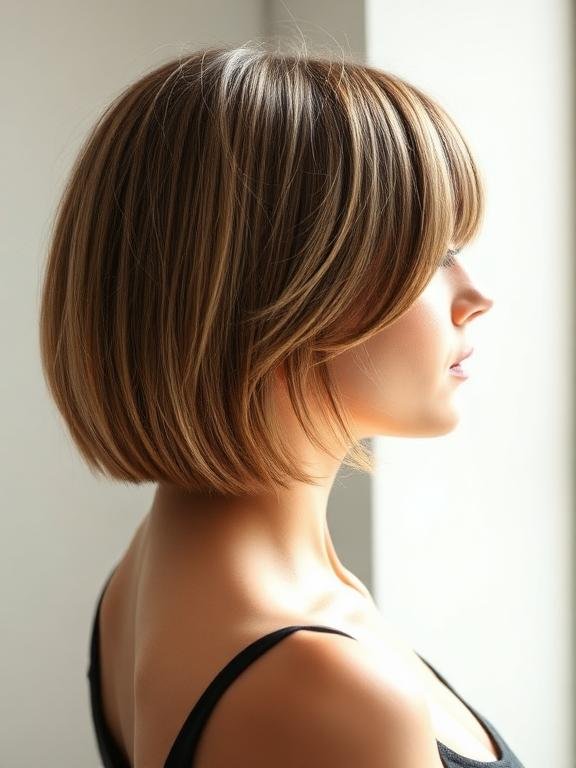
A blunt cut at collarbone length gives fine hair a clean, dense perimeter at a length that creates a strong visual line along the face and neck. The collarbone landing point draws attention to the décolletage and creates a flattering horizontal break that adds interest to the overall look beyond just the cut itself.
Ask for a blunt collarbone-length cut with a clean even perimeter and minimal interior layering, relying on the weight and density of the blunt edge to give fine hair maximum fullness at a length that creates a flattering visual frame for the face and neckline.
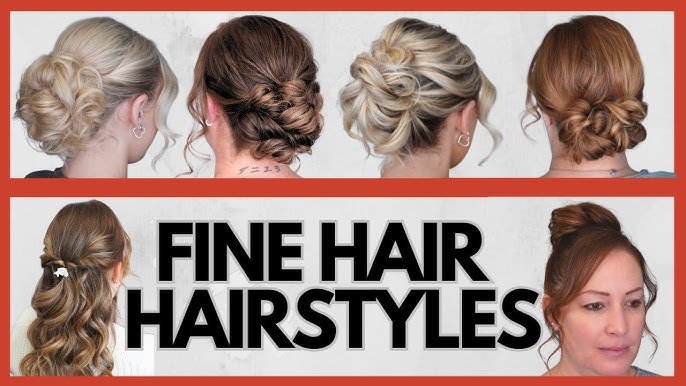
18. Updo Styles for Fine Hair
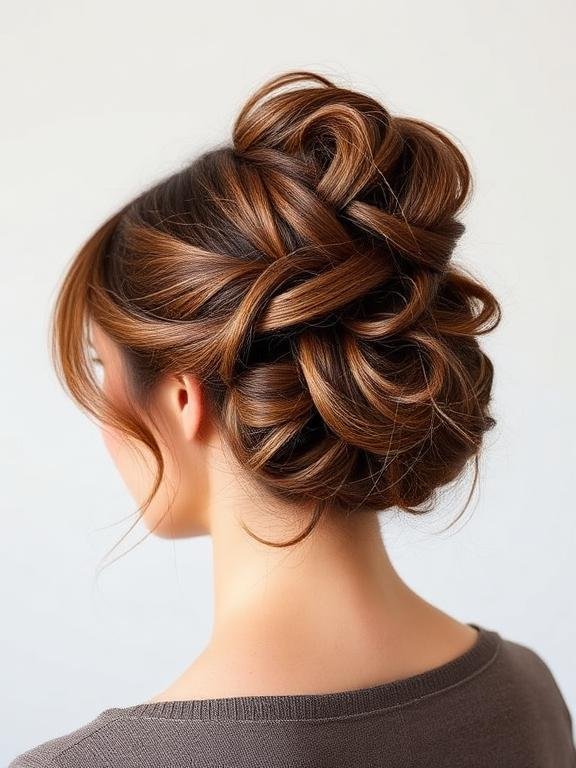
An updo on fine hair creates more apparent volume through the gathering of the hair than the hair has when worn down, making it one of the most practical approaches for formal or special occasions. The gathering concentrates the fine hair in a way that gives the arrangement more presence than the hair’s natural density would suggest.
Prepare fine hair for an updo by applying a volumizing mousse before blow drying and a light texturizing spray before styling, creating body and grip that helps the arrangement stay in place, then gather the hair into a soft, loose updo that shows the shape and movement of the style rather than pulling it tightly into a compact shape.
19. Graduated Bob
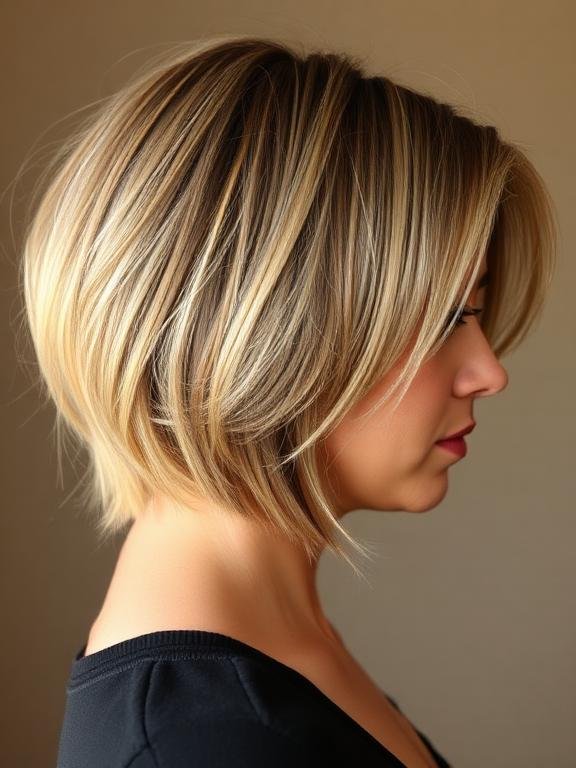
A graduated bob creates structural crown lift through the graduation itself, with the shorter back generating natural volume at the crown that the longer front sections frame. For fine hair the structural nature of this lift means the shape comes from the cut’s construction rather than the density of the hair, which makes it a reliable approach for volume that does not depend on what the fine hair can generate on its own.
Ask for a graduated bob with a shorter back that creates natural crown lift and longer front sections that frame the face gently, with interior layering kept minimal to preserve as much fine hair density as possible at the perimeter.
20. Bob with Strategic Highlights
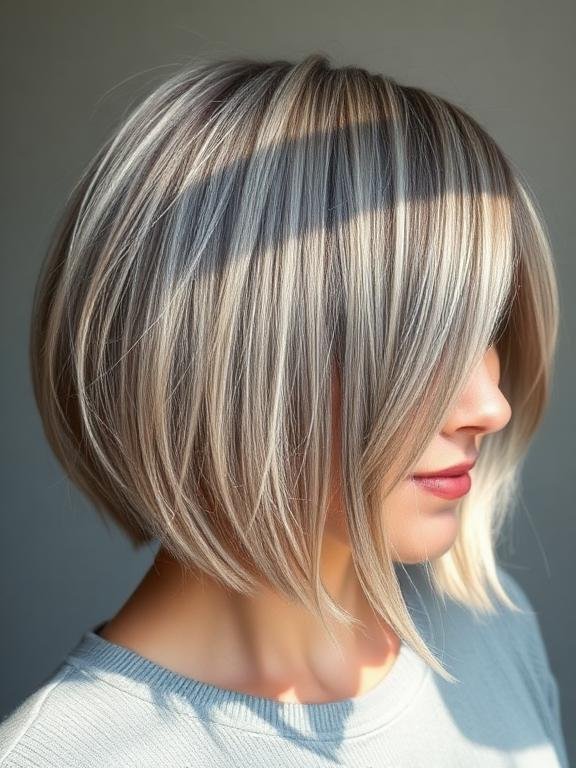
Highlights placed strategically through a bob on fine hair add visual dimension that creates the impression of more texture and depth than the hair actually has. Unlike babylights which are very fine and diffused, strategic highlights can be placed specifically to add contrast at points through the cut where more visual interest is most needed.
Ask for a bob at your preferred length with strategic highlights placed through the mid-lengths and at specific points through the cut where more visual interest and apparent dimension would be most flattering, choosing placement that complements the natural color or gray of fine mature hair.
21. Effortless Air-Dry Cut
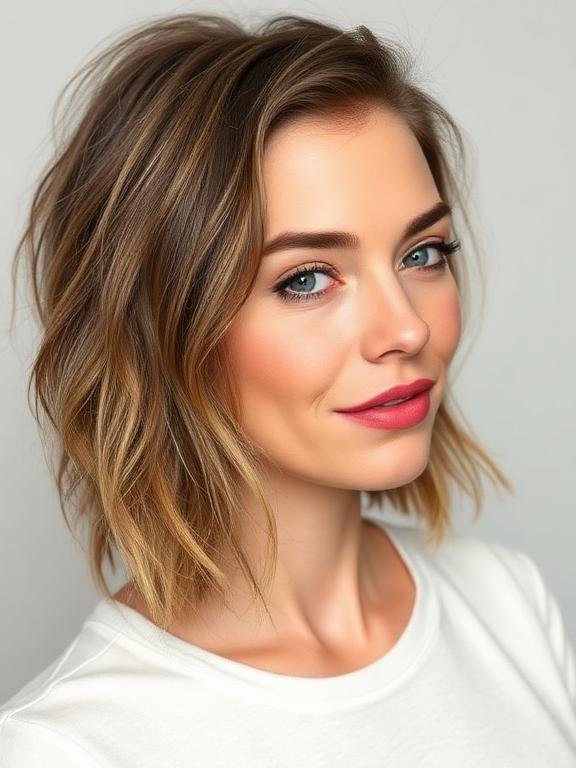
A cut designed specifically to look its best when fine hair is left to air dry without heat tools or significant manipulation is one of the most genuinely sustainable everyday approaches for this hair type. The cut shapes the hair to fall into a flattering arrangement naturally, reducing the daily effort that fine hair styling often demands.
Ask for a cut at your preferred length shaped around how your fine hair behaves when it dries completely naturally without any product or tool intervention, creating a result that looks intentional and flattering every day without requiring a styling routine that the fine hair cannot consistently deliver on.
FAQs
What is the most important rule for cutting fine hair?
Preserving perimeter density. Everything else in fine hair cutting is secondary to keeping the ends as full as possible. Fine hair has limited density and that density needs to be concentrated at the perimeter of the cut rather than removed through aggressive layering. Any layering that is used should stay in the upper sections where it creates root lift and movement without touching the ends that the fine hair most needs to keep.
Does fine hair look better short or long?
Both lengths can look beautiful on fine hair when the cut is designed correctly for the length. Short hair concentrates fine hair’s limited density in a small area where it creates more apparent presence, which suits very fine or sparse hair well. Medium to longer lengths can also work when the perimeter is kept blunt and full and the layering stays conservative and targeted. The decision between short and long should be based on personal preference and face shape rather than a blanket rule.
Can fine hair hold curls or waves through the day?
Fine hair tends to lose curl and wave definition more quickly than thicker hair, but the right preparation can significantly extend how long a wave or curl holds. A lightweight volumizing mousse or curl-enhancing cream applied before styling creates a foundation that helps the wave hold. A firm-hold setting spray applied after styling locks the wave in place longer. Avoiding heavy products that weigh fine hair down is as important as using the right light products.
What should fine hair avoid in a haircut?
Aggressive end layering that strips perimeter density, heavy thinning shear work through the mid-lengths, and razor cutting through the ends on hair that is already fragile or prone to breakage. Full blunt fringes that need significant density to look solid are also challenging for very fine hair, as are heavily textured or disconnected styles that rely on the hair having substantial density to look intentional rather than sparse.
How does color help fine hair look fuller?
Color adds visual dimension through contrast that creates the impression of depth and texture even when the physical density of the hair has not changed. Babylights, face-framing highlights, and balayage all add this visual dimension effectively for fine hair. Even a subtle toning treatment on gray or silver fine hair can significantly improve how full and intentional the hair looks by adding brightness and variation that flat, dull gray hair lacks.
Wrapping Up
Fine hair deserves a styling approach that takes its specific characteristics seriously rather than applying generic advice that was never designed with it in mind. The hairstyles that work best for fine hair are the ones built around its actual needs, maximum perimeter density, strategic root lift, conservative layering, and visual dimension from color or technique, rather than the ones that simply look good on thicker hair and are applied with hope.
The 21 styles on this list all start from that foundation. Some use structural elements like graduation or an A-line angle to create shape without relying on density. Others use color to add the visual dimension that the fine hair’s texture cannot create on its own. All of them respect the perimeter fullness that fine hair most needs to look its best and never treat the limitations of fine hair as things to apologize for but as specific qualities to design around with intelligence and care.