19 Hairstyles for Older Women with Fine Hair
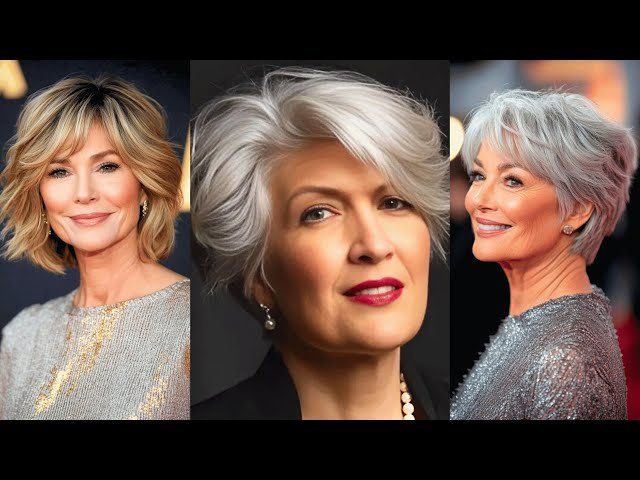
Fine hair changes as you get older. It gets softer at the roots, flatter through the day, and sometimes a little see-through at the ends. The good news is that the right cut makes a bigger difference than any product ever will.
This roundup is for older women who want styles that look fuller without a lot of daily effort. You will see bobs, lobs, pixies, and a few textured options that add lift in the right places. Some are polished and sleek. Others are relaxed and easy.
Before you pick, keep two things in mind. Strong ends help fine hair look thicker. And light layers placed in the right spot add volume, but too many layers can make things look thinner. If your hair collapses fast, ask for crown lift and minimal thinning at the ends.
Now let’s get into the styles.
1. Blunt Chin Bob
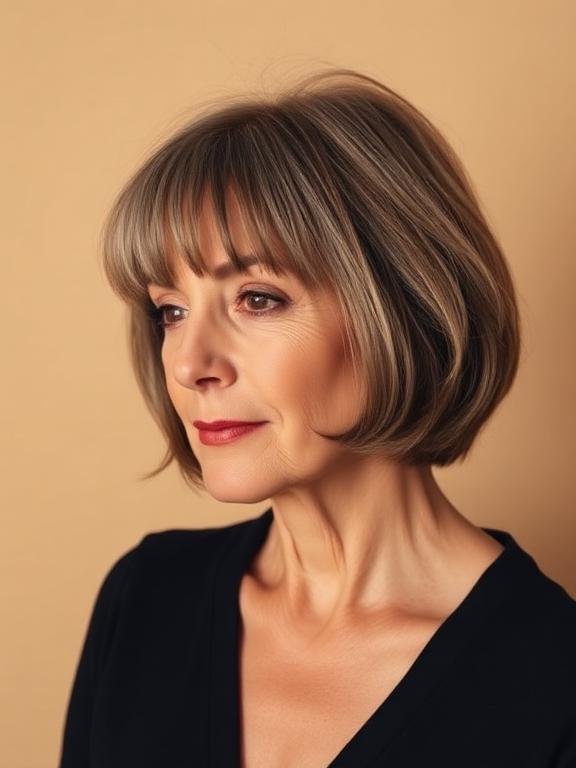
A blunt chin-length bob is one of the easiest ways to make fine hair look thicker instantly. The solid perimeter creates density right at the jawline where it shows the most. It is clean, modern, and works on almost every face shape.
Use a small round brush on the front pieces when blow drying and keep the ends crisp. A light volumizing mousse at the roots before drying gives you lift that lasts through the day.
2. Stacked Bob
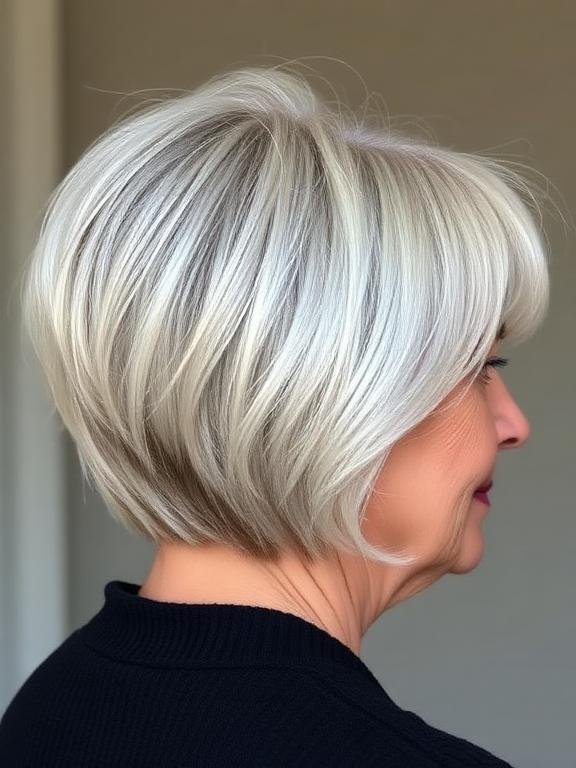
A stacked bob builds volume at the back through the shape of the cut itself, not through the density of your hair. The graduation lifts the crown from behind and keeps the profile looking full and rounded. The front stays longer to frame the face gently.
Blow dry the roots upward first, then smooth the surface. A quick pass with a round brush at the crown is usually all you need to make the shape pop.
3. Side-Parted Lob
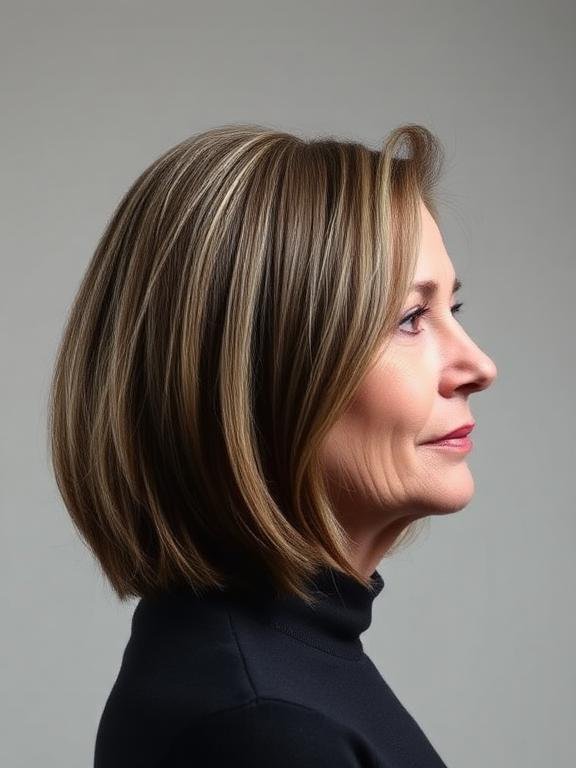
A deep side part changes the whole game for fine hair. It shifts the weight to one side and creates instant volume at the crown without any extra styling steps. Paired with a shoulder-length lob it gives you a clean, elongating shape.
Set the part with a light-hold spray and direct the roots upward when blow drying on the heavier side. That lift at the base is what makes fine hair look fuller all day.
4. Soft Layered Bob
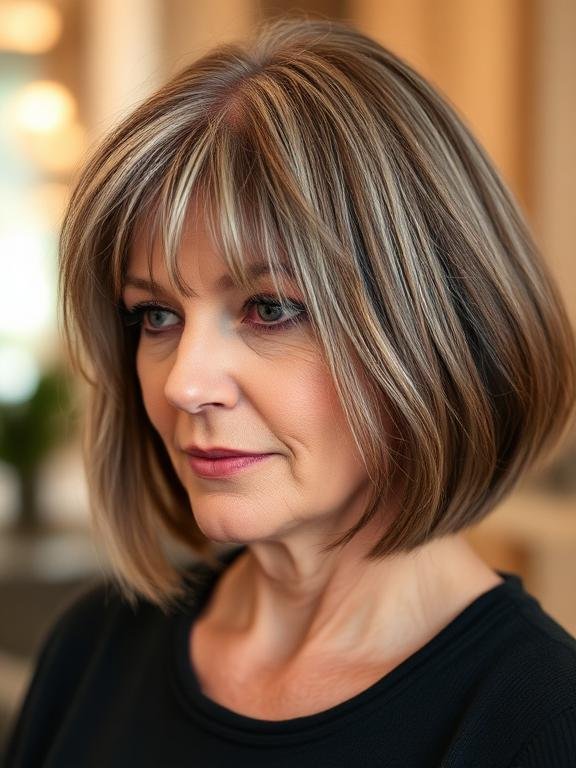
This bob uses light interior layering to add movement without making the ends wispy. It is especially good if your hair is fine but you still want a little body around the face. The perimeter stays full while the upper sections get just enough layering to prevent flatness.
Ask for internal layering only, nothing through the ends. A light mousse before drying and a tousled finger-dry finish keeps it looking soft and intentional.
5. Curtain Bang Lob
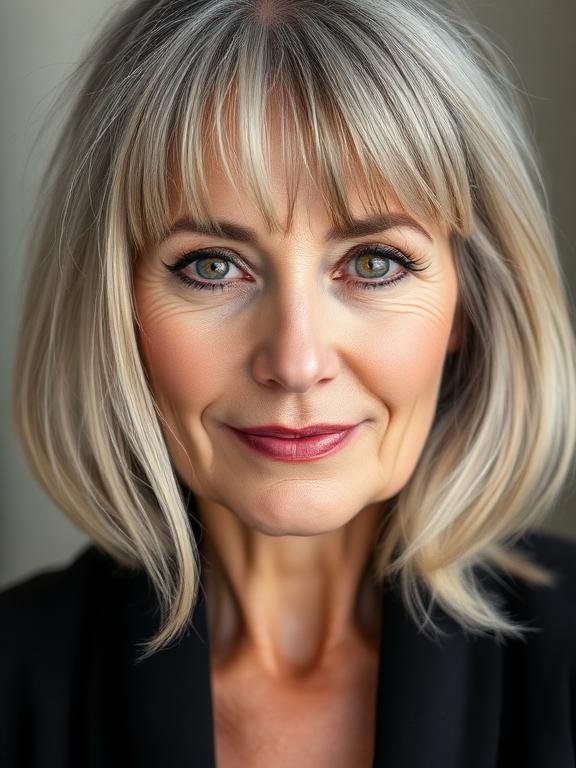
Curtain bangs on a shoulder-length lob draw attention to the eyes and upper face without demanding the density a full fringe requires. They are naturally light and parted, which means they do not go as flat through the day as heavier fringe options would on fine hair.
Keep the curtain pieces airy and slightly separated. A small round brush helps them sit right, and a tiny bit of dry shampoo at the roots gives extra grip.
6. Voluminous Pixie
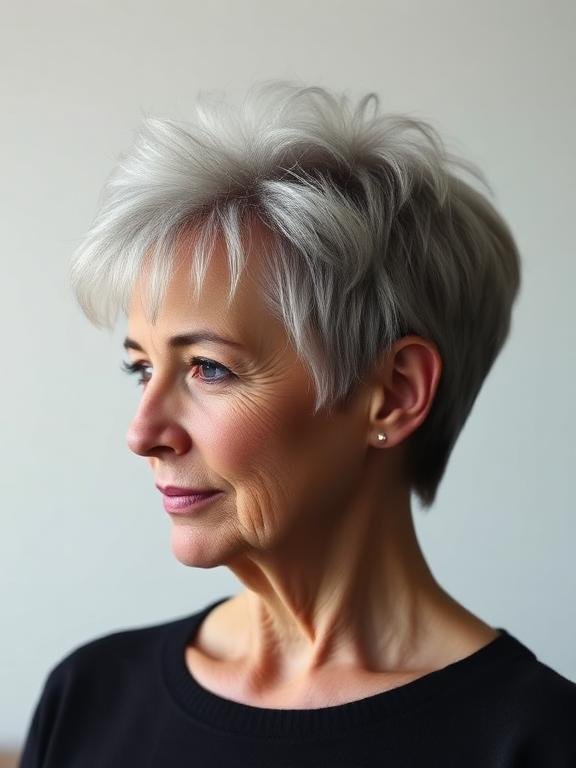
A voluminous pixie puts all the focus at the crown, which is exactly where fine hair needs it most. The short length concentrates the limited density in one place where it actually creates presence. The close sides keep the silhouette balanced and proportional.
Use a root spray or powder, then pinch the crown lightly with your fingers to create texture. Keep the sides tight and let the top do all the work.
7. A-Line Bob
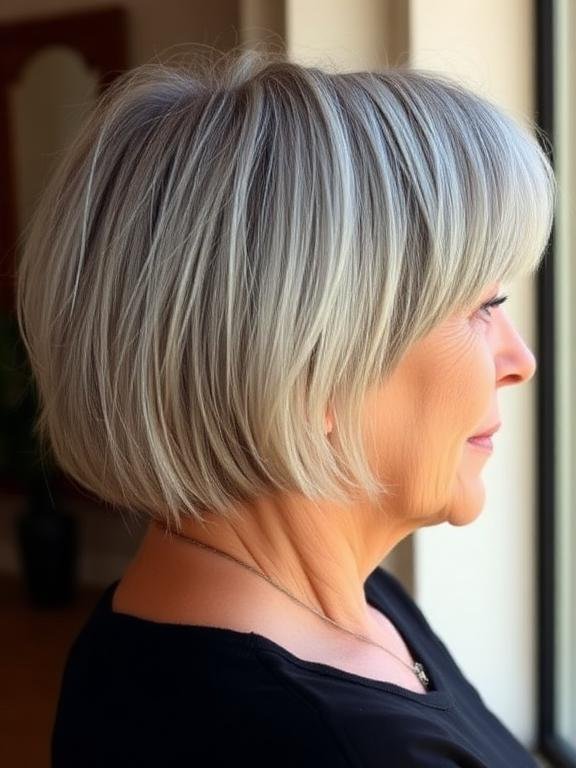
An A-line bob gives fine hair a strong shape through the angle of the cut rather than through the volume of the hair. The shorter back creates natural crown lift and the longer front frames the jaw and neck beautifully. It always looks intentional.
Keep interior layering minimal so the ends stay as full as possible. Blow dry the back roots upward for crown lift, then smooth the front sections downward for a clean finish.
8. Wispy Fringe Bob
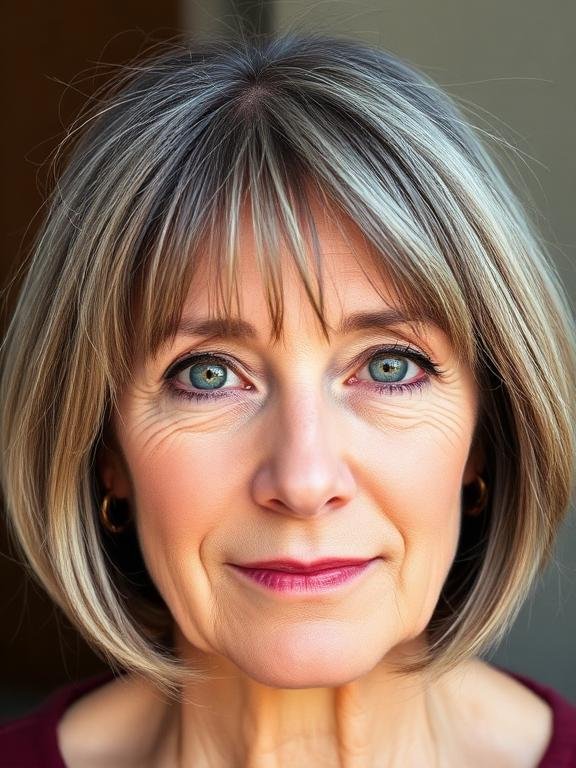
A wispy fringe on a bob adds a soft focal point at the forehead without weighing down fine hair. The fringe sits lightly across the forehead and draws attention to the eyes without demanding thickness the hair does not have. It grows out nicely too.
Keep the fringe wispy, not blunt. A quick blow-dry forward and then a light sweep to one side keeps it looking fresh. Dry shampoo at the roots adds grip between washes.
9. Textured Crown Pixie
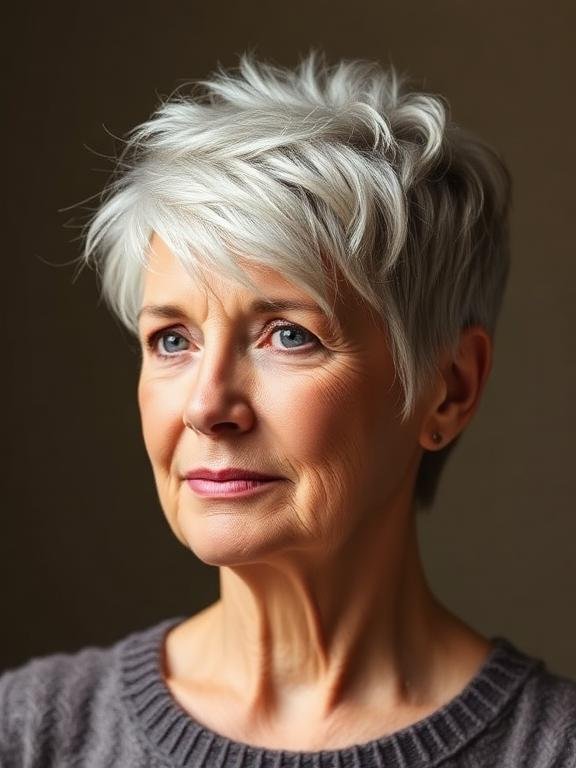
A textured crown pixie is perfect when your hair tends to collapse at the roots through the day. The choppy top creates lift and a fuller silhouette while the sides stay clean and easy. Fine hair looks best in this cut when the crown has enough length to actually style.
Use a root spray before drying, then pinch small sections at the crown with your fingertips. Avoid heavy waxes that pull fine strands down and make them look separate.
10. Feathered Medium Cut
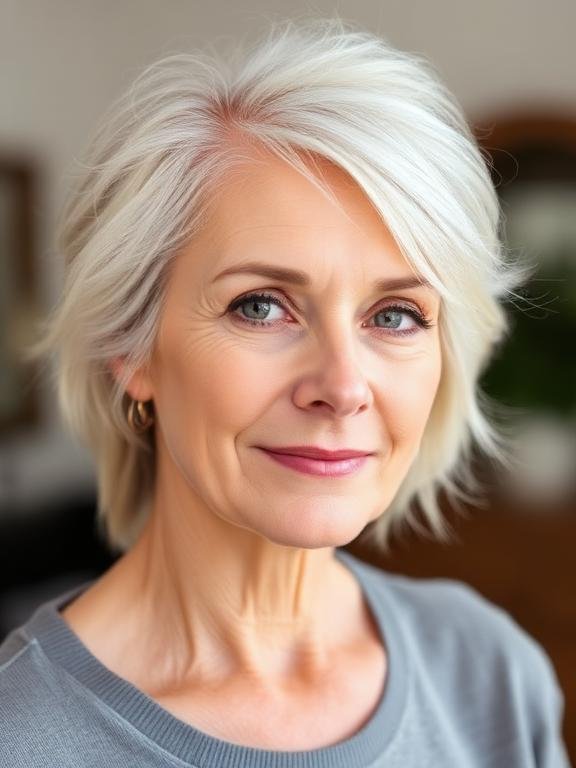
Feathered layers bring lift around the crown and stop the sides from falling flat. The soft, tapered ends make the hair look lighter and bouncier without needing big volume. This is a safe pick when you want softness and movement without anything too dramatic.
Ask for airy layering and a gentle blowout shape around the cheekbones. A small round brush turned under at the ends gives you that classic, lifted finish.
11. Graduated Layered Bob
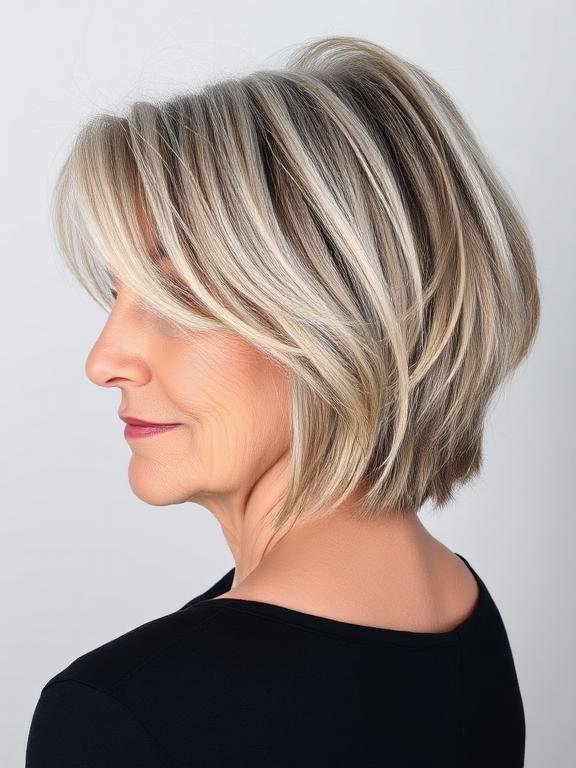
A graduated layered bob creates structural lift at the back through the shape of the cut while the layering adds movement through the interior. For fine hair this structural approach is more reliable than relying on the density of the hair alone to create shape and volume.
Blow dry the back roots upward first, then the front. A medium round brush works well here. Finish with a light-hold spray and avoid touching the roots once they are set.
12. Collarbone Lob
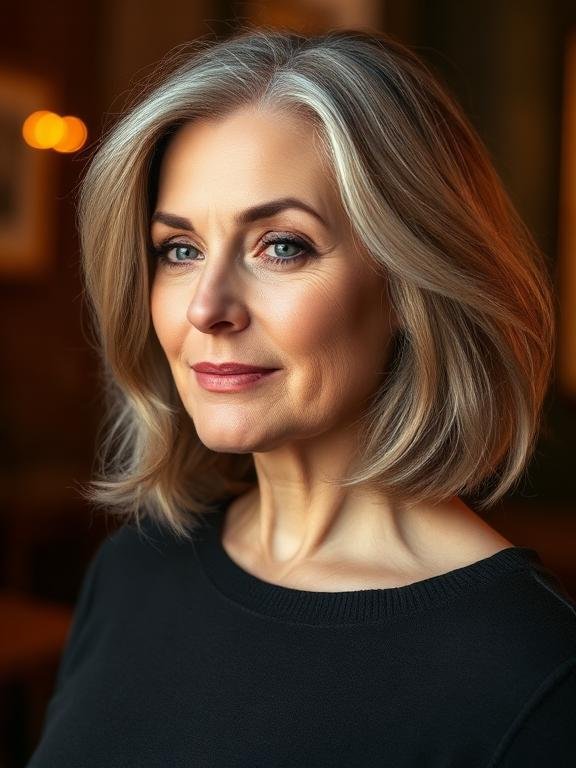
A collarbone lob is a safe middle length when you want movement but not long, stringy ends. The face-framing pieces keep it soft and modern. Fine hair usually looks best with subtle bends at this length so try loose waves or a slight flip at the ends.
Use a large barrel iron and leave the last inch out for a relaxed finish. A light texture spray through the mid-lengths adds dimension without weight.
13. Pixie Bob
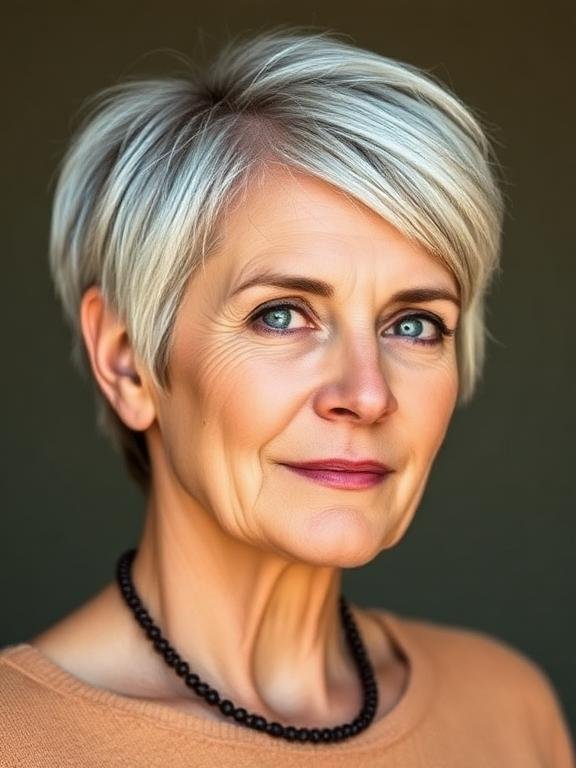
A pixie bob sits between a full pixie and a short bob and gives fine hair enough length to show movement through the crown and sides while staying short enough to be genuinely easy every morning. The cheekbone landing point is flattering for most mature face shapes.
Keep the perimeter as full and clean as possible. A lightweight styling cream through the crown while the hair is damp is enough to define the shape without loading fine strands down.
14. Babylight Bob
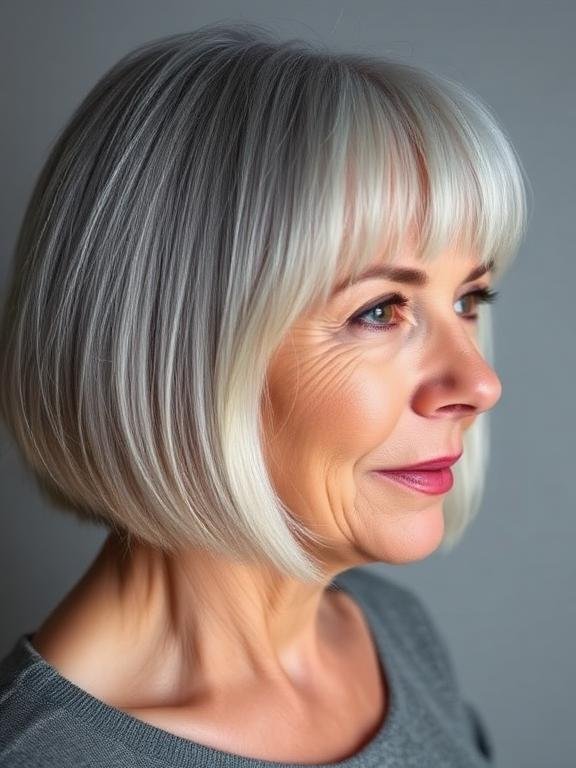
Adding babylights to a bob does something a cut alone cannot do for fine hair. The very fine, closely placed highlights create depth and color variation that makes the hair look thicker and more dimensional. On silver or gray fine hair the effect is particularly striking.
Keep the tone complementary to your natural gray or base color. Finish with a glossing treatment occasionally to keep the highlights looking bright and the hair feeling healthy.
15. Short Natural Wave Cut
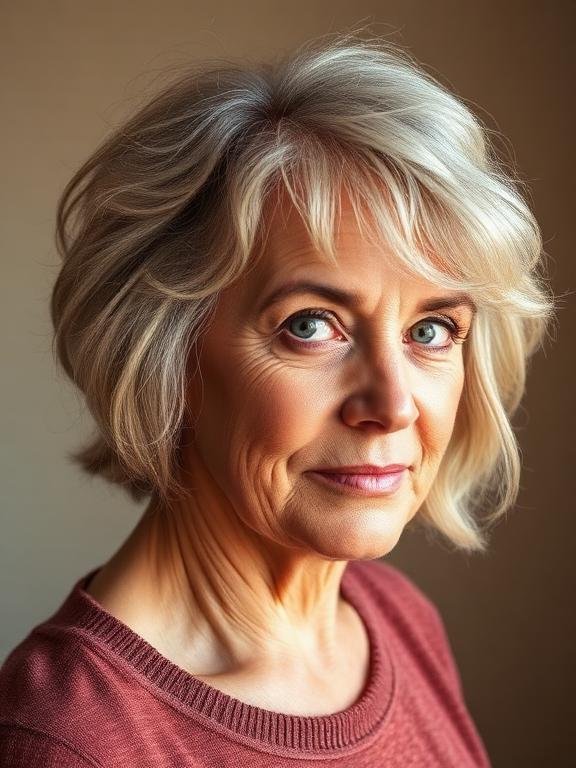
A cut shaped around the natural wave of fine mature hair creates a style that looks more alive and intentional than one that smooths or ignores the hair’s natural texture. Even a very subtle wave, when the cut supports it, adds movement and apparent volume straight hair cannot generate.
Use a lightweight wave-enhancing mousse scrunched into damp hair before air drying. Try not to touch it too much while it dries. That is when most of the frizz and flatness happens.
16. Side-Swept Bang Bob
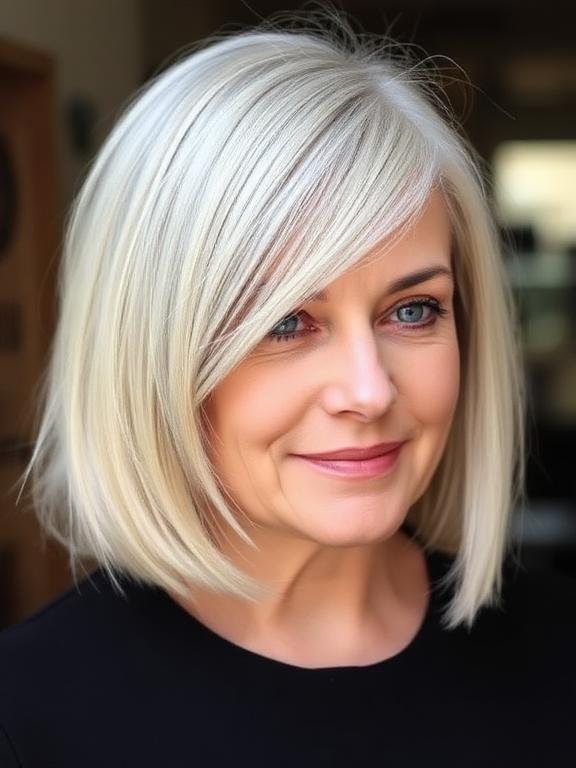
A bob with a side-swept bang creates a diagonal line at the forehead that is more flattering for fine hair than a centered style. The diagonal draws the eye across and downward rather than straight across the full width of the face. For fine hair the side sweep is also lighter and more manageable than a full fringe.
Blow dry the bang forward first, then sweep it to one side with a round brush. A light-hold spray sets the direction so you are not restyling it through the day.
17. Half-Up Style
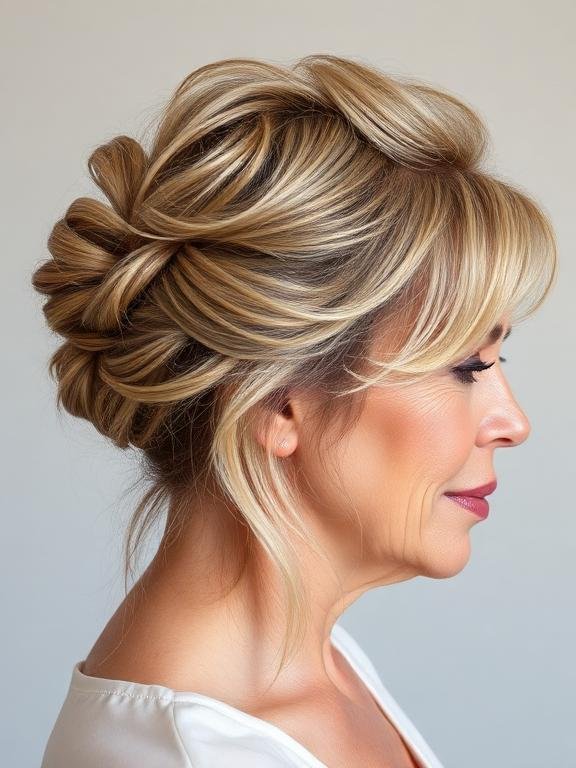
A half-up style solves one of the biggest fine hair problems, which is flatness at the crown, without requiring any cut change at all. Gathering the top section creates apparent volume through arrangement rather than through density. The lower sections stay down and add length and movement.
Spray a volumizing product at the crown before gathering. Secure the top section softly with a clip or elastic and pull a few face-framing pieces loose at the front. Keep the lower sections with a light wave for a polished finish.
18. Soft Feathered Cut
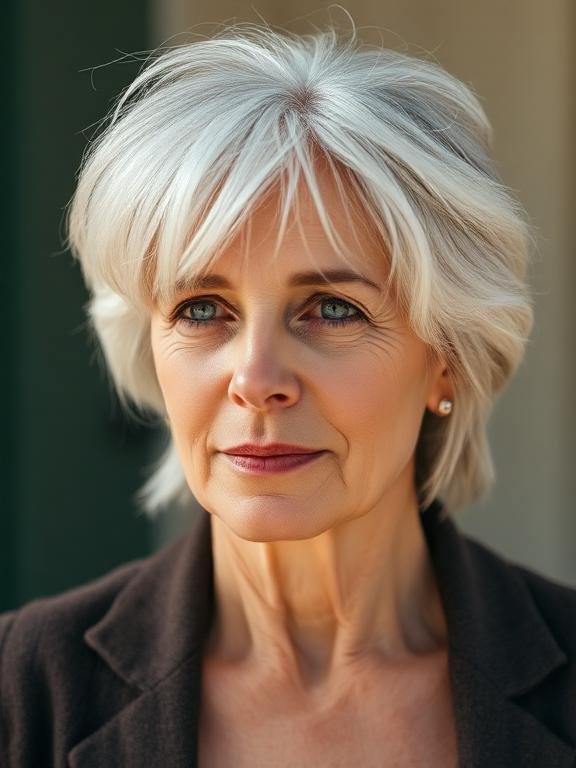
Feathered cuts remove weight gradually through the outer mid-lengths rather than sharply through the full cut. For fine hair over 60 this gentle approach gives the hair a lighter, more natural feel without the abrupt density changes that more aggressive layering leaves on thin mature strands.
Ask for feathering only through the outer mid-lengths, nothing through the ends. Keep the perimeter as full as possible and finish with a light mousse before air drying or a quick diffuse.
19. Effortless Air-Dry Lob
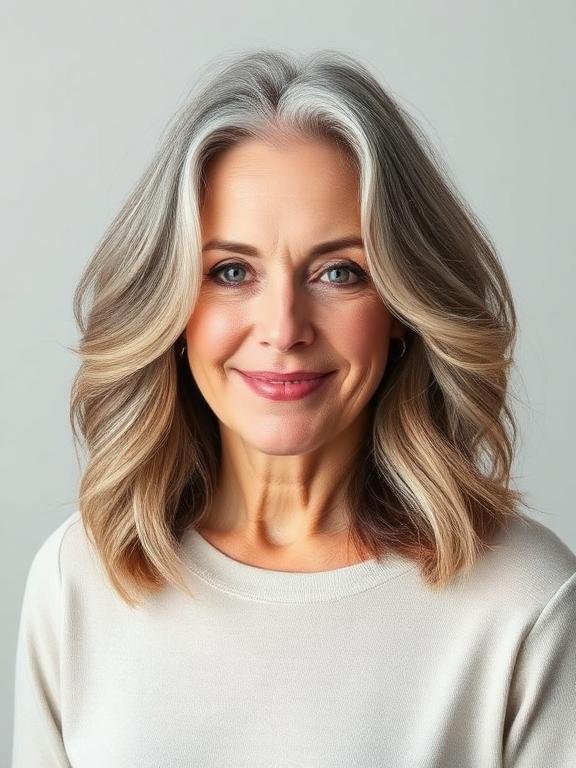
A lob shaped around how fine mature hair behaves when it dries naturally is the most genuinely low-maintenance option on this list. When the cut works with the hair’s natural fall rather than against it, you get a flattering result every day without heat tools.
Use only a lightweight volumizing mousse scrunched gently into damp roots before leaving the hair to dry. Avoid touching it too much as it dries. The shape comes from the cut, not the styling routine.
FAQs
What haircut makes fine hair look thicker?
Blunt cuts do the most for fine hair. A chin bob, a sleek short bob, or a lob with thicker ends creates instant density. Too many layers can make the ends look stringy so keep layering light and focused near the crown only.
Should older women with fine hair get layers?
Yes, but only the right kind. Soft blended layers add lift and movement around the top and face. Heavy layering or aggressive thinning takes away the little density you have. If your stylist suggests thinning shears everywhere, ask them to slow down.
How do I add volume without teasing?
Start at the roots. Use a light mousse or root spray on damp hair then blow dry the crown first. A small round brush or lifting the roots with your fingers while drying helps. Finish with dry shampoo at the roots for grip between washes.
Why does my fine hair go flat so fast?
Usually because of product buildup or because the cut is not supporting root lift. Switch to a volumizing shampoo, apply product only at the roots rather than through the lengths, and ask your stylist about crown layering at your next appointment.
Wrapping Up
If you are not sure where to start, pick the length that fits your routine. A blunt chin bob is great if you like a crisp shape. A collarbone lob is a safe middle ground if you want some movement. A pixie works best if you want quick mornings and a clean outline.
The small details matter with fine hair. Keep the ends healthy, avoid heavy products, and focus your volume at the roots. Even a simple blow dry at the crown can change the whole look. Save a couple of favorites and show your stylist. Tell them you want fullness, not a lot of thinning. With the right cut, fine hair can look soft, modern, and a lot thicker than you expect.