20 Claw Clip Hairstyles for Thin Fine Hair
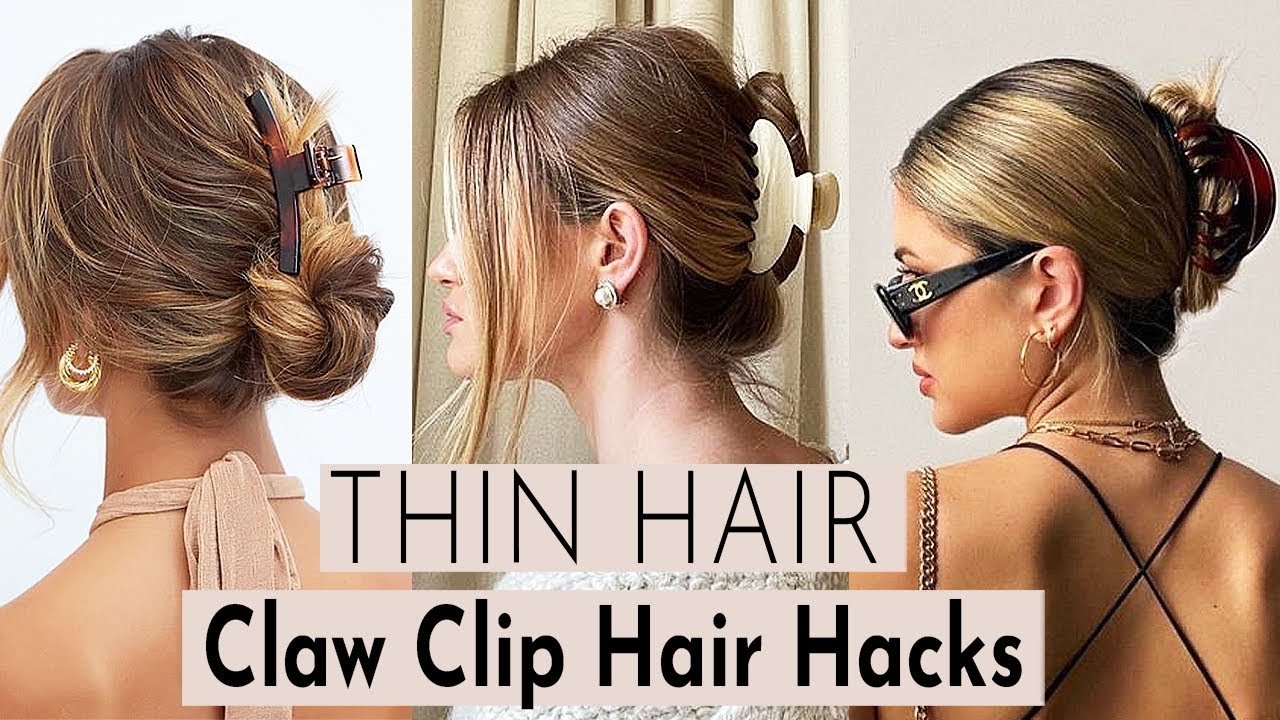
Claw clips have become one of the most practical and stylish hair accessories available, and for good reason. They hold hair quickly, they create an updo without requiring bobby pins or elastic bands, and they can look deliberately casual or genuinely elegant depending on how the hair is arranged before the clip goes in. For most hair types they are straightforward. For thin fine hair they require a little more thought.
The challenge with fine hair and claw clips is that fine hair has less to work with when creating the gathered or twisted section that the clip holds in place. Too little hair in the clip and it slips. Too loosely arranged and the style looks limp rather than intentional.
The right approach for fine hair is understanding which arrangements create the most visual fullness from the least amount of hair, and which clip placements hold most securely without needing a lot of density to grip.
The good news is that fine hair actually has some advantages with claw clips. It tends to be lighter, which means the clip can hold it more easily without slipping.
And many of the most flattering claw clip arrangements for fine hair rely on strategic placement and a few loose pieces rather than volume of hair, which means the style can look full and intentional without the hair actually being full or dense.
This list covers 20 claw clip hairstyles for thin fine hair that look intentional, hold well, and make the most of what fine hair actually has.
1. Half-Up Twist Clip
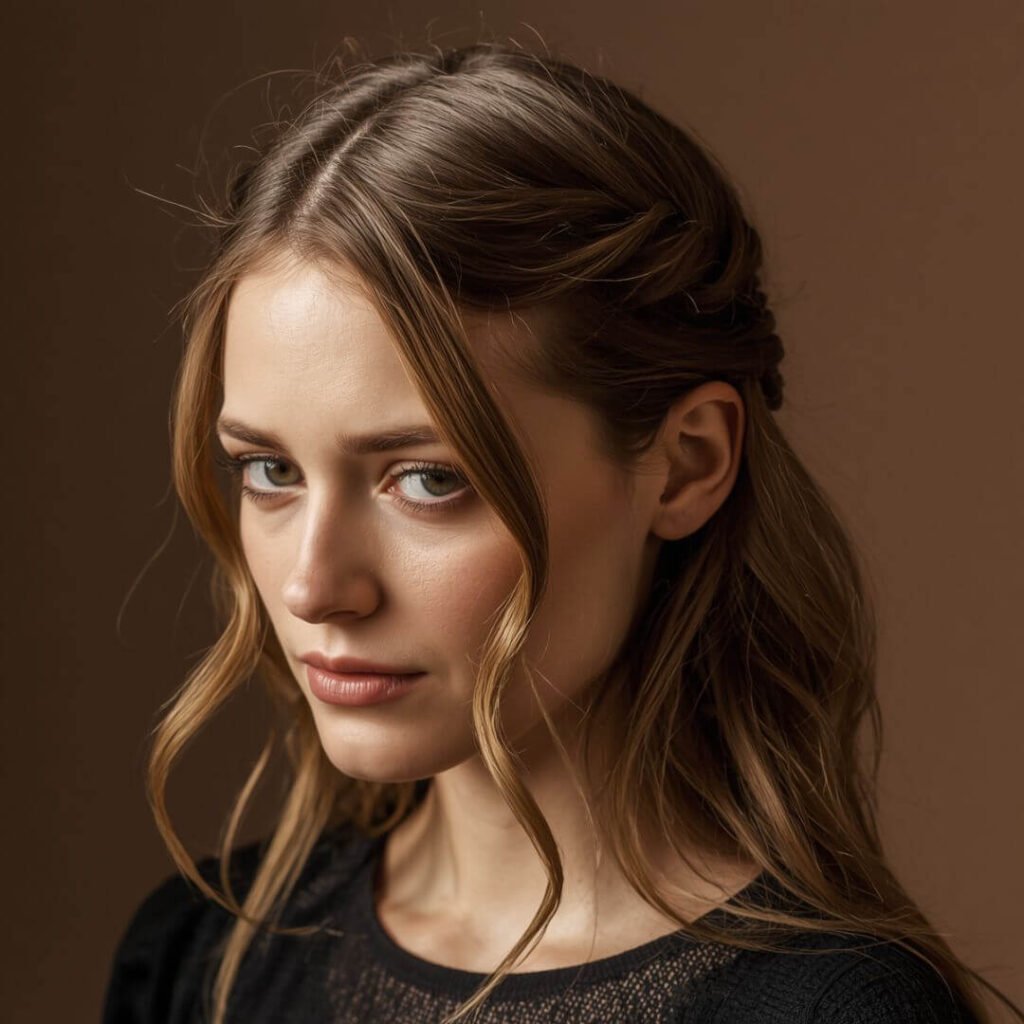
The half-up twist is one of the most reliable claw clip styles for fine hair because it only uses the top half of the hair, which concentrates the density of the fine hair in a smaller section that the clip can hold more securely. Twisting the section before clipping adds structure that plain gathered hair does not have.
Gather the top half of your hair, twist it once or twice, then clip it at the crown with a medium claw clip. Leave the lower sections down and pull a few face-framing pieces loose at the front to soften the look and make the style feel deliberate rather than rushed.
2. Loose French Twist Clip
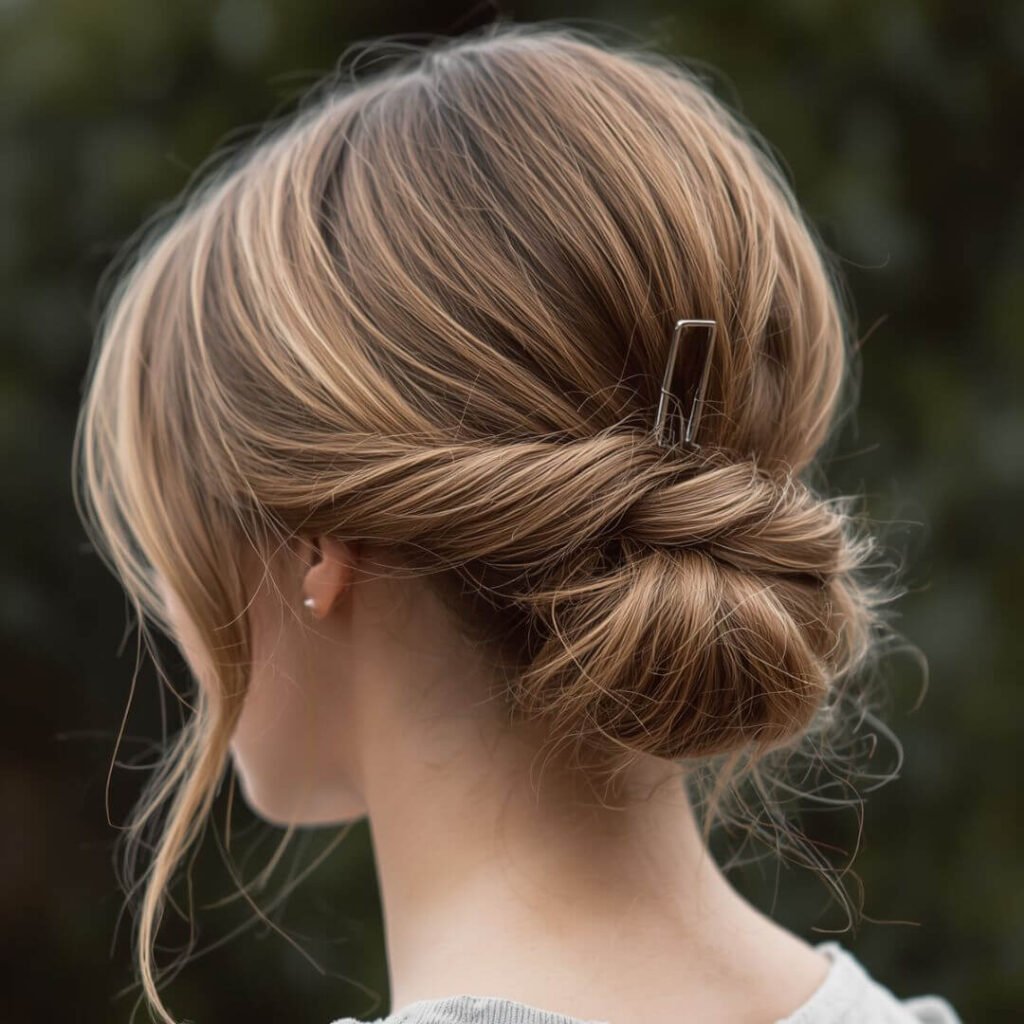
A loose French twist held with a claw clip is one of the most elegant options for fine hair because the rolling and folding of the hair creates a structured shape that looks more substantial than the actual density of the hair. The twist builds on itself, creating visual fullness from a relatively small amount of hair.
Roll your hair loosely upward and slightly inward as if creating a French twist, then secure the folded section with a large claw clip placed vertically along the twist. Let any shorter pieces fall loosely around the face and nape for a relaxed, elegant finish.
3. Messy Bun Clip
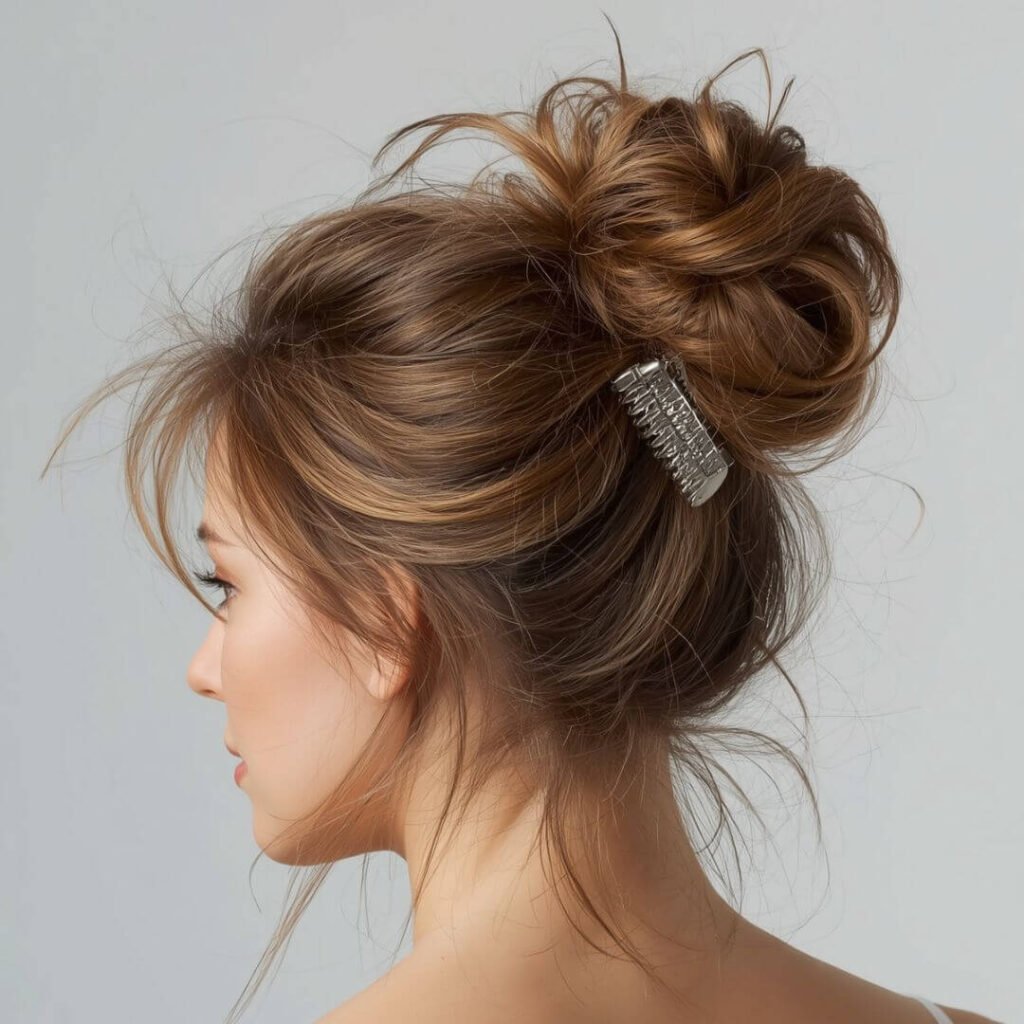
A messy bun created with a claw clip is forgiving for fine hair because the intentionally undone quality of the style means any thinness or gaps in the gathered section read as deliberate texture rather than as a limitation of the hair. The key is arranging the bun so the gathered section fans out enough to create visual fullness.
Gather all your hair loosely at the crown or slightly below, twist it loosely once, then clip it with a large claw clip and fan the ends outward through and above the clip rather than tucking them all underneath. Leave loose pieces around the face for a relaxed, effortless finish.
4. Low Twist with Loose Ends
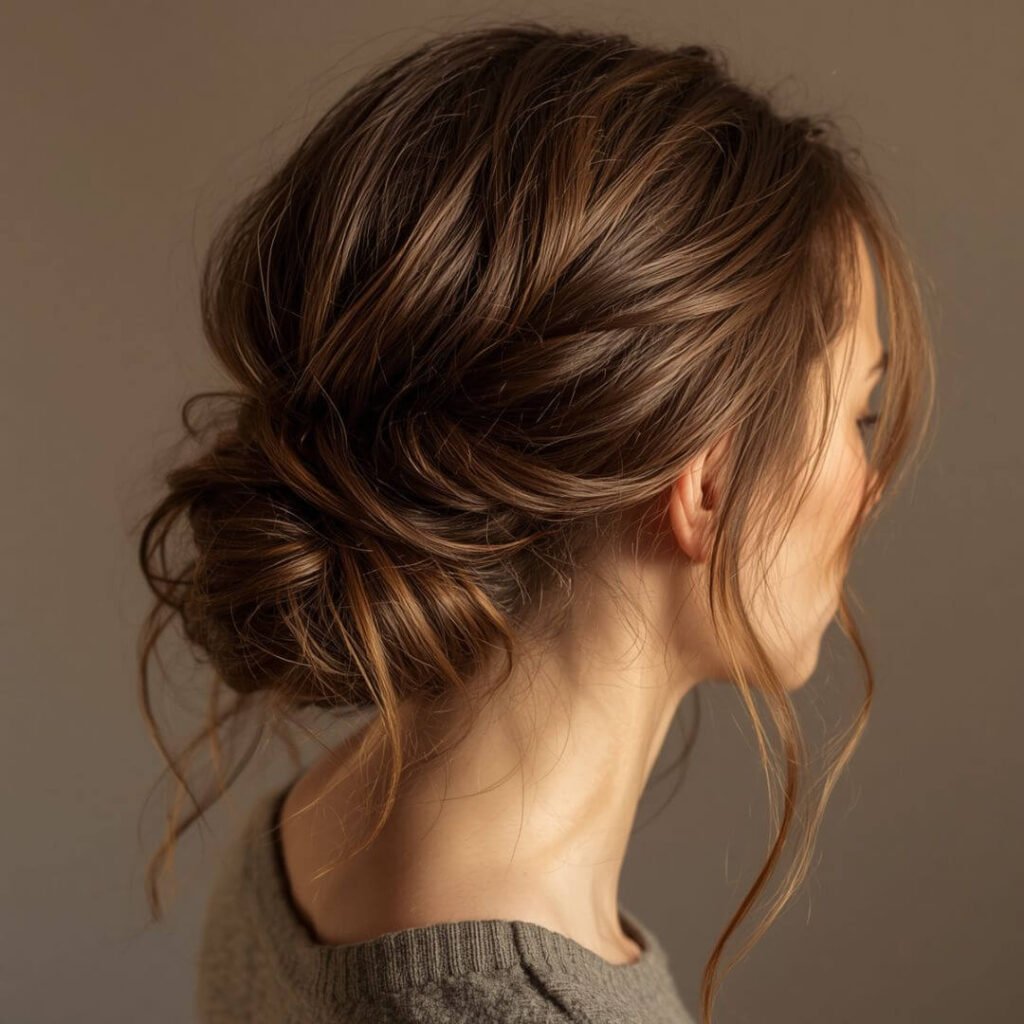
A low twist at the nape with the ends left loose rather than fully clipped in creates a style that looks deliberately undone and romantic rather than simply too fine to gather fully. For fine hair leaving the ends loose is also practical because it means there is less hair being asked to stay inside the clip.
Gather your hair at the nape, twist it loosely downward, and clip the twisted section with a medium claw clip leaving the ends to fall loosely below the clip. Pull a few pieces loose at the front and sides to frame the face and soften the overall look.
5. Side Clip with Volume
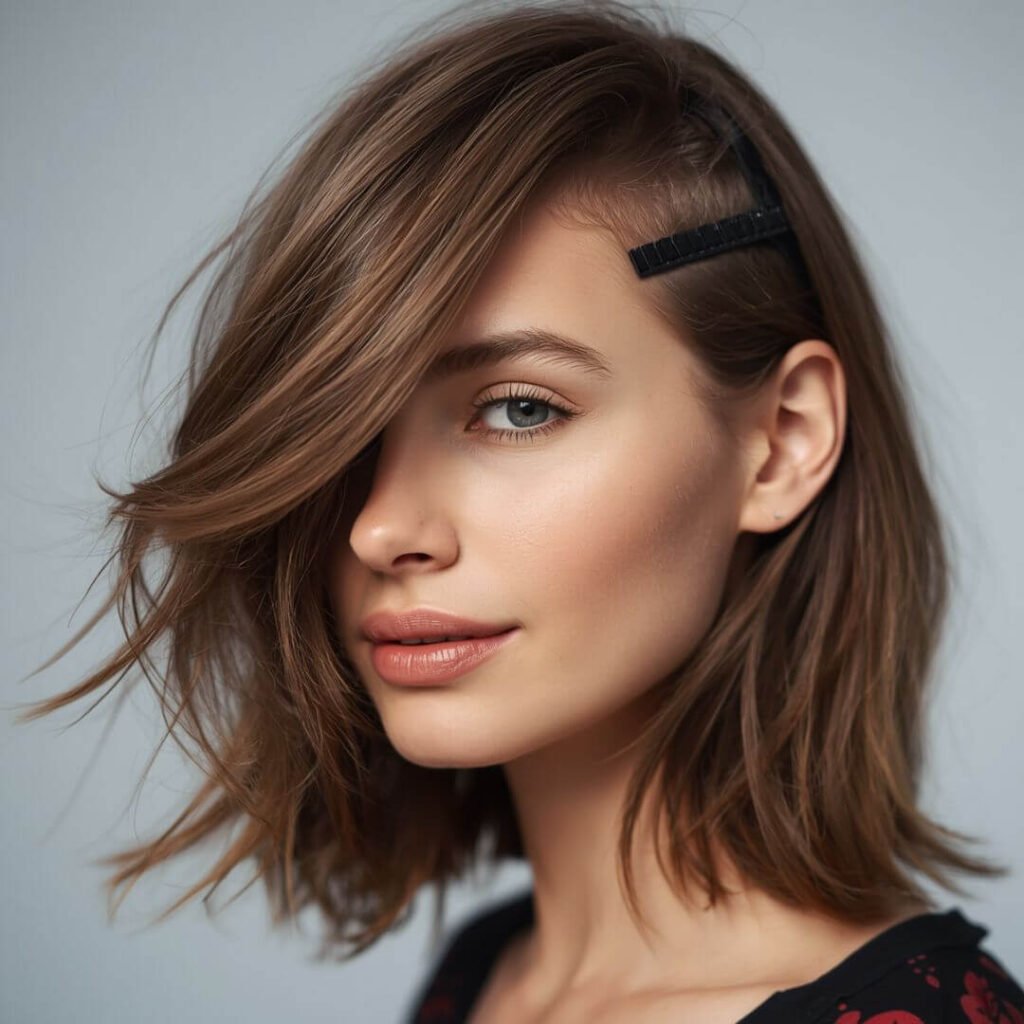
Clipping the hair to one side rather than at the back or crown creates a directional, asymmetric look that gives fine hair more apparent density on the clipped side. The asymmetry also creates a more dynamic and interesting silhouette than a centered clip placement, which tends to expose the flatness of fine hair more directly.
Gather all your hair and direct it to one side, twist it loosely once or twice, and clip it at the side of the head below the ear with a large claw clip. Leave the ends to fall loosely past the clip and pull a couple of face-framing pieces loose at the front on the opposite side.
6. Twisted Half-Up with Tendrils
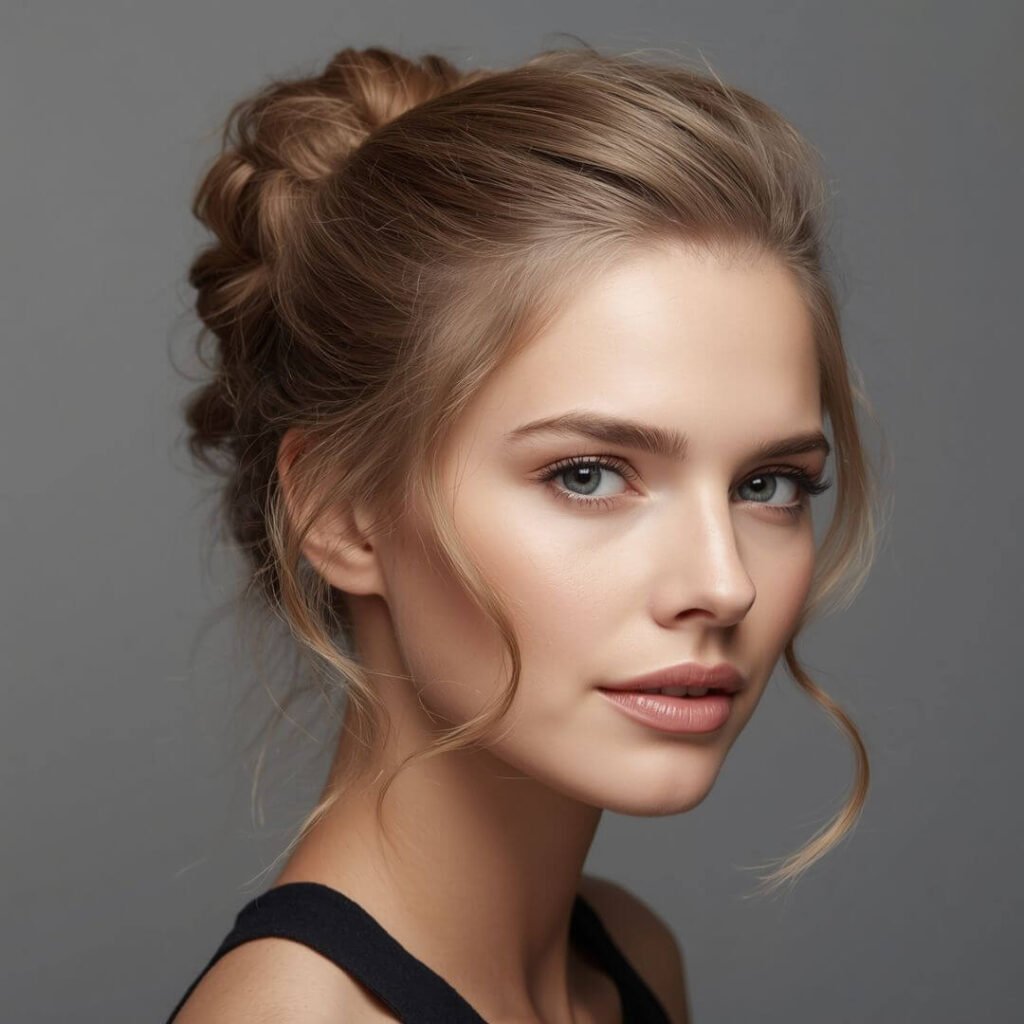
This half-up style twists the top section before clipping and leaves deliberate tendrils around the face that create a soft, romantic frame. For fine hair the tendrils serve a practical purpose as well as a decorative one, reducing the amount of hair in the clip and making the remaining clipped section easier to hold securely.
Separate the top section of your hair from ear to ear, twist it loosely, and clip it at the crown with a medium claw clip. Leave a few deliberate tendrils at the temples and cheekbones and let the lower sections fall naturally.
7. Crown Clip with Piecey Top
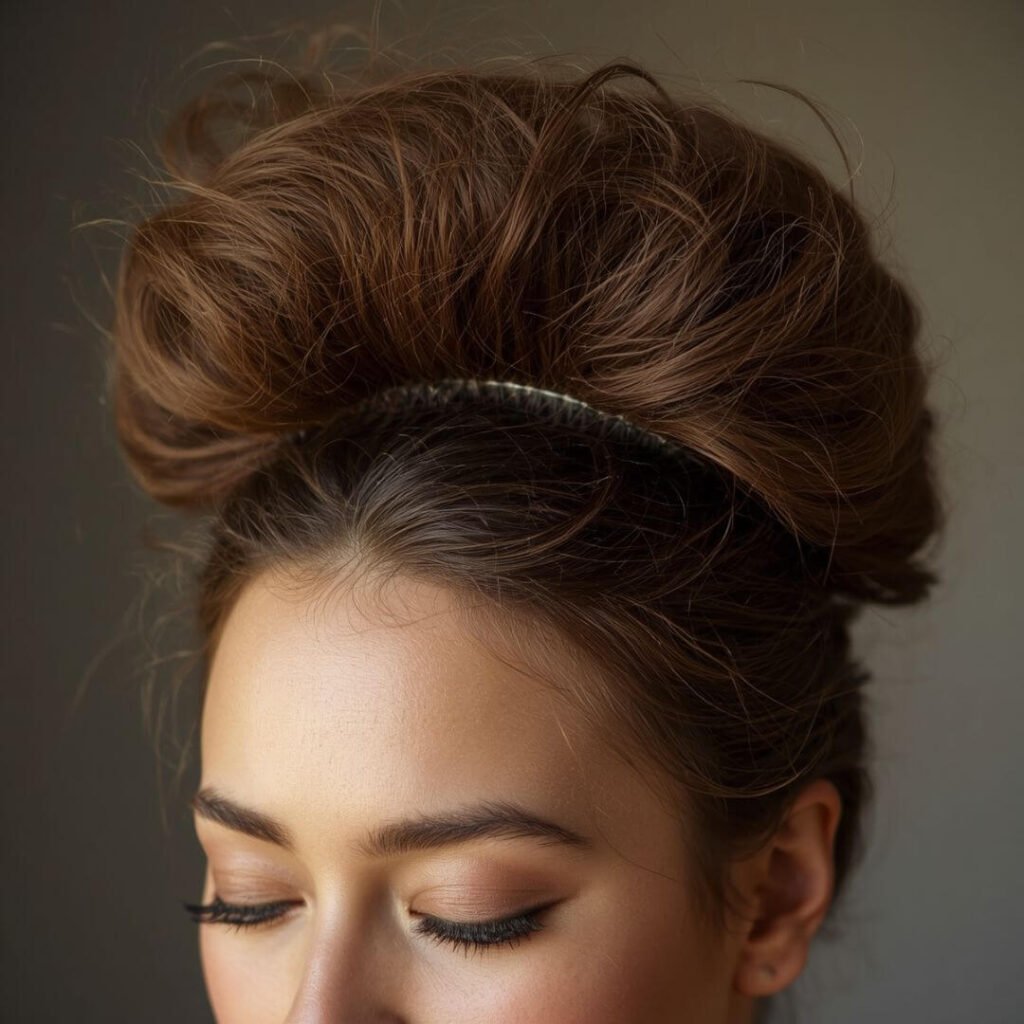
A crown clip that fans the ends upward and outward through the top of the clip creates a piecey, textured top that adds visual interest and apparent fullness above the clip. For fine hair this fanned arrangement is more flattering than tucking all the ends neatly inside the clip because the visible ends create the impression of more hair than is actually there.
Gather your hair at the crown, clip it loosely with a large claw clip, and deliberately pull sections of the gathered ends upward and outward through the top of the clip to create a piecey, fanned texture above the clip rather than a smooth, tucked finish.
8. Nape Clip with Face Framing
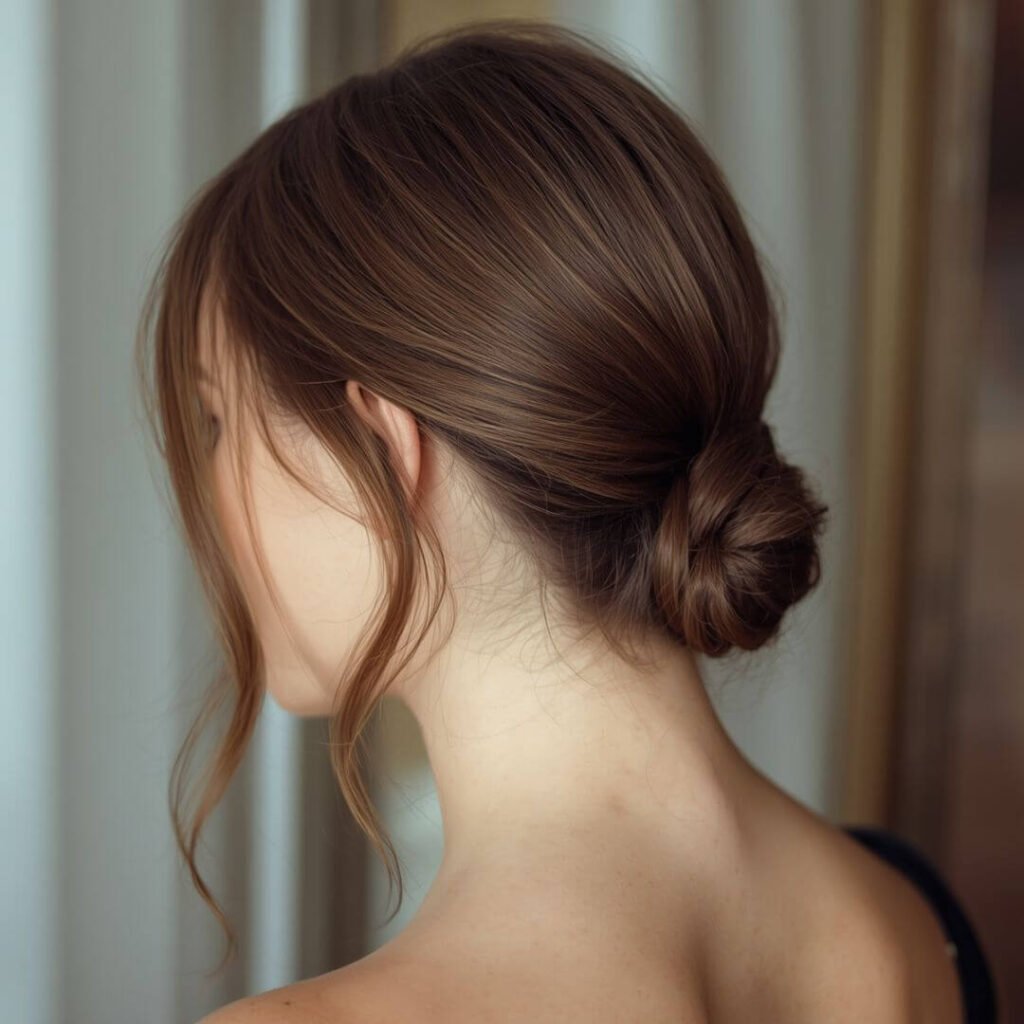
A claw clip placed low at the nape rather than at the crown or mid-head creates a clean, elegant look that keeps the hair off the neck while leaving the upper sections free to add volume around the face. For fine hair the nape placement means the clip is working with gravity rather than against it, which helps it hold more securely.
Leave the upper and front sections of your hair loose and gather only the lower and back sections into a low nape clip, securing them with a medium claw clip at the nape. Style the loose upper sections with a light volumizing spray and a side part for volume and face framing.
9. Textured Top Knot Clip
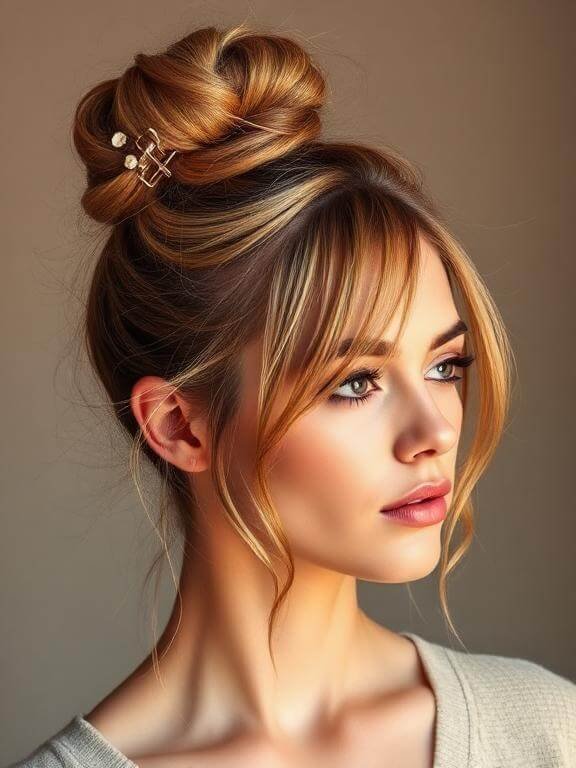
A textured top knot held with a claw clip at the very crown of the head creates maximum height that draws the eye upward and gives fine hair a strong, intentional silhouette. The key for fine hair is keeping the knot loose and textured rather than smooth and tight, which creates more apparent volume and holds more securely with less density.
Gather your hair at the very top of the crown, twist it loosely into a knot shape, and secure it with a large claw clip. Pull sections of the knot outward to create texture and apparent volume, and leave a few face-framing pieces loose at the front to soften the look.
10. Diagonal Clip Placement
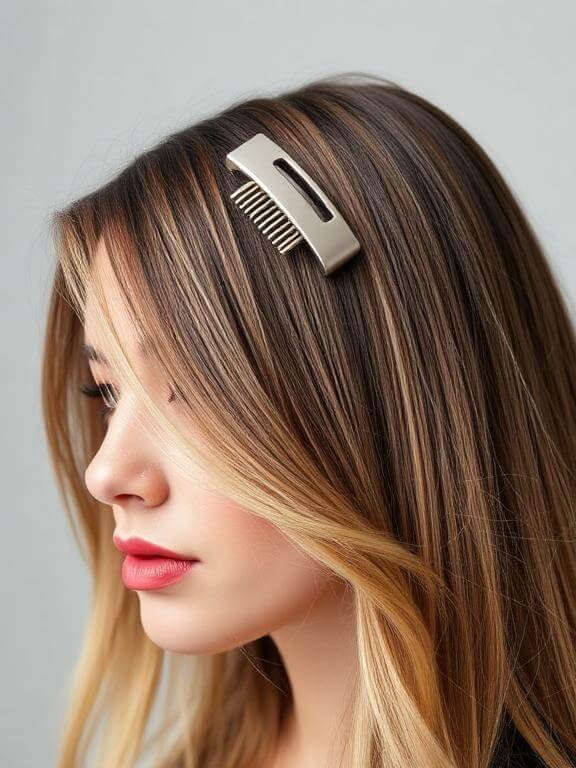
The placement of the claw clip at a diagonal angle rather than horizontally or vertically creates a more dynamic and intentional look that gives fine hair more visual interest. A diagonal clip draws the eye across the gathered section in a way that makes the style look more considered and deliberate than a standard horizontal clip placement.
Gather your hair at the mid-head, clip it with a medium to large claw clip placed at a slight diagonal angle, and let the ends fall loosely above and below the clip. The diagonal placement itself becomes a style detail that makes the arrangement look intentional.
11. Double Clip Style
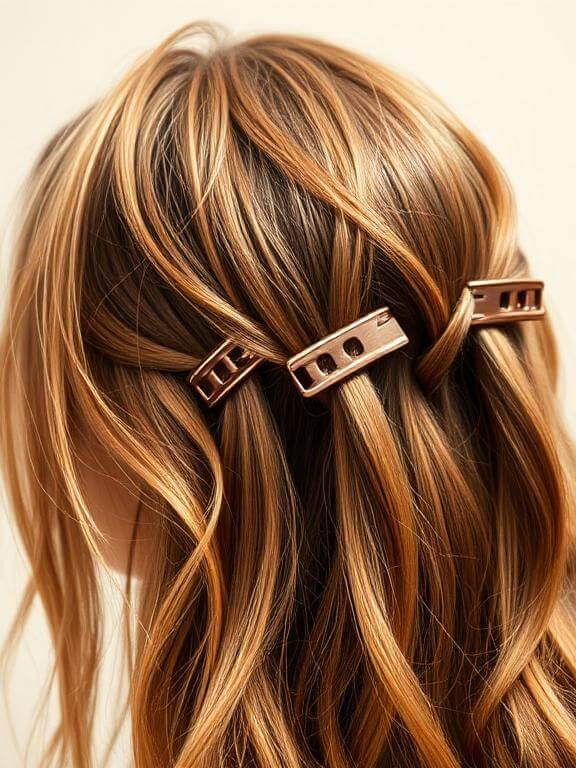
Using two smaller claw clips rather than one large clip is a practical solution for fine hair that does not have enough density to fill a large clip securely. Two clips placed close together or staggered slightly through the gathered section hold more securely and can create a more interesting visual arrangement than a single clip on very fine hair.
Gather your hair into a half-up or full-up arrangement and secure it with two small to medium claw clips placed close together or slightly staggered, then pull sections of the gathered hair loose between and above the clips to create texture and apparent fullness between them.
12. Braided Section Clip
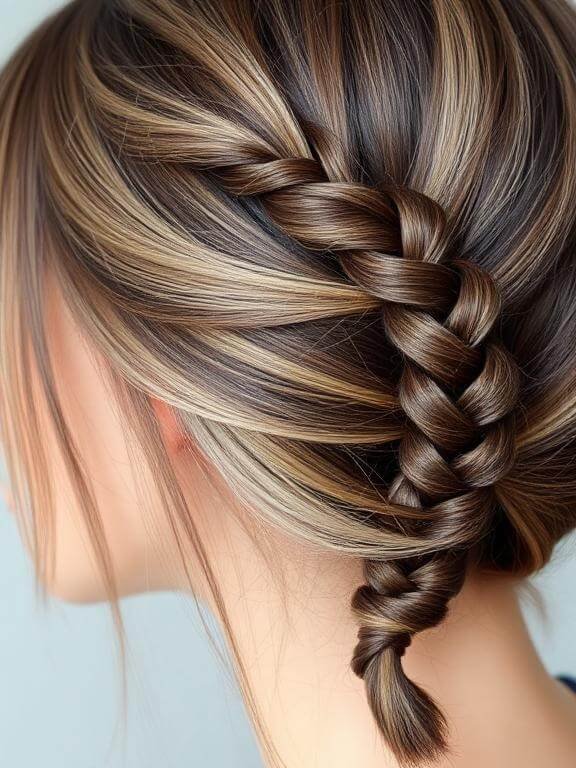
Adding a small braid to the section of hair being clipped before clipping it gives the gathered section more texture and apparent volume than plain gathered hair would have. The braid adds structure that the clip can grip more effectively, and the texture of the braid reads as fuller and more intentional than the same amount of fine straight hair gathered plainly.
Create a small braid from one side section of your hair, incorporate it into the rest of the hair being gathered, and clip the combined section with a medium claw clip. The braided section adds visible texture through the gathered area that makes the style look more dimensional and full.
13. Low Side Ponytail Clip
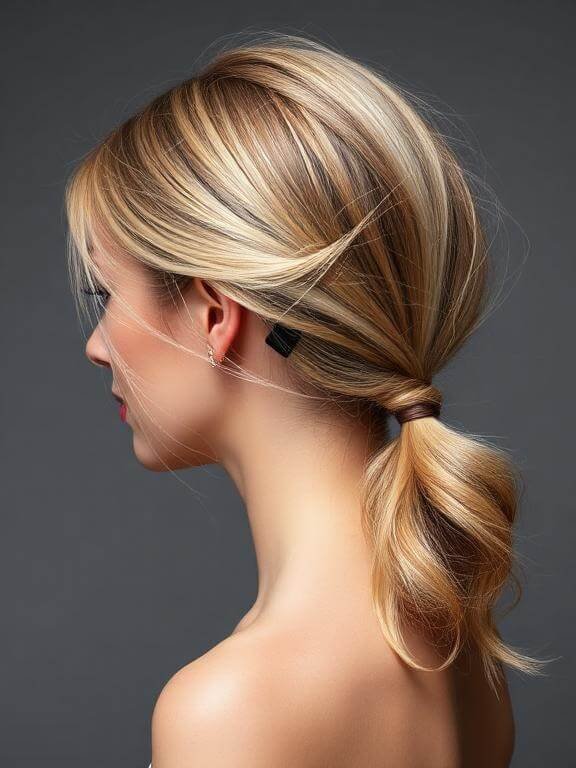
A low side ponytail held with a claw clip is one of the simplest and most flattering claw clip styles for fine hair because the low position works with gravity, the side direction creates asymmetry and apparent density, and the clip holds more securely at a low position than it would higher on the head where fine hair is more likely to slip.
Gather all your hair to one side at a low position, twist it loosely, and clip it with a large claw clip at the side of the neck. Let the ends fall loosely past the clip and pull one or two face-framing pieces loose at the front on the opposite side.
14. Twisted Crown with Loose Nape
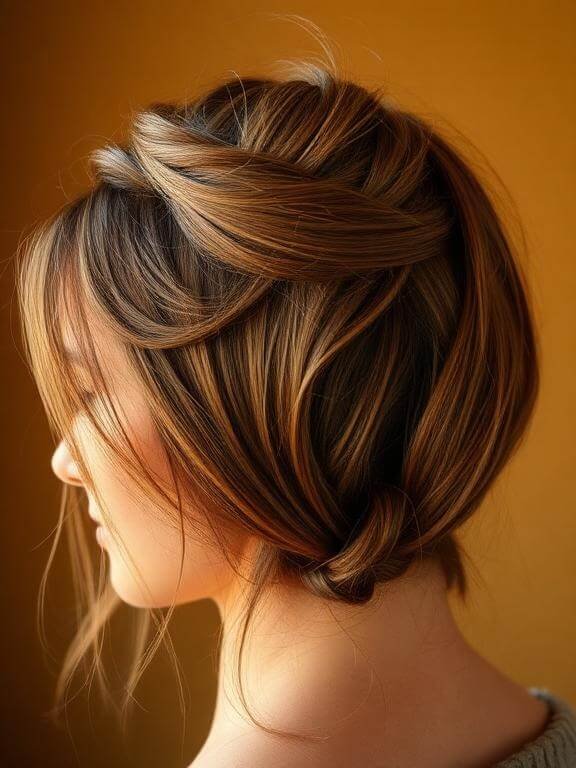
A twisted crown clip leaves the nape section free rather than gathering all the hair. For fine hair this split approach creates more apparent fullness because the loose nape section adds volume and movement at the back that a fully gathered style would remove, while the twisted crown section creates an elegant, structured element at the top.
Gather and twist the hair from the crown and upper sections only, clip the twisted section at the crown with a medium claw clip, and leave the nape section completely free to fall naturally. Style the loose nape section with a light wave or volumizing spray for movement.
15. Ribbon-Wrapped Clip Style
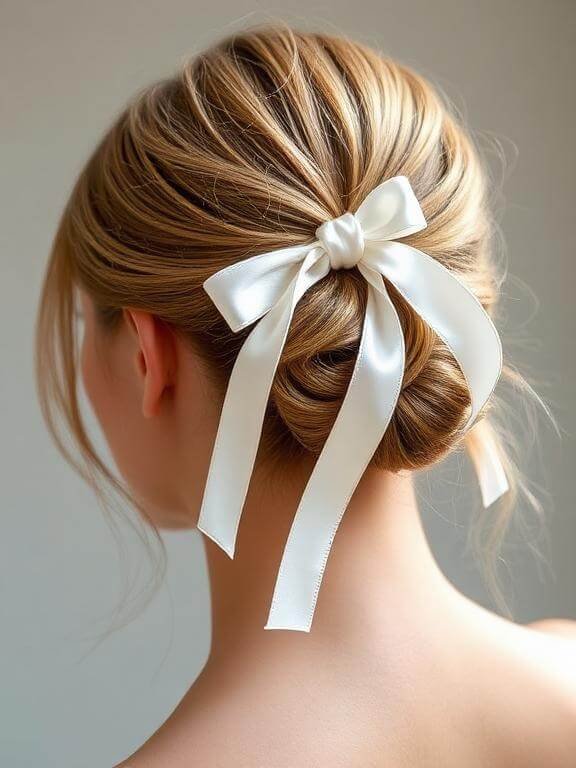
Threading a thin ribbon or silk scarf through a claw clip before using it adds a decorative element that makes even a simple gathering of fine hair look more deliberate and occasion-appropriate. The ribbon also adds visual interest and color that draws attention to the clip placement rather than the density of the gathered hair.
Thread a thin ribbon or narrow silk scarf through the center of a claw clip before gathering the hair. Gather and clip your hair as usual, then arrange the ribbon ends to fall loosely around the gathered section. The ribbon adds decoration and intention that makes the simple gathered style look more considered.
16. Wet Look Clip Style
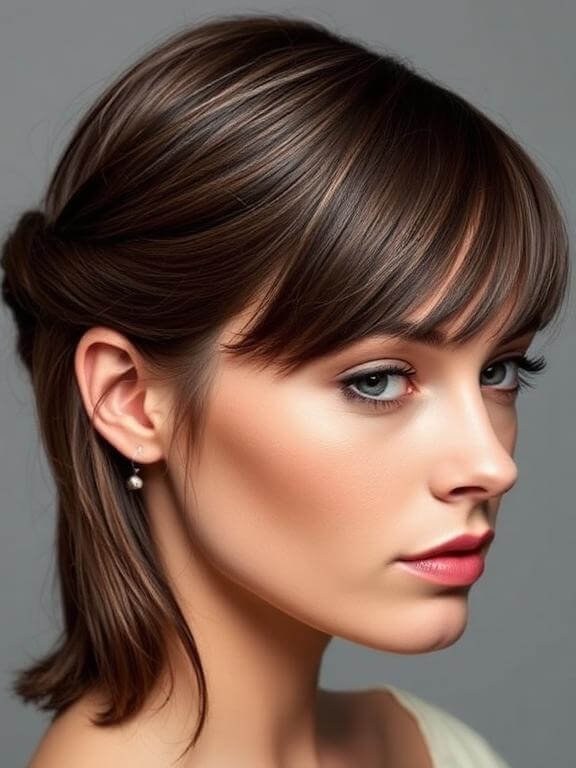
Styling the hair with a light gel or strong hold cream before clipping creates a sleek, intentional wet-look finish that works particularly well for fine hair because the product adds weight and control that makes the style hold more securely and look more deliberate. A wet look clip style looks chic and modern rather than simply casual.
Apply a small amount of light gel or strong hold styling cream through damp or dry fine hair, gather it into a low or mid-level clip, and smooth the surface of the gathered section for a sleek, controlled wet-look finish that holds through the day.
17. Piecey Curtain Bang Clip
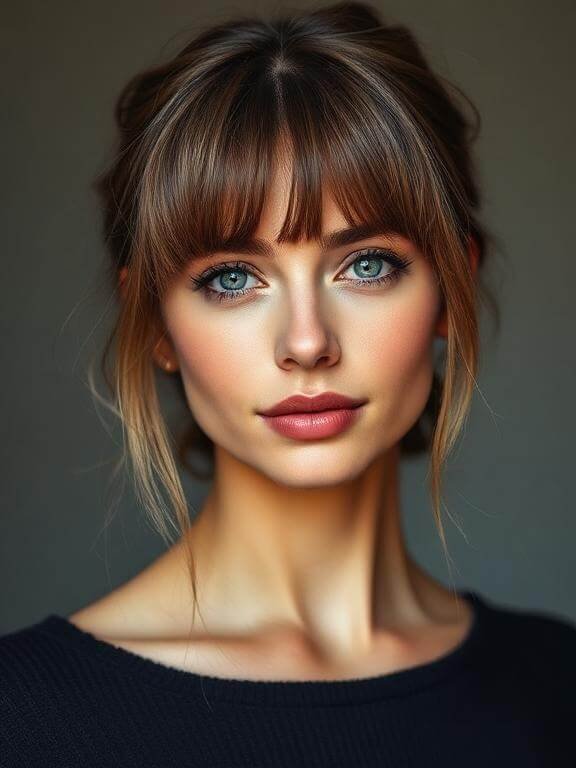
Styling curtain bangs or face-framing pieces before clipping the rest of the hair creates a half-up effect where the clipped back section and the loose front pieces work together. For fine hair with a fringe this is one of the most practical claw clip styles because the front pieces are already separate from the clipped section, reducing the amount of hair the clip needs to hold.
Style your curtain bangs or face-framing pieces loose at the front, gather the remaining hair from behind the face-framing sections, clip it at the crown or mid-head with a medium claw clip, and arrange the front pieces to frame the face and complement the clip placement.
18. Effortless Top Clip with Volume Spray
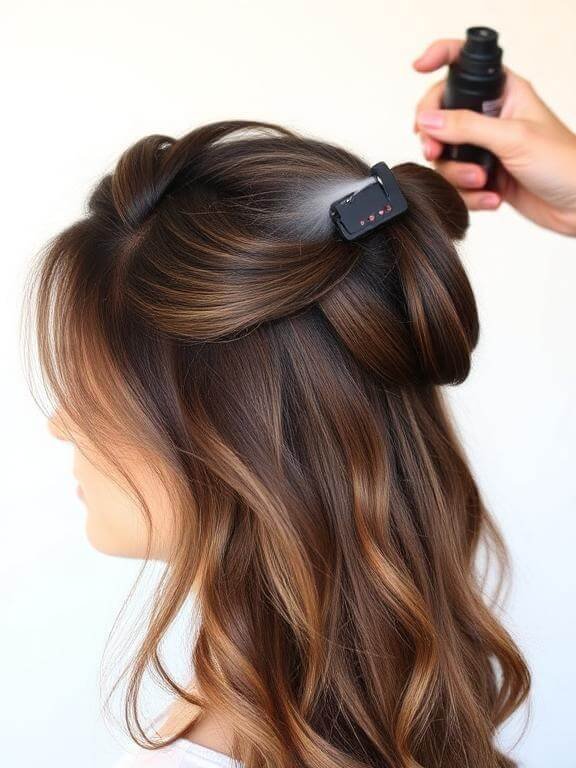
Applying a volumizing or texturizing spray to the roots and mid-lengths before creating any claw clip style gives fine hair more body and grip that helps the clip hold more securely and makes the gathered section look fuller. This is less a specific style than a technique that improves every other claw clip style for fine hair.
Spray a volumizing or texturizing product through the roots and mid-lengths of dry fine hair before gathering it into any claw clip arrangement. The product adds body and texture that makes the clip hold more securely and makes the gathered section look fuller and more intentional than unstyled fine hair in the same arrangement.
19. Gathered Side Twist with End Fan
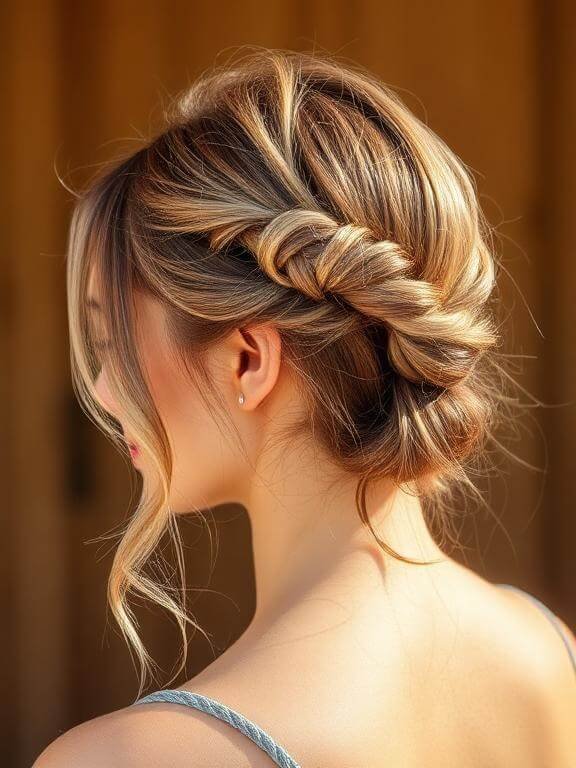
This style gathers the hair at one side, twists it toward the back, and fans the ends outward above the clip to create a style that has visible movement and texture above the clip placement. For fine hair the fanned ends create the impression of more volume and density than the hair has when gathered neatly, and the side gathering creates asymmetry that adds interest.
Gather all your hair and direct it to one side, twist it loosely toward the back of the head, and clip it with a large claw clip placed at the back. Fan the ends outward through the top and sides of the clip to create visible texture and movement, and leave one or two pieces loose at the front on the lighter side.
20. Overnight Wave Clip Style
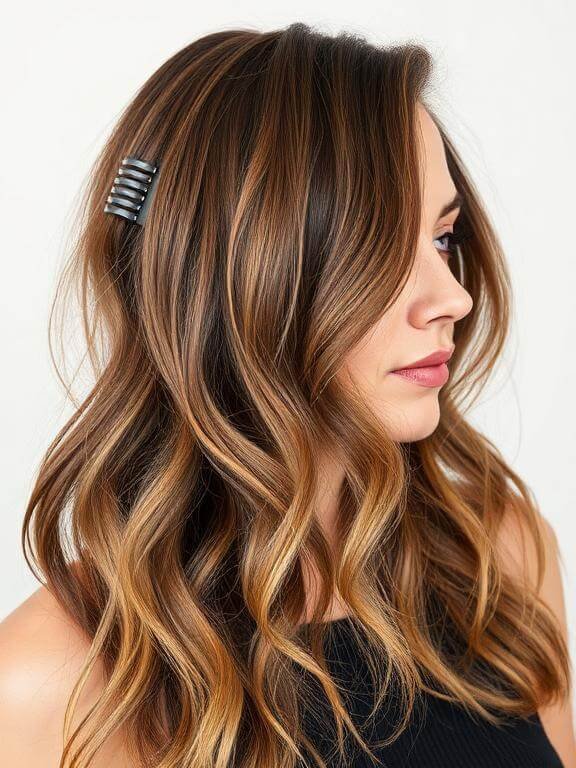
Clipping damp or slightly product-dampened hair into a loose gathered arrangement overnight and removing the clip in the morning creates a natural wave pattern that adds texture and apparent volume to fine hair without heat damage. The wave pattern makes the hair look fuller and more textured throughout the day, and the claw clip is both the styling tool and the finishing accessory.
Apply a light curl-enhancing or wave-setting product through damp fine hair, gather it loosely into a half-up or full-up claw clip arrangement at night, and release it in the morning. The wave pattern created by the clip and the product gives fine hair a textured, fuller appearance that lasts through the day.
FAQs
What size claw clip works best for thin fine hair?
Medium clips tend to work better than very large clips for fine hair because a very large clip does not have enough hair to grip securely. A medium clip fills more proportionally with the amount of fine hair being gathered and holds more reliably as a result. For styles that gather all the hair, a large clip may be needed, but choosing a clip with a strong spring mechanism is more important than size for fine hair.
Why does my claw clip keep slipping on fine hair?
Slipping usually happens because the clip is too large for the amount of hair being gathered, or because the hair is too clean and smooth for the clip to grip. Fine hair that has been freshly washed and has no product in it is particularly slippery. Applying a light texturizing spray or dry shampoo before clipping adds grip that helps the clip hold more securely. Twisting the hair before clipping also helps because the twist creates a more structured section that the clip can grip.
Can fine hair create a full-looking bun with a claw clip?
Yes, with the right technique. The key is not to gather the hair too tightly or too neatly, which compresses the fine hair and makes the gathered section look smaller and flatter than it needs to be. Gathering loosely, fanning the ends outward above the clip rather than tucking them under, and leaving a few pieces loose around the face all contribute to a bun that looks fuller than the hair density would suggest.
What is the best claw clip placement for fine hair?
Low placements at the nape or mid-head tend to work better for fine hair than high placements at the very crown because the clip is working with gravity rather than against it at lower positions. High crown placements on fine hair often slip because there is not enough density to counteract the downward pull of the hair beneath the clip. If a high placement is desired, twisting the hair tightly before clipping and using a clip with a strong spring mechanism helps.
Do I need to use product with a claw clip for fine hair?
Not always, but a light texturizing spray or dry shampoo applied before clipping adds grip and body that makes most claw clip styles hold better and look fuller on fine hair. Freshly washed fine hair is the hardest to clip successfully because the clean, smooth surface gives the clip very little to grip. Day-two hair or lightly product-treated hair almost always holds a claw clip more securely.
Wrapping Up
Claw clips are one of the most accessible and forgiving styling tools available for fine hair when the right techniques are used. The key is understanding that fine hair needs strategic arrangement rather than volume to make claw clip styles work, and that the most successful claw clip looks for fine hair are often the ones that embrace a relaxed, slightly undone quality rather than trying to create a densely gathered, structured arrangement that the hair cannot support.
The 20 styles on this list cover a wide range of arrangements from casual to elegant, from fully up to half-up, from simple to accessorized. Each one is chosen with the specific characteristics of fine hair in mind. Finding the ones that suit your length, your face shape, and your daily routine is the starting point for claw clip styles that hold well, look intentional, and make fine hair feel like an asset rather than a limitation.