22 Medium Length Haircuts for Thin, Fine Hair
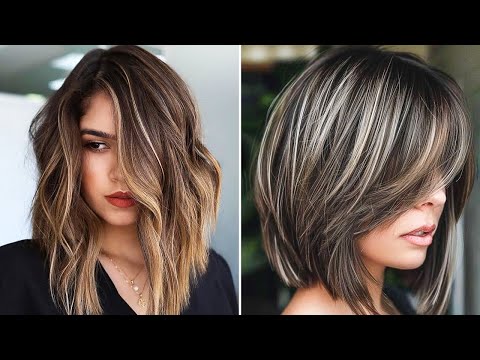
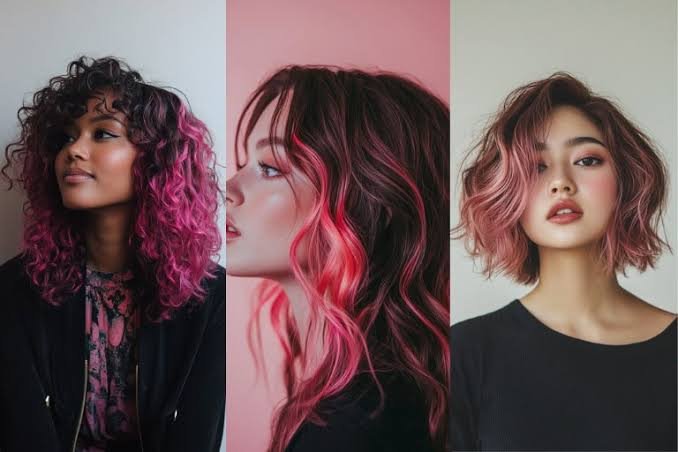
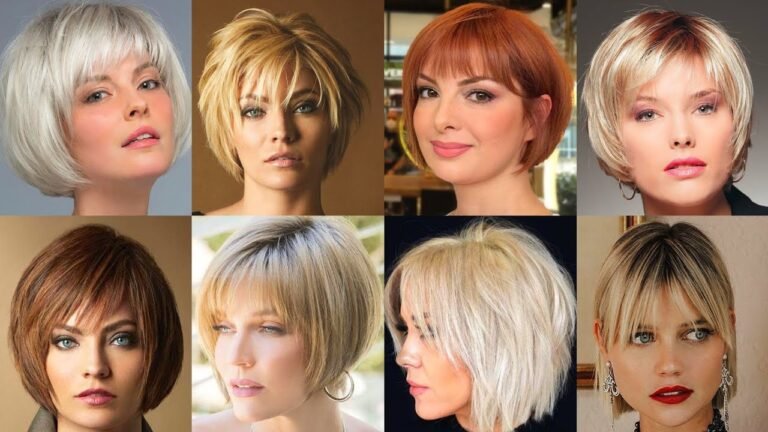
Medium length is a tricky zone for fine hair. Long enough to feel feminine and versatile, short enough actually to hold some body. When the cut is right, medium length fine hair looks full, healthy, and intentional. When it’s wrong, it just hangs.
The secret most stylists won’t spell out unless you ask: weight distribution matters more than length. Where your stylist removes weight and where they leave it determines everything about how your fine hair behaves at this length.
1. Blunt Cut Lob
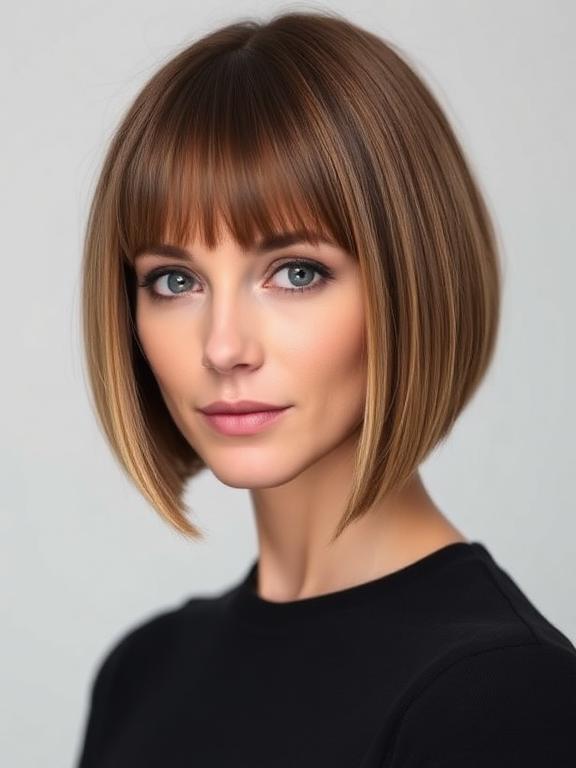
A blunt lob is the single most reliable cut for making fine hair look thicker at medium length. The straight, unbroken edge across the bottom creates an illusion of density that no amount of layering can replicate. It’s a clean, modern look that works on practically every face shape and requires minimal daily effort to maintain.
Ask your stylist for a one-length cut, with the ends finished with point-cutting rather than a straight scissor line. Point cutting softens the edge just enough to prevent it from looking too harsh while keeping the weight exactly where fine hair needs it most.
2. Soft Layered Lob
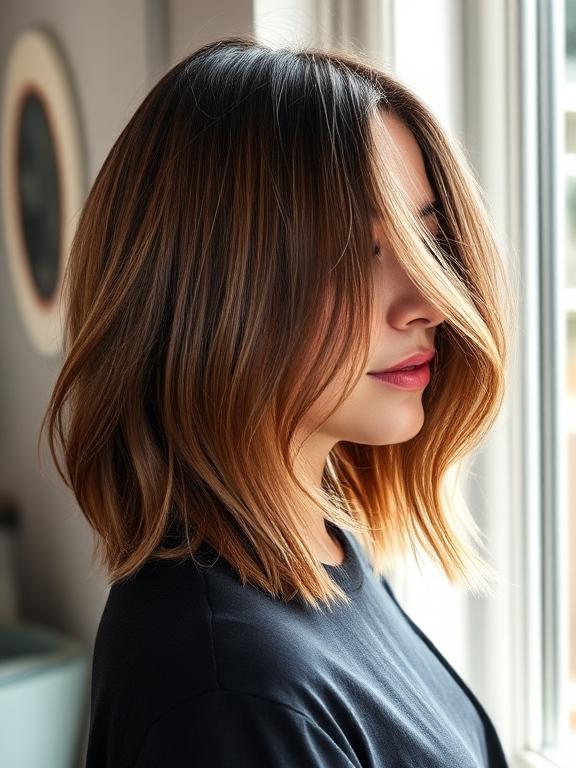
Layers on fine hair work when they’re placed correctly. A soft layered lob keeps the layers long and gradual, starting no higher than the collarbone, so the ends still carry enough weight to look full. The movement comes from the face-framing sections rather than from removing bulk throughout the entire cut.
Tell your stylist explicitly: no short layers above the shoulders. That single instruction prevents the most common mistake made on fine hair, which is over-layering that leaves the ends looking thin and stringy rather than textured and intentional.
3. Curtain Bang Lob
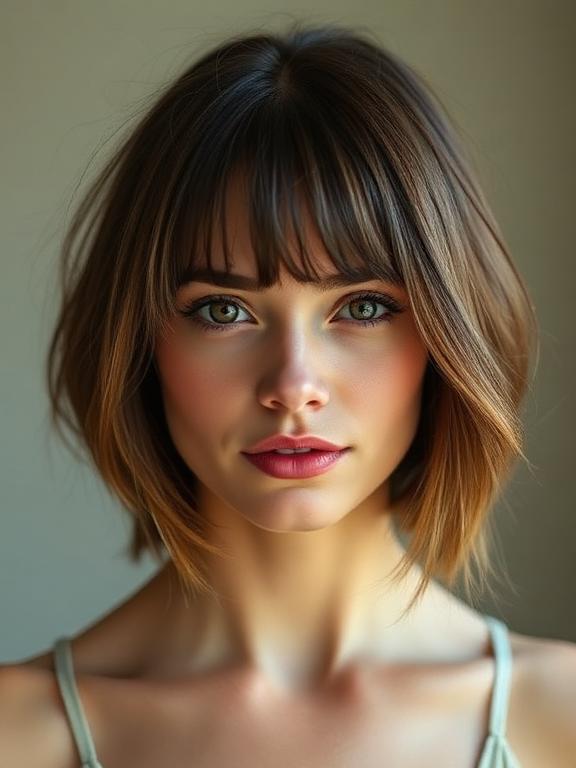
Curtain bangs on a medium-length cut add a focal point at the front that instantly makes the overall style look more considered and dimensional. For fine hair, the bangs create a section of hair that moves independently from the rest, which reads as fullness and texture even when the rest of the hair is relatively simple.
Blow-dry curtain bangs using a small round brush, sweeping each side away from the centre while the hair is still damp. Set immediately with a light-hold spray while warm. Skipping the spray means they’ll fall flat within a few hours on fine hair.
4. Textured Shag Cut
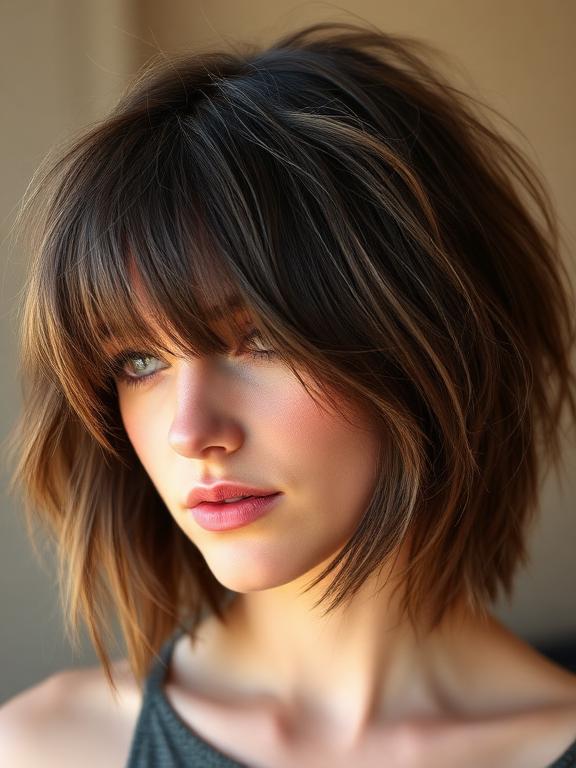
The shag is having a genuine moment, and fine hair is one of the hair types it suits best. Lots of layers, curtain bangs, and wispy ends combine to create a lived-in, rock-and-roll texture that makes thin hair look deliberately undone rather than flat. It’s one of the few cuts where fine hair’s natural lightness actually becomes an advantage.
A volumising mousse worked through damp hair before diffusing is the foundation of this style. Don’t brush it out after drying. The less manipulation, the more texture you retain, and texture is everything on a shag.
5. Face-Framing Layers Lob
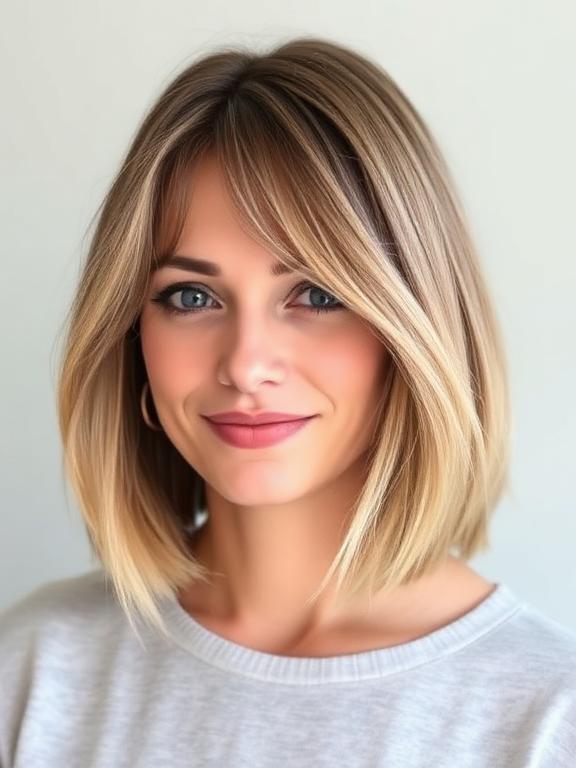
A lob with concentrated face-framing layers and a blunt or barely-there layered body is the safest middle ground for fine hair at medium length. You get the visual interest and softness of layers near the face without sacrificing the weight and density through the rest of the cut. It’s a thoughtful, targeted approach.
Ask for layers that begin at the cheekbone and blend into the length gradually. Starting any higher strips volume from the top of the head where fine hair is most vulnerable. The face-frame does the visual work while the body of the cut stays full.
6. Collarbone Length Blunt Cut
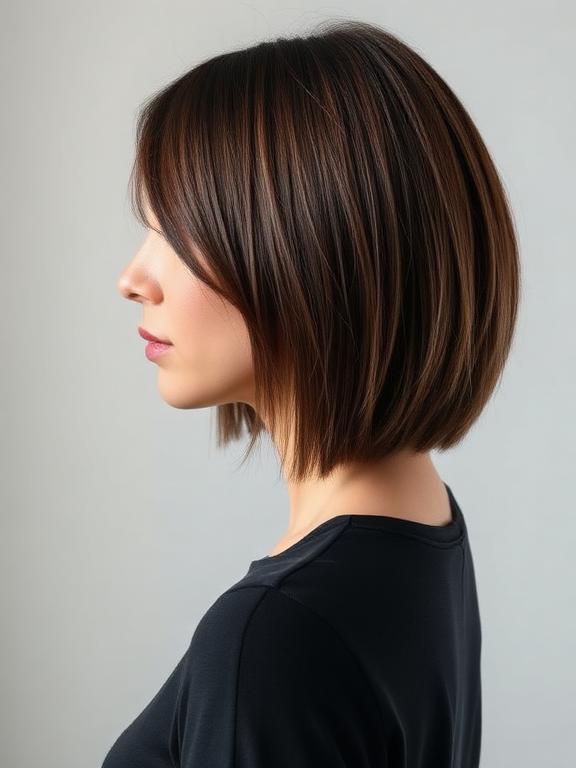
Collarbone length sits at the sweet spot where fine hair still holds enough weight to look full without being dragged flat by its own length. A blunt finish at this exact point creates a clean, intentional silhouette that reads as healthy and dense, especially when blow-dried with any kind of directional technique.
Use a paddle brush and a medium heat setting to blow dry in downward sections, pulling outward at the ends to keep them from turning under or flicking out unevenly. Finish with a flexible hold spray over the surface for grip and shine without stiffness.
7. Wavy Lob With Volume
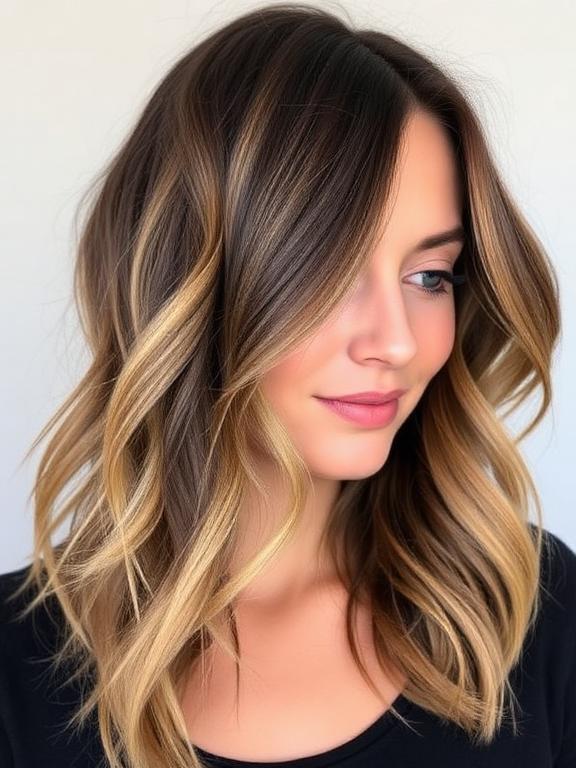
Waves transform medium-length fine hair more than almost any other styling technique. The bends along each hair shaft create the appearance of thickness, body, and movement that straight fine hair simply doesn’t have on its own. Even loose, relaxed waves on a medium-length cut look significantly fuller than the same hair worn straight.
Wrap sections around a one-inch curling wand loosely and hold for eight to ten seconds before releasing without touching. Once everything is cool, break the waves apart with your fingers rather than a brush. Brushing collapses the volume immediately on fine hair.
8. Medium Length Shaggy Bob
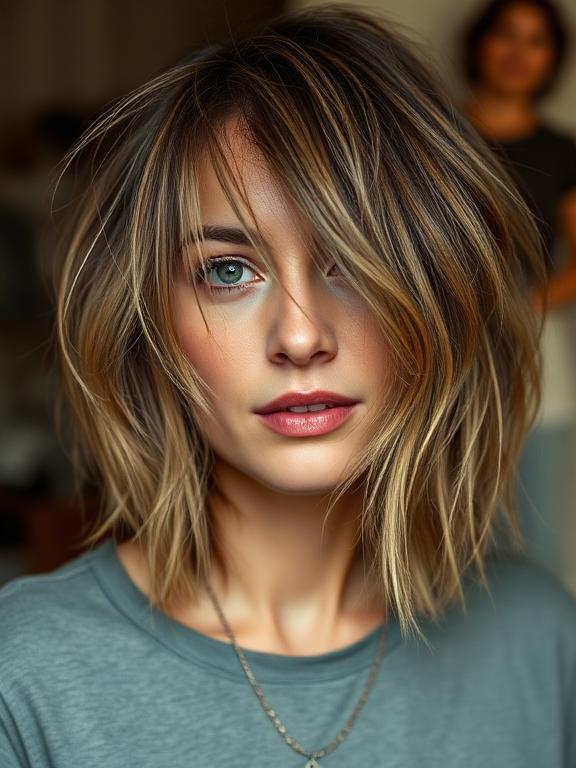
A shaggy bob at medium length blurs the line between a bob and a lob with intentional texture and movement throughout. It’s less structured than a classic lob and more wearable than a full shag, which makes it one of the most versatile options for fine hair that wants personality without high daily effort.
Dry shampoo at the roots on second- and third-day hair actually enhances this style rather than just maintaining it. The slight grip it adds to the roots creates volume and texture that fresh, clean fine hair often lacks. Embrace the second-day version of this cut.
9. Side Part Volume Lob
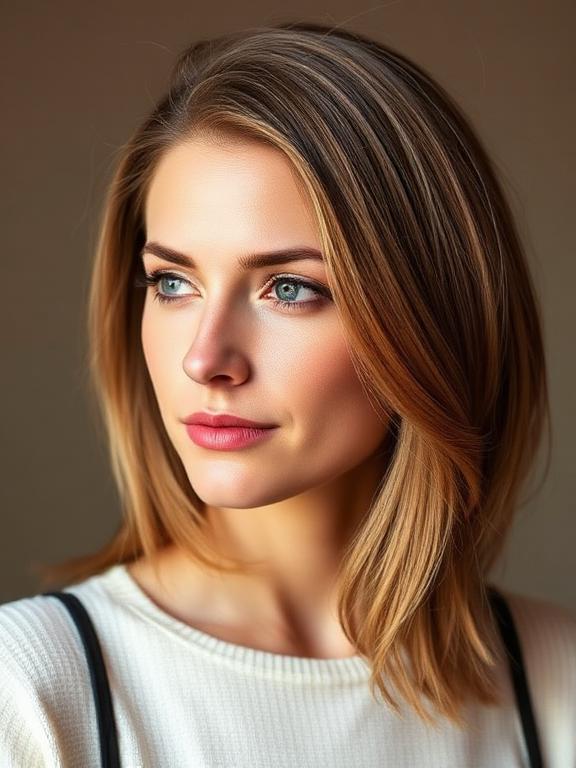
A deep side part on a medium-length cut is one of the oldest volume tricks for fine hair, and it still works better than most modern alternatives. The heavier side naturally lifts away from the scalp, creating root volume without product, while the shorter side tucks behind the ear for a clean, asymmetric shape.
Blow dry with your head tipped toward the opposite side of your part for the first half of the drying process. That early directional lift sets the volume before the hair cools and sets. Flip back over and finish the ends once the roots have dried with lift.
10. Wispy End Lob
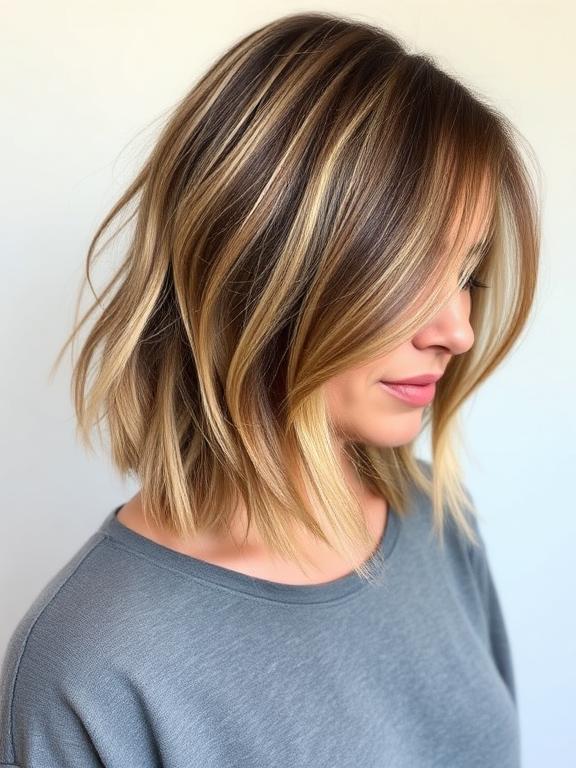
Wispy, softly tapered ends on a medium-length cut give fine hair an airy, natural finish without the blunt edge that some face shapes find too severe. The wispiness reads as texture and movement rather than thinness, especially when the rest of the cut maintains enough weight through the body to avoid looking sparse.
Ask your stylist to use shear point cutting at the very tips rather than razor cutting. Razors on fine hair often create ends that are too thin and prone to splitting. Point cutting gives a similar wispy effect with better long-term condition and more control over the result.
11. Beachy Textured Lob
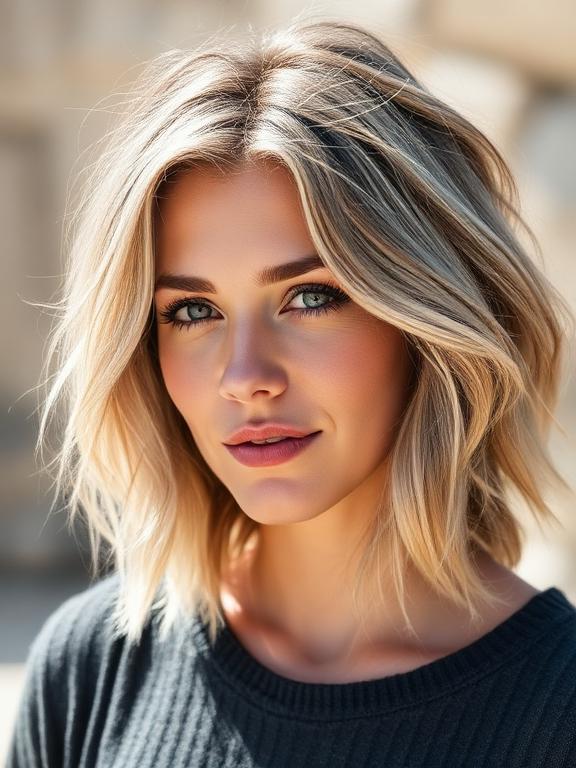
A beachy lob is built on texture and effortlessness. It’s the kind of style that looks like you didn’t try, which on fine hair actually requires a small amount of the right product and technique to pull off consistently. The visual fullness comes entirely from the texture rather than from the density of the hair.
Scrunch a sea salt spray through damp hair and then diffuse on low heat rather than air drying flat. Air drying on fine hair almost always results in flat, limp strands. The diffuser lifts and encourages movement that stays once the hair is fully dry.
12. Lob With Invisible Layers
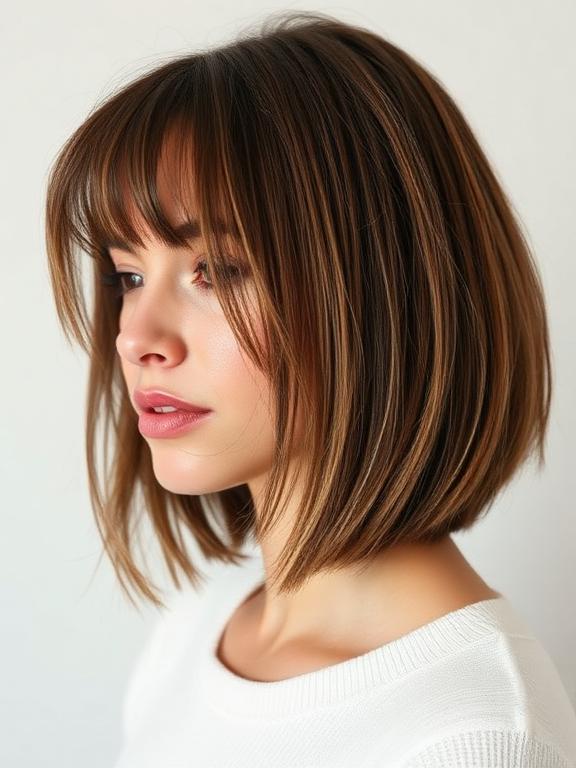
Invisible layering removes weight from underneath the hair rather than through the visible surface, which gives medium-length fine hair movement and lightness without any visible reduction in density. From the outside, the cut looks blunt and full. Underneath, there’s enough internal texture to prevent it from laying completely flat.
This technique requires a stylist who knows exactly what you mean by it. Use the phrase “internal point cutting underneath the surface” when you describe what you want. Bring a reference image if possible. It’s a subtle technique that makes a significant difference on fine hair.
13. Straight Across Fringe Lob
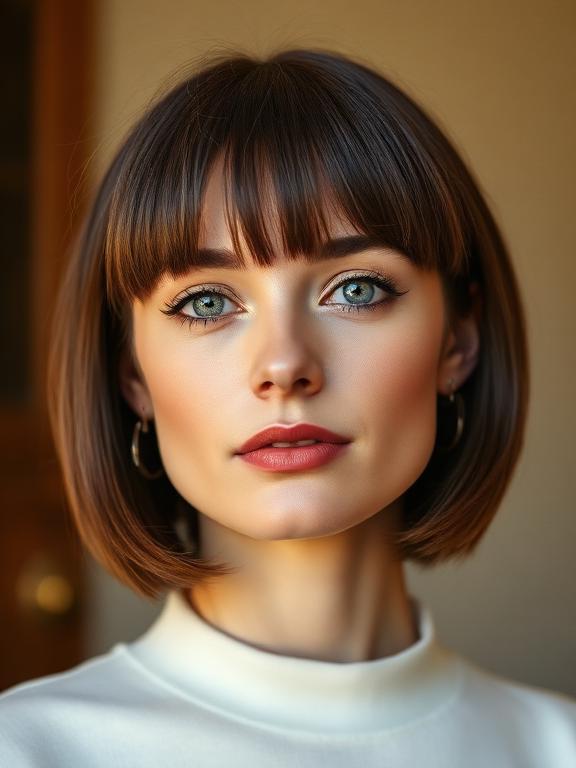
A full straight fringe on a medium-length cut adds a strong horizontal line across the forehead that immediately draws attention upward and creates the impression of more overall hair. For fine hair that can look sparse around the hairline, a fringe is a genuinely practical solution that also frames the face in a way few other techniques can.
Keep the fringe slightly longer than you think you want it when freshly cut, because fine hair fringes tend to sit higher once they’re blow-dried and any natural shrinkage happens. Trim gradually rather than cutting aggressively on the first visit.
14. Layered Lob With Highlights
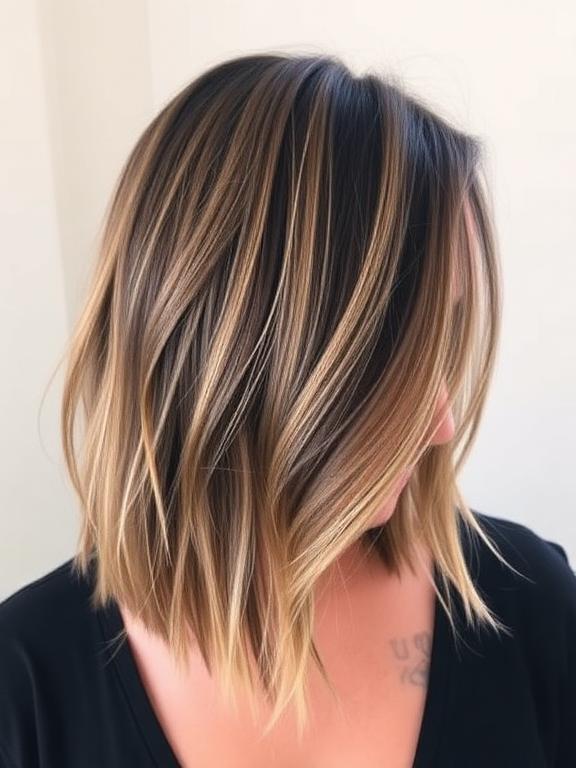
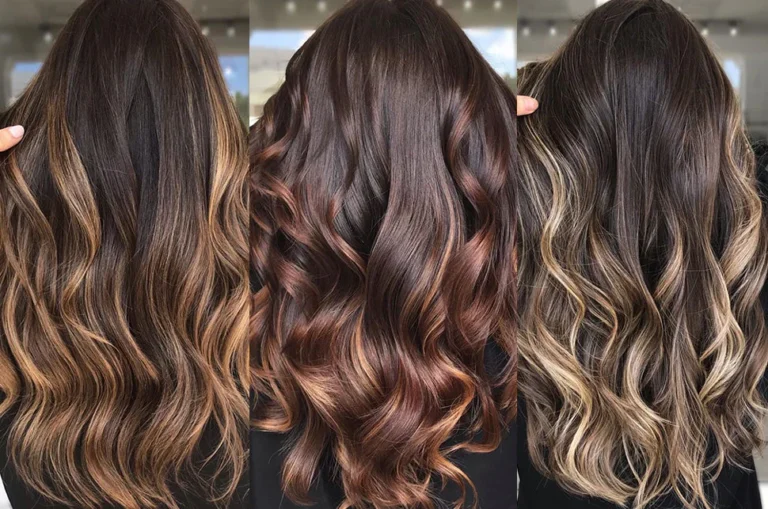
Strategic highlights through a medium length cut are one of the most effective tools for making fine hair look thicker. When light and slightly darker sections sit next to each other, the eye reads the contrast as depth and density. Colour does what styling products often can’t, which is create the genuine impression of more hair.
Ask for fine babylights or closely placed balayage rather than chunky highlight sections. Fine, distributed highlights blend more naturally and create more dimensional fullness throughout the cut. Chunky highlights on fine hair can look striped rather than dimensional.
15. Medium Length Shag With Bangs
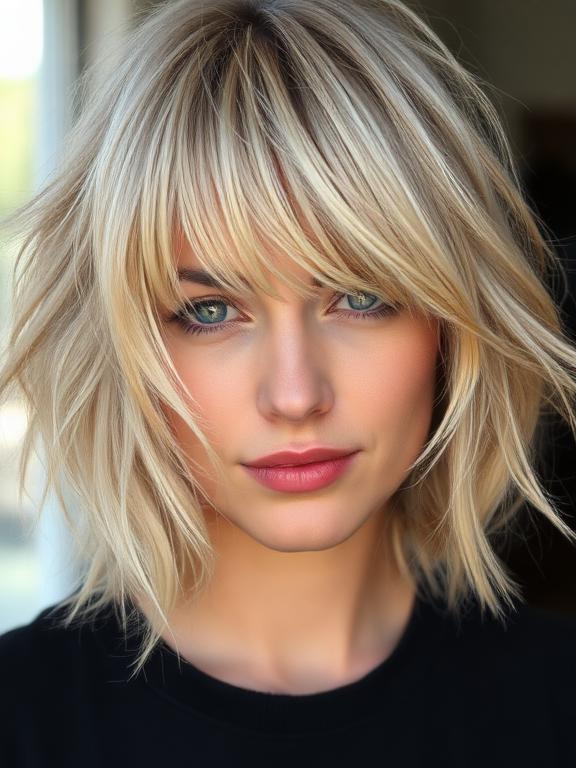
A full shag with curtain or straight bangs at medium length is the maximum volume option on this list for fine hair. Every element of this cut, the layers, the bangs, the textured ends, works together to create movement and body throughout. It’s the most committed choice here but rewards fine hair most dramatically.
This cut requires a stylist experienced specifically with fine hair shag cuts. The layering placement on fine hair is different from the same cut on thick hair. Ask directly whether they’ve done shag cuts on fine hair before booking. The wrong placement turns a shag into a flat, shapeless cut on thin strands.
16. Rounded Lob Silhouette
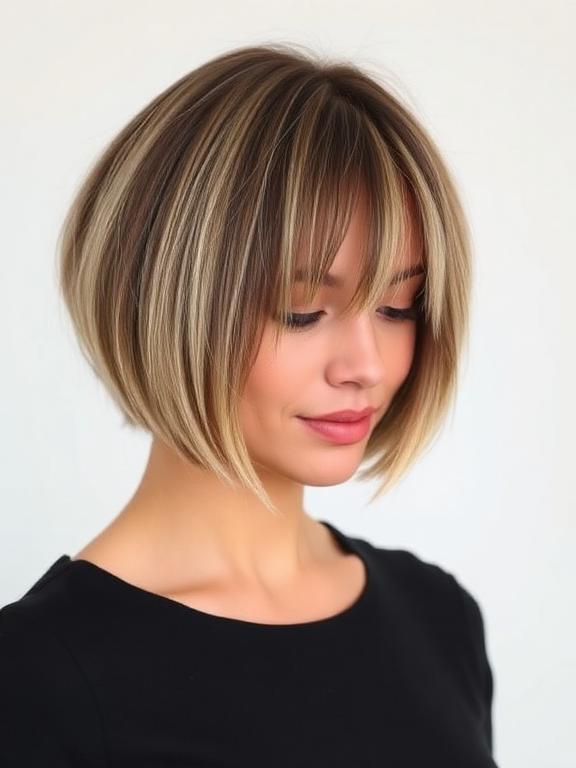
A rounded lob curves slightly at the ends rather than sitting in a straight line, which creates a full, voluminous silhouette that flatters fine hair significantly. The rounded shape at the bottom mimics thickness and gives the cut a polished, intentional finish that straight blunt cuts don’t always achieve on thinner hair types.
Achieve the rounded shape during your blow-dry using a large round brush, rolling the ends slightly under as you dry the bottom sections. The rounder the brush barrel, the more pronounced the curve. A setting spray applied before drying helps the shape hold through the day.
17. Lob With Root Lift Styling
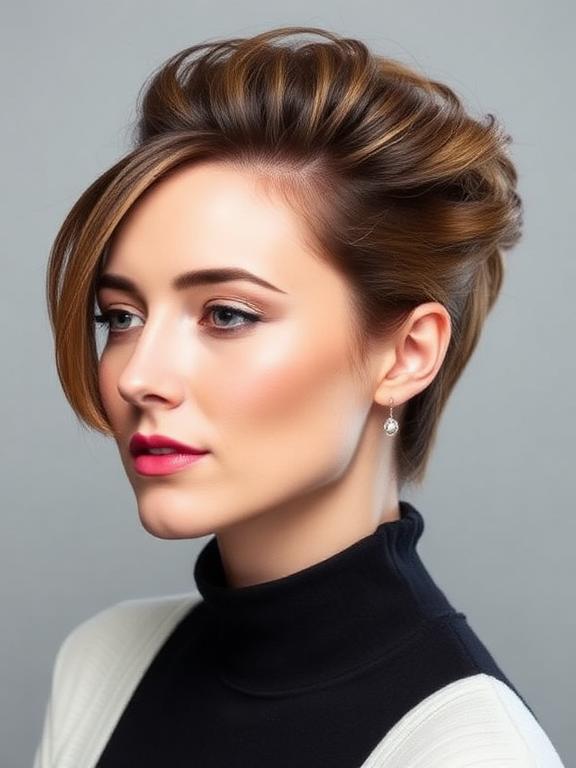
This is less about the cut itself and more about the technique that makes any medium-length lob look fuller than it actually is. Root lift is the single most transformative styling step for fine hair at this length, and most people either skip it entirely or apply it incorrectly.
Spray a volumising root lifter directly at the roots on damp hair section by section, then blow dry each section lifting upward rather than pulling down. Drying in an upward direction sets the lift before the hair cools. Drying downward immediately cancels out any product benefit.
18. Tousled Medium Length Cut
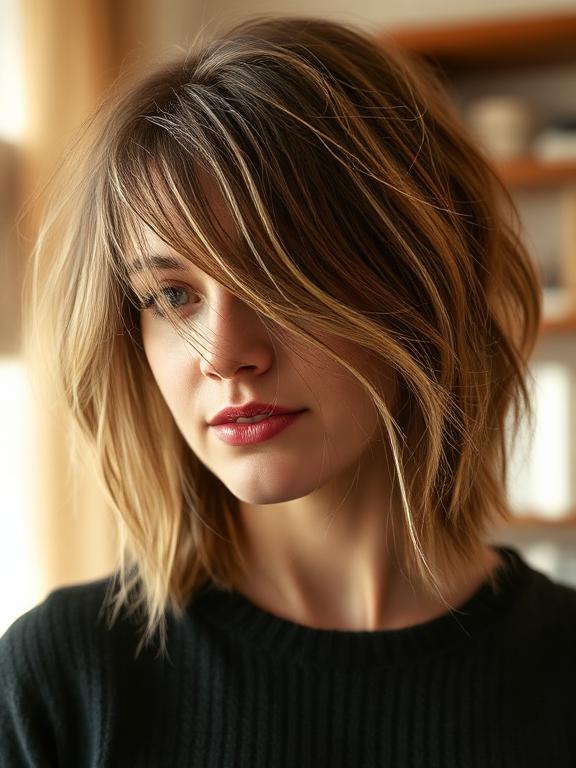
A tousled medium length cut sits somewhere between styled and undone, and that in-between quality is exactly what makes it so flattering on fine hair. The natural movement and slight imperfection of a tousled style create visual texture that smooth, polished finishes on fine hair rarely achieve without a lot of product.
Apply a lightweight volumising mousse on damp hair and scrunch gently before diffusing. Once dry, break apart any clumps with your fingers and finish with a dry texturising spray at the roots for an extra layer of grip and body. Avoid anything heavy or glossy as a finisher.
19. Medium Cut With Balayage
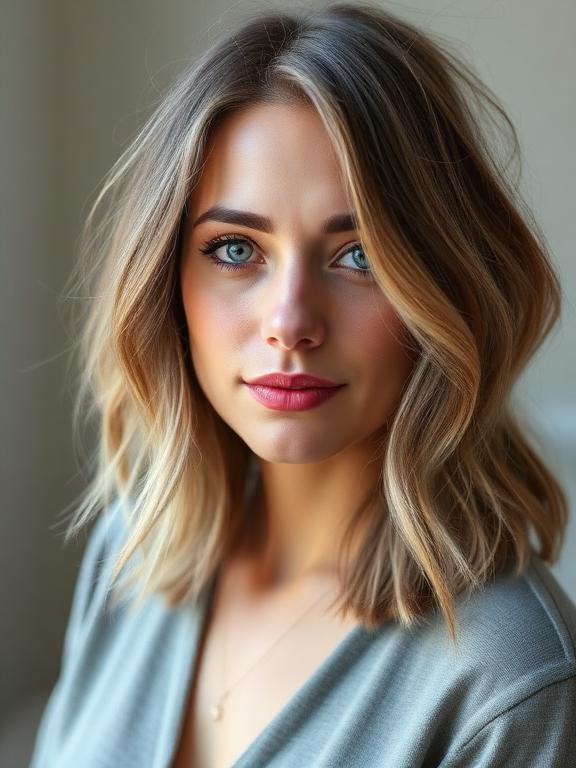
Balayage on medium-length fine hair creates dimension and the illusion of thickness in the same way highlights do, but with a softer, more graduated result. The lighter pieces catch the light differently from the darker base, giving the overall cut a layered, multi-dimensional appearance that single-process colour never achieves. It makes the hair look more substantial without a single trim.
Ask for babylights through the top sections combined with balayage through the lengths. The babylights near the scalp add brightness and dimension right at the root area where fine hair often looks flattest and most sparse.
20. Undone Centre Part Lob
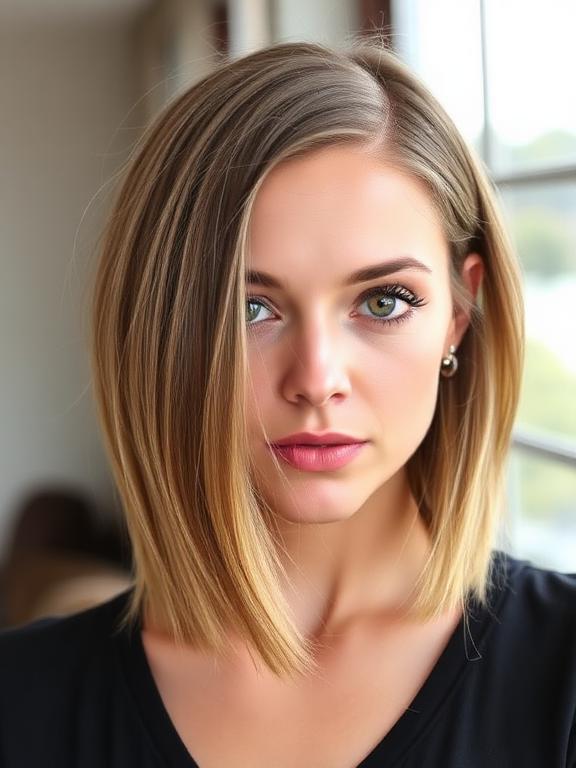
A centre part on a medium-length lob is effortlessly modern and works surprisingly well for fine hair when the cut underneath is clean and precise. The symmetry draws the eye to the face and the cut itself rather than the volume or density of the hair. It’s a style that relies on the quality of the shape, not the thickness of the strands.
Create the part on slightly damp hair and blow dry each side away from centre using a medium round brush. Setting the part while damp means it holds its direction far better than trying to force dry hair into a new position mid-day.
21. Lob With Wispy Curtain Bangs
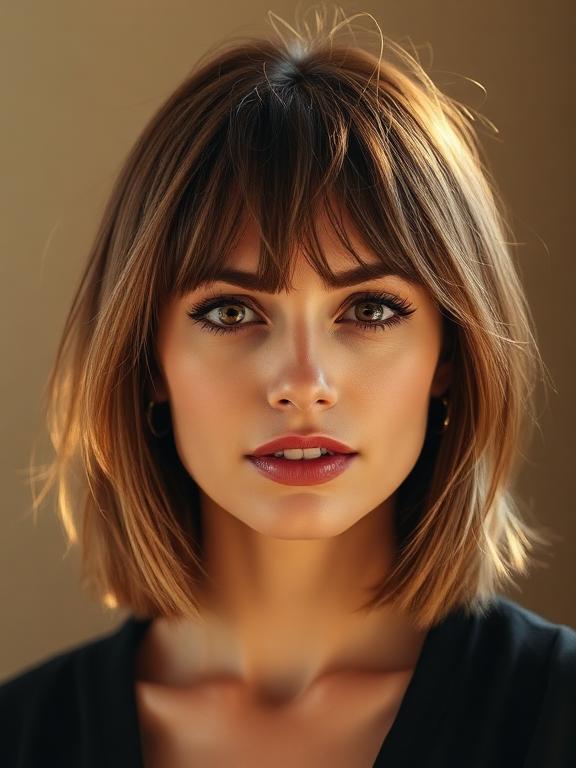
Wispy curtain bangs on a medium-length lob are softer and lower maintenance than a full fringe while still adding the same face-framing dimension at the front. The wispiness suits fine hair particularly well because the bangs don’t look sparse the way a thick, heavy fringe can when fine hair doesn’t have the density to support it.
Grow them out to at least eyebrow length before styling. Curtain bangs that are too short on fine hair tend to stick out rather than sweeping softly. Length is what gives them the natural fall and movement that makes this style work.
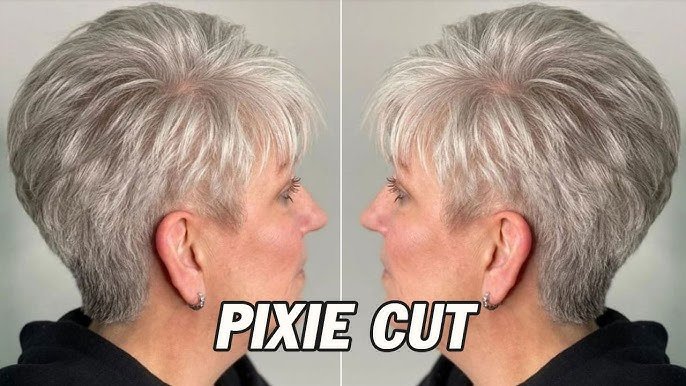
22. Medium Length Pixie Lob
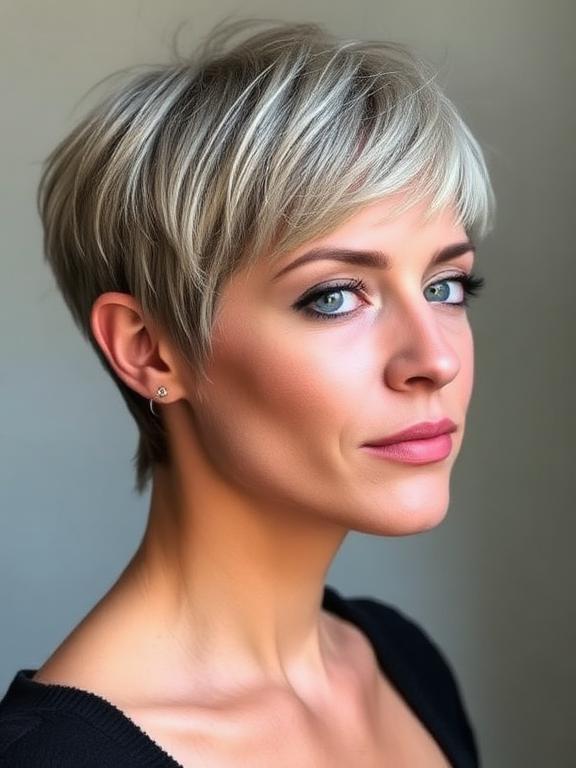
A pixie lob, sometimes called a plob, sits shorter than a traditional lob but longer than a pixie, landing somewhere around the jaw to collarbone range with lots of texture and movement throughout. For fine hair, it offers more body than longer cuts because the reduced length means less weight pulling everything flat. It’s a confident, modern choice with a lot of daily versatility.
Style with a matte texturising clay worked through dry ends for definition and separation. On fine hair, matte finishes always look fuller than glossy ones because shine emphasises the thinness of individual strands rather than the overall shape of the cut.
FAQs
Is medium length actually good for fine hair?
Yes, when the cut is right. Medium length sits in a range where fine hair still holds enough weight to look full but isn’t so long that gravity pulls all the body out. The cut itself matters more than the length. A well-executed medium cut on fine hair looks significantly better than a badly executed short cut.
Should I avoid layers if I have fine hair?
Not entirely. Avoid heavy or short layers that remove too much bulk. Long, gradual layers and face-framing sections work well. The goal is to add movement without sacrificing the weight at the bottom that makes fine hair look dense and full.
What blow-dry technique adds the most volume to fine hair?
Flip your head upside down for the first few minutes of blow drying and dry the roots first. This sets lift at the base before the hair cools. Use a round brush on the sections rather than a paddle brush if you want both volume and direction at the ends.
How do I keep medium length fine hair from going flat by midday?
A dry shampoo or volumising powder at the roots is the fastest fix. Apply it at the roots, wait thirty seconds, then massage in and brush through. It adds grip and texture that fine hair loses as natural oils build up through the day.
Wrapping Up
Medium length is one of the best decisions fine hair can make when the cut is approached with intention. Every style on this list works specifically because of how it handles weight, placement, and texture rather than trying to fake thickness with product alone.
Take two or three of these to your next appointment as references. Tell your stylist your biggest frustration with your current cut and let the reference images do the rest of the talking.