21 Undercut Hairstyles for Fine Hair
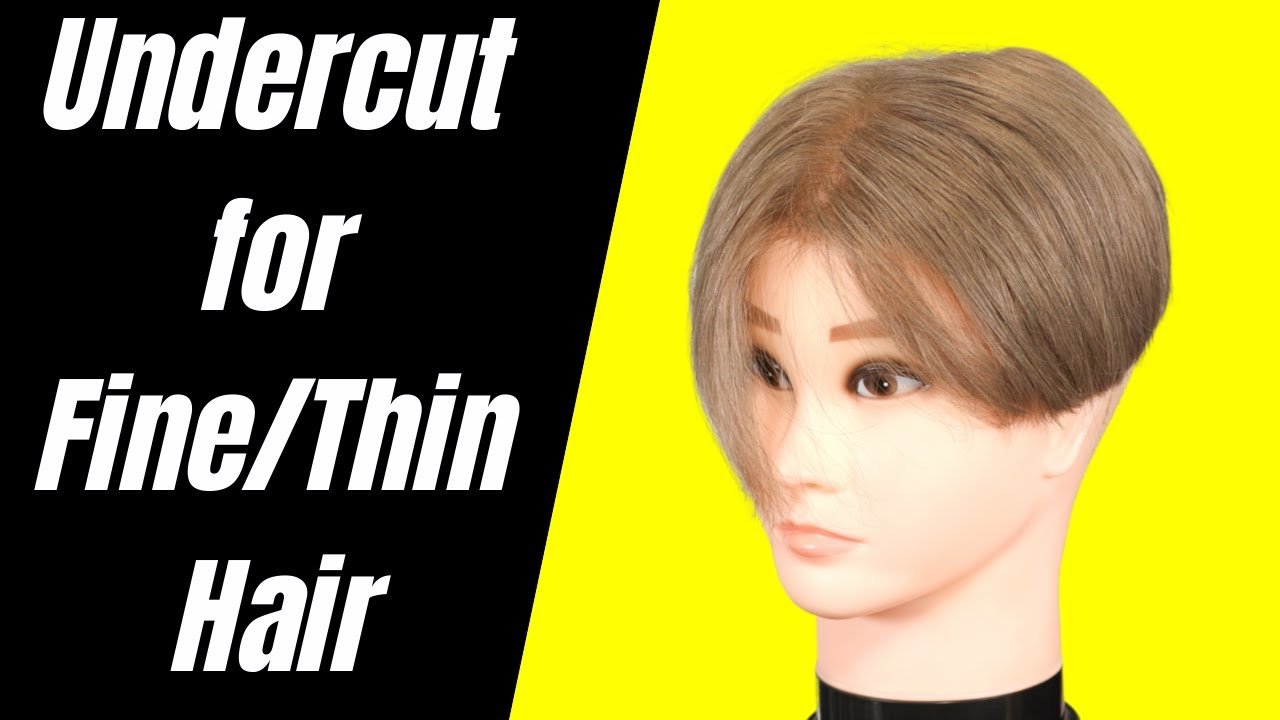
The undercut is one of the most misunderstood haircut techniques for fine hair. Most people associate it with bold, edgy styles on thick hair where the contrast between the shaved sections and the longer top is the whole point of the look. But the undercut serves a completely different and equally valuable purpose for fine hair, and that purpose is practical rather than aesthetic.
For fine hair, a hidden undercut removes weight from underneath the surface layers without changing anything visible on the outside of the cut. The surface looks the same. The length stays the same. But the weight underneath is gone, which means the hair sits lighter, moves more freely, and holds its shape better through the day. It is one of the most effective tools available for managing fine hair at any length, and most people wearing it would never know it was there if they did not already know to look.
Beyond the hidden functional undercut, there is also the visible undercut, the kind where the closely clipped or shaved sections are meant to be seen as part of the design. For fine hair this visible undercut creates contrast and graphic interest that does not depend on the density of the hair to look striking. The design comes from the shape and the contrast rather than from the volume of hair, which makes it one of the few styling approaches where fine hair is genuinely not at a disadvantage.
This list covers 21 undercut hairstyles for fine hair that span both categories, from the purely functional hidden undercuts that manage fine hair weight to the visible graphic undercuts that use fine hair as a canvas for bold design.
1. Hidden Nape Undercut
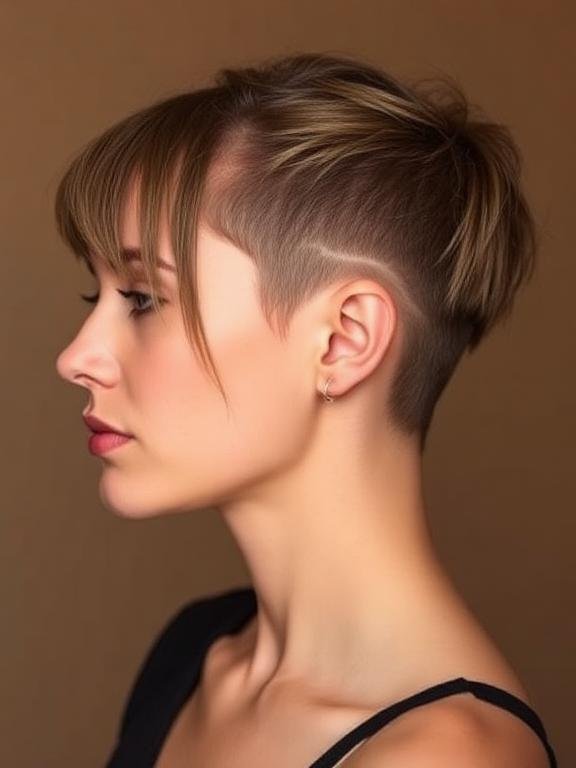
The hidden nape undercut is the most practical and widely applicable undercut for fine hair. A closely clipped section at the nape sits completely hidden underneath the upper surface layers, removing weight from the area where fine hair tends to go heaviest and flattest without changing anything about the visible appearance of the cut.
Ask for a hidden undercut at the nape clipped closely underneath the surface layers, invisible when the hair is worn down, that removes weight from the lower section and allows the upper layers to sit lighter and hold their shape better through the day.
2. Undercut Pixie
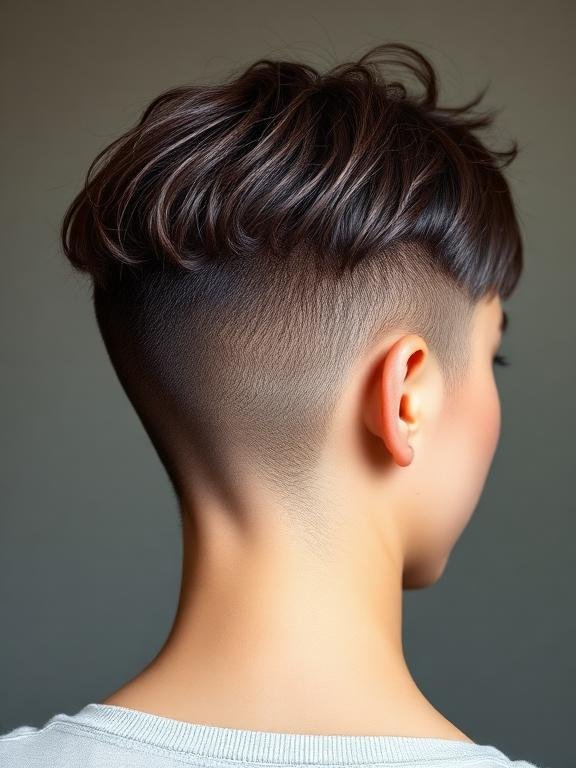
A pixie with a visible undercut at the sides creates a bold contrast between the longer top section and the closely clipped sides that gives the cut a strong, graphic quality. For fine hair this contrast works particularly well because the design comes from the shape itself rather than from volume, which means fine hair carries the look as effectively as thick hair would.
Ask for a pixie with a visible undercut at the sides creating a clear contrast between the longer layered top section and the closely clipped sides, with the top section having enough length to show movement and texture above the undercut line.
3. Bob with Hidden Undercut
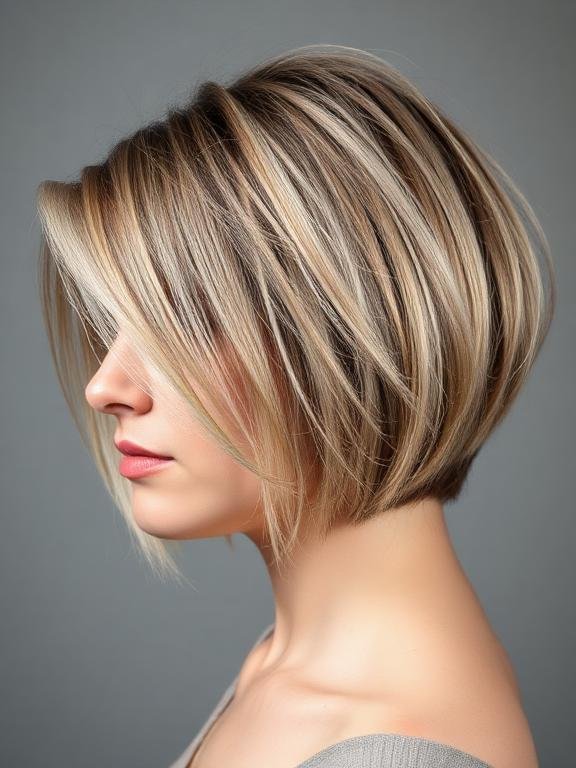
A bob with a hidden undercut at the nape looks like a standard clean bob from every visible angle but behaves significantly better for fine hair because the undercut removes the weight from underneath that would otherwise make fine hair go flat and limp through the day. The bob perimeter stays full and the cut looks the same but performs completely differently.
Ask for a bob of your preferred length with a hidden undercut clipped closely at the nape underneath the surface layers, keeping the outer bob shape and perimeter completely unchanged while significantly reducing the weight and improving how the fine hair holds its shape.
4. Disconnected Undercut Pixie
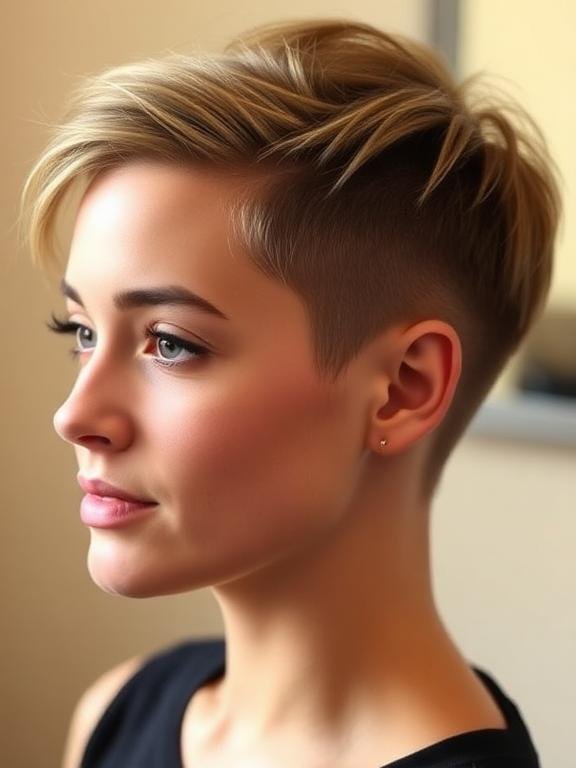
A disconnected undercut pixie has a very clear, deliberate line between the longer top section and the closely clipped sides, creating a strong graphic contrast that makes the style immediately striking. For fine hair the disconnection is easier to maintain than on thick hair because there is less hair in the longer section that might fall across and obscure the undercut line.
Ask for a pixie with a clearly disconnected undercut line between the longer textured top section and the closely clipped sides, with the line kept clean and defined rather than blended, creating a strong graphic contrast that makes the most of the two-tone design.
5. Lob with Nape Undercut
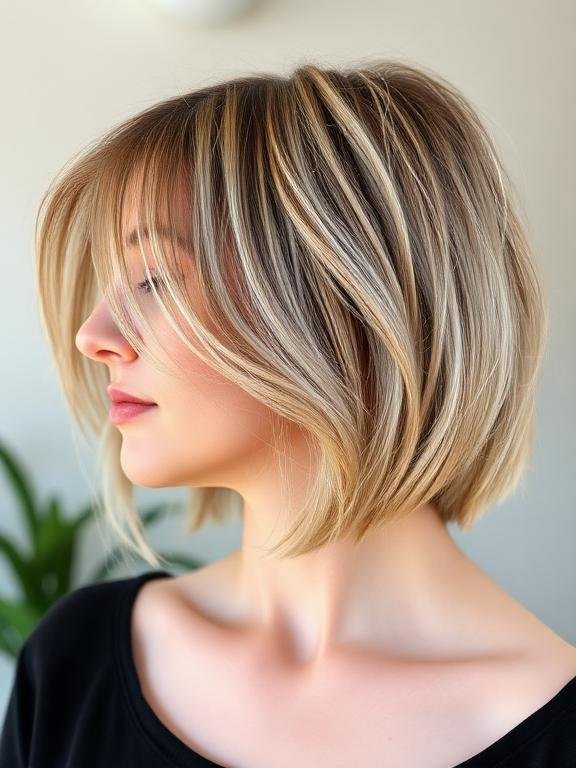
A lob with a hidden nape undercut addresses one of the most common fine hair challenges at medium length, which is the heaviness and flatness that builds up at the lower back section as the longer length pulls the fine hair down. The nape undercut removes that weight invisibly and allows the lob to move and swing more freely than it would without the undercut.
Ask for a shoulder-length lob with a hidden nape undercut clipped closely at the lower back section underneath the surface layers, invisible when the hair falls naturally, that removes the lower weight that causes fine hair to go flat and lifeless at medium length.
6. Side Undercut with Long Top
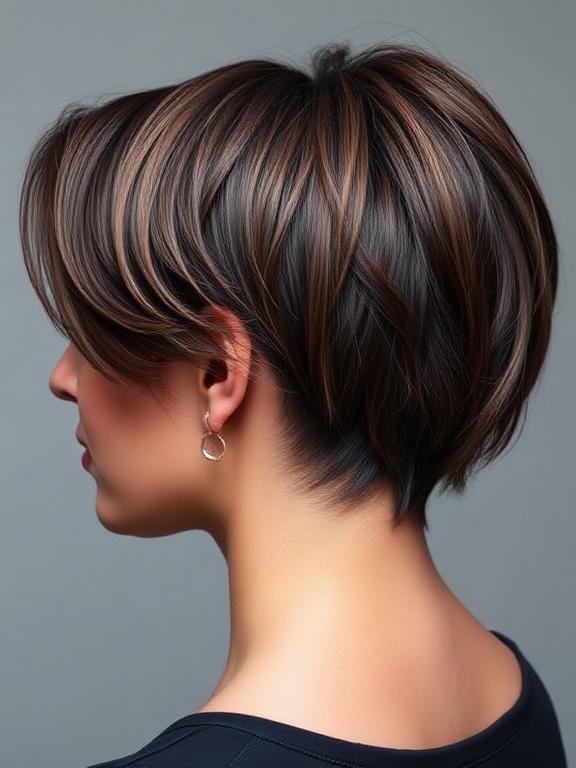
A visible side undercut with a longer top section that falls across the clipped area creates a design where the longer hair can be worn to reveal or conceal the undercut depending on the occasion. For fine hair this versatility is useful because the style can look completely conventional when the longer section covers the undercut and striking and bold when it is pinned or swept back to reveal it.
Ask for a visible undercut on one side with the longer top section left long enough to fall across and cover the clipped section when worn naturally, with the option to pin or sweep the top section back to reveal the undercut for a more striking, graphic appearance.
7. Undercut Bob with Textured Top
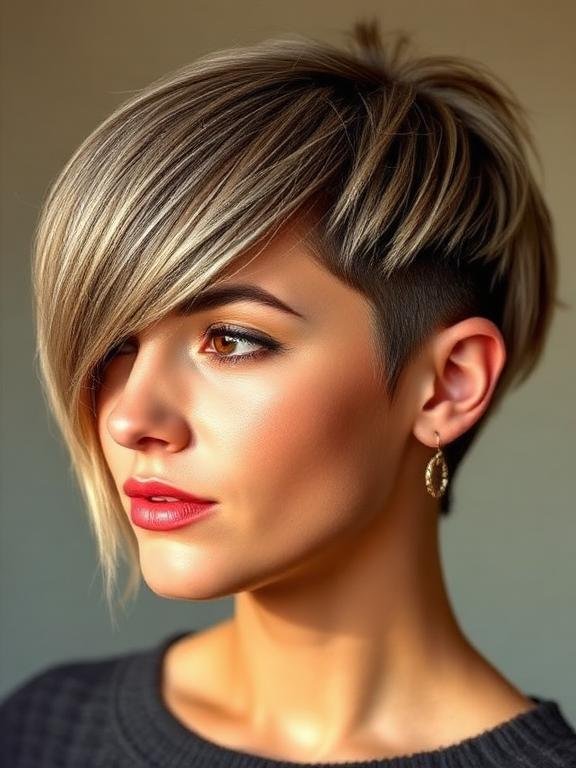
An undercut bob pairs a visible or hidden undercut at the sides or nape with visible texture through the top section of the bob that creates interest and movement on the surface. For fine hair the undercut removes weight that would otherwise suppress the texture, which means the textured top section sits and moves more freely than it would in a bob without the undercut.
Ask for a bob with a hidden or softly visible undercut at the sides or nape and textured layering through the top section that creates movement and dimension, with the undercut removing the underlying weight that would otherwise flatten the surface texture of the fine hair.
8. Undercut with Curtain Bangs
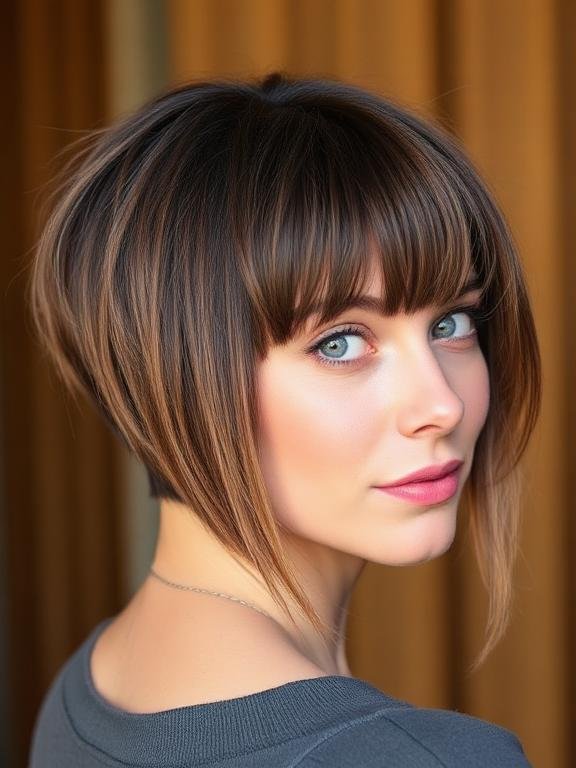
A style that combines a hidden or visible undercut with curtain bangs creates two separate points of interest at opposite ends of the style. The curtain bangs frame the face at the front and add visual interest above, while the undercut shapes and lightens the back and sides below. For fine hair the undercut specifically helps the curtain bangs sit and move better by removing the weight that pulls the surface layers down.
Ask for a cut of your preferred length with curtain bangs that blend into face-framing layers at the front and a hidden undercut at the nape or sides that removes weight from underneath and allows the surface layers and curtain bangs to sit with more movement and lift.
9. Shaved Nape with Long Top
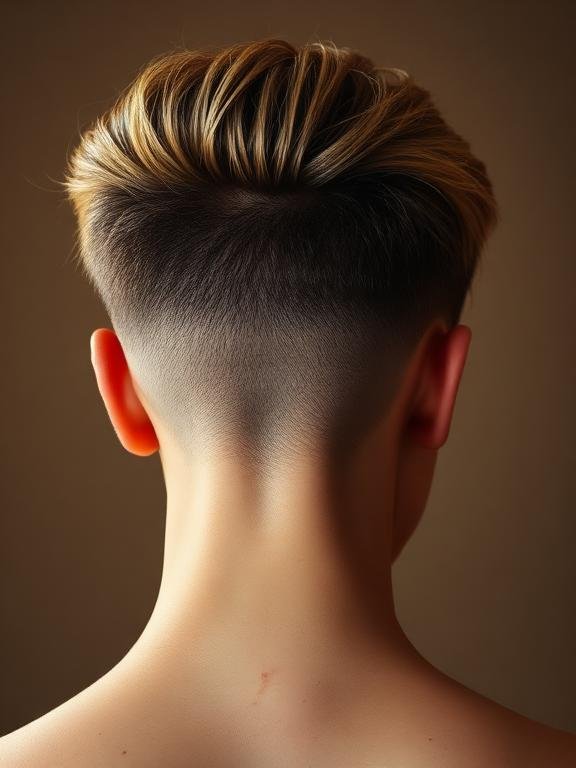
A shaved or very closely clipped nape with a longer top section that falls past the nape is a visible undercut design that creates a striking contrast when the hair is worn up or swept back and reveals the shaved section at the nape. For fine hair the visible nape design is graphic and intentional in a way that does not require volume or density to look striking.
Ask for a closely shaved or clippered nape section with the upper and top sections left at your preferred length, with the shaved nape designed to be revealed when the hair is worn up or swept back and to sit neatly hidden when the hair is worn down.
10. Pixie Bob with Side Undercut
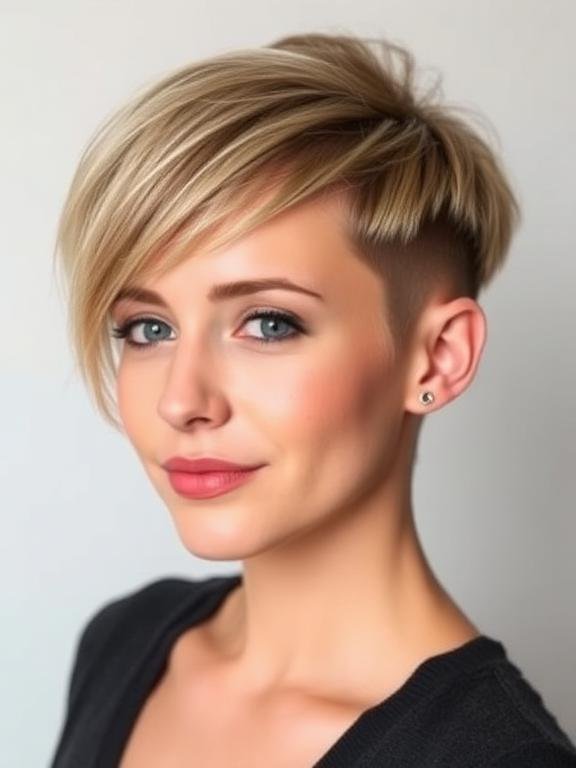
A pixie bob with a visible side undercut creates a modern, confident silhouette where the longer top and front sections contrast with the closely clipped sides. For fine hair the pixie bob length means there is less weight in the longer sections that might obscure the undercut line, which keeps the contrast clean and the design visible without needing to be maintained as frequently as a longer style with the same undercut.
Ask for a pixie bob with a visible undercut at the sides, keeping the top and front sections at pixie bob length with enough texture to show movement above the undercut line, and the sides clipped closely enough to create a clear, visible contrast.
11. Hidden Temple Undercut
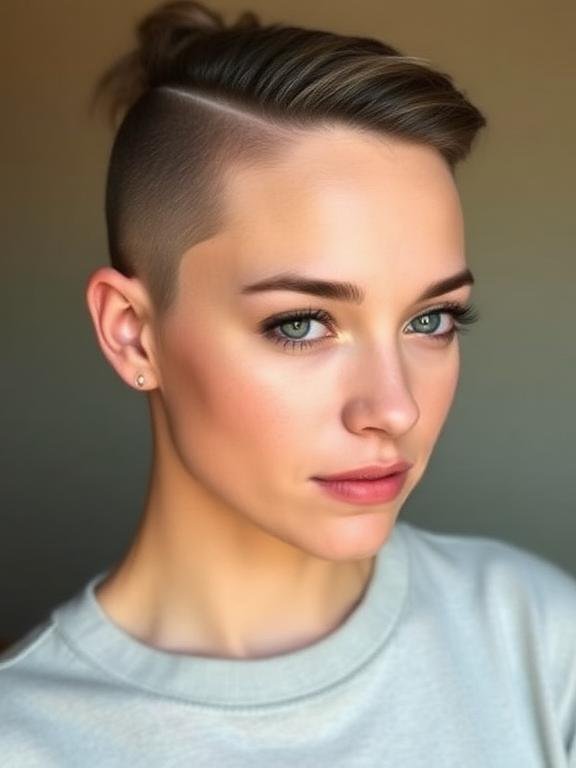
A hidden temple undercut clips the hair closely at the temples underneath the longer surface layers, removing weight from the sides of the head without affecting the visible appearance of the cut. For fine hair this is particularly useful because it reduces the flatness and heaviness that fine hair develops at the sides through the day without changing anything about the style that can be seen.
Ask for a hidden undercut at the temples clipped closely underneath the surface layers on both sides, invisible when the longer surface layers fall naturally, that removes side weight and allows the surface layers to hold their shape and volume at the sides better through the day.
12. Undercut with Wavy Top
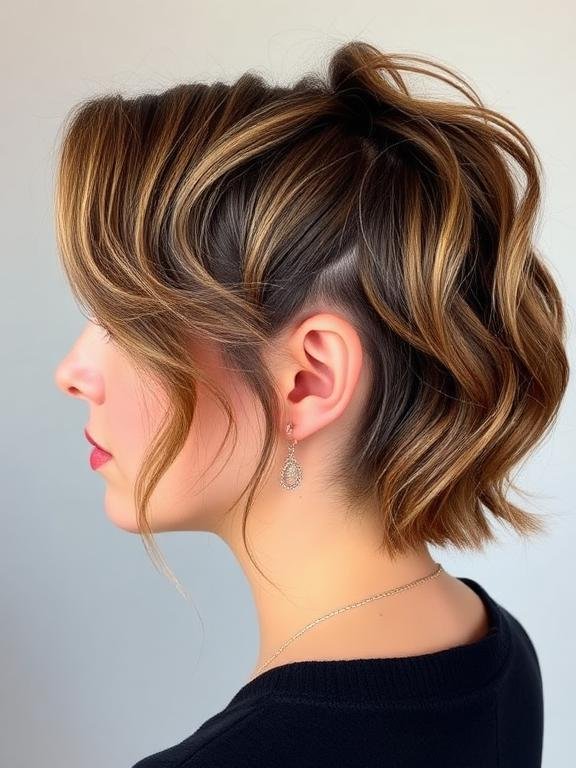
A hidden or softly visible undercut paired with a wavy top section gives fine hair the best of both approaches. The undercut removes the weight that suppresses the natural wave or styled wave in the top section, and the wave adds the volume and movement that fine hair needs to look full and textured. Together the two elements produce a result that neither achieves as effectively on its own.
Ask for a cut of your preferred length with a hidden undercut at the nape or sides that removes underlying weight and allows the wave to move more freely in the top sections, styled with a lightweight wave-enhancing product that gives the fine hair wave definition without weighing it down.
13. Graphic Undercut Design
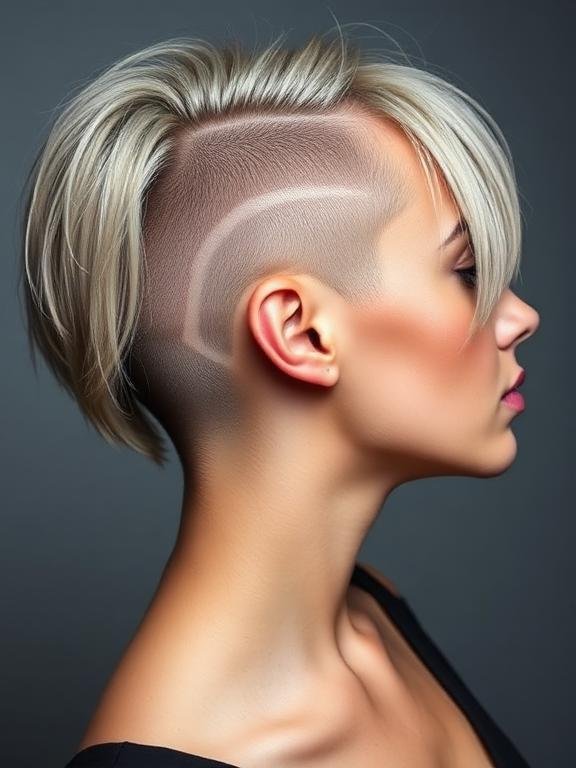
A graphic undercut involves clipping a specific pattern, line, or shape into the closely cropped undercut section that becomes visible when the hair is worn up or styled to reveal it. For fine hair a graphic undercut design is one of the most personal and striking styling choices available because the design does not depend on the density of the hair to look intentional and impressive.
Ask for a visible undercut with a specific pattern, line, or geometric shape clipped into the closely cropped section by a stylist experienced in undercut designs, with the longer surface layers left at a length that can cover the design when worn naturally or reveal it when styled.
14. Undercut Shag
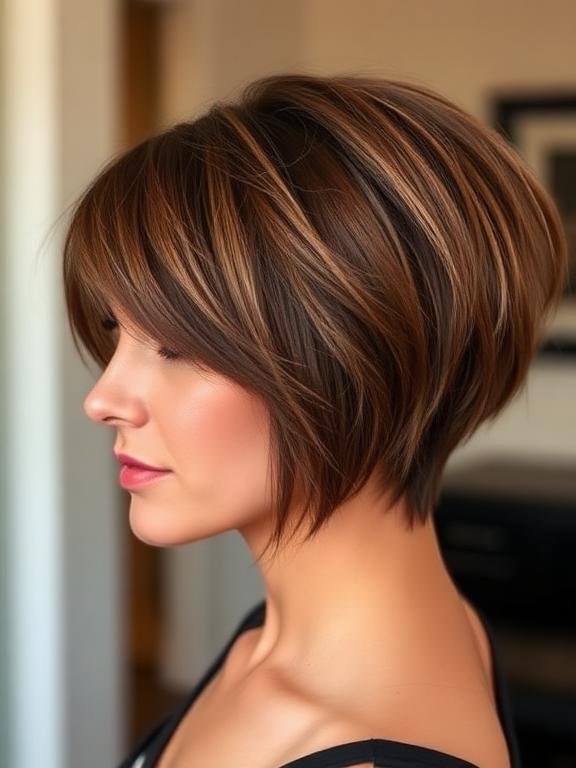
A shag cut with a hidden undercut at the nape addresses one of the main challenges of wearing a shag on fine hair, which is that the full-length layering of a standard shag can remove too much density from the ends. The hidden undercut removes weight from underneath instead, which means the shag layering above can be more conservative while still achieving the lightness and movement the shag shape requires.
Ask for a medium-length shag with conservative layering through the crown and upper mid-lengths and a hidden undercut at the nape that removes underlying weight, allowing the shag to feel light and move freely without requiring aggressive layering through the ends that would thin the fine hair too much.
15. Long Bob with Full Undercut
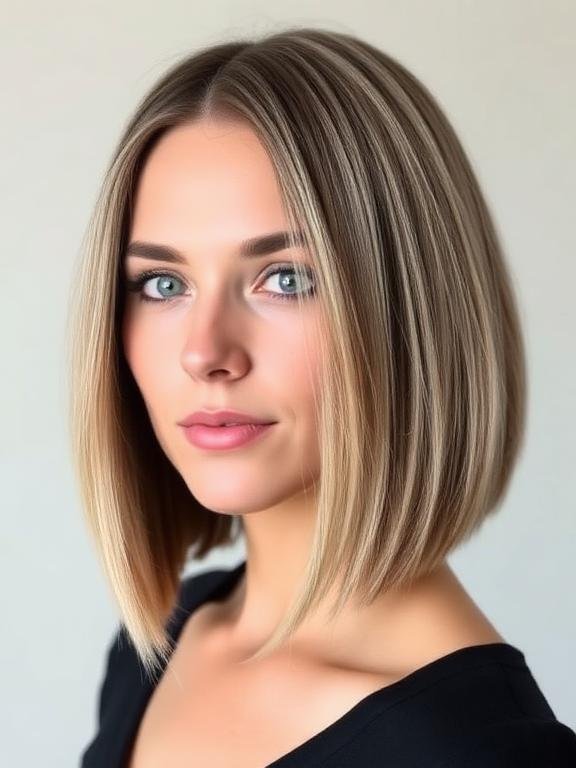
A long bob with a full undercut that clips the entire lower section closely underneath creates a style that looks like a clean, simple long bob from the outside but has significantly less weight underneath than an unlayered long bob on fine hair would have. The full undercut is the most dramatic hidden weight removal technique and is particularly useful for fine hair that goes very flat and heavy at longer lengths.
Ask for a long bob with a full undercut clipping the entire lower section closely underneath the surface layers, creating a dramatic reduction in weight that allows the long bob to move and hold its shape much more effectively than fine hair at this length typically would without the undercut.
16. Undercut with Side Part
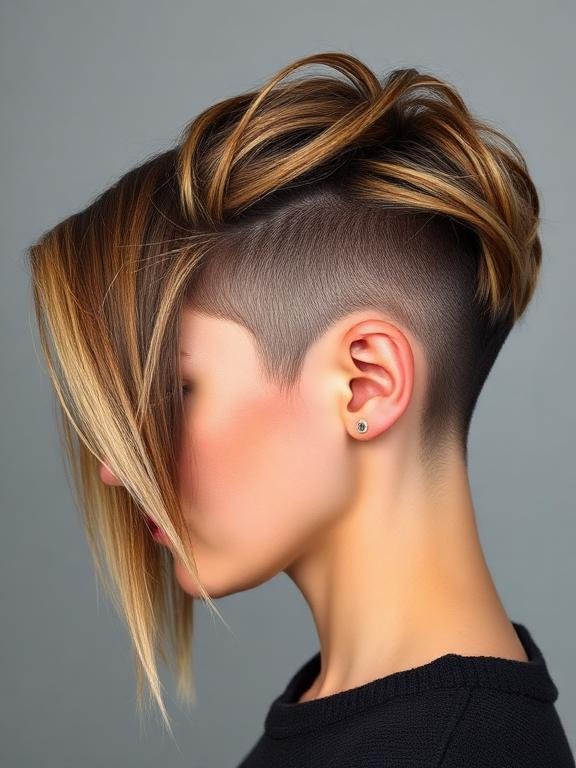
Pairing a side part with a hidden undercut on the lighter side creates a style where the side part sends most of the fine hair to the heavier side, creating the impression of volume and density, while the undercut on the lighter side removes the small amount of hair that remains there from creating flatness or revealing the thinness of the fine hair beneath the surface layers.
Ask for a cut styled with a deep side part and a hidden undercut on the lighter side of the part clipped closely underneath the surface layers, creating a style where the side part and the undercut work together to maximize the apparent density and volume of fine hair.
17. Undercut Pixie with Long Fringe
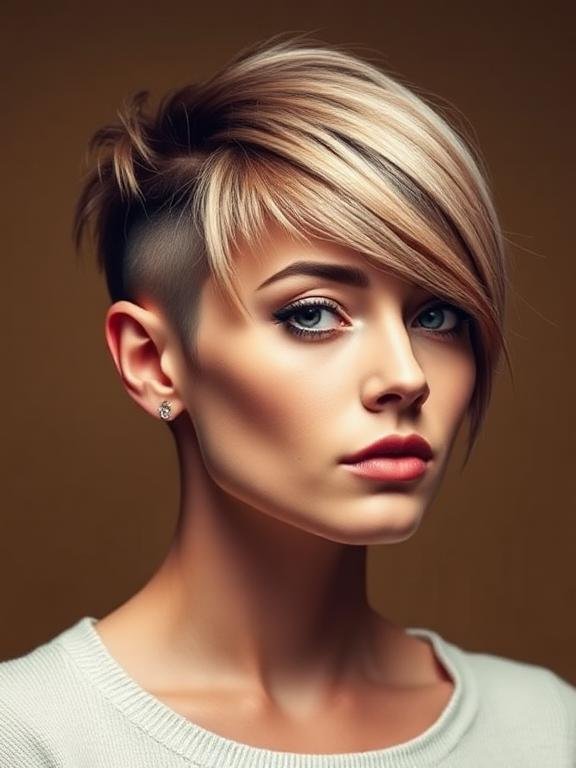
A pixie with an undercut at the sides and a longer fringe at the front creates a style with a strong graphic contrast between the clipped sides and the longer front section that falls across the forehead. For fine hair the longer fringe adds a soft, face-framing element that balances the boldness of the undercut without demanding the density a full fringe would require.
Ask for a pixie with a visible undercut at the sides and a longer fringe section at the front that falls across the forehead, creating a graphic contrast between the closely clipped sides and the longer front and top sections that frames the face softly while making the most of the undercut design.
18. Soft Undercut Bob
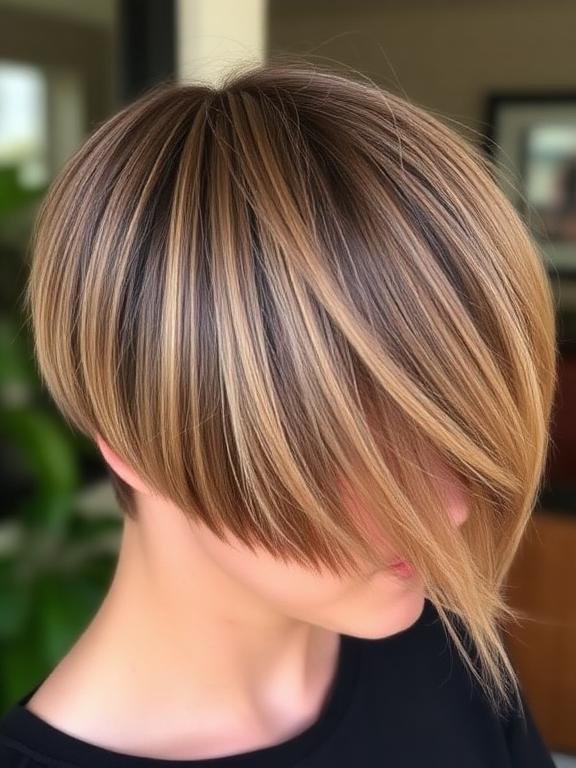
A soft undercut bob uses a less aggressive clipping technique at the nape and sides, tapering rather than sharply clipping the undercut section, which creates a softer transition between the undercut and the longer surface layers. For fine hair this softer approach is often more flattering because it removes weight without creating a harsh visible line that might be noticeable when the fine hair moves.
Ask for a bob with a soft undercut that tapers gradually at the nape and sides rather than clipping sharply to a single length, creating a softer, less visible transition between the undercut section and the longer surface layers while still removing the weight that makes fine hair difficult to manage.
19. Undercut with Curtain Bang Lob
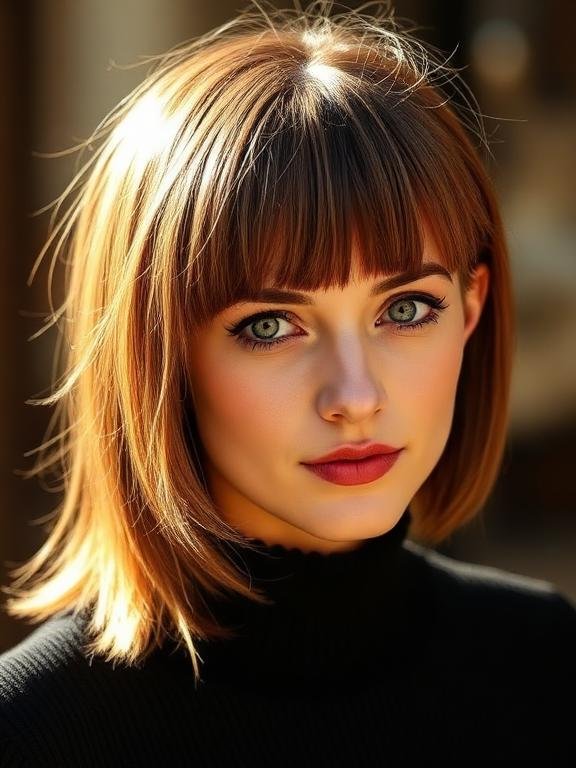
A lob that combines curtain bangs at the front with a hidden undercut at the nape creates a style that addresses fine hair challenges at both ends of the cut simultaneously. The curtain bangs create face-framing fullness and interest at the front, and the hidden undercut removes the weight at the back that would otherwise make the lob go flat and lifeless through the day.
Ask for a shoulder-length lob with curtain bangs that blend into face-framing layers at the front and a hidden nape undercut that removes lower weight and allows the lob to move and hold its shape more freely, with the overall style kept as full and dense as possible at the perimeter for fine hair.
20. Double Undercut
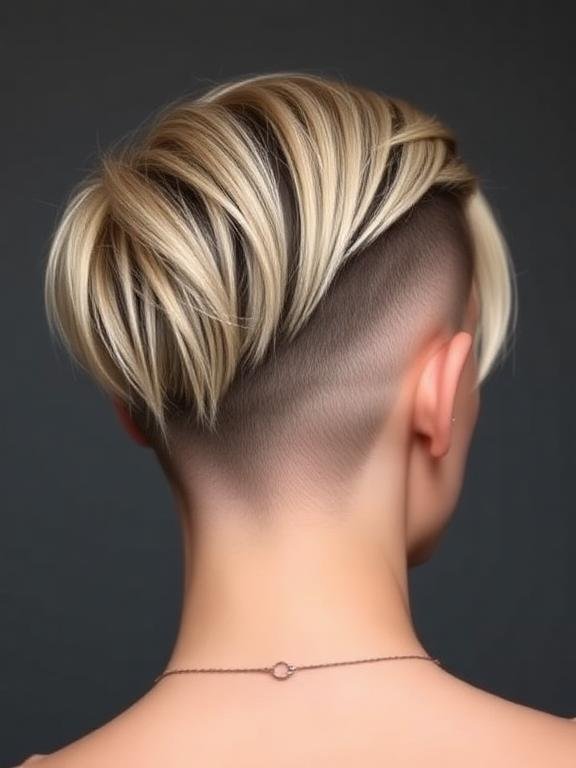
A double undercut clips both the nape section and the temple sections closely underneath the surface layers, removing weight from three separate points through the under section of fine hair. For very fine or very flat fine hair this more comprehensive undercut approach can make a significant difference to how the style sits and holds through the day.
Ask for a double undercut with the nape and both temple sections clipped closely underneath the surface layers, invisible when the hair is worn naturally, that removes weight from multiple points under the fine hair and allows the surface layers to sit significantly lighter and hold their shape much longer between washes.
21. Visible Undercut Lob
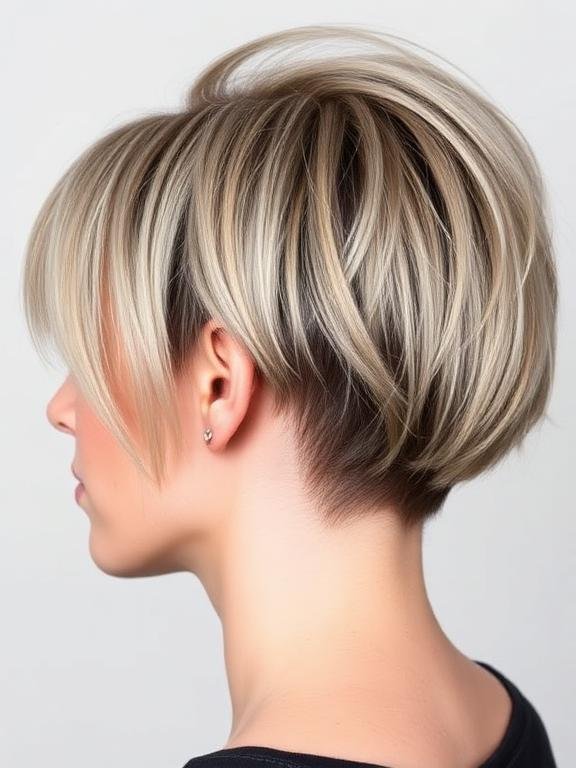
A visible undercut on a lob creates a design where the longer lob sections sit above a closely clipped or shaved lower section that is meant to be seen when the hair is worn up, in a ponytail, or swept back. For fine hair this is one of the most striking styling approaches available because the design element does not depend on density or volume to look intentional and impressive.
Ask for a lob with a visible undercut at the nape or sides designed to be revealed when the hair is worn up or pulled back, with the longer lob sections covering the undercut completely when worn naturally and exposing it dramatically when the hair is styled up or swept to one side.
FAQs
Does an undercut make fine hair look thinner?
A hidden undercut does not make fine hair look thinner from the outside because the surface layers remain unchanged and the clipped section is not visible. If anything it makes the fine hair look fuller because removing the underlying weight allows the surface layers to sit with more lift and movement than they would with the full weight of the hair underneath. A visible undercut does expose a closely clipped section but creates a graphic contrast that is intentional rather than a sign of thinness.
How short should the undercut be clipped for fine hair?
For a hidden undercut on fine hair the clipping length is typically very short, a number one or two clipper guard, which removes the maximum amount of weight. For a soft hidden undercut a slightly longer clipper guard creates a more gradual taper that is less visible if the hair moves. For a visible undercut the length depends on how much contrast is desired as part of the design.
How often does an undercut for fine hair need maintenance?
Hidden undercuts need refreshing every four to six weeks as the clipped section grows back and starts to add weight again. Visible undercuts with a clean defined line need more frequent maintenance, typically every three to four weeks, to keep the line sharp and the design intentional. Soft tapered undercuts grow out more gradually and can often last six to eight weeks before needing refreshing.
Can fine hair wear a visible undercut without looking too harsh?
Yes. A soft tapered undercut rather than a sharply clipped one creates a more gradual transition that looks less harsh on fine hair. Keeping the longer surface sections at a length and style that has some softness and movement also balances the boldness of a visible undercut. A visible undercut does not have to be extreme to be effective and can be designed at whatever level of visibility suits the person wearing it.
Is an undercut difficult to grow out for fine hair?
A hidden undercut grows out without any visible awkward stage because the growing section simply adds weight back gradually underneath the surface layers. A visible undercut has a more noticeable grow-out period as the clipped section lengthens, but for fine hair this grow-out is often less awkward than it would be on thick hair because the fine hair blends more easily at the transitional length.
Wrapping Up
The undercut is a more versatile and useful tool for fine hair than its bold, edgy reputation suggests. Whether it is hidden entirely underneath a conventional cut to remove weight and improve performance, or worn visibly as a graphic design element that does not depend on density to look striking, it offers fine hair something that most other techniques cannot deliver as effectively.
The 21 styles on this list cover the full range of what an undercut can do for fine hair. From the purely practical hidden nape undercut that most people would never know was there to the deliberately visible disconnected designs that make fine hair look intentional and bold, each one uses the undercut in a way that works specifically with the characteristics of fine hair rather than despite them.